Why Process Engineers Prefer Plate Frame Filter Press for Batch Pharmaceutical Operations?
Why Process Engineers Prefer Plate Frame Filter Press for Batch Pharmaceutical Operations?
Understanding Plate Frame Filter Press in Pharmaceutical Operations
- Understanding Plate Frame Filter Press in Pharmaceutical Operations
- Why Plate Frame Filter Presses Are Preferred Over Other Filtration Methods
- Maintenance and Troubleshooting Best Practices for Plate Frame Filter Press
- Procurement Considerations for Pharmaceutical Batch Operations
- Case Studies and Future Outlook in Pharmaceutical Filtration
- Conclusion
- FAQ
- Partner with an Established Filter Press Manufacturer for Pharmaceutical Excellence
- References
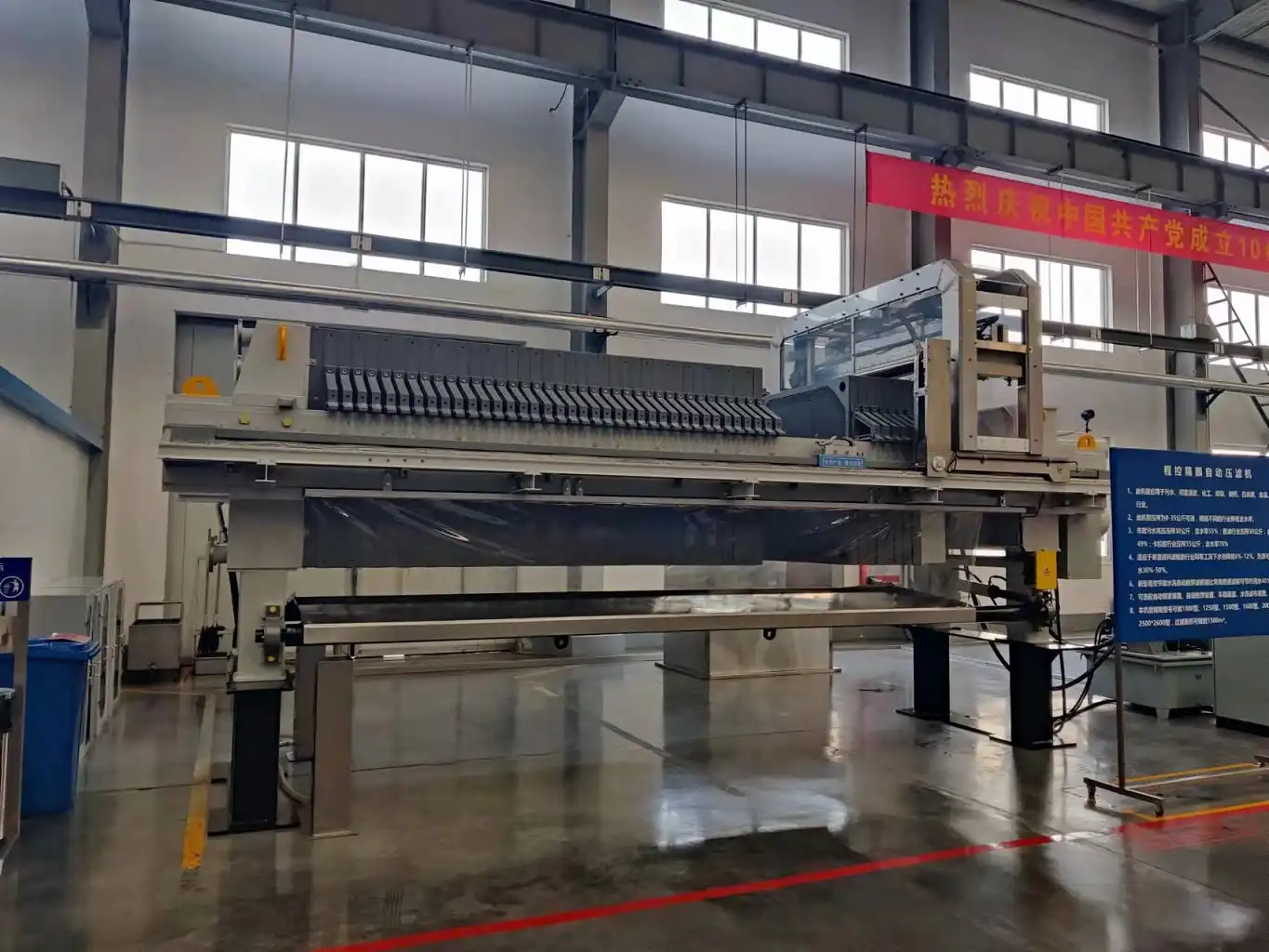
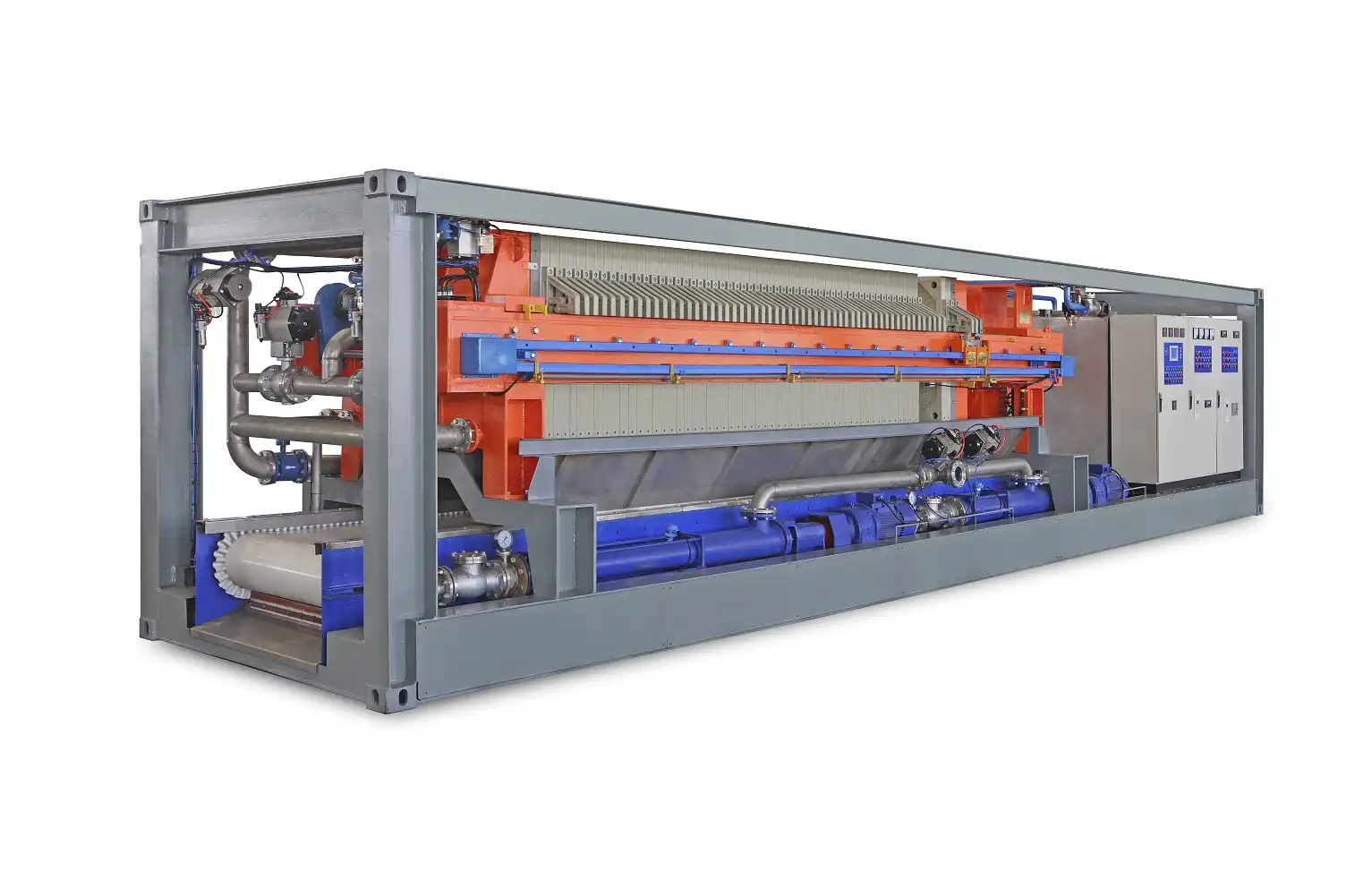
for pharmaceutical batch operations because it makes the cake very dry, filters more clearly, and is reliable enough to meet GMP standards. Unlike other systems, this pressure-driven technology can handle thick slurries that need to be exposed to high temperatures and chemicals in a way that minimises contamination risks and allows for effective cleaning routines. Its modular design lets you work with different batch sizes without affecting throughput or product quality. This solves important practical problems in pharmaceutical manufacturing settings where following regulations and keeping products pure are essential.
Understanding Plate Frame Filter Press in Pharmaceutical Operations
Operating Principle and Core Mechanism
A feed pump puts pharmaceutical slurry into tanks made between solid plates and hollow frames. This starts the filtering process. Under controlled pressure, usually between 75 and 225 psi, liquid is pushed through filter cloths while solids build up inside the frame spaces. This high-pressure setting makes sure that the separation works as well as it can, resulting in filtrate that is clear enough for medicinal use and filter cakes that usually have less than 25% wetness. Because this operation is done in batches, process engineers can change the cycle settings to meet the needs of each formulation. This makes it flexible for a wide range of pharmaceutical goods.
Pharmaceutical-Grade Materials and GMP Compliance
The choice of materials has a direct effect on how well they meet regulations and how long they last in use. When working with medicinal slurries that are acidic or alkaline, polypropylene plates are very chemically resistant. They don't break down in pH ranges from 2 to 12. Stainless steel types, especially 316L grade, last longer in high-temperature situations (above 180°F) and places where steam sterilisation is needed. These materials are FDA-approved for making medicines because they don't have pores, which stop microbes from growing and make confirmation methods easier.
The choice of filter cloth affects both the accuracy of the filtering and how the cake releases. When working with thick pharmaceutical intermediates, monofilament polypropylene cloths don't get blinding, and polyester cloths with tighter weaves can catch particles smaller than 5 microns. The length of the cycle is based on the permeability coefficient of the cloth. Engineers balance the need for dry cakes that are easy to release with the speed of the filter.
Batch Capacity Planning and Cycle Optimization
To find the right size for a filtration system, you need to carefully look at batch sizes and output plans. For example, a normal pharmaceutical system might use 800mm plates with a 35mm frame width. This gives each plate pair about 0.02 cubic meters of chamber space. Filtration processes that include filling, pressing, and discharge can usually be finished in 90 to 120 minutes at production sites that work with 500-liter batches. Process engineers figure out how to get the most work done by looking at things like the concentration of solids in the slurry, the spread of particle sizes, and the target cake wetness levels. The system's ability to change pressure levels and cycle times without having to reconfigure equipment is helpful for facilities that work with a variety of medicinal formulations.
Why Plate Frame Filter Presses Are Preferred Over Other Filtration Methods
Performance Comparison with Alternative Technologies
Pharmaceutical companies look at a number of important success factors when choosing a filtration method. Recessed chamber presses need less human handling of the cloth, but they don't get the cakes as dry as plate frame filter presses can, which is important when working with medicinal chemicals that need a moisture content below 20%. Membrane filter presses have inflatable diaphragms that add extra tension, but this makes them harder to maintain and costs more up front—often 40% more than similar plate frame filter press systems—without improving performance by much for most pharmaceutical batch uses.
Bag screens leave openings for pollution that pharmaceutical companies can't stand. Single-use filter bags are very expensive to throw away and can change how well different types of filters work. These worries are taken care of by the plate frame filter press's reused, tested filter cloths that keep their filtration properties after hundreds of rounds. Centrifugal separators have trouble with the small particles that are common in pharmaceutical precipitation processes. Pressure filtration, on the other hand, can pick up particles as small as 1 micron if the right cloth is used.
Operational Advantages in Pharmaceutical Environments
Plate frame filter presses are great for the exact control and documentation that are needed for pharmaceutical batch processes. The simple mechanical design of the equipment makes it easier to follow the test procedures that regulatory agencies require. The results of each filter cycle can be measured and repeated, which lets process engineers keep accurate records of each batch that show stability. Standardised steps are used for cleaning. For example, high-pressure water washing gets rid of any leftover solids on filter cloths, and then sanitising rinses that meet pharmaceutical hygiene standards are used. Because it's so easy to clean, switching between pharmaceutical goods takes less time, which is very important for facilities that make a lot of different formulas.
Because it is modular, pharmaceutical companies can increase output by adding plate-and-frame modules instead of changing whole systems. Facilities that are making more can gradually increase their filtering capacity, which protects the initial investments they made in equipment. This benefit of scaling is especially useful for contract manufacturing companies that work with a wide range of pharmaceutical clients and need to make batches of different sizes.
Maintenance and Troubleshooting Best Practices for Plate Frame Filter Press
Routine Inspection and Component Replacement
Pharmaceutical filtering that works well is based on preventative maintenance routines. Process engineers set inspection times based on cycle counts instead of calendar dates. Filter cloths are usually checked every 150 to 200 cycles. Damage to cloth can be seen by looking at it closely. Fraying edges, thinner fabric, or discolouration that means a chemical attack are all signs of degradation. In pharmaceutical settings, failure of cloth during production is not an option, so repair is needed ahead of time. It is important to check filter plates for surface cracks or bending, which can weaken the seal and let slurry leak out.
Consistent holding pressure is important for hydraulic systems. During the filtration stage, pressure gauges should show constant readings with changes of less than 5 psi. A pressure drop could mean that the hydraulic fluid is dirty or that the cylinder seals are wearing out. Either way, you need to fix the problem right away to keep the plates from becoming out of line. Solids must not build up on the sealing surfaces of plates; even a small amount can stop the plates from closing properly and allow leaks between rooms when the pressure is applied.
Common Issues and Practical Solutions
Leaks of fluid during filtration processes are annoying for pharmaceutical operations because they contaminate batches and cause production delays. Root causes are often not enough hydraulic holding force, filter cloths that are wrinkled, or solids that get stuck on sealing surfaces. Most of the time, increasing the hydraulic pressure by 10 to 15 percent stops small seepage. For serious leaks, however, the whole system has to be taken apart so that the cloth can be cleaned and repositioned.
Cloth blindness happens when leftover slurry blocks the holes of the filter media. This shows up as longer cycle times and cakes that aren't completely dry. Pharmaceutical slurries with colloidal particles or sticky binders are especially likely to get contaminated. Chemical cleaning methods with diluted acid or alkaline solutions make the cloth permeable again. The cleaning agents used are chosen based on the chemistry of the medicine waste. To keep goods from getting contaminated with each other, factories that work on more than one thing keep different sets of clothes and clean them in cycles while production is still going on.
When pressure isn't spread evenly across plates, cakes don't always form in the same way. Some spaces make dense cakes while others stay partly full. Most of the time, this happens because the feed distribution routes are blocked or valves in the feed manifold are only partly closed. When cake consistency problems happen, taking apart the center feed port and clearing out any blockages fixes the problem of uneven slurry distribution.
Procurement Considerations for Pharmaceutical Batch Operations
Technical Specifications and System Configuration
When purchasing managers look at plate frame filter presses, they need to make sure that the equipment's specs match the needs of pharmaceutical manufacturing. When choosing a plate size, you have to balance the plate's ability to filter with its available floor space and batch amounts. Pharmaceutical installations usually use square plates that are 630mm to 1000mm in size, with bigger sizes giving you more chamber space per cycle. Pressure ratings should be at least 30% higher than standard working conditions. Systems usually rated for 150 to 225 psi are recommended to allow for changes in the production process and in the future.
Care should be taken when choosing building materials. Even though they cost more at first, stainless steel contact parts are needed in pharmaceutical uses that use harsh solvents or operate at high temperatures. Polypropylene systems are cheaper for water-based processes that happen at room temperature, as long as chemical compatibility testing shows they will last for a long time. There are different levels of automation, from moving plates by hand to fully automated systems that use programmable logic controllers to run the whole filter cycle. When pharmaceutical companies make high-value chemicals, they can afford to invest in technology that cuts down on labour costs and makes it easier to repeat batches.
Supplier Evaluation and Total Cost of Ownership
Choosing the right plate frame filter press provider has an effect on the business's growth after the equipment is bought. Established makers with experience in the pharmaceutical business know what validation standards are and can back regulatory submissions with paperwork. When fixing production problems, the supplier must have good technical support. Quick responses and knowledgeable service techs help keep downtime costs as low as possible, which in pharmaceutical operations can be over $10,000 per hour.
The terms of the warranty show that the maker trusts the stability of the equipment. Full coverage for main parts for 18 to 24 months keeps them from breaking down too soon, but pharmaceutical buyers should look closely at restrictions for parts that wear out quickly, like filter cloths and seals. Long-term running costs depend on how easy it is to get new parts. Suppliers keep large inventories that allow replacement parts to be sent out quickly. After-sales support, such as training for operators and advice on preventative maintenance, helps pharmaceutical facilities get the most out of their equipment and keep it running in the best way possible. When comparing the initial purchase price to the total cost of ownership, companies usually choose proven suppliers with full support communities. This is the case even when capital costs are 15-20% higher than commodity options.
Case Studies and Future Outlook in Pharmaceutical Filtration
When pharmaceutical companies use modern filtration systems, they report gains that can be seen in all key performance measures. A medium-sized drug company that makes antibiotic intermediates replaced old vacuum filtering equipment with automated plate frame filter presses. This cut the moisture content of the filter cake from 35% to 18%. This increase cut the time it took to dry the next batch by 22% and the amount of energy used by 40%. The buying manager said that repair problems with equipment that happened every month were no longer a problem because the equipment was reliable.
More and more, process engineers are managing filtering systems using data-driven methods. Modern setups have sensors that check the pressure, flow rates, and timing of the cycles and send real-time data to centralised systems for production execution. Predictive maintenance algorithms look at past performance trends and let workers know about small changes that could mean a part is about to wear out before it breaks. These new ideas cut down on unplanned downtime and make tools last longer by scheduling repairs better.
The ability to do medical tests from a distance is another improvement that helps pharmaceutical businesses. Manufacturers of equipment now offer cloud-based monitoring services that let plant workers keep an eye on how systems are working and suggest changes without having to go to the site. This feature comes in handy when optimising a process and fixing problems that happen from time to time but aren't picked up during planned repair windows. Adaptive cycle control systems change pressure profiles automatically based on the properties of the slurry. This keeps the cake consistently dry even if the properties of the incoming feed change.
The move toward continuous processing in the pharmaceutical business presents some interesting problems for filtration equipment that has been used in batches in the past. Scientists are looking into different ways to use plate frame filter press systems in semi-continuous processes by using buffer tanks and setting up multiple presses in a certain order. There are technologies that offer fully continuous filtration, but plate frame filter press designs will still be used in pharmaceutical processing for a while because they are reliable and are accepted by regulators.
Conclusion
Plate frame filter presses are still the best way to separate solids and liquids in pharmacy batch operations because they work well, follow the rules, and are flexible in how they are used. Process engineers like how the equipment can make very dry filter cakes and clear filtrates while also working with different medication formulations. The simple mechanical design makes it easier to follow the validation, upkeep, and cleaning procedures that are necessary in pharmacy settings. As industrial technologies improve, these filtration systems change by adding automation and smart tracking, but they keep the basic dependability that has made them standard in the pharmaceutical industry for decades.
FAQ
Q1: How often do filter cloths require replacement in pharmaceutical applications?
How long a filter cloth lasts depends on how rough the slurry is, how often it is cleaned, and how often chemicals are exposed. Clothes are usually changed every three to six months in pharmaceutical facilities, but more often may be needed in places with harsh chemicals. Monitoring the length of the filter cycle lets you know early on when the cloth is wearing out. If the cycle time goes up by more than 20%, it means that the cloth needs to be replaced. Keeping extra cloth on hand keeps output from stopping when replacements are needed out of the blue.
Q2: Can plate frame systems handle high-temperature pharmaceutical slurries?
Plate frame filter presses: Can they handle medicinal slurries that are very hot? Temperature limits vary depending on the materials used to build. Polypropylene plates can handle temperatures up to 180°F, which makes them good for most chemical processes. Stainless steel structure and special high-temperature filter cloths are needed for uses that involve steam sterilisation or processing above 200°F. Glass-fiber reinforced polypropylene is a middle ground that raises the temperature limits to around 220°F while keeping the benefits of being resistant to rust. Choosing the right materials during the buying process stops heat warping and guarantees long-term dependability.
Q3: What causes inconsistent cake formation across filter chambers?
Uneven cake distribution is usually caused by feed routes that are closed or a slurry concentration that isn't stable. Through properly planned manifold setups, the feed system should spread the slurry evenly across all chambers. Most problems can be fixed by checking the feed pump pressure regularly and checking the distribution ports for solid buildup. The properties of the slurry also affect how cakes form. For example, pharmaceutical products with a wide range of particle sizes may need to be prepared by mixing or screening them before it is filtered.
Partner with an Established Filter Press Manufacturer for Pharmaceutical Excellence
Pharmaceutical companies that need effective solid-liquid separation options can turn to Jingjin Equipment Inc. for more than 30 years of experience in filtration. Our plate frame filter press systems for pharmaceuticals are made with GMP-compliant materials, precise engineering, and automatic controls that make batch processes faster while still following the rules. We know what pharmaceutical processing settings are needed because we have more than 136 patents and sites in 123 countries. Get in touch with our expert team at [email protected] to talk about how our filter solutions can help you meet your quality goals, make your batch operations more efficient, and lower the cost of disposal. As a top plate frame filter press provider, we offer full support from system design to commissioning and continuing service, making sure that your investment will continue to work well for a long time.
References
1. Perry, R.H. and Green, D.W. (2008). Perry's Chemical Engineers' Handbook, Eighth Edition. McGraw-Hill Professional, Section 18: Liquid-Solid Operations and Equipment.
2. Svarovsky, L. (2000). Solid-Liquid Separation, Fourth Edition. Butterworth-Heinemann, Chapter 9: Pressure Filtration.
3. Purchas, D.B. and Sutherland, K. (2002). Handbook of Filter Media, Second Edition. Elsevier Advanced Technology, Pharmaceutical Filtration Applications.
4. Wakeman, R.J. and Tarleton, E.S. (2005). Solid/Liquid Separation: Principles of Industrial Filtration. Elsevier Science, Filtration Equipment Selection and Design.
5. U.S. Food and Drug Administration (2004). Guidance for Industry: Sterile Drug Products Produced by Aseptic Processing — Current Good Manufacturing Practice.
6. Meltzer, T.H. and Jornitz, M.W. (2006). Pharmaceutical Filtration: The Management of Organism Removal. PDA/DHI Publishing, Equipment Validation Protocols.

jingjin
Founded in 1988, Jingjin specializes in filter presses and liquid-solid separation solutions, serving over 130 countries worldwide, and is a standard-setter in China's filter press industry.
Get the Filter Press guide
Enter Your Email for Technical assistance for the Filter Press.



Recommended Blog

What Is a Filter Press Feed Pump Used For? Understanding Its Essential Role
Where Indian EPC Contractors Buy Multi Disk Screw Press in China?
High Durability Filter Press Cloth for Chemical Processing: Benefits and Uses
Exploring the Benefits and Functions of a Stainless Pressure Tank on Water Pumps
China Filter Press Equipment Pricing for Industrial Buyers