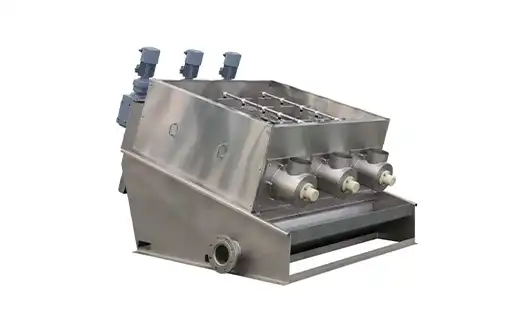
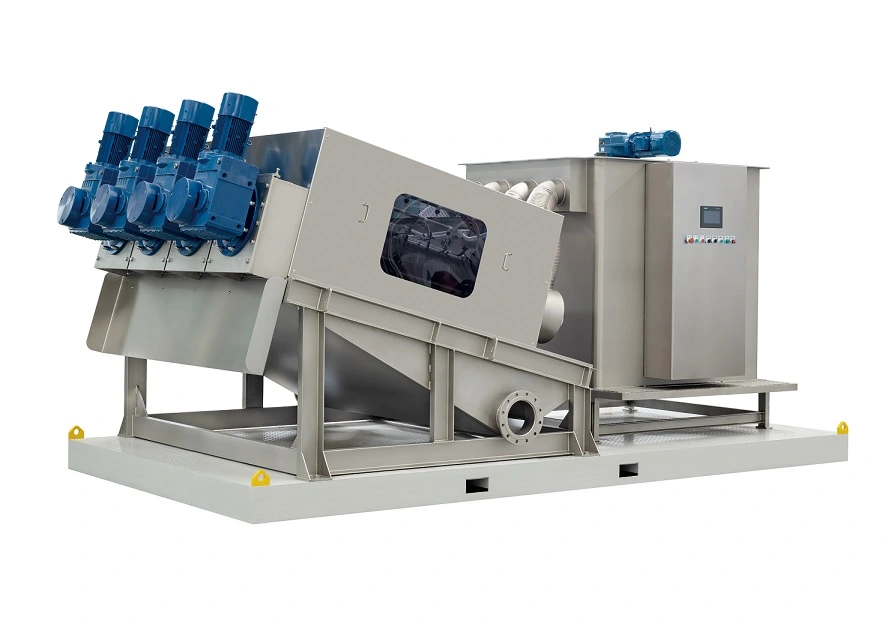
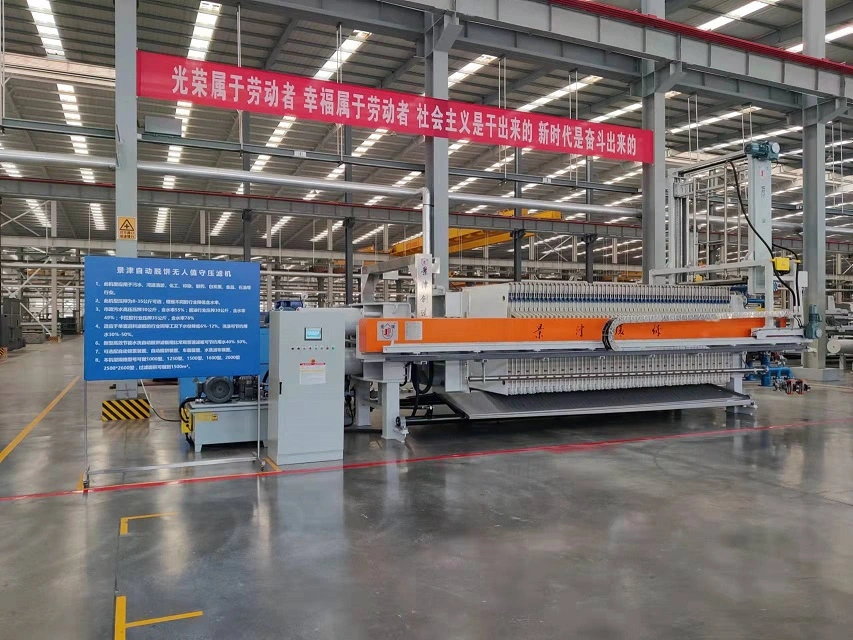
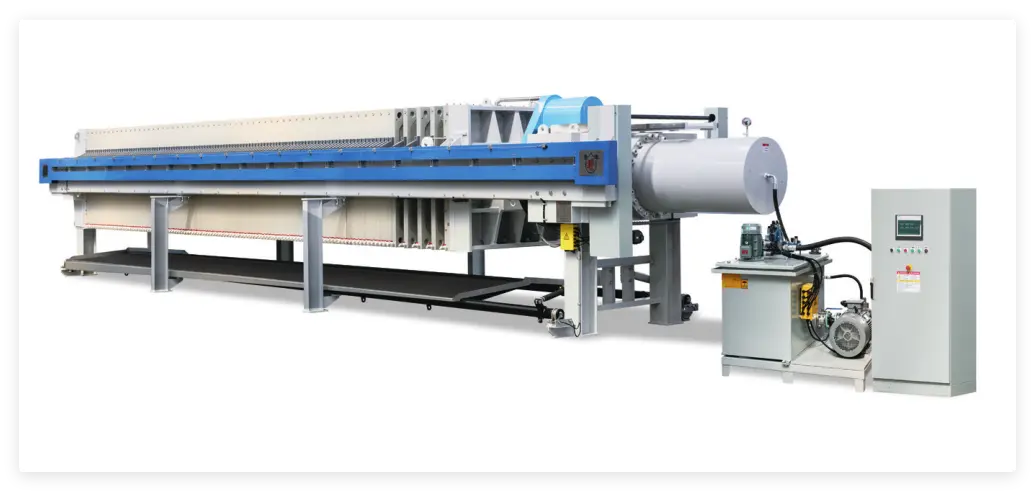
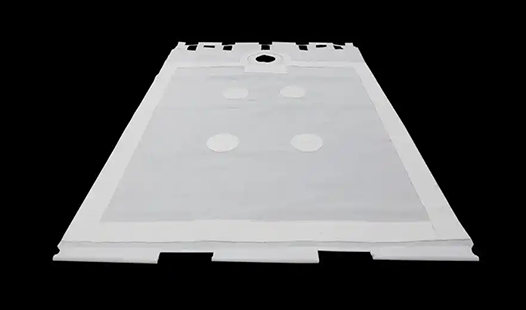
A filter press feed pump is essential for delivering slurry or liquid materials into filter press systems under regulated pressure and flow. Our specialist equipment delivers material consistently for effective solid-liquid separation in industrial applications. The pump maintains adequate pressure throughout the filtering cycle, affecting cake formation and dewatering efficacy in wastewater treatment and mining applications.
Introduction
Modern industrial processes rely on effective solid-liquid separation methods, and filter press feed pumps are crucial. These pumps move slurry or liquid materials into filter presses under exact pressure and flow conditions, allowing companies to separate better while operating efficiently.
This thorough reference explains these pumping systems' basic operation, gives extensive equipment selection advice, details necessary maintenance procedures, and offers strategic procurement insights for worldwide B2B customers. Understanding these crucial factors helps firms improve filtering efficiency, save costs, and assure long-term pump performance that satisfies strict industrial standards.
Effective feed pump selection affects the entire filtration process, from cake moisture content to cycle times and system productivity.
What Is a Filter Press Feed Pump, and How Does It Work?
Core Functionality and Operating Principles
Filter press feed pumps deliver slurry or filtration liquids into filter press chambers at exact pressures and flow rates. Their major job is to maintain pressure during the filtering cycle to separate solids and liquids in the filter press.
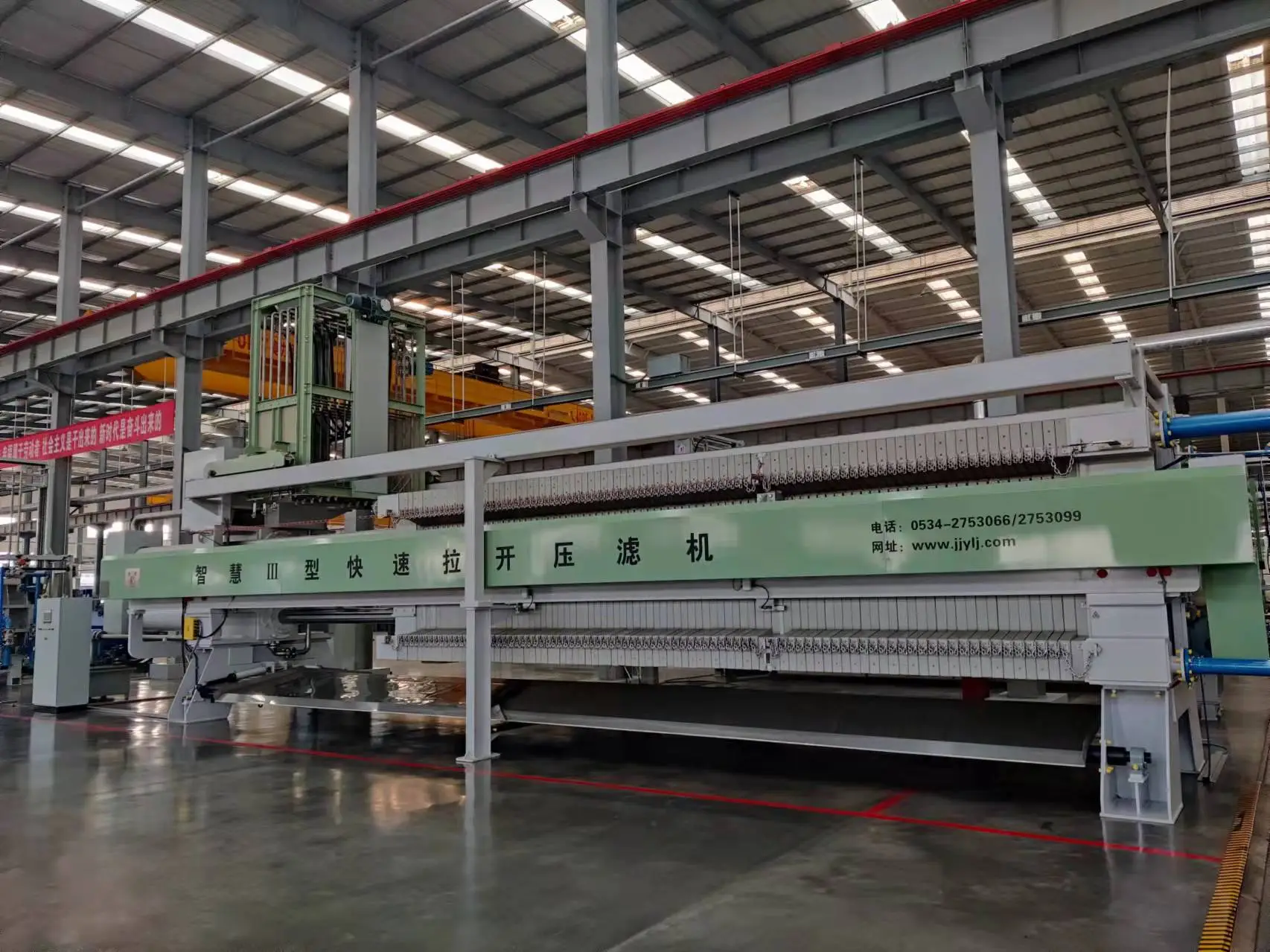
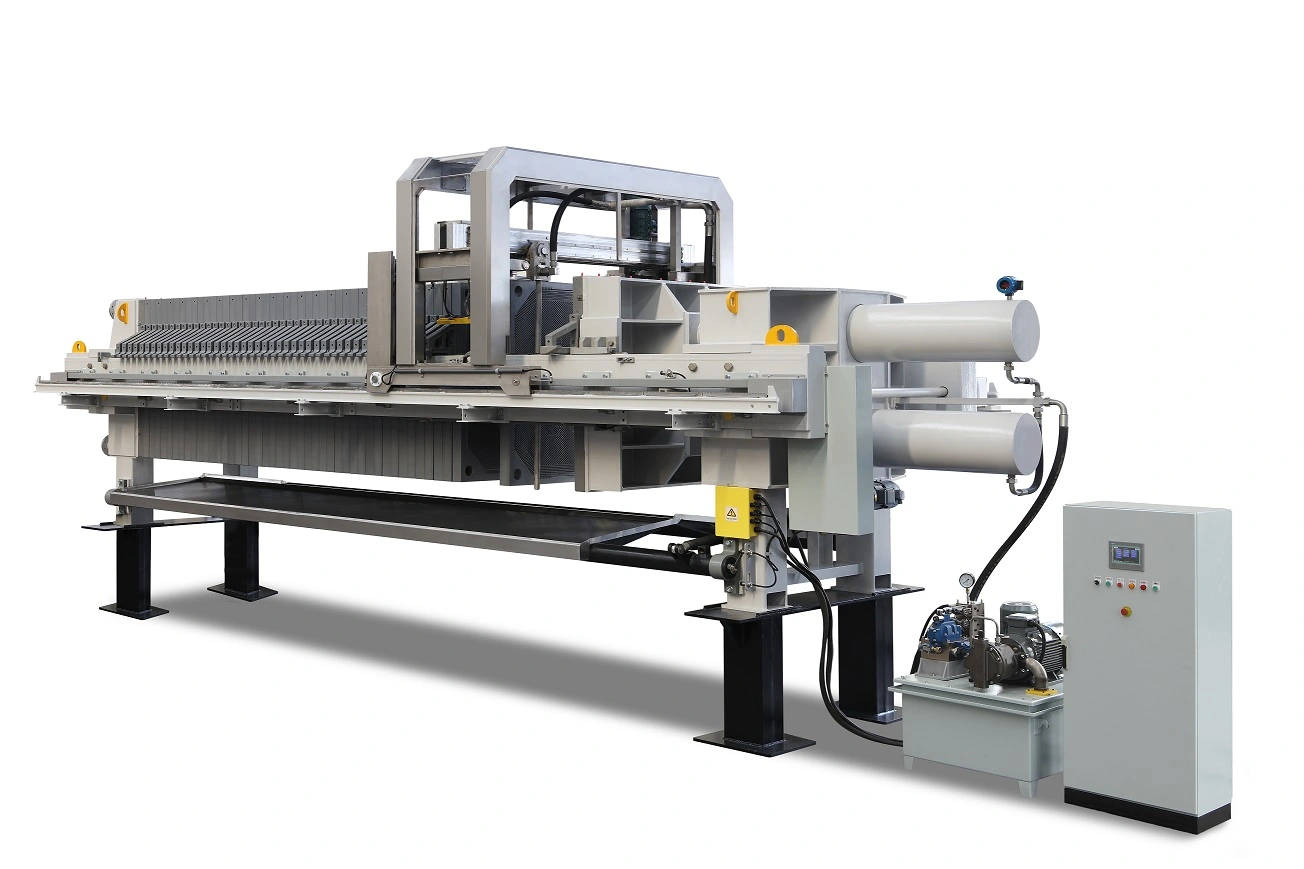
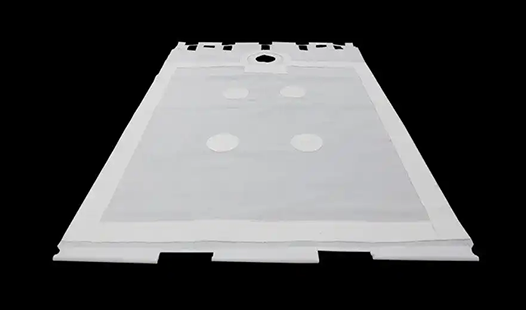
These pumps function with filter presses, which have stacked filter plates or frames and filter cloths that generate chambers when assembled. The feed pump forces liquid through filter cloths, forming a cake on the surfaces. This technique effectively dewaters slurries, clarifies liquids, and recovers valuable solids from process streams.
Pump Design Variations and Technologies
The market provides numerous pump designs that use different mechanical principles for different applications. Piston pumps are suited for high-pressure applications with abrasive slurries because they create constant pressure pulses. Diaphragm pumps produce pressure differentials using flexible membranes, making them chemically resistant and leak-proof. Centrifugal pumps use rotating kinetic energy to transfer fluids smoothly for less demanding applications.
Matching filtering procedures and slurry characteristics requires choosing the right pump technology, since each design has benefits based on the operating environment and material attributes.
Advantages and Essential Benefits of Filter Press Feed Pumps
Enhanced Filtration Performance
By maintaining a slurry supply, filter press feed pumps boost cake formation quality and dewatering efficiency. Controlled pressure supply uniformly distributes filter chambers, resulting in better separation and dryer filter cakes.
The main performance benefits of these pumps:
-
Consistent Pressure Maintenance: Maintains continuous pressure throughout filtering cycles for excellent cake formation and product moisture.
-
Energy Efficiency: Optimized power usage reduces operating costs without compromising separation performance compared to other feeding systems.
-
System Reliability: Robust construction reduces unexpected downtime and maintenance disruptions, supporting production schedules.
-
Precise Flow Control: Accurate flow rate management improves process control and filtering results across material circumstances.
These performance benefits provide demonstrable gains in production efficiency, cost management, and operational dependability across many industrial sectors.
Long-term Economic Benefits
The economic advantage of appropriately designed feed pumps goes beyond operational gains. Maintenance methods, including regular inspections and prompt worn component replacement, improve service life and optimal performance. This proactive strategy turns these pumps into cost-effective solutions that can handle demanding industrial conditions and produce consistent ROI throughout long operating durations.
Filter Press Feed Pump vs. Other Pump Types: Making the Right Choice
Comparative Analysis of Pump Technologies
Slurry abrasiveness, operating pressure ranges, and material flow characteristics must be considered when comparing feed pumps to diaphragm or centrifugal pumps.
Filter press feed pumps can handle viscous or abrasive slurries that would damage conventional pumping equipment at high pressures. Standard diaphragm pumps are chemically resistant and leak-tight; however, they may not have enough pressure for filter presses. Centrifugal pumps can handle low-pressure and high-flow applications, but thick sludge and steady pressure make filter press performance difficult.
Material Compatibility and Design Considerations
Material composition and mechanical design greatly affect pump lifetime and process compatibility, underlining the need for application-specific pump selection. Processing strong chemicals needs corrosion-resistant materials, whereas abrasive mining requires wear-resistant components. The choosing procedure must consider these elements for the best performance and lifespan.
How to Select the Best Filter Press Feed Pump for Your Application?
Critical Selection Parameters
Selecting the best filter press feed pump needs methodical study of goal flow rate, operational pressure ranges, slurry abrasiveness, and chemical compatibility with process materials. A comprehensive study is needed for equipment selection since each parameter affects pump performance and durability.
Energy efficiency is increasingly vital for sustainable procurement strategies, affecting long-term operational savings and environmental compliance. Advanced efficiency features in modern pumps minimize power usage while preserving performance.
Supplier Evaluation and Support Services
B2B customers must evaluate suppliers' customization possibilities to meet particular process needs and operational restrictions beyond basic equipment specs. Partnering with skilled manufacturers that provide technical assistance and full product documentation helps make educated decisions and ensures pumps satisfy operational requirements.
The pump's long-term operating performance and equipment durability depend on technical assistance, replacement parts, and local service networks.
Troubleshooting and Maintenance Tips to Optimize Performance
Common Operational Issues and Solutions
Pressure fluctuations, premature component wear, and inconsistent flow rates can reduce pump efficiency if not addressed quickly through systematic troubleshooting. Early detection allows a proactive response to avoid small concerns from becoming expensive operational interruptions.
Understanding common symptoms and their causes helps maintenance staff apply practical solutions that save downtime and restore maximum performance fast.
Preventive Maintenance Strategies
Preventive maintenance procedures that include frequent inspections, systematic cleaning, and periodic worn component replacement assure pump dependability and performance throughout its lifespan. Key performance indicators reveal equipment status and forecast maintenance needs before issues arise.
Maintaining process continuity and filtration system ROI requires recognizing when professional OEM support or pump replacement is more cost-effective.
Applications of Filter Press Feed Pumps Across Industries
Industrial Wastewater Treatment Applications
Filter press feed pumps help industrial wastewater treatment plants dewater sludge to fulfill strict environmental criteria. These applications need dependable performance under difficult circumstances and constant separation efficiency.
These pumps turn massive amounts of wastewater sludge into solid material for disposal or processing in municipal treatment facilities. The flexibility to handle different sludge types while retaining performance makes these pumps essential for wastewater treatment.
Mining and Chemical Processing
Filter press feed pumps handle very abrasive slurries while maintaining good filtering yields and equipment longevity in mining and mineral processing. Pumps that operate without maintenance in harsh settings are needed for these applications.
These pumps provide accurate and constant slurry feeding for sensitive filtering operations that need high purity and process stability in the chemical and pharmaceutical industries. These numerous uses illustrate the pump's flexibility to address global industrial issues.
Jingjin's Advanced Filter Press Feed Pump Solutions
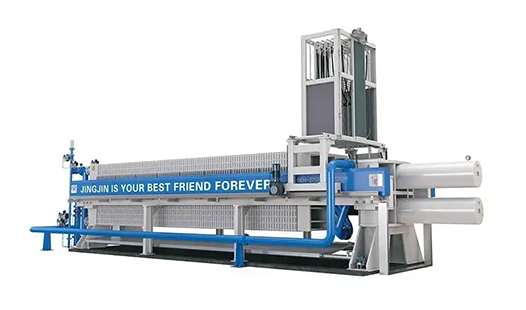
Jingjin Equipment Inc., founded in 1988, designs and manufactures quality filter press feed pumps for complicated industrial filtering needs in many industries. Jingjin delivers unique solutions that optimize performance and operational durability with worldwide distribution and extensive technical support.
Jingjin is a trusted partner for businesses that need dependable solid-liquid separation technology because of our significant experience servicing customers in 123 countries, over 136 patents, and huge production capacity. The company's product ecosystem comprises filter press systems, specialty plates, filter cloths, and full filtration solutions for the most demanding industrial applications.
Based on successful installations in many sectors, Jingjin's after-sales service includes technical consultation and complete maintenance plans. Customer support maintains optimum equipment performance throughout the operational lifespan and provides access to cutting-edge technology and committed knowledge to support operational objectives and enhance filtering results.
Conclusion
Industrial filtration systems need filter press feed pumps to manage pressure and flow for solid-liquid separation in various applications. Understanding their functioning, selection criteria, and maintenance needs helps enterprises improve their filtering processes and win operational and economic advantages.
Strategic pump technology selection, extensive maintenance plans, and trusted supplier agreements provide long-term operational performance and optimum ROI. These specialized pumps will continue to be vital for efficient, cost-effective filtering systems that fulfill strict performance and environmental compliance standards as industrial needs grow.
Frequently Asked Questions
Q1: What types of slurries can filter press feed pumps handle effectively?
A: Filter press feed pumps demonstrate remarkable versatility in handling various fluid types, including highly abrasive mineral slurries from mining operations, industrial wastewater sludge with varying solids content, chemical suspensions containing corrosive materials, and pharmaceutical process liquids requiring high purity standards. The specific capabilities depend on pump design, construction materials, and compatibility with the processed materials.
Q2: How frequently should filter press feed pumps undergo maintenance for optimal performance?
A: Maintenance intervals vary based on operating conditions and usage intensity, but typically include monthly visual inspections and semi-annual comprehensive servicing. This involves replacing wear components, cleaning internal passages, and verifying pressure consistency. High-abrasive applications may require more frequent attention, while less demanding environments can extend intervals accordingly.
Q3: Can standard centrifugal pumps substitute for specialized filter press feed pumps?
A: While centrifugal pumps may function adequately in certain low-viscosity applications, they typically prove inadequate for the high-pressure, abrasive slurry feeding requirements of effective filter press operation. Dedicated filter press feed pumps offer superior pressure maintenance, durability, and consistent performance characteristics essential for reliable filtration results.
Partner with Jingjin for Superior Filter Press Feed Pump Solutions
Jingjin's filter press feed pump manufacturing and filtration solutions help optimize industrial separation processes. For maximum efficiency and long-term reliability, our engineering team provides personalized pump configuration consultation to meet your operational needs.
Discover our full variety of filter press feed pump supplier alternatives and customization to solve specific industrial problems. Our technical professionals can provide product documentation, reasonable pricing, and extensive assistance to improve filtration system performance.
Ready to improve filtration? Contact [email protected] to discuss your needs and learn how Jingjin's proven technology can improve your operations.
References
1. Industrial Filtration Society. "Fundamentals of Filter Press Operation and Feed System Design." Journal of Industrial Separation Technology, Vol. 45, 2023.
2. Peterson, M.R. "Pump Selection Criteria for High-Pressure Filtration Applications." Chemical Engineering Progress, Vol. 119, No. 8, 2023.
3. American Water Works Association. "Guidelines for Sludge Dewatering Equipment Selection and Operation." AWWA Manual M36, 5th Edition, 2022.
4. Zhang, L., and Williams, K.T. "Comparative Analysis of Feed Pump Technologies in Mining Applications." Mining Engineering Magazine, Vol. 75, No. 3, 2023.
5. International Association of Water Pollution Research and Control. "Best Practices for Industrial Wastewater Treatment Equipment Maintenance." Technical Report Series No. 47, 2022.
6. Chen, H., and Rodriguez, A.M. "Energy Efficiency Optimization in Industrial Filtration Systems." Process Engineering International, Vol. 31, No. 12, 2023.