How to Choose the Best Multi Disk Screw Press for Sludge Dewatering Applications
How to Choose the Best Multi Disk Screw Press for Sludge Dewatering Applications
Understanding Multi-Disk Screw Press Technology
- Understanding Multi-Disk Screw Press Technology
- Key Factors to Consider When Choosing a Multi-Disk Screw Press
- Comparing Multi-Disk Screw Presses with Alternative Dewatering Technologies
- Procurement Guide: How to Source and Buy the Best Multi-Disk Screw Press
- Best Practices and Tips for Long-Term Operation and Optimization
- Conclusion
- FAQ
- Partner with Jingjin for Proven Dewatering Excellence
- References
Understanding sludge properties, operating volume, and dewatering goals helps choose a Multi-disk screw press. This innovative separation method uses spinning screw mechanisms and self-cleaning disk filters to catch solids efficiently, use little water, and be compact. Considering capacity, material compatibility, energy consumption, automation features, and supplier credentials to fit your facility's dewatering difficulties, multi disk screw press and regulatory compliance demands are key to choosing the optimum system.
Understanding Multi-Disk Screw Press Technology
Core Components and Operating Principles
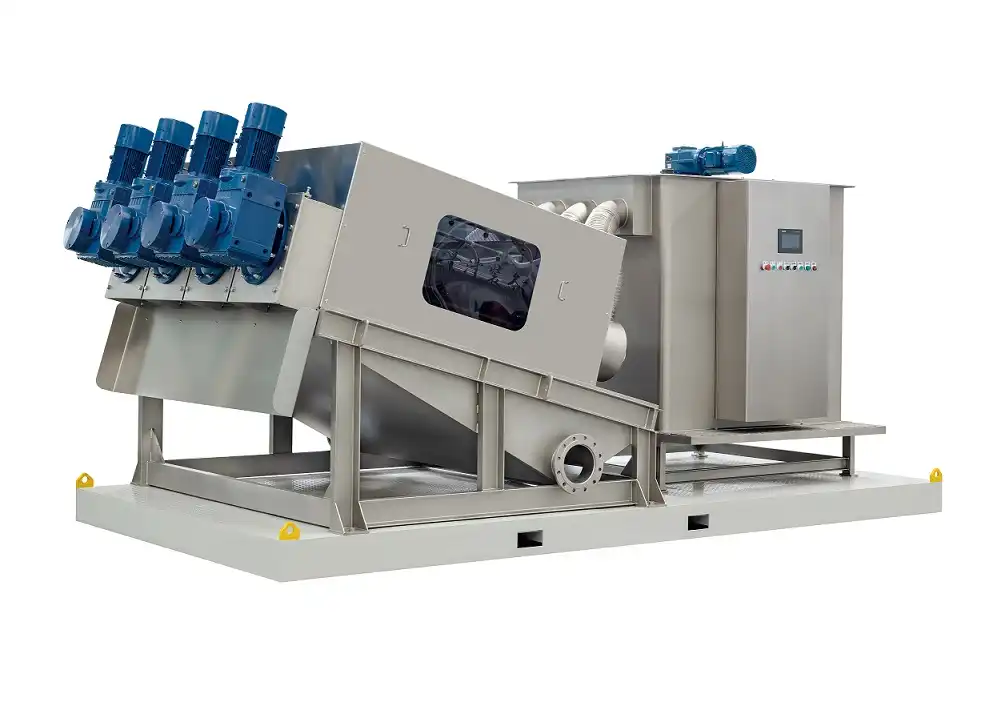
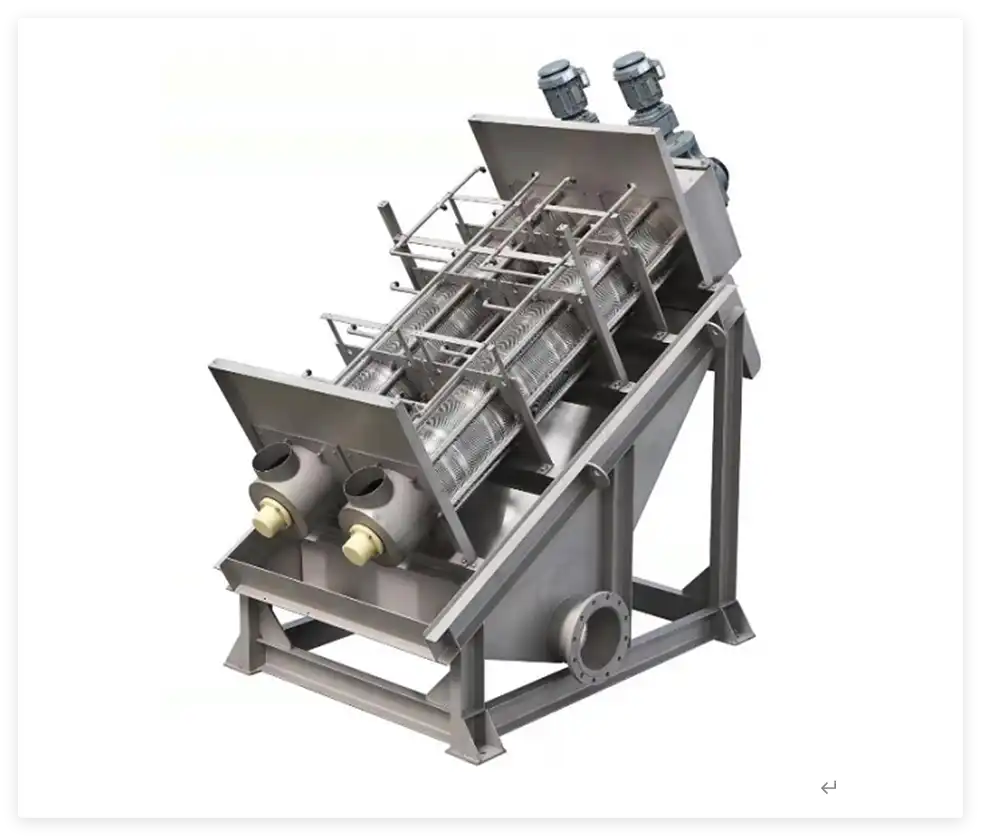
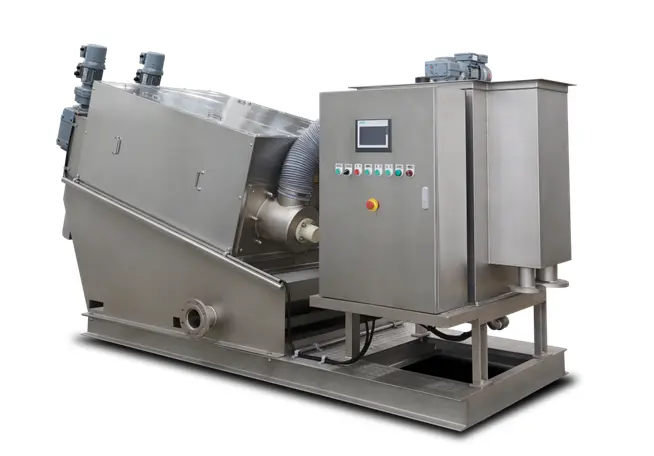
Sludge dewatering technique advanced with the Multi-disk screw press. The screw shaft slowly rotates around a cylindrical drum made of alternating fixed and movable rings. These thin filtering holes in 304 or 316L stainless steel enable water to escape while keeping solids. The screw shaft moves at 2–4 RPM, shifting the moving rings in tiny circular movements against the stationary rings, generating a constant self-cleaning action that avoids clogging in typical filter presses. This novel approach solves many industry issues at once. Belt filter presses struggle with oily or greasy sludge and require continuous backwashing, whereas screw press technology automatically maintains filtering paths. These units work silently below 65 decibels and use 90% less energy than decanter centrifuges. Low-speed, high-torque operating saves money and improves workplaces.
Step-by-Step Dewatering Process
The thickening zone receives 0.2% conditioned sludge, starting the dewatering process. Fine particles are flocculated for effective separation by polymer conditioning. Water flows through the ring gaps as the material advances down the screw's variable-pitch flights under increasing pressure. The concurrent flow design prevents backpressure and maintains throughput by moving ejected water and sludge together. Near the discharge end, where the screw pitch narrows and back-pressure plates resist, the dewatering zone compresses most. This progressive pressure approach—from moderate thickening to ultimate compression—achieves 15%–25% cake dryness depending on sludge properties. Municipal wastewater treatment biological sludge is 18–22% solids, whereas chemical sludge with improved dewaterability might surpass 25%. While traveling, the self-cleaning system runs 24/7 without operator intervention or screen cleaning cycles.
Key Factors to Consider When Choosing a Multi-Disk Screw Press
Capacity and Throughput Requirements
Equipment selection depends on accurately estimating your facility's dewatering capacity demands. A modest municipal facility may process 500 pounds of dry materials per hour, whereas huge mining operations handle 10 times that volume. Knowing your peak flow, typical daily loads, and seasonal changes helps decide system size and layout. Volumetric flow rates and solids loading should be considered while assessing capacity. A 100-gallon-per-minute sludge system functions differently with 0.5% or 2% solids. The finest manufacturers give performance curves demonstrating cake dryness, capture rates, multi-disc screw press, and polymer consumption at different inlet concentrations. Request performance guarantees with minimum cake solids percentages and capture rates over 95% under your operating circumstances. These guarantees safeguard your investment and secure system operational savings.
Maintenance Accessibility and Lifecycle Costs
Low-maintenance equipment needs routine servicing, and accessibility affects whether chores take minutes or hours. Effective methods provide tool-free access to wear components like rings, scrapers, and seals. Replacing worn rings without disassembly cuts maintenance windows from days to hours, improving facility uptime and profitability. Total cost of ownership must include consumable replacement frequencies and costs. Request complete maintenance schedules with inspection intervals, component lifespans, and spare part prices. Comprehensive service contracts include preventative maintenance, emergency support, and guaranteed parts availability from some manufacturers. These contracts raise yearly operating expenditures but provide budget stability and risk transfer for facilities with tight compliance deadlines or limited maintenance manpower.
Comparing Multi-Disk Screw Presses with Alternative Dewatering Technologies
Performance Metrics Across Technologies
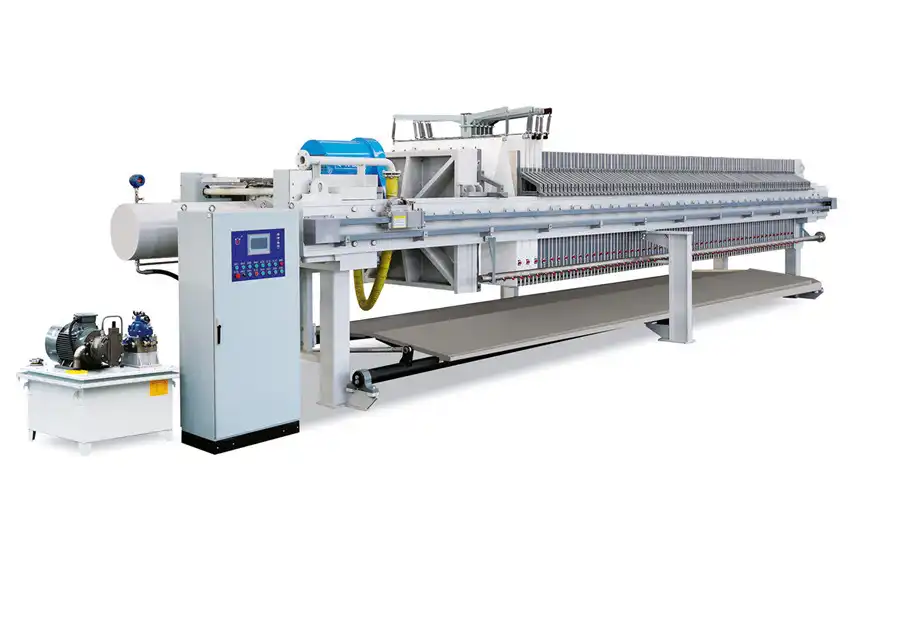
Strategic equipment choices are based on dewatering technology comparisons. Belt filter presses can handle enormous volumes and dry cakes, but they struggle with sticky, fibrous sludge and require regular operator attention. Their catch rates are 90–95%, thus 5–10% of solids enter the filtrate stream, necessitating extra treatment. It uses 0.2–0.4 kWh per kilogram of dry solids, less than centrifuges but more than screw press devices. Centrifuges produce the driest cake of most sludge kinds, commonly 25–30% solids, but at a high expense. Energy consumption peaks at 0.5–1.0 kWh per kilogram, noise makes working conditions difficult, and high-speed rotating components require regular bearing and seal repairs. Polymer consumption is 20–40% higher than that of screw presses, increasing chemical expenses. For applications that prioritize cake dryness above operational ease, centrifuges may be appropriate, although screw press technology offers the best performance and cost.
Application-Specific Considerations
Different dewatering processes work for different kinds of sludge. Bioactive sludge dewaters considerably with polymer conditioning because it includes cellular material. The Multi-disk screw press produces 18–22% cake solids with high capture rates. Gentle compression avoids cell rupture, which releases bound water into the process, preserving separation efficiency. Due to less bound water, industrial chemical sludge, such as metal hydroxides, paint booth waste, and chemical precipitation solids, dewater to higher solids. These applications benefit from the screw press's high pressure without a blinding filter medium. Mining tailings and concentrate slurries require equipment that can handle abrasive particles and high mineral concentration. In these harsh locations where equipment durability affects project economics, reinforced screw flights and hardened ring materials improve service life.
Procurement Guide: How to Source and Buy the Best Multi-Disk Screw Press
Evaluating Manufacturers and Suppliers
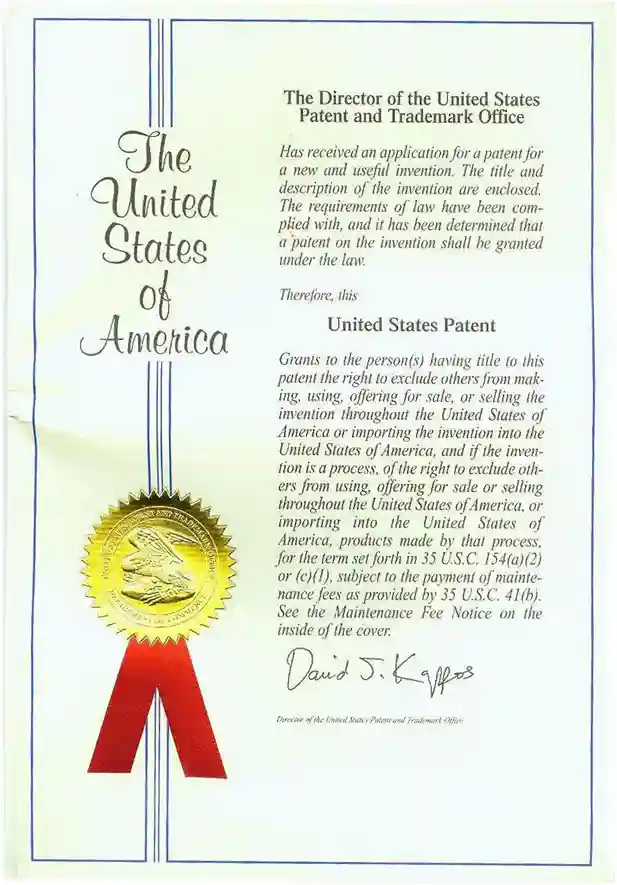
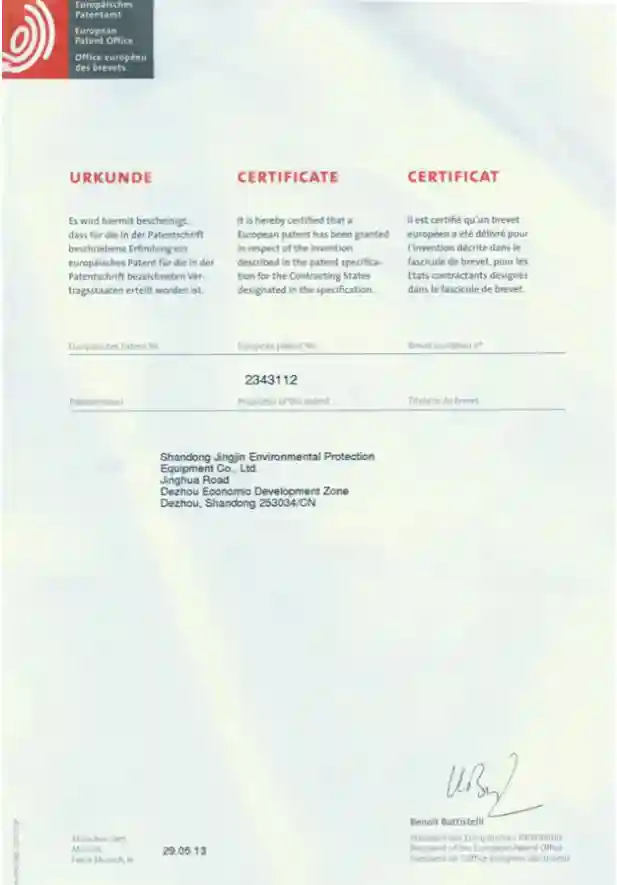
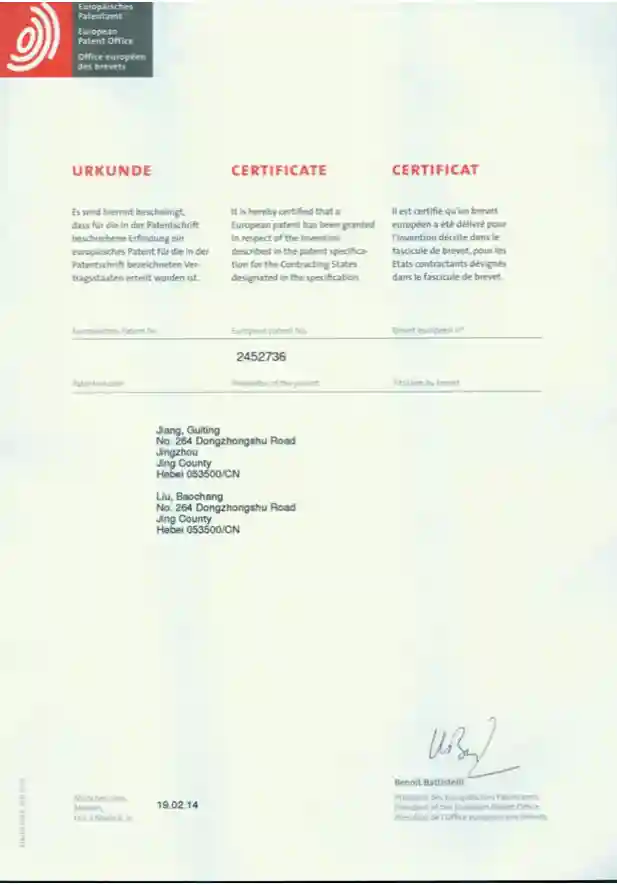
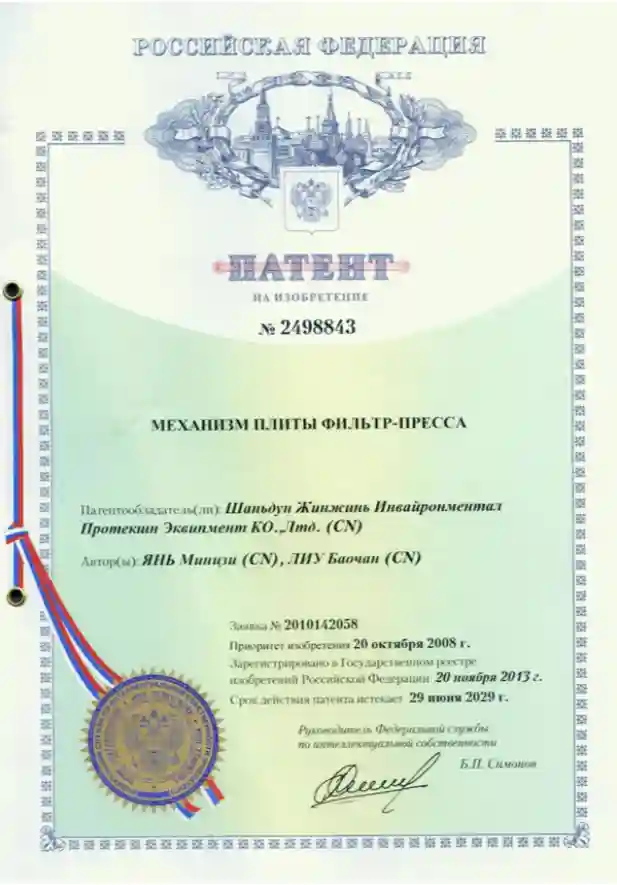
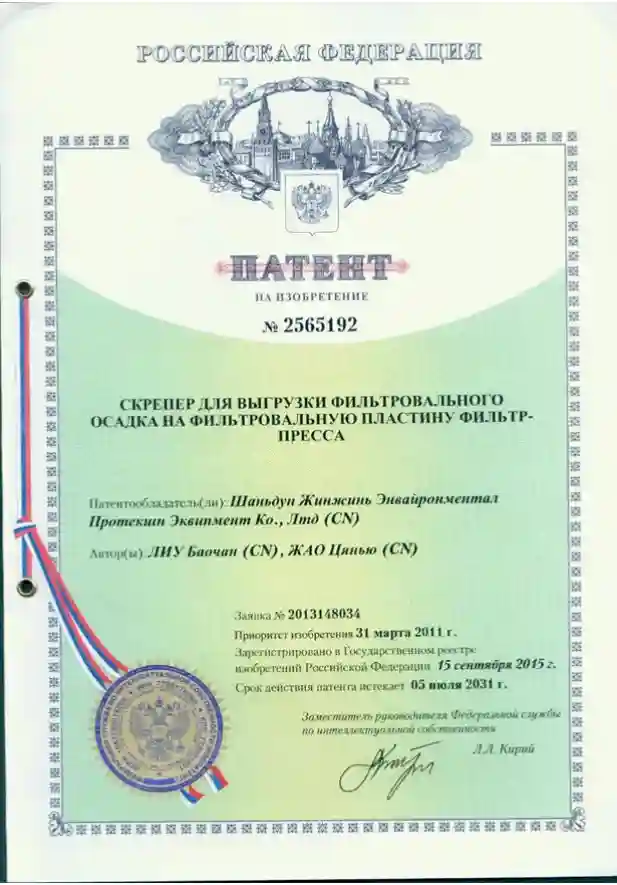
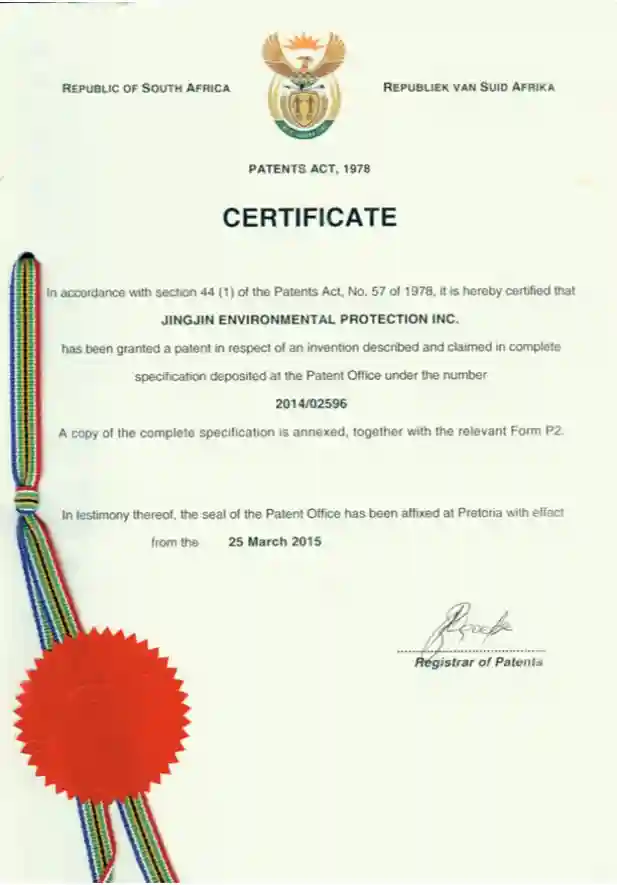
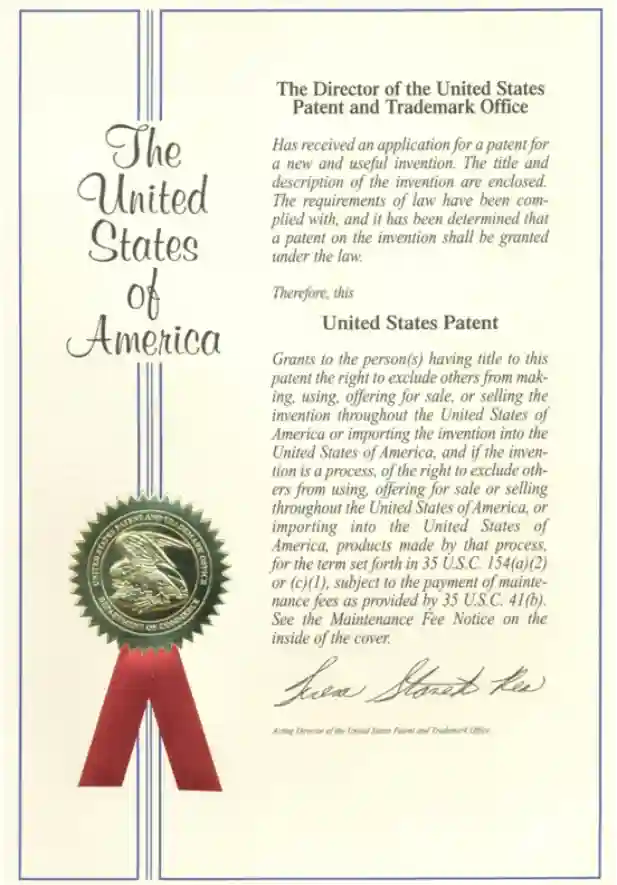
A dependable manufacturer decides whether your dewatering investment lasts decades or gives Multi disk screw press you years of trouble. Check manufacturer ISO certificates, quality management systems, and industry references. Jingjin Equipment Inc., with operations since 1988 and equipment deployed in 123 countries, is a reliable worldwide producer. Innovation and technology leadership from over 136 patents provides performance benefits. Manufacturing scale affects long-term parts availability and support. Large production facilities have extensive spare parts inventories and can quickly replace critical demands. Discuss production capacity, lead times, and emergency parts with possible vendors. Express freight shipping of vital components within 48 hours eliminates costly downtime that costs facilities thousands in lost productivity and regulatory penalties.
Customization and Engineering Support
Many applications can use standard equipment, but special processes require adaptation. Top providers have engineering teams that can adapt conventional designs to sludge characteristics, space limits, and integration needs. Reputable manufacturers do extensive sludge testing at your business or in their laboratories during first consultations to check equipment performance before purchase. Bench-scale and pilot testing minimize guessing and give performance evidence for capital clearance. Quality engineering documentation shows supplier professionalism and long-term support. Installation, staff training, and maintenance are easier with detailed equipment drawings, P&IDs, electrical schematics, and operating manuals. Suppliers of AutoCAD files and 3D models integrate with your facility's documentation systems. Detailed procurement pays off throughout the equipment lifespan as operators and maintenance specialists use clear, accurate paperwork.
Global Logistics and Delivery Coordination
International equipment buying requires competent providers due to logistical complexity. Avoid confusing your procurement team by verifying that manufacturers manage export documentation, freight forwarding, and customs clearance. Established worldwide suppliers work with professional equipment freight firms to transfer precise gear across countries safely. Customization and production workload affect lead times. Highly customized systems take 16–20 weeks to ship, whereas standard setups take 8–12 weeks. Include these timescales in project schedules and inform vendors of crucial delivery dates. Many manufacturers provide accelerated production for emergency replacements or time-sensitive projects, albeit at a price. Working with trusted suppliers prevents costly delays that derail building timelines.
Best Practices and Tips for Long-Term Operation and Optimization
Structured Maintenance Programs
Systematic maintenance improves machine uptime and component life. Daily inspections should Multi disk screw press examine wash water systems, cake discharge consistency, and odd sounds or vibrations for problems. These simple visual inspections uncover issues before they become downtime-consuming failures. Clean up trash around the unit, verify polymer dosage, and check discharge cake consistency for stable functioning weekly. Monthly checks check ring quality, screw flight wear, and seal integrity. Detailed maintenance logs estimate replacement needs and manage spare parts inventories by tracking component wear. Modern control systems store operating characteristics to facilitate condition-based maintenance, which replaces components based on wear rather than timetables.
Troubleshooting Common Operational Issues
Even well-maintained equipment might function differently, needing diagnosis. Polymer dosage issues—insufficient dose rates or expired, ineffective polymer—often cause cake moisture to rise unexpectedly. Check polymer concentration and progressively alter dosing rates while evaluating cake consistency. If polymer dosage is sufficient, examine for worn rings permitting excessive water flow or insufficient discharge end back pressure. Low solids collection rates, causing hazy filtrate, require prompt adjustment to avoid regulatory breaches. Insufficient polymer conditioning is likely. Jar testing can determine the best polymer type and dose for the present sludge properties, which may alter seasonally or with process modifications. If conditioning is satisfactory, check rings for damage and installation processes. One missing or badly placed ring produces bypass channels that reduce capture efficiency.
Energy Efficiency Optimization Strategies
Multi-disk screw press systems use less energy than alternatives, although they may be optimized. Adjusting screw speed with variable frequency drives matches inlet sludge characteristics. Reducing rotation speed with high solids concentrations preserves residence time for successful dewatering while saving energy. Thinner sludge benefits from slightly higher speeds to avoid overloading. Polymer dose optimization improves dewatering and lowers chemical expenses. Many plants overuse polymers to protect against changing sludge conditions, which wastes money and hurts performance. Automatic polymer dosage control using filtrate turbidity measurements improves dosing constantly. These technologies reduce polymer usage by 10–20% while preserving cake dryness and capture. Chemical savings usually cover automation system expenditures in 12–18 months.
Conclusion
Choosing the right Multi-disk screw press for sludge dewatering requires balancing technical needs, operational realities, and budget. Its compact size, low water consumption, low energy demand, and automated operation make it the perfect choice for municipal wastewater, mining, chemical processing, and industrial applications. Understanding your sludge, assessing manufacturers based on performance and support, and developing systematic maintenance procedures to safeguard your investment are necessary for success. Following this article's advice and working with experienced manufacturers with extensive support can help your facility achieve dependable, cost-effective dewatering that fulfills regulatory criteria and optimizes operating efficiency.
FAQ
1. What sludge types work best with multi-disc screw presses?
These systems handle biological sludge from municipal wastewater treatment, chemical precipitation, mining tailings, food processing waste, and industrial processes. Sludge with 0.2–2% inlet solids functions well, with final cake solids of 15–25% depending on features. Proper polymer conditioning optimizes performance in various applications.
2. How does energy consumption compare to other dewatering methods?
Multi-disk screw presses use 0.01–0.1 kWh per kilogram of dry solids processed, 90% less than centrifuges and 50–70% less than belt filter presses. Over equipment lifespan, low-speed operation (2–4 RPM) reduces power demand while dewatering, saving utility costs.
3. What maintenance requirements should operators expect?
Weekly polymer system checks and daily visual inspections ensure good functioning. Monthly comprehensive inspections check the ring and component wear. Depending on sludge abrasiveness, most facilities replace rings every 12–24 months during major maintenance. Other methods require daily filter cleaning. The self-cleaning mechanism eliminates this.
Partner with Jingjin for Proven Dewatering Excellence
Selecting a Multi disk screw press provider with global success assures project success and long-term reliability. Jingjin Equipment Inc. has 35 years of solid-liquid separation experience and 136+ patents in novel filtration solutions for 123 countries. Our Multi-disk screw presses save water and energy usage while dewatering efficiently with sturdy stainless steel construction, sophisticated automation, and compact design. Our engineering team tailors solutions for municipal wastewater facilities, mining operations, chemical plants, and industrial processes that need reliable sludge dewatering. Contact Jingjin today at [email protected] to discuss your application, request performance statistics, or organize pre-purchase sludge testing.
References
1. Water Environment Federation. (2019). Design of Municipal Wastewater Treatment Plants: MOP 8, Sixth Edition. McGraw-Hill Education.
2. Mahmoud, A., Olivier, J., Vaxelaire, J., & Hoadley, A.F. (2013). "Electrical field: A historical review of its application and contributions in wastewater sludge dewatering." Water Research, 47(6), 2211-2224.
3. Metcalf & Eddy, Inc., Tchobanoglous, G., Burton, F.L., & Stensel, H.D. (2014). Wastewater Engineering: Treatment and Resource Recovery, Fifth Edition. McGraw-Hill Education.
4. Chen, G., Yue, P.L., & Mujumdar, A.S. (2002). "Sludge dewatering and drying." Drying Technology, 20(4-5), 883-916.
5. Saveyn, H., De Meester, S., Steenari, B.M., & Van der Meeren, P. (2008). "Activated sludge compactibility in relation to floc structure." Journal of Water Research, 42(10-11), 2588-2596.
6. United States Environmental Protection Agency. (2020). Emerging Technologies for Wastewater Treatment and In-Plant Wet Weather Management. EPA Publication 832-R-12-011.
jingjin
Founded in 1988, Jingjin specializes in filter presses and liquid-solid separation solutions, serving over 130 countries worldwide, and is a standard-setter in China's filter press industry.
Get the Filter Press guide
Enter Your Email for Technical assistance for the Filter Press.
Recommended Blog
China Screw Dewatering Machine for International Resellers
Understanding Jingjin Filter Press Parts and Accessories: What You Need to Know
What Materials Are Used to Make Filter Press Cloths? A Comprehensive Guide
High Efficiency Jingjin Filter Press Applications in Chemical Manufacturing
China Screw Dewatering Machines for Vietnam Food Factories
How Global EPC Firms Manage Filter Press Procurement in China?