Exploring the Benefits and Functions of a Stainless Pressure Tank on Water Pumps
Exploring the Benefits and Functions of a Stainless Pressure Tank on Water Pumps
Understanding Stainless Pressure Tanks and Their Operation
- Understanding Stainless Pressure Tanks and Their Operation
- Key Benefits of Using Stainless Pressure Tanks in Water Pump Systems
- Comparing Stainless Pressure Tanks with Other Materials
- Maintenance, Cleaning, and Safety Best Practices for Stainless Pressure Tanks
- Procurement Guide: How to Choose and Buy Stainless Pressure Tanks
- Conclusion
- FAQ
- Partner with Jingjin for Proven Industrial Separation Solutions
- References
When water pump systems are used in factories, keeping the pressure and flow constant is very important for making the processes run smoothly. A stainless pressure tank is an important buffer that keeps pressure changes stable, keeps pump systems from cycling too much, and keeps fluid supply going smoothly in tough situations. In fields that deal with corrosive materials or need to meet hygiene standards, like wastewater treatment, chemical processing, and pharmaceutical production, stainless steel buildings are the best way to go because it lasts longer and keep things clean, which directly affects both compliance and cost-effectiveness.
Understanding Stainless Pressure Tanks and Their Operation
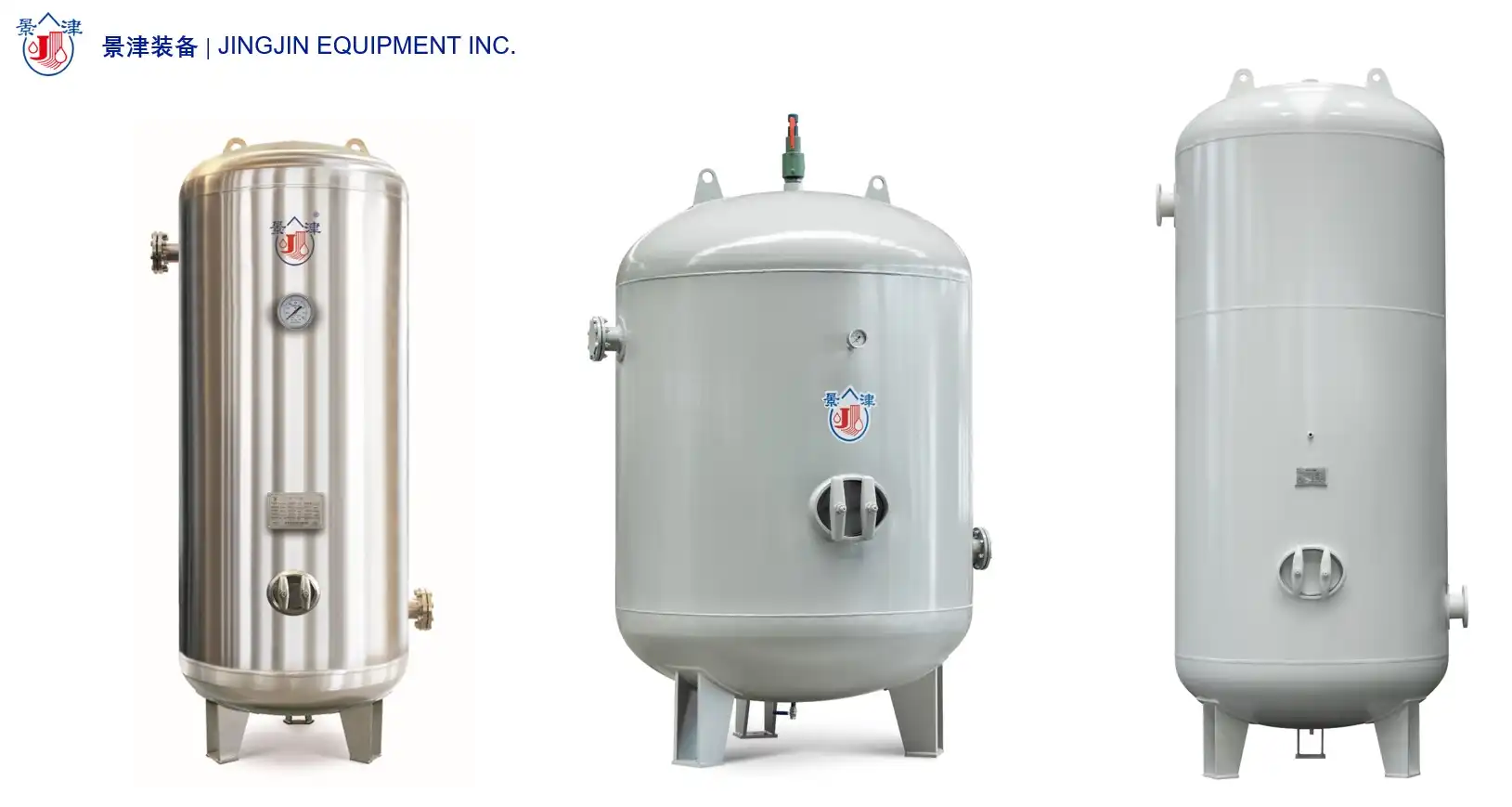
What Defines a Stainless Pressure Tank in Industrial Applications
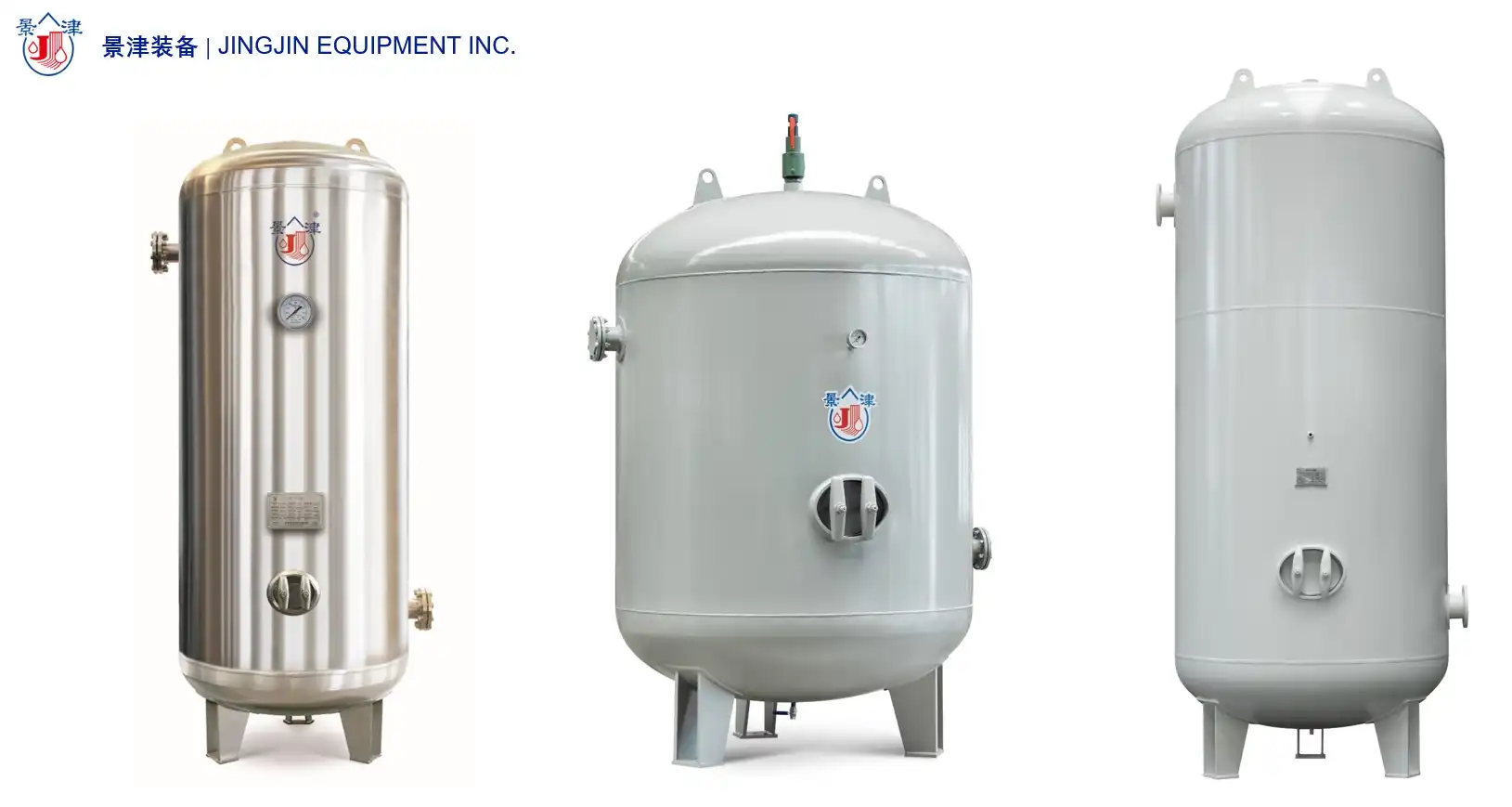
A pressure vessel tank is a specially built container that is made to hold fluids under controlled pressures that are higher than air pressure. Unlike regular storage tanks, these units take an active role in controlling the flow of water in pump systems. The structure of stainless steel (usually 304, 304L, 316, or 316L types) makes it naturally resistant to oxidation and chemical attack. This means that there is no need for interior coatings that can break down and pollute process streams. The chromium in these metals creates an inactive oxide layer that heals itself and keeps the substrate from breaking down in the environment.
How Pressure Tanks Integrate with Water Pump Systems
The working idea is based on a bladder or diaphragm system that is already charged. This system divides the compressed air from the liquid medium. As the pumps put fluid into the tank, the pressure inside rises until it reaches the setpoint, which stops the motor of the pump. When demand further downstream pulls in water, the compressed air expands to keep the delivery pressure steady without having to restart the pump right away. This lessening of spinning directly leads to a longer motor life and lower energy use. Process engineers like this feature, especially when demand changes quickly, and the pump would wear out quickly from temperature stress and wear.
Vertical vs. Horizontal Configurations in Industrial Settings
The orientation of the tank has a big effect on the fitting space and how easy it is to do upkeep. Vertical designs make the best use of limited floor space in tight plant plans, while horizontal designs make it easier to check and connect to skid-mounted pump assemblies. We see that wastewater treatment plants like horizontal tanks because they are more stable during high-volume dewatering cycles. On the other hand, pharmacy clean rooms use vertical tanks with sterile tri-clamp connections to keep contamination to a minimum. The choice relies on how much installation room is available, how complicated the pipes are, and how often maintenance needs to be done.
Key Benefits of Using Stainless Pressure Tanks in Water Pump Systems
Industrial leaders choose stainless pressure tanks for pump systems because they improve performance in measured ways that directly address practical pain points. When buying, managers know about these benefits, and they can compare the original investment to the total cost of ownership over the long run.
Superior Corrosion Resistance and Material Longevity
Stainless steel types 316 and 316L have molybdenum added to them, which makes them very resistant to pitting and crevice corrosion caused by chloride. This is very important when working with chemical slurries, city wastewater, or brackish water. Instead of epoxy linings that can get damaged by mechanical stress and microbes, which are needed for carbon steel options, the monolithic stainless construction stays strong even after decades of heat cycling and mechanical stress. Mining companies that handle acidic wastewater have found that these tanks can last more than twenty-five years with little surface wear, while carbon steel units need to be repainted every five to seven years.
Energy Efficiency Through Optimized Pump Cycling
Cutting down on the number of times a pump starts and stops using energy saves a lot of it and makes mechanical parts last longer. When a motor starts up, it takes three to seven times as much current as it normally does. This causes heat stress and electricity demand spikes. Stainless pressure tanks can cut down on pump cycles by sixty to eighty percent in common intermittent-demand situations. They do this by keeping the system pressure steady with energy saved in the compressed air chamber. After replacing centrifugal dewatering pumps with properly sized stainless pressure tanks, a local wastewater plant operator reported annual energy cost savings of 18% and a decrease in the frequency of bearing replacements.
Hygienic Design for Regulated Industries
Pharmaceutical and food processing plants have to meet strict approval standards for surface finish, ease of cleaning, and resistance to bacterial adhesion. Electropolished stainless steel innards have surface roughness values below 0.4 micrometers Ra, which means there are fewer cracks where biofilms can grow. The material can be used with Clean-in-Place systems that switch between caustic and acidic sanitizers, like sodium hydroxide and nitric acid solutions. This makes sure that all pathogens are removed completely without damaging the material. These tanks regularly pass swab tests for ATP bioluminescence and total live count requirements, which is something that porous or covered tanks would not be able to do.
Compliance with International Safety Standards
To speed up the legal approval process, purchasing offices give more weight to equipment that has been certified by a third party that is known to be reliable. Reputable makers create stainless pressure tanks in accordance with ASME Section VIII Division 1 standards for the US market or PED 2014/68/EU guidelines for placements in Europe. These qualifications require certain things like being able to track down the materials, being able to qualify the welding process, following non-destructive testing methods, and hydrostatic proof testing at 1.3 to 1.5 times the maximum allowed working pressure. The paperwork that comes with certified boats, which includes material test reports, radiographic film, and U-stamp data reports, meets the needs of insurance companies and government officials, which speeds up the process of getting projects approved.
Comparing Stainless Pressure Tanks with Other Materials
Stainless Steel vs. Carbon Steel: Performance Trade-offs
When compared to stainless pressure tanks, carbon steel tanks are usually forty to sixty percent less expensive when bought outright. However, these perceived savings is quickly lost when you consider the cost of coating, recoating, corrosion-related failures, and contamination problems. Coatings like epoxy, phenolic, or glass-flake are needed to protect carbon steel, but they take longer to make and have different quality standards. Chemical companies that work with organic solvents or acidic products say that coatings come off after three years if the temperatures inside the plant change more than what was planned. Stainless steel doesn't combine with anything, so these failure modes don't happen at all. This makes it the lifetime cost leader in corrosive service.
Fiberglass Reinforced Plastic: Weight Advantages and Limitations
Fiberglass tanks are very resistant to rust and only about half as heavy as steel tanks of the same size, so they don't need as much support. When modest levels of mechanical damage, thermal cycling, or pressure are reached, they are no longer useful. Our observations show that cracking and delamination happen on building sites where tools are hit by heavy machines. The resin matrix breaks down at temperatures that stay above 180°F for a long time, which means it can't be used in systems that use hot water flows or steam heating, which are popular in pharmaceutical processing. Pressure ratings for widely available fiberglass tanks rarely go above 150 psi, while ratings for stainless pressure tanks go up to 300 psi or higher.
Plastic and Composite Alternatives in Specialized Contexts
High-density polyethylene and polypropylene tanks work well for low-pressure potable water and farm irrigation because they are chemically resistant to certain substances and don't cost much. Their unsuitability for industrial pump systems is clear when you consider that they can only handle pressures below 100 psi, temperatures below 140°F, and UV damage that makes installation indoors or in safe shelters necessary. These materials aren't good enough for the mechanical demands and environmental risks that come with their jobs, according to procurement managers in mine dewatering or industrial wastewater uses.
Maintenance, Cleaning, and Safety Best Practices for Stainless Pressure Tanks
Routine Inspection Protocols for Operational Reliability
Setting up preventive repair plans cuts down on sudden breakdowns that stop work and put people in danger. We suggest eye checks from the outside every three months to look for signs of stress cracks or corrosion in the welds, nozzle connections, and support structures. Every year, during process shutdowns, internal checks should be done to record the state of the bladder or diaphragm and look for tears, permeation, or loss of pre-charge pressure. Ultrasonic thickness testing should be done every five years on buildings that are in earthquake zones or other high-vibration areas to find erosion or fatigue that can't be seen with the naked eye. Keeping detailed inspection logs helps with following the rules and analyzing trends for planning preventative maintenance.
Cleaning Procedures That Preserve Surface Integrity
For sanitary uses, cleaning methods must be tested and proven to get rid of process leftovers without harming the inactive chromium oxide layer that protects stainless steel. Cleaning results can be repeated when automated CIP systems move warmed water, alkaline soaps, and acid neutralizers around at controlled speeds. Do not use chlorine cleaners or rough mechanical scrubbing, as these can cause pitting, rust, or scratch electropolished finishes. After cleaning with chemicals, passivation with a 20% nitric acid solution fixes the protected oxide film that was damaged by welding or mechanical processing. Quarterly passivation processes help wastewater treatment plants that deal with sludge-filled streams avoid chloride contact and keep their corrosion resistance over time.
Safety Protocols for Installation and Pressure Testing
When installing and starting up stainless pressure tanks, which hold dangerous amounts of energy, strict safety rules must be followed. All tanks should come with a current hydrostatic test certificate that shows they passed the proof test levels of pressure without leaking or permanently deforming. Local building rules say that installation teams must make sure that the base is properly supported so that it can hold the working weight plus any seismic or wind loads. Before the first start-up, use accurate gauges to make sure the pre-charge pressure is right. This pressure should be sixty to seventy percent of the pump's cut-in pressure. If it's not, the bladder could fail early or the cycling reduction may not be enough. All stainless pressure tanks should have relief valves of the right size that are set at or below the highest allowed working pressure. They should also have isolation valves and drain lines to make servicing safer.
Procurement Guide: How to Choose and Buy Stainless Pressure Tanks
Critical Specification Parameters for Industrial Applications
To find the right tank size, you need to look at the pump flow rate, the system's demand trends, and the accepted cycling frequency. As a general rule, one gallon of tank capacity per gallon-per-minute of pump flow rate is enough to reduce the cycle time. However, for high-demand situations, bigger numbers may be needed. Pressure ratings must be higher than the highest pump shutoff head by a safety margin. Usually, tanks rated 20% higher than the maximum working pressure are chosen. Choosing the right material grade depends on the chemistry of the process media. For example, 304 stainless steel is fine for drinking water and light chemicals, but 316L is needed for chlorides, acids, or high temperatures. Special needs can be met with custom designs that include jacketed heating/cooling zones, multiple inlet/outlet links, or rare alloys that are very resistant to corrosion.
Evaluating Manufacturers and Certification Requirements
When making sourcing choices, pressure vessel tank manufacturers that can show they have ISO 9001 quality management certification and specific skills for designing and building pressure vessels should be given more weight. Engineers from experienced sources help with things like figuring out pressure drop, analyzing structures, and figuring out how to connect new systems to existing pump systems. Ask for complete paperwork packages that include material certificates that show how the steel was made and its heat number, weld process specifications that meet ASME Section IX standards, and x-ray or ultrasonic examination records that prove the integrity of the weld. Most warranties cover material flaws and poor workmanship for one to three years, but make sure you know what kinds of things aren't covered, like improper installation, overpressure events, or illegal changes. After-sales support, which includes new parts for bladders, diaphragms, and air valves, keeps machines from being down for long periods of time when they need to be serviced.
Supply Chain Considerations and Lead Time Planning
Lead times for domestic shipments are two to four weeks for standard stainless pressure tank setups from reliable makers. This keeps inventory available. Custom-built tanks with unusual metals, non-standard sizes, or complicated nozzle arrangements need twelve to sixteen weeks to be delivered after the buy order is placed. This includes validating the design, getting the materials, building the tank, testing it, and making the paperwork. Disruptions in the global supply chain that affect the availability of stainless steel have sometimes pushed these dates back, so it's important to start working with sources early on to make sure the project stays on schedule. Transportation costs should be carefully planned for by procurement managers, as stainless pressure tanks are oversized freight that needs special haulers and maybe even route studies to make sure they don't go over any limits.
Conclusion
Stainless pressure tanks are more durable, cost less to run, and meet regulations better than other materials, which makes them a measured value in industrial water pump systems. The ability of stainless steel to fight corrosion and keep things clean makes it perfect for hard uses in chemical processing, mining, pharmaceutical manufacturing, and wastewater treatment. By maximizing pump cycling, these tanks make equipment last longer while using less energy. This directly addresses the cost and dependability worries of plant workers and purchase decision-makers. Choosing the right tanks from certified makers and keeping up with regular upkeep will make sure they work well for decades, supporting important industrial processes.
FAQ
Q1: What distinguishes 304 from 316 stainless steel in pressure tank applications?
316 and 316L grades are more resistant to chloride-induced pitting and crevice corrosion than 304 grades because they contain more molybdenum. To keep things from breaking down too soon, 316 standard is needed in marine settings, seaside buildings, or processes that use brackish water, de-icing salts, or chemicals that are chlorinated. 304 stainless steel works well and doesn't cost as much for uses that involve drinking water, non-chlorinated process water, or light chemical solutions.
Q2: Can pressure tanks accommodate vacuum conditions in pump systems?
Standard stainless pressure tanks made for positive pressure don't have the extra support they need to withstand the crushing forces of the atmosphere when there is no pressure. Full-vacuum rated vessels need special design calculations to figure out the thickness of the walls, where to put the stiffening rings, and how to set up the supports so that they don't collapse. Clearly state the vacuum service needs during the buying process to make sure that the right planning and certification are done.
Q3: Why does welding require subsequent passivation treatment?
The protective chromium oxide layer on stainless steel surfaces is broken by welding heat. This leaves reactive iron open to rust. Using nitric or citric acid solutions for passivation gets rid of free iron and returns the uniform passive film that is needed for long-term corrosion protection. This process is especially important in clean environments where rust in one area could keep bacteria from spreading.
Partner with Jingjin for Proven Industrial Separation Solutions
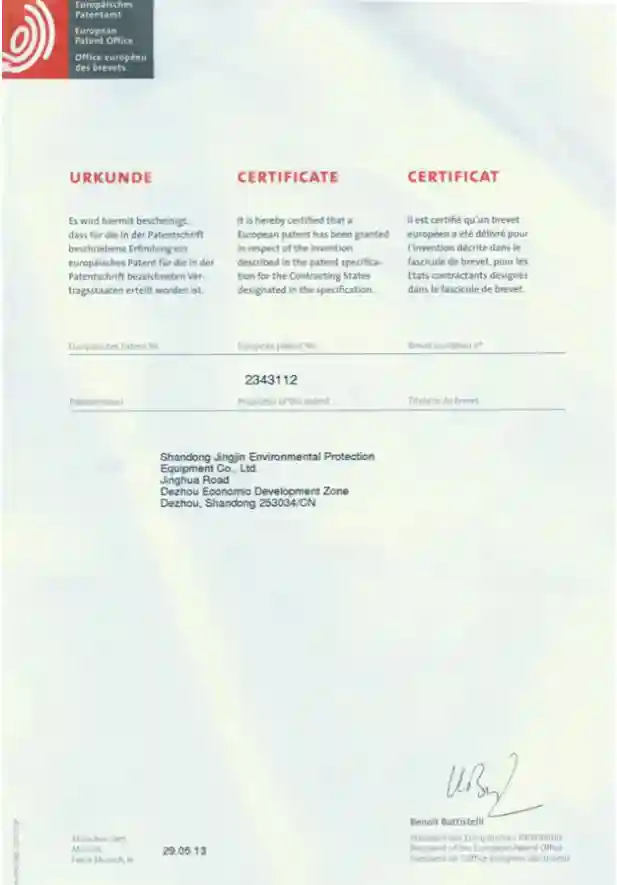
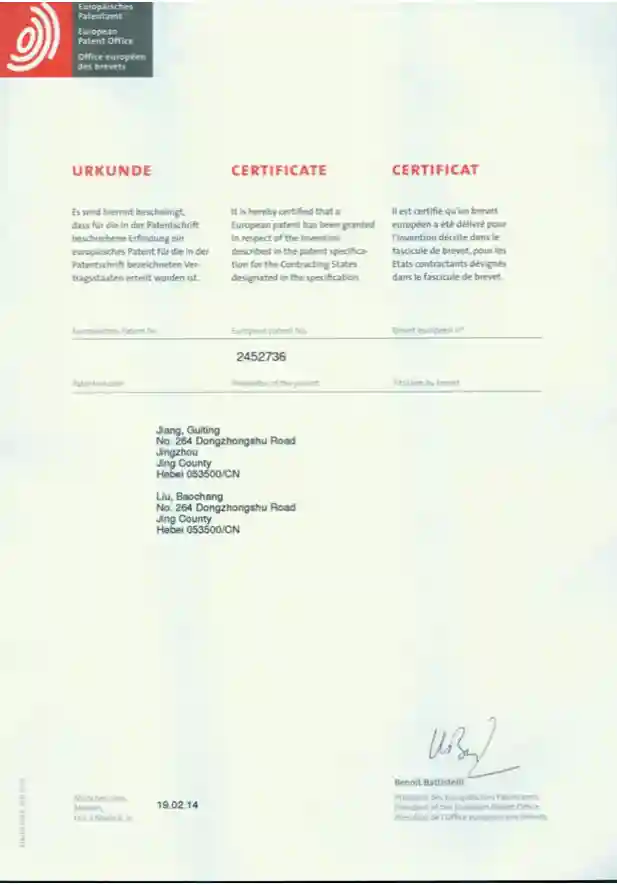
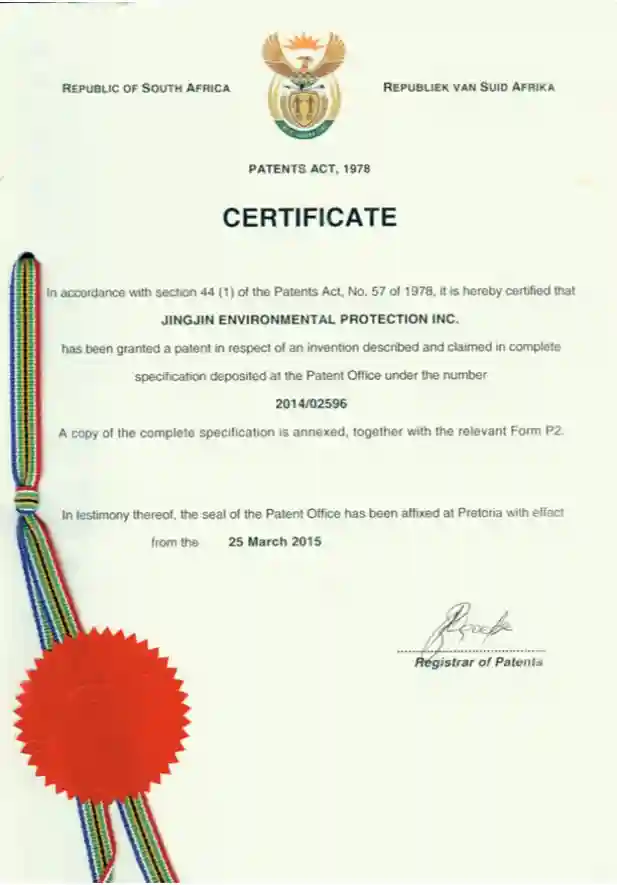
Jingjin Equipment Inc. has been a leader in engineering success for over 30 years and helps companies in 123 countries with their solid-liquid separation problems. They have clients in mining, wastewater treatment, chemical processing, and pharmaceutical production. While stainless pressure tanks make pump systems more efficient, our main area of expertise is filter press technology, which is great for cleaning sludge, slurry, and concentrates. Our ISO-certified production and 136 patents make sure that you get reliable, high-capacity filter systems with full technical support and original replacement parts. Contact our engineering team at [email protected] to discuss specialized solutions that address your unique process needs and compliance goals when your operation requires tried-and-true separation technology from a reputable stainless pressure tank manufacturer with global service capabilities.
References
1. American Society of Mechanical Engineers. (2021). ASME Boiler and Pressure Vessel Code, Section VIII, Division 1: Rules for Construction of Pressure Vessels. New York: ASME Press.
2. Davis, J.R. (2020). Corrosion of Stainless Steels in Industrial Process Environments. Materials Park, OH: ASM International.
3. European Commission. (2014). Directive 2014/68/EU on the Harmonisation of the Laws of the Member States Relating to the Making Available on the Market of Pressure Equipment. Brussels: Official Journal of the European Union.
4. Hydraulic Institute. (2019). Pump System Design and Application Guidelines: Pressure Tank Sizing and Integration Practices. Parsippany, NJ: Hydraulic Institute Standards.
5. McGuire, M. (2018). Stainless Steel for Water and Wastewater Treatment: Material Selection and Performance Criteria. Water Research Foundation Technical Report Series.
6. National Board of Boiler and Pressure Vessel Inspectors. (2022). Inspection and Maintenance Guidelines for Pressure Vessels in Industrial Service. Columbus, OH: National Board Publications.
jingjin
Founded in 1988, Jingjin specializes in filter presses and liquid-solid separation solutions, serving over 130 countries worldwide, and is a standard-setter in China's filter press industry.
Get the Filter Press guide
Enter Your Email for Technical assistance for the Filter Press.




Recommended Blog
Exploring the Benefits and Functions of a Stainless Pressure Tank on Water Pumps
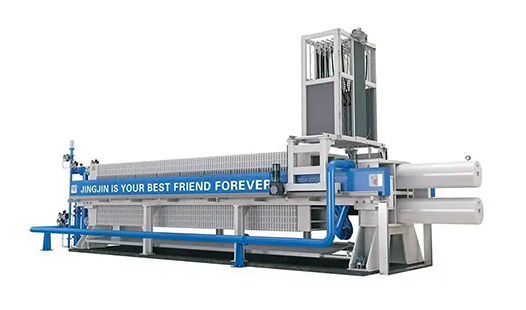
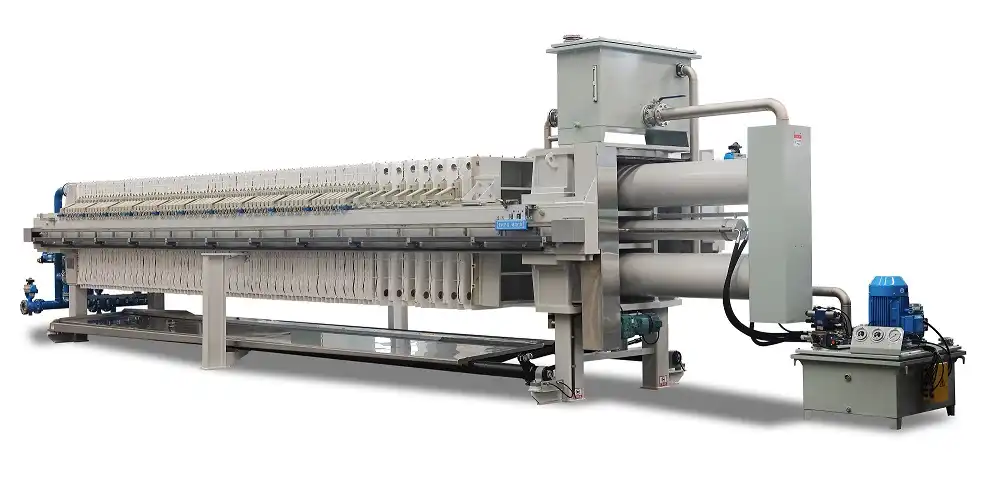
How to Choose the Best Dewatering Press Machine Capacity for Your Business Needs
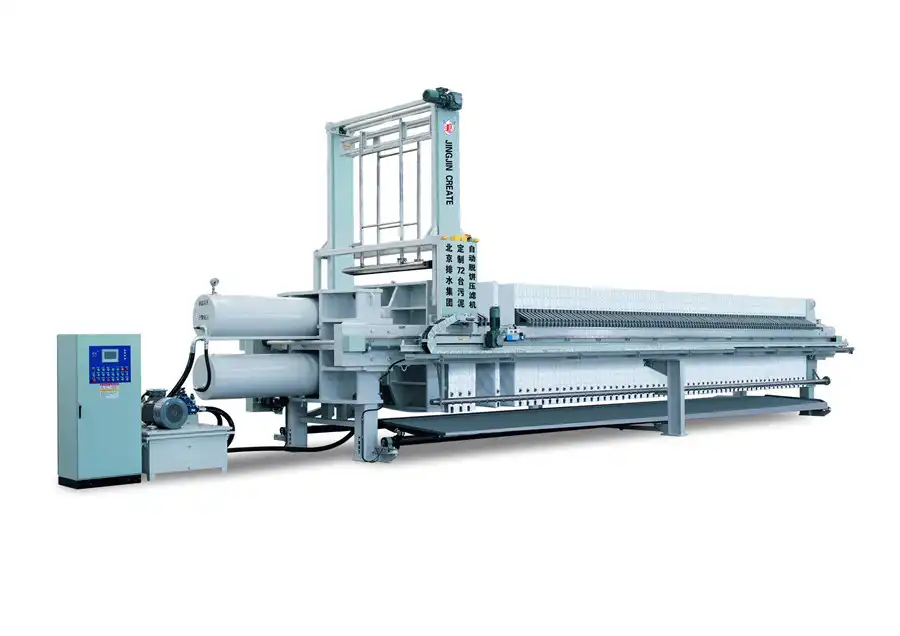
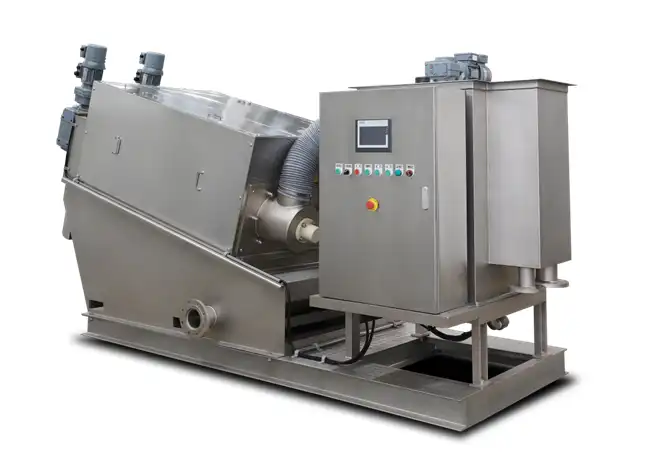
What Is a Multi Disk Screw Press and How Does It Work in Industrial Dewatering?

What Is a Filter Press Feed Pump Used For? Understanding Its Essential Role
How Jingjin Filter Press Enhances Wastewater Treatment and Sludge Dewatering