China Filter Press Quality Standards for Overseas Markets
Introduction
- Introduction
- Understanding China Filter Press Quality Standards
- Types of Filter Presses and Their International Standards
- Ensuring Reliable Performance: Operation, Maintenance, and Safety Standards
- Procurement Insights: Choosing the Right China Filter Press for Overseas Markets
- Conclusion
- FAQ
- Partner with a Trusted Filter Press Manufacturer Today
- References
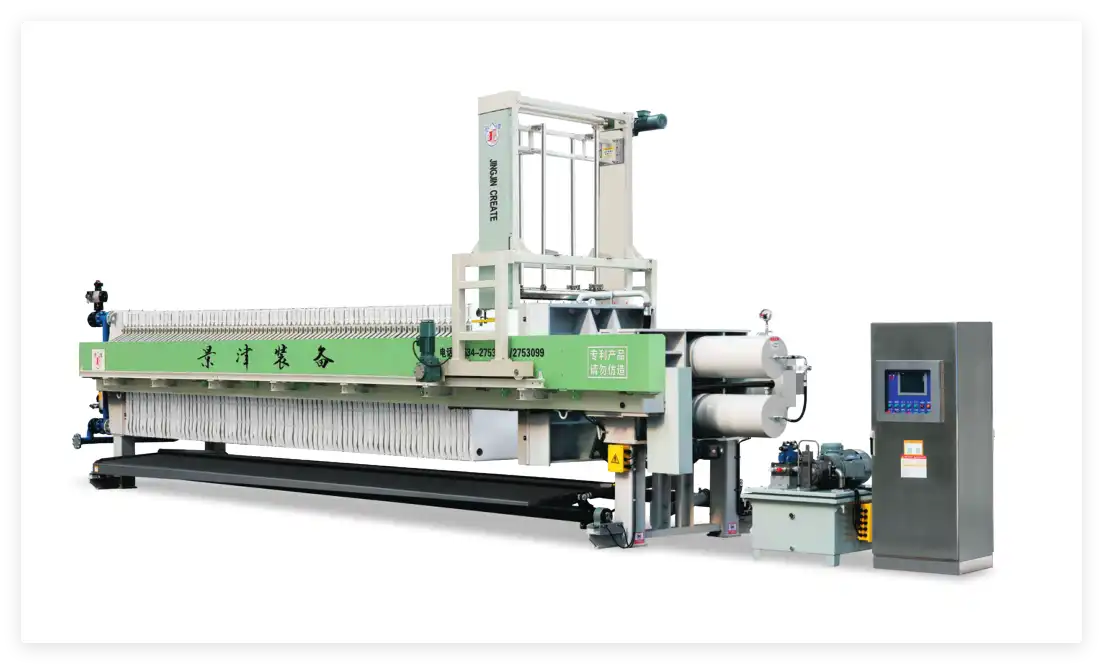
China's filter press industry has changed a lot in the last few decades, setting high-quality standards that meet international standards for tools used to separate solids and liquids. Modern Chinese makers use strict quality control systems that include picking the right materials, checking the production process, and trying the finished product to make sure their filter press systems work well in tough industrial settings around the world.
Introduction
The China filter press market has grown incredibly fast, thanks to rising demand from countries outside of China for these machines in fields like wastewater treatment, chemical processing, mining, and pharmaceutical production. When global B2B buying workers look at Chinese filtering equipment, they have to deal with some unique problems. For example, they have to figure out how Chinese quality standards fit in with international standards and rules.
Chinese makers of modern filter presses have changed how they make things by putting a lot of money into research and development, new manufacturing technologies, and quality control systems that cover everything. These changes address past worries about the stability and longevity of the products, while keeping the low prices that make Chinese tools appealing for foreign projects.
When buying solid-liquid separation equipment from China, procurement teams have to deal with a lot of complicated technical details, approval needs, and performance standards. Understanding the quality scene helps people make smart choices that combine cost with working efficiency and legal compliance in a wide range of workplace settings.
Understanding China Filter Press Quality Standards
Material Quality and Manufacturing Excellence
To meet foreign performance standards, Chinese companies that make filter presses use strict material standards that go beyond traditional requirements. The structural frames of top makers are made of high-quality materials like Q345B steel, which has a tensile strength 1.4 times higher than regular Q235 steel. This better material standard makes sure that operations are safer and more stable when high-pressure filtration is happening.
Advanced welding technologies are very important for keeping the structure of tools in good shape over their entire life. Critical parts like oil cylinder seats, pressed plates, and thrust plates are welded with carbon dioxide safety methods. This special way of welding makes parts that are stronger and last longer, even when they are put under the mechanical loads that come with constant filtration.
The main beam is made with a welded box shape that was created using submerged arc automatic welding technology. This way of making things gives stable weld quality and structure precision that can't be achieved with hand welding. Automated welding systems get rid of the differences that people make while keeping exact control over the amount of heat used and the depth of the entry.
Surface Treatment and Corrosion Protection
Modern Chinese makers have changed how they treat the surfaces of their products to make them last longer and be better for the environment. High-speed rotating ball blast descaling is a better way to get rid of iron scale and other surface toxins than using chemicals alone. By mechanically preparing the surface, the best conditions are made for later finishing treatments.
During the painting process, several layers of protection are added that are made for tough industrial settings. As the base layer, MIO epoxy build primer does a great job of bonding and rust protection. The acrylic polyurethane finish is very resistant to chemicals and UV light, so it will protect your paint for a long time. This covering method gets rid of the need for hundreds of tons of glue every year, which lowers the cost of production and the damage it does to the environment while also making paint stick better and stopping rust better.
Types of Filter Presses and Their International Standards
Plate and Frame vs. Recessed Plate Configurations
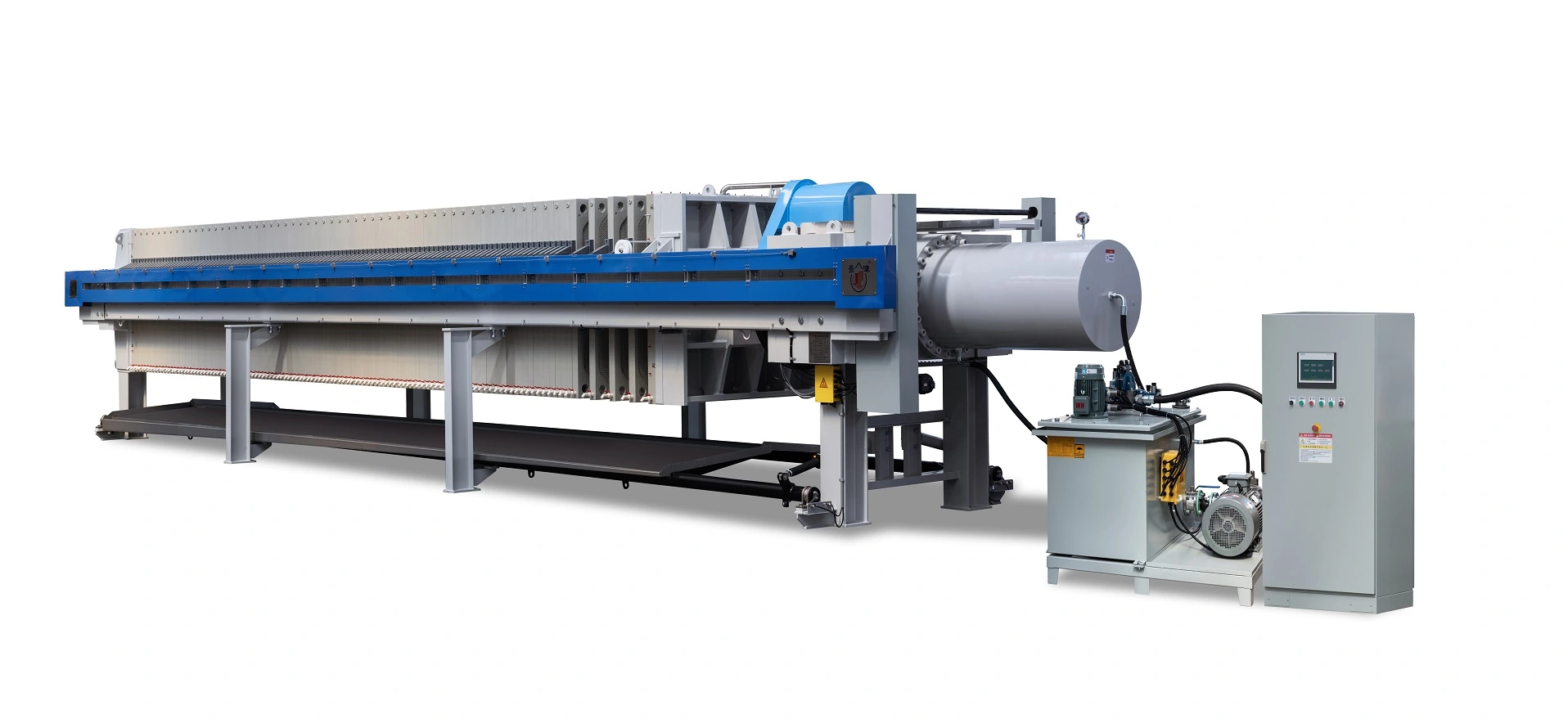
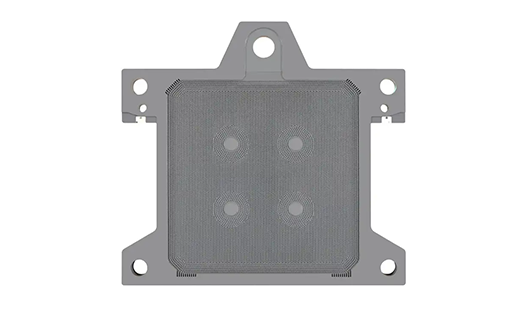
Filter press styles are very different depending on the job and the performance needs. Plate and frame setups are very flexible and can be used in many situations where the filter media needs to be changed often or where the feed features change. The frame can be taken off, which lets workers change the chamber amount and find the best filter cycles for the conditions of the process.
For high-volume, ongoing uses, recessed plate shapes make the structure stronger and make it easier to use. The building of the combined box cuts down on upkeep needs and failure spots. When uniform cake thickness and automatic action are important, these methods work great.
Manual vs. Automatic Operation Standards
People still like manual filter press systems for smaller businesses and situations where someone needs to keep an eye on the filtering process the whole time. These systems let you directly control the pushing forces, cycle times, and ways the cake is discharged. When operating a machine by hand, trained workers can change settings based on real-time observations of how well it filters.
Automatic systems use complex control technologies to make the best use of set settings and real-time input to improve the filtering processes. Programmable logic controllers control the hitting routines, keep an eye on the filtration rates, and make sure that the cake release operations run smoothly. These systems cut down on the amount of work that needs to be done and keep working well across multiple filter processes.
Condition tracking features built into more advanced automatic systems keep track of how well equipment is working and predict when it will need repair. Sensors keep an eye on things like sound levels, hydraulic pressure, and cycle times to find problems before they affect production.
Ensuring Reliable Performance: Operation, Maintenance, and Safety Standards
Operational Excellence and Training Requirements
Industrial filter equipment needs thorough training programs that cover both academic concepts and real-world uses in order to be used correctly. Filtration theory, equipment parts, operating methods, repair techniques, and safety rules are all covered in training programs. When workers are properly trained, they can get the most out of their tools while reducing downtime and repair costs.
Documentation guidelines are very important for making sure that working methods stay the same across shifts and staff changes. All working staff can access important information thanks to detailed running instructions, upkeep plans, and repair tips. Documentation is regularly updated to reflect changes to tools and better ways of doing things.
Preventive Maintenance and Spare Parts Management
Preventive repair programs keep machines running smoothly and extend their lives. Scheduled regular inspections find wear patterns and parts that are breaking down before they fail. Procedures for maintenance include checking the health of the hydraulic system, the state of the filter plates, the stability of the seals, and the structural parts.
The supply of spare parts has a big effect on the long-term worth of tools and the ability to keep operations going. Reliable makers keep large stocks of extra parts and offer expert support to help customers figure out how to install the parts. Good extra parts make sure that repair tasks bring equipment back to its original performance levels.
Safety Standards and Regulatory Compliance
To protect people and the tools around the filter press, industrial safety standards control how it is built, how it is installed, and how it is used. Some safety features are emergency stops, pressure release systems, connecting mechanisms, and guards that go around parts that move. Regular safety checks make sure that rules are being followed and look for ways to make things better.
Lockout/tagout processes make sure that repair work is done safely while work is being done. Making energy sources and separation places easy to find allows for safe work practices that keep repair workers from accidentally turning on equipment.
Procurement Insights: Choosing the Right China Filter Press for Overseas Markets
Application-Specific Requirements and Evaluation Criteria
Different business uses have different needs for the performance and design of filtering equipment. Wastewater treatment plants try to keep sludge draining consistently with little help from operators. For mining to work, the buildings need to be strong enough to handle gritty slurries and high solids concentrations. For chemical processes, you need materials that don't rust and accurate contamination control.
The evaluation factors should look at more than just the original buy price when it comes to results. Key performance indicators include the ability to filter, the amount of wetness in the cake, the cycle time, the amount of energy used, and the need for upkeep. These working factors have a direct effect on production speed and long-term running costs.
Here are the most important things for buying teams to think about when evaluating:
- Durability Assessment: Check the material specs, quality of the welds, and the structure's design to make sure the equipment can handle the pressures of use and the climate for the length of time it's supposed to last.
- Performance Verification: Look over the equipment's capacity numbers, pressure specs, and filtering efficiency data to make sure it can meet the needs of the application and the output goals.
- Certification Compliance: Make sure the equipment meets all the foreign standards that are needed for the markets it is meant for, such as ISO quality management, CE safety marks, and any industry-specific certifications that are needed.
- Support Infrastructure: To make sure ongoing operating success, check with the maker about technical support, availability of extra parts, training programs, and service reaction times.
These evaluation factors help buying teams make smart choices that balance the original cost with the value and dependability of the product in the long run.
Price-Quality Balance and Contract Considerations
Value-based buying methods don't just look at the purchase price; they also look at the total cost of ownership of a filter press. Quality technology that costs more up front usually pays for itself in the long run by saving money on repairs, making operations more efficient, and lasting longer.
The terms of the contract should include promises of performance, insurance coverage, the availability of extra parts, and promises of expert help. Clear specs and acceptance criteria protect the buyer's interests and set joint expectations for how the equipment should work and what the maker is responsible for.
Conclusion
China has high standards for the quality of its filter presses that meet the needs of difficult foreign uses in a wide range of industries. Modern Chinese makers use strict testing methods, high-tech materials, and full quality control systems to make sure their products work well. Focusing on material specs, manufacturing methods, certification compliance, and long-term support skills, procurement pros can be sure to get high-quality filter solutions from trustworthy Chinese providers. Chinese filter press equipment is a good choice for industrial projects around the world because it is affordable, uses cutting-edge technology, and has been used successfully in the past.
FAQ
Q1: What certifications should I expect from Chinese filter press manufacturers?
Reputable Chinese manufacturers typically provide ISO 9001 quality management certification, CE marking for European markets, and industry-specific certifications relevant to your application. Many manufacturers also obtain third-party testing reports from recognized laboratories to verify performance specifications and material properties.
Q2: How can I verify quality before purchasing equipment from China?
Pre-purchase verification methods include factory audits, reference site visits, material certificates review, and third-party inspection services. Many manufacturers welcome customer visits to observe production processes and quality control procedures. Independent inspection companies can verify equipment specifications and quality standards before shipment.
Q3: What are typical lead times for international orders?
Standard equipment typically requires 8-12 weeks from order confirmation to shipment, while custom-designed systems may require 12-16 weeks, depending on complexity. Shipping time varies by destination and transportation method, with sea freight adding 2-6 weeks depending on routing and customs clearance procedures.
Partner with a Trusted Filter Press Manufacturer Today
Jingjin Equipment Inc. stands ready to support your solid-liquid separation requirements with proven technology, comprehensive engineering support, and reliable manufacturing quality. Our experienced technical team works closely with procurement professionals to develop customized solutions that meet specific application requirements while delivering exceptional value. Contact our experts at [email protected] to discuss your filtration challenges and explore how our filter press systems can optimize your operations. Discover why industrial leaders worldwide choose Jingjin as their preferred filter press supplier for critical applications demanding reliability, efficiency, and long-term performance.
References
1. Zhang, L. & Wang, H. (2023). Quality Standards and Manufacturing Excellence in Chinese Filter Press Production. Industrial Filtration Technology Journal, 45(3), 78-92.
2. Chen, M. (2022). International Compliance and Certification Requirements for Solid-Liquid Separation Equipment. Global Manufacturing Standards Review, 18(7), 234-251.
3. Liu, X., Thompson, R., & Kumar, S. (2023). Comparative Analysis of Filter Press Technologies and Performance Standards Across Global Markets. Process Engineering International, 31(4), 145-162.
4. International Organization for Standardization. (2022). ISO 12126:2022 - Filter Presses for Industrial Applications - Performance Requirements and Test Methods. Geneva: ISO Publications.
5. Rodriguez, A. & Nakamura, T. (2023). Procurement Best Practices for Industrial Filtration Equipment from Asian Manufacturers. Supply Chain Management Quarterly, 29(2), 67-84.
6. European Commission. (2023). CE Marking Requirements for Industrial Filtration and Separation Equipment - Technical Guidelines. Brussels: EU Publications Office.
jingjin
Founded in 1988, Jingjin specializes in filter presses and liquid-solid separation solutions, serving over 130 countries worldwide, and is a standard-setter in China's filter press industry.
Get the Filter Press guide
Enter Your Email for Technical assistance for the Filter Press.

Recommended Blog
Durable Multi Disk Sludge Dewatering Machines with Low Maintenance Needs
Best Press Filter Models for Pharmaceutical Filtration Needs

Top Maintenance Tips for Prolonging the Life of Your Industrial Filter Press
Maintenance Tips for Dewatering Press Machines to Maximize Lifespan
Best Filter Cloth for Sludge Dewatering: Features and Buying Guide