Where to Buy Reliable Multi Disk Screw Press for Industrial Effluent Separation?
Where to Buy Reliable Multi Disk Screw Press for Industrial Effluent Separation?
Understanding the Multi Disk Screw Press for Industrial Effluent Separation
- Understanding the Multi Disk Screw Press for Industrial Effluent Separation
- Multi Disk Screw Press vs Other Separation Technologies
- Key Factors When Choosing a Multi Disk Screw Press Supplier
- Procurement Strategies for Buying Reliable Multi Disk Screw Press
- Real-World Case Studies: Successful Multi Disk Screw Press Implementations
- Conclusion
- FAQ
- Partner With Jingjin for Your Industrial Dewatering Solutions
- References
To find the best Multi disk screw press for separating solids from liquids in commercial wastewater, you must first find reliable makers who focus on cutting-edge solid-liquid separation technology. Reliable providers offer tried-and-true dewatering solutions backed by engineering know-how, global service networks, and full help after the sale. When procurement managers are looking for reliable equipment, they should focus on makers with decades of experience, large patent portfolios, and a history of performance in a wide range of industrial settings, such as chemical processing plants and wastewater treatment plants. Established companies like Jingjin Equipment Inc., which has been a leader in filter technology for over 35 years and has offices in 123 countries, are the kind of suppliers that can give your facility both the equipment it needs and the long-term operating security it needs.
Understanding the Multi Disk Screw Press for Industrial Effluent Separation
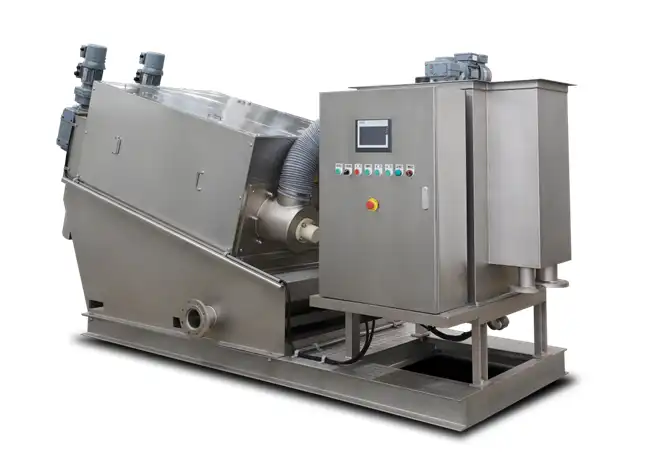
How This Technology Works
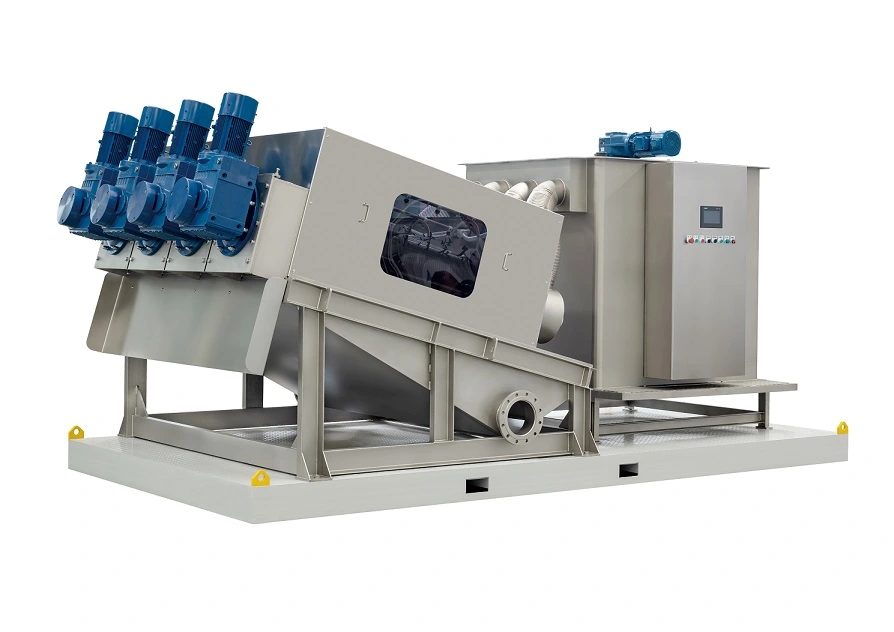
The screw press dewatering device works with a tool that is both beautifully simple and very effective. A specially made screw shaft slowly turns inside a cylinder-shaped drum made up of moving and set rings that alternate. When raw sludge or effluent reaches the thickening zone, the screw starts moving the material toward the outlet end while the spinning rings clean themselves. The constant action keeps the filter holes from getting clogged, which is a common issue with belt presses and other older machines.
The rings overlap in a very specific way, making narrow pathways for filtering that let water leave but keep solids in. The screw pitch gradually gets smaller as the object moves through the press, which causes mounting tension. This gradual rise in pressure squeezes water out of the sludge cake without using fast rotational forces or big hydraulic systems. The cake is always dry, with a solids content range from 15% to 25%, based on the feedstock and how the polymer is treated.
Core Advantages for Industrial Applications
When factories deal with complicated wastewater, they have to deal with specific problems that regular separation equipment can't handle. Modern washing machines are very useful when floor space is limited because they take up very little room. Unlike traditional belt filter presses that need a lot of space to be installed, the combined assembly design needs much less space while still being able to handle a lot of work.
One more important benefit is that it saves water. The self-cleaning ring device only needs a small amount of rinse water—less than 1% of the amount that similar thickening equipment needs. This huge drop directly leads to lower running costs and less damage to the environment, which is especially helpful in places where water is scarce or where facilities have to follow strict release permits.
This technology is different from centrifuges and high-pressure hydraulic devices because it uses less energy. The equipment uses very little energy—only 0.01-0.1 kWh per kilogram of dry material processed—, and it rotates at very low speeds (2-4 RPM). This is up to 90% less energy than decanter centrifuges. The low-speed action also makes very little noise and shaking, usually less than 65 decibels, which makes the work area easier to handle.
Handling Low-Concentration Feedstock
One of the most useful skills for people who work in wastewater treatment is being able to directly handle streams of dilute muck with a Multi disk screw press. The thickening zone built into the equipment can handle sludge amounts as low as 0.2%, so you don't have to buy and run separate gravity thickening tanks, which can be expensive and hard to do. After going through the system, the concentrated product can have 5% solids or more, which greatly reduces the amount of trash that needs to be thrown away and the costs of moving it away. This feature is especially useful for wastewater treatment plants and food processing plants, where the underflow from secondary clarifiers usually only has 0.5 to 2% solids.
Multi Disk Screw Press vs Other Separation Technologies
Belt Filter Press Comparison
Belt filter presses have been used in the sewer business for many years, but they have some problems that show up when they're put to hard tasks. The porous cloth belts in these systems squeeze sludge between two moving surfaces with the help of roller pressure. Because they are open, they can produce aerosols and smells, which are big problems when working with biological sludge or industrial waste that contains flammable chemicals.
There are big differences in how much maintenance each technology needs. To keep dewatering working well, belt systems need to have their fabrics replaced often, high-pressure wash water running all the time to keep them from blinding, and the tension carefully adjusted. The moving and set ring design gets rid of all the cloth completely. It uses long-lasting stainless steel parts that usually last between 30,000 and 40,000 hours of use before they need to be replaced. The self-cleaning action keeps the machine working well without the person having to keep doing something.
When fats, oils, and grease are present, like in food preparation and abattoir wastewater, the cloth blinds quickly, and the belt presses lose their performance. The mechanical scraping action of spinning rings constantly gets rid of oily waste, so the filtering works well even when the feedstock is tough.
Centrifuge Technology Differences
Decanter centrifuges are great at making very dry cake, with solids levels sometimes hitting 30% or higher, but they are very hard to use. The fast-spinning bowl makes a lot of noise and shaking, so it usually needs special bases and soundproofing. Ten to fifteen times more energy is used than with other Multi disk screw presses, which means that ongoing costs build up over the equipment's lifetime.
Because centrifuges are so complicated mechanically, they need more upkeep and break down more often. To change the differential speed, fix bowl wear, or replace the scroll, you need skilled techs and a lot of extra parts. Modern screw presses are fully enclosed and have a simple design that lets them work 24 hours a day, 7 days a week, with automatic controls and sensor-based tracking. When problems happen, the system sends out an automatic warning and shuts down safely, so there is less chance of damage to the equipment or interruption of the process.
Application-Specific Considerations
When making paints, dyes, and other speciality chemicals, chemical makers often have to work with slurries that are acidic or abrasive and wear out normal equipment quickly. High-quality stainless steel (SS316 or 316L) construction resists corrosion very well, and hard-facing with tungsten carbide or Stellite on wear areas can be added to make them last longer in harsh settings.
When mining companies deal with ore concentrate and tailings, they have to deal with different problems, mostly large amounts of rough bits. The strong construction and continuous-duty design work well for these tasks, but removing grit upstream greatly increases the component's life when working with very rough materials. It is helpful to be able to deal with different feed amounts without losing performance in mining settings where upstream processes change the properties of the slurry.
Key Factors When Choosing a Multi Disk Screw Press Supplier
Evaluating Manufacturer Credentials
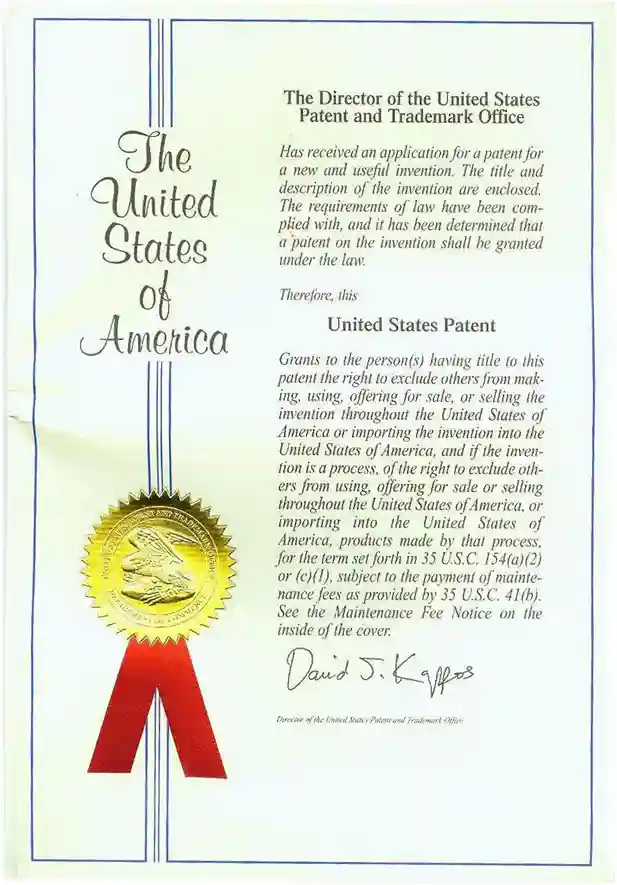
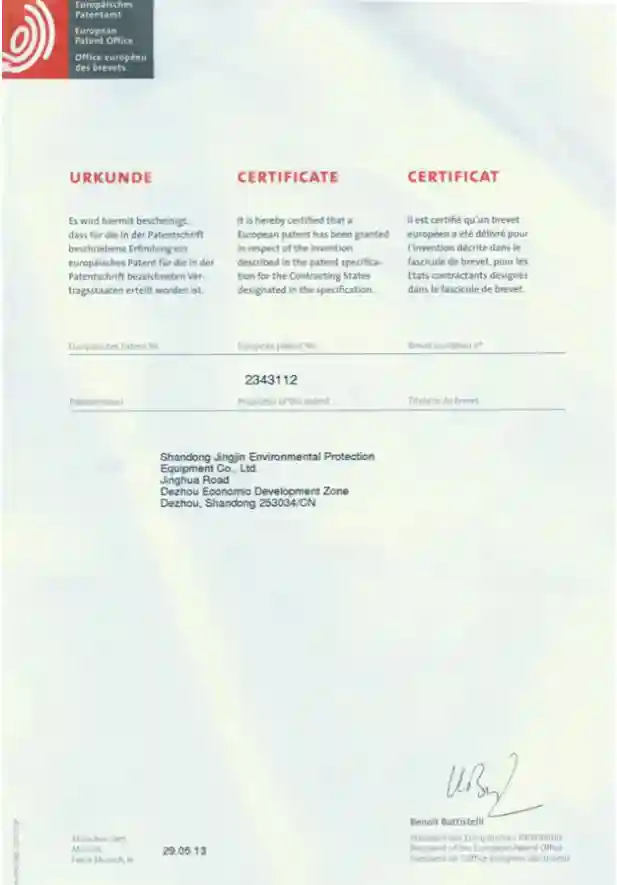
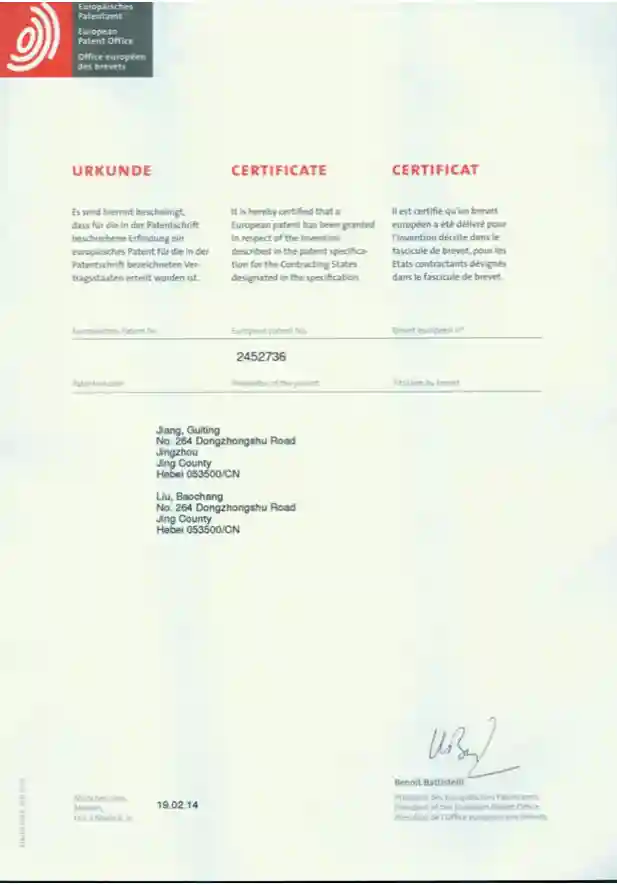
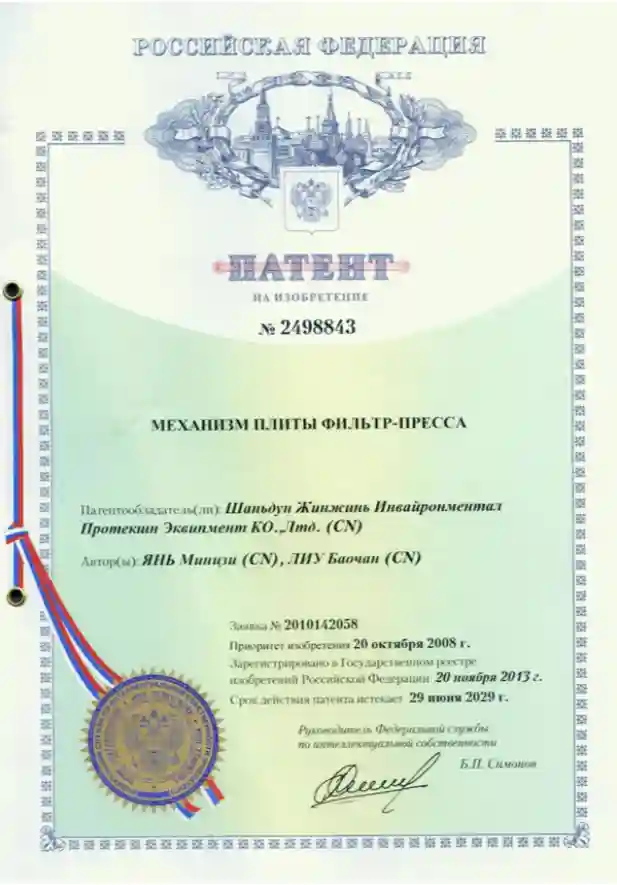
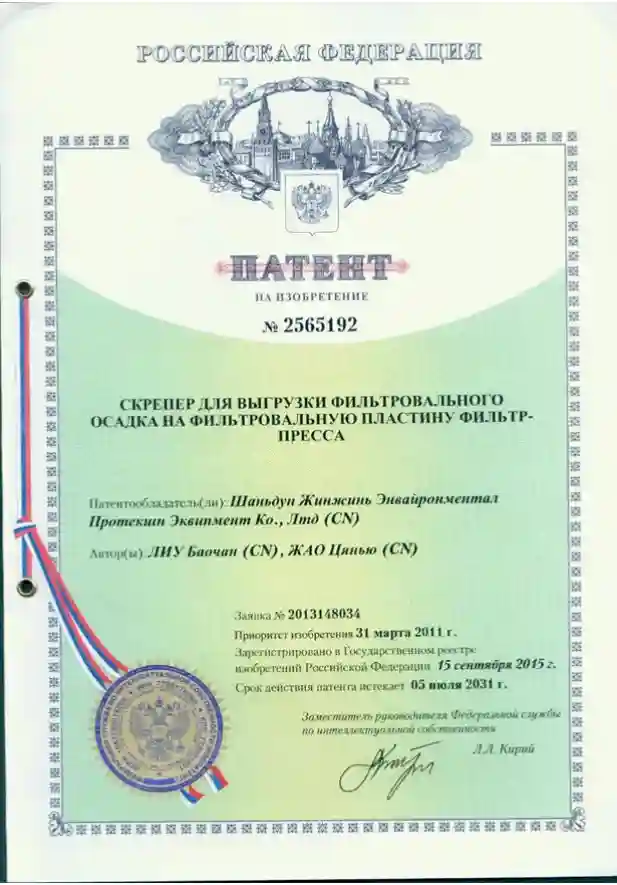
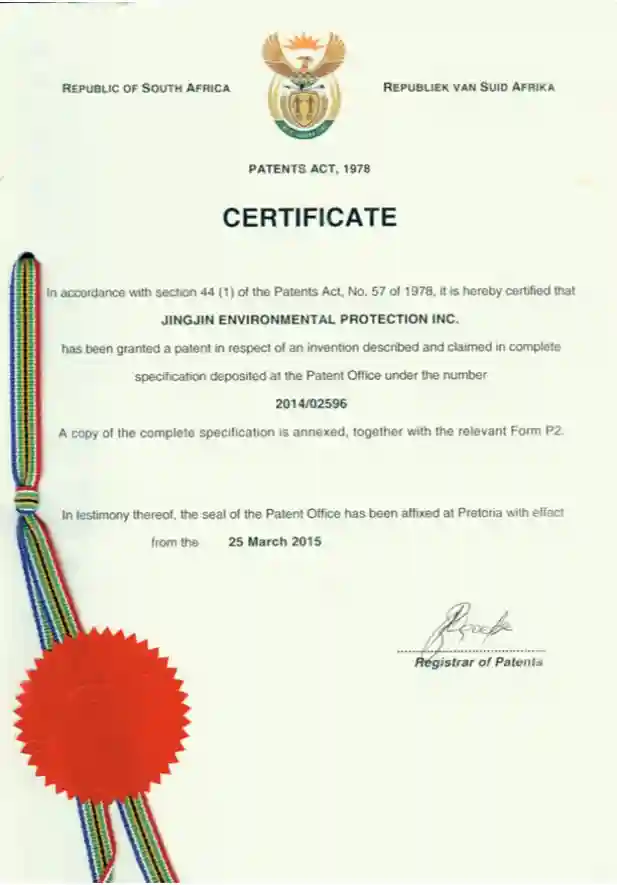
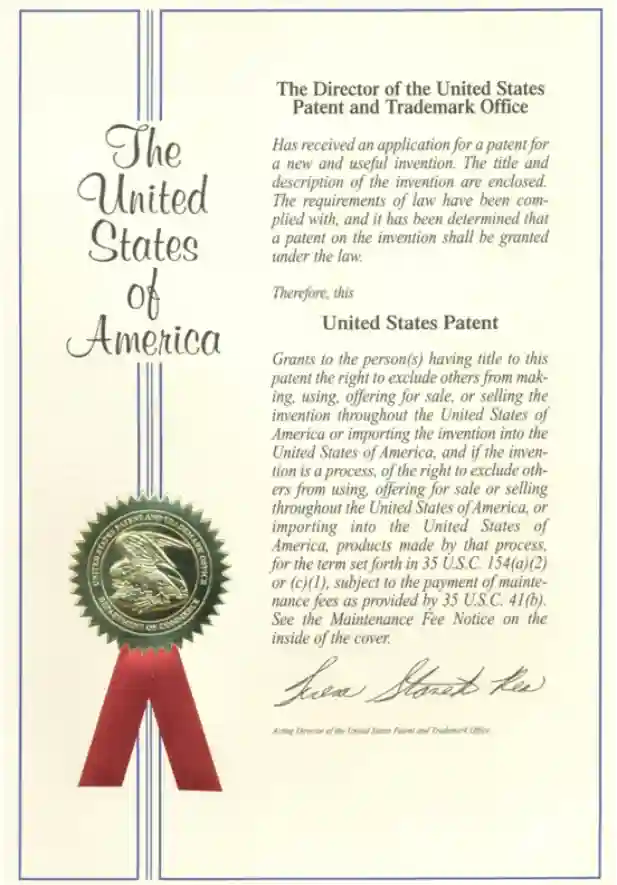
When choosing suppliers for important business tasks, it's important to do a lot of research. Patent files show real technology progress, not just making things that everyone else makes. Jingjin Equipment Inc. has over 136 patents on filter and separation technology, which shows that the company has been investing in research and development for a long time. This intellectual property leads to better designs that are more reliable, work better, and are easier to maintain. Large-scale production makes sure that quality control is always the same, that parts are easy to find, and that delivery dates can be met. Identifying a reputable Multi disk screw press manufacturer with a global service presence shows that the company has been able to work effectively in a wide range of legal settings and operating conditions.
Technical Specifications and Customisation
The properties of industrial wastewater change a lot depending on the application. Chemical precipitates and municipal activated sludge behave in different ways, and food industry waste and mine tailings present different problems. As an ideal provider, they will offer technical advice to help you match the right equipment to your feedstock. This includes talking about things like flow rate, expected cake dryness, and any special material needs for harsh or corrosive environments.
The modular design makes it possible to change the setup of a system without having to re-engineer it from scratch. You can change the number of ring sets, the screw pitch, and the size of the drive system to get the best results for your needs. When suppliers offer standard, one-size-fits-all options, they might send equipment that doesn't work well or needs expensive changes after installation.
Warranty and After-Sales Support
Manufacturers' equipment guarantees are very different, and the terms say a lot about how confident the company is in its products and how committed its customers are to them. Full coverage should include more than just replacing parts; it should also include expert support, help with fixing problems, and efficiency promises. Leading suppliers offer proactive maintenance plans that include regular checks, monitoring of wear parts, and suggestions for future maintenance based on operating data. By fixing possible problems before they become problems, these services increase the amount of time that equipment is available and make the system last longer. Your operational staff should go through training programs to make sure they know how to operate things correctly.
Procurement Strategies for Buying Reliable Multi Disk Screw Press
Direct Manufacturer vs Distributor Relationships
When making a purchase, you have to choose between working directly with the maker and going through an authorised agent. Working directly with original equipment makers gives you direct access to engineering knowledge, the latest technology advances, and the ability to customise products. This method works well for big projects, complicated tasks, or places that want to work together with their equipment source for a long time. Authorised distributors add value by being close by and being able to respond faster to regular service needs.
Budget Planning and Total Cost of Ownership
Initial capital spending is only one part of the total cost of ownership for a piece of equipment. Differences in how much energy different technologies use lead to ongoing operating costs that add up over the 10 to 15 years that equipment lasts. Using water for upkeep and cleaning adds to the variable costs, especially in places where businesses pay more for public water and wastewater treatment. Modern Multi disk screw presses have a simpler mechanical design and are run automatically, which cuts down on both planned and unplanned repairs.
Often, lowering the cost of disposal is enough to support buying tools on its own, without any other benefits. Even a 5% increase in cake solids lowers the amount of biosolids that needs to be disposed of. Since facilities pay $50 to $150 per tonne for biosolids hauling and dumping, the yearly savings for bigger treatment plants can reach hundreds of thousands of dollars.
Financing and Payment Terms
Buying capital tools can be hard on budgets, especially for smaller businesses and towns. When there isn't a lot of money available up front, projects can still go ahead with the help of flexible payment structures like delayed payments tied to project goals, equipment performance promises, and financing arrangements. Some makers keep in touch with equipment funding experts who know how much industrial equipment is worth and can set up good terms. Customers are protected by performance promises if the equipment doesn't dry the cake to the right level, capture rates, or processing capacity.
Real-World Case Studies: Successful Multi Disk Screw Press Implementations
Municipal Wastewater Treatment Expansion
A medium-sized municipal treatment plant in the southeast of the United States had a familiar problem: as the population grew, more treatment room was needed, but the solids handling building was already full of the existing gravity belt thickener and belt filter press. When the two-stage system was replaced with a combined Multi disk screw press, 40% of the floor space was freed up, and working capacity went up by 25%.
Every day, the plant processes about 8 million gallons of waste, which makes about 12,000 pounds of dry solids in waste-activated sludge. The old method needed two full-time workers during business hours and made cake that was about 18% solids on average. After the new equipment was put in place, operations control decreased to regular checks by a single operator. The cake's consistency also got better, reaching 22% solids. The 4% increase in cake dryness cut yearly disposal costs by about $85,000.
Chemical Manufacturing Facility
A speciality chemistry company in the Midwest had trouble with their old centrifuge system when they had to deal with waste streams that still had solvents and reactive substances in them. The high-speed centrifuge caused vibration issues that needed expensive changes to the base, and the sealed bowl design made cleaning between product campaigns hard to do and took a lot of time. When the plant switched to a flexible screw press design, it was able to handle more than one type of trash with ease. Concerns about air permit compliance were lower because the fully sealed system did a better job of keeping volatile organic chemicals inside. Cleaning and checking between campaigns now takes less than two hours.
Food Processing Application
A chicken processing company that made a lot of wastewater with fats, oils, and greases put screw press technology that was made to deal with tough organic waste. Their old dissolved air float system and belt press dehydration needed constant care to keep the belt from getting blind and the performance at a good level. The self-cleaning ring design got rid of all problems with belt blindness. The daily amount of wash water used dropped to less than 15 gallons, which is a 99% drop. This cut down on both the cost of water and the amount of reduced filtrate that went back to the treatment plant's head. Maintenance costs went down by 60%.
Conclusion
When choosing solid equipment for separating industrial wastewater, you need to think about how well it works technically, how easy it is to use, and how long you want to work with the seller. The Multi disk screw press technology we've talked about here is better than standard options in terms of how much energy it uses, how much upkeep it needs, and how much space it uses. To be successful, you need to work with makers who can offer proven knowledge, full support, and the freedom to make changes that fit your unique application needs. The right equipment, when properly maintained, will work reliably for years while meeting stricter environmental standards.
FAQ
Q1: What capacity range do multi-disk screw presses cover?
Modern Multi disk screw press technology can handle a wide range of flows, from small installations that can handle 5 to 10 gallons per minute to big systems for cities or factories that can handle 150 GPM or more. Manufacturers usually make more than one model size, so you can fit the volume to your flow needs without buying too much equipment. When the system needs to be expanded in the future, modular designs let you add more units in parallel instead of changing the whole system.
Q2: How does polymer consumption compare to other dewatering technologies?
The low-shear setting keeps the structure of the flocs better than centrifuges. This leads to polymer dosing rates of 2 to 6 kg per tonne of dry solids, which are about the same as or a little lower than those of belt presses. To choose the right polymer and dose, you need to try it with your unique sludge. Reliable providers offer bench-scale and pilot testing services to find the right conditioning parameters before the full-scale installation.
Q3: What warranty terms should I expect from quality manufacturers?
Standard guarantees usually last for 12 to 18 months from the date of commissioning or 24 months from the date of shipment, whichever comes first. Coverage should include promises for the materials, the work, and the performance under certain working conditions. For important uses, extended warranty options are often offered. Normal wear parts like rings and screw flights may have different guarantee terms to represent the fact that they are consumables, but they can still work for 30,000 hours or more.
Partner With Jingjin for Your Industrial Dewatering Solutions
Jingjin Equipment Inc. has everything that procurement managers and plant engineers need in a reliable Multi disk screw press provider. We have been a leader in advanced solid-liquid separation technology since 1988, supplying filter systems to businesses in 123 countries. Our patented designs solve the specific operating problems you face, like high-FOG trash, limited room, rising energy costs, and strict environmental rules. Our engineering team can help you with application-specific advice, capacity analysis, and customisation to fit the properties of your material and your performance goals. Jingjin also gives full project support, which includes installation supervision, operator training, and spare parts programs. Get in touch with our team at [email protected] to talk about your industrial effluent separation needs and get a full technical plan.
References
1. Water Environment Federation (2019). Industrial Wastewater Treatment Technology and Best Practices, WEF Manual of Practice No. 8, Alexandria, VA.
2. Chen, G., Lock Yue, P., and Mujumdar, A.S. (2017). Sludge Dewatering and Disposal: Principles and Practices, Chemical Industry Press, Beijing.
3. American Water Works Association (2020). Wastewater Engineering: Treatment and Resource Recovery, 5th Edition, McGraw-Hill Education, New York.
4. Metcalf & Eddy, Inc., Tchobanoglous, G., Stensel, H.D., Tsuchihashi, R., and Burton, F. (2018). Wastewater Engineering: Treatment and Resource Recovery, McGraw-Hill Professional, New York.
5. International Water Association (2021). Advanced Technologies for Sludge Management in Wastewater Treatment Plants, IWA Publishing, London.
6. U.S. Environmental Protection Agency (2020). Emerging Technologies for Wastewater Treatment and In-Plant Wet Weather Management, EPA 832-R-12-011, Washington, DC.
jingjin
Founded in 1988, Jingjin specializes in filter presses and liquid-solid separation solutions, serving over 130 countries worldwide, and is a standard-setter in China's filter press industry.
Get the Filter Press guide
Enter Your Email for Technical assistance for the Filter Press.
Recommended Blog
Top Maintenance Tips for Prolonging the Life of Your Industrial Filter Press
How to Troubleshoot Common Filter Press Machine Issues Quickly and Effectively
Why Brazil Food Plants Import Multi Disk Screw Press from China?
Where to Buy Reliable Feed Pumps for Filter Press: A Buyer’s Guide