Understanding Filter Press Cloth: What It Is and How It Works in Industrial Filtration
Understanding Filter Press Cloth: What It Is and How It Works in Industrial Filtration
What Filter Press Cloth Is and Why It Matters in Industrial Filtration?
- What Filter Press Cloth Is and Why It Matters in Industrial Filtration?
- How Filter Press Cloth Works Inside the Press: From Slurry to Cake?
- Selecting the Right Filter Press Cloth and Partner for Your Application
- Conclusion
- FAQs
- High-Performance Filter Press Cloth Manufacturers and Suppliers for Industrial Filtration | Jingjin
- References
Filter Press Cloth is the heart of any filter press system. It is the fabric layer that actually separates solids from liquids when slurry is pumped into the press. While plates provide structure and pressure, the cloth delivers filtration performance: it holds back particles, lets clean liquid pass, shapes the filter cake, and controls cycle time. The right cloth design can raise throughput, improve cake dryness, reduce blinding, and cut washing and maintenance time. The wrong cloth can cause leaking, long cycles, and unstable operation. In industrial filtration across wastewater, mining, chemical, food, and tunneling projects, engineers now treat cloth selection as a major design decision rather than a simple spare part. Understanding what filter press cloth is made of, how it works, and how it should be selected helps process engineers and EPC contractors gain stable performance and predictable operating costs.
What Filter Press Cloth Is and Why It Matters in Industrial Filtration?
Basic Definition and Core Functions
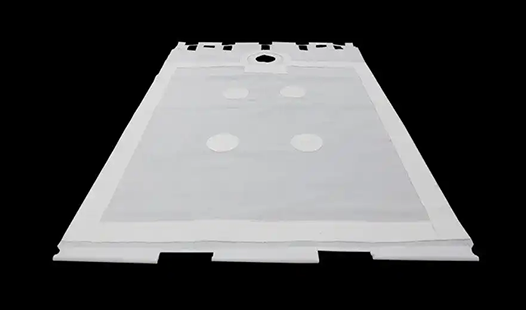
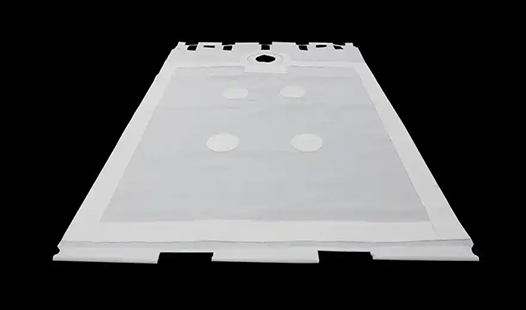
At its core, press cloth is a technical textile mounted on each plate of a filter press. When slurry enters the press, this fabric acts as a barrier: liquid passes through the pores of the cloth, while solid particles are trapped on the surface and within the weave. Over the cycle, particles accumulate and form a porous cake layer. This cake then behaves like an extra filter medium, catching finer particles and improving the clarity of the filtrate.
We produce a wide range of high-quality filter cloths designed for use in various filtration applications, including filter press systems. They are specially engineered to provide superior filtration performance, ensuring efficient solid‑liquid separation while maintaining high flow rates and clear filtrates. Whether you require woven, non‑woven, or custom‑designed cloths, these industrial fabrics can be tailored to match specific process goals such as high cake dryness, low residual moisture, or very clear effluent.
Across sectors like municipal and industrial wastewater, mining and mineral processing, food production, and chemical engineering, the cloth plays several roles:
- Filtration quality: Cloth pore size and structure control filtrate clarity, which affects whether water can be reused or safely discharged under environmental rules.
- Hydraulic capacity: Permeability and fabric design impact how fast liquid passes through, which shapes cycle time and overall throughput.
- Cake release: Surface finish and weave influence how easily cake falls away from the cloth at discharge, affecting labor needs and cycle stability.
- Service life: Fiber material and construction determine resistance to abrasion, chemicals, and repeated washing, which impacts long‑term operating cost.
Common Materials and Constructions
Global search trends around industrial filtration, filter media, and dewatering show frequent discussion of polyester, polypropylene, and sometimes nylon or cotton as base fibers. Polyester and polypropylene dominate heavy‑duty filtration because they offer a useful mix of chemical resistance, mechanical strength, and reasonable cost.
Woven cloths are typical in filter press systems. Plain weaves, twill weaves, and multi‑layer structures each deliver different balances of strength, permeability, and surface smoothness. Some applications use needle‑felt (non‑woven) media for special particle size distributions or when very fine solids must be retained. In mining tailings or fine chemical production, engineers often select multi‑layer or calendered fabrics to gain both good clarity and robust cake release.
Our filter cloths are trusted across industries such as wastewater treatment, mining, food processing, and chemical engineering, where reliability, long service life, and consistent filtration results are essential. In these environments, the cloth is not a commodity; it is a precision‑engineered part of the process.
Where the Right Cloth Delivers Measurable Gains?
Operational data from wastewater plants and industrial facilities show that optimized cloth selection can:
- Reduce cycle times by allowing faster filtrate flow at the same pressure, which increases daily throughput.
- Improve cake solids content by supporting better cake structure and drainage, cutting hauling and disposal costs.
- Lower maintenance by resisting blinding and enabling more effective washing, which extends the cloth's lifetime.
For plant managers under pressure to reduce costs while meeting environmental regulations, these benefits make filter press cloth a strategic lever, not an afterthought.
How Filter Press Cloth Works Inside the Press: From Slurry to Cake?
The Filtration Sequence in a Typical Cycle
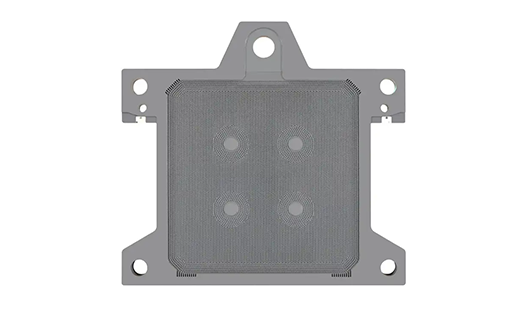
When the press closes, plates covered with cloths form a series of sealed chambers. A pump feeds slurry into these chambers through feed ports. As pressure rises, liquid is pushed against the cloth surface. The pores in the fabric allow water and dissolved substances to pass, while solid particles are retained.
At the start of the cycle, cloth resistance dominates. As solids accumulate on the surface, a thin filter cake forms. This cake becomes the primary filtration layer, trapping smaller and smaller particles. The filtrate leaves the press through internal drainage channels, while the cake continues to thicken until the target pressure, volume, or time setpoint is reached.
In sludge dewatering for municipal or industrial wastewater, operators often monitor filtrate clarity and flow rate to judge when the cake has reached the desired thickness. In mining and mineral processing, where tailings and concentrates must be consistently dewatered, pressure and filtrate volume curves are used to optimize cycle steps and reduce moisture.
The Role of Weave, Pore Size, and Permeability
Online technical resources about filtration media frequently highlight three main parameters for cloth: micron rating, air permeability, and fabric weight. These may sound abstract, but they drive real‑world behavior:
- Micron rating: Indicates the approximate size of particles retained by the cloth. A tighter structure captures finer particles but can slow filtration and raise pressure drop.
- Permeability: Expressed in units such as L/m²·h·bar, this expresses how much liquid can pass through a given area at a given pressure. Higher permeability usually supports shorter cycles and higher capacity.
- Fabric weight and thickness: Heavier fabrics often offer better durability and dimensional stability under pressure, which is important in high‑pressure mining or chemical service.
In real plants, process engineers must balance clarity, throughput, and cake quality. A cloth that is too tight may give a crystal‑clear filtrate, but with long cycles and high energy use. A cloth that is too open may allow excessive solids to pass into the filtrate, making downstream polishing harder. Tuning this balance is where experienced Filter Press Cloth manufacturers add real value.
Cake Release, Cloth Washing, and Operating Stability
When the press opens, filter cakes should separate cleanly from the cloth and fall away under gravity or with gentle vibration. Cloth surface finish, weave pattern, and correct sizing are all important for easy cake release. Sticky sludges, oily residues, or fine mineral particles can cling to the cloth if the wrong fabric is selected.
Regular cloth washing, either manual or automatic, keeps pores open and preserves permeability. Many advanced systems use high‑pressure spray bars or internal wash cycles to remove embedded particles. Plants that schedule routine washing based on cycle counts or pressure trends often report more stable operation and longer cloth life than those that wash only when problems appear.
For mining, chemical, or wastewater plants battling high sludge moisture or frequent downtime, an optimized combination of cloth design and wash strategy can dramatically improve reliability. This helps process engineers move from reactive maintenance to predictable performance.
Selecting the Right Filter Press Cloth and Partner for Your Application
Key Questions for Process Engineers and EPC Teams
When choosing cloth for a filtration project, engineers often ask targeted questions:
- What is the particle size distribution of the slurry? This shapes the required micron rating and weave tightness. Fine pigments, mineral fines, and biological solids demand different filtration behavior.
- What are the chemical conditions? pH, temperature, and dissolved chemicals all influence fiber choice. Polyester or polypropylene may be preferred depending on the medium, especially in aggressive chemical or metallurgical environments.
- What dryness and clarity targets are required? Municipal plants may focus on reducing sludge volume and meeting discharge rules, while mining operations may prioritize very dry cakes to support dry stacking or reduced tailings pond loading.
- What operating pressure and cycle strategy will be used? High‑pressure filtration in mining or fine chemical production calls for robust fabrics with stable mechanical properties under load.
Answers to these questions guide the selection of woven vs non‑woven cloth, plain vs twill weave, calendered vs uncalendered surface, and single‑layer vs multi‑layer constructions. Matching cloth to actual field conditions helps avoid trial‑and‑error on site and shortens commissioning time.
Why a Full Ecosystem Supplier Improves Long‑Term Results?
In many plants, filter press systems, plates, and cloths come from different sources. This can work, but it often complicates troubleshooting when performance is unstable. When a single specialist designs and supplies the press, plates, and cloths together, each element is tuned as a system.
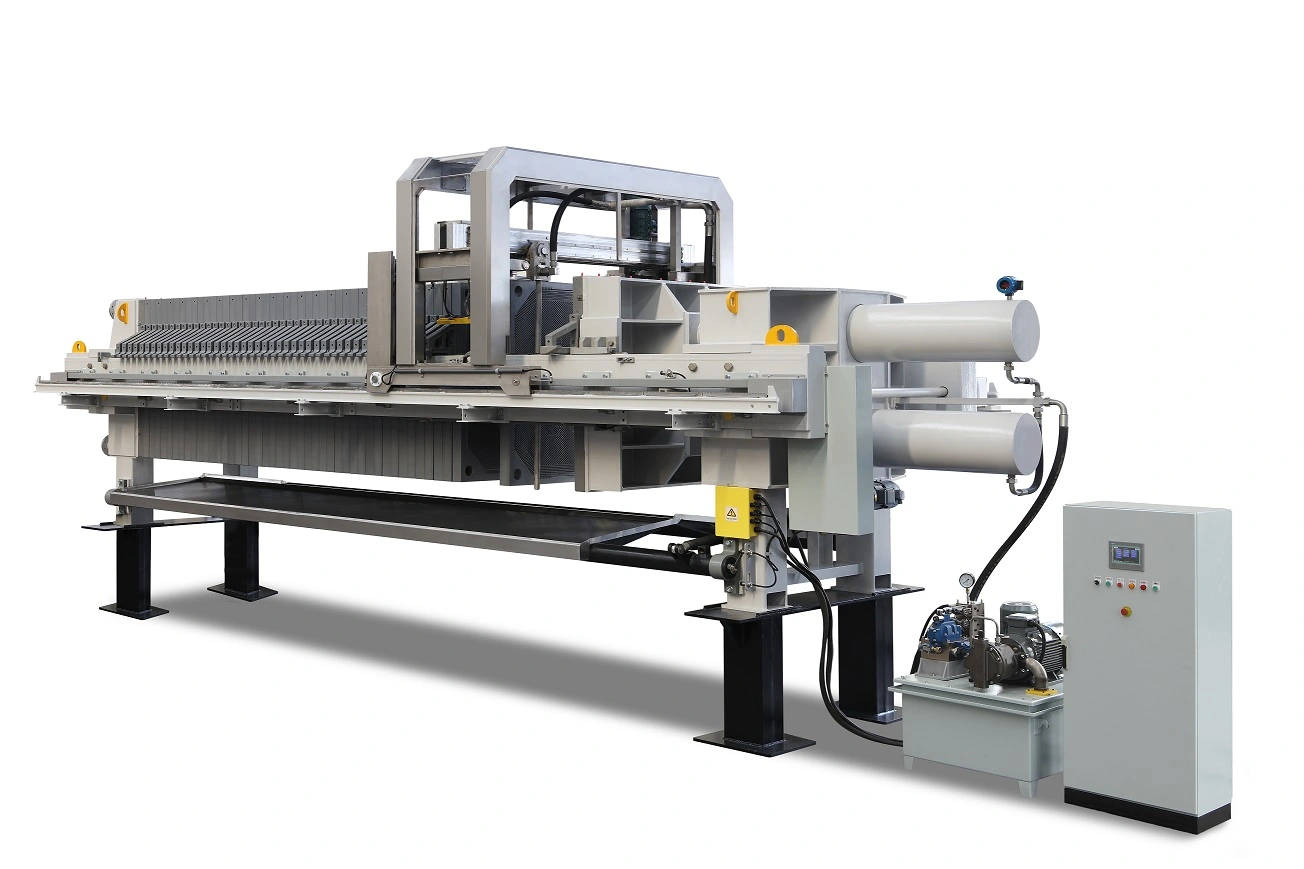
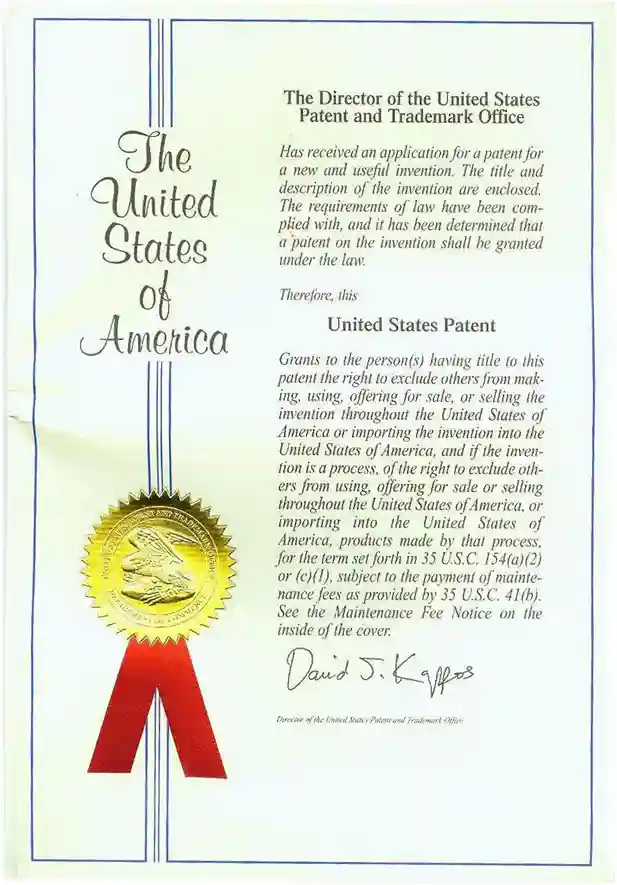
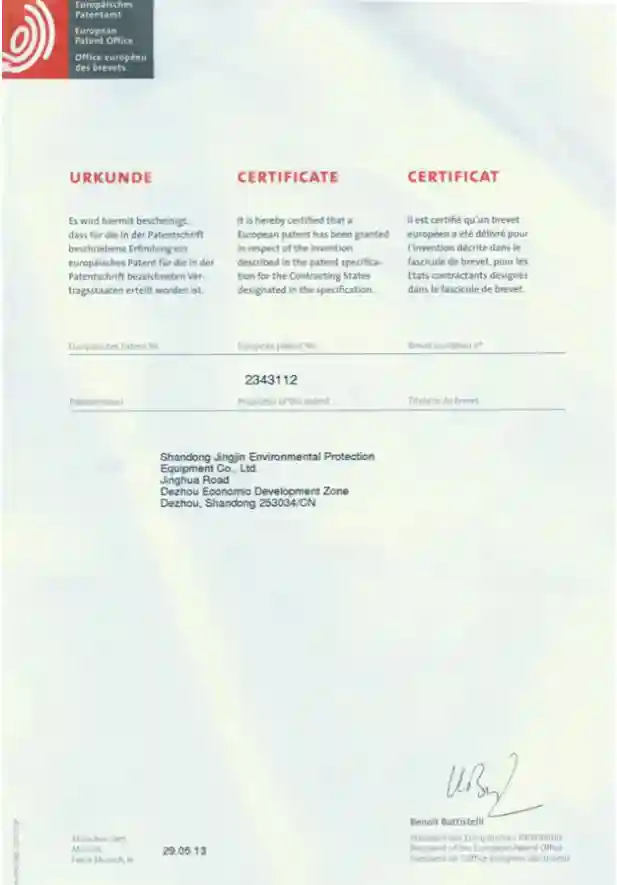
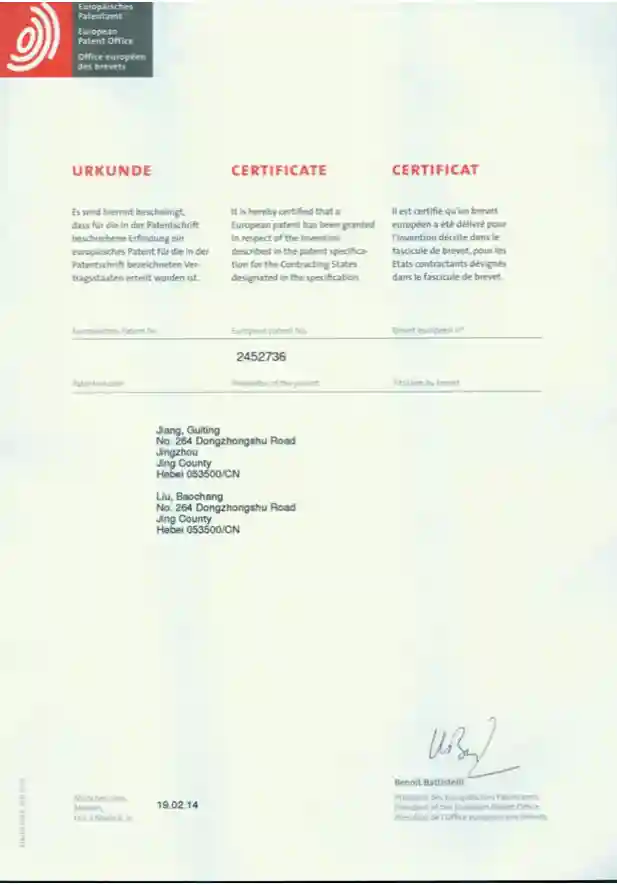
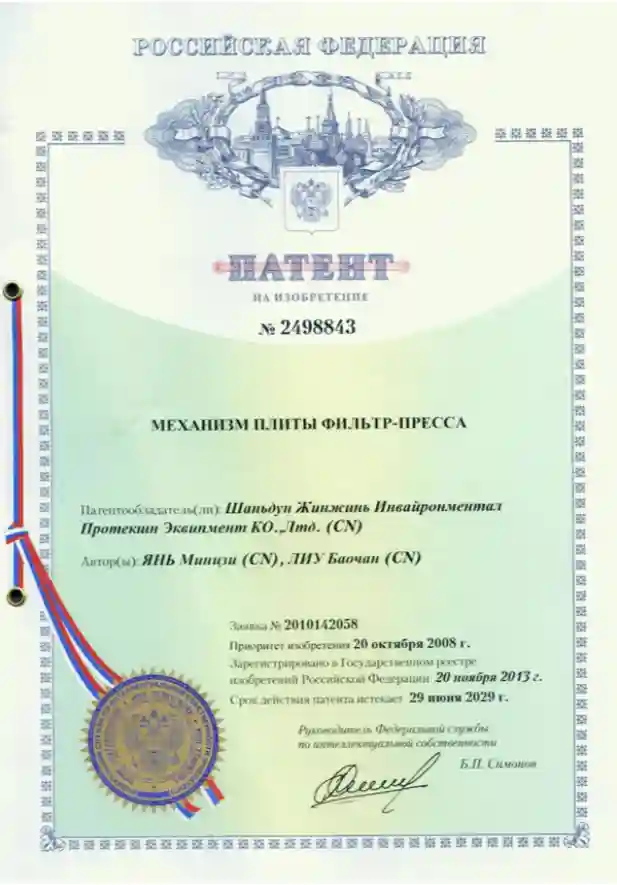
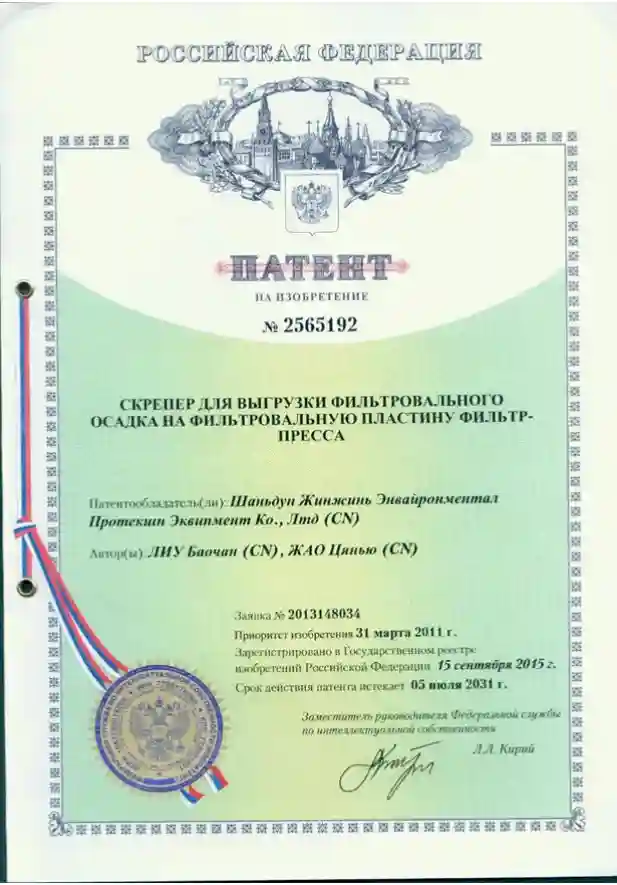
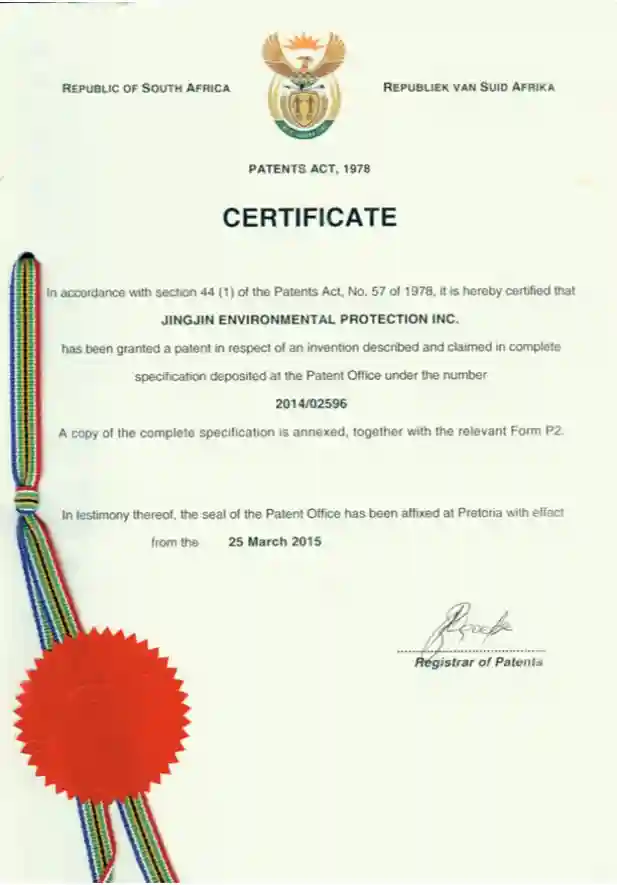
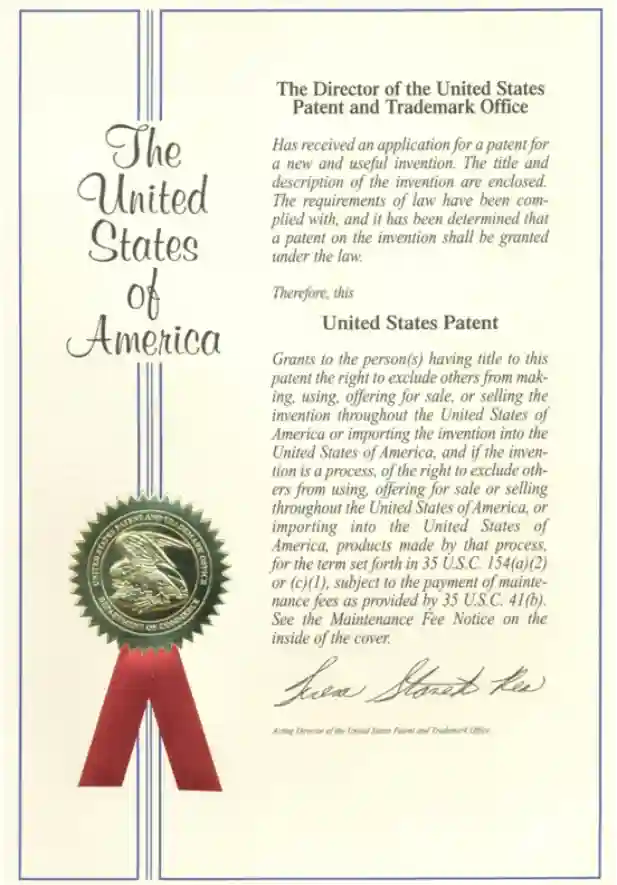
Jingjin Equipment Inc., founded in 1988, is one of the world’s leading manufacturers of filter press systems, filter plates, filter cloth, and solid–liquid separation solutions. With more than 136 patents and delivery to 123 countries, Jingjin provides a complete ecosystem: heavy‑duty presses, precision‑engineered plates, optimized press cloth, and the engineering services required to integrate them into complex projects.
For mining and mineral processing clients managing tailings and concentrates, for municipal and industrial wastewater plants focused on low sludge moisture, and for chemical manufacturers handling corrosive or finely dispersed solids, a unified supplier reduces risk and shortens problem‑solving time. EPC contractors also gain from coherent documentation, standardized spare parts, and coordinated startup support.
Building Trust Through Proven Industrial Experience
The decision to change Filter Press Cloth or to specify new cloth for a project often comes after disappointing experiences: frequent cloth failures, irregular cake thickness, or unstable filtrate quality. In such cases, proven references matter. Industrial users often ask about:
- Performance history in similar industries, such as mining tailings, municipal sludge, fine chemical filtration, or food and beverage clarification.
- Laboratory testing and pilot trials that simulate plant conditions before large‑scale rollout.
- Local or regional service support to assist with installation, cloth changeouts, and operator training.
Jingjin’s global service network and large‑scale production capacity are designed to address exactly these concerns. The goal is not only to supply cloth but to support long‑term operational stability, high dewatering efficiency, and predictable maintenance planning.
Conclusion
Filter press cloth is a critical factor in every press filtration system. It controls filtrate clarity, cycle time, cake dryness, and even labor requirements at discharge. By understanding how industrial filter cloth works, which parameters matter, and how cloth interacts with slurry chemistry and particle size, engineers can make more confident choices that directly improve process performance and operating costs.
Jingjin Equipment Inc. combines decades of experience, 136+ patents, and a complete ecosystem of filter presses, plates, and press cloth to support demanding industrial clients across 123 countries. For process engineers, wastewater managers, mining specialists, and EPC project leaders seeking long‑term stability and high‑efficiency solid–liquid separation, partnering with a dedicated filtration manufacturer can transform how reliably your plant runs.
FAQs
Q1: How do I know when my filter press cloth needs to be replaced?
A: Common signs include longer cycle times at the same pressure, lower filtrate flow, reduced cake dryness, or visible damage such as tears and excessive stretching. Rising operating pressure without process changes can also indicate blinding or wear. Tracking these indicators helps schedule replacement before serious downtime occurs.
Q2: Can one type of cloth work for all my filtration applications?
A: Most plants find that different slurries need different cloth designs. Sludge from municipal wastewater, mineral tailings, and fine chemical suspensions often require unique combinations of fiber, weave, and finishing. A tailored selection for each major stream usually delivers better performance than a single “universal” cloth.
Q3: What information should I provide to a filter cloth supplier?
A: Useful information includes slurry composition, particle size distribution, temperature, pH, desired cake dryness, filtrate clarity targets, operating pressure, and current problems such as blinding or poor cake release. Sharing this data allows the supplier’s engineers to recommend a suitable cloth design and possible improvements to your filtration setup.
High-Performance Filter Press Cloth Manufacturers and Suppliers for Industrial Filtration | Jingjin
For wastewater plants, mining operations, chemical producers, food processors, and EPC contractors seeking a reliable Filter Press Cloth supplier, Jingjin Equipment Inc. offers engineered fabrics matched to heavy‑duty press systems. By aligning cloth design with your slurry, pressure, and performance requirements, Jingjin helps you raise dewatering efficiency and control operating costs. To request technical support, samples, or a quotation tailored to your project, contact our team at [email protected] and describe your current filtration challenges and goals.
References
1. Tarleton, E. S., and Wakeman, R. J. “Solid/Liquid Separation: Equipment Selection and Process Design.” Butterworth-Heinemann.
2. Svarovsky, L. “Solid–Liquid Separation.” Butterworths.
3. Water Environment Federation. “Design of Municipal Wastewater Treatment Plants.” WEF Manual of Practice.
4. International Mining Association. “Guidelines for Pressure Filtration of Tailings and Concentrates.” Technical Report.
5. European Federation of Chemical Engineering. “Filtration and Separation in the Chemical Industry: State of the Art and Future Trends.”
6. U.S. Environmental Protection Agency. “Biosolids and Sludge Management: Dewatering and Filtration Technology Review.” Office of Water.
jingjin
Founded in 1988, Jingjin specializes in filter presses and liquid-solid separation solutions, serving over 130 countries worldwide, and is a standard-setter in China's filter press industry.
Get the Filter Press guide
Enter Your Email for Technical assistance for the Filter Press.
Recommended Blog