How Does a Filter Press Work in Wastewater Treatment? A Comprehensive Guide
How Does a Filter Press Work in Wastewater Treatment? A Comprehensive Guide
Core Working Principles of a Modern Filter Press in Wastewater Treatment
- Core Working Principles of a Modern Filter Press in Wastewater Treatment
- How Filter Press Technology Fits Into Different Wastewater Treatment Flows?
- Choosing the Right Filter Press and Partner for Long‑Term Reliability
- Conclusion
- FAQs
- Industrial Filter Press Solutions for Wastewater Treatment Manufacturers and Suppliers | Jingjin
- References
A Filter Press is one of the most efficient tools for separating liquid and solid phases in wastewater treatment. In simple terms, a slurry of sludge and water is pumped into a closed pack of filter plates lined with cloth. The water is pushed through the cloth and out of the system by pressure. The solids stay inside the chambers as a thick "cake." This technique quickly dries out sludge, cuts down on the amount that needs to be thrown away, and helps facilities follow rigorous guidelines about how to release waste into the environment. Modern filter press equipment can handle mining tailings that are rough, oily industrial sludge, and biosolids from cities with great reliability and minimal energy use. Process engineers, wastewater managers, and EPC contractors can choose the best design, size, and amount of automation for their plant's goals for cost, compliance, and uptime if they know exactly how this equipment operates.
Core Working Principles of a Modern Filter Press in Wastewater Treatment
From Slurry to Dry Cake: What Actually Happens Inside
In wastewater treatment, the core task of a press filter system is to turn dilute sludge into a compact, easy‑to‑handle solid. The process starts with a sludge feed pump that delivers a mixture of water and suspended solids into a series of chambers formed by stacked filter plates. Each plate is covered with a filter cloth that lets liquid pass while capturing particles. As pressure rises, water is driven through the cloth and flows out through internal channels, while solids build up on the cloth surface.
This build‑up, called filter cake, gradually thickens. As it does, it acts like an extra filtration layer, trapping even finer particles and improving the clarity of the filtrate. Most municipal and industrial plants aim for clear effluent low in total suspended solids so they can reuse the water or discharge in line with regulations. A well‑designed press filter can consistently reach these targets, even with variable feed conditions.
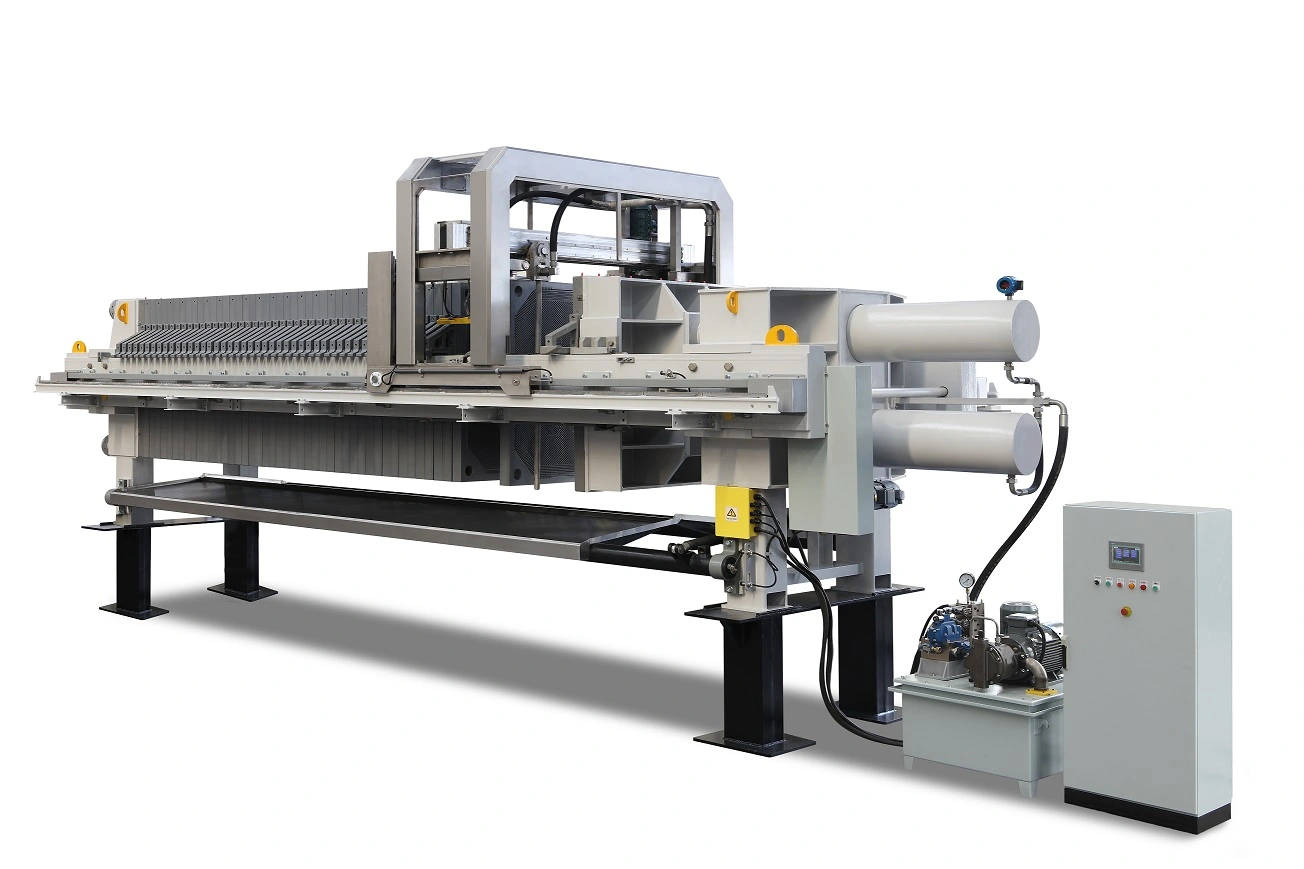
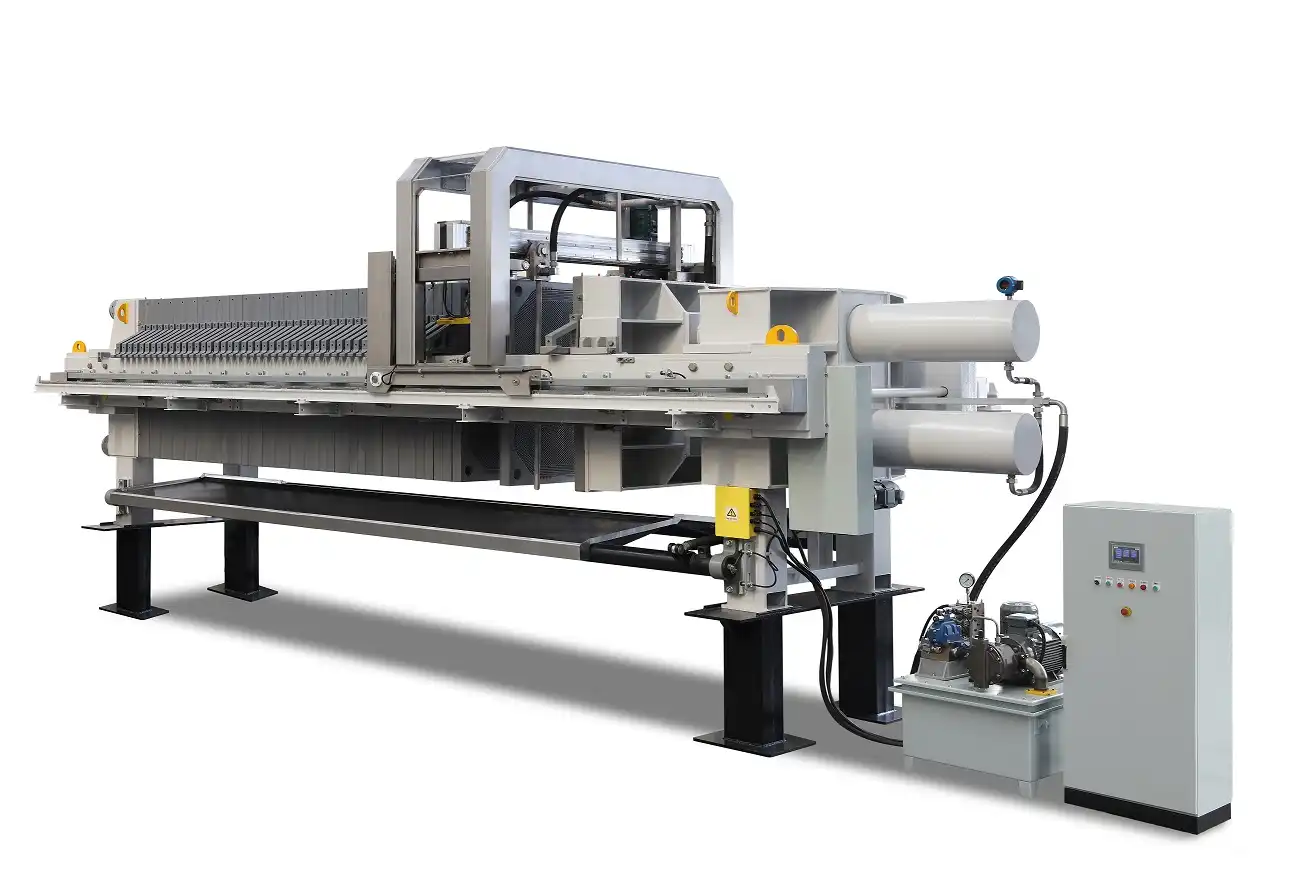
The Press Filter is a highly efficient, mechanical device utilized in various industries for solid‑liquid separation. It consists of a series of stacked filter plates or frames, alternating with filter cloths, that create a series of chambers when tightened together. Under pressure, liquid is forced through the filter cloths, leaving behind a solid residue or cake on the surface of the cloths. This process is effective in dewatering slurries, clarifying liquids, and recovering valuable solids from process streams. The press filter is renowned for its ability to handle large volumes with high levels of solids recovery and minimal operational costs, which is why it is widely used in mining, chemical processing, food and beverage production, and especially wastewater treatment.
Key Components That Drive Performance
There are a few important parts that all high-performance filtration systems used in wastewater treatment have in common:
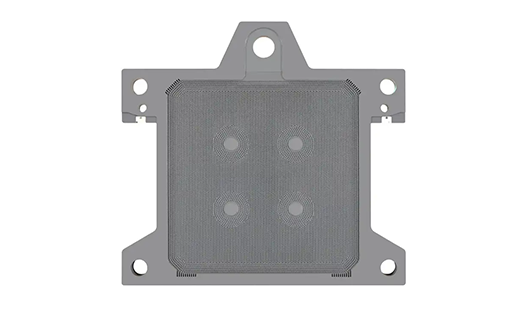
- Filter plates: These stiff plates make up the chambers. The type of plate, the material it's made of, and the amount of pressure needed all affect the choice of plate geometry and material. For instance, high-pressure plates can handle huge loads and aggressive slurries in mining and mineral processing.
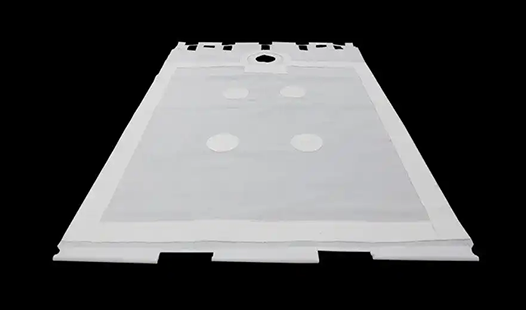
- Filter cloths: The cloth is what actually separates the two things. The size of the pores, the type of weave, and the substance all affect how fast the filter works and how clear it is. Plants that deal with oily, fine, or fibrous sludge often find that customized cloth designs help keep the flow going and cut down on blinding.
- Hydraulic system: After the plates are in the right place, a hydraulic cylinder pushes them together to seal the chambers. For reliable operation, little leakage, and uniform cake creation, the hydraulic pressure must stay stable.
- Feeding and discharge system: The cycle is finished by the sludge feed pumps, the filtrate outlets, and the cake discharge arrangements. Automated cake release and cloth washing can cut down on manual effort and downtime by a lot.
Why Pressure and Cycle Control Matter?
Pressure, cycle time, and feed strategy strongly influence how well a filtration system performs. Lower pressures may lead to wet cake and slow cycles, while excessive pressure can damage cloths or plates. Modern systems often use staged feeding, starting with moderate pressure to fill the chambers, then increasing pressure to squeeze out remaining water. Many industrial wastewater plants track metrics such as cake moisture, cycle duration, and filtrate clarity to optimize settings over time.
For engineering teams, careful tuning can deliver concrete benefits: reduced hauling costs for sludge disposal, lower energy use in downstream drying, and stable compliance even when influent quality fluctuates. These tangible results drive the adoption of advanced filter press technology in municipal plants, chemical facilities, and construction site dewatering projects.
How Filter Press Technology Fits Into Different Wastewater Treatment Flows?
Municipal and Industrial Sludge Dewatering
In municipal wastewater treatment plants, sludge typically passes through thickening, stabilization, and then mechanical dewatering. The press filter is usually installed as the final mechanical dewatering step. Turning thickened sludge into a high‑solids cake reduces volume and weight, which directly cuts transport and disposal charges. Many facilities compare several options—belt presses, centrifuges, and filter presses—before choosing equipment.
Research and plant experience show that a well‑configured filtration system often achieves higher solids content than many alternative dewatering devices. This is a major reason process engineers choose this technology when disposal costs are high or when space is limited. The smaller footprint of a compact plate stack also helps retrofit projects in older plants.
In industrial settings, the same principles apply, but the chemistry can be more complex. Chemical and fine chemical manufacturers deal with dyes, pigments, resins, and other specialty products that may be corrosive or temperature‑sensitive. In these cases, plate materials and cloths are selected for chemical resistance and compatible operating temperature, so long‑term reliability is maintained without frequent replacement.
Mining, Mineral Processing, and Tailings Management
Mining and mineral processing operations face intense pressure to improve water recovery and manage tailings safely. Filtration has become a central tool in this effort. High‑pressure presses dewater concentrates and tailings, turning slurries into stackable, transportable solids. This reduces the load on tailings ponds and can improve water recycling rates at the plant.
Because mining slurries often contain abrasive particles, plates and cloths must withstand harsh mechanical conditions. Robust chamber designs and carefully selected wear‑resistant materials help keep uptime high. Many mine sites also rely on automated cake discharge and cloth washing systems so operators can keep cycles running with minimal manual intervention.
By integrating filtration into the overall process, mines gain both environmental and economic advantages: less water loss, smaller storage areas, and lower long‑term risk associated with liquid waste. EPC contractors working on greenfield or expansion projects often specify advanced filter press solutions early in their process design.
Construction, Tunneling, and Sand/Aggregate Projects
Construction and tunneling projects generate large flows of mud, slurry, and wash water. A press filter system converts this muddy liquid into clear water and compact solids, which helps contractors keep work sites clean and compliant. The compact, modular nature of a plate stack allows it to be installed in temporary or mobile treatment plants near tunneling face shafts, sand washing units, or piling sites.
High‑capacity filtration is especially valuable when projects run in dense urban environments where trucking wet slurry off site is costly and disruptive. By dewatering on site, contractors reduce truck trips, improve logistics, and lower overall project risk. Many project managers appreciate that a well‑designed filtration unit can be relocated from project to project, providing long‑term value across multiple jobs.
Choosing the Right Filter Press and Partner for Long‑Term Reliability
Key Specification Points for Process and Wastewater Engineers
When process engineers, wastewater managers, or EPC teams evaluate filtration options, they usually focus on a few central questions:
What solids content and moisture level are required in the final cake? Answering this defines the needed pressure, plate design, and cloth type. Higher dryness often leads to lower disposal fees and easier handling, especially in mining, metal finishing, or industrial sludge.
What is the daily sludge volume and expected solids load? Capacity calculations determine the number of plates, chamber volume, and cycle strategy. Plants with fluctuating loads may need flexible cycle settings and robust automation so they can run efficiently during peak periods without oversizing equipment.
What are the chemical and physical properties of the slurry? Corrosive or abrasive feeds influence material selection for plates, frames, manifolds, and cloth. Chemical plants and fine chemical manufacturers often require corrosion‑resistant polymers or alloys in key components.
How automated should the system be? Plants with limited labor typically select automatic plate shifters, automatic cloth washing, drip trays, and smart control systems. This reduces manual intervention and improves health and safety by limiting operator interaction with wet sludge.
Why Equipment Ecosystem and Global Support Matter?
For complex industrial applications, the filter press itself is only part of the solution. Filtration consumables such as cloths, gaskets, and spare plates have to be available quickly; technical support must respond to process changes; and documentation must align with regulatory and project requirements. This is especially important for engineering firms delivering EPC projects across multiple countries.
A manufacturer with a full product ecosystem—press units, filter plates, filter cloth, control systems, and engineering services—can simplify procurement and coordination. Consistent quality across all elements of the system makes it easier for operations teams to maintain stable performance. Global service networks also allow fast on‑site support, remote troubleshooting, and training.
How Jingjin Equipment Inc. Supports High‑Demand Industries?
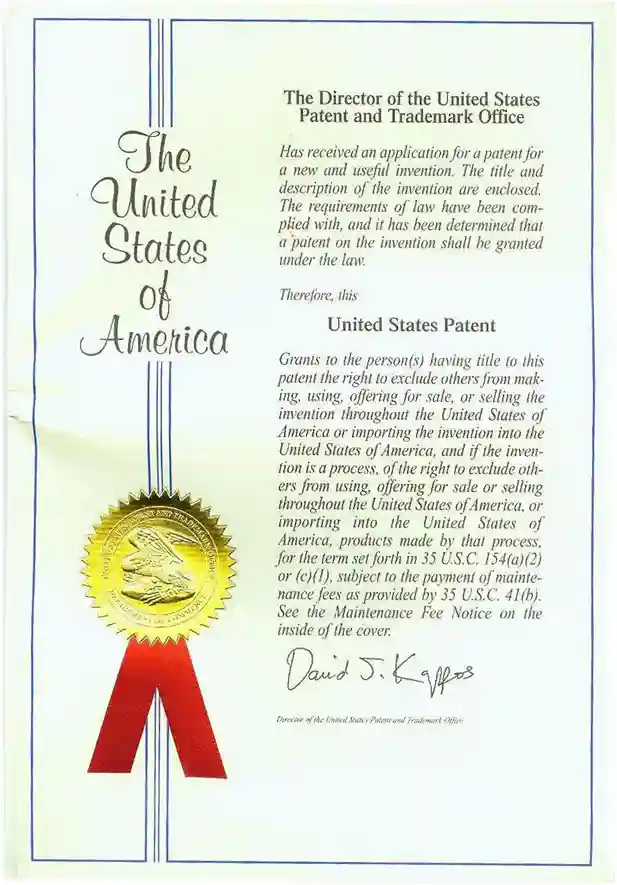
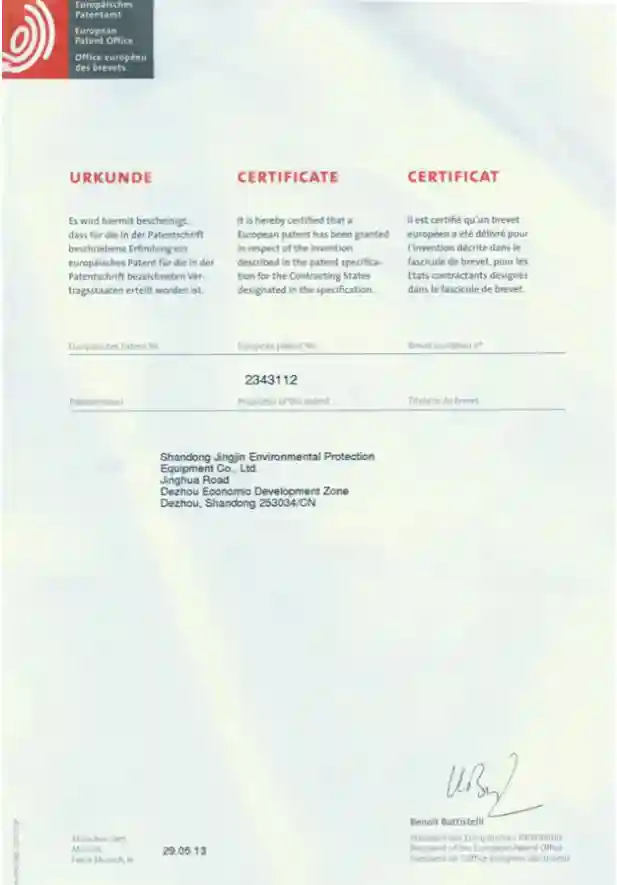
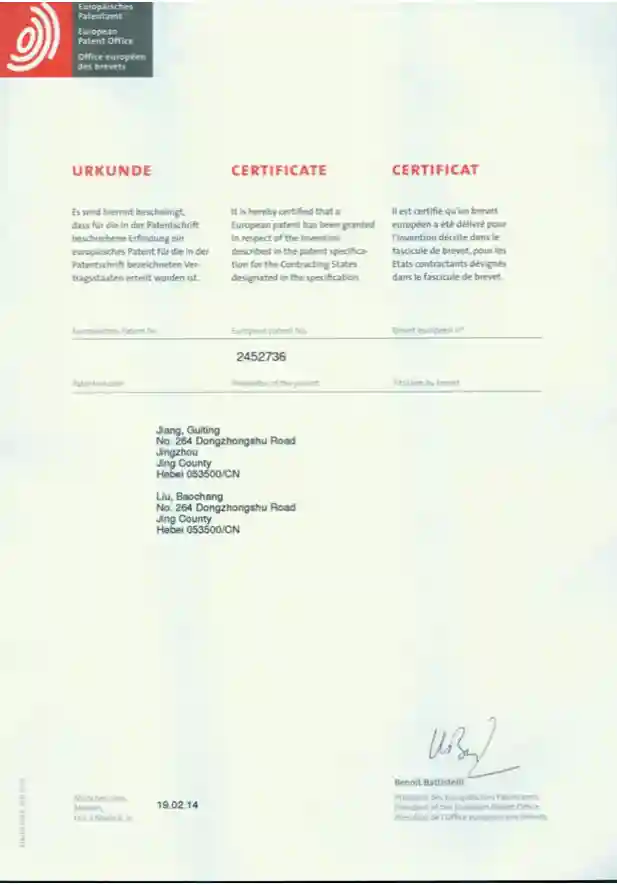
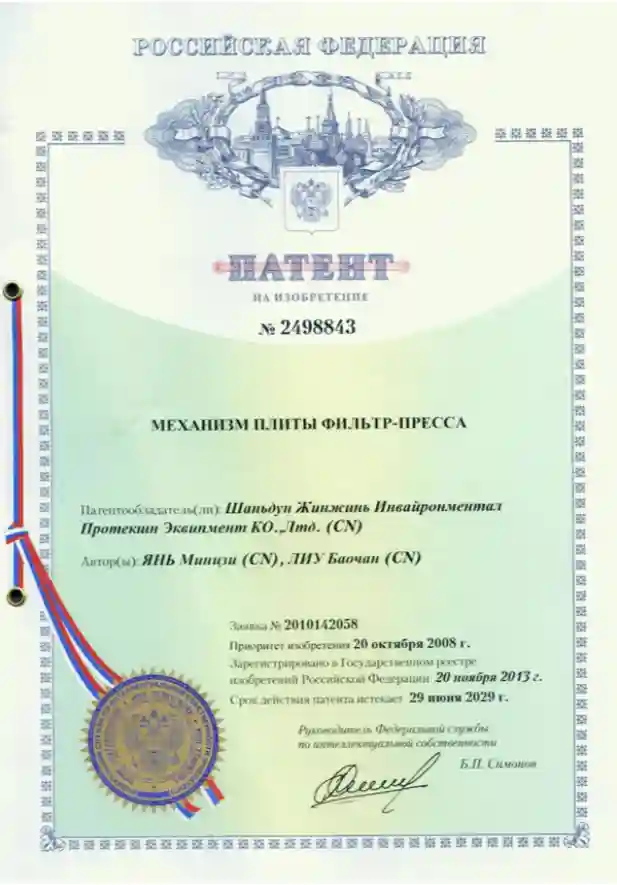
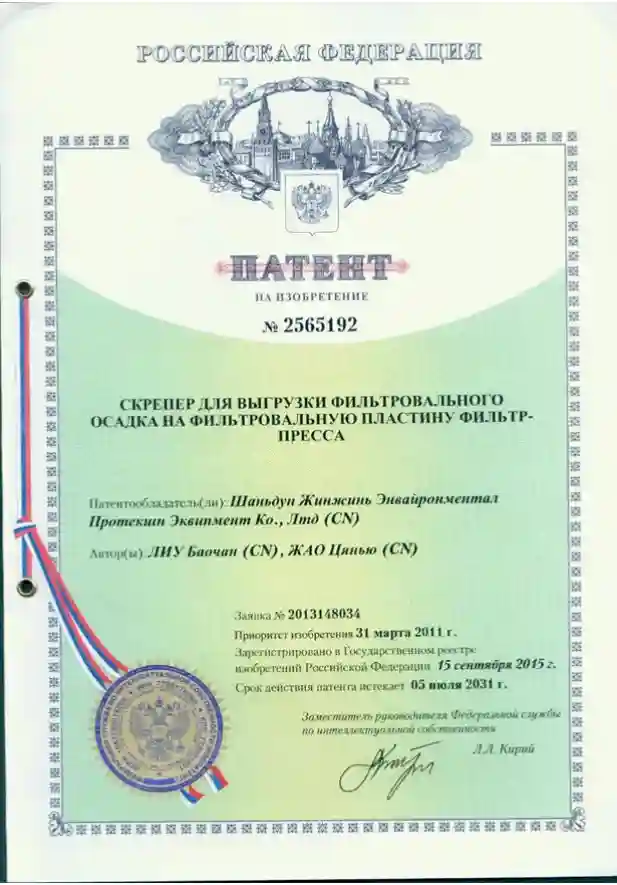
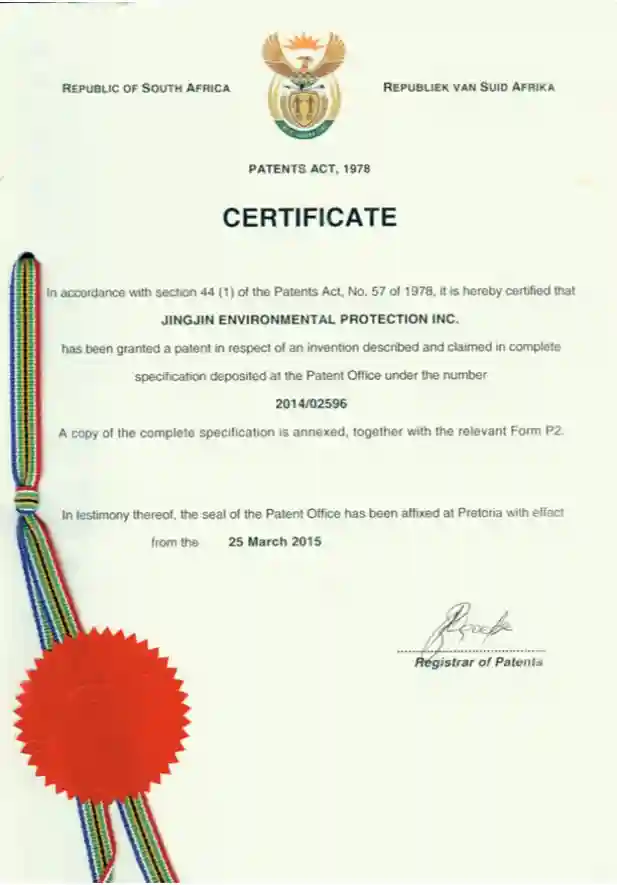
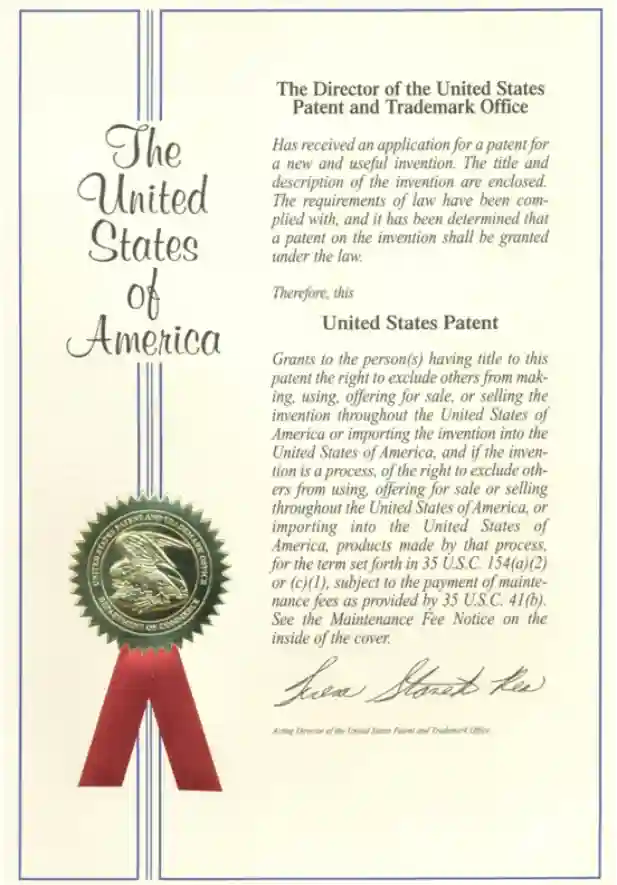
Jingjin Equipment Inc. has been around since 1988 and specializes in heavy-duty solid-liquid separation for sectors that can't afford to be without it. Jingjin has more than 136 patents and customers in 123 countries. They have made a wide range of plate types, cloth designs, and automation options that may be used in municipal wastewater plants, mining and mineral processing, chemical production, and construction dewatering projects.
Jingjin can offer both single presses and large fleets of presses for big projects since it has the capacity to make a lot of them at once and keep the quality high. This is especially useful for EPC contractors and international firms who need the same solutions at more than one location. The company's engineering team also helps with process design, choosing the right equipment, and starting up the project. This makes it easier for project managers to go from idea to solid operation.
For decision makers who have tight performance targets, such as low sludge moisture, high uptime, and predictable operating costs, a long-term engagement with a specialized filtering supplier can offer both technical benefits and peace of mind.
Conclusion
A well‑designed filter press transforms wastewater treatment and industrial sludge management by converting dilute, hard‑to‑handle slurries into clear filtrate and compact solids. By understanding how pressure, plate geometry, and cloth selection work together, engineers and plant operators can improve efficiency, lower disposal costs, and support environmental compliance. From municipal sludge and industrial effluent to mining tailings and construction slurries, the same core technology delivers reliable, high‑efficiency solid‑liquid separation.
Jingjin Equipment Inc. brings more than three decades of focused experience, 136+ patents, a complete ecosystem of presses, plates, cloths, and services, and a global footprint reaching 123 countries. For process engineers, wastewater managers, procurement leaders, and EPC project teams who need stable, high‑performance filtration, Jingjin offers both robust equipment and long‑term technical support.
FAQs
Q1: How dry can sludge cake get with a modern filter press?
A: Actual dryness depends on sludge type, conditioning, and pressure. Municipal sludge often reaches around 30–40% solids, while some industrial and mineral slurries can achieve significantly higher solids contents. Proper selection of plate design, cloth, and operating pressure helps maximize dryness and reduce disposal costs.
Q2: What types of wastewater are best suited for filter press dewatering?
A: Press filtration is widely used for municipal biosolids, industrial wastewater with suspended solids, mining and mineral processing tailings, metal finishing sludge, and slurries from construction, tunneling, and sand/aggregate washing. The technology is especially valuable where high solids content, clear filtrate, and compact equipment footprint are important.
Q3: How often do filter cloths need to be replaced?
A: Cloth lifetime depends on slurry abrasiveness, chemical conditions, washing frequency, and overall operating practices. In many plants, cloths operate effectively for many months or longer. Routine inspections, proper cleaning, and correct selection of cloth material help extend service life and maintain stable filtration performance.
Industrial Filter Press Solutions for Wastewater Treatment Manufacturers and Suppliers | Jingjin
For wastewater treatment plants, mining operations, chemical producers, and EPC contractors looking for a dependable Filter Press manufacturer and long‑term partner, Jingjin Equipment Inc. offers engineered systems, robust components, and global service support. Whether you need a single unit for a municipal plant or a complete fleet for a large mining or industrial project, Jingjin can configure presses, plates, and cloths around your specific sludge, flow, and performance targets. Share your project details and operating challenges with our team at [email protected] so we can propose a filtration solution that supports higher efficiency, stable compliance, and reliable operation over the long term.
References
1. Metcalf & Eddy, Inc. “Wastewater Engineering: Treatment and Resource Recovery.” McGraw‑Hill Education.
2. Wisconsin Department of Natural Resources. “Mechanical Dewatering of Wastewater Sludge: A Review of Technologies and Practices.”
3. United States Environmental Protection Agency. “Biosolids Technology Fact Sheet: Belt Filter Press.” Office of Water.
4. International Mining Association. “Tailings Management and Water Recovery Using Pressure Filtration.” Technical Guidance Report.
5. Water Environment Federation. “Design of Municipal Wastewater Treatment Plants.” WEF Manual of Practice.
6. European Federation of Chemical Engineering. “Solid–Liquid Separation in the Process Industries: An Engineering Overview.”
jingjin
Founded in 1988, Jingjin specializes in filter presses and liquid-solid separation solutions, serving over 130 countries worldwide, and is a standard-setter in China's filter press industry.
Get the Filter Press guide
Enter Your Email for Technical assistance for the Filter Press.
Recommended Blog