Types of Pressure Tanks and Best Use for Applications
Understanding Types of Pressure Tanks
- Understanding Types of Pressure Tanks
- Best Applications for Different Types of Pressure Tanks
- High Pressure Tanks vs. Alternatives: Making the Right Choice
- Safety Features and Maintenance of High Pressure Tanks
- Procuring High Pressure Tanks: What B2B Buyers Need to Know
- Conclusion
- FAQ
- Partner with Jingjin for Reliable Pressure Vessel Solutions
- References
Pressure tanks are important corporate tools because they keep gases and liquids safe while they are under high pressure in the energy, wastewater treatment, and industrial sectors. To pick the best pressure tank design, you have to think about how well it works technically, how long the materials last, what the rules say, and how much it will cost over its whole time. High pressure tanks, which are designed to withstand pressures often higher than 200 bar, are a special type of tank that is needed for tasks that need the highest level of safety and structural stability. This guide explains the main differences between pressure tank types, the best ways to use them in industry, and useful buying tips to assist B2B buyers in making smart choices that improve operating efficiency and compliance.
Understanding Types of Pressure Tanks
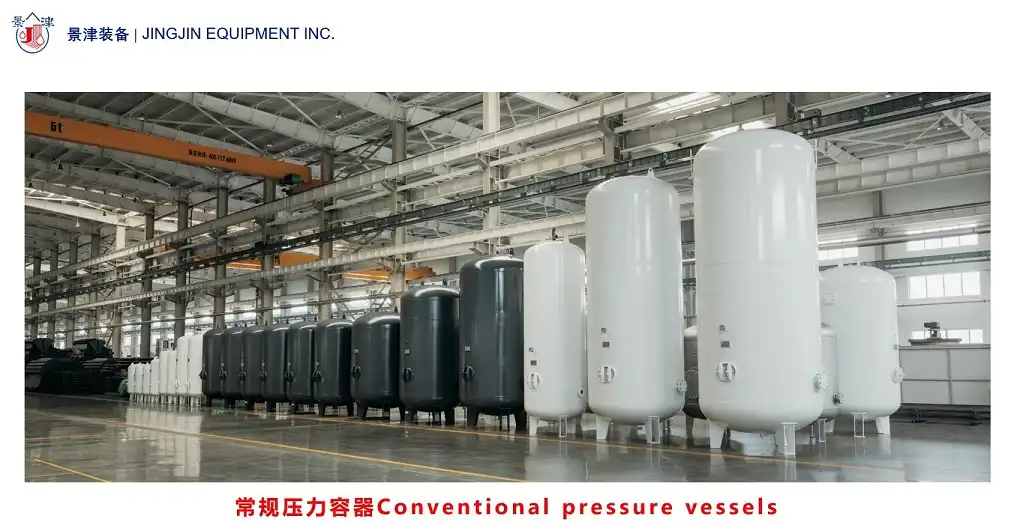
Pressure tanks are used for many different things in industry, and knowing how they are classified helps people who buy things match the right tools to the job. The main difference is between high-pressure and low-pressure systems, which are each best for different work settings and safety concerns.
High-Pressure vs. Low Pressure Tanks
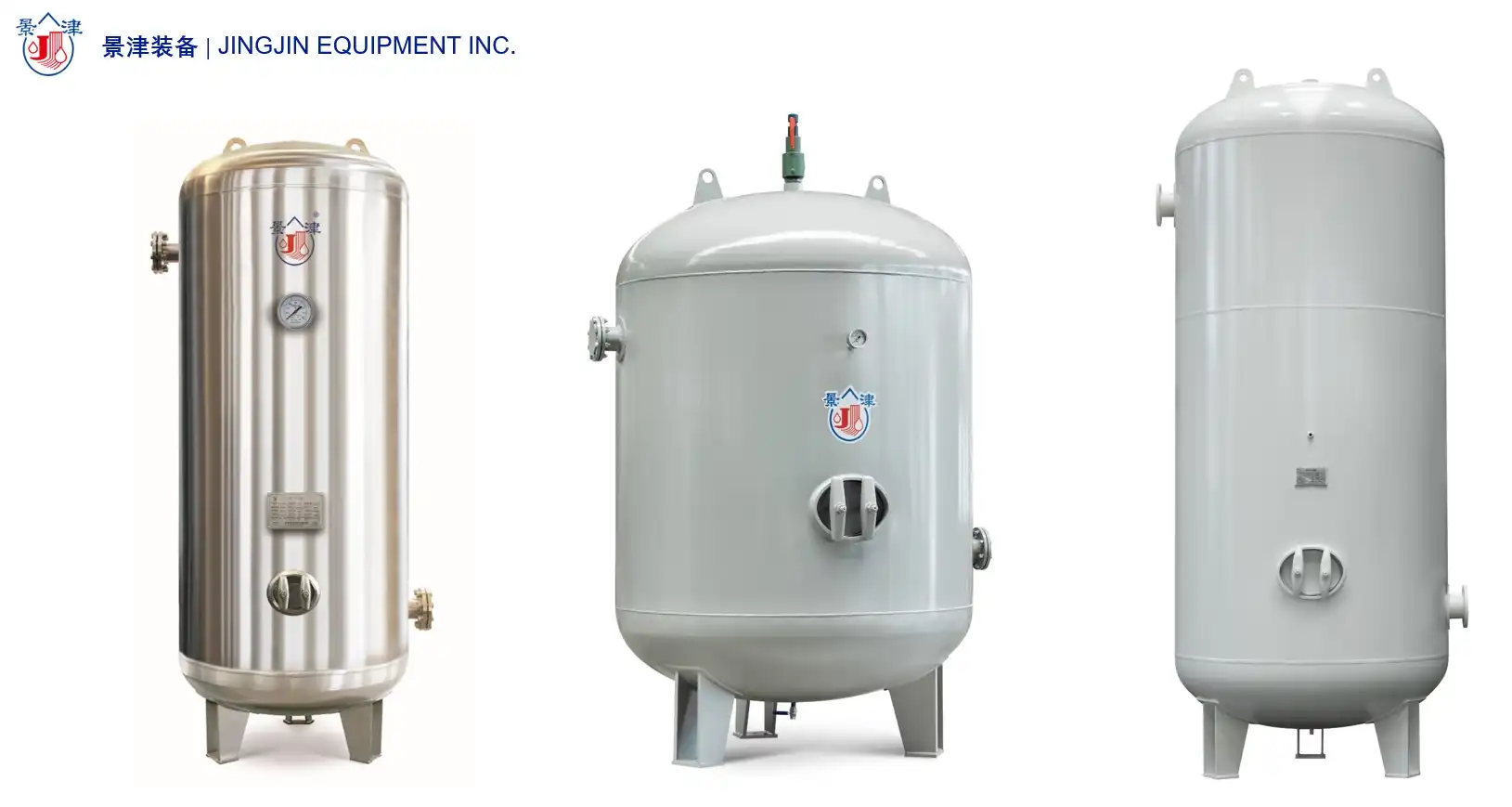
Most low-pressure tanks work at pressures below 15 psi. They are commonly used in city water systems and light industry storage situations where volume is more important than pressure intensity. High pressure tanks, on the other hand, work at pressures between 200 and 700 bar and are designed for tough situations like storing hydrogen, transporting compressed natural gas, and processing chemicals. These tanks go through strict testing procedures, such as hydraulic burst tests and non-destructive evaluation, to make sure they can handle high levels of mechanical stress and temperature changes without breaking.
Common High-Pressure Tank Varieties
The pressure vessel business divides them into different types based on how they are built and the technology used for the liners. Type I tanks are made of only metal, normally steel, which makes them very strong against contact but also makes them very heavy. Type II vessels have metal frames that are partially wrapped in composite material. This balances strength and weight. Type III tanks have metal walls that are fully wrapped in composite materials like carbon fiber. This makes the tanks lighter and better at resisting corrosion. Type IV is the most modern design. It has polymer liners with full carbon fiber overwrap, which gives it the highest strength-to-weight ratio and the best resistance to hydrogen embrittlement, which is very important for fuel cell use.
Material Selection Considerations
Material choice directly impacts tank function, cost, and life. Steel is good for stable placements where weight is not as important because it is strong when pulled apart and doesn't break easily when hit. Aluminum is great for mobile uses because it lowers overall mass while keeping good structural qualities. Carbon fiber composites have very high strengths-to-weight ratios and a failure life of more than 15,000 fill cycles, but they cost more at first. To make sure that materials meet working needs, procurement teams have to compare these factors with things like corrosive atmospheres, high temperatures, and government rules such as ASME Section VIII or DOT-SP standards.
Best Applications for Different Types of Pressure Tanks
Matching the type of tank to the job ensures safety, speed, and compliance with regulations. Different industries have different problems that need specific pressure tank answers.
Heavy Manufacturing and Chemical Processing
Chemical companies that make paints, resins, and specialty chemicals can source suitable pressure tanks from a high pressure vessel factory that are capable of withstanding harsh chemicals and maintaining stable internal temperatures. When paired with composite overwraps, corrosion-resistant liners extend service life in locations where steel tanks degrade rapidly. Customized tank designs that integrate seamlessly with existing process lines and comply with strict OSHA and EPA safety regulations are highly beneficial for these sites.
Mining and Mineral Processing
Mining processes depend on long-lasting tools that can handle rough circumstances. In these situations, pressure tanks help move sludge, power compressed air systems, and store hydraulic fluid. Because of the harsh conditions—constant shaking, rough materials, and faraway places—vessels must be designed to be as reliable as possible with little upkeep needed. The needed toughness can be found in steel and Type III composite tanks, and modular designs make repair and maintenance easy in tough field conditions.
Municipal and Industrial Wastewater Treatment
Pressure tanks are used in wastewater plants for biogas storage and sludge dewatering systems. For these uses, ships need to be able to balance volume with ease of operation. A lot of the time, low-to-medium-pressure tanks are enough. However, high-pressure units are better for compressing biogas for energy recovery. To keep treatment operations going all the time and reduce downtime, procurement managers look for tanks with strong safety features and clear inspection procedures.
Transportation and Mobile Storage
Type IV high pressure tanks are needed for compressed natural gas and hydrogen fuel cell cars to have the energy density they need for a useful range. These mobile apps put a lot of emphasis on losing weight without putting safety at risk. These needs can be met by fully wrapped, polymer-lined composite tanks that have burst pressure safety factors that are usually 2.25 times the working pressure. The truck weight also stays within acceptable limits for loading efficiency. Following the rules set by ECE R110 and ISO 11439 is still very important for getting products accepted by the market.
High Pressure Tanks vs. Alternatives: Making the Right Choice
To choose the best pressure tank, you need to compare its performance, cost over its entire life, and compliance with regulations. A structured evaluation strategy that takes both short-term wants and long-term business goals into account is helpful for procurement professionals.
Performance and Durability Trade-Offs
High pressure tanks made of composite materials are very good at resisting wear and rust, but they need to be handled carefully so that they don't get damaged by impacts that weaken the structure. Even though they are heavier and require more upkeep, all-metal tanks can handle rough handling better. The choice depends on how bad the application is: fixed installs are better with cost-effective steel, while mobile or corrosive conditions are better with investing in composites.
Cost and Lifecycle Analysis
The initial buying price is only a small part of what it costs to own something. Although composite tanks cost more up front, they last longer between services and need less upkeep. Even though steel tanks are cheaper at first, they may cost more in the long run because they need to be inspected more often and have rust fixed more often. To find the cheapest option, buyers should add up the total cost of purchase over a 15- to 20-year service life, taking into account the need for inspections, which are usually eye checks every three years and hydrostatic pressure tests every five years.
Regulatory and Safety Certification
Standards like ASME, PED, and NGV2 must be followed at all times. Different types of tanks have different licensing prices and due dates. Knowing the rules that apply to your area and use will help you quickly find boats that meet the law. Tanks with Pressure Relief Devices (PRDs) and Thermal PRDs add extra levels of safety by automatically releasing when there is too much pressure or too much heat, which stops catastrophic failure.
Safety Features and Maintenance of High Pressure Tanks
Strong safety features and regular maintenance make tanks last longer and keep people and property safe. Leading makers build multiple layers of protection into the design of vessels and set clear guidelines for how to maintain them.
Key Safety Components
As the first line of defense against over-pressurization, pressure release valves let gas out automatically when the internal pressure goes above safe levels. Burst disks are a secure backup because they break at set pressures, quickly releasing their data. More and more modern tanks have smart tracking technologies built in, like temperature and strain gauges that send real-time data to systems that oversee maintenance. This lets systems plan maintenance ahead of time and find problems early. Certification to widely known standards lets buyers know that the ships have been through thorough testing by a third party to make sure they are structurally sound.
Recommended Maintenance Practices
Tank work is always safe when inspections are done on a regular basis. Visual inspections find damage to the surface, wear and tear on the coating, and signs of impact. Ultrasonic tests and X-ray images can find delamination or fiber breaking inside composite layers before they break completely. Helium leak detection and permeation tests make sure that the gas containment is still intact. This is especially important for Type IV tanks, where polymer walls may experience tiny permeation over time. Cleaning methods need to deal with both leftover substances inside the material and outside contaminants that speed up rust or material breakdown.
Industry Case Studies
A regional wastewater authority put in place a full cleaning program for its biogas holding tanks and found that several steel units were starting to rust. By switching to composite tanks in areas that are prone to corrosion, upkeep costs were cut by 40%, and unplanned downtime was removed. In the same way, a mining company updated its hydraulic systems to Type III tanks, which cut the weight of the equipment by 30% and made it easier to move around while using less fuel. These cases show that planning for repair and choosing the right materials can have a real impact on operations.
Procuring High Pressure Tanks: What B2B Buyers Need to Know
When you do strategic buying, you have to look at sources on more than just price. A thorough screening process makes sure that the makers you work with can provide quality, dependability, and ongoing support.
Supplier Evaluation Metrics
Certifications show that a company cares about quality and follows the rules. Check for ISO 11119, ASME Section VIII, and other credentials that are special to your business. Product variety shows engineering breadth—suppliers with a range of tank types and customization choices can better adapt to changing project needs. For long-term happiness, it's important to have support after the sale, such as help with installation, training, and access to extra parts. Ask for examples from clients in related fields to get an idea of how well the service works and how quickly it responds.
Pricing Structures and Bulk Purchasing
Knowing how companies set the prices of their goods can help you get better terms. When you buy more than one unit or sign a supply deal for more than one year, you usually get a discount. But the lowest price might not be the best deal if it lowers the quality of the materials or the safety features. Clear pricing that breaks down the base price, certification fees, shipping, and installation services helps you stick to your budget and avoids surprises.
Logistical Considerations and Installation
Shipping rules, customs processes, and arrival times become more complicated when there are global supply chains for high pressure tanks. Working with providers who know how to handle foreign logistics cuts down on delays and makes sure that all the right paperwork is done. Professional installation services make sure that tanks are set up properly and that all of the safety features and tracking systems are working. Certification services make sure that the equipment that was put in meets local rules. This keeps your business safe from legal problems and fines.
Conclusion
When choosing the right type of pressure tank, you have to think about technical specs, application needs, safety standards, and cost. While standard steel vessels are still affordable for less extreme uses, high pressure tanks made of cutting-edge composite materials work better in harsh settings. When procurement professionals put source approval, lifetime cost analysis, and proactive maintenance planning at the top of their list of priorities, they get the best results: higher operating efficiency, compliance with regulations, and longer asset life. With the information in this article, you can confidently make choices that match purchases in pressure tanks with long-term business goals.
FAQ
Q1: What distinguishes high pressure tanks from standard pressure vessels?
High pressure tanks work at pressures that are usually higher than 200 bar, which is significantly higher than the pressures at which standard vessels run, which are below 15 psi. They are made of modern materials, usually composites, and go through a lot of tests, such as hydrostatic burst trials, to make sure they are safe in the worst circumstances.
Q2: How often do pressure tanks require inspection and maintenance?
Visual checks must be done every three years, and hydraulic pressure tests must be done every five years in most places. Some composite tanks may need extra permeation tests to make sure the wall is still intact, while steel vessels need rust tests to make sure the structure stays strong.
Q3: Which materials perform best in corrosive environments?
In acidic environments, carbon fiber composites with polymer layers work better than steel or aluminum because they can handle chemical attacks better. Type IV tanks last the longest in harsh environments, which means they need less upkeep and repair costs over time.
Q4: Can damaged pressure tanks be repaired?
Small scratches on the surface might be okay, but any damage that goes through to the solid composite layers makes the burst pressure stability less reliable, so the tank has to be taken out of service. Before continuing to use a broken unit, you should always check the manufacturer's instructions and talk to a qualified inspector.
Partner with Jingjin for Reliable Pressure Vessel Solutions
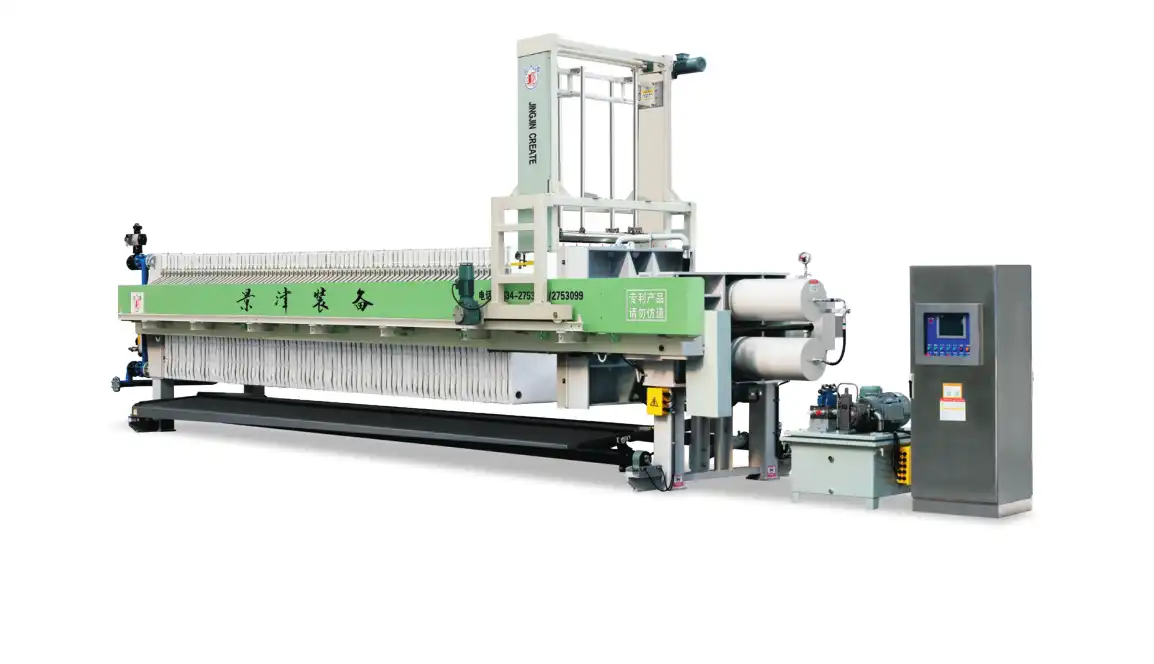
With over 35 years of technical success and 136 patents, Jingjin Equipment Inc. makes solid-liquid separation systems and pressure vessel technologies that are known in 123 countries. Our complete filter and separation options work perfectly with your high pressure tanks system, making it easier to dewater sludge, process slurry, and handle wastewater. Jingjin can make unique designs for you and backs them up with global service networks and a track record of dependability, whether you need high-capacity filter press systems for mining operations or corrosion-resistant equipment for chemical plants. You can email our team at [email protected] to talk about your pressure tank and filter needs with experienced engineers who understand the problems you're facing in your business. Check out our approved products and learn how working with a top high-pressure tank provider can help you save money, be more efficient, and follow the rules.
References
1. American Society of Mechanical Engineers. (2021). ASME Boiler and Pressure Vessel Code, Section VIII: Rules for Construction of Pressure Vessels. New York: ASME Press.
2. International Organization for Standardization. (2020). ISO 11439: Gas Cylinders – High Pressure Cylinders for the On-board Storage of Natural Gas as a Fuel for Automotive Vehicles. Geneva: ISO.
3. United Nations Economic Commission for Europe. (2019). ECE R110: Uniform Provisions Concerning the Approval of Specific Components of Motor Vehicles Using Compressed Natural Gas in Their Propulsion System. Geneva: UNECE.
4. National Fire Protection Association. (2022). NFPA 55: Compressed Gases and Cryogenic Fluids Code. Quincy: NFPA.
5. Barthelemy, H., & Weber, M. (2018). Hydrogen Storage: Materials, Applications, and Safety. London: Springer-Verlag.
6. Peters, M. S., Timmerhaus, K. D., & West, R. E. (2020). Plant Design and Economics for Chemical Engineers (6th ed.). New York: McGraw-Hill Education.
jingjin
Founded in 1988, Jingjin specializes in filter presses and liquid-solid separation solutions, serving over 130 countries worldwide, and is a standard-setter in China's filter press industry.
Get the Filter Press guide
Enter Your Email for Technical assistance for the Filter Press.




Recommended Blog
Integration of Press Pump and Filter Press Systems for Enhanced Performance

Exploring the Benefits and Functions of a Stainless Pressure Tank on Water Pumps
Plate and Frame Filters Still Matter in Modern Pharmaceutical Production