Membrane Squeeze Filter Press Working Principle
Introduction
- Introduction
- Understanding the Membrane Squeeze Filter Press Working Principle
- Benefits of Membrane Squeeze Filter Press in Industrial Applications
- Membrane Squeeze Filter Press vs. Other Filtration Technologies
- Operation, Maintenance, and Troubleshooting Guide
- Procurement Considerations for Membrane Squeeze Filter Press
- Conclusion
- FAQ
- Partner with Jingjin for Advanced Membrane Squeeze Filter Press Solutions
- References
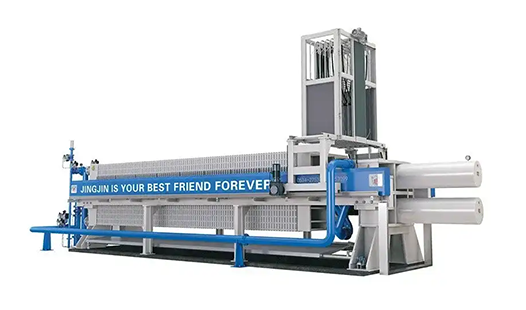
Adding bendable diaphragms to each filter plate in a membrane squeeze filter press makes standard chamber filtration better. Once the cells are full of sludge and a cake is formed through feed pressure, these membranes are inflated with compressed air or water. This presses down on both sides of the cake. This second squeeze phase gets rid of held interstitial moisture that pump pressure can't get rid of on its own. This lowers the end cake moisture by 10–20% and cuts dewatering cycles by up to 50%.
Introduction
Modern factories need filtering equipment that is both very good at removing water and very efficient in how it works. We've seen buying teams have a hard time with old technologies that don't meet strict moisture goals, make dumping more expensive, and make cycle times longer. The membrane squeeze filter press takes these problems head-on by mixing the reliable chamber press with cutting-edge membrane compression technology. This equipment is now used by companies around the world in the mining, wastewater treatment, chemical processing, and building industries to get lower cake moisture, faster output, and better environmental compliance.
This complete guide gives process engineers, wastewater managers, procurement experts, and EPC project leads the technical information they need to evaluate, define, and implement this cutting-edge filter solution. We'll show you how to run your business, what makes one system better than another, how to compare systems, how to do maintenance, and how to buy things that will have a direct effect on your bottom line and operating uptime.
Understanding the Membrane Squeeze Filter Press Working Principle
Core Technology and Structural Components
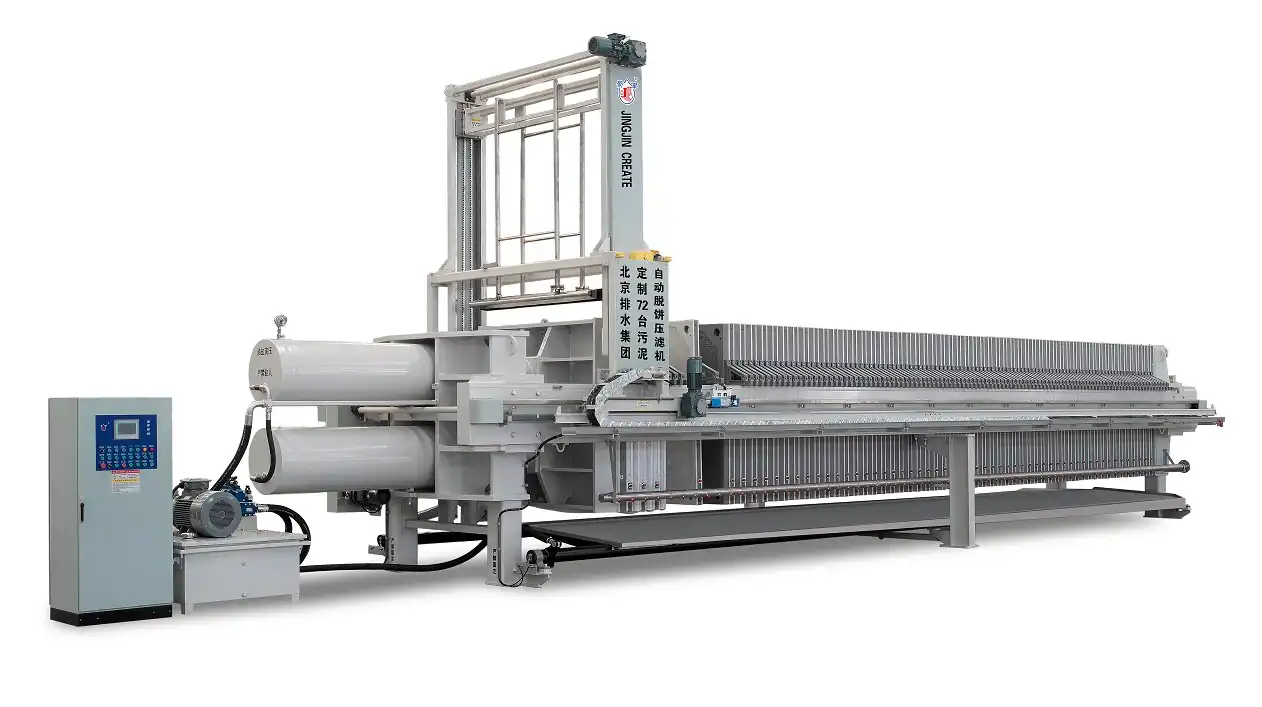
This equipment operates like R-PP or other special plastic recessed chamber presses. Each filter plate has flexible, pressure-resistant membranes on the bottom, making each distinctive. EPDM or TPE is used to make these membranes. They can chemically manage severe slurries and withstand thousands of swelling cycles. Filter cloth, hydraulic system, and manifold structure work together to accurately manage slurry flow, hydraulic system clamping, and membrane expansion.
Four-Stage Operational Cycle
The draining process is divided into regulated phases for separation. Know what occurs at each stage to determine the ideal feedstock parameters.
Slurry is fed into the press while pump pressure is controlled. This pressure is normally 0.8–1.5 MPa. Solids accumulate on the filter cloth's sides as tanks fill, and filtrate flows down the plates' drainage ducts. Studies show that 80% of solids settle in the first half of this phase. As opposition rises, the rest consolidate. Variable-volume tanks can accommodate feed solids concentration fluctuations, which is important for slurries with various qualities.
Membrane Squeeze Phase: Full tanks halt the feed pump and start the expansion system. Each barrier is filled with pressurized air or water (for pressures exceeding 1.0 MPa, which is the norm for safety). When diaphragms expand equally, they force 1.6 to 3.0 MPa on the cake. Physical pressure fractures the porous cake structure, letting water pass through the filter fabric. Since water can't be crushed, hydraulic squeeze devices are used for high-pressure applications to reduce the membrane rupture explosion risk.
Washing Phase (Optional): Wash liquor through the crumbled cake to remove impurities or ensure purity. Squeezed cakes eliminate channeling and provide even washing. Up to 40% less wash water is utilized. This capacity to remove mother liquor contaminants helps pigment, resin, and pharmaceutical chemical businesses enhance product production.
Discharge Phase: The hydraulic system pulls back the pressing head, separating the filter plates. Low-moisture cake comes off easily because it sticks less. High-throughput systems use automated plate-shifting devices to expedite discharge and reduce cycle downtime.
This integrated approach turns passive consolidation into a fast, controlled mechanical operation. Cycle efficiency and moisture goals are addressed immediately.
Benefits of Membrane Squeeze Filter Press in Industrial Applications
The membrane squeeze filter press technique improves performance and cost metrics that operations teams care about. The key benefits driving widespread acceptance in demanding sectors are:
Superior Cake Dryness: Reducing moisture by 10–20% less than chamber presses results in lighter, easier-to-move cakes, lower landfill costs, and improved burning heat efficiency. Municipal wastewater treatment facilities always reach the cost-effective sludge dumping moisture level of less than 60%. However, mining produces stackable tailings that eliminate wet impoundment environmental issues.
Shorter Cycle Times: Mechanical squeeze removes moisture faster than a passive filter. Total cycle reductions of 20–50% boost daily productivity from the same equipment size, maximizing asset usage and ROI. Tunnelling personnel in charge of high-volume slurry drainage appreciate moving more material every shift without spending more on equipment.
Squeezing flattens and crack-frees the cake structure, allowing wash liquid to flow evenly through the particle matrix. In fine chemical manufacturing, minor contaminants can modify product standards; therefore, this talent is useful. Less washing reduces water usage and wastewater, helping environmental aims.
Energy Efficiency: Membrane inflation takes energy, but the shorter cycle and reduced downstream cooling often save energy. When chemical factories switch from belt filters or chamber presses to alternative dewatering equipment, their energy costs drop 15–30%.
Flexible operation: Variable-volume tanks can handle feed slurries with solids from 3% to over 30% without adjustments. This adaptability suits processes with inevitable upstream unpredictability. It allows the system to continue functioning when the feed changes, unlike fixed-volume equipment.
These features aid B2B clients with high sludge removal expenses, machine downtime, regulatory compliance pressure, and reliable long-term performance. The method is especially effective when cake moisture influences handling costs or when space restricts machine size.
Membrane Squeeze Filter Press vs. Other Filtration Technologies
Know how different approaches fit your business's demands to pick the finest solid-liquid separation equipment. We've compared membrane squeeze presses to four other popular alternatives to help you decide.
Plate and Frame / Standard Chamber Presses: Without membranes, standard chamber presses cost 20–35% less but dry cakes 10–15%. Increased consolidation phase lengthens cycles, lowering daily production. Membrane-equipped machines are worth the extra expense for their larger capacity and lower waste costs. They pay for themselves in 18–36 months in high-volume settings.
Belt Filter Presses: Continuous belt systems are simple and inexpensive for city sludge. However, it's difficult to lower the moisture level below 70–75%, polymer treatment boosts company costs, and belts must be replaced frequently. For end dryness and gritty slurries with less wear, membrane chamber presses are superior to belt units. For continuous, steady-feed procedures, belt filters are still best.
Vacuum Filters: Rotary drum and horizontal belt vacuum filters are good for large-scale, continuous operations, although they can only tolerate 0.8 to 0.9 bar of vacuum pressure. Due to physical limitations, they can't reach the low moisture levels membrane squeeze with multi-bar mechanical pressure can. When capital cost per tonne matters, vacuum systems operate best with high-tonnage mining concentrates. Conversely, membrane presses are excellent for tight moisture targets.
Decanter and basket centrifuges can dry biological sludges and fine chemical slurries continuously and without much room, but membrane presses can. High-speed spinning uses more energy than chamber press systems and requires more maintenance due to bearing wear and machine shaking. Centrifuges work well for loose, draining goods, whereas membrane presses work best for colloidal, flexible materials.
The decision matrix is goal-based. The membrane squeeze technique is optimal for maximum dryness and lowest disposal cost. Even if wetter, belt or hoover methods may function better for judgments based on continuing operation with minimal control. To verify performance claims, practice the procedure using sample samples before choosing equipment.
Operation, Maintenance, and Troubleshooting Guide
Standard Operating Procedures
Correct startup is the first step to reliable everyday operation of the membrane squeeze filter press. Operators should check hydraulic pressure, filter cloth, and membrane expansion systems for leaks before initiating the feed. Checking intake pressure and filtrate clarity during feeding might reveal cloth blindness or too many solids. Modern control systems automate cycle adjustments; however, feed quality changes require manual parameter checks to stay within specs.
During shutdown, any residual slurry is pumped out of the feed lines, hydraulic pressure is progressively reduced to minimize shock loading, and the ejected cake is examined for evenness. When the cake width changes across the plate pack, feed spread or cloth wear concerns must be addressed.
Preventive Maintenance Requirements
Systematic maintenance extends equipment life and prevents production delays. Crucial tasks are:
Membrane and Cloth Inspection: Check membranes for chemical cuts, abrasions, and swells every 3,000–5,000 cycles. EPDM membranes can last 5,000–10,000 rotations; however, severe slurries might shorten this duration. The filter cloth must be replaced after 2,000 to 4,000 rounds of permeability loss or solids breakthrough.
Hydraulic System Care: Check hydraulic fluid weekly and replenish it annually or as suggested by the manufacturer. Check cylinder seals, pipelines, and fittings for leaks that might reduce pushing force. Cakes form uniformly, and plates are protected from hydraulic instability by maintaining binding pressure.
Plate guiding rails and moving devices should be greased monthly to prevent sticking. Regularly check plate alignment since misalignment accelerates cloth wear and causes leakage tracks that reduce efficiency.
Common Troubleshooting Scenarios
Poor Cake Dryness: Check the membrane expansion pressure if the cake is wetter than planned. Worn or air-leaked membranes reduce squeezing effectiveness. Old filter cloth with bigger holes can obstruct draining routes, preventing filtrate from migrating. Restoring efficiency usually requires modifying squeeze time or pressure within equipment limitations.
A cake's thickness is irregular due to hydraulic leaks or worn pumps that vary the pressing force. Replace worn seals and check fluid thickness to prevent most hydraulic issues.
Membrane Damage: Sharp feed items or poor cake outflow cause most rips or punctures. Checking feed screens and educating staff to carefully remove plates reduces damage.
Procurement Considerations for Membrane Squeeze Filter Press
Application-Specific Requirements
To properly specify tools, you must first clearly define your filtration issue. Figure out how much filter area you need based on the batch size, cycle time goals, and properties of the slurry. Talking to experienced sellers will help you make sure you get the right-sized equipment without buying too much. Plates made of glass-fiber-reinforced plastics that don't wear down well in industries that deal with abrasive slurries like mine tailings and metallurgical dusts are useful. Chemical workers who work with corrosive materials choose PVDF (polyvinylidene fluoride) because it is more resistant to chemicals.
Automation level significantly impacts labor requirements and operational consistency. Basic manual systems suit smaller operations, while PLC-controlled units with automated plate shifting and cake discharge optimize high-throughput facilities. Energy constraints may favor presses with regenerative hydraulic systems that recover pressure energy during plate opening.
Pricing and Commercial Factors
Membrane squeeze filter press prices vary a lot depending on the size of the filtering area, the materials used to build the machine, and how advanced the machinery is. You can expect to spend between $80,000 and over $800,000 on big automatic systems that cover 500 m² or more. Standard setups take 12 to 20 weeks to deliver, while highly customised built systems that need special materials or certifications take 24 to 30 weeks.
Verify that pricing includes installation supervision, commissioning support, operator training, and comprehensive documentation. Reliable sellers offer full operation and maintenance manuals, lists of spare parts, and warranties that cover equipment for 12 to 24 months and consumables like membranes and cloth for 6 to 12 months. For important uses, extended warranty choices and service contracts help you plan your budget.
Supplier Evaluation Criteria
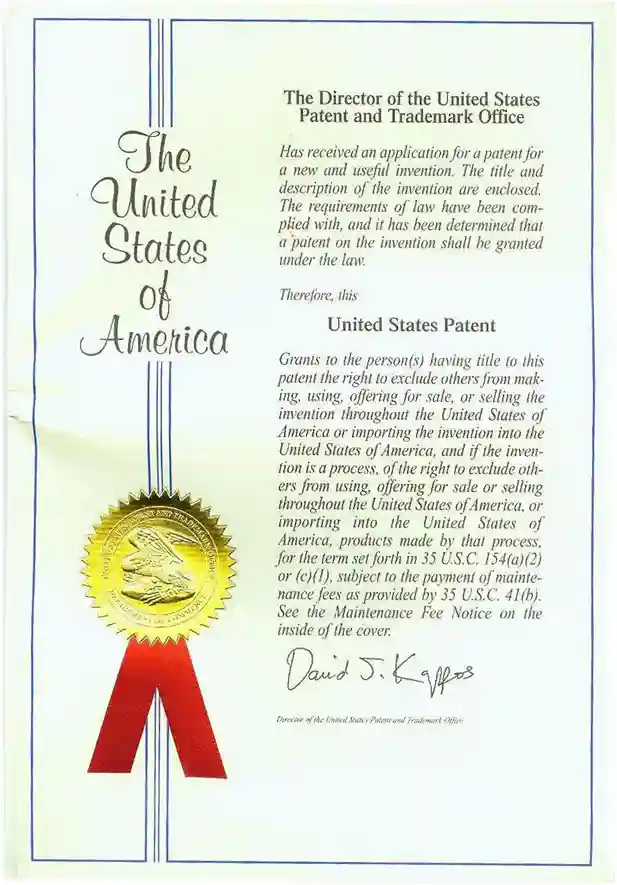
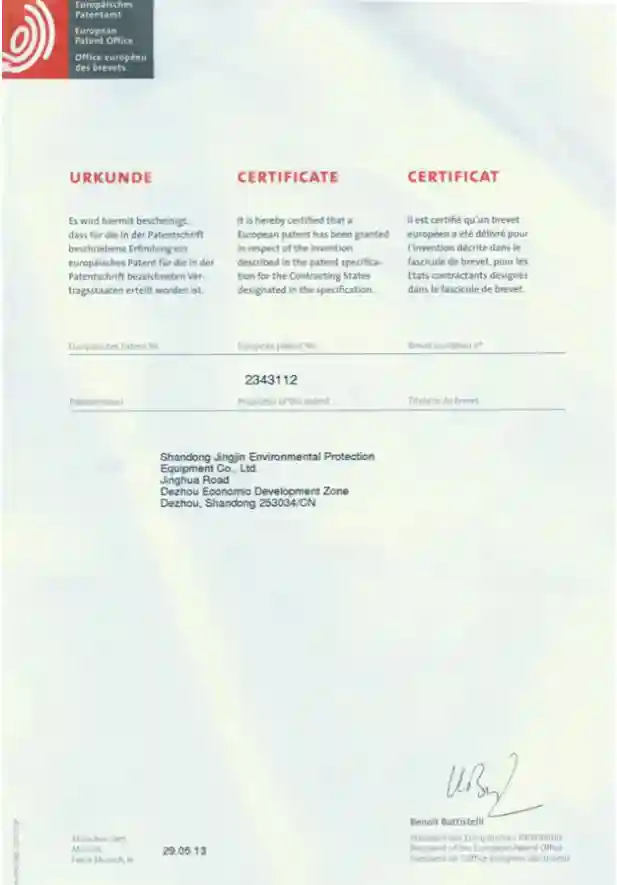
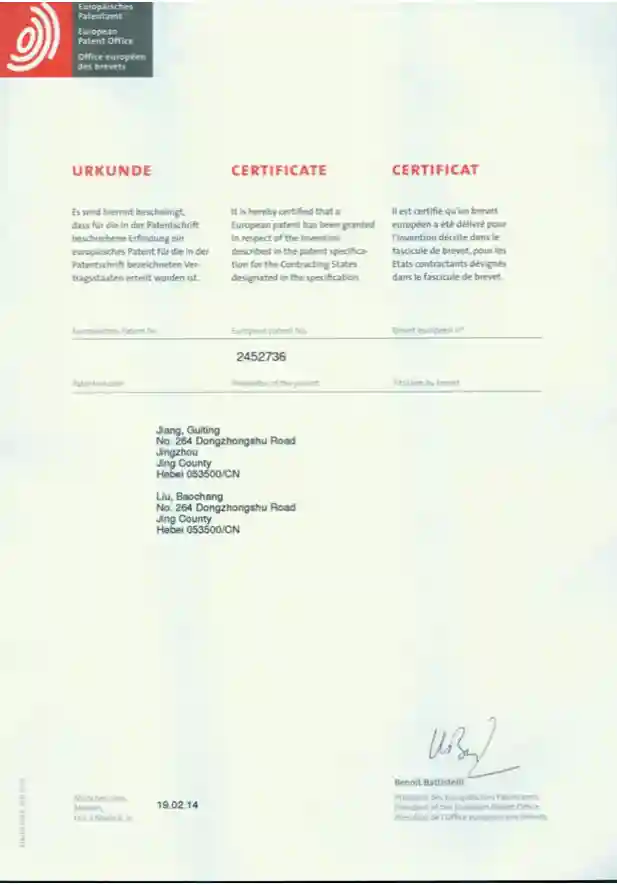
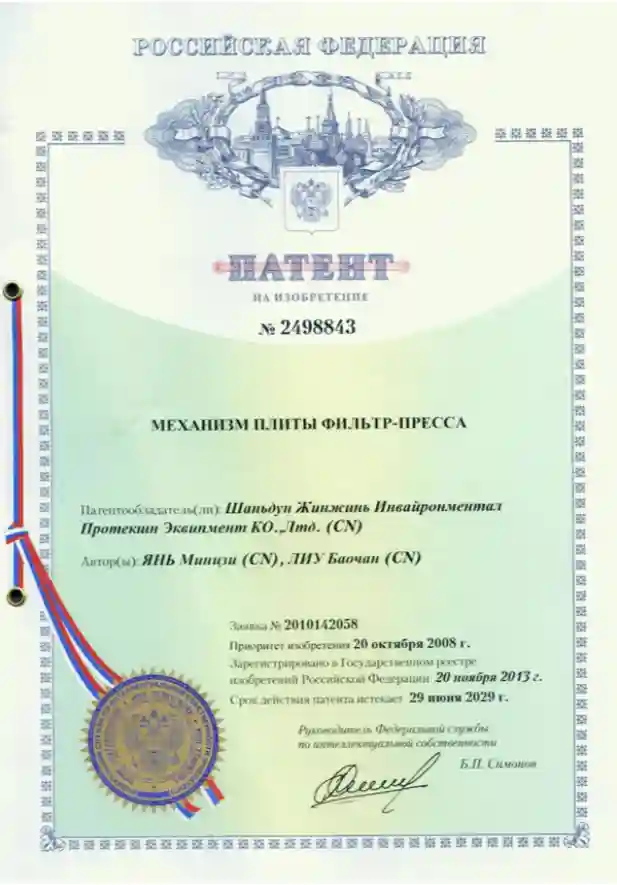
The choice of partner has long-term effects on the availability of parts, the quality of expert help, and the dependability of tools. Check the manufacturer's qualifications, such as whether they have an ISO 9001 certification, whether their pressure vessels meet ASME or other relevant regional standards, and whether they have a collection of patents that show they are truly innovative. Companies that have been in business for decades and have thousands of sites around the world have shown that they can be trusted.
Request reference sites in similar applications and, when feasible, arrange site visits to observe equipment performance under real-world conditions. Evaluate the supplier's local service network—proximity of trained technicians and spare parts inventory directly impacts downtime during maintenance events. Suppliers who give technical help for system integration, pilot testing, and the ability to make changes as needed are more valuable than just providing tools.
When evaluating the membrane squeeze filter press, understanding the total cost of ownership rather than focusing solely on acquisition price leads to better long-term outcomes. Lower-priced equipment from marginal suppliers often incurs higher lifecycle costs through frequent consumable replacement, poor technical support, and premature failure. We've observed that procurement teams prioritizing supplier reputation, technical capability, and after-sales support achieve more reliable operations and lower total costs over equipment lifespans exceeding 15 to 20 years.
Conclusion
The membrane squeeze filter press technology has been shown to improve cake dryness, cycle efficiency, and operating freedom in a wide range of industrial settings. Knowing how it works at its core—inflatable membranes physically compressing filter cakes to release held moisture—allows procurement professionals to choose equipment that fits practical goals and budget constraints. When low-end moisture and good product quality are important, this technology works better than traditional chamber presses, belt filters, and vacuum systems. For deployment to go well, the right equipment needs to be used, it needs to be maintained properly, and it needs to be partnered with providers who can provide strong technical support and a real long-term commitment to customer success.
FAQ
Q1: What inflation medium works best—compressed air or water?
For squeeze forces above 1.0 MPa, the best technique in the industry is to use water. Because water can't be squeezed, it is safer than compressed air systems because quick pressure loss from a membrane failure is less likely to cause an explosion. Chemical companies and government buildings that deal with materials that could catch fire always use hydraulic squeeze devices. For lower-pressure uses below 1.0 MPa, where equipment ease is more important than safety, air filling is still fine.
Q2: How much membrane lifespan can we expect?
How long a membrane lasts depends on how strong the chemicals are, how often they are squeezed, and how much the slurry wears it down. Good EPDM and TPE gaskets can usually handle 3,000 to 10,000 rounds before they need to be replaced. In mining, gritty slurries tend to be in the lower range, while in chemical processing, clear feeds are used to get to the upper range. Tracking the number of cycles and doing eye checks on a regular basis lets you plan replacements ahead of time, which keeps you from having unexpected failures.
Q3: Can existing chamber presses be retrofitted with membrane technology?
Retrofitting is technically possible, but it's not always a good idea from a business point of view. To make the change, the whole plate pack needs to be replaced with plates that have membranes attached to them. The hydraulic systems also need to be improved so they can handle higher opening forces, and control systems need to be added to the expansion pipes. Engineering and construction costs are often close to 60–70% of the price of new equipment, so it is cheaper to replace old equipment. It only makes sense to think about retrofitting when the current press frame, hydraulic power unit, and structural support are still in great shape and have enough capacity reserves.
Partner with Jingjin for Advanced Membrane Squeeze Filter Press Solutions
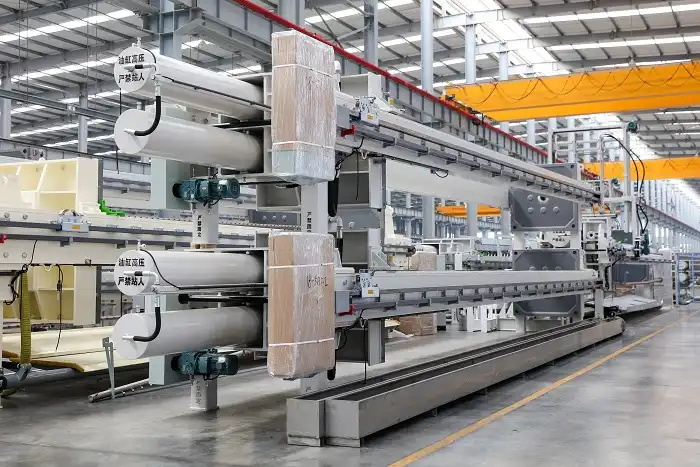
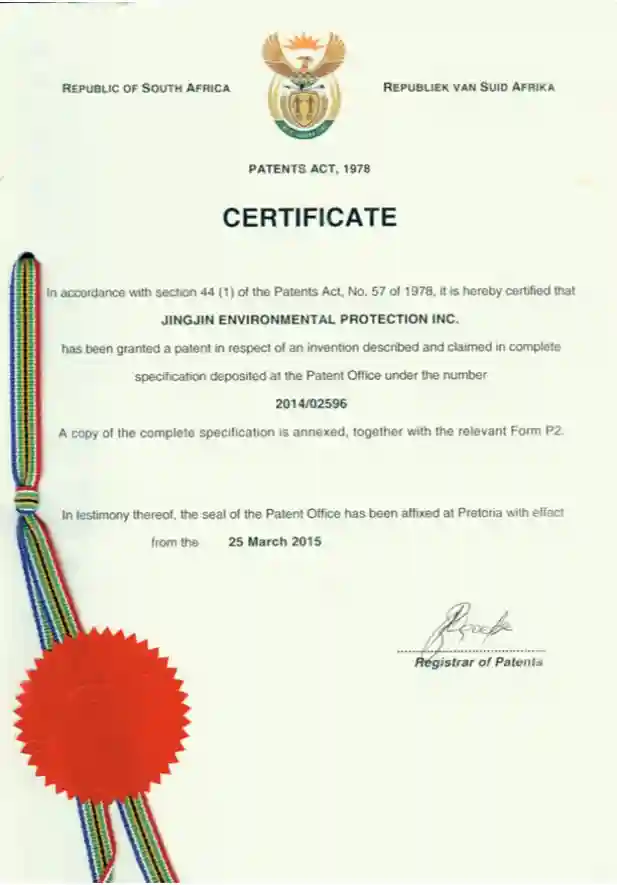
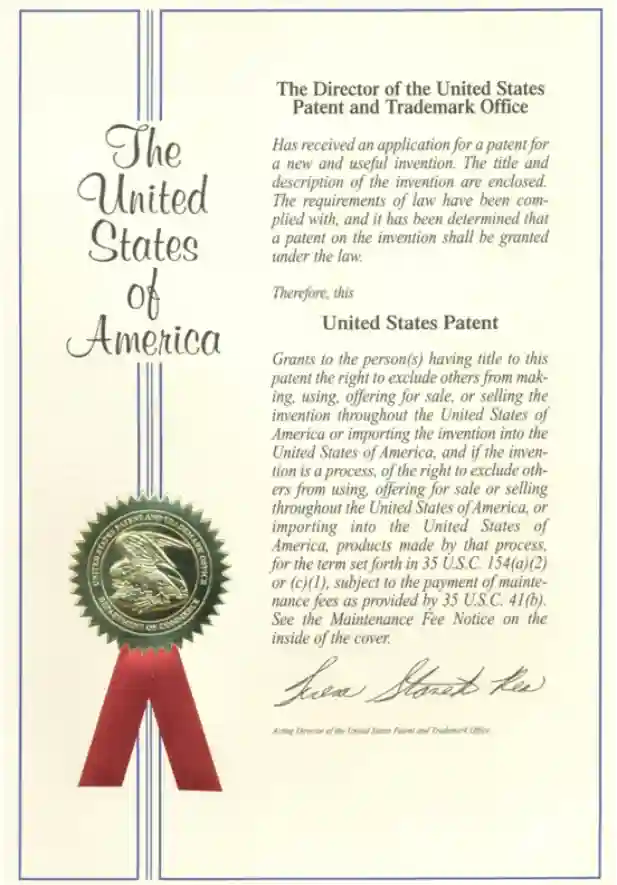
Since 1988, Jingjin Equipment Inc. has been making membrane squeeze filter presses for the global market. These systems reliably separate solids from liquids in 123 countries in the sewer, chemical, building, and mining industries. Our collection of patents includes more than 136 patents that cover improvements in membrane design, hydraulic optimisation, and automatic control that make operations simpler while improving dewatering performance. As a company that makes membrane squeeze filter presses and controls quality from making the plates and membranes to putting them all together and starting them up around the world, we have a full picture of the whole process. This wide range of features makes sure that every system meets strict requirements for keeping pressure in check, working with chemicals, and being reliable during cycles.
To make your filter investment less risky, our engineering teams offer application-specific design help, sample testing services, and turnkey installation. When you choose Jingjin, you get access to our full ecosystem of filter cloth, extra membranes, automation updates, and service networks around the world. These will keep your business running for decades. Get in touch with our technical experts at [email protected] to talk about your draining problems, get accurate predictions of how they will work, and look into custom solutions that are perfect for your process. We are dedicated to improving the efficiency of your filtering by using tried-and-true technology and providing steadfast customer service.
References
1. Purchas, D.B. and Sutherland, K. (2002). Handbook of Filter Media, 2nd Edition. Elsevier Science, Oxford, UK.
2. Tarleton, E.S. and Wakeman, R.J. (2007). Solid/Liquid Separation: Equipment Selection and Process Design. Butterworth-Heinemann, Burlington, MA.
3. Svarovsky, L. (2000). Solid-Liquid Separation, 4th Edition. Butterworth-Heinemann, Oxford, UK.
4. Rushton, A., Ward, A.S., and Holdich, R.G. (1996). Solid-Liquid Filtration and Separation Technology. VCH Publishers, Weinheim, Germany.
5. Dickenson, T.C. (1997). Filters and Filtration Handbook, 4th Edition. Elsevier Advanced Technology, Oxford, UK.
6. Anlauf, H. (2019). "Recent Developments in Solid-Liquid Separation Technology for the Process Industries," Chemical Engineering & Technology, Vol. 42, Issue 4, pp. 721-735.
jingjin
Founded in 1988, Jingjin specializes in filter presses and liquid-solid separation solutions, serving over 130 countries worldwide, and is a standard-setter in China's filter press industry.
Get the Filter Press guide
Enter Your Email for Technical assistance for the Filter Press.

Recommended Blog
Top Durable Filter Press Plates for Food Processing: Materials and Benefits
Asia Buyers Guide to Importing Filter Press Machines from China
How Overseas Distributors Choose Filter Press Suppliers in China?
How to Choose the Best Dewatering Press Machine Capacity for Your Business Needs
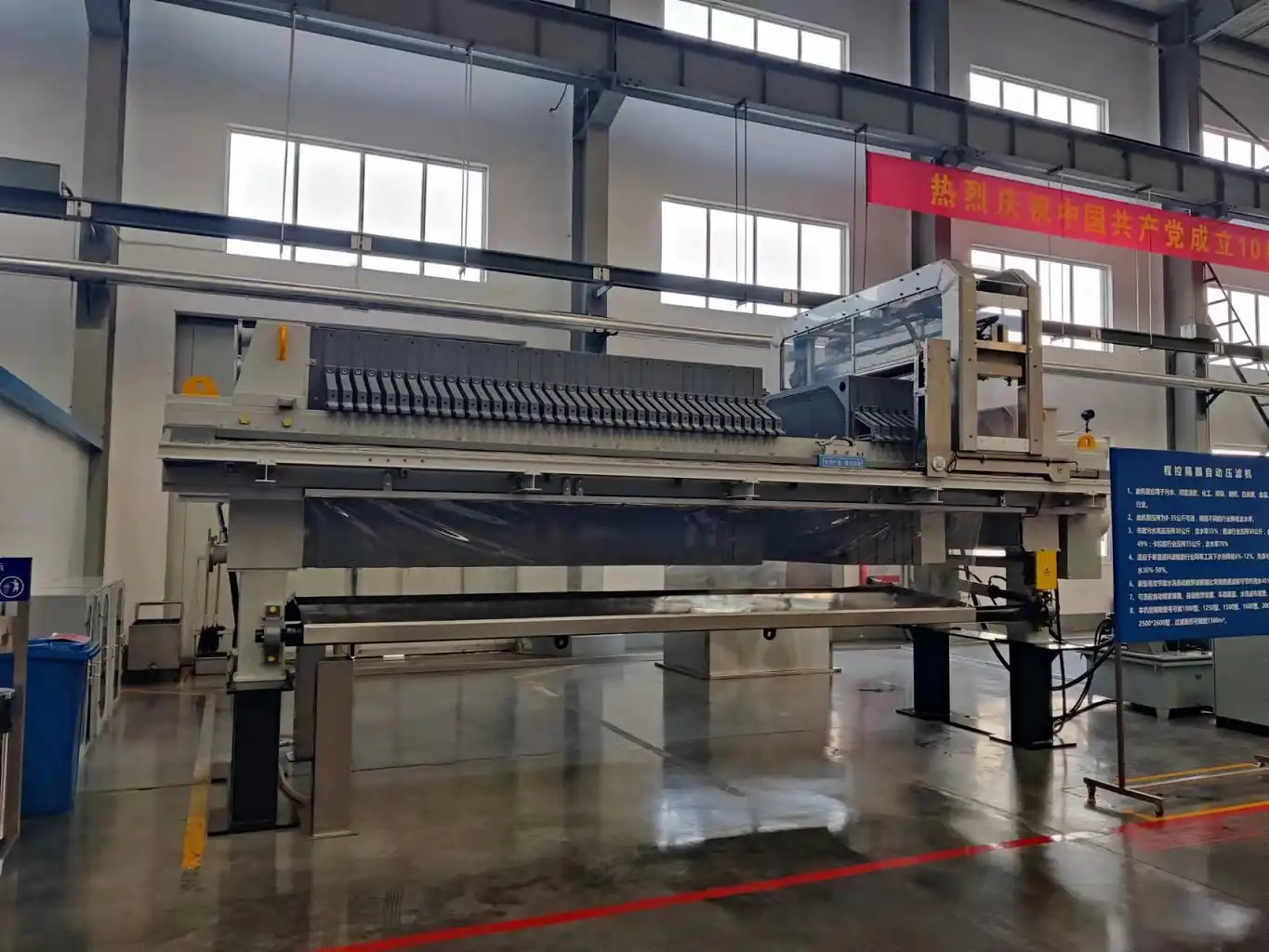
Understanding the Technical Specifications of Press Filter Machines
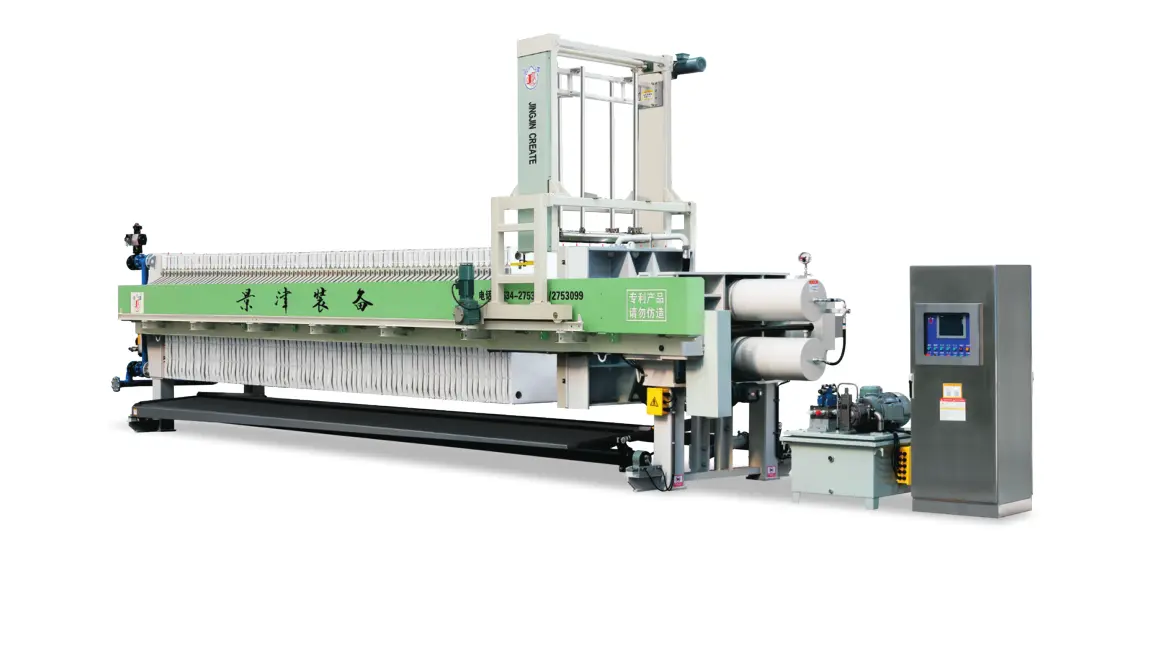
Cost-Effective Press Filter Solutions for Wastewater Treatment Plants