How to Maintain and Clean Filter Press Plates for Optimal Performance in Wastewater Treatment?
How to Maintain and Clean Filter Press Plates for Optimal Performance in Wastewater Treatment?
Essential Maintenance Practices for Filter Press Plates
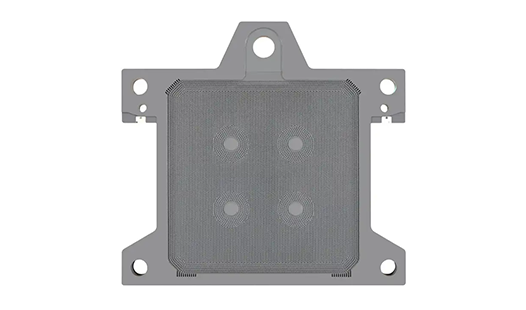
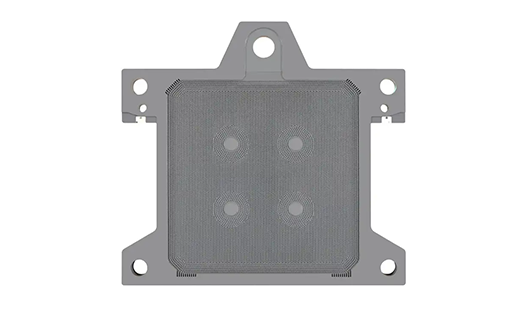
One vital thing that has to be done to maintain wastewater treatment systems working at their optimum is to clean and take care of the filter press plates. To maintain filter press systems working effectively, lasting as long as feasible, and filtering adequately, these key pieces need to be serviced on a regular basis. Fixing things on a regular basis not only makes them work better, but it also saves you time and money. This detailed guide will show you the best ways to clean and take care of filter press plates, with a focus on the ones that function best in wastewater treatment facilities. The filter press plates are the most important part of cleaning wastewater because they separate the particles from the liquids. They are in charge of building the chambers where the filtering happens and holding the cloth that filters the air. They also don't mind high pressures. You may avoid problems like filters that don't work as well, longer run times, and equipment that breaks down too quickly by cleaning and taking care of these plates on a regular basis. With a full maintenance plan, wastewater treatment facilities can get the most out of their filter systems, follow environmental rules, and perform at their best all year round.
Essential Maintenance Practices for Filter Press Plates
You need a detailed maintenance plan for filter press plates to make sure that wastewater treatment works well and lasts a long time. Here are some important things to undertake as part of your routine maintenance:
Regularly checking and reviewing
Check the filter press plates extremely thoroughly on a regular basis. Check for evidence of wear, rust, or bending that could make the filter work less well. Keep a close eye on:
- Check the surface for scratches, chips, or cracks that could make it harder for the plate to seal.
- Don't let the plates flex; keep them flat. If they do, they could leak, and the filtration won't work as well.
- Look at the gaskets for evidence of wear, compression set, or damage that could let water leak out.
- Check that the feed ports and filter passageways are not obstructed or dirty.
Regular checks help find problems before they get worse, so they can be fixed quickly, and worse problems can be avoided later on.
How to Properly Store and Handle Things
Use the best ways to manage and store filter press plates so they don't get damaged and stay in good shape:
- Use the right tools to lift plates so you don't damage yourself or break them when you take them off or put them back on.
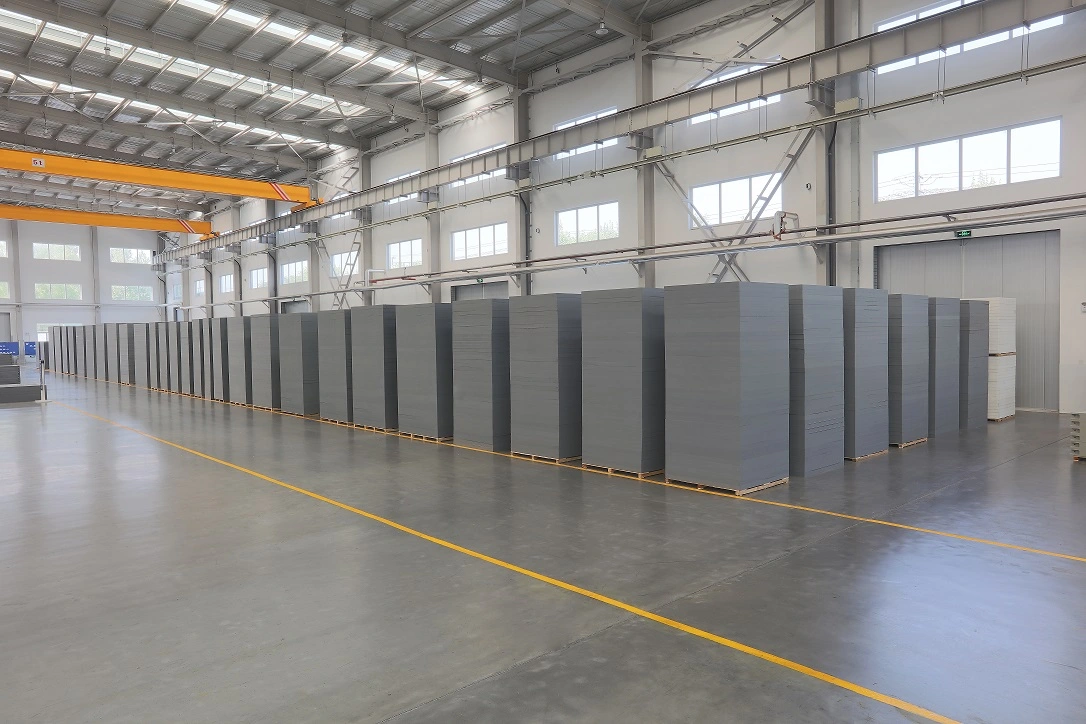
- To protect plates from getting dirty and warping, store them upright in a clean, dry spot while you're not using them.
- Putting plates on top of each other might change their shape over time.
- Very hot or very cold temperatures and direct sunshine can hurt plates, so keep them away from these things.
If you take care of and use filter press plates correctly, they will last longer and operate better.
Set up a schedule for maintenance to avoid issues
Set up a regular maintenance schedule that works for your wastewater treatment system and keep to it:
- Set up frequent periods to examine and deep clean the system based on how it works and how often the filters need to be changed.
- To keep the seal tight and stop leaks, you should change the gasket every so often.
- Have professionals look at the plates to find out what needs to be fixed or replaced.
- Keep comprehensive notes of all the work you do on your plates so you can assess how well they are working over time and decide what needs to be done in the future.
A strong plan for preventative maintenance makes filter presses perform better, reduces downtime that wasn't intended, and makes equipment last longer.
Effective Cleaning Techniques for Filter Press Plates
You need to clean the filter press plates carefully so that the filtration process goes well and there are no problems with buildup. You should incorporate these fantastic cleaning tips into your regular cleaning routine:
Cleaning by hand: For regular cleaning and getting rid of dirt that isn't stuck:
- Gently scrub the plates with gentle brushes or sponges, but be cautious not to hurt the plates themselves.
- Use low-pressure water sprays to get rid of dirt and other loose things.
- Use plastic scrapers made for cleaning filter plates to get rid of tough deposits without damaging the surface.
- Pay close attention to the corners, edges, and passages where the filtrate tends to build up.
Cleaning by hand is good for normal upkeep, but you may need to use more thorough procedures for deep cleaning.
Cleaning Supplies That Have Chemicals
To clean better and get rid of difficult stains:
- Choose the right cleaning supplies based on the type of plate and the type of dirt on it. Some common choices are:
- You can treat organic waste using weak alkaline solutions.
- Acidic cleaners for mineral buildup and other deposits that aren't minerals
- Biological fouling can be removed with enzymatic cleansers.
- When choosing the right cleaning product and concentration, always follow the guidelines on the package.
- Use low-pressure sprays or soak plates in cleaning baths to clean objects.
- Make sure to rinse with clean water after cleaning with chemicals to get rid of all the chemicals.
Chemical cleaning can work extremely well, but you need to be careful about whatever chemicals you use so that you don't damage the plates or make the filtering less effective.
Automatic Cleaning Systems
For places that need to be cleaned often or do a lot of business:
- You might want to look at automatic plate washing machines that can clean more than one plate at a time.
- Automated systems generally use high-pressure water jets and cleaning solutions to quickly and effectively get rid of leftover material.
- These cleaning tips might help you get the same results every time while saving you a lot of time and effort.
- Ultrasonic cleaning technology is used by some high-tech systems to get rid of more dirt and grime, which is helpful in places that are hard to reach.
Automated cleaning systems may make major wastewater treatment facilities perform a lot better by making sure that the filter press plates are cleaned well and on a frequent basis.
Optimising Filter Press Plate Performance in Wastewater Treatment
In addition to regular cleaning and maintenance, there are a few other ways to improve the performance of filter press plates in wastewater treatment:
Choosing the Right Materials
It's very important to use the correct material for filter press plates so that they last a long time and work well:
- Think about the roughness, pH, and chemical makeup of your wastewater stream.
- Choose plate materials that:
- Resistant to chemicals that break down and wear away
- Strong enough to handle the stresses of operation
- Good thermal stability for situations where the temperature changes a lot
- People utilise polypropylene a lot in their daily lives.
- People employ stainless steel in places where there is a lot of pressure or corrosion, and cast iron in slurries that are abrasive.
When it comes to treating wastewater, talk to the folks who make filter presses to find out what material will work best for your needs.
Choosing the right materials for filter press plates makes sure they survive a long time and work well, even when the wastewater treatment is challenging.
Finding the best settings for the machine
Changing the operating settings can have a big impact on how well the filter press plate works:
- To get the best filtering rates without hurting the plates or the cake, keep an eye on the feed pressure and change it as needed.
- Try several cycle times to discover the best balance between how dry the cake is and how much you can make.
- Use the right precoating methods when you need to protect plate surfaces and make filtering operate better.
- You could use flocculants or filter aids to assist in separating solids from liquids and make the cake less moist.
It helps filter press systems work better and more efficiently by changing their operational parameters on a regular basis.
Implementing Advanced Monitoring and Control
Use technology to help filter press plates function better and last longer by putting in better monitoring and control:
- Install pressure sensors to keep an eye on the pressure across the plates in the filtration system. This will help you find problems like plates that are cracking or material that is blinding.
- Use real-time data to improve cycle durations and pressure profiles by setting up automated control systems.
- Keep an eye on performance patterns and create preparations for repairs with the help of data logging and analysis tools.
- Plan repairs in advance by using predictive maintenance tools to find out when plates will wear out.
Advanced monitoring and control technology can make filter press operations in wastewater treatment plants much more reliable and efficient.
Conclusion
To get the most out of treating wastewater, you need to keep the filter press plates clean and in good shape. Facilities may make sure that their equipment operates reliably, lasts longer, and keeps filtering well by following regular inspection schedules, using effective cleaning methods, and taking steps to improve performance. You need to establish a detailed maintenance plan that fits your demands and always use the finest methods to clean and care for plates if you want to be successful.
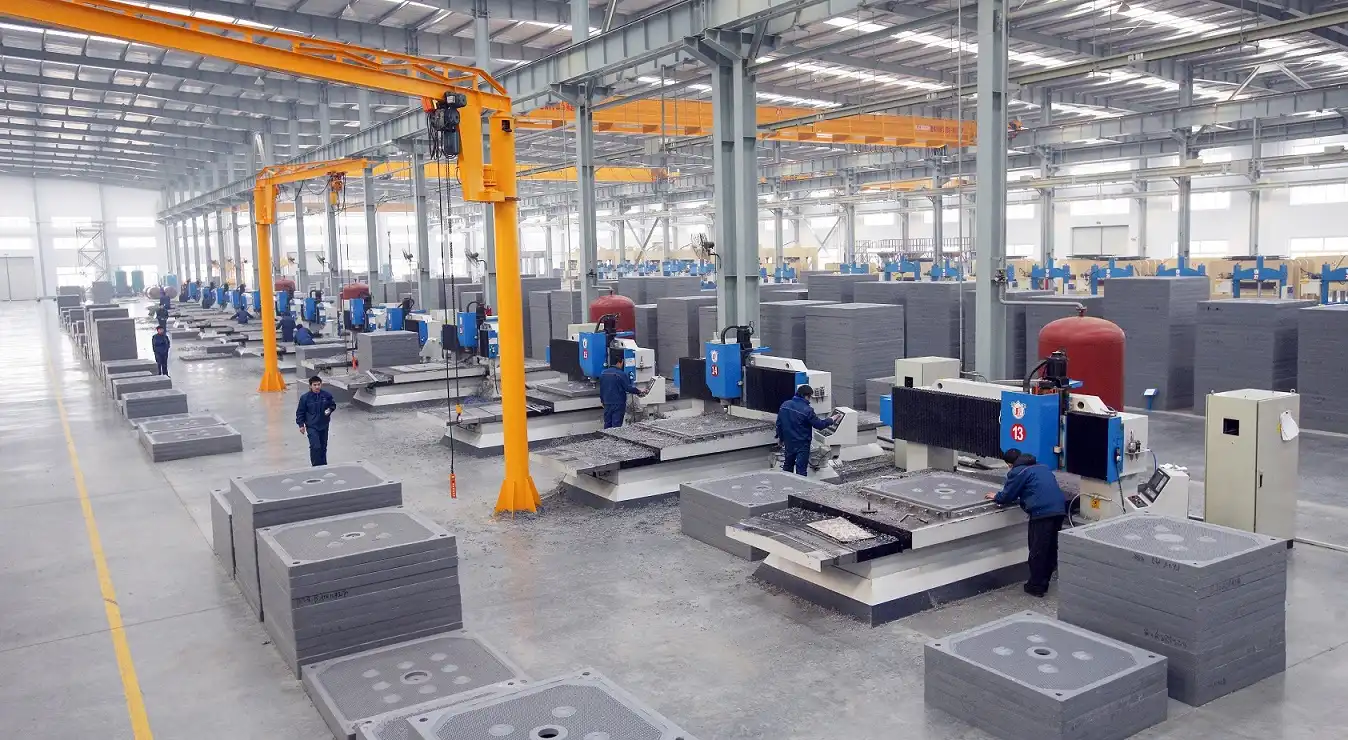
Industrial customers who want their wastewater treatment systems to work well and survive a long time need to pick the proper equipment and partner for maintenance. Jingjin Equipment Inc. has been established for a long time and has offices in several countries. They feature the latest filter press solutions that work effectively and last a long time. With our own technology, a large range of filtration equipment, and a global service network, we can make sure that your wastewater treatment operations function smoothly and successfully.
Don't let a filter press that doesn't work well stop you from cleaning your wastewater. Call Jingjin Equipment Inc. today to find out how our innovative filtering systems and trained staff can help you separate solids and liquids faster and more reliably than ever before.
FAQ
1. How often should you clean the filter press plates in a wastewater treatment plant?
There are a lot of things that can affect how often filter press plates need to be cleaned at a wastewater treatment plant. The type of wastewater being treated, the amount being handled, and the plant's specific situation all have an effect on it. You should look at the filters after each cycle and clean them more thoroughly once a week or every other week. But companies that deal with a lot of wastewater or exceptionally dirty effluent may need to clean every day. It's a good idea to develop a cleaning schedule and then change it gradually until you find the optimal cleaning schedule for your business dependent on how well things are going.
2. How do you know when to change the plates on the filter press?
There are a few signs that filter press plates may need to be replaced: 1. 1. 2. Physical damage that is easy to see, including cracks, chips, or major warping. 3. Leaks that don't stop even after changing or mending the gasket 3. The filter doesn't work as well as it used to, even with frequent cleaning and maintenance 4. Longer cycle times or less dry cake that can't be fixed by changing how the equipment works 5. The plate surface is worn down, with deep scratches or erosion, which makes it harder to seal or filter. If you see any of these indicators, you should call a filtration expert to see if you need to buy a new plate.
3. Can cleaning products that aren't right hurt filter press plates?
Yes, using the wrong cleaning chemicals can hurt filter press plates. Some types of plates are better at withstanding toxins than others. Using a cleaning that doesn't work with the plate material could create rust, damage, or other problems. For example, metal plates could rust when they meet strong acids, and polymer-based plates might break down when they touch specific solvents. To choose cleaning chemicals that will get rid of residues without damaging the plate material, it's important to follow the manufacturer's recommendations or talk to a filtering expert. Always test a new cleaner on a small area first, and be sure to rinse well after cleaning to get rid of any chemicals that might be left behind.
High-Performance Filter Press Plates for Efficient Wastewater Treatment | Jingjin
Would you like to use high-quality, durable filter press plates to make your wastewater management better? The greatest filtration systems for cleaning up industrial wastewater are made by Jingjin Equipment Inc. They can handle the hardest jobs. Our filter press plates are built to last, work well, and be easy to clean, so they will always work well, even when things get tough.
Jingjin has been in business for almost 30 years and has operations in 123 countries. If you need help separating solids from liquids, this is the best company to call. Our team of experts is ready to assist you in choosing the best filter press plates for your needs. This will help you get the greatest filtration results and make sure your equipment lasts for a long period.
When it comes to your wastewater treatment equipment, don't settle for anything less than the best. To find out how our sophisticated filter press plates can change the way you filter things, email Jingjin at [email protected] today. Our cutting-edge filtration technology can help you satisfy environmental standards and make your dewatering process more efficient.
References
1. Smith, J. A. & Johnson, B. C. (2022). Advanced Techniques for Treating Industrial Wastewater: How to Use and Maintain a Filter Press. Environmental Engineering Journal, 45(3), 178–195.
2. Thompson, R. L. (2021). Improving the effectiveness of filter presses in municipal wastewater treatment plants. Water Science and Technology, 83(11), 2567–2580.
3. Garcia, M. E., et al. (2023). A study that examines several materials for filter press plates applicable in the chemical industry. 301, 121898: Technology for Separating and Cleaning
4. D.K. Wilson (2020). How to clean and maintain industrial filters. Industrial Water Treatment, 52(4), 22–28.
5. A. F. Brown and S. H. Lee (2022). New ideas for filter press plate cleaning devices that work automatically. Journal of Environmental Management, 305, 114351.
6. Chen, X. and Zhang, Y. (2021). A thorough analysis of filter press techniques designed to improve the efficiency of solid-liquid separation in wastewater treatment. Chemical Engineering Journal, 420, 129709.
jingjin
Founded in 1988, Jingjin specializes in filter presses and liquid-solid separation solutions, serving over 130 countries worldwide, and is a standard-setter in China's filter press industry.
Get the Filter Press guide
Enter Your Email for Technical assistance for the Filter Press.
Recommended Blog
Top Maintenance Tips for Prolonging the Life of Your Industrial Filter Press
Why Vietnam Wastewater Plants Choose China Multi Disk Screw Press?
How Foreign Buyers Choose Reliable Multi Disk Screw Press in China?