Membrane Plate Filter Press for High-Solids Sludge
Understanding Membrane Plate Filter Press Technology
- Understanding Membrane Plate Filter Press Technology
- Advantages and Applications of Membrane Plate Filter Presses
- How to Choose the Right Membrane Plate Filter Press for Your Needs
- Operation, Maintenance, and Troubleshooting Best Practices
- Procurement Guide: Buying and Working with Membrane Plate Filter Press Suppliers
- Conclusion
- FAQ
- Partner with Jingjin for Advanced Membrane Filtration Solutions
- References
Membrane plate filter presses are the latest particle-free liquid separation technology. They were designed to dehydrate tough, high-solids sludge. These modern filter presses include flexible membrane plates that boost filtering pressure. Cake is dried by removing more water. Businesses that must meet strict environmental regulations and save costs need this revolutionary technology because it works when conventional draining techniques fail.
Understanding Membrane Plate Filter Press Technology
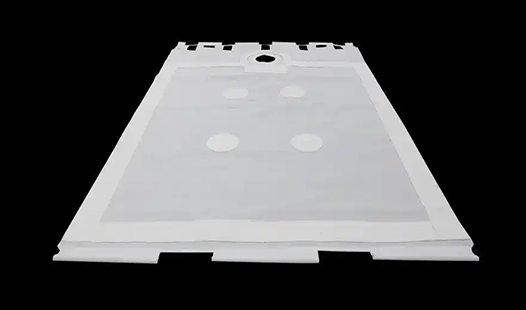
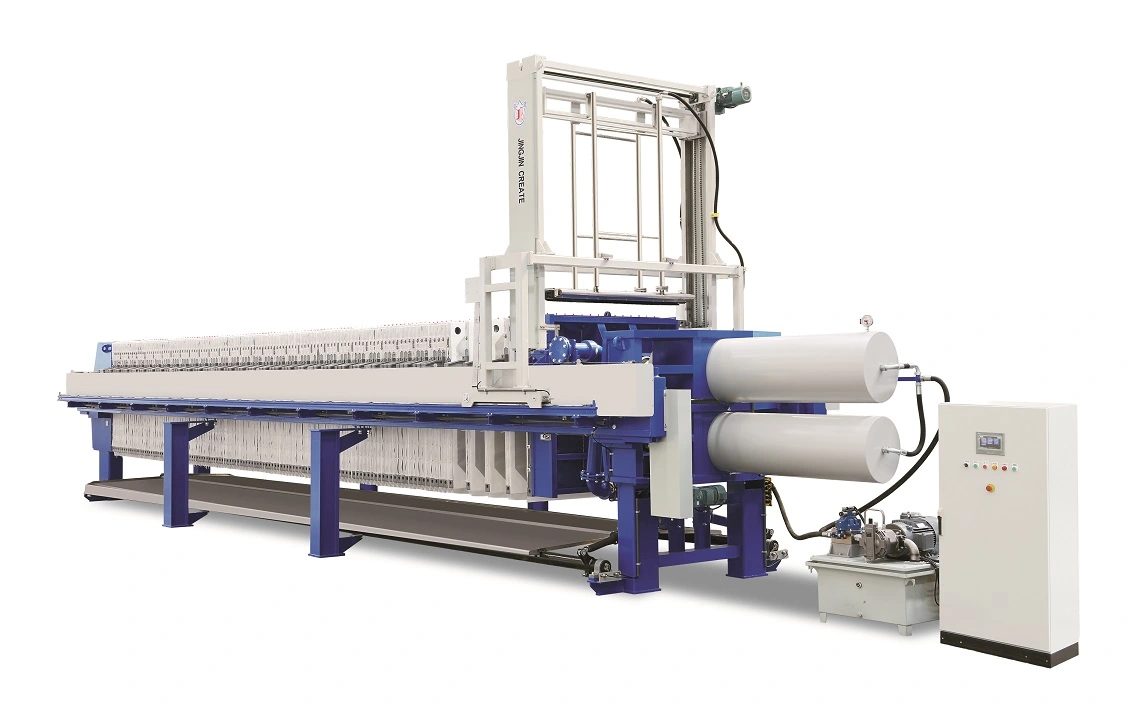
Modern membrane plate filtering devices revolutionize commercial solids and liquids separation with complex dual-pressure mechanisms. They have movable filter and membrane plates. Under hydraulic pressure, they close gaps. The first process, "filtration," involves normal pressure pushing liquid through filter cloths. Second, "membrane inflation" pushes the cake.
Core Working Principles and Design Features
Sludge enters the chamber system via feed holes. As tank pressure rises, liquid passes through the filter medium, and particles collect on the cloth. The membrane plates are inflated with water or compressed air to pressurize the cake uniformly. This compression step lowers moisture more than plate and frame systems.
Stainless steel, corrosion-resistant polypropylene, and special polymer pieces provide strength. These materials survive harsh chemical conditions in mining, processing, and wastewater treatment. These flexible systems may increase capacity by adding plate sets to meet output needs.
Advanced Material Selection and Chemical Compatibility
Material choice affects system performance and durability. Chemical-resistant polypropylene, polyester, or PTFE filter cloths have liquid holes. Most membranes are thermoplastic elastomers or reinforced rubber compounds that don't deteriorate during inflation and deflation.
Process chemistry and use dictated frame materials. Steel frames are stronger and better for high-pressure operations, although polypropylene frames are usually chemical-resistant. Custom coatings and gaskets provide long-lasting closure under harsh situations.
Advantages and Applications of Membrane Plate Filter Presses
Membrane technology offers benefits beyond filtration. These solutions save companies money and comply with regulations across industries.
Enhanced Dewatering Performance and Operational Benefits
Membrane systems usually have 3–5% lower cake wetness than plate and frame units. Rising trash fees and transportation costs will drastically cut disposal costs. Thermal treatment returns more heat with better dewatering.
Membrane compression reduces cycle times by 20–30%, improving system productivity without equipment. The continuous pressure distribution reduces caking and channeling in earlier methods. A shorter cycle uses less energy per material treated.
Better cake release cuts round-by-round cleaning and filter cloth wear. This change reduces maintenance costs and downtime by 40–60% by extending fabric life. Each chamber has the same cake thickness, which accelerates discharge and lowers labor.
Industrial Applications and Case Study Performance
With membrane plate filter press technology, municipal wastewater treatment plants claim substantial benefits. With less sludge and polymer, a 50 MGD Texas treatment plant saved over $180,000 annually. The facility achieved 22% food content, up from 18% before.
Technology's feed trait tolerance helps mining. The Arizona copper concentrate facility removes 85% of water from 1,200 tons of tailings daily, up from 78% before. Better performance cut tailings pond needs by 40% while meeting production targets.
Chemical companies making unique products need constant cake quality for reuse or disposal. Pigment factories may burn their waste at 15% moisture content instead of paying to dispose of it as hazardous waste.
How to Choose the Right Membrane Plate Filter Press for Your Needs
Consider process features, economic considerations, and operational needs while choosing membrane filtering equipment. Decisions' long-term success and ROI depend on several factors.
Critical Process Variables and Performance Parameters
Most system sizes and setups rely on sludge solids. To be economically practical, feed concentrations below 2% must be pre-thickened, while concentrations over 6% may need to be diluted for optimum feed dispersion. Filtration rate and cycle pressure depend on particle size.
Plate count and chamber space depend on workload. Laboratory facilities handle 10 cubic meters of data daily, whereas industrial equipment handles 2,000. The right size improves cycle times and avoids undersized equipment from slowing production.
Membrane pressure and cycle time depend on target cake wetness. The membrane pressure must surpass 15 bar for applications with less than 50% moisture, while 8–12 bar is suitable for others. Pressure, cycle time, and cake quality must be optimized for each application.
Technology Comparison and Equipment Selection Criteria
Centrifuges may operate constantly, although fine particle sludge cakes are wetter. Most industrial sludges dewater better using membrane presses than centrifuges for steady-flow processes. When feed characteristics change or output plans are unreliable, membrane operation in batches works.
Though cheaper, vacuum filters can't remove as much water as pressure systems. Fine particles are hard for vacuums to handle, and cake grains seldom reach 20–25%. Sludges with good conditioning yield 30–40% solids in membrane presses.
Belt filter presses, which work 24/7, need periodic feeding and pretreatment. Cleanup and polymer use may exceed membrane device expenses. Membrane technology often minimizes chemical consumption and boosts versatility.
Customization Options and Scalability Features
Programmable logic controllers, remote monitoring, and maintenance prediction are in modern membrane systems. These features significantly cut cycle times and give performance and troubleshooting data. Integration with plant control systems streamlines large cleaning operations.
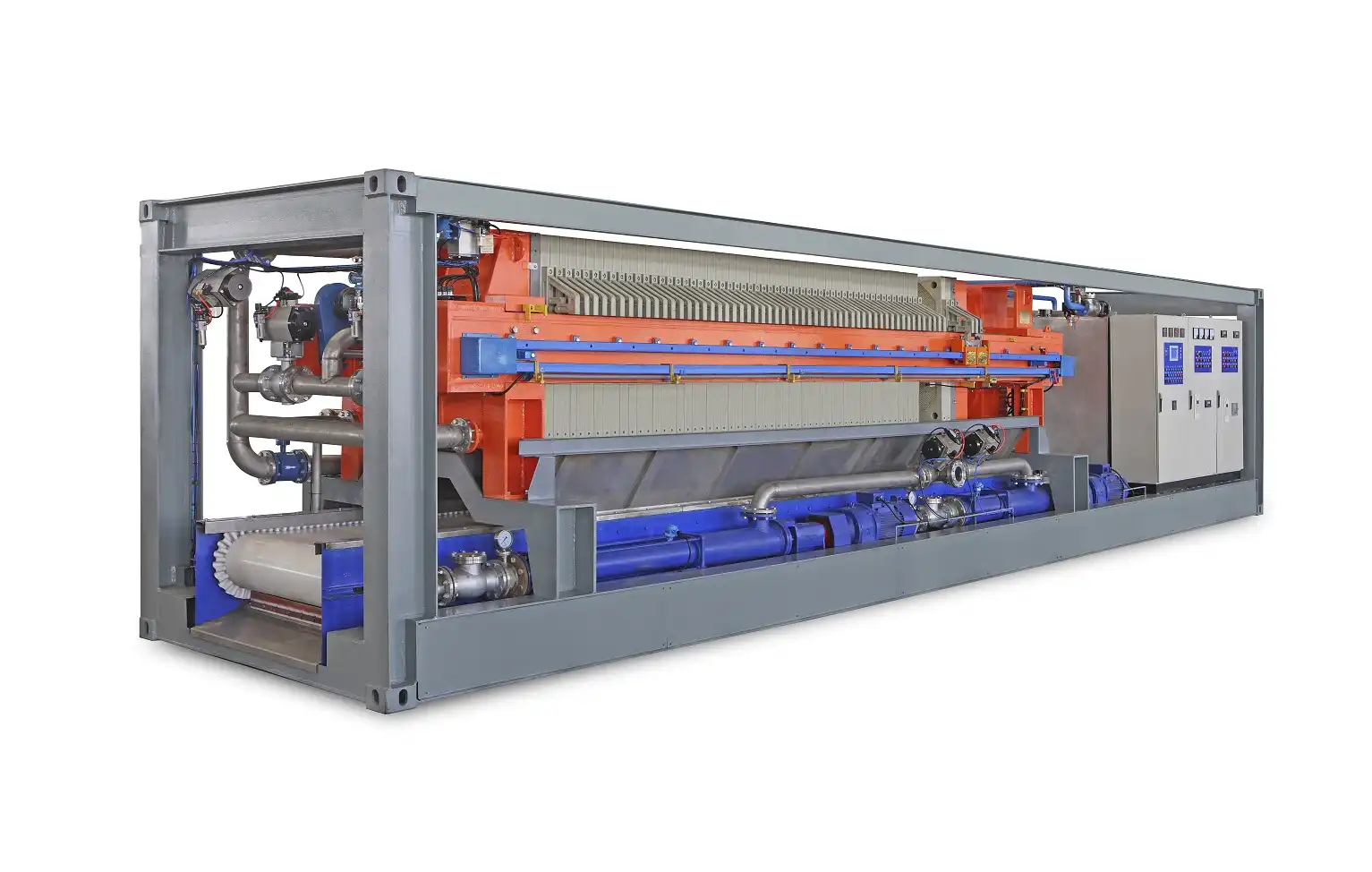
You may add plate sets to satisfy capacity demands without substantial structural changes in modular systems. This flexibility protects capital expenditures and allows companies to meet changing production needs. Rental mobile equipment for testing or short-term use before installation is also available with an Automatic Membrane Filter Press with Platform for Sludge Dewatering. This system provides flexibility for projects with variable or growing sludge dewatering needs.
Operation, Maintenance, and Troubleshooting Best Practices
Follow these membrane press operation tips to extend tool life and performance. Following the right steps helps extend equipment life and provide consistent drying results regardless of feed conditions.
Operational Procedures and Cycle Optimization
Before commencing, filter cloth, membrane, and hydraulic system pressure are checked. Diatomaceous earth or similar pre-coats improve fabric life and filtration. Proper feed preparation with polymers or other substances keeps particles together. Stress decreases.
Different filter cycle stages need different pressure and timing controls. The first filling is low-pressure to maintain cylinder pressure. In primary filtering, filtrate quality is assessed as pressure is gradually raised to maximum. The membrane expands with the sludge's pressure.
Plate separation and regulated pressure release constitute cake discharge. The right time avoids cake sticking and guarantees thorough removal. Cloth washing between rounds optimizes porosity and eliminates leftovers. Cleaning frequency depends on the sludge kind, but 5–10 rounds is typical.
Preventive Maintenance and Component Care
Filter cloth cleaning is the most important system maintenance. Regular inspections show wear, chemical breakdown, and mechanical damage. The right cleaning detergents and washing methods increase clothing's life. Rotation tactics provide equitable wear in retail apparel.
A membrane's surface damage, flexibility, and pressure resistance are measured. Depending on chemical contact and operating conditions, replace membranes every 12–24 months. Additional membranes don't break down quickly from UV light or temperature changes if properly maintained.
Maintaining hydraulic systems involves fluid analysis, seal checks, and pressure testing. Clean hydraulic fluid ensures valve cleanliness and pressure control. Pressure testing and yearly purification maintain system safety.
Common Issues and Troubleshooting Methods
Poor feed distribution or partly open feed lines cause inconsistent cake creation. Regular feed system checkups and distribution line cleaning fix most distribution difficulties. Adjust fabric tension for a proper closure between rooms.
Long cycle durations may imply cloth blindness or poor sludge treatment. Cloth washing or chemical treatment generally restores function. Leaking membranes lessen pressure, so examine and replace them.
A broken fabric surface or inappropriate membrane pressure may cause poor cake release. Pressure measurements assure membrane inflation, and fabric changes address surface deterioration. Chemical preparation changes may help remove sludge.
Procurement Guide: Buying and Working with Membrane Plate Filter Press Suppliers
Buying requires knowledge of the seller's abilities, the market, and the cost of ownership. When buying filter presses, weigh the initial investment versus long-term business costs and supplier support.
Market Landscape and Supplier Evaluation
Established and affordable membrane press manufacturers exist worldwide. Consider technical expertise, manufacturing quality, and after-sales service above pricing. Suppliers with financial stability guarantee parts and service.
Compliance with ISO 9001 and the pressure tank code shows professionalism. Third-party certification boosts safety and performance. Comparable software user feedback and configuration performance data are essential. New part service delivery times and pricing depend on customer location. Repairs are faster with local parts and service. Real worker training boosts tech and cuts costs.
Commercial Terms and Risk Mitigation
Critical products may have longer warranties than mechanical parts, from 12 to 24 months. Performance promises need explicit testing and approval to provide peace of mind. Incentive clauses encourage performance, whereas penalty clauses protect consumers from faulty equipment.
Production and delivery frequently dictate payment plan stages. Letters of credit agreements reassure parties by preventing payment delays. Retention clauses expedite "punch list" resolution and performance monitoring.
Service agreements include tech support, response times, and parts. Agreements include operator training, preventative maintenance, and emergency service. Annual service agreements are cheaper and ensure excellent repairs.
Technical Specification Development and Proposal Evaluation
Environment, performance, and space should be specified. Material requirements include chemical compatibility, temperature ranges, and safety. Control system integration and data gathering must be specified for automation.
A proposal evaluation should consider energy, maintenance, and part lifecycle expenses. Equivalent apps should meet performance requirements. Delivery plans must include site prep and installation.
Technical consultations with prospective suppliers uncover job specifics and difficulties before signing the contract. Reference installation visits enable performance assessment and discussion. Pilot testing reduces sophisticated or critical usage technical risk.
Conclusion
Several companies use membrane plate filter presses to remove high-solids sludge. It boosts cycle times, stability, and cake dryness. These boost economic growth and investment costs. High-tech materials and autonomous features improve efficiency and reduce maintenance in modern systems. Detailed specifications, supplier evaluation, and operating methods are needed to maximize equipment performance over its lifespan.
FAQ
1. What capacity ranges are suitable for high-solids sludge applications?
Membrane filter press systems can process 5–10 cubic meters per day for small test units and over 2,000 for large industrial installations. Our flexible design lets you optimize plate count for volume. Most local applications use 100–500 cubic meters daily. Industrial applications vary by trash production and speed.
2. How often should membrane devices change their filter cloths?
Using, maintaining, and the kind of sludge dictate filter cloth replacement frequency. Well-maintained sewage sludge systems endure 6–12 months. However, harsh industrial conditions may necessitate cloth changes every 3–6 months. Regular checkups and cleaning prolong fabric life. For worn patterns, extra fabric supply should be 25–50% bigger.
3. Can membrane presses integrate with automated treatment systems?
Membrane press systems currently feature online monitoring, data recording, and programmable controllers. Sludge supply and treatment schedules may start the cycle in plant-wide controls. Advanced systems use predictive maintenance algorithms and performance optimization to modify operational parameters depending on feed quality and performance.
Partner with Jingjin for Advanced Membrane Filtration Solutions
The best membrane plate filter press technology from Jingjin may solve your sludge drainage problems. Our all-in-one systems dewater best thanks to our innovative membrane technology and 35 years of experience. Certified filter press maker Jingjin serves 123 nations. System design, production, and support are customized. Our technical experts can discuss membrane-based filtering solutions that can improve your business's performance and lower its total cost of ownership at [email protected].
References
1. Water Environment Federation. "Membrane Technology in Municipal and Industrial Wastewater Treatment." Alexandria, VA: WEF Press, 2019.
2. American Society of Civil Engineers. "Advanced Sludge Dewatering Technologies: Performance Evaluation and Selection Criteria." ASCE Environmental Engineering Division, 2020.
3. International Water Association. "Solid-Liquid Separation Equipment Scale-up and Performance Optimization." London: IWA Publishing, 2018.
4. Zhang, K., and Smith, R.J. "Comparative Analysis of Membrane Plate Filter Press Performance in Industrial Applications." Journal of Environmental Engineering Technology, Vol. 45, No. 3, 2021.
5. European Commission Joint Research Centre. "Best Available Techniques for Wastewater Treatment in Industrial Applications." Luxembourg: Publications Office of the European Union, 2019.
6. Thompson, M.L., et al. "Economic Analysis of Advanced Dewatering Technologies in Municipal Wastewater Treatment." Water Research Institute Technical Report Series, No. 127, 2020.
jingjin
Founded in 1988, Jingjin specializes in filter presses and liquid-solid separation solutions, serving over 130 countries worldwide, and is a standard-setter in China's filter press industry.
Get the Filter Press guide
Enter Your Email for Technical assistance for the Filter Press.

Recommended Blog
Understanding Jingjin Filter Press Parts and Accessories: What You Need to Know

Top Benefits of Using a Filter Press in Industrial Wastewater Filtration
High Capacity Filter Presses for Mining: Enhancing Mineral Processing Efficiency
Energy Saving Multi Screw Sludge Press: How It Reduces Operational Costs

Why African Municipalities Choose China Dewatering Press Machines?
Where to Buy Industrial Filter Press Cloth: Top Suppliers and Tips