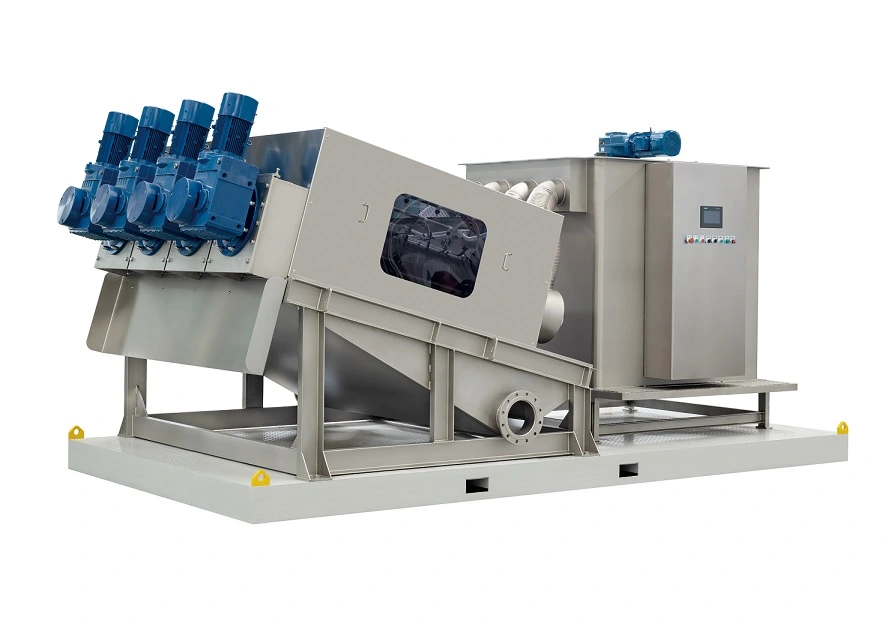
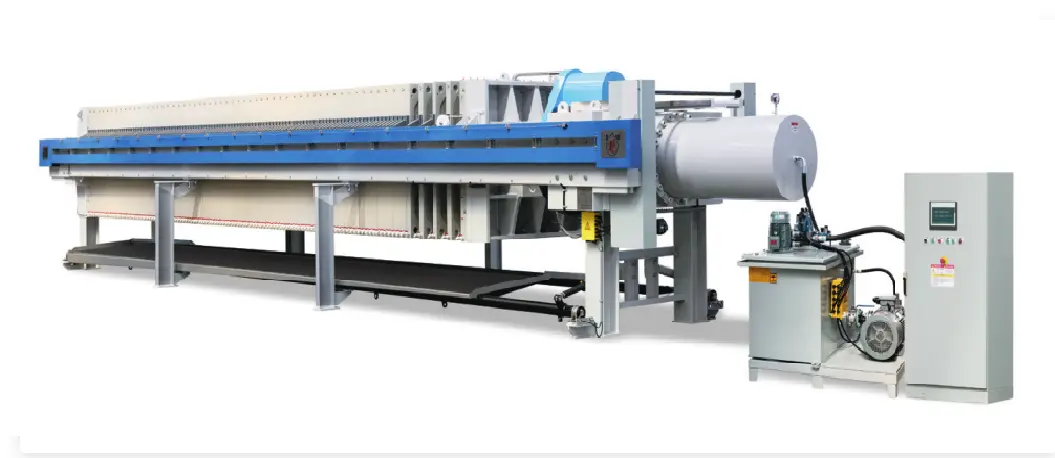
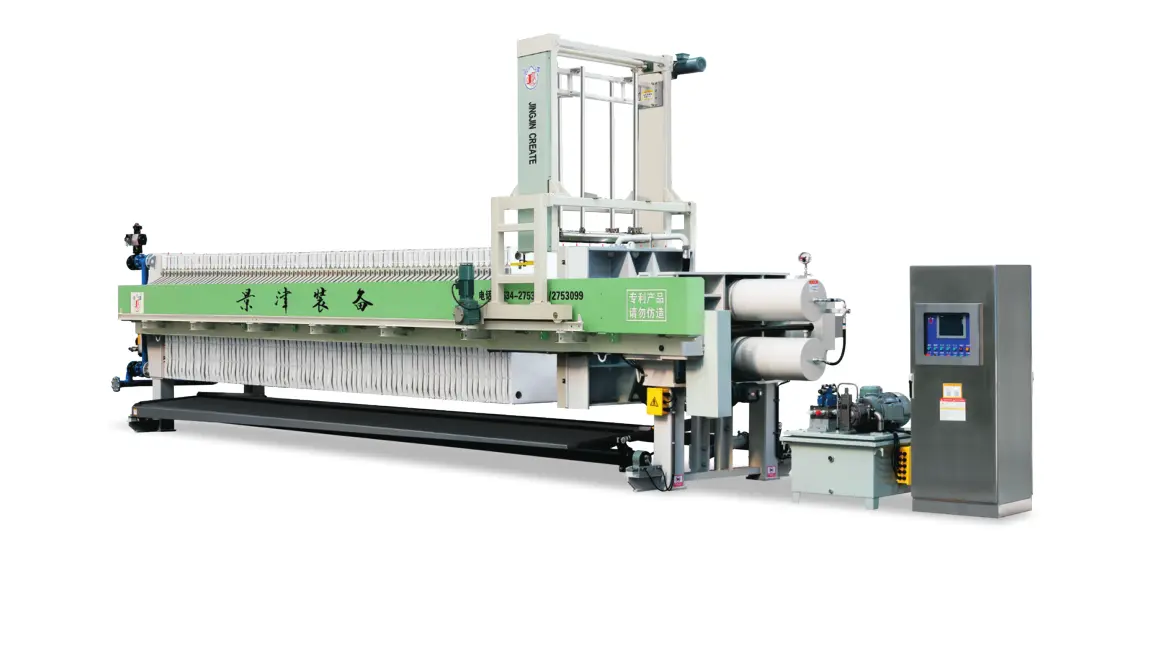
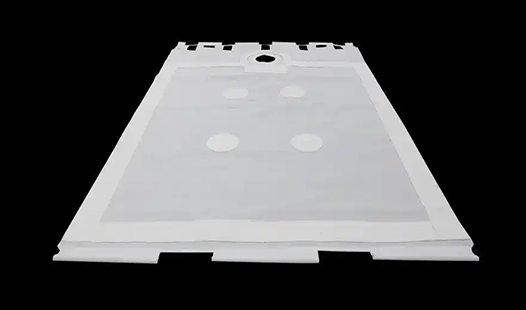
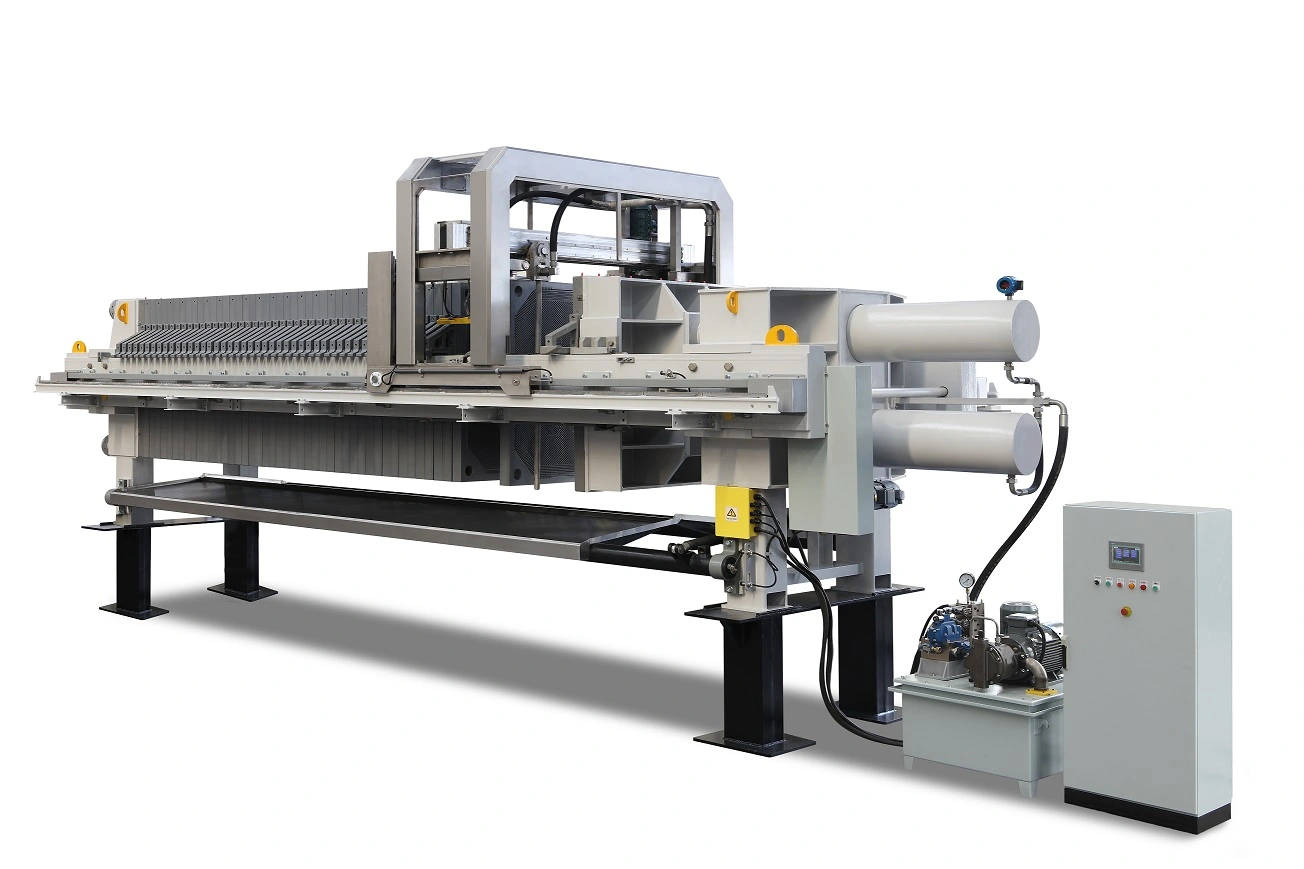
The correct filter press cloth may make the difference between efficient, cost-effective filtering and expensive downtime in chemical processing. High-durability filter cloths separate process fluids from solid waste in hostile chemical conditions seen in current industrial processes. These specialty filtering media work well in pharmaceutical and petrochemical processing applications that demand chemical resistance, mechanical robustness, and constant filtration quality.
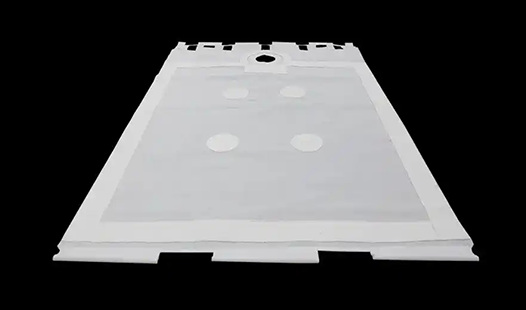
Understanding High Durability Filter Press Cloths in Chemical Processing
Chemical processing filtration relies on filter press cloths to collect particles and let liquids flow. These cloths, made of PTFE and polypropylene, are designed to endure harsh industrial chemicals and pH conditions. Understanding the functioning principle and material qualities helps procurement managers and process engineers choose efficient and durable textiles.
What is a filter press cloth?
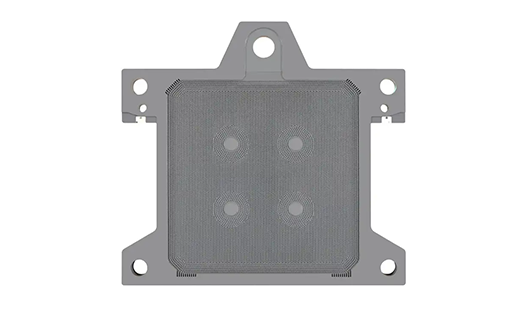
Filter press cloths separate solids and liquids under pressure. Permeable cloths trap solid particles while letting filtered liquid through. These cloths must be durable enough to endure caustic chemicals, intense temperatures, and high pressure in chemical processing. Chemical applications often employ polytetrafluoroethylene (PTFE) for its chemical inertness, polypropylene for its cost-effectiveness and chemical compatibility, and specific synthetic fibers for mechanical strength.
How Does a Filter Press Cloth Work in Chemical Processing?
As slurry or process fluid enters the filter press chamber, pressure drives it through the porous cloth structure. The fabric material's constant pore structure preserves separation quality over many running cycles, improving efficiency and durability. Quality filtering cloths include weave patterns and fiber compositions that maximize flow rates and retain target particles, making them essential for chemical industrial product purity.
Types of Filter Press Cloth Suitable for Chemical Industry
Some chemical processing applications need particular fabric kinds for best performance. PTFE-based textiles provide exceptional chemical resistance in very corrosive and severe pH situations but cost more. Polypropylene cloths are cost-effective for mild chemical exposure and have superior mechanical and filtering qualities. Advanced composite materials with numerous synthetic fibers improve abrasion resistance and service life in abrasive slurries and high-temperature processing applications.
Benefits of Using High-Durability Filter Press Cloths in Chemical Processing
Chemical sector applications benefit from durable filter press cloths. They last longer and need fewer replacements due to their chemical resistance and durability. High filtering efficiency enables constant, high-quality product production under difficult situations. Cost benefits from durability include less maintenance and replacement.
Enhanced Chemical Resistance and Longevity
High-durability filtering cloths' main benefit in industrial applications is chemical resistance. These unique materials can survive acids, bases, solvents, and oxidizers that damage normal filtering medium. Facilities may run longer without expensive fabric changes, improving operating costs. Studies show that premium filtering cloths last 3-5 times longer than regular ones, lowering material and labor costs associated with frequent maintenance shutdowns.
Improved Filtration Efficiency and Product Quality
High-grade filtering cloths preserve pore structure over time, guaranteeing stable separation performance and product quality. These cloths improve filtered liquid clarity and cake formation for simple solid discharge. Maintaining quality standards in pharmaceutical and specialized chemical production requires constant performance to eliminate batch-to-batch fluctuations that might compromise product specifications or necessitate costly reprocessing.
Cost Savings Through Reduced Maintenance and Replacement
Durability reduces operating expenses by extending service intervals and reducing maintenance. High-durability cloths reduce filtering media expenses by 40-60% each year. Extended replacement intervals minimize production delays, enabling continuous operating schedules that maximize throughput and revenue while lowering labor costs from regular maintenance.
How to Choose the Right Filter Press Cloth for Chemical Processing?
Selecting the best filter press cloth involves chemical compatibility, mechanical strength, and process-stage-specific filtering demands. Compared to other media, filtering cloths reveal practical benefits and limits that affect cost and performance. Customizing fabric characteristics for chemical processing improves filtering.
Key Criteria for Selection
Cloth selection depends on chemical compatibility, which requires a process chemistry study, including pH, temperature, and solvent exposure. Tensile strength, abrasion resistance, and dimensional stability under pressure are mechanical strengths. Filtration must match particle size distribution, cake properties, and discharged solids moisture content. For best performance and cost-effectiveness, process engineers should consider these elements thoroughly.
Comparing Filter Press Cloth to Other Filtration Media
Filter press cloths are stronger and more exact than filter bags, but they need more press equipment. Cloths retain particles better, clean easier, and have a smaller pressure drop than stiff filter plates. Press cloths are suitable for high-solids applications that demand consistent cake formation and fast solid discharge.
Customization Options and Supplier Evaluation
Optimized pore sizes, edge treatments, and material compositions are possible with custom filtering systems for chemical processing. Procurement managers should evaluate vendors based on production capability, ISO certifications, and technical support. Delivery dependability, minimum order flexibility, and technical documentation for textile selection and performance validation should also be considered while evaluating suppliers.
Maintenance, Cleaning, and Maximizing the Lifespan of Filter Press Cloths
Maintaining cloth life and filtering efficacy requires proper cleaning and maintenance. Preventive handling, inspections, and cleaning reduce wear and deterioration. Recognizing fabric degradation allows prompt replacements, eliminating unexpected downtime and maintaining chemical process efficiency.
Best Practices for Filter Press Cloth Maintenance
Visually evaluate fabric wear, seam integrity, and chemical degradation indications regularly. Installation and removal should be done carefully to avoid mechanical damage to filters. Maintaining operating pressures, feed uniformity, and correct starting and shutdown processes reduces textile material stress.
Effective Filter Press Cloth Cleaning Methods
Chemical cleaning procedures depend on solids filtered and cloth composition. Acid washes remove minerals, whereas alkaline solutions dissolve organic residues. Water washing, air purging, and mechanical agitation remove particulates. Regular cleaning should balance thoroughness with cloth preservation, usually daily to weekly depending on process conditions and filtering needs.
Extending Lifespan and Avoiding Common Pitfalls
Reduced flow rates, poor cake formation, and obvious fabric disintegration indicate degradation. Incompatible cleaning chemicals, high working pressures, and poor cleaning processes limit cloth life. Timely replacement based on performance indicators rather than arbitrary timetables improves filtering efficiency and cost control and prevents production delays.
Procurement Insights: Buying High Durability Filter Press Cloths for Chemical Processing
Finding reliable providers with chemical filtration knowledge is key to buying durable filtration cloths. Competitive price, acceptable minimum order quantities, dependable delivery timeframes, and supplier certificates for quality compliance are crucial. Working with a specialized supplier that provides product customization, quality assurance, and fast service may simplify sourcing and improve operations.
Where to Find Reliable Suppliers and Manufacturers
Leading filter manufacturers have considerable chemical processing knowledge and strict quality control requirements. Check vendors' technical knowledge, customer reviews, and industry certifications. To show product trust, reliable manufacturers should give technical documentation, application support, and performance warranties.
Pricing, MOQ, and Delivery Considerations
Material parameters, customization, and order numbers considerably affect pricing. For facilities with predictable replacement schedules, bulk purchase savings justify higher inventory expenditures. Planning is crucial to minimize production interruptions since lead times may vary from weeks for ordinary goods to months for highly customized solutions.
How Our Company Supports Your Procurement Needs
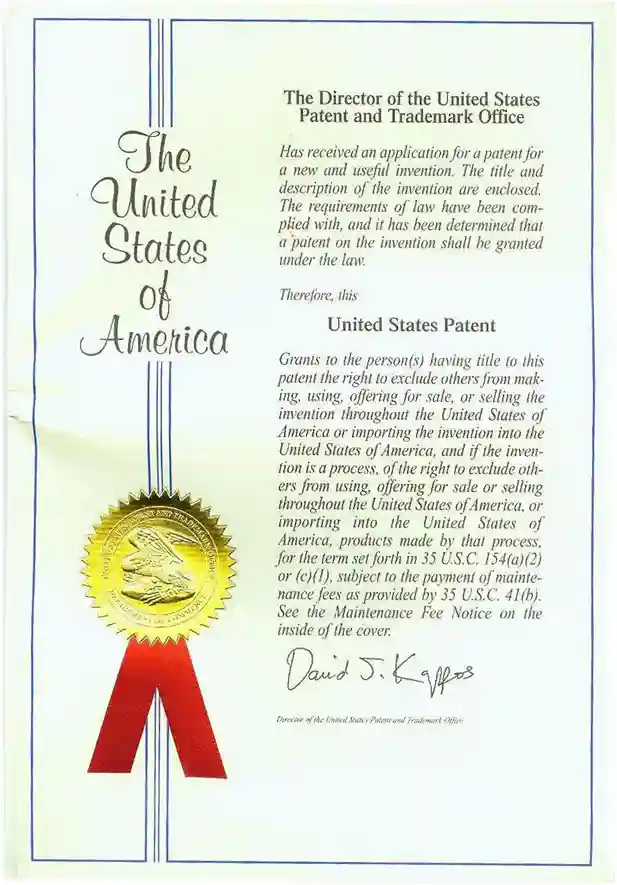
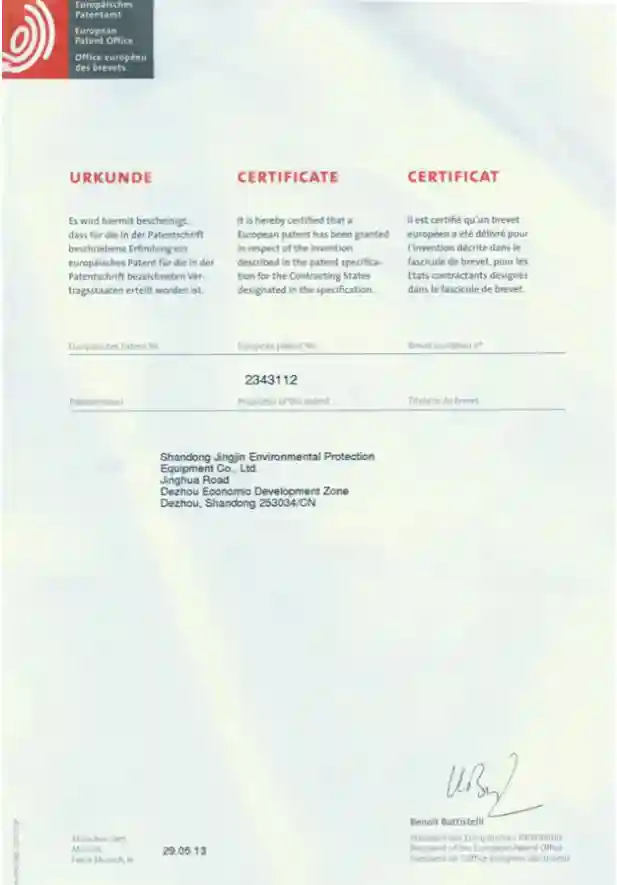
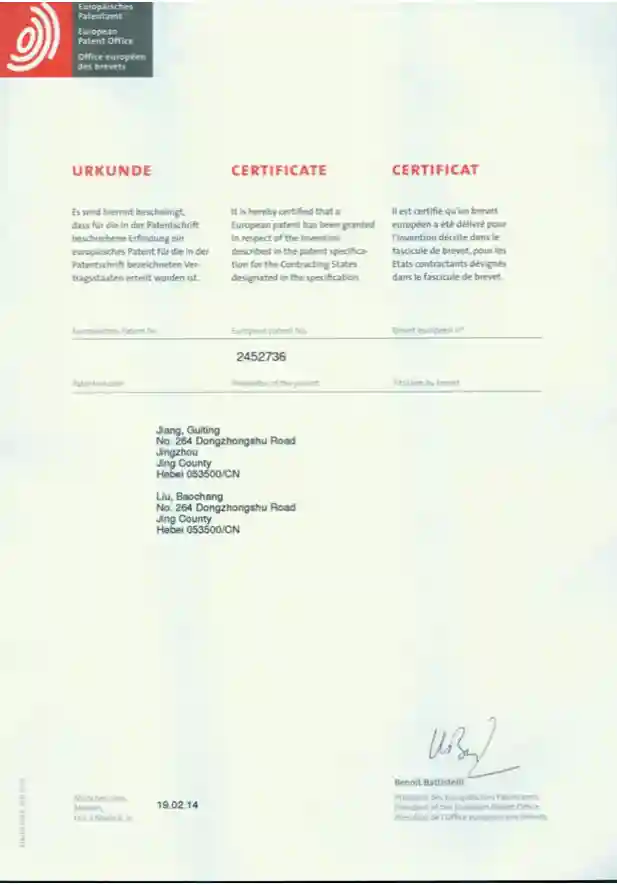
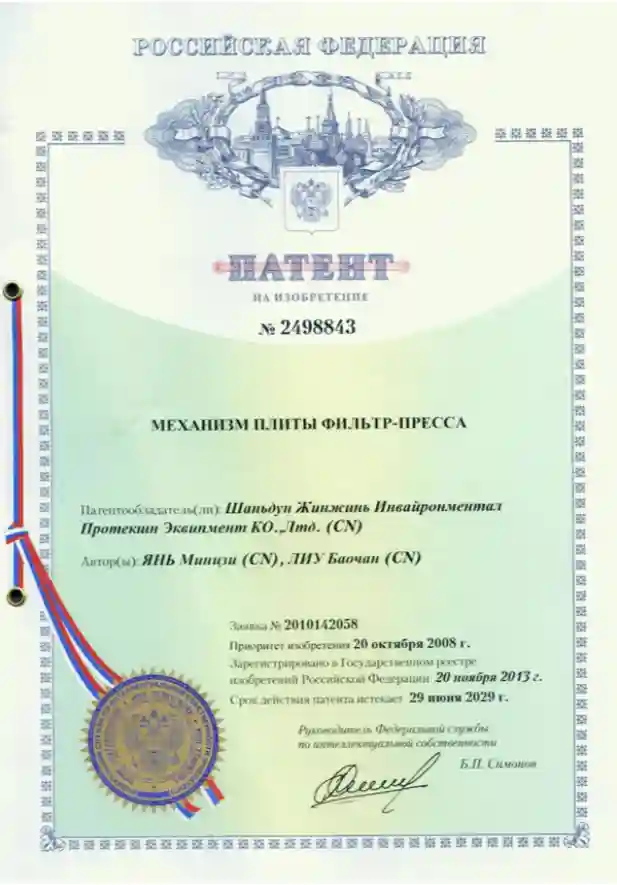
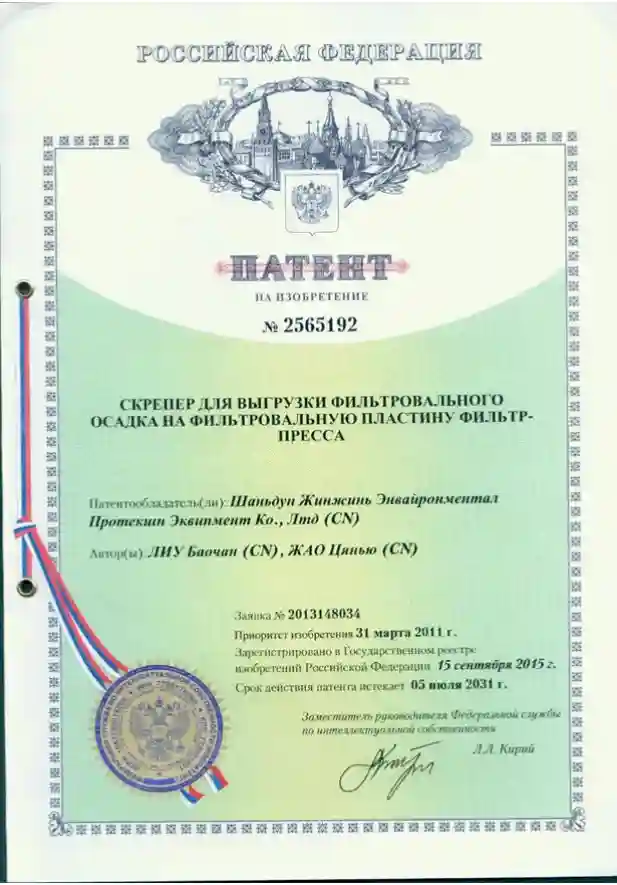
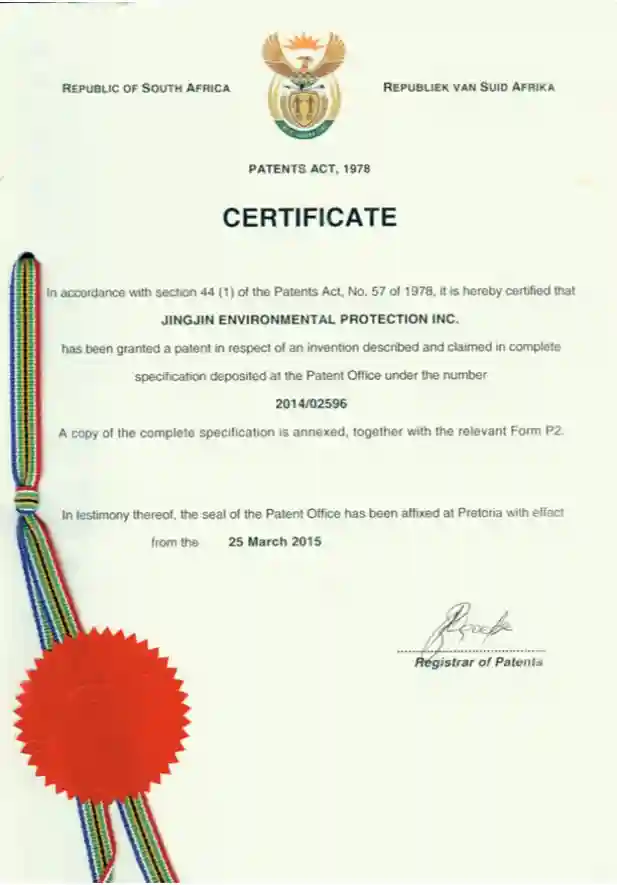
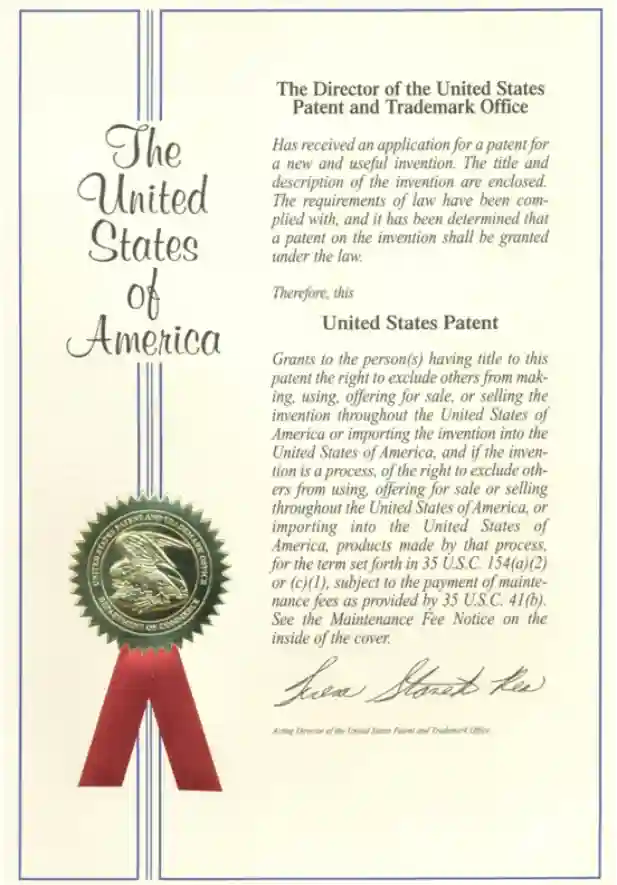
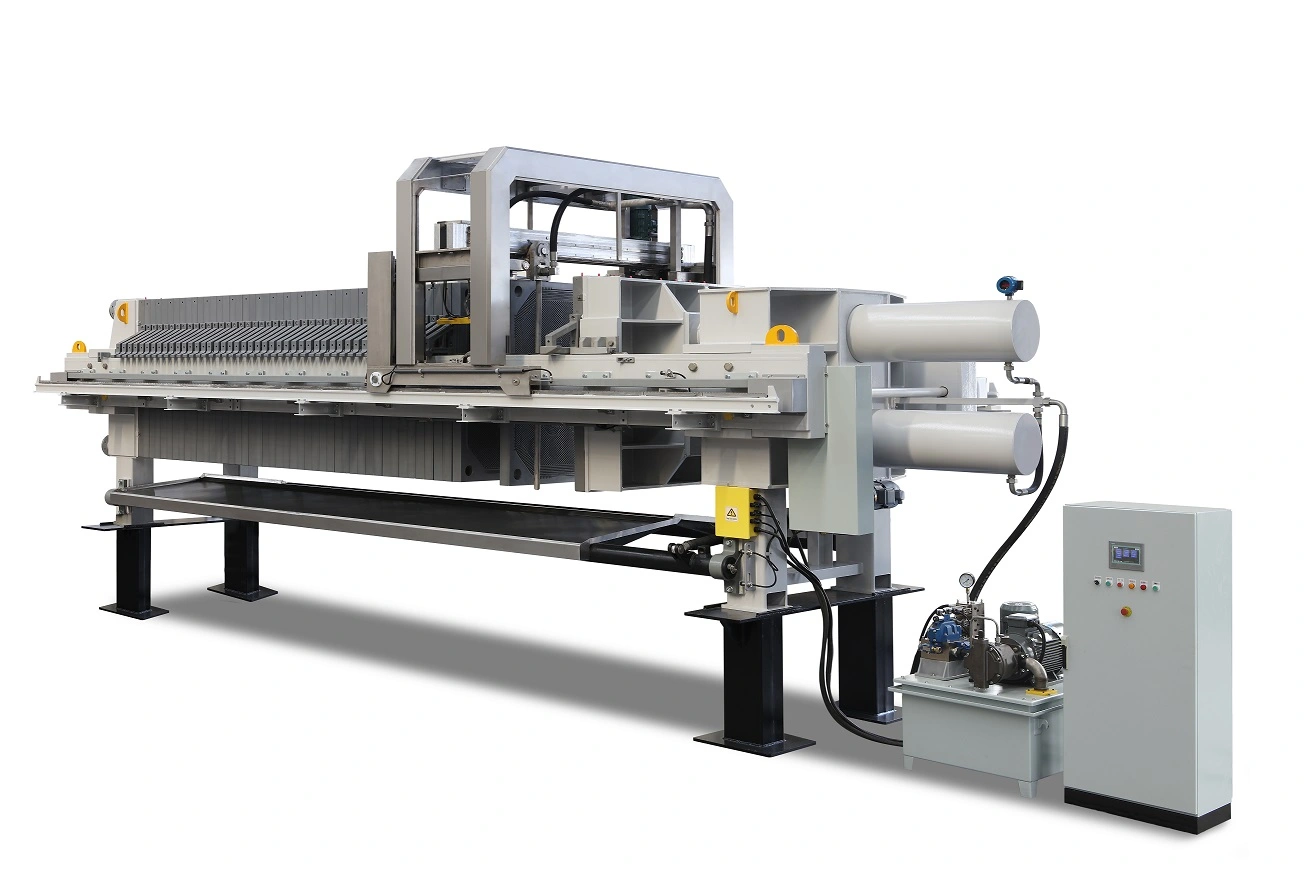
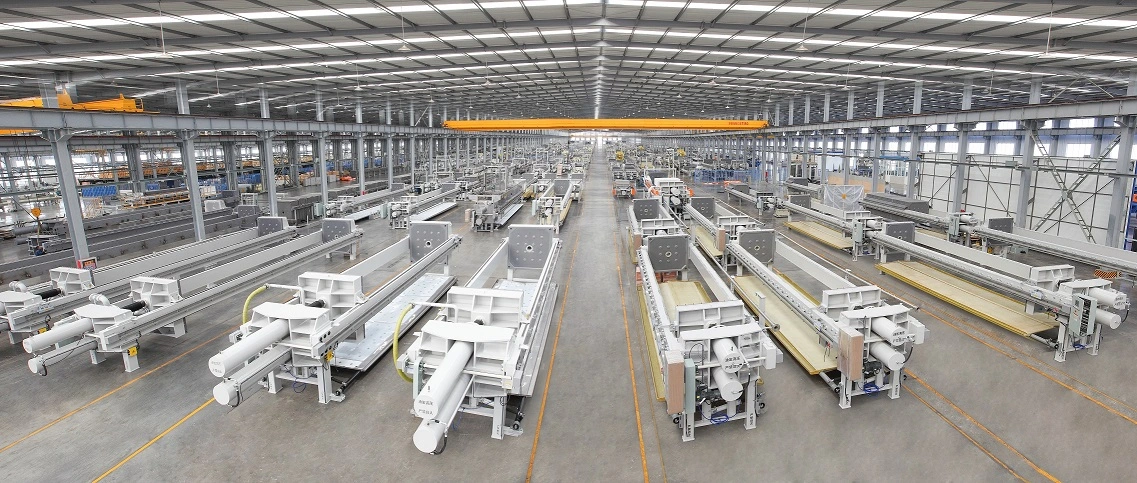
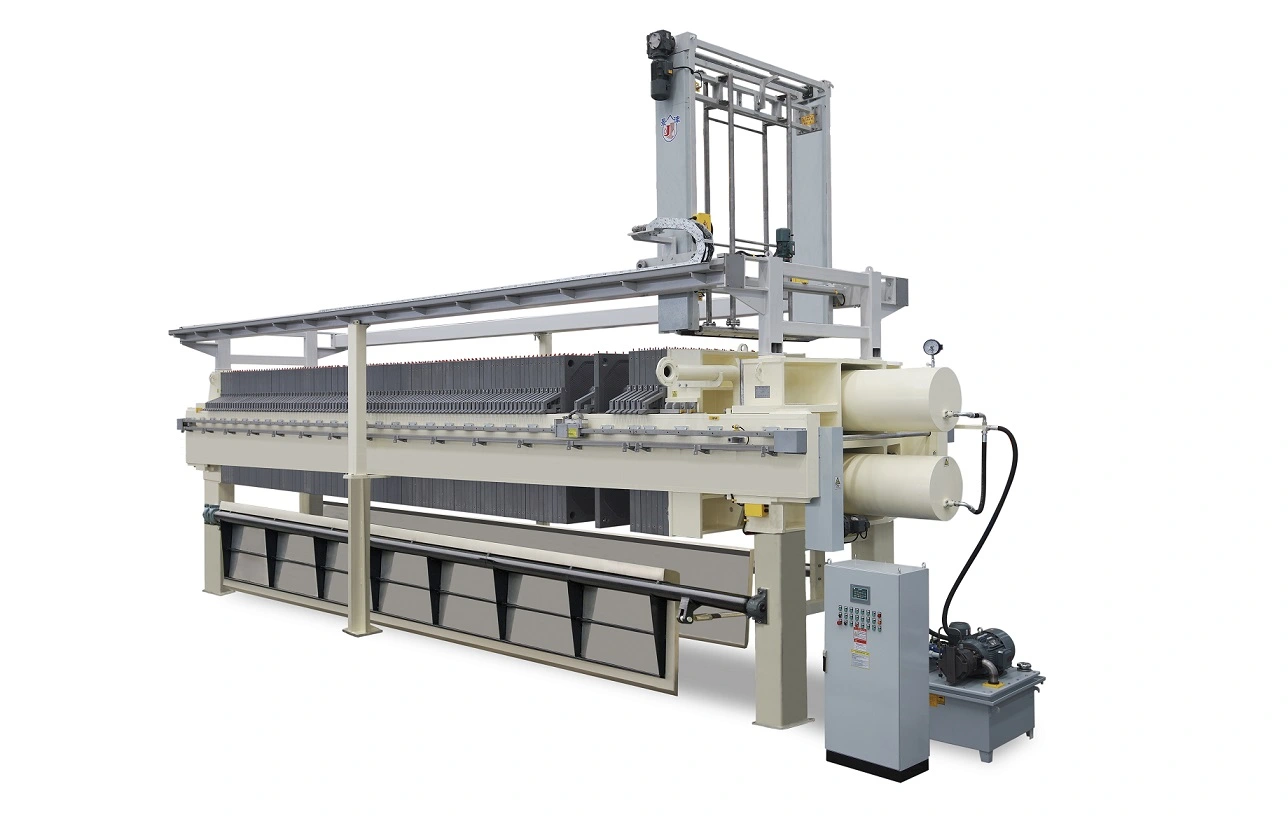
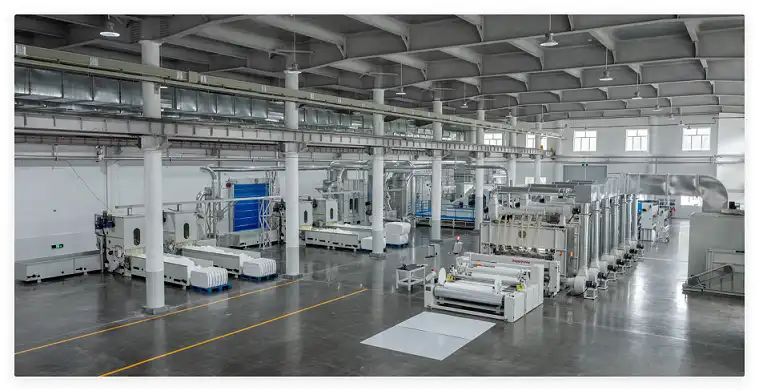
With over 30 years of filtering experience, Jingjin Equipment Inc. provides solid-liquid separation solutions to 123 countries. Our broad selection comprises high-quality filter cloths for diverse filtering applications, including chemical processing environment-specific materials. Woven and non-woven choices are available, as well as bespoke solutions for specialized processes. Our filtering cloths efficiently separate solids and liquids at high flow rates and provide clean filtrates. Over 136 patents and large-scale production enable us to produce dependable, long-service-life filtering solutions that enhance wastewater treatment, mining, food processing, and chemical engineering operations.
Conclusion
Chemical processing efficiency and operational dependability depend on durable filter press cloths. Selecting, maintaining, and buying these specific filtering media affects product quality, operating costs, and regulatory compliance. Process engineers and procurement managers may maximize performance and cost-effectiveness by knowing material qualities, application requirements, and supplier capabilities. Premium filtering cloths save downtime, maintain product quality, and cut equipment lifetime costs.
Frequently Asked Questions
Q1: What materials make a filter press cloth suitable for high durability in chemical processing?
A: High-durability filtration cloths for chemical processing are typically made from PTFE (polytetrafluoroethylene), polypropylene, or specialized synthetic fiber blends. PTFE offers exceptional chemical resistance and can withstand extreme pH levels, making it ideal for highly corrosive environments. Polypropylene provides excellent chemical compatibility at a more economical price point, while composite materials combine multiple fibers to achieve enhanced mechanical strength and abrasion resistance for demanding applications.
Q2: How often should filter press cloths be replaced in a chemical processing plant?
A: Replacement frequency depends on several factors, including chemical exposure, operating pressure, filtration load, and cloth material quality. High-quality cloths in moderate chemical environments may last 6-18 months, while harsh conditions might require replacement every 3-6 months. The key is monitoring performance indicators such as flow rate decline, cake quality deterioration, or visible fabric damage rather than following rigid time schedules.
Q3: Can filter press cloths be custom-designed to fit specific filtration requirements?
A: Yes, reputable manufacturers offer extensive customization options, including specific pore sizes, edge treatments, material formulations, and dimensional specifications. Custom solutions can address unique particle size distributions, chemical compatibility requirements, temperature ranges, and mechanical strength needs. Working with experienced suppliers ensures optimal cloth design for specific chemical processing applications.
Partner with Jingjin for Superior Filter Press Cloth Solutions
Choice of filter press cloth manufacturer may greatly affect chemical processing efficiency and profitability. Jingjin provides dependable, high-performance solutions suited to your needs using decades of filtering knowledge and cutting-edge manufacturing. A wide product range and global service network offer reliable supply chain support for crucial filtering demands. Our technical staff guides you through the selection and deployment of standard or bespoke filtration cloths. Ready to improve chemical processing filtration? Send us an email at [email protected] to explore how our filter press cloth supplier knowledge may improve your operations.
References
1. Chemical Engineering Progress, "Advanced Filtration Technologies for Chemical Process Industries," Vol. 118, No. 3, American Institute of Chemical Engineers, 2022.
2. Industrial Water Treatment Magazine, "Optimizing Filter Press Performance in Chemical Manufacturing," Filtration & Separation Technology Review, 2023.
3. Process Engineering Journal, "Material Selection Criteria for Chemical Resistant Filtration Media," International Chemical Processing Association, 2022.
4. Separation Science and Technology, "Performance Evaluation of High-Durability Filter Cloths in Harsh Chemical Environments," Taylor & Francis, 2023.
5. Chemical Processing Equipment Handbook, "Filter Press Operation and Maintenance Best Practices," Industrial Press Inc., 2022.
6. Journal of Membrane Science, "Advanced Synthetic Filter Materials for Industrial Liquid-Solid Separation," Elsevier Science Publishing, 2023.