Why Choose a stainless pressure tank for Your Storage Needs?
Understanding Stainless Pressure Tanks: Structure, Function, and Benefits
- Understanding Stainless Pressure Tanks: Structure, Function, and Benefits
- Comparing Stainless Pressure Tanks with Alternative Materials
- How to Choose the Right Stainless Pressure Tank for Your Needs
- Maintenance, Safety Guidelines, and Long-Term Performance
- Procuring Stainless Pressure Tanks: What Buyers Need to Know
- Conclusion
- FAQ
- Partner with Jingjin for Superior Pressure Vessel Solutions
- References
When keeping important fluids in tough circumstances, a stainless pressure tank offers unrivaled dependability. These designed vessels are very resistant to corrosion and have structural stability that lasts decades longer than other materials. Process engineers, wastewater managers, and procurement pros are looking to stainless steel because it doesn't let contamination happen, lowers long-term upkeep costs, and ensures that strict safety and environmental rules are followed. Longer service life, little downtime, and steady performance in pharmaceuticals, chemical processing, and industrial wastewater use make the original investment worthwhile.
Understanding Stainless Pressure Tanks: Structure, Function, and Benefits
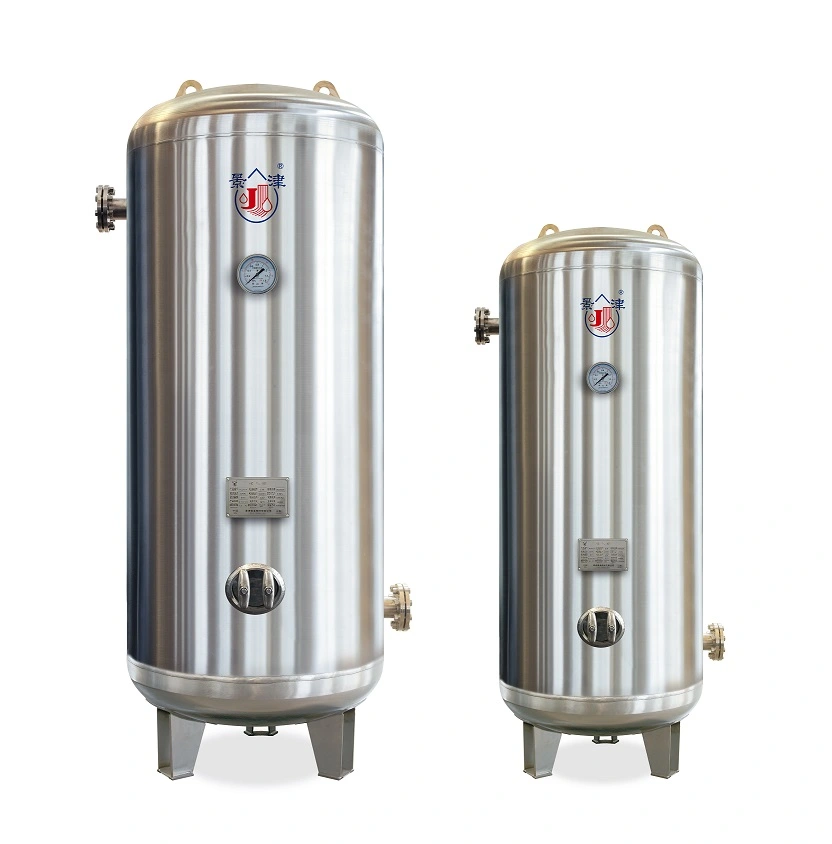
A stainless pressure tank is a high-integrity container that is made to hold gases, liquids, or vapors at pressures that are much higher or lower than the air pressure outside. These tanks solve long-standing problems in the industry, like fluid contamination, fast material breakdown in acidic environments, and the terrible risks that come with material wear.
Core Construction and Material Excellence
Austenitic stainless steel alloys, mostly types 304, 304L, 316, and 316L, are used in modern pressure tanks. The chromium in these metals creates an inactive oxide layer that fixes itself when it gets scratched. This layer protects against oxidation and chemical attack all the time. Because of this metallurgical benefit, interior coatings are not needed, so there are no problems with peeling and contamination like there are with carbon steel options.
The building has to meet strict requirements, including having a high tensile strength of more than 75,000 psi, great cold flexibility down to -320°F, and a good strength-to-weight ratio that makes installation easier. There are different types of surface finishes, from the normal 2B mill finish to mirror-polished finishes with Ra values below 0.4μm, which are safe for use in pharmaceutical and food-grade applications.
Operational Benefits Driving ROI
Corrosion resistance directly leads to longer service life. In harsh settings, carbon steel tanks might need to be replaced every 10 to 15 years. However, stainless pressure tanks that are well taken care of usually last 30 years or more. The better thermal transfer makes jacketed heating and cooling more efficient, which means less energy is used for temperature-controlled processes.
Compatibility with hygienic design is another important benefit. Clean-in-Place (CIP) and Steam-in-Place (SIP) methods work perfectly with stainless pressure tanks. This cuts down on the time it takes to clean and ensures compliance for controlled industries. Surfaces that don't let germs stick are good for places that handle biological batches or dairy products because they can handle being cleaned over and over with high pressure and high temperature.
Plant operations leaders and EPC project managers can be sure that their equipment meets the requirements of multiple markets when it conforms to global standards like ASME Section VIII Division 1, PED 2014/68/EU, and GB150.
Comparing Stainless Pressure Tanks with Alternative Materials
The choice of material has a big effect on the total cost of ownership, the safety of operations, and compliance with the rules. Understanding differences in performance helps procurement managers make choices that they can back up and that are in line with the long-term goals of the building.
Stainless Steel vs. Carbon Steel Performance
To stop rusting, carbon steel tanks need to have coats or linings on the inside or outside. This means they need to be maintained regularly and could be a source of contamination. When coatings fail, which they always do, emergency fixes throw off production plans and make the product less pure. Because it is naturally resistant to rust, stainless steel gets rid of these weaknesses.
The difference in life is very clear in places that clean wastewater because hydrogen sulfide, chlorides, and changing pH levels speed up the breakdown of carbon steel. Municipalities say that stainless steel equipment lasts 40 to 60 percent longer between service visits, which lowers lifetime costs even though it costs more up front. The benefits are the same for chemical plants that use acids, solvents, or brines. 316L grade stainless steel is especially good at resisting pitting and stress-corrosion cracks.
Advantages Over Plastic and Composite Tanks
Metal barrels are stronger, can handle higher temperatures, and can handle more pressure than plastic tanks. When working pressures need to be above 150 psi or temperatures need to be above 180°F, a metal building is needed. Stainless steel can handle stress levels up to 800°F (427°C), which means it can be sterilized by steam and react chemically with high temperatures that polymer materials can't handle.
Chemical compatibility improves when the building is made of stainless steel. Some plastics don't react well with certain chemicals, but some types of stainless steel do. These grades are resistant to organic acids, alkaline solutions, and oxidizing agents. This flexibility is very helpful in places that make a lot of different products or deal with a lot of different types of trash.
Material Grades and Pressure Ratings
Grade 304 is used for a wide range of tasks in non-marine settings with mild chemical exposure. Adding molybdenum to grade 316 makes it much more resistant to chloride, which is why it is needed for sites near the coast, working with salt, and making medicines. Duplex stainless steels, such as 2205, are even stronger and less likely to rust in the toughest situations.
Ratings for pressure rely on the material grade, wall thickness, and width. Standard designs can handle working pressures between 50 and 300 psi, and higher pressures can be handled by special tanks. Tanks that are rated for full vacuum (FV) have determined wall thickness and strengthening rings to keep them from imploding when the vacuum is on.
How to Choose the Right Stainless Pressure Tank for Your Needs
To choose the right pressure tanks, you need to carefully look at the process needs, the rules and regulations, and the limitations of the operation. Because this choice is so complicated, experienced process engineers stress the importance of a full review right away.
Capacity and Pressure Requirements Assessment
Do correct volumetric estimates that take into account the amount of the liquid, the room for the vapor, and the expansion due to heat. Tanks that are too small can slow down operations and pose safety risks, while tanks that are too big waste money and floor space. Working pressure needs to be able to handle normal conditions plus safety gaps. Vessels are usually sized for the highest pressure that is expected to be applied times 1.2 to 1.5.
Demands in different industries are very different. When mining companies deal with slurry and tailings, they need strong systems with internals that don't wear down easily. Larger tanks that can handle changes in flow are good for municipal wastewater treatment plants. Chemical companies need to keep temperatures very stable, so they may ask for jacketed designs with coils inside.
Certification and Quality Assurance
Quality control includes many steps of checking. Non-Destructive Testing (NDT), which includes Radiographic Testing (RT), checks all longitudinal and circular weld gaps for flaws inside. Dye Penetrant Testing (PT) checks the quality of the surface. The hydraulic pressure test, which is done at 1.3 to 1.5 times the original pressure, makes sure that the structure is strong enough before it is put into service.
Pressure vessel tank manufacturers use Positive Material Identification (PMI) to confirm that metal chemistry meets required specifications, avoiding costly material mix-ups. Surface roughness profilometry is applied to measure finish quality for medical applications. Helium mass spectrometry is adopted to test for vacuum leaks and ensure the quality of high-purity gas service.
In North America, the ASME "U" Stamp certification is the gold standard for the business. It shows that strict requirements for design, manufacturing, and testing have been met. PED approval is recognized in European markets, and similar norms are also in place in other places.
Customization and Integration Considerations
Standard catalog tanks work well for many uses, but customizing them improves performance and fits better with other parts. Specialized port shapes, tip sizes, and mounting arrangements make it easier to connect pipes. Depending on the process, internal vents can either make mixing better or lessen noise. Insulation on the outside of a building saves energy and keeps process temperatures stable even when the outside temperature changes.
EPC workers like it when makers provide a lot of paperwork, like precise drawings, material certifications, and operation instructions. This paperwork makes it easier to approve and start a job. Technical help during setup and installation keeps mistakes from happening, which saves money and speeds up the time to production.
Maintenance, Safety Guidelines, and Long-Term Performance
Good stewardship saves people and extends the life of tools. Most pressure tank accidents can be avoided by setting up strong repair procedures and safety systems.
Preventative Maintenance Protocols
Visual checks done on a regular basis can find early danger signs like changes in the surface color, weeping at the seams where the metal was welded, or strange vibrations. External inspections once a year and internal inspections every five years are what most jurisdictions demand. Facilities that work with materials that are especially harmful may need to be inspected more often.
How often you clean depends on how the process works. For sanitary uses, cleaning is needed after every batch or production run. Although wastewater systems can work for a long time without being cleaned, they do benefit from passivation processes that restore the protective chromium oxide layer after welding fixes or mechanical damage.
Safety System Requirements
Pressure release valves are the main safety device, and they are big enough to stop overpressure even in the worst cases. These valves need to be tested and recertified every year. In serious situations, burst discs offer extra safety. Pressure gauges and level indicators let operators keep an eye on things and move before the alarm systems go off.
Installation factors include a base that can hold the full weight, seismic restraints in areas prone to earthquakes, and enough space for upkeep workers to get to the structure. The piping has to be able to handle temperature growth without putting too much stress on the tank nozzles.
Extending Service Life
By avoiding common mistakes, you can make your tank last a lot longer. Do not go over the recommended pressure or temperature limits, even for a short time. Rapid changes in temperature cause thermal stress; use heating and cooling steps that are slower. Galvanic corrosion happens when two different metals touch each other. When attaching to carbon steel pipes, use the right gaskets and separation flanges.
Environmental factors are important. Corrosion is sped up by chlorine in the air near the coast or in deicing salts; choose 316 grade for these settings. Condensation on the outside of things is avoided by having enough airflow. Protective coats on the outside of things don't stop rust, but they can make things look better and keep heat in.
Procuring Stainless Pressure Tanks: What Buyers Need to Know
Technical requirements, business terms, and seller skills must all be balanced for procurement to go well. Because pressure tanks are so complicated and safety-critical, it is important to choose a seller carefully.
Identifying Qualified Suppliers
Manufacturers with a good reputation have strong quality control systems that are approved to ISO 9001 or similar standards. Make sure that the manufacturing sites are still approved by ASME and that they only hire certified welders. Ask for examples from similar projects and look into the supplier's history of on-time delivery and customer service after the sale.
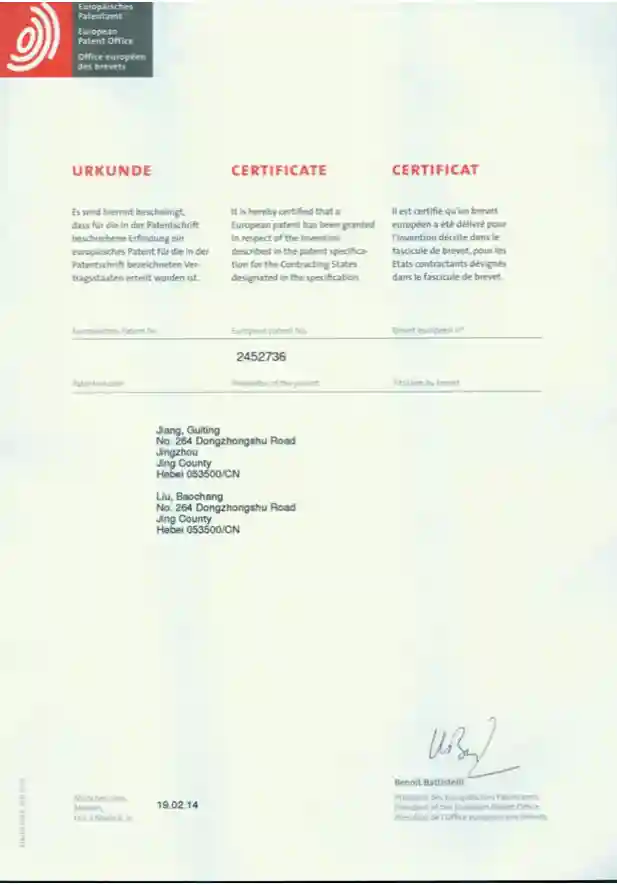
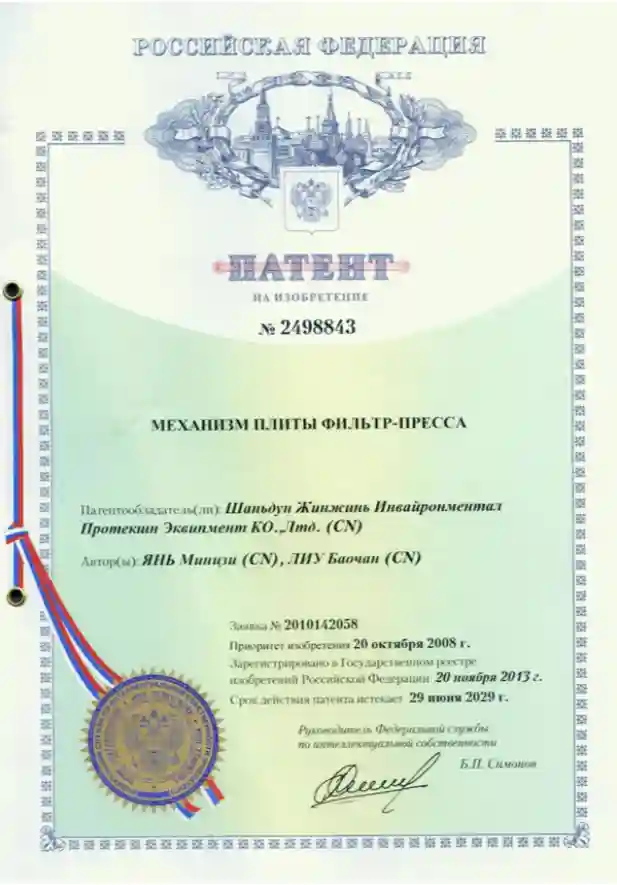
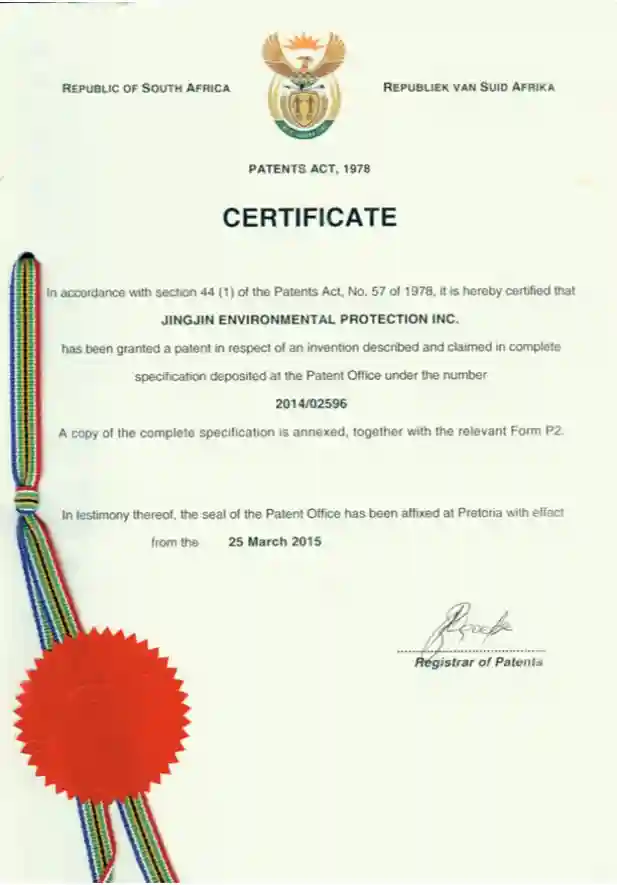
When you need standard equipment at multiple sites for a big project, global suppliers like Jingjin Equipment Inc. can help because they have factories and service networks in multiple countries. Well-known companies that have a lot of patents show that they are always coming up with new ideas and improving their technology.
Commercial Considerations
Pricing models for a stainless pressure tank take into account the cost of materials, the difficulty of production, the need for approval, and the level of personalization. The price of stainless steel changes all the time. For jobs with long lead times, some sources offer price protection. If you buy more than one identical vessel, you may be able to get a volume rate that lowers the price per unit by 15 to 25 percent.
Most warranties cover flaws in materials and workmanship for 12 to 24 months after the product is put into service. For an extra fee, you can sometimes get guarantees that last longer. Make sure you understand the warranty's rules about who can check the product, how it can be used, and how often it needs to be maintained.
Ordering Process and Logistics
Lead times range from 8 to 12 weeks for basic designs to 16 to 24 weeks for big or highly customized ships. For extra fees, sometimes it is possible to speed up output. Surprises can be avoided by being clear about delivery needs, site entry issues, and installation help requirements.
Certain tools and routes are needed to transport big pressure tanks. Documentation, packaging, and shipping planning are all taken care of by suppliers who have experience with foreign markets. When traveling by land to get to remote mine sites or building sites, you need to pay close attention to the weight limits and clearance heights on the roads.
Conclusion
When it comes to rust resistance, durability, and dependability, stainless pressure tanks are clearly better in a wide range of challenging industrial settings. The better performance of grades 304 and 316 stainless steel makes the original investment worthwhile because they require less upkeep, last longer, and don't let contamination happen. For best results, choose carefully, taking into account size, pressure ratings, certifications, and the supplier's skills. Purchasing managers and process engineers who care about quality and long-term value always choose stainless steel buildings because it meets all safety and legal standards with the lowest total cost of ownership.
FAQ
Q1: What distinguishes 304 from 316 grade stainless pressure vessels?
Molybdenum is added to Grade 316, which makes it much more resistant to chlorides, salt spray, and saltwater conditions. This better corrosion protection is good for chemical plants that work with brines or seaside sites that deal with seawater. Grade 304 is used for a wide range of tasks in rural areas with mild chemical exposure.
Q2: Can these vessels operate under vacuum conditions safely?
It is safe to use vacuum service on vessels that have been built and approved as "Full Vacuum" (FV) rated. Standard designs for pressure vessels may fail in a vacuum unless they are specially designed with thick enough walls and stiffening rings on the outside. Before putting any tank under sub-atmospheric pressure, you should always check the vacuum grade.
Q3: Why does welding require subsequent passivation treatment?
The protective chromium oxide layer can be broken by welding heat, which can leave free iron on the surface. To get rid of these impurities and repair the self-healing inactive layer, passivation uses treatments with citric or nitric acid. Skipping passivation speeds up rust in the joint areas.
Q4: What inspection frequency do regulations typically mandate?
Most places need official internal checks every five years and visual inspections from the outside every year. More strict rules may apply to facilities that work with especially dangerous materials or that are close to their highest construction limits. Always check the rules in your area and the needs of your insurance company.
Partner with Jingjin for Superior Pressure Vessel Solutions
When it comes to solid-liquid separation and pressure containment, Jingjin Equipment Inc. has more than 35 years of technical success and more than 136 patents to its name. We know what mining operations, local wastewater facilities, chemical manufacturers, and EPC builders need because we are a dependable stainless pressure tank provider that works with 123 countries. Our pressure vessels work perfectly with filtration systems, giving you full options that get the job done as quickly and cheaply as possible.
Email our tech team at [email protected] to talk about your unique needs. Our global service network backs up the thorough technical specs, compliance paperwork, and competitive quotes we give you. Jingjin can meet your critical infrastructure needs with its manufacturing capacity and track record of dependability, whether you need a single vessel or an organized supply for projects that span multiple sites.
References
1. American Society of Mechanical Engineers. (2019). ASME Boiler and Pressure Vessel Code, Section VIII, Division 1: Rules for Construction of Pressure Vessels. New York: ASME Press.
2. Baddoo, N.R. (2008). Stainless steel in construction: A review of research, applications, challenges and opportunities. Journal of Constructional Steel Research, 64(11), 1199-1206.
3. European Parliament and Council. (2014). Directive 2014/68/EU on the harmonisation of the laws of the Member States relating to the making available on the market of pressure equipment. Official Journal of the European Union.
4. Sedriks, A.J. (1996). Corrosion of Stainless Steels (2nd ed.). New York: John Wiley & Sons.
5. Singh, R. (2017). Applied Welding Engineering: Processes, Codes, and Standards (2nd ed.). Oxford: Butterworth-Heinemann.
6. Townsend, H.E. (2015). Maintenance, repair, and protection of stainless steels. In ASM Handbook, Volume 13C: Corrosion: Environments and Industries (pp. 521-534). Materials Park, OH: ASM International.
jingjin
Founded in 1988, Jingjin specializes in filter presses and liquid-solid separation solutions, serving over 130 countries worldwide, and is a standard-setter in China's filter press industry.
Get the Filter Press guide
Enter Your Email for Technical assistance for the Filter Press.



Recommended Blog
Affordable Filter Press Machines for the Chemical Industry: What to Look For
Feed Pump Flow Rate for Filter Press: How to Calculate and Optimize It

Cost-Effective Filter Press Cloth Options for Wastewater Treatment
Customized Filter Press Plates for the Mining Industry: What You Need to Know