Cost-Effective Filter Press Cloth Options for Wastewater Treatment
Understanding Filter Press Cloth in Wastewater Treatment
- Understanding Filter Press Cloth in Wastewater Treatment
- Key Criteria for Selecting Cost-Effective Filter Press Cloth
- Comparing Filter Press Cloth Options: Making the Right Choice
- Maintenance, Cleaning, and Installation Best Practices
- Procurement Insights: Where and How to Buy Filter Press Cloth
- Conclusion
- FAQ
- Partner with Jingjin for Superior Filter Press Cloth Solutions
- References
Finding the best filter press cloth for treating wastewater means finding the right balance between efficiency, longevity, and cost-effectiveness. In the process of separating solids from liquids, these special filter media are very important. They help facilities follow the rules and keep costs low. Modern filter press cloths are made of high-tech materials and have been carefully designed to remove more water from a wide range of industrial processes.
Understanding Filter Press Cloth in Wastewater Treatment
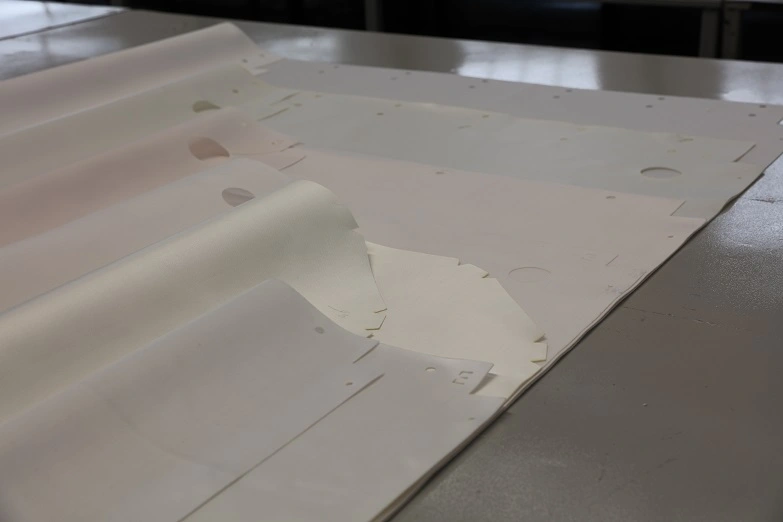
Filter press cloth is the most important part of mechanical filtering systems because it keeps solids and liquids apart during the sifting process. When waste water goes into the filter press room, the cloth traps solids but lets clean runoff flow through its designed hole structure. With this sorting device, facilities can cut the amount of sludge by up to 80%, which lowers the cost of removal and makes the process run more smoothly overall.
Types of Filtration Media
Two main types of filter press materials are used in the wastewater treatment industry: those that are woven and those that are not. Woven cloths are made up of synthetic fibers that are woven together to make regular hole structures. This makes them perfect for uses that need to keep particles in place consistently and have high mechanical strength. Non-woven options use bound fiber structures that are better at holding dirt and giving a clearer start, which is especially helpful when working with different types of mud.
Material Composition and Performance Characteristics
Polyester and polypropylene are the most popular types of filter press cloth because they are very resistant to chemicals and don't melt at high temperatures. Different types of polyester work well in environments with mild pH levels and temperatures up to 150°C. On the other hand, different types of polypropylene work well in harsh chemical environments with pH levels from 1 to 14. These man-made materials don't break down biologically and keep their shape over long periods of time, which lowers the number of replacements needed and the costs of upkeep.
Performance measures include permeability rates, which show how fast the processing is going, and filtering efficiency, which is shown by the number of particles that are kept. Good filter cloths can keep 99.5% of the particles they catch and keep flow rates between 2 and 8 gallons per square foot per minute, based on the type of sludge and the working pressure.
Key Criteria for Selecting Cost-Effective Filter Press Cloth
When making buying choices, it's important to think about how the total cost of ownership will affect the decision and the original investment. Material compatibility is the most important factor in choosing a cloth because clothes that aren't suitable break down quickly when they are exposed to harsh chemicals or high temperatures. When buying, teams understand the science of garbage, and they can choose the right materials that will last the longest.
Essential Selection Parameters
When choosing filter media, there are a few important things that affect how much it costs and how well it works:
- Chemical Compatibility: The fabric must not be damaged by acids, bases, solvents, or other chemicals that are present in the sewer stream. This is to make sure that the fabric works the same way throughout the operating cycle.
- Mechanical Durability: Good fabrics can handle being compressed and released many times without tearing or changing shape in ways that make filters less effective.
- Cleaning Characteristics: Surfaces that are easy to clean require less upkeep time and chemicals, and materials that don't get permanently dirty last longer between repairs.
- Temperature Tolerance: The right temperature grade stops thermal damage that causes things to break down early and cost a lot more to replace than thought.
Together, these selection factors tell us if the cloth is right for certain wastewater treatment tasks. This helps sites get reliable results and reasonable running costs.
Real-World Cost Optimization Strategies
Municipal wastewater treatment plants have saved a lot of money by using smart purchasing methods that put lifetime value over original price. An Ohio treatment plant of a moderate size cut its yearly filter costs by 30% by carefully choosing the materials it used and improving the way it cleaned them. The facility moved from using normal woven cloth to specialized non-woven options that were made to work with their specific type of sludge. This led to longer service intervals and better drying efficiency.
Comparing Filter Press Cloth Options: Making the Right Choice
To effectively compare filter media, you need to know the specific pros and cons of each choice when it comes to the features of the garbage. While traditional filter paper is cheap to buy, it doesn't last long enough for commercial use. On the other hand, metal screens are very strong but can't hold as many particles. The best features of both options are combined in filter press cloth, which reliably captures particles and has the tensile power needed for automatic processes.
Woven Versus Non-Woven Configurations
Because of their different structures, woven and non-woven cloths have different performance patterns that work best in different wastewater treatment situations. The exact pore shapes of woven fabrics allow for accurate particle size control and uniform filter quality. The structure of the interwoven fibers gives it great dynamic strength and makes it less likely to tear during cake release operations. Because of these features, woven cloths are perfect for tasks that need to handle rough objects or meet exact particle retention requirements.
Non-woven options use fiber meshes that are randomly arranged to make flow paths that are more complex. This makes it easier for depth-filtering devices to catch particles. This design is great at keeping small bits that could get through weave structures from getting through. The three-dimensional fiber network also does a great job of keeping dirt in. Non-woven cloths are especially useful when the size of the particles is changing or when the cleanliness of the original solution is a key performance factor.
Material-Specific Performance Analysis
Polyester filter cloths are very useful for a wide range of wastewater treatment tasks because they are moderately resistant to chemicals and have great mechanical qualities. Even when put under pressure, the material doesn't change shape, and it doesn't break down in water. Most municipal and commercial sewer streams can be handled at temperatures up to 150°C, and the smooth fiber surface makes cleaning and cake release easier.
Polypropylene choices work better in places where chemicals are strong, where polyester might break down. Strong acids and bases can't damage the material, and it stays flexible at low temperatures. Polypropylene is slippery, which makes it easier to clean and helps cakes come out more efficiently. This lowers the need for upkeep and the costs of work that goes along with it.
Maintenance, Cleaning, and Installation Best Practices
The right way to install, maintain, and clean a filter press cloth has a big effect on how well it works and how long it lasts. This has a direct effect on running costs and system stability. The right way to put something is to make sure that the pressure is spread out evenly so it from wearing out too quickly. The right way to clean it gets rid of dirt and other contaminants without hurting the structure of the fabric.
Installation Guidelines and Common Pitfalls
The first step to a successful installation is to carefully check both the cloth and filter press tools for any problems before they are used. The cloth needs to be lined up correctly with the plate closing sides so there are no folds or wrinkles that let leaks happen and lower the effectiveness of the filter. When tensioning is done right, it stops the fabric from moving too much during use without being too tight, which could damage the fabric or stop it from expanding normally.
Misaligning the drain holes, not properly preparing the closing surface, and putting the cloth in the wrong direction are all common installation mistakes. These problems cause the drainage to not work well, require more upkeep, and require the cloth to be replaced too soon. Before starting the filter process, good installation methods include regular checks at each step to make sure everything is in the right place and working properly.
Cleaning Methods and Maintenance Schedules
Effective cleaning procedures remove all contaminants completely while also protecting the cloth. This increases the service life while keeping the filter performance. Some mechanical ways to clean include backflushing with compressed air and washing with water at controlled pressures. Chemical cleaning gets rid of certain contaminants by using solutions that break down or remove fouling substances without harming the fabric itself.
Maintenance plans are different for each type of garbage and working conditions, but they usually include eye checks every day, performance checks every week, and thorough checks every month. Recording pressure differences, flow rates, and eye notes regularly allows for predicted scheduled repairs that stop unexpected breakdowns and find the best time to replace parts.
Procurement Insights: Where and How to Buy Filter Press Cloth
To buy filter media around the world, you need to know what suppliers can do, what quality standards are in place, and how the market works, as these things affect price and supply. Long-term relationships with dependable makers who offer regular quality, expert support, and helpful customer service are key to successful buying strategies.
Supplier Evaluation and Selection Criteria
Reliable makers set themselves apart by having thorough quality control systems, the ability to test their products in a wide range of ways, and a history of success in wastewater treatment uses. Leading sellers keep their ISO 9001 certification up to date and use strict quality control measures to make sure that their products always work well. Technical support services, such as application building and fixing help, add value that makes business agreements worthwhile.
Procurement workers should look at a possible supplier's ability to make things, the areas they cover, and their inventory control systems to make sure they can meet shipping dates. Companies that sell to customers all over the world need providers that can handle foreign services and have regional delivery networks that cut down on wait times and shipping costs.
Pricing Structures and Procurement Strategies
The price of filter press cloth usually runs between $15 and $45 per square meter, but it depends on the type of material, the number of square meters ordered, and any customization needs. Standard polyester knitted clothes are at the lower end of this price range. On the other hand, materials made especially for harsh chemical conditions cost a lot more. Orders of more than 1,000 square meters qualify for volume savings, which makes combined purchasing strategies appealing for big businesses.
Different providers have different minimum order sizes, but for basic goods, they are usually between 100 and 500 square meters. For custom designs, the minimum order size may need to be higher to cover the costs of tools and setup. Standard goods usually have lead times of two to four weeks, while special orders can take anywhere from six to twelve weeks, based on how complicated they are and how busy the factories are.
Conclusion
To find cheap filter press cloth, you need to carefully consider how well the materials work together, how well they perform, and how well the seller can meet your unique wastewater treatment needs. Good filter media improves drainage performance while lowering running costs by increasing service life and lowering the need for upkeep. Successful buying strategies focus on the total cost of ownership instead of the original purchase price. This is because high-quality materials often offer better long-term value by being more reliable and consistent in their performance.
FAQ
Q1: What factors most significantly influence filter press cloth lifespan?
Material compatibility with wastewater chemistry represents the primary factor affecting cloth longevity. Proper chemical resistance prevents degradation that leads to premature failure, while appropriate mechanical properties ensure durability under operational stresses. Regular cleaning and maintenance practices also significantly impact service life by preventing permanent fouling and mechanical damage.
Q2: How frequently should filter press cloths be cleaned to maintain optimal efficiency?
Cleaning frequency depends on wastewater characteristics and operational conditions, but most applications benefit from daily water washing and weekly chemical cleaning cycles. Monitoring pressure differential and flow rate trends helps optimize cleaning schedules by identifying when performance degradation indicates the need for maintenance intervention.
Q3: Can filter press cloths be customized for specific chemical challenges?
Yes, reputable manufacturers offer extensive customization options, including specialized materials, modified surface treatments, and engineered pore structures that address specific chemical challenges. Custom solutions accommodate unique pH ranges, temperature requirements, and chemical exposures that exceed standard product capabilities.
Partner with Jingjin for Superior Filter Press Cloth Solutions
Jingjin Equipment combines decades of filtration expertise with innovative manufacturing capabilities to deliver filter press cloth solutions that optimize your wastewater treatment operations. Our engineering team works closely with clients to specify materials and configurations that maximize dewatering efficiency while minimizing operational costs. Contact our technical specialists at [email protected] to discuss your specific requirements and discover how our filter press cloth manufacturer capabilities can enhance your filtration performance. Request product samples and technical documentation to evaluate our solutions for your unique wastewater treatment challenges.
References
1. Water Environment Federation, "Industrial Wastewater Treatment: Filter Media Selection and Optimization," WEF Manual of Practice No. 8, 2019.
2. American Water Works Association, "Filtration Media Performance Standards for Municipal and Industrial Applications," AWWA Technical Report M-42, 2020.
3. International Water Association, "Solid-Liquid Separation Technologies: Advances in Filter Press Applications," IWA Publishing Technical Series, 2021.
4. Environmental Protection Agency, "Filter Press Operation and Maintenance Guidelines for Wastewater Treatment Facilities," EPA Technical Bulletin 832-B-18-002, 2018.
5. Chemical Processing Magazine, "Filter Media Selection Criteria for Industrial Wastewater Applications: A Comprehensive Analysis," Volume 84, Issue 3, 2022.
6. Water and Wastewater Treatment Technologies Journal, "Cost-Effectiveness Analysis of Filter Press Cloth Materials in Municipal Applications," Volume 15, Number 2, 2023.
jingjin
Founded in 1988, Jingjin specializes in filter presses and liquid-solid separation solutions, serving over 130 countries worldwide, and is a standard-setter in China's filter press industry.
Get the Filter Press guide
Enter Your Email for Technical assistance for the Filter Press.
Recommended Blog
Customized Filter Press Plates for the Mining Industry: What You Need to Know
What Are Filter Press Plates and How Do They Work? A Comprehensive Guide
Why Vietnam Wastewater Plants Choose China Multi Disk Screw Press?
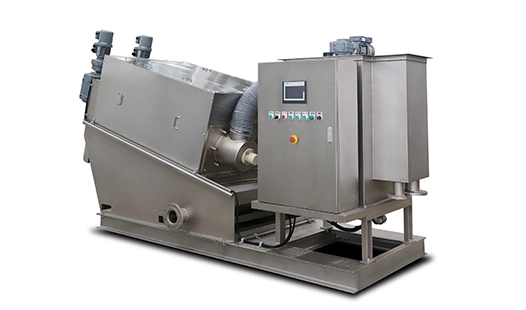
Screw Dewatering Machine Cost from China for Asia Importers
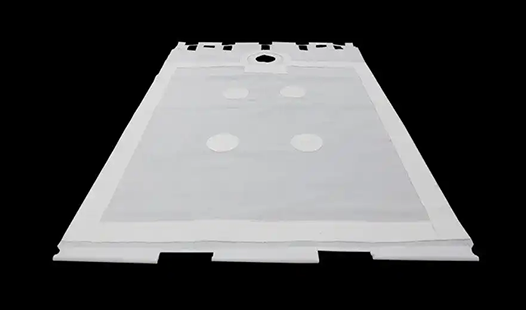
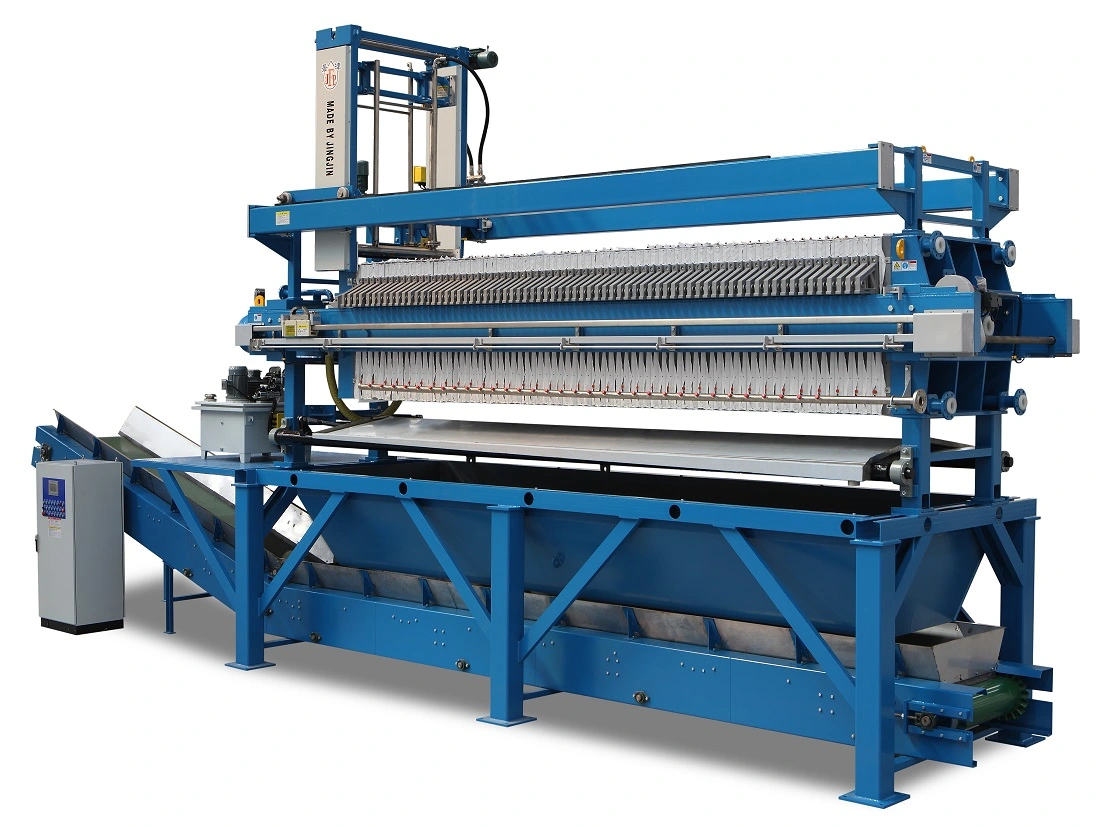

Top Benefits of Using a Filter Press in Industrial Wastewater Filtration
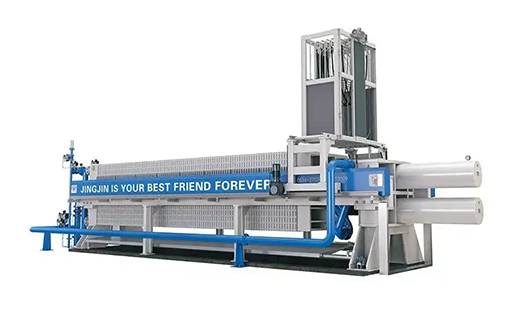
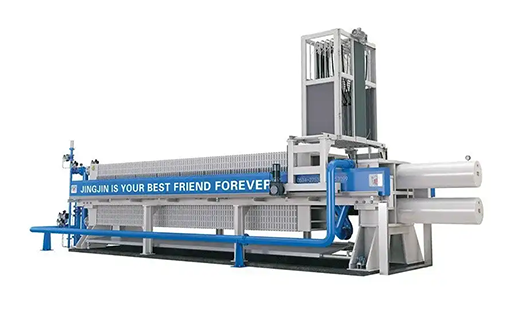
Low Cost Jingjin Filter Press Options for Efficient Sludge Dewatering
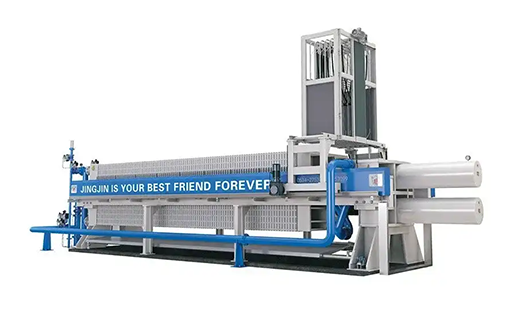
Best Press Filter Models for Pharmaceutical Filtration Needs