Membrane Plate Filter Press vs Standard Plate Filter Press
Understanding Filter Press Technologies: Membrane Plate vs. Standard Plate
- Understanding Filter Press Technologies: Membrane Plate vs. Standard Plate
- Performance Comparison: Efficiency, Capacity, and Operational Benefits
- Application Scenarios and Suitability: Which Filter Press Fits Your Needs?
- Maintenance, Durability, and Total Cost of Ownership
- Procurement Insights: How to Choose and Where to Buy?
- Conclusion
- FAQ
- Partner with Jingjin for Advanced Membrane Plate Filter Press Solutions
- References
Operating performance typically depends on choosing between a membrane plate filter press and a regular plate filter press for solid-liquid separation. After initial filtering, flexible diaphragms at the membrane plate filter press squeeze the filter cake to remove moisture, making it 10-20% drier than normal designs. Membrane technology is chosen by sectors with strict moisture reduction objectives and regulatory compliance issues because of its secondary compression, which lowers disposal costs, cycle times, and throughput.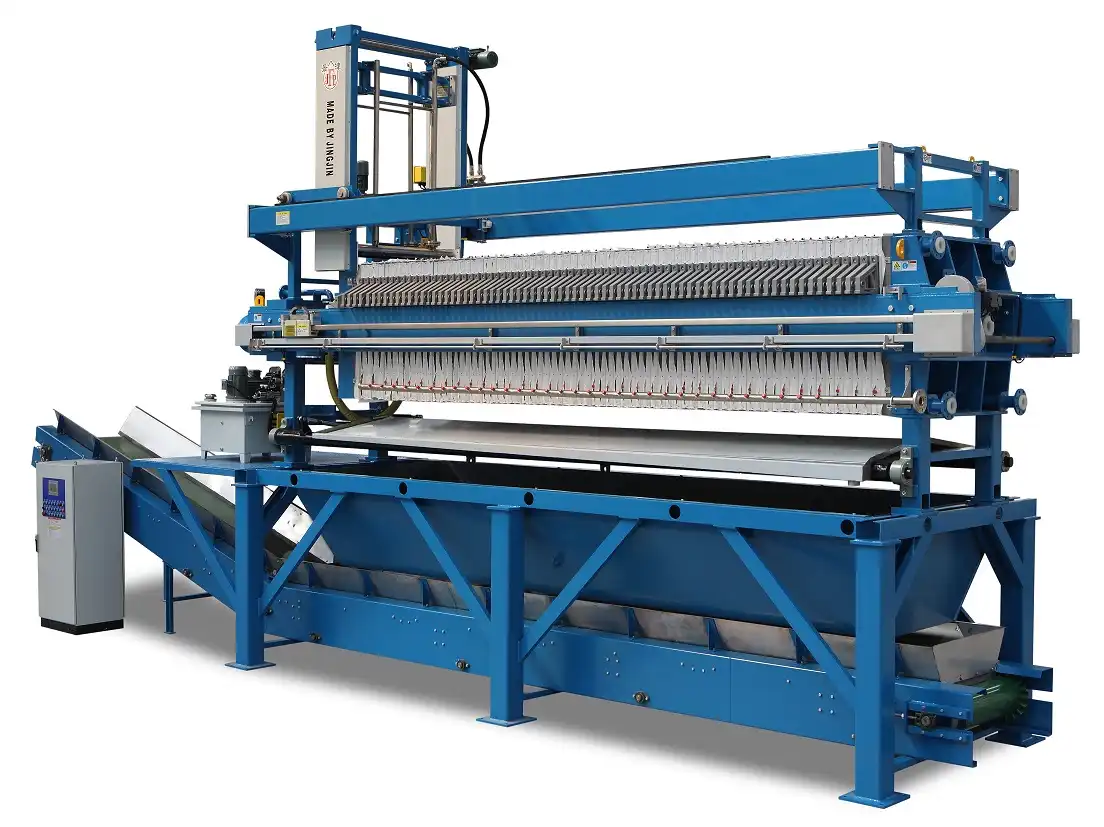
Understanding Filter Press Technologies: Membrane Plate vs. Standard Plate
How Standard Plate Filter Presses Operate?
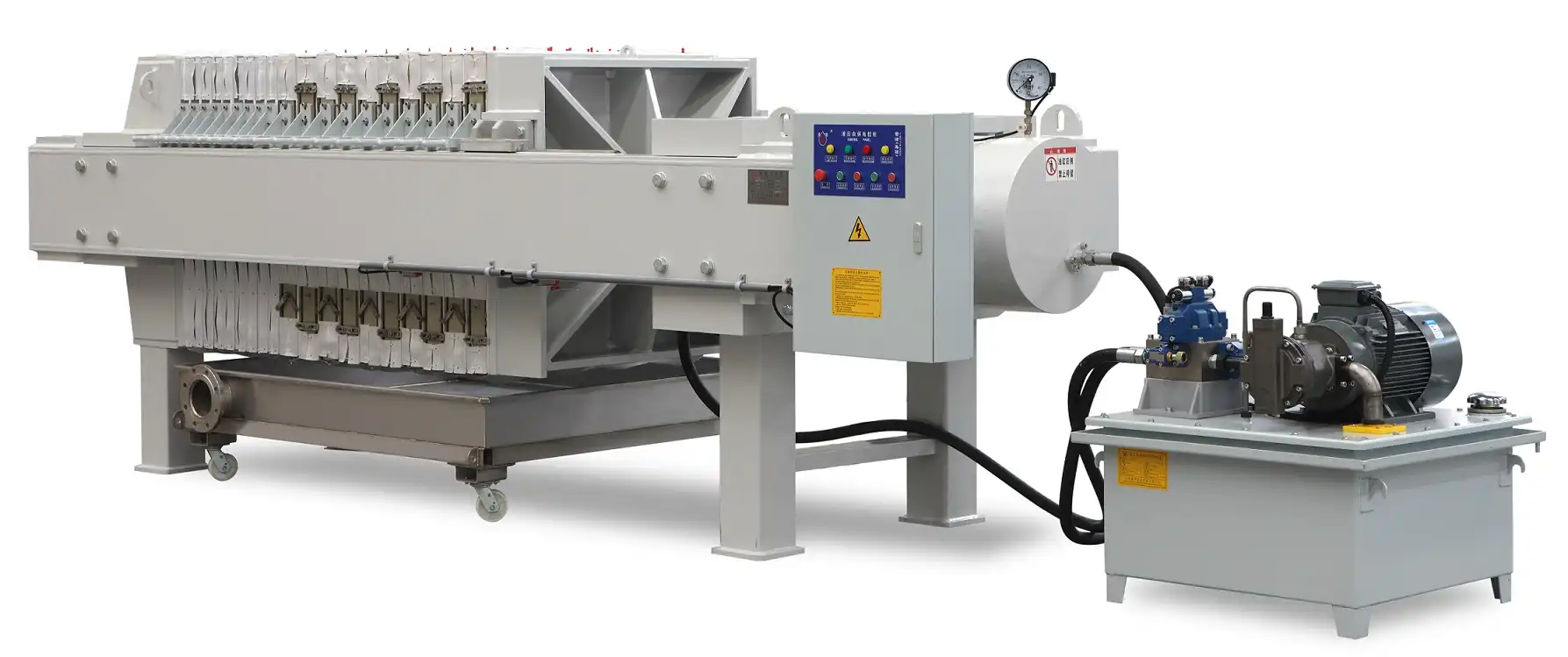
Standard plate filter presses have consistently served the industry for decades. Each system has recessed chambers between stiff polypropylene or cast iron panels. Under pump pressure (5-15 bar), slurry flows through filter cloths, and solids collect in chambers. Keep going until chambers fill or feed pressure tops out. These presses are ideal for moderate dewatering applications, including food processing, textile manufacture, and mild chemical operations with cake moisture of 60-70%. Simple designs mean a lesser initial investment and easier upkeep.
Membrane Plate Technology: Advanced Dewatering Mechanics
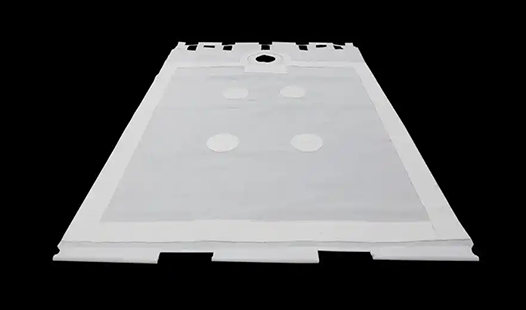
Membrane plate filter presses have filter plate-bonded elastic diaphragms, commonly reinforced with polypropylene or thermoplastic elastomer. These membranes beneath the cake are inflated by compressed air or water after conventional filtering. This inflation drastically lowers chamber space, exerting 16–30 bar squeezing pressures on solids. Mechanical compression removes interstitial moisture that traditional pumping cannot, solving a basic physics limitation: as cake density grows, permeability reduces exponentially, making pressure-driven filtering ineffective. Membrane squeezing eliminates this bottleneck. Municipal wastewater plants processing biological sludge observe cake moisture decline to 45-50%, changing disposal economics. Dry-stacking stability and process water recovery are essential in arid environments for copper or gold tailings mining.
Key Design Differences That Impact Performance
These systems differ in hydraulic design, plate materials, and automation beyond the membrane. For plate compression during filtration and membrane inflating, membrane plate filter presses need two hydraulic circuits. This requires more advanced control systems yet allows slurry-specific squeezing sequences. Standard presses have single-circuit configurations. Membrane plates use high-fatigue-resistant polymers that can sustain hundreds of inflation cycles, whereas conventional plates prioritize chemical resistance and structural stiffness. Understanding these variations helps procurement teams match equipment specs to operational needs and budgets.
Performance Comparison: Efficiency, Capacity, and Operational Benefits
Cake Dryness and Moisture Reduction Capabilities
Final cake moisture content is the biggest benefit. Slurry parameters and cycle time determine cake moisture in standard chamber presses, which provide 55-70%. Membrane plate filter press technology routinely decreases moisture by 10-20%, attaining 40-55% in identical situations. Sludge weight decreases due to this improvement. A wastewater treatment plant that processes 100 tons of 70%-moisture wet sludge daily handles 30 tons of dry solids. Reducing moisture to 50% reduces sludge weight to 60 tons, saving 40% on transporting and disposal. These savings usually exceed membrane technology's added capital cost over 10 years.
Cycle Time Optimization and Throughput Gains
Membrane plate filter presses reduce traditional filtration's wasteful "tapering phase." Cake and resistance reduce filtering rates in standard systems, requiring more pumping to reach the goal dryness. Final densification is completed in minutes by membrane squeezing. Conventional presses take 120 minutes to process municipal sludge—90 minutes for filling and 30 minutes for tapering. The same separation takes 80 minutes using membrane technology—70 minutes filling and 10 minutes squeezing. For the same processing capacity, this 33% cycle time reduction enhances daily throughput or decreases equipment count.
Energy Consumption and Operating Cost Analysis
Energy economics favor membrane systems despite initial complexity. High-pressure pumping uses a lot of electricity, especially during tapering when gains decrease. Membrane inflation employs compressed air or low-volume hydraulic pumps quickly at high pressure, requiring less energy than continuous slurry pumping. Chemical plants claim 15-25% lower kWh per ton of dry solids processed after switching from chamber to membrane layouts. Lower moisture content saves downstream drying or incinerator energy, multiplying waste management chain savings.
Application Scenarios and Suitability: Which Filter Press Fits Your Needs?
Municipal and Industrial Wastewater Treatment Applications
Municipal wastewater facilities are under constant pressure to reduce disposal costs and satisfy discharge licenses. Dewatering biological sludge from activated sludge operations is challenging due to its high organic content, flocculent structure, and variable composition. Membrane plate filter press systems excel here. Squeeze consolidates fragile floc formations that retain moisture into cakes suited for disposal or thermal treatment. In plants with populations over 50,000, disposal savings justify membrane investment. Industrial wastewater treatment, especially in food processing, pulp and paper, and petrochemical industries, benefits from high-volume, low-value waste streams.
Mining, Metallurgy, and Tailings Management
Water shortage and tailings storage safety drive mineral slurry extraction decisions. Membrane dewatering allows tailings dry-stacking, which regulators are mandating after worldwide tailings dam disasters. Membrane plate filter presses create a paste-like consistency for stable stacking in copper, gold, zinc, and iron ore processes, avoiding tailings ponds. Freshwater extraction in dry mining locations is reduced by returning process water to the mill circuit. Reinforced plate materials and corrosion-resistant membrane chemicals protect the technology from abrasive mineral particles, extending its lifespan.
Chemical, Pharmaceutical, and Fine Chemical Production
Dewatering efficiency is less important in high-value chemical manufacturing than product purity, solvent recovery, and batch uniformity. Membrane plate filter presses excel at cake cleaning. The squeeze function evenly splits the cake before water introduction, avoiding wash liquor channeling through favored channels. For pharmaceutical API and specialized chemical manufacturing, mother liquor contaminants and residual solvents must be removed completely. Programming multi-stage squeeze-wash-squeeze sequences provides process flexibility not possible with standard equipment. This control helps pigment, dye, and resin makers maintain product specs throughout feed conditions.
Construction, Tunneling, and Aggregate Processing
Tunnel boring mud, building site dewatering, and sand washing contractors need transportable, high-capacity equipment that can handle varying feed quality. Standard presses work for temporary installations, but membrane technology is increasingly used in huge infrastructure projects with disposal logistics. Dumping hundreds of cubic meters of slurry every day from urban tunneling operations costs more than excavation. Membrane dewatering decreases slurry volume enough for truck transfer to designated disposal sites, avoiding costly treatment or pipeline disposal.
Maintenance, Durability, and Total Cost of Ownership
Routine Maintenance Requirements and Service Intervals
Standard chamber presses need frequent filter cloth, hydraulic, and plate-sealing maintenance. Slurry abrasiveness and chemical exposure determine cloth replacement periods from 1,000 to 3,000 cycles. Check hydraulic seals every 500 hours. Membrane plate filter press integrity monitoring and inflation system maintenance are added. Before replacement, membranes last 5,000-8,000 inflation cycles, or 2-4 years in municipal use. Replaceable membrane inserts instead of plate replacement reduce refurbishment expenses in modern designs. To avoid membrane failure from contamination, inflation system filters and pressure regulators must be inspected periodically.
Material Selection for Chemical Resistance and Durability
Material selection is crucial in harsh process conditions. For most applications, reinforced polypropylene plates are used, with cast iron or stainless steel for high-temperature or harsh chemical conditions. Polymers for membrane plates must balance flexibility, chemical resistance, and fatigue life. EPDM membranes work in acidic settings, nitrile rubber handles petroleum, and thermoplastic elastomers are chemically compatible and fatigue-resistant. Mining and metallurgy use ceramic-filled polymer plates to prevent abrasion. Over 20 membrane compounds designed for various chemical families are available in Jingjin's material library for solvent, acid, and alkali processors.
Total Cost of Ownership Analysis Over Equipment Lifecycle
Procurement teams often compare filtering systems using lifespan cost modeling rather than upfront investment. A complete study covers capital, installation, energy, maintenance labor, consumables (clothes and membranes), disposal savings, and downtime. Membrane plate filter press systems cost 30–50% more than equivalent-capacity regular presses. However, high-volume municipal or mining disposal savings recover this premium within 18–36 months. Saving energy cuts operating costs by 10-15%. Membrane technology lowers moisture reduction applications' total cost of ownership by 25-40% during a 15-year equipment lifespan, typical for industrial filtering assets. Low-volume activities with cheap disposal may not justify membrane complexity.
Procurement Insights: How to Choose and Where to Buy?
Critical Selection Criteria for Your Operation
Before buying a membrane plate filter press, the slurry must be characterized for particle size, compressibility, chemical content, and temperature. Bench-scale or pilot testing gives filtration rate, pressure, and suitable cake dryness for size calculations. Chamber and cycle count depend on production volume objectives. Minimum dryness criteria determine technology selection due to regulations. Chemical exposure specifies materials. Limited space and automation needs shape system configuration. Expert process engineers compare these characteristics to potential technologies and find that hybrid configurations—alternating membrane and chamber plates—optimize performance and cost.
Evaluating Manufacturers and Supplier Capabilities
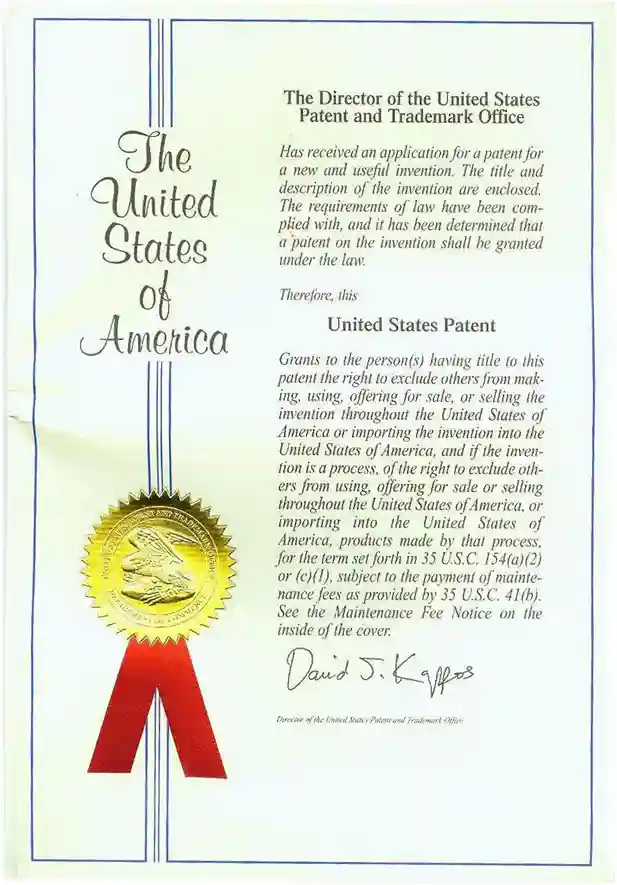
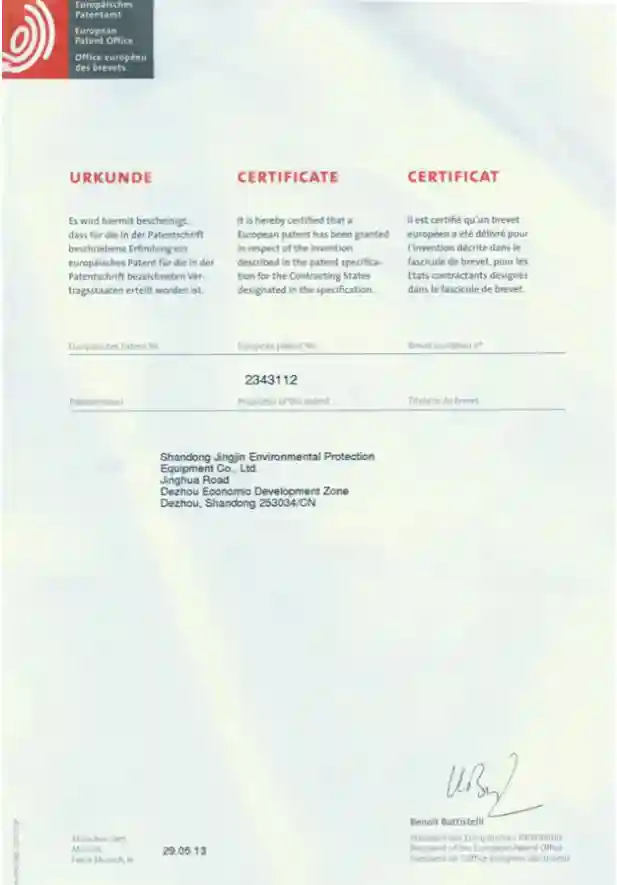
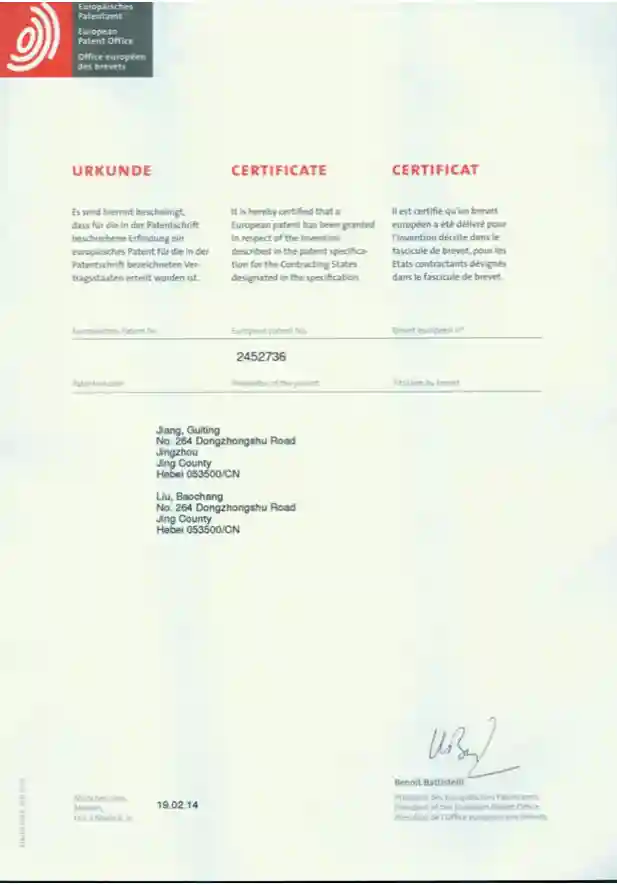
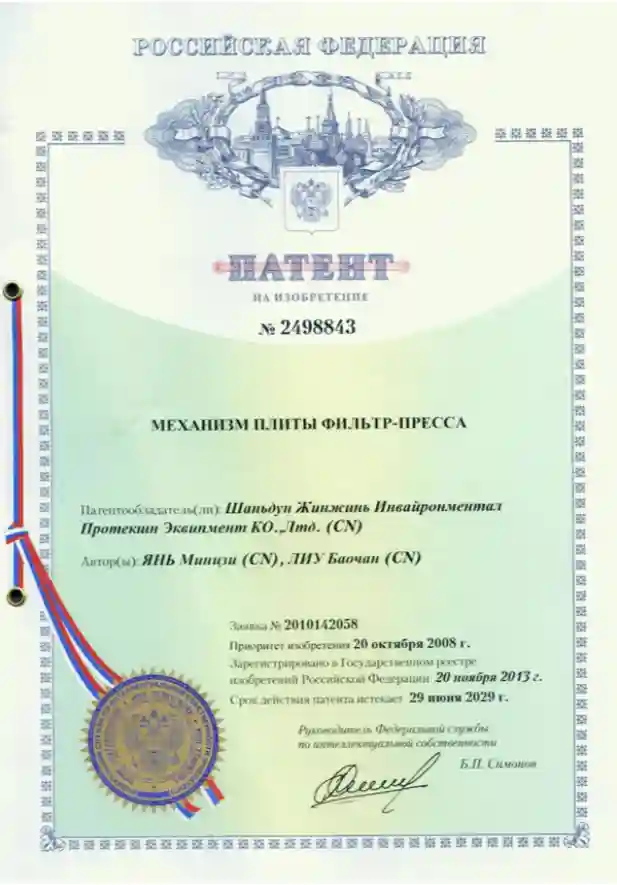
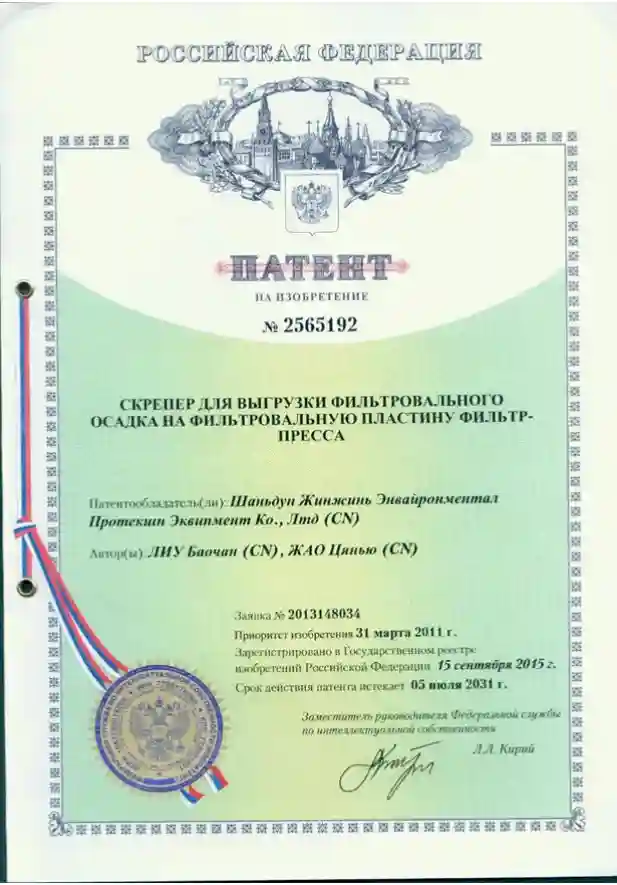
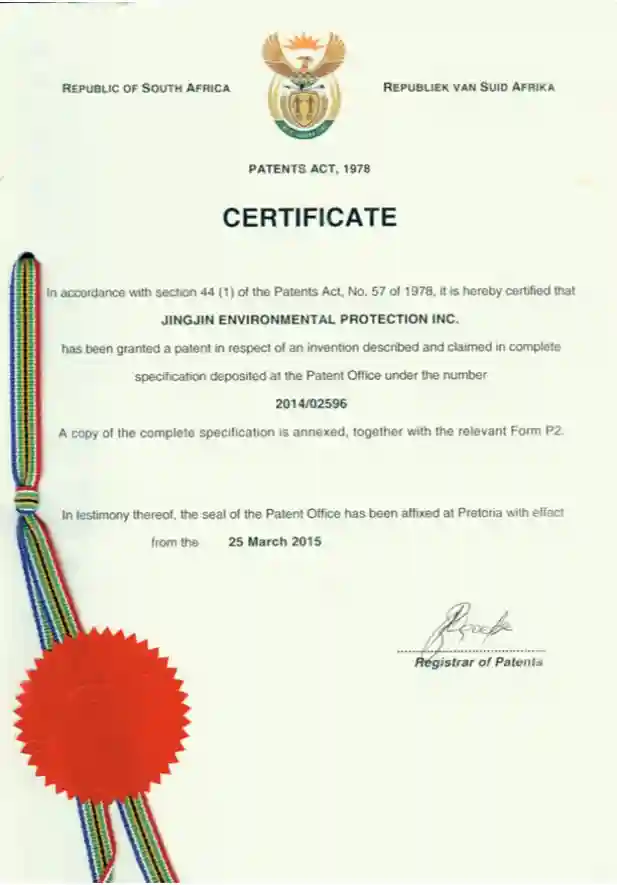
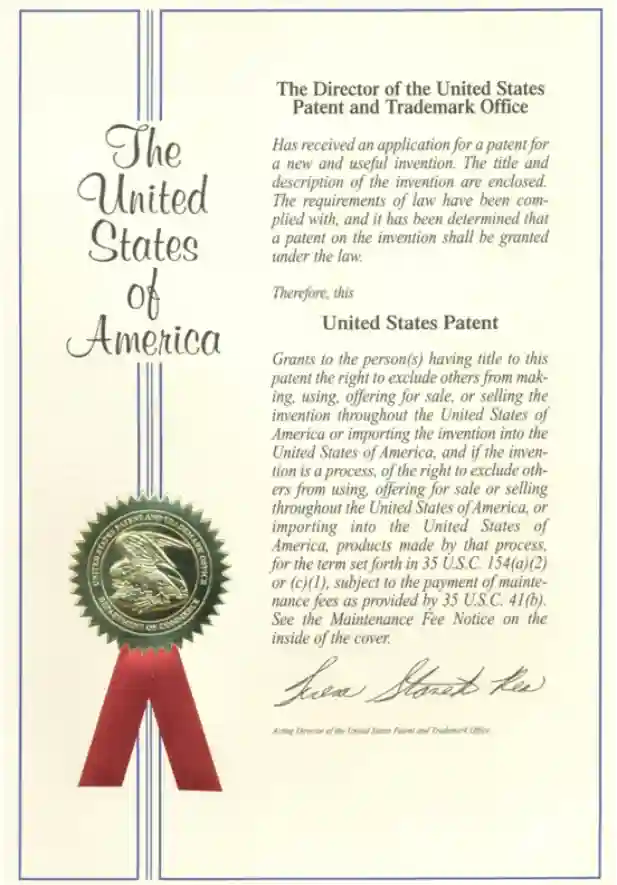
Engineered-to-order systems from European manufacturers ANDRITZ and Metso serve big mining and municipal projects in the worldwide filtration equipment industry. North American buyers use FLSmidth and specialized regional suppliers with standardized configurations and quicker delivery times. Henan Province manufacturers are reliable options that provide affordable pricing without sacrificing quality. Jingjin Equipment Inc., founded in 1988, is a leading manufacturer with over 136 patents and services in 123 countries. Buyers should evaluate production size, customization, documentation quality, spare parts availability, and field service networks. Site visits to reference installations provide real-world performance and vendor support quality.
Navigating the Purchasing Process: Lead Times and Logistics
Catalog filter presses ship in 8-12 weeks, whereas bespoke membrane systems take 14-20 weeks from order to delivery. Complex automation-integrated installations take longer. International purchases require customs clearance and 4-8 weeks of ocean freight from Asian producers. Major capital projects take 6-9 months from specification development through commissioning. Reliable suppliers offer precise project timetables, factory inspections, and staged payment arrangements that match manufacturing milestones. Installation services include supervised start-up, turnkey commissioning, and operator training. Defining service levels during contract negotiation reduces costly project miscommunication.
Conclusion
Technical performance and cost must be considered while choosing membrane plate filter press or regular plate filter presses. Membrane technology produces dryer cakes, quicker cycles, and reduced energy usage, justifying premium investment in high-volume businesses with disposal limits or strict regulatory requirements. Ideal applications include mining, municipal wastewater, and chemical production. Normal chamber presses are cost-effective for moderate-volume applications with low dewatering objectives. Successful procurement includes slurry testing, lifespan cost modeling, and supplier appraisal. Procurement managers must analyze financial data since the total cost of ownership, not the initial purchase price, determines the choice.
FAQ
1. What moisture reduction can membrane systems achieve compared to standard presses?
Membrane plate filter presses lower cake moisture by 10–20% compared to chamber presses. Membrane applications handling municipal biosolids obtain 45-50% moisture against 60-65% with plates. Mining tailings and chemical slurries improve similarly, although absolute results rely on slurry properties, feed consistency, and operating conditions.
2. Can existing standard plate presses be retrofitted with membrane plates?
Many systems allow hybrid retrofitting, replacing conventional plates with membrane plates in the same press frame. Installation of appropriate hydraulic systems and inflation circuits is needed. When frames, hydraulic power units, and automation work, complete conversions are cost-effective. Retrofit engineering firms like Jingjin examine feasibility and design modifications.
3. Do membrane presses require significantly more maintenance than standard units?
Membrane inspection and inflating system care add some maintenance complexity. Membrane replacement (5,000-8,000 cycles) outpaces filter cloth replacement, somewhat compensating for increased maintenance. Maintenance costs are 15-25% greater than normal presses; however, disposal savings in appropriate applications mitigate this.
Partner with Jingjin for Advanced Membrane Plate Filter Press Solutions
Jingjin Equipment manufactures membrane plate filter press systems with 35 years of experience and 136 filtering patents. Our engineering staff helps with slurry testing, system sizing, and lifespan cost analysis to identify the best wastewater treatment, mining, or chemical processing equipment. From design to commissioning, we construct filtration ecosystems—presses, plates, cloths, and automation. Global service networks in 123 countries provide installation, training, and technical support. We help procurement managers make every decision while modernizing infrastructure or constructing new facilities. Contact our application engineers at [email protected] or visit our facilities to discuss your project with a top membrane plate filter press manufacturer.
References
1. Wakeman, R.J., and Tarleton, E.S. (2005). Solid/Liquid Separation: Principles of Industrial Filtration. Elsevier Advanced Technology.
2. Sutherland, K. (2008). Filters and Filtration Handbook (5th Edition). Butterworth-Heinemann.
3. Cheremisinoff, N.P. (1998). Liquid Filtration (2nd Edition). Butterworth-Heinemann Series in Chemical Engineering.
4. Svarovsky, L. (2000). Solid-Liquid Separation (4th Edition). Butterworth-Heinemann.
5. American Water Works Association (2018). Sludge Dewatering: Manual of Water Supply Practices M36. AWWA Publications.
6. Society for Mining, Metallurgy & Exploration (2019). Tailings Management Handbook. SME Publications.
jingjin
Founded in 1988, Jingjin specializes in filter presses and liquid-solid separation solutions, serving over 130 countries worldwide, and is a standard-setter in China's filter press industry.
Get the Filter Press guide
Enter Your Email for Technical assistance for the Filter Press.
Recommended Blog
Top Maintenance Tips to Keep Your Filter Press Machine Running Smoothly
Best China Screw Press Dewatering Machine for Mexico Buyers
Comparing Jingjin Filter Press with Other Brands: Which One Suits You Best?
Where to Buy Reliable Feed Pumps for Filter Press: A Buyer’s Guide