Membrane Squeeze Filter Press for Industrial Sludge
Understanding the Membrane Squeeze Filter Press
- Understanding the Membrane Squeeze Filter Press
- Advantages and Applications in Industrial Sludge Treatment
- How to Select the Right Membrane Squeeze Filter Press?
- Operation, Maintenance, and Troubleshooting Guide
- Future Trends and Innovations in Membrane Squeeze Filter Press Technology
- Conclusion
- FAQ
- Partner with Jingjin for Advanced Membrane Squeeze Filter Press Solutions
- References
Industrial sludge management is a persistent challenge that facilities across the wastewater treatment, chemical processing, and mining sectors face daily. When managing industrial sludge, achieving low moisture content while meeting environmental regulations proves critical yet difficult. The membrane squeeze filter press stands out as a transformative technology that addresses these pain points by using inflatable membranes to compress filter cakes, expelling residual moisture far more effectively than conventional chamber presses. This advanced dewatering device leverages hydraulic pressure through flexible diaphragms to reduce cake moisture by 10-20% compared to standard filtration equipment, directly lowering disposal costs and improving compliance outcomes for operations handling municipal sewage sludge, mining tailings, chemical slurries, and pharmaceutical residues.
Understanding the Membrane Squeeze Filter Press
What Distinguishes This Technology from Conventional Presses?
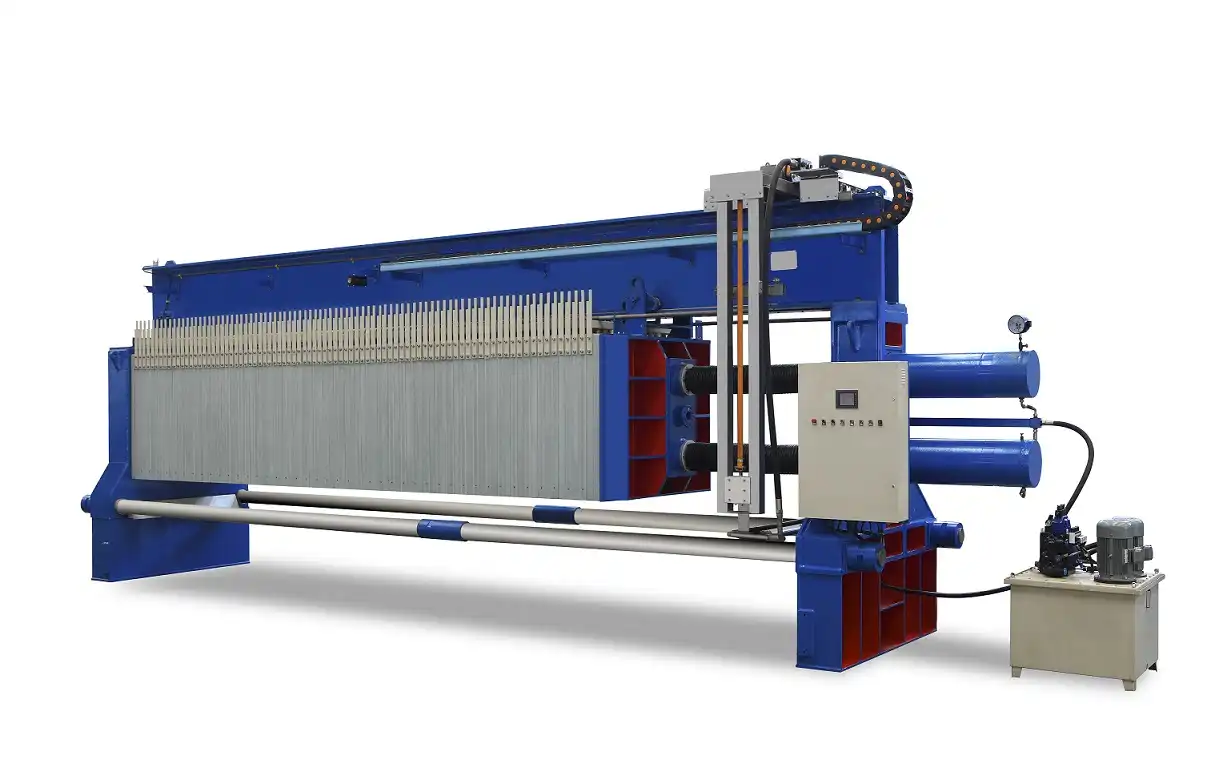
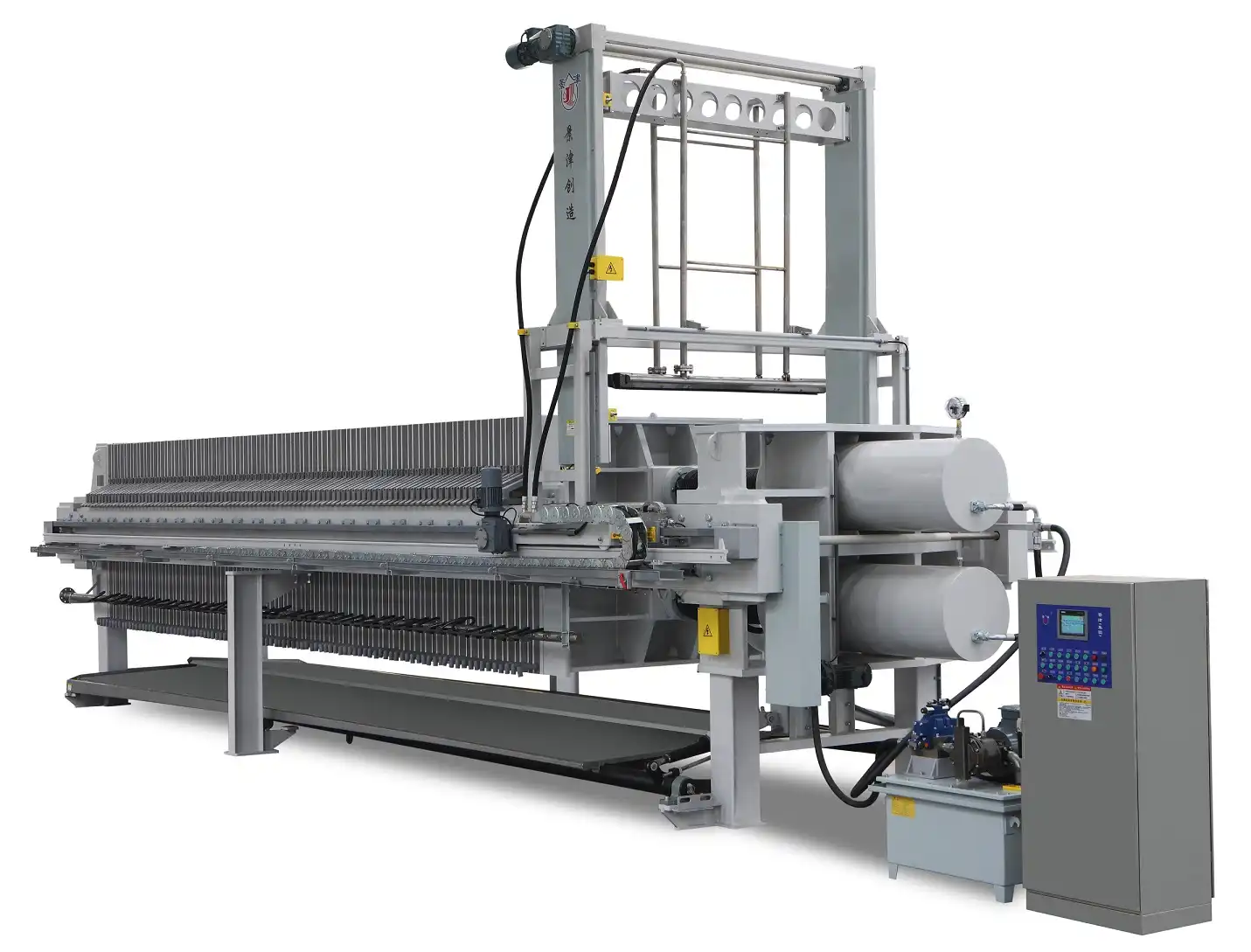
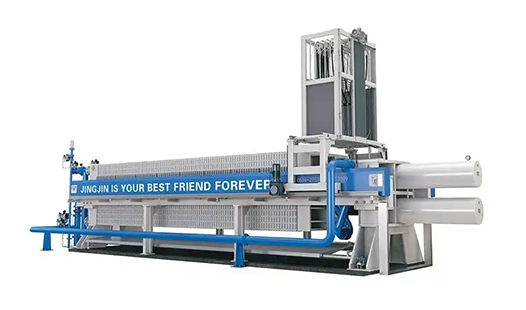
An industrial solid-liquid separation system called a membrane squeeze filter press uses flexible diaphragms inside the filter plates. Traditional recessed chamber presses create filter cakes entirely on feed pump pressure. This method applies secondary compression. After filtering, an inflation medium—usually water at 1.6 to 3.0 MPa or compressed air—is injected behind the membranes to compress the cake and release interstitial moisture from the solids matrix.
This method resolves operational issues. Sludge disposal expenses are dramatically reduced by this equipment, which has cake moisture levels below 60% compared to 75-80% for chamber presses. Since it quickly expels moisture that would otherwise need ineffective filtering, the mechanical squeeze reduces cycle time by 20-50%. Even when feed slurry composition fluctuates, which is frequent in municipal wastewater facilities and mineral processing, cake density remains uniform.
Core Components and Operating Principles
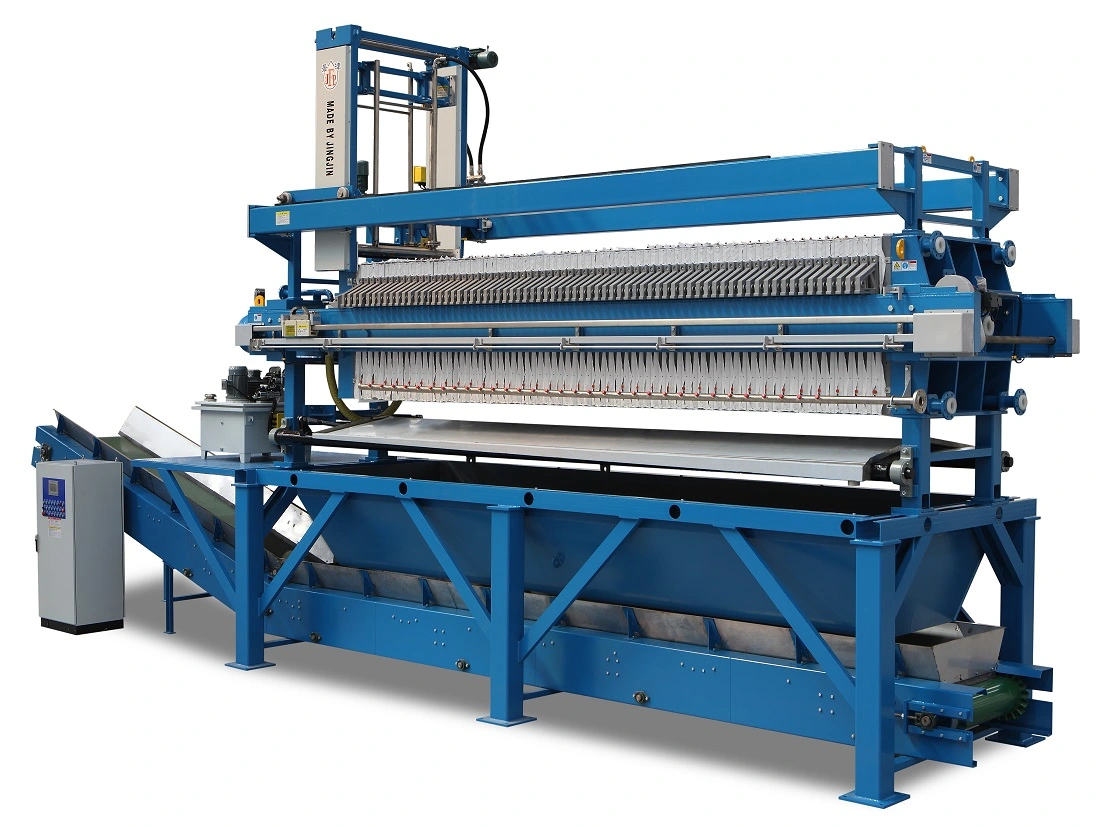
Reinforced polypropylene filter plates with EPDM or TPE membranes, hydraulic sealing systems for high thrust forces, and computerized inflation control units make up the system. Pumping slurry into plate chambers occurs throughout the operation. Pressure rises to 0.8 MPa during the first filtering, capturing 80% of solids. After consolidation, the membrane inflation cycle applies squeeze pressures up to 3.0 MPa to mechanically compress the cake and break down colloidal formations, which is particularly effective in biological sludge dewatering.
Modern systems use variable-volume chambers to alter cake thickness and compress even when chambers are not full, giving facilities with varying sludge volumes operating flexibility. Eliminating channeling fractures in the cake reduces wash water usage by up to 40%, which is useful in high-purity chemical and pharmaceutical applications where residual contaminants must be eliminated.
Advantages and Applications in Industrial Sludge Treatment
Performance Benefits Over Conventional Dewatering Technologies
Operational savings and regulatory confidence result from this technology. Municipal facilities handling hundreds of tons of sewage sludge weekly benefit from lower cake moisture content, which lowers transportation and disposal expenses. Shorter cycles minimize pump duration and hydraulic system operation, saving energy. High-quality EPDM or PP-TPE membranes can endure 3,000 to 10,000 cycles before replacement, depending on chemical aggressiveness and squeeze frequency. Process engineers and wastewater managers looking to cut costs and boost efficiency would like this technology's performance measures.
Compared to vacuum filters, screw presses, and plate and frame systems, membrane squeeze filter press technology produces drier cakes and handles varied feed conditions better. High-solids sludges demand constant operator attention in vacuum filters. Screw presses are continuous but cannot match high-pressure squeezing for cake dryness. The cake structure retains moisture in standard chamber presses without mechanical compression. Due to these performance differences, procurement managers frequently request squeeze membrane technology for demanding applications.
Industrial Applications Across Sectors
Mining enterprises use these presses (including the membrane squeeze filter press) for tailings and concentrate dewatering. Dry stackable tailings are essential for environmental compliance and water recovery in copper, gold, and iron ore processing. These machines recover up to 95% of process water and produce cakes stable enough to stack without impoundment structures, reducing catastrophic dam collapse hazards.
Municipal wastewater treatment plants use the method to fulfill landfill moisture limitations below 60% or prepare sludge for efficient burning. Activated sludge and anaerobic digestion struggle to break down biological sludge's colloidal structure, yet high squeezing pressure does so. Pigments, dyes, medicines, and specialized intermediates require cake washing; therefore, chemical and pharmaceutical producers respect the technique. The membrane squeeze cycle removes mother liquor contaminants before compression, enhancing product output and purity.
High-capacity systems that handle abrasive, variable-composition feeds help construction and tunneling firms manage bentonite slurries and excavation mud. Environmental engineering companies and EPC contractors incorporating dewatering into major projects appreciate vendors that provide system design, documentation, and commissioning assistance to speed project execution and assure performance guarantees.
How to Select the Right Membrane Squeeze Filter Press?
Evaluating Capacity and Sludge Characteristics
Understanding processing needs helps choose equipment. The filtration area, ranging from 10 m² for pilot-scale to over 1,000 m² for big municipal systems, must match daily sludge amounts. Solids, particle size distribution, compressibility, and chemical composition of sludge affect equipment specification. Incompressible mineral slurries may reduce moisture beyond filtering, while compressible sludges benefit most from membrane squeeze filter press operations.
Effective squeeze pressure is important. 1.6 MPa systems handle most municipal and industrial sludges, whereas 2.5–3.0 MPa systems manage mining tailings and chemical slurries. The choice of membrane material depends on chemical compatibility. PVDF membranes can withstand strong chemicals and 95°C, whereas EPDM is suitable for most aqueous applications and 70°C. Plates made of reinforced polypropylene, PVDF, or stainless steel must withstand corrosion and mechanical fatigue for tens of thousands of cycles.
Assessing Supplier Capabilities and Total Cost of Ownership
Procurement managers should assess suppliers' manufacturing capacity, quality certifications, and regional support. ISO 9001-certified and pressure vessel-compliant manufacturers guarantee product dependability. Regional service networks reduce downtime by providing spare parts and technical experience. Inventory-rich filter cloth, membrane, and hydraulic component suppliers cut key replacement lead times.
The total cost of ownership exceeds the purchase price. Hydraulic system efficiency and cycle time affect energy consumption and operational costs. Membrane, filter cloth, and hydraulic seal costs add up throughout equipment life. Warranty and service agreements cover premature breakdowns. Greater-quality equipment with a premium price frequently has a greater return on investment due to lower energy usage, longer component life, and shorter maintenance downtime during a 10- to 15-year working term.
Operation, Maintenance, and Troubleshooting Guide
Standard Operating Protocols for Optimal Performance
Checking hydraulic fluid levels, membrane integrity, and filter cloth tension before startup ensures proper functioning. The filtering cycle is ordered. Slurry filling at 0.6 to 0.8 MPa fills chambers, followed by a short consolidation period. Once the filtration rate decreases below a threshold, membranes are inflated with water or air at 2.0 to 2.5 MPa for 5 to 10 minutes. After depressurization and plate opening, dry cakes drop readily or need little shaking.
Automated control systems log cycle data for performance monitoring. For early process deviation detection, operators should observe cycle length, filtrate volume, and cake moisture content. As sludge properties fluctuate seasonally or due to upstream process fluctuations, membrane squeeze filter press squeezing pressure, duration, or feed solids concentration maintains goal performance.
Preventive Maintenance and Troubleshooting Common Issues
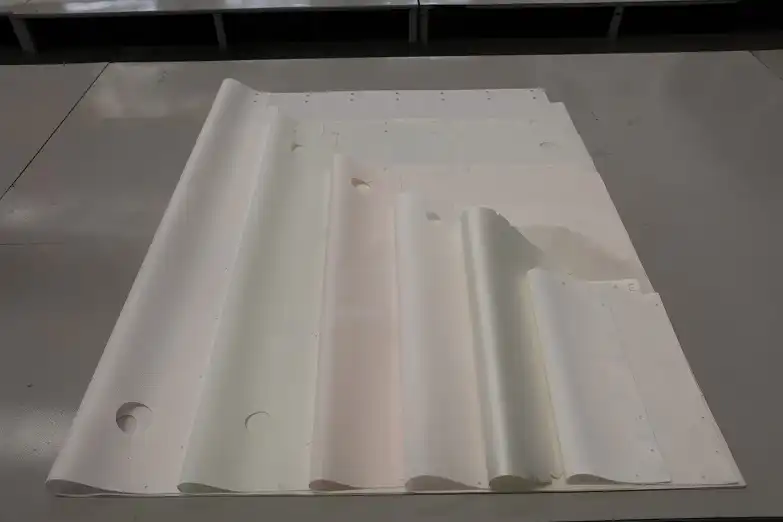
Regular maintenance includes membrane and hydraulic system examination. Visually inspect membranes monthly for rips, abrasion, and delamination. Damaged membranes create uneven squeezing and moisture gradients in cakes, requiring replacement. Tension adjustment and replacement are needed when the blinding lowers the filtering rate or solids breakthrough occurs. Regular leak inspection and replacement of hydraulic seals, hoses, and fittings are needed every 12–24 months, depending on usage.
Filter plate leaks from cloth misalignment or plate sealing surface degradation are common. Fixing the cloth location and wiping plate surfaces fixes most issues. Incorrect feed pressure, worn cloths, or sludge-incompatible filter medium can reduce filtration effectiveness. Root causes are found by evaluating pressure gauges, fabric condition, and sludge analysis. While membrane rupture is rare with good operation, it necessitates prompt shutdown to prevent cake contamination by hydraulic medium. Event downtime is reduced by stocking spare membranes.
Future Trends and Innovations in Membrane Squeeze Filter Press Technology
Automation and Predictive Maintenance Integration
Dewatering equipment operations are changing due to new technology. Smart sensors in filter plates send real-time temperature, pressure, and vibration data to cloud analytics systems. Detecting membrane wear, hydraulic system deterioration, and cloth blinding before breakdowns allows predictive maintenance scheduling that lowers unexpected downtime by 30% or more. For EPC contractors and municipalities with scattered treatment facilities, remote monitoring dashboards allow plant managers and service engineers to improve performance across numerous sites.
Adaptive cycle control uses machine learning algorithms to alter squeeze pressure, duration, and filtering phases based on cake formation data. Controlling feed variations without operator interaction, these clever systems preserve cake dryness and save energy use. Adaptive control improves performance year-round in municipal facilities that handle seasonal sludge.
Material Innovations and Sustainability Drivers
Membrane material development improves fatigue resistance and chemical compatibility. In severe applications, next-generation thermoplastic elastomers combine EPDM's robustness with polypropylene's chemical resistance to withstand beyond 12,000 cycles. Nanocomposite coatings improve cake release and dishwashing water efficiency by lowering membrane adherence. These advances reduce wash water outflow and replacement part use, supporting sustainability goals.
Market drivers boost advanced dewatering technology demand, including membrane squeeze filter presses. Sludge quantities from industrial expansion and tougher landfill moisture requirements drive companies to use higher-performance equipment. Waste-to-resource circular economy projects promote technologies that maximize water reclamation and provide concentrated solids for composting, land application, or thermal conversion. Procurement experts that follow these trends work with innovative suppliers to keep their equipment investments competitive as rules change and sustainability requirements increase.
Conclusion
Industrial sludge dewatering requires dependable, compliant, cost-effective, long-lasting equipment. Through established technology, membrane squeeze filter presses minimize cake moisture, shorten cycle durations, and respond to different sludge characteristics in municipal, mining, chemical, and pharmaceutical applications. Capacity, sludge characteristics, supplier capabilities, and lifespan costs must be considered while choosing a system. Partnering with experienced manufacturers who provide technical assistance, quality components, and innovative solutions helps operations succeed in a more regulated and resource-conscious industry.
FAQ
1. What is the optimal inflation medium for membrane squeeze operations?
Water is the industry standard for pressures exceeding 1.0 MPa for safety. Water is incompressible and less explosive than compressed air in the case of membrane rupture, a crucial safety consideration in industrial settings where workers often operate equipment.
2. How long do membranes typically last before replacement?
High-quality EPDM or PP-TPE membranes withstand 3,000–10,000 cycles, depending on chemical aggressiveness and squeeze frequency. The higher end of this range is typical for municipal wastewater applications with gentle pH and minimal abrasives, whereas vigorous chemical processing or mining slurries with sharp particles may require replacement closer to 3,000 cycles.
3. Can membrane squeeze technology handle high-temperature slurries?
Regular polypropylene plates and EPDM membranes can withstand 70°C. Specialized membrane squeeze filter press plates certified to 95°C or higher resist heat distortion and preserve sealing integrity throughout extended operation.
Partner with Jingjin for Advanced Membrane Squeeze Filter Press Solutions
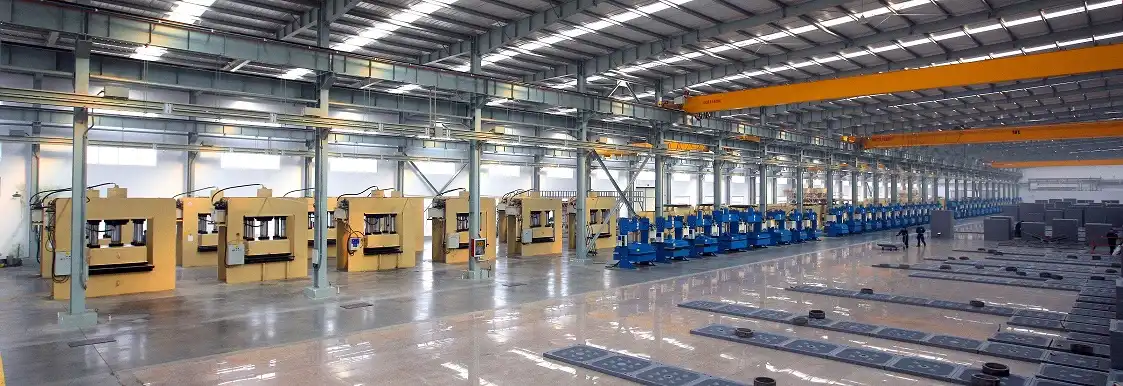
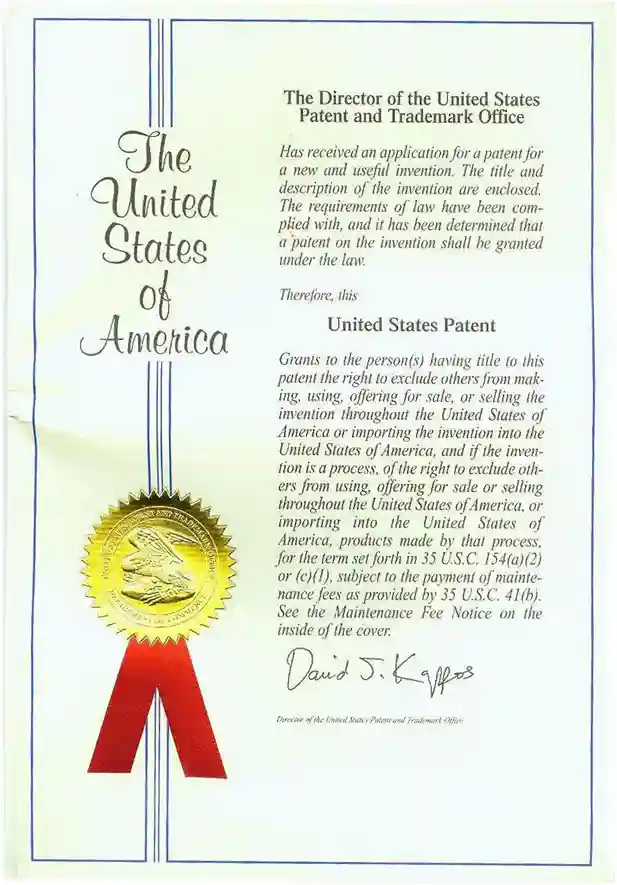
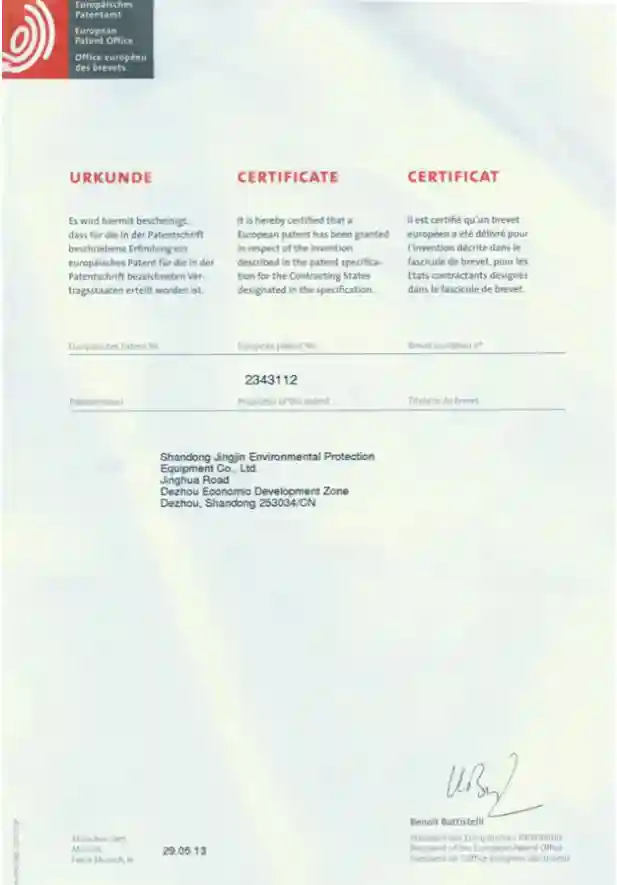
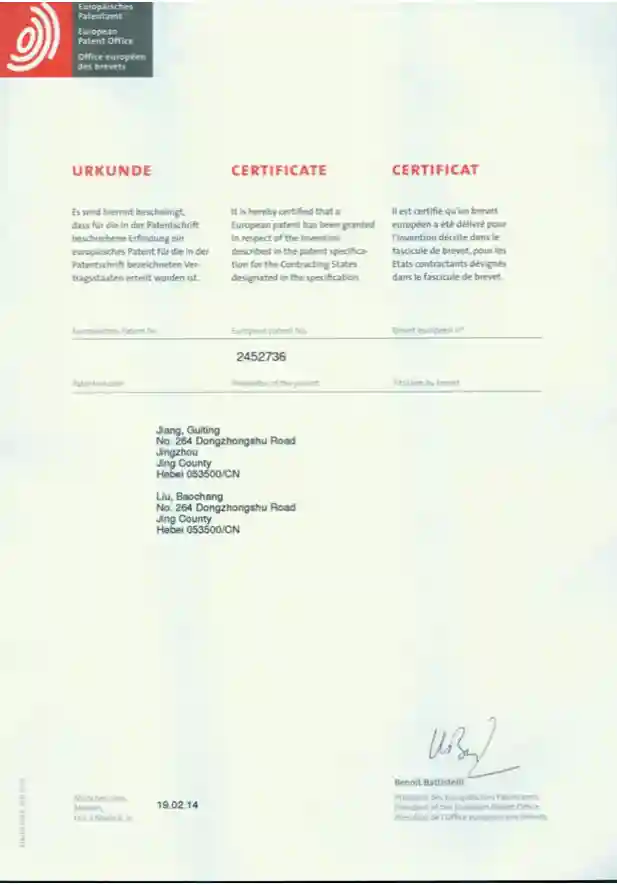
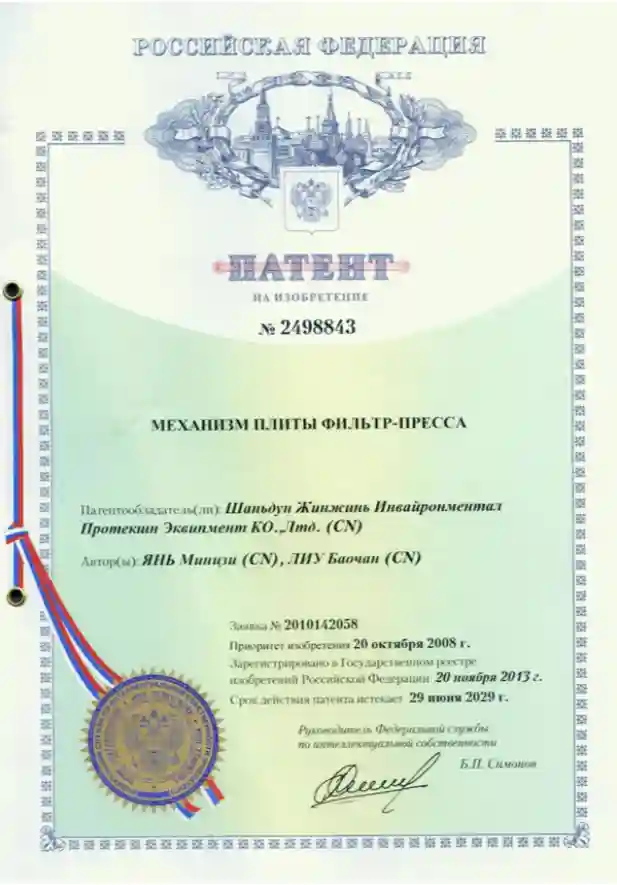
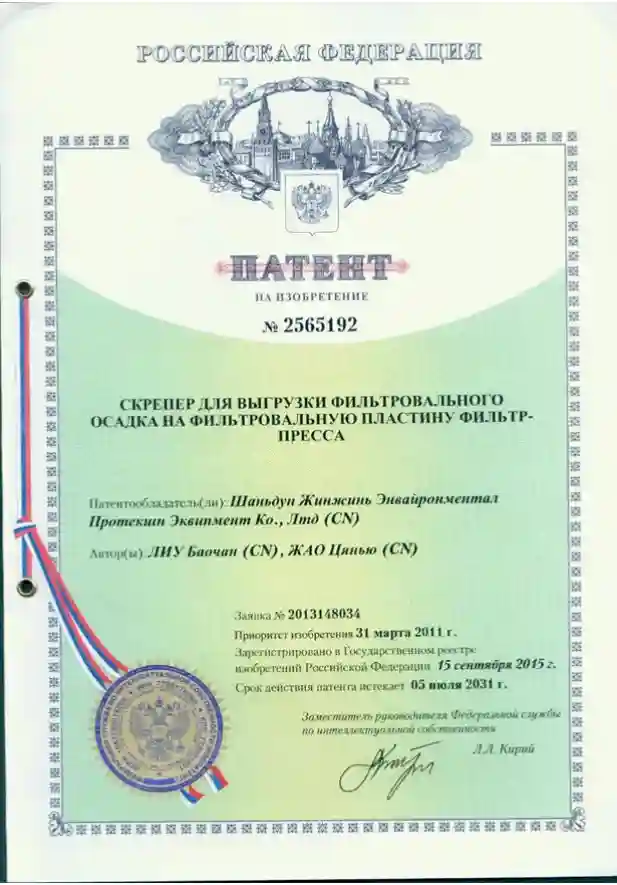
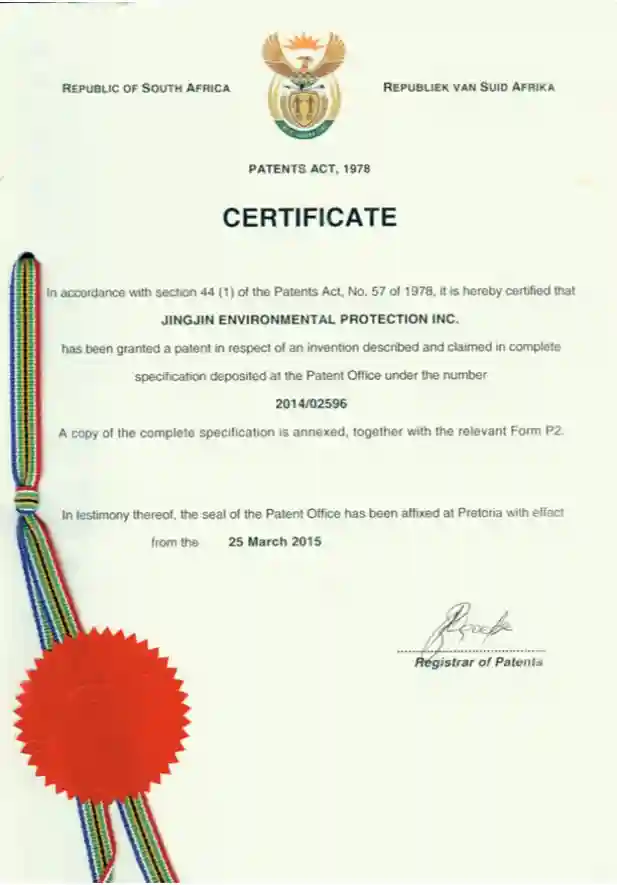
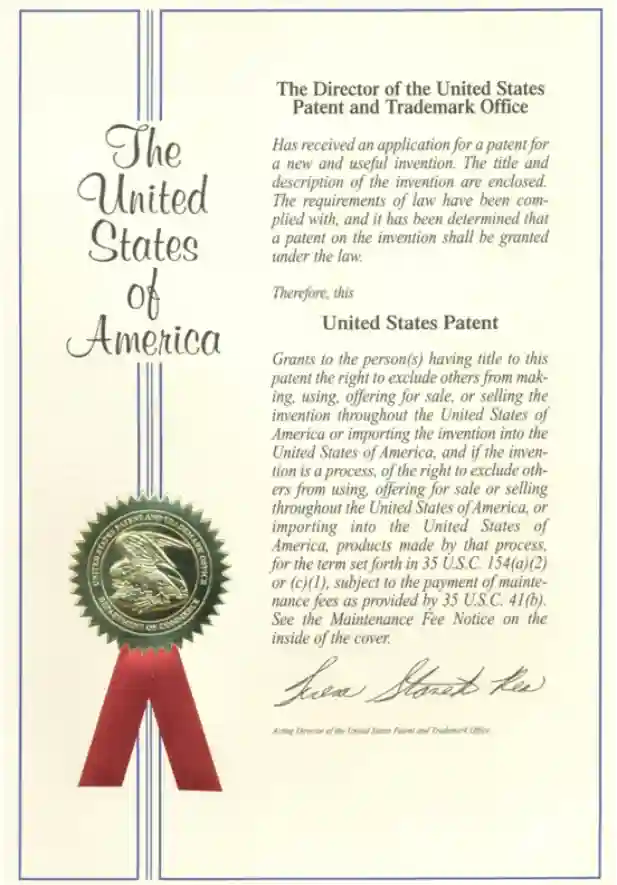
Choose a membrane squeeze filter press provider with technical competence, production scale, and worldwide support to maximize industrial sludge dewatering efficiency. Jingjin Equipment Inc., founded in 1988, has over 136 solid-liquid separation patents and 30 years of filtration engineering expertise. Our membrane squeeze filter press systems are reliable in demanding applications for mining, municipal wastewater, chemical processing, and pharmaceutical clients in 123 countries.
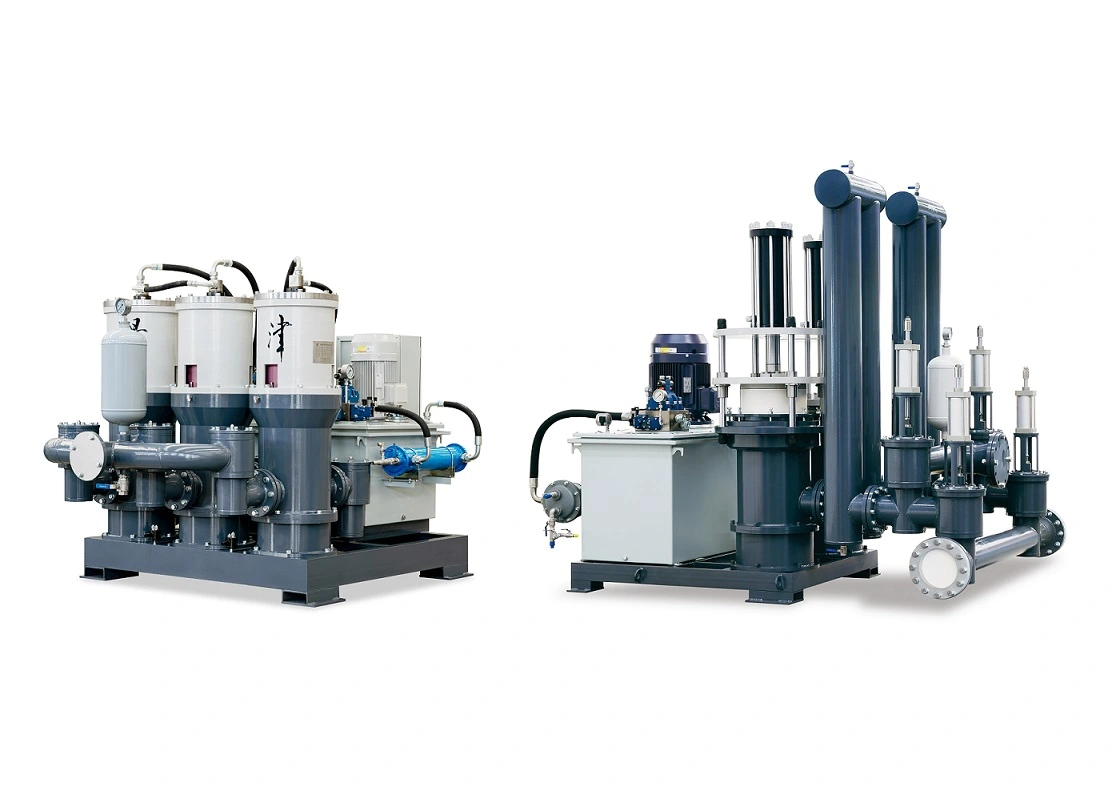
Complete filter plate fabrication, membrane manufacture, hydraulic system integration, and automation controls provide component compatibility and optimal performance. From system design to commissioning and lifecycle maintenance, regional service centers provide prompt technical support and authentic spare parts. Our technical team customizes solutions for EPC contractors, integrating dewatering into greenfield projects and plant operations directors updating existing infrastructure based on sludge characteristics, throughput, and budget. Contact our experts at [email protected] to discuss how our membrane squeeze filter press technology may minimize disposal costs, increase compliance, and improve operational dependability for your project.
References
1. Wakeman, R.J. and Tarleton, E.S. (2005). Solid/Liquid Separation: Principles of Industrial Filtration. Oxford: Elsevier Advanced Technology.
2. Cheryan, M. (1998). Ultrafiltration and Microfiltration Handbook. Lancaster: Technomic Publishing Company.
3. Sutherland, K. (2008). Filters and Filtration Handbook (5th ed.). Oxford: Butterworth-Heinemann.
4. Tiller, F.M. and Hsyung, N.B. (1993). "Unifying the Theory of Thickening, Filtration, and Centrifugation." Water Science and Technology, 28(1): 1-9.
5. Besra, L., Sengupta, D.K., Roy, S.K., and Ay, P. (2004). "Influence of Polymer Adsorption and Conformation on Flocculation and Dewatering of Kaolin Suspension." Separation and Purification Technology, 37(3): 231-246.
6. Mahmoud, A., Olivier, J., Vaxelaire, J., and Hoadley, A.F.A. (2013). "Electrical Field: A Historical Review of its Application and Contributions in Wastewater Sludge Dewatering." Water Research, 47(7): 2211-2224.
jingjin
Founded in 1988, Jingjin specializes in filter presses and liquid-solid separation solutions, serving over 130 countries worldwide, and is a standard-setter in China's filter press industry.
Get the Filter Press guide
Enter Your Email for Technical assistance for the Filter Press.
Recommended Blog
How to Choose the Best Feed Pump for Filter Press in Water Treatment
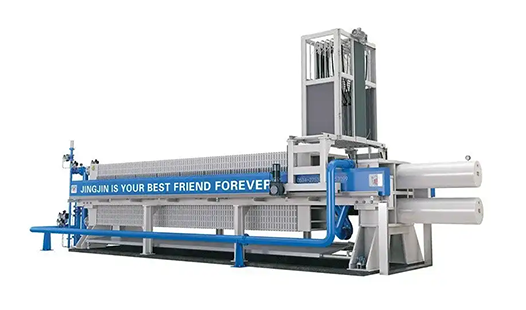
High Efficiency Jingjin Filter Press Applications in Chemical Manufacturing
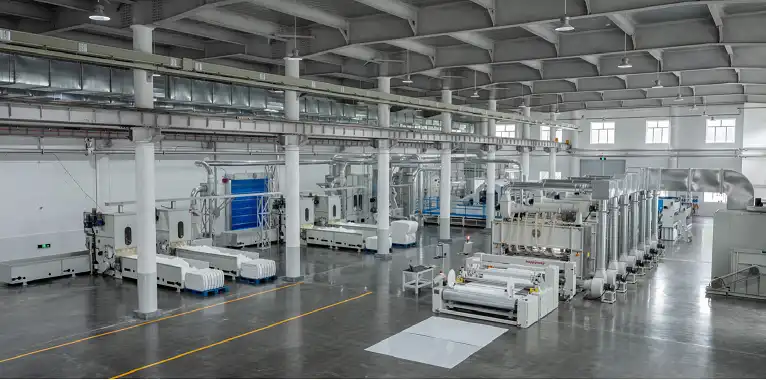
Filter Press Cloth Maintenance Tips: Prolonging Lifespan and Efficiency
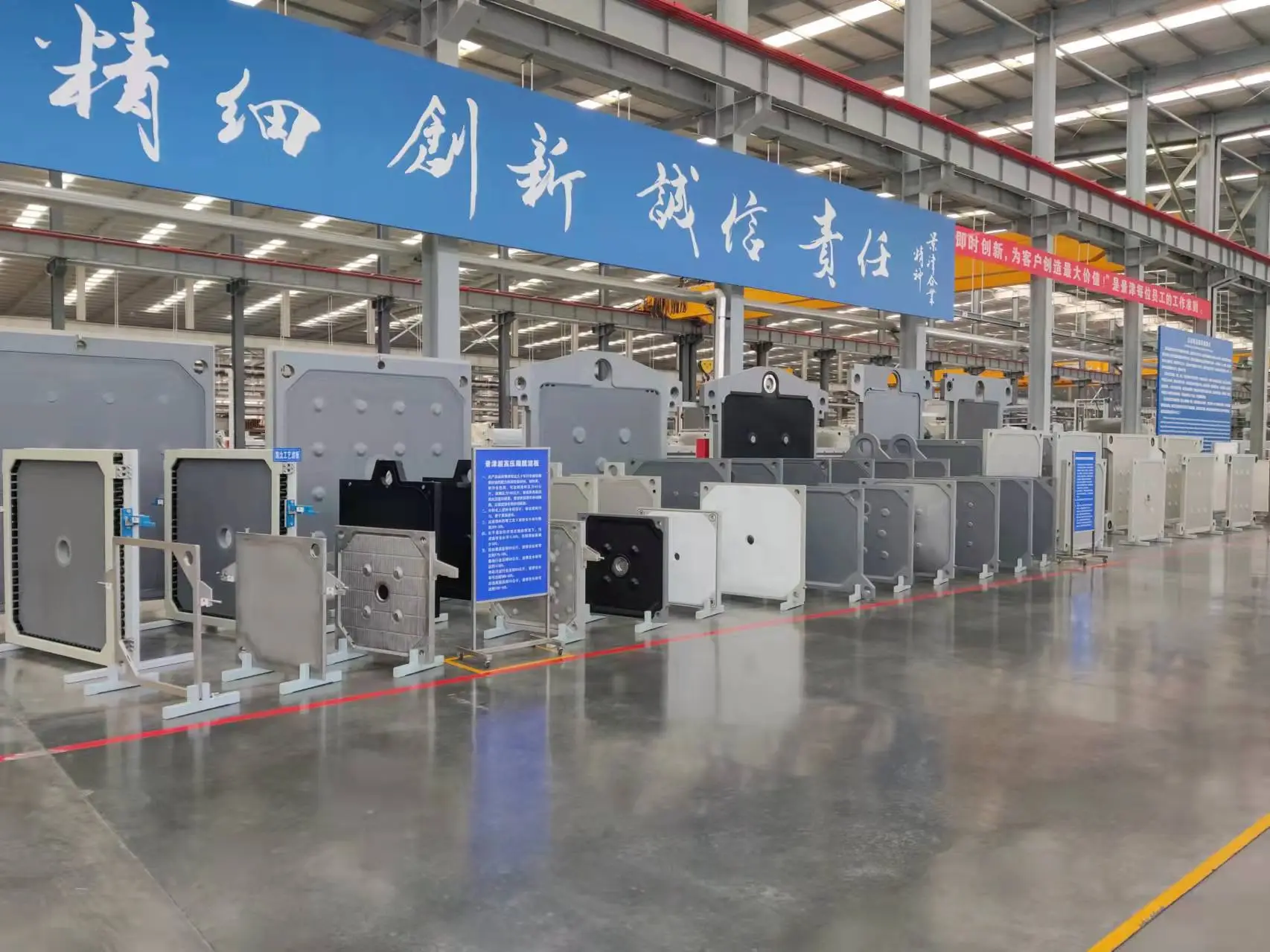
Customized Filter Press Plates for the Mining Industry: What You Need to Know
Filter Press Cloth for Food and Beverage Industry: Ensuring Safety and Quality
Comparing Jingjin Filter Press with Other Brands: Which One Suits You Best?
How to Clean and Replace Filter Press Cloths for Optimal Performance