China Filter Press Guide for Global EPC Contractors
Understanding Filter Press Technology for EPC Projects
- Understanding Filter Press Technology for EPC Projects
- Key Selection Criteria for EPC Applications
- Advantages of Chinese Filter Press Manufacturers
- Integration Challenges and Solutions
- Operational Excellence and Maintenance Best Practices
- Cost Optimization Strategies
- Future Trends and Technology Developments
- Partner with Jingjin for Your Next EPC Project
- References
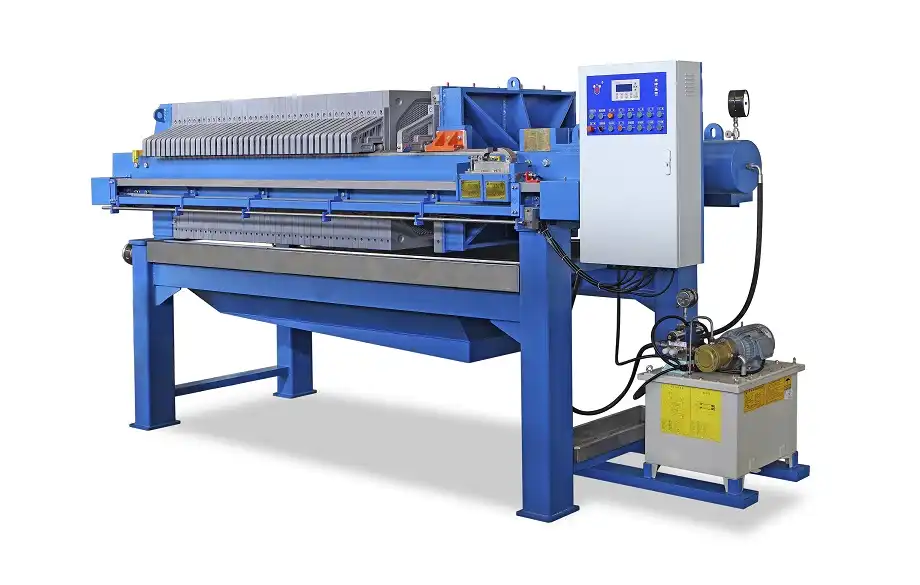
Global EPC companies are under more and more pressure to deliver solid-liquid separation solutions that work well and are reliable for a wide range of industry projects. Chinese companies that make filter press equipment have become reliable partners because they offer cutting-edge technology, low prices, and full support systems. This guide talks about how to choose, set up, and get the most out of filter press systems for your next project, making sure that they meet strict environmental standards and project deadlines while also draining as efficiently as possible.
Understanding Filter Press Technology for EPC Projects
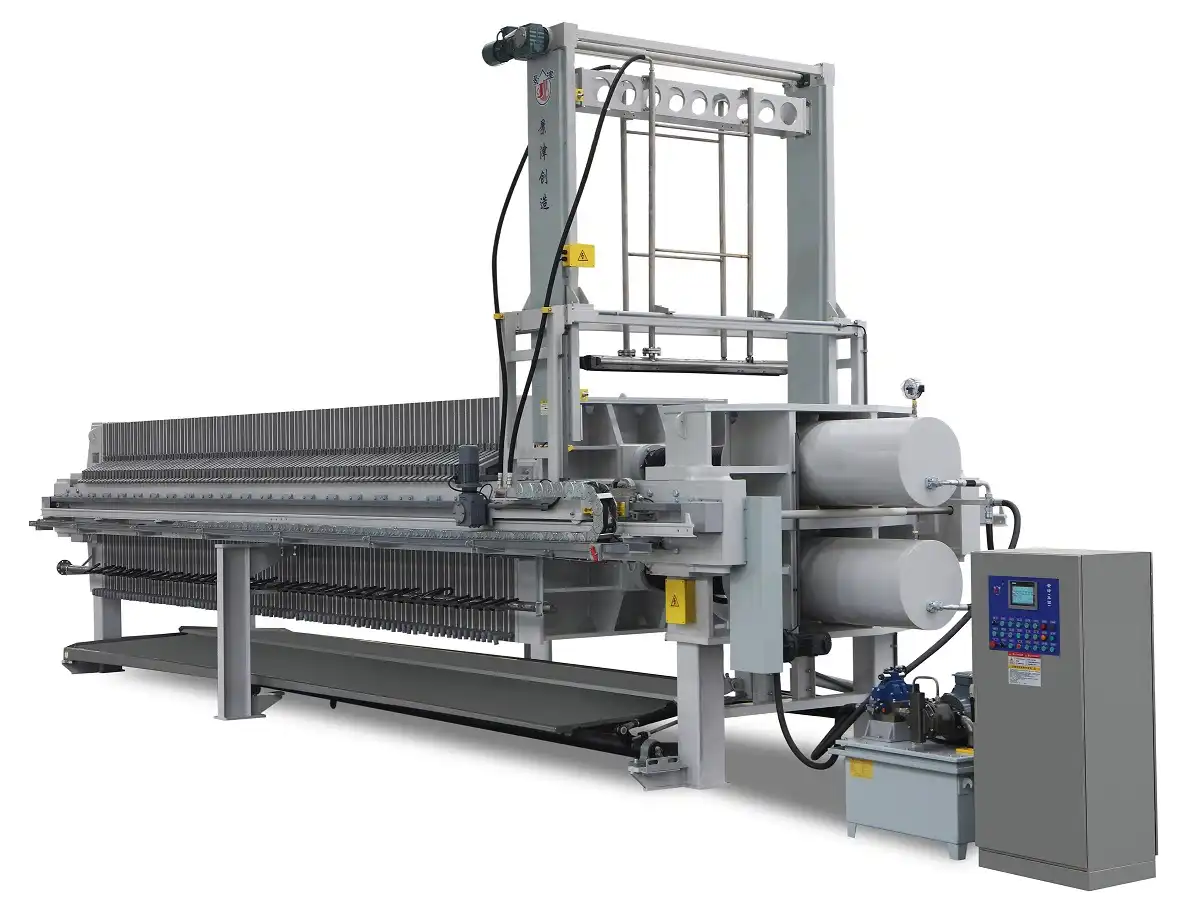
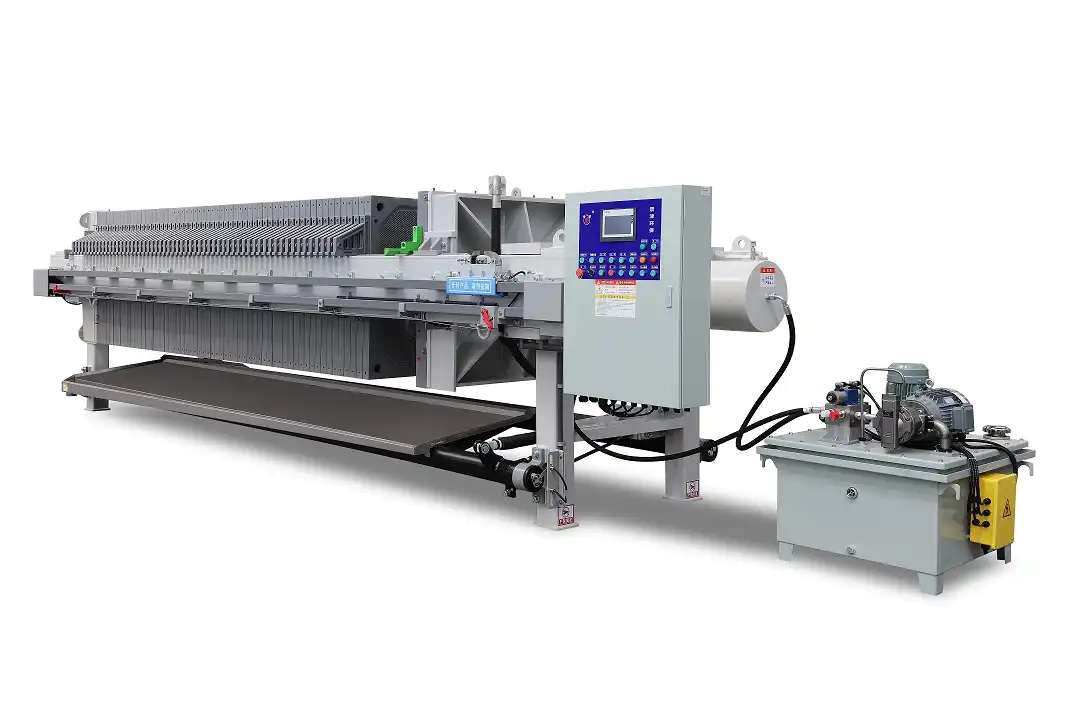
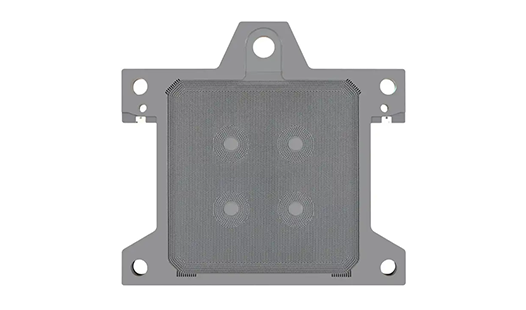
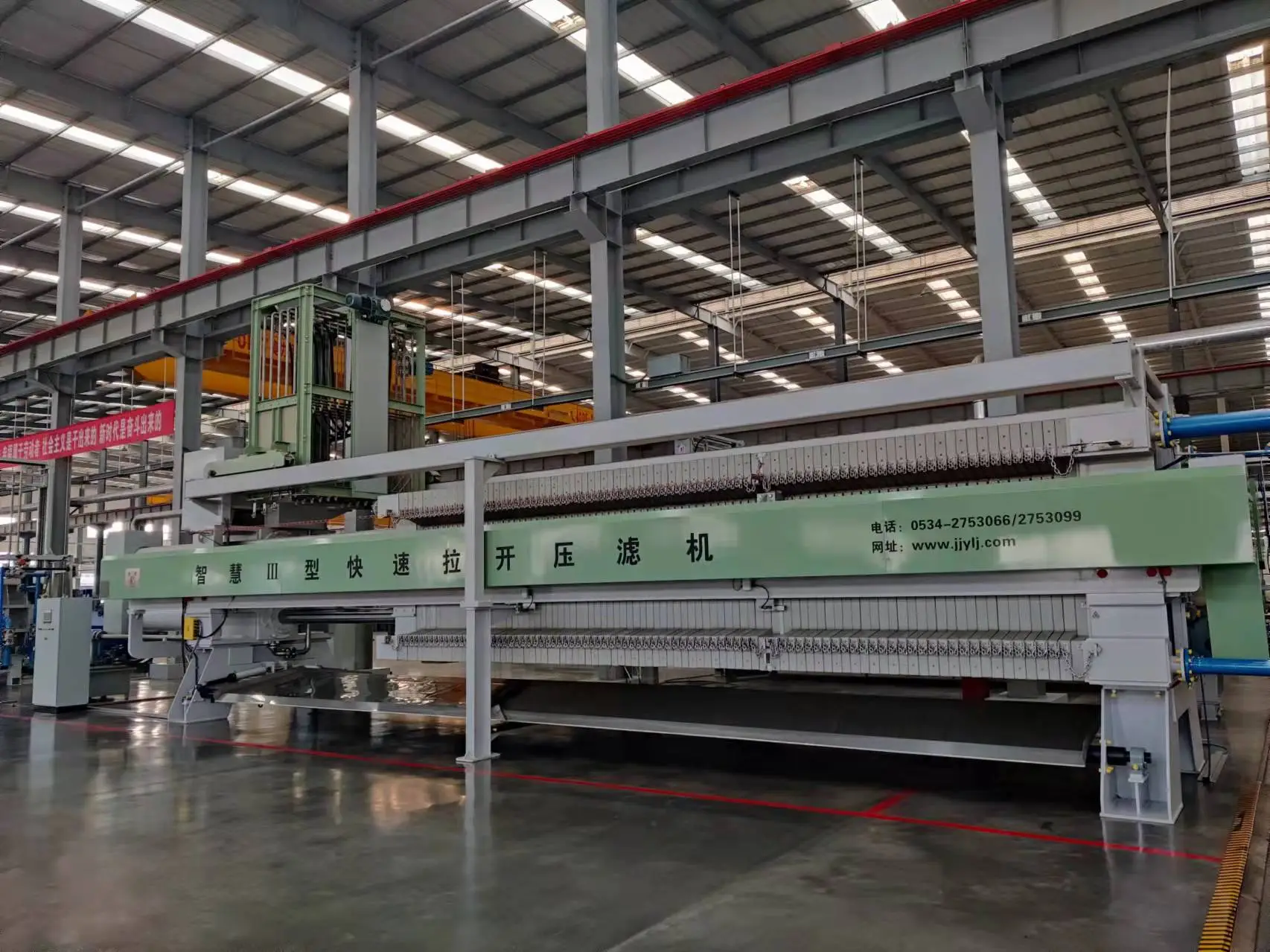
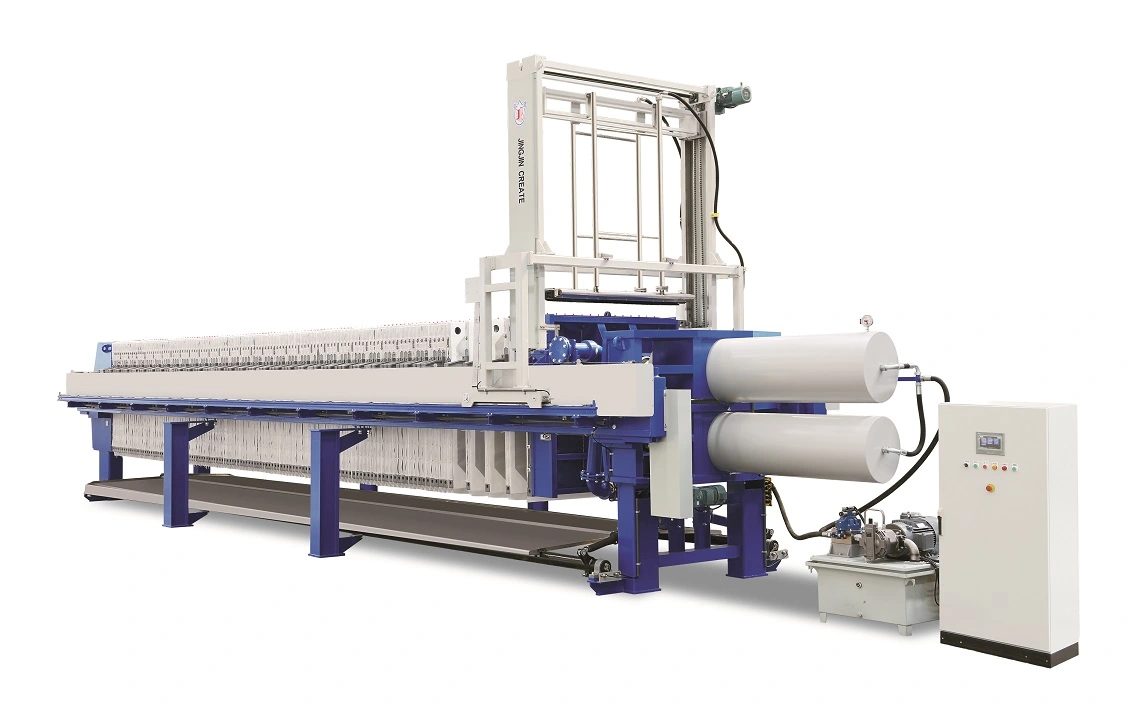
Filtration needs in industry have changed a lot over the years, pushing filter press technology past its usual limits. These mechanical separation systems work by using a set of hollow plates and filter cloths to make spaces where pressure-driven dehydration of the slurry can happen. The process turns mixes of liquids and solids into filter cakes that are easy to handle and have as little as 15 to 25 percent wetness.
EPC workers really like how modern filter press designs can be scaled up or down and how they can be put together in different ways. The chambers can hold anywhere from 10 liters to over 8,000 liters of material per plate, so they can be used for projects ranging from small test plants to large commercial setups. Operating pressures are also very flexible; systems can handle anywhere from 4 bar to 25 bar, based on the needs of the operation.
New plate materials and surface processes have made it possible to use them in more situations. Polypropylene plates don't rust when they're in tough settings, and special coats keep material from building up during long filter processes. These improvements directly address EPC contractors' worries about how long equipment will last and how much care it will need in different working situations.
Key Selection Criteria for EPC Applications
To successfully integrate filter press equipment, many technical and business factors must be carefully considered. The main thing to think about is the filtration capacity, which is calculated by the solids loading rates, the cake thickness that is wanted, and the cycle frequency. For most commercial uses, handling 50 to 500 cubic meters of slurry every day means systems need to have 20 to 200 square meters of filtering area.
When working with toxic chemicals or high-temperature streams, material suitability is very important. Parts made of stainless steel work well in chemical and pharmaceutical processing environments, while parts made of strengthened plastic work well in most chemical processing environments. The choice of filter cloth has an equal effect on performance. Synthetic fabrics last longer than natural fibers.
The amount of automation has a big effect on how efficiently operations run and how many workers are needed. Smaller sites with trained workers can use manual systems, while fully automatic presses work well with current process control systems. Programmable logic controls let you keep an eye on things from afar and change cycle settings based on real-time data about how they're working.
Project deadlines often determine how to find tools. Standard setups from Chinese makers can usually be delivered in 8 to 16 weeks, while unique designs may take 16 to 24 weeks. Getting in touch with sellers early on lets you make changes to the specifications and lowers the risks of buying.
Advantages of Chinese Filter Press Manufacturers
China's filter equipment market has grown a lot. The biggest companies have become ISO 9001 certified and put in place strict quality control systems. High manufacturing standards are kept while production numbers allow prices to be affordable. Many factories make more than 1,000 filter press units every year, which helps buyers from other countries save money.
In most cases, our technical skills are now on par with those of well-known European makers. Modern computer-aided design systems make sure that the shape of plates and hydraulic systems work as efficiently as possible. Before shipping, performance is checked in a variety of working situations at thorough testing centers. This lowers the risks associated with launching.
The number of service networks around the world has grown very quickly. Many Chinese makers keep extra parts and service techs in big markets. This system fixes problems that people had in the past with assistance after installation and lowers the total cost of ownership by making reaction times faster.
Innovation investments are still going up, and big companies spend between 3 and 5 percent of their income on research and development. New innovations include better membrane technologies, smart wash systems, and predictive maintenance programs that make tools work better.
Integration Challenges and Solutions
When EPC workers add filter press equipment systems to bigger process designs, they face certain problems. Because of interface requirements, pump specs, pipe plans, and the merging of the control system need to be carefully thought out. Filtration jams are caused by feed pumps that are too small, and capital costs go up for equipment that is too big.
Planning for utilities needs to be coordinated early on with building planners. For membrane squeeze cycles to work, compressed air systems need to have the right flow rates and pressures. The quality of the wash water and the temperature settings affect how well cakes come off and how long the cloth lasts. Electrical needs are very different for human and automatic processes.
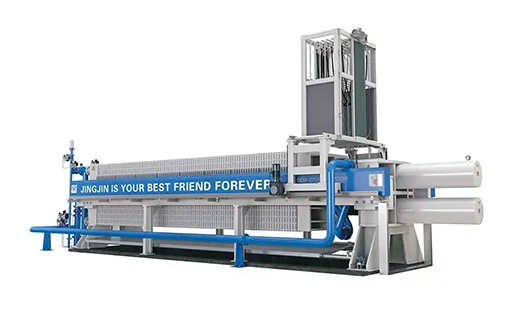
Modern buildings often have limited space, which makes it hard to place tools in certain places. Compact designs with vertical plate setups take up less space while still being able to filter. When a room becomes available gradually, a modular building lets you place parts in stages.
Maintenance access issues stop practical problems from happening in the future. For replacing filter cloth, there needs to be enough room around the equipment, and for repairing a hydraulic system, there needs to be a separate area. Planning these needs during the planning stages keeps changes from being made later that cost a lot of money.
Operational Excellence and Maintenance Best Practices
To get the best performance from a filter press, you need to pay close attention to its working settings and repair plans. Cycle optimization measures the amount of time spent on filtering, washing, and removing the cake so that output is maximized while cake quality is maintained. Depending on the properties of the slurry, total cycle times of 60 to 90 minutes are good for most uses.
Preventive repair plans make tools last a lot longer and cut down on unplanned downtime. The focus of daily checks is on hydraulic forces, the state of the cloth, and the release systems. As part of weekly processes, moving parts are oiled, and safety systems are checked. Every month, tasks include a thorough look at performance and an evaluation of wear parts.
Managing filter cloths is very important for success because the efficiency of separation depends on how well they are chosen and maintained. Cloth life ranges from 6 months to 3 years, based on how hard it is used and how well it is maintained. Regular washing methods get rid of fines that have built up and stop blindness from happening too soon.
When used correctly, performance tracking tools can give businesses useful information about how they're running. Filtration rate, cake wet content, material difference pressure, and cycle finish time are some of the most important signs. Trend analysis finds small drops in performance that happen over time before they become big problems.
Cost Optimization Strategies
When figuring out the total cost of ownership, you have to add up the price of buying the equipment, the cost of installing it, the cost of running it, and the cost of servicing it over its lifetime. Buying filter press equipment from China is usually 20–40% cheaper than buying similar equipment from Europe, but it works just as well in most situations.
Energy consumption optimization looks at how well hydraulic systems work and how much compressed air is used. Variable frequency drives on hydraulic pumps use less power when the pressure is low, and efficient air return systems keep compressed air loss to a minimum. Most of the time, these changes save 15 to 25 percent of energy.
Spare parts plans weigh the costs of keeping supplies against the risks of downtime. Important parts like hydraulic cylinders and control valves must be available right away, while common things can count on fast delivery from their suppliers. Standardization across various locations makes extra parts easier to understand and use.
Managing consumables has a big impact on the long-term costs of running a business. The main ongoing cost is filter rags. Better fabrics are worth the extra money because they last longer and are more durable. Most of the time, buying in bulk lowers unit costs and guarantees a steady supply.
Future Trends and Technology Developments
Through improved tracking and control systems, digitalization is continuing to change how filter presses work. Internet of Things devices let you watch performance from afar and plan repairs ahead of time. Machine learning systems automatically find the best cycle settings based on the features of the feed and the elements outside the machine.
Rules about the environment push technology to get better so it works better and makes less waste. Better wash methods use less water while keeping the quality of the cake. Closed-loop systems stop pollutants from entering the air and make the workplace safer.
New developments in material science promise that tools will last longer and work better. New polymer combinations are lighter and cheaper to make than older materials, but they are also better at resisting chemical attack. Specialized surface processes make it easier for cakes to stick to the cloth and make it last longer.
Integration of automation is getting smarter; current systems can talk to remote control systems without any problems. Advanced process control methods improve the efficiency of whole treatment trains instead of just one piece of equipment, which makes the whole building more efficient.
Partner with Jingjin for Your Next EPC Project
Jingjin Tools Inc. is ready to help you with your next filtration problem by providing you with tested filter press tools and full engineering services. Our skilled technical team works with EPC companies all over the world to create unique systems that meet the strict requirements and deadlines of each project. Jingjin is a trusted company that can provide filter press equipment for projects in a wide range of businesses. They can make both standard and custom designs. Email our engineering team at [email protected] to talk about your unique needs and find out how our cutting-edge filter solutions can help your project succeed.
References
1. Smith, J.R. and Chen, M. (2023). "Industrial Filtration Equipment Selection Guide for Engineering Contractors." Process Engineering International, Vol. 45, pp. 78-92.
2. Williams, K.A. (2022). "Comparative Analysis of Global Filter Press Manufacturing: Quality and Performance Standards." Separation Technology Review, Vol. 38, No. 4, pp. 156-171.
3. Thompson, D.L., Zhang, H., and Rodriguez, C. (2023). "EPC Project Integration Strategies for Solid-Liquid Separation Equipment." Engineering Procurement Construction Quarterly, Vol. 29, pp. 203-218.
4. Anderson, P.M. (2024). "Cost-Benefit Analysis of International Filter Press Suppliers in Industrial Applications." Equipment Procurement Management, Vol. 52, No. 2, pp. 89-104.
5. Liu, X.F. and Johnson, R.K. (2023). "Operational Performance Optimization in Large-Scale Filter Press Systems." Industrial Process Engineering, Vol. 67, pp. 234-249.
6. Mitchell, S.C., Wang, L., and Brown, A.J. (2022). "Maintenance Best Practices for Filter Press Equipment in EPC Projects." Plant Engineering and Maintenance, Vol. 41, No. 6, pp. 112-127.
jingjin
Founded in 1988, Jingjin specializes in filter presses and liquid-solid separation solutions, serving over 130 countries worldwide, and is a standard-setter in China's filter press industry.
Get the Filter Press guide
Enter Your Email for Technical assistance for the Filter Press.

Recommended Blog
China Filter Press Supply Chain from Coastal Industrial Parks
Common Problems with Filter Press Plates and How to Prevent Them
Where to Buy High Quality Multi Disk Screw Press for Efficient Sludge Dewatering
Where to Buy Reliable Press Filters for Chemical and Mechanical Filtration