Filter Press Cloth Mesh Size and Specifications Explained
Introduction
- Introduction
- Understanding Filter Press Cloth Mesh Size and Specifications
- Types of Filter Press Cloth and Their Specifications
- Selecting the Right Filter Press Cloth for Your Application
- Maintenance, Cleaning, and Durability of Filter Press Cloth
- Conclusion
- FAQ: Filter Press Cloth Mesh Size and Specifications
- Partner with Jingjin for Superior Filter Press Cloth Solutions
- References
Industrial filtration systems separate particles and liquids based on the filter press cloth mesh size and specifications. How efficiently particles are retained and how transparent the liquid is depend on the mesh size. Understanding these characteristics helps purchasing managers and process engineers pick filtering media that balance cost, efficiency, and robustness. From wastewater treatment to mining, reliable separation technology is essential to operational success and regulatory compliance. Proper specification matching assures top performance.
Introduction
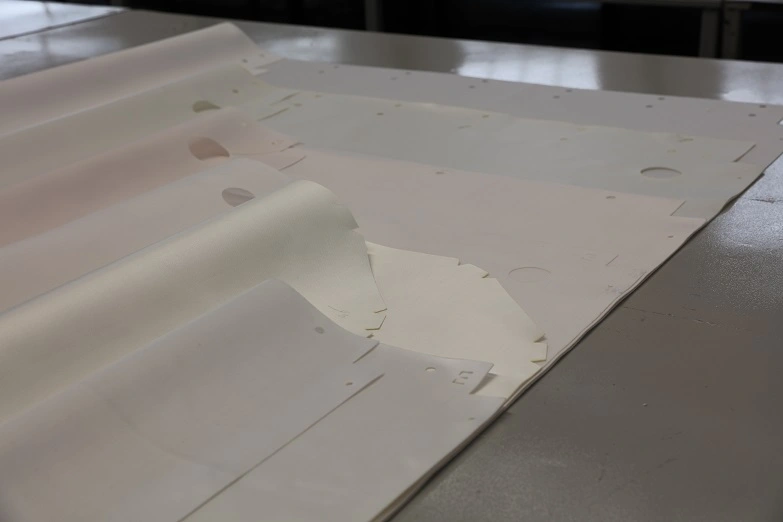
Filter press cloth affects the industrial filtration system quality and performance. Choosing the proper fabric characteristics for your application is crucial to a successful filtration operation. Mesh size and specifications are crucial for procurement managers, process engineers, and plant personnel who must balance filter accuracy, lifetime, and flow.
Today's industrial environments need separation technologies that can handle tough slurries and maintain performance. The filter material you pick affects your bottom line, whether you run a municipal wastewater treatment facility, a mining operation, or a chemical processing plant. The correct media may save operational expenses, improve compliance, and stabilize your firm.
This complete handbook is for worldwide B2B purchasing managers, engineers, and EPC professionals. It provides essential filter press cloth selection and maintenance instructions. We concentrate on practical concerns that affect your purchase decisions, operational speed, and tool durability. Our decades of experience working with customers in 123 countries have taught us how to make filtering systems function in real life.
Understanding Filter Press Cloth Mesh Size and Specifications
How successfully filter press cloth mesh catches particles and allows liquid flow through depends on the number of holes per inch or millimeter. This simple metric shows what size particles your system can trap while allowing clear filtrate to pass. Well-known filter criteria used to pick materials in various industries link mesh size with particle retention.
Key Specification Parameters
Material specifications go beyond mesh measurements to incorporate performance attributes. Pore size distribution determines separation rate, whereas thickness affects filtering capacity and mechanical strength. Permeability measurements indicate flow rates at varying pressures, which affect cycle durations and output capacity.
Standardized tensile strengths ensure materials will endure in mining and chemical operations under high pressure. When using hot slurries or aggressive cleaning procedures, temperature resistance ratings matter. Chemical compatibility data prevents items from breaking down and contaminating process streams or filters.
Industry Certification Standards
Following industry certificate criteria ensures quality and reliability across suppliers and manufacturing batches. FDA-approved materials must fulfill high food and medical requirements, and NSF certification ensures they operate in drinking water systems. These standards reassure buyers that materials will function and obey the regulations.
Knowing these technological elements helps you make wise decisions that increase filter accuracy and operational security. Process engineers require precise design data to simulate system performance, estimate maintenance, and determine optimal operating parameters. This technological foundation helps you pick the proper tools and operate your firm long-term.
Types of Filter Press Cloth and Their Specifications
Filter press cloths come in several weaves and materials. Each is tailored to a unique company and workplace. Its chemical resistance and temperature tolerance depend on material choice. Weave patterns impact particle retention and material flow. Knowing these variances lets you match fabric parameters to product demands.
Woven vs Non-Woven Technologies
Strong woven materials don't shrink when stretched, making them ideal for mining and material handling. Interlaced fibers keep hole sizes constant and let the cake release well. Non-wovens keep particles better and are simpler to install for fine filtration.
Polypropylene is ideal for chemical protection in mines where acidic or caustic conditions may shorten equipment life. Natural properties help polypropylene operate effectively over a broad pH range and retain its structure under mechanical stress. PTFE works better in severe high-temperature chemical processing environments.
Industry-Specific Material Applications
Mining materials must handle gritty slurries and perform well after repeated high pressure. Materials for municipal wastewater treatment must resist biological decomposition and remove water. Chemical processing requires nontoxic, accurate separation materials.
Industry-specific versions include labor circumstances, environmental issues, and regulatory needs while ensuring performance and compliance. Compare filtering cloth to filter paper or metal meshes to identify cost-benefit scenarios that help purchasers make the optimal total cost-of-ownership selections.
Selecting the Right Filter Press Cloth for Your Application
You must examine several technical and commercial variables while selecting filter media that might affect your firm's short-term and long-term performance. First, clearly characterize your slurry's particle sizes, chemical composition, and temperature. This database lets you match textile specifications to practical demands.
Technical Matching Criteria
Particle size analysis determines the smallest mesh size that is needed to separate the particles as efficiently as possible. Checking for chemical compatibility stops materials from breaking down, which could hurt performance or let contaminants into your process. Temperature and pressure standards need to be able to handle the highest working conditions while still leaving enough room for unexpected changes in the process.
Abrasion resistance is very important in situations where solids in the slurry cause wear, like in material processing or building. The way cakes release affects cycle times and how well they clean, which has a direct effect on working throughput and repair needs. To get the best general system performance, these technical factors need to be carefully balanced.
Procurement Strategy Considerations
A commercial evaluation looks at more than just the original purchase price. It also looks at the total cost of ownership, which includes things like service life, how often something needs to be replaced, and how much upkeep it needs. A filter press cloth supplier's credibility is judged by how well they can make things, get them certified for quality, have a global service network, and offer expert help. These things become even more important for businesses that need reliable supply lines and quick expert help.
Minimum order amounts and wait times need to work with how you handle your inventory and when you run your business. With customization options, products can be made to work best for specific uses, and buying in bulk can save you a lot of money. Warranty terms and performance promises give you even more peace of mind in serious situations where equipment failure has a big effect on operations.
Maintenance, Cleaning, and Durability of Filter Press Cloth
Following the right maintenance steps has a direct effect on the service life and long-term performance of filtering media. Effective cleaning methods get rid of built-up dirt and grime without hurting the fabric's structure, and storing it correctly keeps it from breaking down while it's not being used. Knowing these upkeep needs helps you make accurate predictions about when to replace things and how much they will cost to run.
Cleaning Method Selection
Mechanical cleaning methods, like washing with water and air purging, remove small contaminants gently while keeping the fabric's structure. Chemical cleaning procedures use cleaning agents that are compatible with the type of contamination to break down the buildup of materials without damaging the base cloth. The choice between mechanical and chemical means is based on the type of contamination and the limitations of the process.
Cleaning frequency optimization strikes a balance between getting rid of contaminants completely and meeting operating efficiency needs. Too much cleaning can speed up the wear and tear on fabrics, while not enough cleaning lowers the effectiveness of filters and raises working pressures. Setting up cleaning schedules based on watching the pressure difference and measuring the quality of the filtrate improves both performance and service life.
Durability Enhancement Strategies
Choosing the right materials is very important for getting a longer service life in tough operating circumstances. Formulations that are resistant to abrasion can handle the mechanical stress of multiple filtration processes without losing their structural integrity. When fabrics are heated to high temperatures, they can be cleaned in harsh ways that get rid of all contaminants without damaging the fabric's properties.
Protocols for regular inspections find wear patterns and problems before they get worse and affect how well the system works. Proper keeping methods, such as managing humidity and temperature and shielding from UV light, keep things from breaking down too quickly. These preventative methods greatly extend the life of operations while lowering unexpected costs for replacements and downtime.
Conclusion
Knowing the size and specs of filter press cloth mesh lets buying teams make smart choices that improve both short-term performance and long-term operating success. The technical factors we looked at have a direct effect on the efficiency of separation, the costs of operation, and legal compliance in a wide range of industry settings. Finding the right material means finding a balance between a number of factors, such as the need to keep particles in the material, its chemical compatibility, its ability to withstand high temperatures, and its mechanical sturdiness.
For filtration processes to go well, the application needs to be carefully analyzed and matched with the right material specs. The money spent on doing a good design analysis pays off in lower upkeep costs, better separation efficiency, and more reliable operation. In difficult situations where equipment failure has big practical and financial effects, these benefits become even more valuable.
FAQ: Filter Press Cloth Mesh Size and Specifications
1. What mesh size should I choose for fine particle filtration applications?
For fine particle filtering, mesh sizes with 200 to 400 holes per inch are common. However, this depends on how the particles in your slurry are distributed in terms of size. Higher mesh sizes and the right choice of material that keeps flow rates high are good for applications that want to filter out particles smaller than 50 microns.
2. How do I determine chemical compatibility for my specific application?
To check if your process chemicals are compatible, you need to compare them to the material resistance charts that makers provide. You should think about pH values, oxidizing agents, organic solvents, and the effects of weather. If you are working with complicated chemical mixes, you should ask for sample tests or talk to technical experts to make sure that the materials will stay stable over time.
3. Can filter press cloths be reused after cleaning?
If you clean and take care of high-quality filter cloths made for commercial use the right way, you can usually use them more than once. How long something works relies on how it's used, how it's cleaned, and the quality of the material. Checking for wear trends, changes in size, and loss of performance on a regular basis helps figure out when to replace something.
4. What factors affect the service life of filtration cloth?
The length of time something works depends on many things, like the type of material used, how it's cleaned, and how it's used. Extreme temperatures, harsh chemicals, abrasive slurries, and high-pressure activities can all shorten the life of a service. The right choice of materials and upkeep procedures can greatly increase the life of an operation while keeping its performance level.
Partner with Jingjin for Superior Filter Press Cloth Solutions
The filter solutions offered by Jingjin Equipment Inc. are backed by more than 35 years of manufacturing quality and technical innovation. We have a huge selection of high-quality filter cloths, including knitted, non-woven, and custom-designed choices that are made to separate solids and liquids better. As a top producer of filter press cloth with customers in 123 countries, we know how important it is for your operations to have accurate standard matching and reliable supply chain support.
Our technical team can help you choose the best materials, and our global service network will make sure you get quick help no matter where your operations are based. Email us at [email protected] to talk about your unique needs and find out how our tried-and-true methods can improve the efficiency and dependability of your filtration.
References
1. Industrial Filtration Society. "Standard Specifications for Filter Press Cloth Materials and Performance Testing Protocols." Journal of Industrial Separation Technology, 2023.
2. American Water Works Association. "Guidelines for Filtration Media Selection in Municipal and Industrial Applications." AWWA Technical Manual Series, 2022.
3. Society of Mining Engineers. "Best Practices for Solid-Liquid Separation in Mineral Processing Operations." SME Handbook of Mineral Processing, 2023.
4. International Organization for Standardization. "Textile Filter Media—Test Methods for Permeability and Particle Retention Characteristics." ISO Technical Standard 15105, 2022.
5. Chemical Processing Magazine. "Material Compatibility and Performance Evaluation in Industrial Filtration Systems." Annual Equipment Review, 2023.
6. Environmental Protection Agency. "Treatment Technology Performance and Cost Analysis for Industrial Wastewater Applications." EPA Technical Report Series, 2022.
jingjin
Founded in 1988, Jingjin specializes in filter presses and liquid-solid separation solutions, serving over 130 countries worldwide, and is a standard-setter in China's filter press industry.
Get the Filter Press guide
Enter Your Email for Technical assistance for the Filter Press.
Recommended Blog
Integration of Press Pump and Filter Press Systems for Enhanced Performance
Affordable Filter Press Machines for the Chemical Industry: What to Look For
Step-by-Step Guide: How to Maintain a Filter Press for Optimal Performance
Where to Buy Industrial Filter Press Cloth: Top Suppliers and Tips
Comparing Jingjin Filter Press with Other Brands: Which One Suits You Best?
Common Problems with Filter Press Plates and How to Prevent Them
Custom Filter Presses for the Chemical Industry: Choosing the Right Solution