Feed Pump Flow Rate for Filter Press: How to Calculate and Optimize It
Feed Pump Flow Rate for Filter Press: How to Calculate and Optimize It
Understanding Feed Pump Flow Rate in Filter Press Systems
- Understanding Feed Pump Flow Rate in Filter Press Systems
- How to Calculate Filter Press Feed Pump Flow Rate?
- Optimizing Feed Pump Flow Rate for Enhanced Performance
- Comparing Filter Press Feed Pump Options for Optimal Decision-Making
- Procurement Guide: Selecting and Purchasing the Right Filter Press Feed Pump
- Conclusion
- FAQ
- Partner with Jingjin for Superior Filter Press Feed Pump Solutions
- References
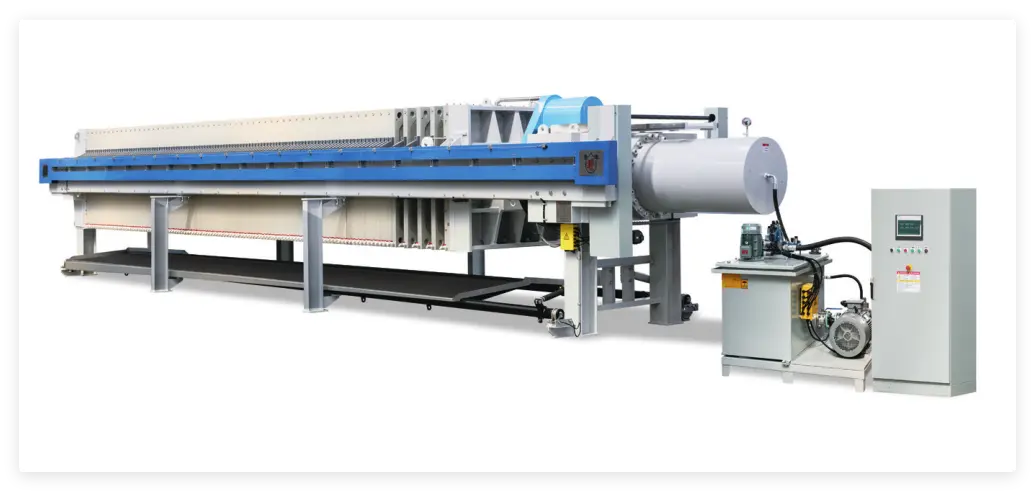
Knowing the right feed pump flow rate for your filter press system can mean the difference between draining quickly and having to pay for expensive downtime. A filter press feed pump is an important part that brings slurry into your filtration system. It does this by giving the pressure (8–30 bar) and controlled flow rate that are needed for the best solid–liquid separation. Figuring out and improving your pump flow rate has a direct effect on cycle times, cake dryness, and general operational efficiency in a wide range of industrial settings, whether you're dealing with mining waste, municipal sludge, or chemical processing waste.
Understanding Feed Pump Flow Rate in Filter Press Systems
The feed pump flow rate tells you how much sludge is being sent to your filter press in a given amount of time. It is usually given in cubic meters per hour (m³/h) or liters per minute (L/min). During the dewatering process, this number has a direct effect on how well your filters work, how long the cycle lasts, and how much slurry they can handle.
What Is Feed Pump Flow Rate and Why Does It Matter?
How quickly your filter press feed pump chambers fill with slurry and how well the next step of pressurization separates liquids from solids depend on the flow rate. Too high a flow rate can cause cakes to form unevenly and filter cloth to wear out too quickly. On the other hand, too low a flow rate can make cycle times longer and lower output. It is very important to understand this balance when working with different types of slurries for mining, chemical, and food preparation.
Precise flow rate control is needed for industrial facilities to keep cake quality constant and get the most out of their dewatering processes. Everything from how much energy is used to when to do maintenance is affected by the link between flow rate and pressure generation. This is why procurement managers and process engineers use it as one of the most important factors when choosing equipment.
Key Pump Types and Their Flow Characteristics
Different types of pumps have different benefits when it comes to controlling flow rates and working with slurry. Being aware of these differences will help you choose the best option for your application needs.
Because they can precisely control pressure, piston diaphragm pumps are becoming more and more popular for use in filter presses. Variable frequency drives (VFDs) in these pumps make it possible to accurately change the flow rate while keeping vital parts from wearing out too quickly. Because they can work with abrasive slurries without changing how they do their job, they are perfect for chemical processing and mining settings.
Progressive cavity pumps use a rotating rotor and stator device to keep flow rates steady. These pumps work especially well with thick slurries. But when working with very rough materials, they might not work as well, so it's important to think about the properties of the slurry when choosing a pump.
Centrifugal pumps are great for quickly filling up the tank at the start, but they might not be able to handle the high pressure needed for the dewatering part. Air-operated double diaphragm pumps are easy to use and don't cost as much at first, but they need systems that compress air, which can make them use more energy overall.
How to Calculate Filter Press Feed Pump Flow Rate?
To get an accurate flow rate, you need to carefully think about a number of factors that have a direct effect on your filter process. This article explains a methodical way to make sure that you get the right size pump for your needs.
Essential Parameters for Flow Rate Calculation
To figure out the right flow rate, you must first understand how your slurry works and what your system needs. Some important factors are the amount of sludge in each batch, the percentage of solids, the size of the filter press chamber, the number of filter plates, and the cycle time that is needed to finish processing.
When figuring out the chamber volume, the total filter press feed pump area and cake thickness needs are taken into account. The available filtration surface area is directly related to the number of filter plates. Desired cycle times must balance the need for high output with high cake quality. Flow rates are also affected by the viscosity of the slurry and the spread of particle sizes, especially during the first filling phase.
If you know these factors, you can set baseline requirements before choosing the right pump technology and size specifications.
Step-by-Step Calculation Method
To start your math, you need to figure out how much slurry you need for each turn, taking into account both the liquid phase and the solid cake formation. Figure out the effective chamber volume by using the design of your filter plates and the cake thickness you want. When figuring out how much material needs to be processed, you need to take into account the solid concentration percentage.
Next, set your goal cycle time based on how much work needs to be done and the limitations of your operations. To find the flow rate needed during the initial charging process, divide the total volume of the slurry by the time you want it to fill up. Keep in mind that flow rates might need to be changed at different points of the cycle, especially when the cake is forming and the pressure is building up.
Take into account system losses, such as friction in the pipes and changes in elevation, which can change the real flow rates that are delivered. Safety margins of 10 to 15 percent help make sure that the pump works well in a variety of operational situations and stop it from being too big, which could cause it to lose efficiency.
Application-Specific Considerations
Large amounts of slurry and the need to quickly process tailings and concentrate materials mean that mining activities usually need higher flow rates from the filter press feed pump. Because mine slurries are rough, there needs to be a careful balance between flow rate and pump life. Stronger pump technologies are often preferred, even if they cost more at first.
In chemical processes, corrosive materials may be used, which means that the pump needs to be made of special materials and have special features. When figuring out flow rates, it's important to take into account changing viscosities and chemical processes that might happen during processing and change the properties of the slurry.
To stay in line with regulations and get the most out of their sludge handling, municipal wastewater treatment plants focus on steady, predictable flow rates. In these situations, using less energy and keeping up with upkeep is usually more important than having the highest flow rate possible.
Optimizing Feed Pump Flow Rate for Enhanced Performance
The goal of optimization techniques is to get the most out of filtration while keeping costs and equipment wear to a minimum. Finding performance bottlenecks and putting in place focused solutions can make your system work much better overall.
Identifying Common Flow Rate Issues
Underflow conditions show up as longer cycle times, bad cake formation, and chambers that aren't filled. These problems usually happen when pumps are too small, when system losses are too high, or when the wrong pump is chosen for the type of slurry. By keeping an eye on pressure differences and cycle completion times, you can find underflow problems before they hurt production.
Even though overflow situations don't happen very often, they can lead to uneven cake formation, premature filter cloth wear, and more upkeep needs. High flow rates can also cause channeling effects, in which slurry skips over parts of the filter area, which lowers the overall efficiency.
Variable flow rates could be a sign of pump wear, problems with the control system, or changes in the properties of the slurry. Monitoring the steadiness of the flow rate regularly can help find problems before they get so bad that they need to be fixed or replaced right away.
Practical Optimization Strategies
For optimizing the flow rate on the filter press feed pump, variable frequency drives are one of the best tools you can use. VFD systems make it possible to precisely change the pump speed to meet changing practical needs during the filtration cycle. This feature lets you get the best filling rates during the initial charging phase and gives you the pressure control you need for the draining phases to work well.
Using automated control systems that keep an eye on chamber pressure, flow rate, and cycle progress can help pumps work better without the user having to keep an eye on them all the time. These systems change the flow rates based on what's happening in real time. This makes things more consistent while using less energy.
Regular repair plans that focus on pump parts, control systems, and monitoring gear help keep the flow rate working at its best. Preventative maintenance stops performance loss that happens slowly and cannot be seen until it causes big losses in efficiency.
Choosing the right material is very important for keeping the flow rate performance stable over time. Wear- and corrosion-resistant parts keep the pump working efficiently for longer, so performance changes and part replacements are needed less often.
Comparing Filter Press Feed Pump Options for Optimal Decision-Making
To choose the right pump technology, you need to carefully look at how well it works, how much it costs to run, and what the working needs are. Knowing what the pros and cons of each type of pump are can help you choose the best tools for your needs.
Centrifugal vs. Diaphragm Pump Performance
Centrifugal pumps are easy to use, don't need much upkeep, and are a cost-effective way to move clean or slightly contaminated slurries. Because they can handle high flow rates, they are good for the first stages of filling, but because they can't handle much pressure, they may need extra pumping for the draining stages.
When exact pressure control and flow rate adjustment are needed, diaphragm pumps are the best choice. Because they are positive displacement, their performance stays the same even if the system pressure changes. This makes them perfect for full filtration processes. Diaphragm pumps are great for mining and chemical processes because they can handle slurries that are abrasive or corrosive with little wear.
When starting and stopping the filter press feed pump often or changing the flow rate, diaphragm pumps are better because they use less energy. Centrifugal pumps may be more efficient when they are running all the time at the same flow rate, especially in bigger systems where pressure changes don't happen often.
Material and Design Considerations
The materials used for wet parts must be able to withstand both chemical attack and mechanical wear for the whole time they are supposed to work. Depending on the type of slurry and the working conditions, stainless steel, high-chrome alloys, and special elastomers offer different levels of security.
Wear plates that can be replaced, hard-faced parts, and modular construction are all design features that affect both the original cost and the amount of maintenance that needs to be done over time. Pumps that are easy to maintain and repair parts of save money on downtime costs and extend the life of the equipment as a whole.
Flow path design affects both how well the pump works and how quickly its parts wear out. Smooth, streamlined passages cut down on turbulence and abrasive wear, and designs that avoid sharp turns and limits help keep flow rates steady over the life of the pump.
Procurement Guide: Selecting and Purchasing the Right Filter Press Feed Pump
To buy a pump successfully, you need to be clear about your technical needs, carefully evaluate each vendor, and think about how they can help you in the long run. The following tips will help you choose the best tools and get along well with your suppliers.
Critical Specification Requirements
The flow rate and pressure requirements need to take into account both normal operating situations and possible future needs. By specifying pumps with the right safety limits, you can make sure they work well without oversizing them, which would raise costs without improving operations.
When specifying materials, the harshest situations that the equipment is likely to face over its lifetime should be taken into account. Even though premium materials cost more at first, they often have a lower total cost of ownership because they last longer and need less upkeep.
Control system compatibility affects both how much it costs to install and how flexible it is to use. Pumps that are made to work with current plant control systems cut down on the time needed to set them up and give operators familiar interfaces and diagnostic tools.
Vendor Evaluation and Selection
Manufacturers' experience with filter press feed pump similar tasks gives customers faith in the equipment's success and its ability to provide support. Vendors with a lot of experience in your industry know what your application needs and can help you choose the right tools and make it work better.
Long-term operational costs are greatly affected by after-sales support features such as the availability of spare parts, expert help, and service network coverage. Local help cuts down on response times and service costs while making sure that replacement parts are easy to get when they're needed.
Quality licenses and manufacturing standards make sure that products are reliable and always do what they're supposed to do. ISO certifications, approvals specific to the industry, and documented quality control systems all show that a manufacturer is dedicated to making great products.
Warranty terms and performance guarantees protect your investment and give you options if the technology doesn't work the way it's supposed to. Comprehensive warranties that cover both materials and workmanship give people even more trust in their choices of equipment.
Conclusion
To get the best flow rates from the filter press feed pump, you need to know how pump technology, slurry properties, and working needs are all connected. The accuracy of calculations, the choice of the right pump, and ongoing strategies for improvement all have a direct effect on how well filtering works, how much it costs, and how reliable the equipment is. Investing in the right flow rate analysis and pump selection pays off in a number of ways, including higher output, lower maintenance costs, and better compliance with regulations in a wide range of industrial settings.
FAQ
Q1: How often should I adjust my pump flow rate for optimal performance?
Flow rate adjustments depend on slurry consistency and operational conditions. Most systems benefit from weekly monitoring with adjustments made when cycle times vary by more than 10% from baseline performance. Seasonal variations in slurry properties may require more frequent attention, particularly in municipal treatment applications.
Q2: Can I retrofit my existing centrifugal pump system with flow rate controls?
Retrofitting existing systems with variable frequency drives often provides significant improvement in flow rate control and energy efficiency. However, the effectiveness depends on pump design, system configuration, and application requirements. Professional evaluation helps determine retrofit feasibility and potential benefits.
Q3: What are the warning signs of incorrect flow rate settings?
Key indicators include extended or shortened cycle times, inconsistent cake formation, unusual pump noise or vibration, and higher than normal energy consumption. Monitoring these parameters helps identify flow rate issues before they impact productivity or cause equipment damage.
Partner with Jingjin for Superior Filter Press Feed Pump Solutions
Jingjin Equipment Inc. brings over three decades of filtration expertise to help you optimize your feed pump flow rates and overall system performance. As a leading filter press feed pump manufacturer, we understand the critical role that proper flow rate calculation and pump selection play in achieving efficient solid-liquid separation across diverse industrial applications. Our engineering team works closely with procurement managers and process engineers to specify pumps that deliver precise flow control, exceptional reliability, and superior total cost of ownership. Contact our technical specialists at [email protected] to discuss your specific requirements and discover how our proven solutions can enhance your filtration operations.
References
1. Industrial Filtration Society. "Best Practices for Filter Press Operation and Maintenance." Journal of Solid-Liquid Separation Technology, Vol. 45, 2023, pp. 128-145.
2. Martinez, R.J., and Thompson, K.L. "Flow Rate Optimization in Industrial Filter Press Systems: A Comprehensive Analysis." Chemical Engineering Progress, Vol. 119, No. 8, 2023, pp. 34-41.
3. Chen, W., et al. "Pump Selection Criteria for Enhanced Filter Press Performance in Mining Applications." International Journal of Mineral Processing, Vol. 201, 2023, pp. 67-78.
4. American Water Works Association. "Guidelines for Sludge Dewatering Equipment Selection and Operation." AWWA Manual M36, 6th Edition, 2022.
5. Rodriguez, A.P. "Energy Efficiency Considerations in Filter Press Feed Pump Design." Process Engineering International, Vol. 31, No. 4, 2023, pp. 22-29.
6. International Filtration and Separation Society. "Pump Technology Advances for Solid-Liquid Separation Applications." Filtration & Separation Technology Review, Vol. 58, 2023, pp. 156-168.
jingjin
Founded in 1988, Jingjin specializes in filter presses and liquid-solid separation solutions, serving over 130 countries worldwide, and is a standard-setter in China's filter press industry.
Get the Filter Press guide
Enter Your Email for Technical assistance for the Filter Press.
Recommended Blog
Why Vietnam Wastewater Plants Choose China Multi Disk Screw Press?
Integration of Press Pump and Filter Press Systems for Enhanced Performance
Top Durable Filter Press Plates for Food Processing: Materials and Benefits
Common Problems with Filter Press Plates and How to Prevent Them
Energy Saving Multi Screw Sludge Press: How It Reduces Operational Costs

Top Benefits of Using a Filter Press in Industrial Wastewater Filtration