7 Safety Considerations for Stainless Pressure Vessels
Understanding Stainless Pressure Vessel Safety Fundamentals
- Understanding Stainless Pressure Vessel Safety Fundamentals
- Material Selection and Corrosion Resistance as Safety Factors
- Key Safety Considerations in Design and Fabrication
- Operational Safety and Maintenance Best Practices
- Procurement Insights: Ensuring Safety Through Supplier Selection
- Conclusion
- FAQ
- Partner with Jingjin for Certified Pressure Vessel Solutions
- References
It is important to know about the safety features of stainless pressure vessels when looking at industrial tools for difficult separation and filtration tasks. These special containers, which are made to hold gases or liquids at pressures very different from normal, are very important in mining, chemical processing, wastewater treatment, and pharmaceutical production. A stainless pressure vessel has to be able to handle harsh conditions without getting contaminated, corroding, or breaking in a very bad way. When procurement managers and process engineers add stainless pressure vessels to their solid-liquid separation systems, they need to think about seven safety factors. These include the integrity of the materials, design standards, operating routines, and the skills of the suppliers.
Understanding Stainless Pressure Vessel Safety Fundamentals
The safety of a vessel is based on its operating principles and design standards. Stainless pressure vessels work by keeping fluids inside while controlling the internal stress. Their structural stability depends on careful planning that takes into account things like temperature changes, changing pressures, and how materials behave when they are loaded.
Types and Industrial Roles
There are three main types of vessels on the market: welded, seamless, and custom-fabricated. Welded tanks are affordable and are commonly used in wastewater treatment plants that only need mild pressure ranges. Weld joints are a frequent place for things to fail, so chemical plants that work with acidic slurries prefer seamless vessels. Tailings dewatering in mining operations needs vessels that can handle sharp particles while still being able to handle high pressures. Custom designs are made to meet these specific needs.
Governing Codes and Standards
International rules make sure that vessels meet very high safety standards. Section VIII of the ASME Boiler and Pressure Vessel Code sets the rules for design in the US market. It requires estimates for wall thickness, load limits, and safety factors. Under the European Pressure Equipment Directive (PED 2014/68/EU), vessels are put into groups based on their level of risk, and high-risk vessels need to be inspected by a third party. The ISO 16528 guidelines give more information on how to track materials and do non-destructive tests. Teams in charge of buying things should check that the companies that make the things they use have valid certifications, like the ASME U-Stamp, that show they follow these rules and protect them legally from damage claims.
When evaluating suppliers, decision-makers can ask more specific questions if they understand these basics. A qualified fabricator will easily give you design formulas, material approvals, and inspection records. On the other hand, sellers who aren't following the rules often don't make their paperwork clear.
Material Selection and Corrosion Resistance as Safety Factors
Material decay is still the main reason why stainless pressure vessels fail in commercial settings. Different types of stainless steel have different levels of resistance to corrosion. Picking the wrong alloy can put safety at risk and shorten the life of the product.
Comparative Analysis of Stainless Steel Grades
Grade 304 stainless steel has 18% chromium and 8% nickel, which makes it resistant to corrosion in mild settings like wastewater treatment plants. But chlorides, which are common in mining slurries and chemical plants along the coast, cause pitting erosion that goes through the oxide layers that protect the metal. Grade 316 adds 2 to 3 percent molybdenum, which makes it much more resistant to chlorine attack and suitable for use in pharmaceutical clean-in-place systems and places where it will be exposed to seawater. Duplex stainless steels have both austenitic and ferritic microstructures. They have twice the yield strength of 304 steel and are better at resisting stress corrosion cracking in high-chloride, high-temperature environments like those found in concentrate dewatering operations.
The Pitting Resistance Equivalent Number (PREN) measures how resistant something is to corrosion. Grade 304 gets a score of about 19, grade 316L gets a score of 24, and grade duplex gets a score of over 35. It is a straight link between higher PREN values and longer repair intervals and lower upkeep costs.
Corrosion Mechanisms and Prevention
Localized corrosion modes are especially dangerous because they create areas of high stress that cause cracks to form. Pitting corrosion creates small holes that act as starting points for cracks, while crevice corrosion happens in areas where there isn't enough oxygen for the oxide layer to heal itself. Stress corrosion cracking happens when tensile stress and corrosive media come together, breaking something suddenly and without notice.
Some ways to stop this from happening are to choose the right grade based on the process chemistry, electropolish the inside of things to get rid of nucleation sites, and use passivation methods after the parts are made. Eddy current testing is used for regular inspections to find subsurface corrosion before the wall thickness goes below safe levels. Plants that work with strong chemicals should set up corrosion coupon tracking programs to keep track of how quickly materials break down and plan for replacements ahead of time.
Key Safety Considerations in Design and Fabrication
The stability of a structure starts with correct engineering calculations and continues through quality control during production. Even small changes from the original plans can leave weak spots that break when the stainless pressure vessel is put through its paces.
Critical Design Elements
When figuring out wall thickness, you have to take into account the maximum allowed working pressure (MAWP), corrosion limits, and stress concentration factors around holes and nozzles. The ASME Code sets the minimum width based on the diameter of the tank, the tensile strength of the material, and the efficiency of the joint. When wastewater is treated by thermal cycling, it adds to the wear stresses that need to be looked at over the whole lifespan to stop cracks from spreading.
Inspection Methods and Documentation
Reliable makers use a variety of non-destructive testing methods to make sure the quality of the welds. X-rays or gamma rays are used in radiographic testing (RT) to find internal voids and slag inclusions. All welds must pass screening for a joint to get a 100% efficiency grade. Ultrasonic testing (UT) finds laminations in the base material and measures the thickness of the walls. Liquid penetrant testing (PT) finds cracks that go through the surface that can't be seen with the naked eye. Magnetic particle testing (MT) finds breaks in ferritic grades below the surface.
Complete paperwork packages from a high pressure vessel manufacturer should have mill test results that confirm the material's make-up, pressure test certificates that prove the structure is strong, and manufacturing records that show all the steps that were taken to make the product. This tracking is very important for EPC workers who have to show that they follow the rules to regulators and insurance companies.
Operational Safety and Maintenance Best Practices
Keeping an eye on the vessel throughout its entire service life is necessary for safe running. Even well-designed machines can break down if they aren't maintained properly or if the people who use them haven't been trained properly.
Inspection and Maintenance Protocols
Set up review plans based on how dangerous the process is and what the law requires. Visual checks of the outside should be done once a month to look for signs of coating wear, support corrosion, and outside leaks. During planned shutdowns, internal checks let you look directly at corrosion patterns, the state of the welds, and the buildup of deposits. Ultrasonic thickness testing keeps track of how much material is being lost and estimates how long the product will last.
Leak detection systems let you know about failed gaskets and cracked welds early on, before they cause dangerous leaks. Monitoring acoustic emissions picks up high-frequency stress waves caused by active crack growth. This lets condition-based maintenance work, which keeps systems from shutting down without warning. When cleaning, you need to find a balance between getting rid of deposits and staying away from harsh chemicals that speed up corrosion. For stainless pressure vessels, mechanical cleaning methods are often safer than acidic cleaners.
Safety Devices and Emergency Procedures
Pressure release valves are the last line of defense against situations where there is too much pressure. The ASME Code says that these devices need to be the right size to release extra pressure before the tank stress goes beyond what is allowed by design. Testing and recalibrating relief valves on a regular basis makes sure they work at the right setpoints. Rupture discs protect against backups and are often used with release valves in services that are harmful or corrosive.
Normal working routines, how to respond to alarms, and emergency shutdown sequences should all be covered in operator training classes. Lockout-tagout measures keep the pressure from rising by mistake while maintenance is being done. Plans for what to do in an emergency must include possible failure modes, such as changes in pressure, leaks of poisonous substances, and fires. Every year, plants that work with dangerous products should do drills to make sure they are ready for an emergency.
Procurement Insights: Ensuring Safety Through Supplier Selection
The company you pick has a direct effect on how safe and cost-effective stainless pressure vessel operations will be in the long run. Suppliers who cut corners on quality and paperwork are separated from reliable partners by strict evaluation.
Evaluating Manufacturer Qualifications
First, make sure that you have the core certifications that are needed for your job and where you work. In order to keep their ASME authorization, producers must keep up with qualified welding processes, certified welders, and approved inspector oversight. Notified body checks and CE marks are needed to meet PED requirements. ISO 9001 approval shows that quality management is orderly, but it doesn't take the place of code-specific authorizations.
Look at the technical skills and track record of the manufacturer in your unique application. A seller with experience in mining slurry vessels knows about liners that don't wear down easily and high-cycle fatigue. On the other hand, someone who works with pharmaceutical vessels knows about electropolishing needs and clean connection standards. Ask for examples of similar projects that were completed and inquire about the company's track record of performance, on-time delivery, and helpful customer service after the sale.
Facilities for fabrication should have up-to-date welding tools, temperature-controlled workspaces, and NDT capabilities. Site visits show process control and a mindset of quality that writing things down alone can't. Reputable makers buy from certified mills and check all arriving materials, including using positive material identification (PMI) testing.
Customization and Service Capabilities
For filter and separation tasks in industry, containers need to be custom-made to fit the needs of the process. Check to see if the high pressure vessel manufacturer has the design engineering tools and is willing to work with you on unique needs like odd nozzle shapes, internal baffles, or special finishes. Lead time flexibility is important when project plans are tight or when unexpected machine failures mean that new parts need to be sent out quickly.
Support after the sale is what sets great sellers apart from transactional ones. Technical advice during approval helps find the best working conditions and fix problems that happen during startup. When gaskets, instruments, or relief valves need to be replaced, having spare parts on hand cuts down on downtime.
Training services make sure that your operations team knows how to handle, maintain, and fix problems with your vessel in a way that is right for it. Manufacturers who keep thorough records on their equipment can suggest upgrades as processes change and help with regulatory compliance when inspection rules change. For multinational businesses that need consistent technical help across various locations, global service networks are essential.
Conclusion
In conclusion, when working with stainless pressure vessels, safety relies on choosing the right materials, making sure the designs, making sure the vessels are well-built, and keeping up with the upkeep. Understanding basic standards, picking the right stainless steel grades, making sure the design and manufacturing are done correctly, following operating routines, and choosing qualified sources are the seven things that make up an integrated approach to reducing risk. If procurement managers and process engineers use these factors, they will be able to find vessels that work well and protect people, property, and the environment. As methods for industrial separation get more complicated, it's more important than ever to work with makers who can show they have the technical know-how and dedication to quality.
FAQ
Q1: What is the expected service life of a properly maintained vessel?
A stainless pressure vessel will usually last between 20 and 30 years if it is used correctly, made of the right material, and inspected regularly. Service life depends on how harsh the process is, how fast it corrodes, and how well it is maintained. Vessels that handle light wastewater often last longer than their designed lifetime, but those that handle abrasive mining slurries may need to be replaced sooner because of wear and corrosion.
Q2: How does stainless steel compare to carbon steel for pressure vessel applications?
Stainless steel is very good at resisting corrosion, so it doesn't need any protective coatings. This makes it safer to use in chemical, pharmaceutical, and food processing. Carbon steel is stronger for the same price, but it needs coating systems that wear out over time, leaving the base metal open to corrosion. Lifecycle cost analysis often chooses stainless steel over other materials, even though it costs more at first, because it requires less upkeep and needs to be serviced less often.
Q3: What maintenance indicators signal the need for vessel replacement?
Critical signs include wall thickness measures that are getting close to the smallest values that are allowed, active crack propagation found through NDT, widespread pitting corrosion that is bigger than the smallest defects allowed by code, and repeated pressure relief valve activations that point to a bad design. Welds that leak and can't be fixed, parts that bulge or deform normally, and the loss of solid supports due to corrosion are all reasons to take something out of service right away.
Partner with Jingjin for Certified Pressure Vessel Solutions
To add safe and dependable stainless pressure vessels to your solid-liquid separation system, you need to work with a maker that has a track record of technical excellence and a worldwide support network. Jingjin Equipment Inc. has more than 30 years of experience in filtration technology and applies that knowledge to stainless pressure vessels by mixing patented separation innovations with strict manufacturing standards. Our engineering team makes custom vessels that meet ASME, PED, and foreign standards. These vessels are made to work in harsh settings like mines, wastewater treatment plants, chemical processing plants, and drug factories.
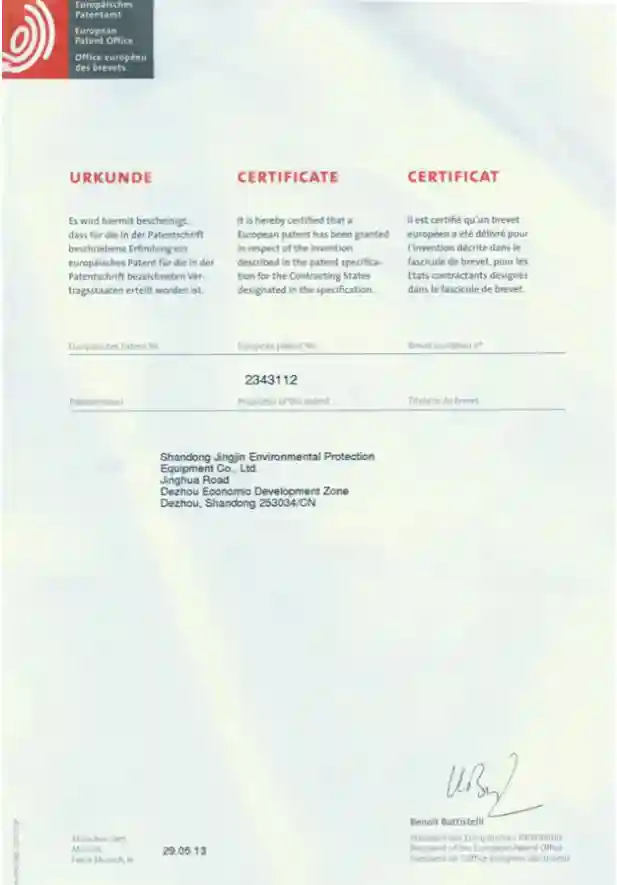
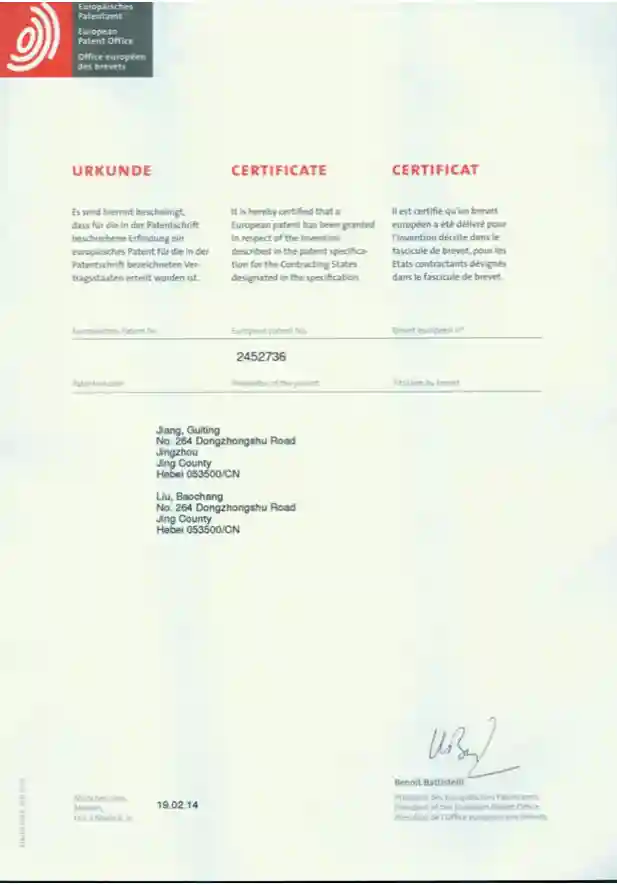
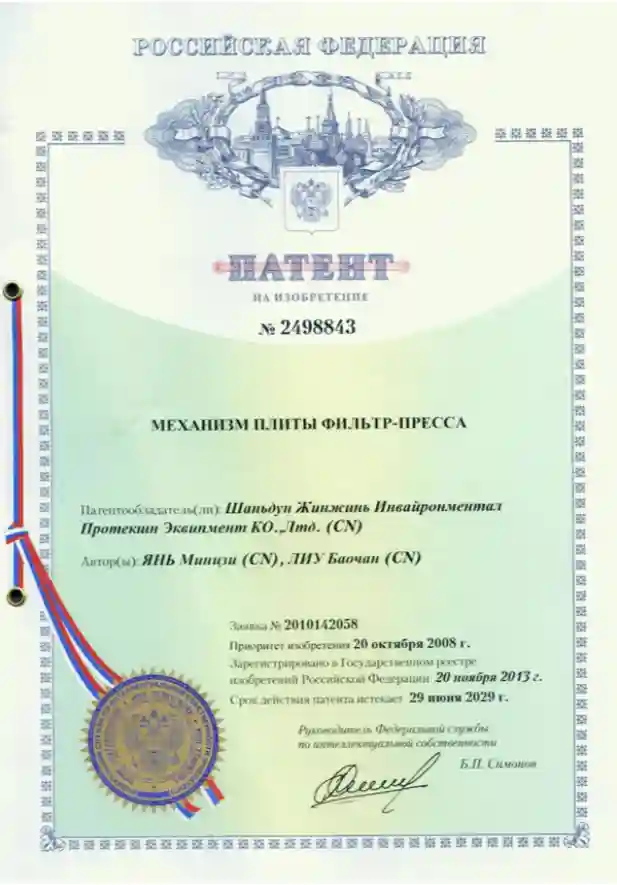
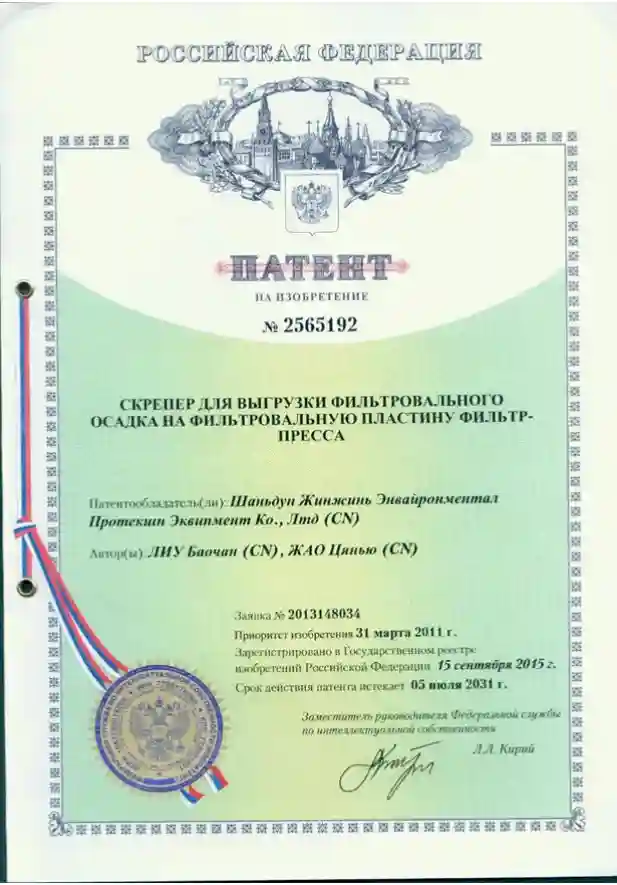
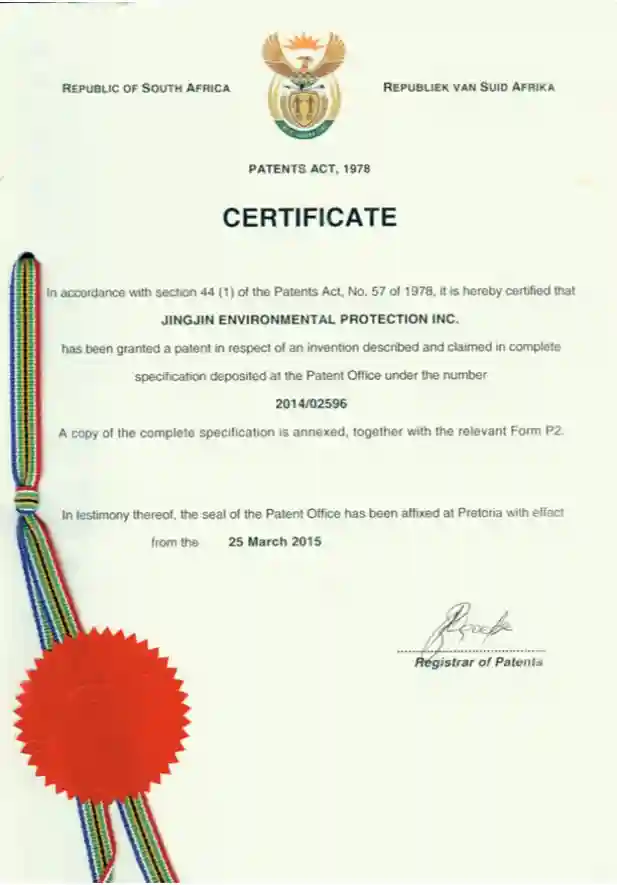
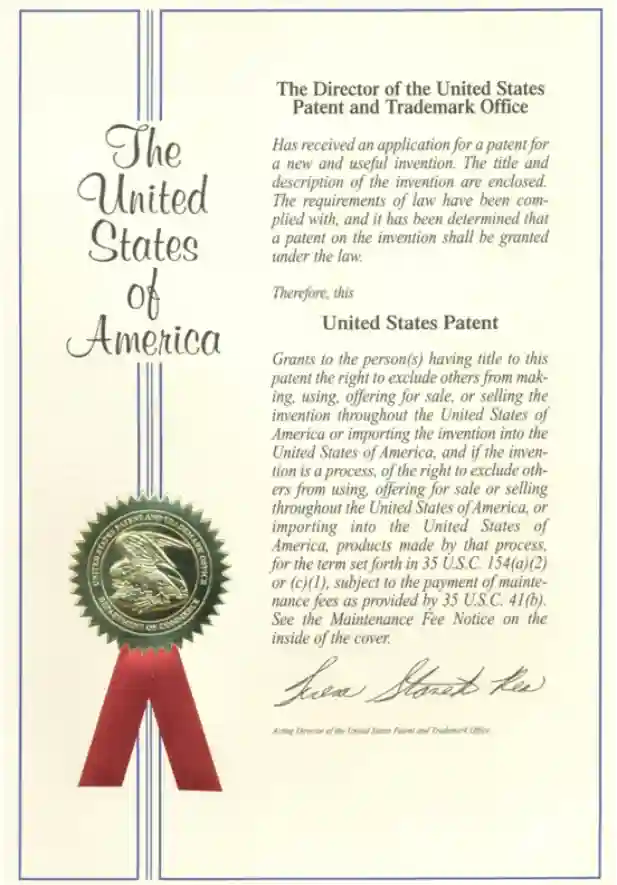
As a major maker of stainless pressure vessels that ships to 123 countries, we know the problems that procurement managers and process engineers face on a daily basis. Our 136 patents show that we are always coming up with new ways to make separation more efficient, and our big production capacity lets us keep prices low without lowering quality. Full sets of paperwork, approved materials that can be tracked, and detailed NDT inspection reports give EPC workers the peace of mind they need about compliance.
You can email our technical experts at [email protected] to get application-specific design advice and thorough quotes on stainless pressure vessels that are custom-built to solve your separation problems.
References
1. American Society of Mechanical Engineers. (2021). ASME Boiler and Pressure Vessel Code, Section VIII: Rules for Construction of Pressure Vessels. New York: ASME Press.
2. European Commission. (2014). Pressure Equipment Directive 2014/68/EU: Essential Safety Requirements. Brussels: Official Journal of the European Union.
3. Schweitzer, P.A. (2018). Fundamentals of Metallic Corrosion in Fresh Water: Atmospheric and High Temperature Environments. Boca Raton: CRC Press.
4. Bednar, H.H. (2019). Pressure Vessel Design Handbook: Third Edition. Malabar: Krieger Publishing Company.
5. International Organization for Standardization. (2020). ISO 16528: Boilers and Pressure Vessels – Performance Requirements. Geneva: ISO Standards.
6. Moss, D.R. & Basic, M. (2019). Pressure Vessel Design Manual: Fourth Edition. Burlington: Butterworth-Heinemann.
jingjin
Founded in 1988, Jingjin specializes in filter presses and liquid-solid separation solutions, serving over 130 countries worldwide, and is a standard-setter in China's filter press industry.
Get the Filter Press guide
Enter Your Email for Technical assistance for the Filter Press.
Recommended Blog
How Jingjin Filter Press Enhances Wastewater Treatment and Sludge Dewatering
Where European Distributors Source Press Filter from China?
How to Choose the Right Screw Dewatering Equipment for Your Paper Mill Sludge
Customized Filter Press Plates for the Mining Industry: What You Need to Know
Low Cost Jingjin Filter Press Options for Efficient Sludge Dewatering
How to Choose the Right Membrane Plate Filter Press for Your Industrial Needs