Affordable Filter Press Machines for the Chemical Industry: What to Look For
Affordable Filter Press Machines for the Chemical Industry: What to Look For
Understanding Filter Press Machines: Working Principles and Applications
- Understanding Filter Press Machines: Working Principles and Applications
- Criteria for Choosing Affordable Filter Press Machines
- Benefits and Advantages of Affordable Filter Press Machines in Chemical Processing
- Maintenance Tips and Troubleshooting for Longevity and Efficiency
- Market Insights: Pricing, Suppliers, and Purchase Options for Filter Press Machines
- Jingjin Equipment Inc.: Industry-Leading Filter Press Solutions
- Conclusion
- Frequently Asked Questions
- Partner with Jingjin for Superior Filter Press Solutions
- References
Chemical sector procurement professionals must weigh cost and functionality when selecting cheap filter press machines. Filter press machines are important solid-liquid separation technology investments that affect product quality, garbage handling costs, and compliance. Learn about important features, performance metrics, and supplier knowledge to choose equipment that meets chemical makers' needs and is affordable.
Understanding Filter Press Machines: Working Principles and Applications
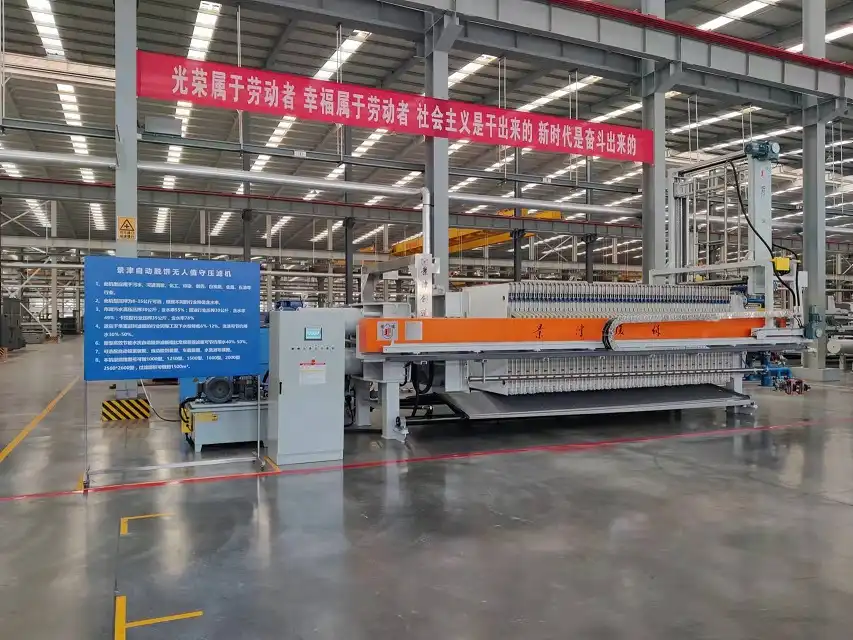
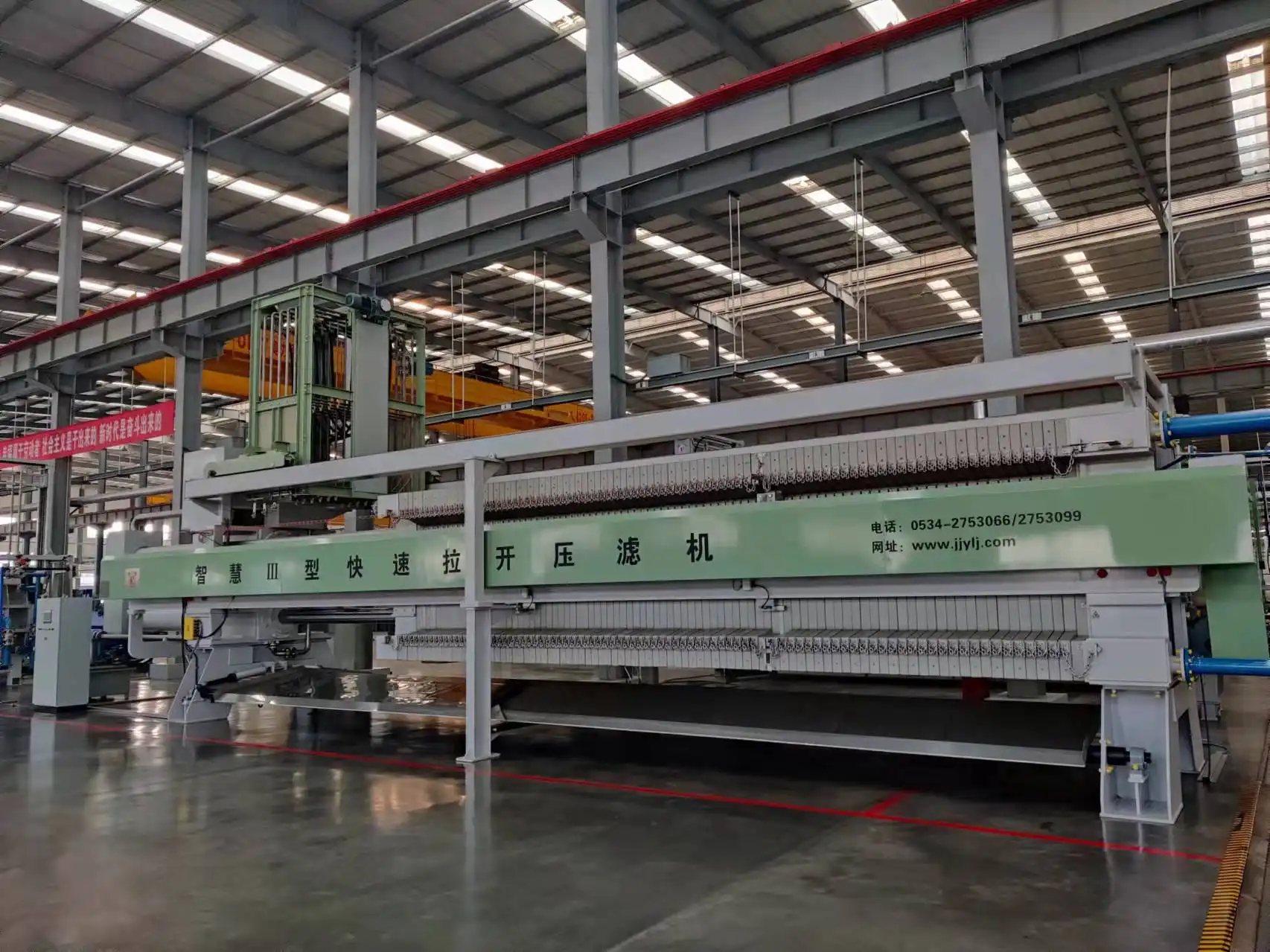
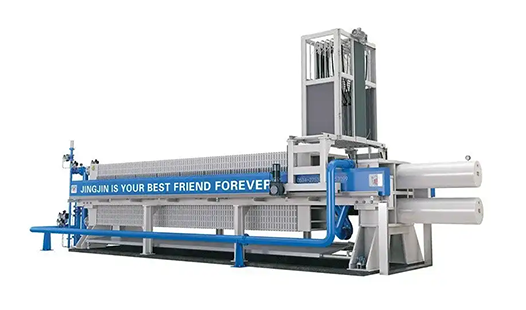
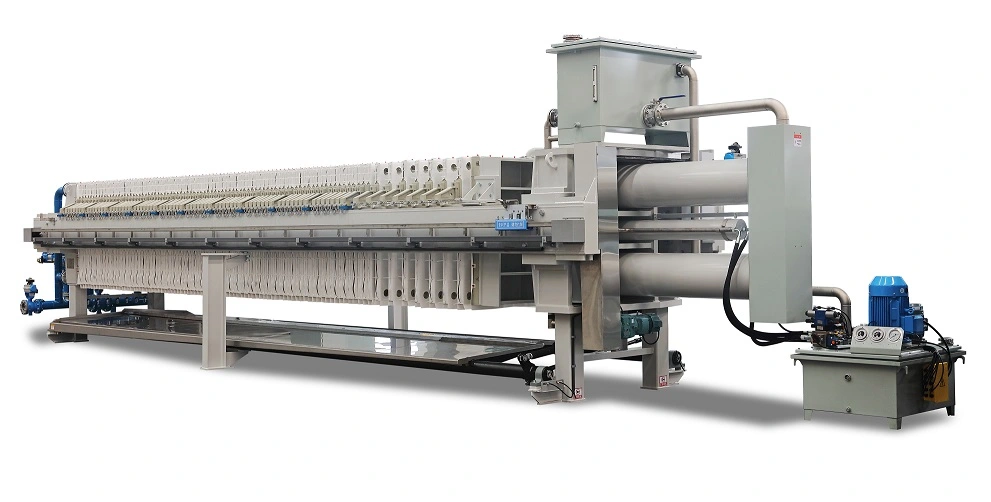
Chemical companies primarily use filter presses to separate particles and liquids. These efficient machines use stacked filter plates or frames and filter cloths to form chambers. Under pressure, liquid passes through the filter medium, leaving a thick film on the fabric. The simple approach eliminates water from slurries, clears liquids, and recovers useful particles from process streams.
Mechanical Operation and Design Components
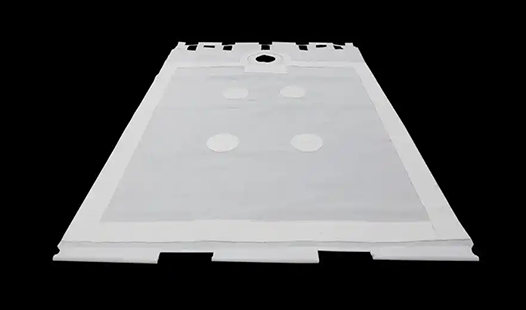
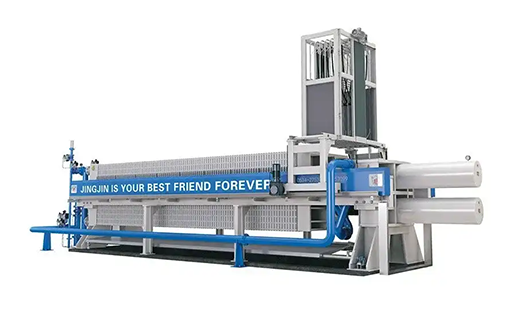
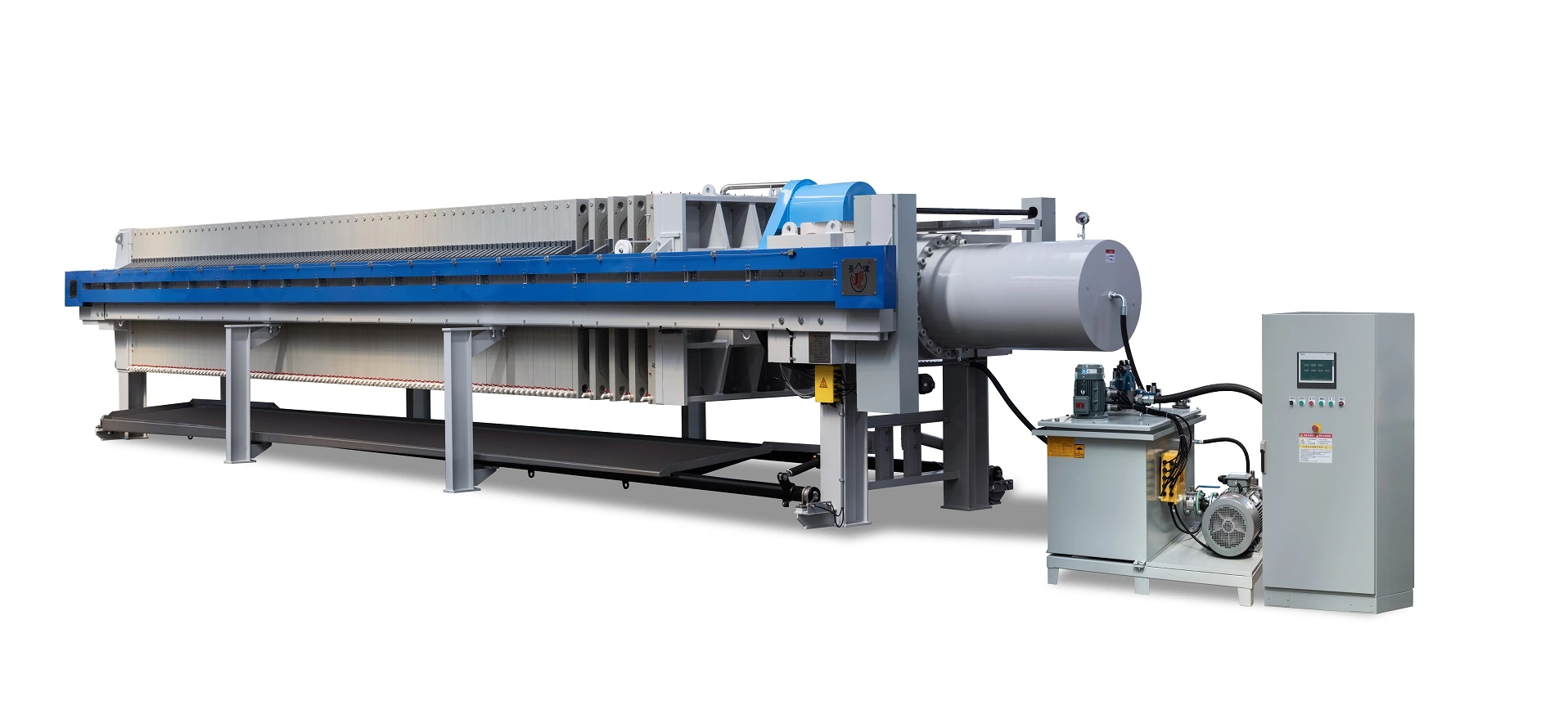
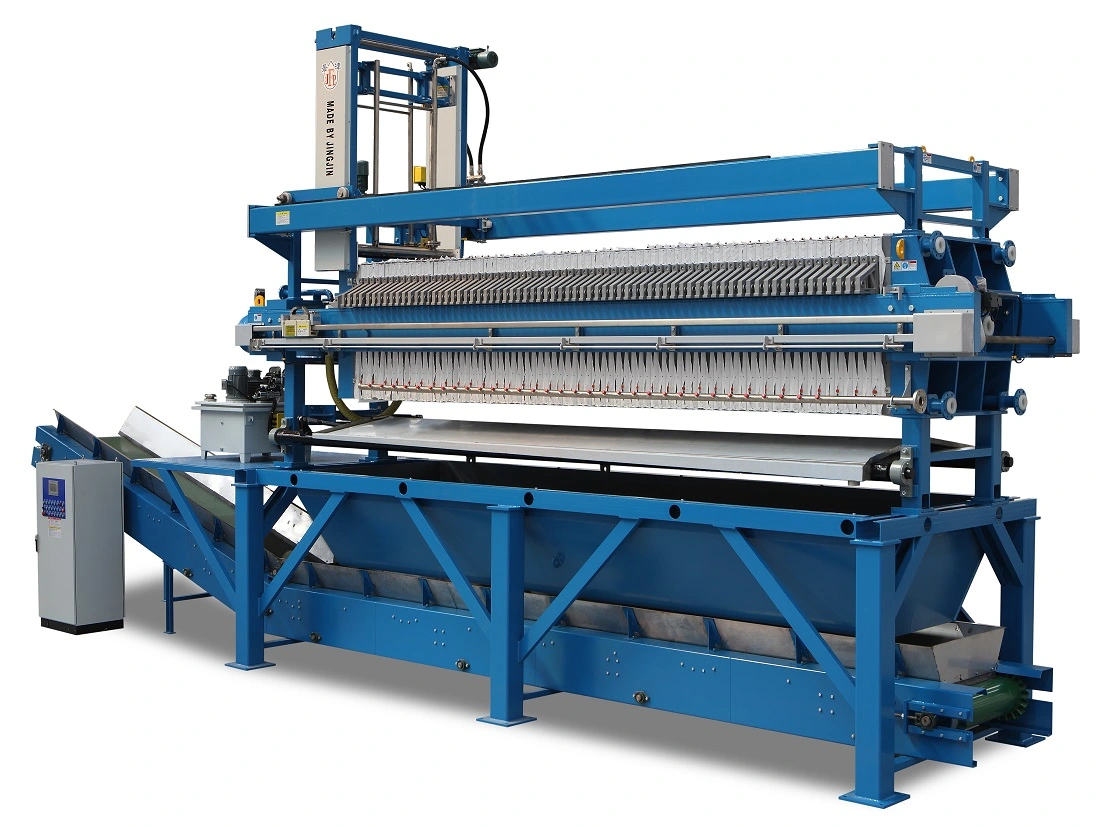
Many important elements work together to run a filter press. Hydraulic pressure compresses plates and maintains filter force throughout the cycle. Sorting tanks have polypropylene or cast iron filter plates. Different materials and weave styles of filter cloths affect how effectively and readily cakes filter. The feeding system distributes slurry evenly across all rooms, and the discharge device makes cake removal and system cleaning easy.
Chemical Industry Applications and Use Cases
Chemical companies use filter press technology in numerous processes. These methods remove colorants from pigment and dye liquids. The product stays pure, and waste is reduced. Pharmaceutical manufacturing requires filtering to collect and clean API; thus, contamination must be reduced, and runs must be uniform. To separate catalysts and recover products, polymer and resin manufacturing needs filter presses. Most wastewater treatment removes water from sludge and meets environmental release regulations.
Automation Levels and Technology Integration
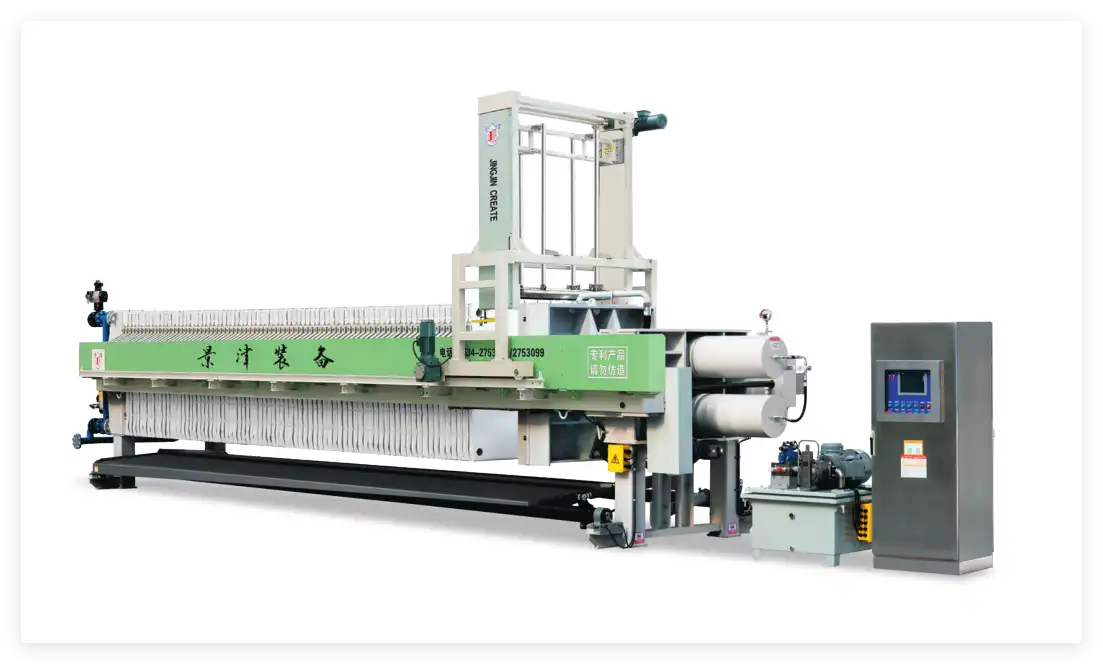
Modern filter press systems vary in technology to meet enterprise goals and budgets. For manual systems, an operator must open plates, unload cakes, and wipe the cloth. They are best for smaller jobs or occasional processing. Semi-automatic types have hydraulic plate shifting and automatic cleaning processes, but an operator is still in charge of them. Fully automated systems decrease effort and enhance cycle efficiency with customized logic controllers, remote monitoring, and built-in cleaning.
Criteria for Choosing Affordable Filter Press Machines
A comprehensive review system that considers both short-term and long-term costs is needed to choose the most cost-effective filter equipment. Consider how much can be produced, how well the materials will function together, how much space is available, and how well the new system will integrate with the old when selecting.
Capacity and Performance Specifications
Chamber capacity and filtering area affect cycle efficiency and throughput. When sizing equipment, chemical companies must consider how much they need to handle, peak demand, and future growth. Pressure rates affect cake drying and filtering speed. Drier pressure cakes need a stronger structure. Finding the ideal balance between filter, washing, and discharge times maximizes daily production.
Material Construction and Chemical Compatibility
Working with caustic or explosive materials requires chemical protection. Polypropylene is chemical-resistant and cost-effective for most uses. Stainless steel construction, on the other hand, lasts longer in tough settings. Gasket materials like EPDM, Viton, and PTFE must withstand process chemicals and temperature variations. You must consider how well a filter cloth interacts, retains particles, and lets cakes pass.
Economic Evaluation and Total Cost of Ownership
To fully understand the financial impact, consider the original capital expenditure, operating expenses, maintenance costs, and output benefits. Compare pricing, including extras, installation, and guarantee. Business costs include electricity, filter cloth, repairs, and downtime. Better product quality, lower rubbish disposal costs, and regulatory compliance boost profits.
Benefits and Advantages of Affordable Filter Press Machines in Chemical Processing
Cost-effective filter press machine options can save a business money and time if chosen and used properly. These benefits go beyond just lowering costs right away. They enhance efficiency, sustainability, and product quality.
Knowing the main benefits of current filtration technology helps procurement teams buy equipment wisely and improve business results. Key advantages of chemicals, claim manufacturers:
Better Product Quality: Consistent filtering settings guarantee that all batches have comparable quality and don't vary too much, which may affect downstream operations and product standards.
Operating Flexibility: Modular design enables manufacturers to adjust system capacity by adding or rearranging plates. New manufacturing demands may be met without system updates.
Environmental Protection: Separating solids from liquids reduces garbage, improves water quality, and helps obey standards while decreasing environmental harm.
Energy Efficiency: Newer hydraulic systems and cycle programming consume less energy but separate better.
All these benefits make manufacturing simpler and more efficient. Well-designed filtering systems make chemical plants safer, have less maintenance, and plan production better.
Environmental and Regulatory Benefits
Good filtration helps with environmental responsibility and compliance. Lower trash means cheaper removal, less environmental damage, and better resource use. Better water recovery allows recycling and reuse, reducing water use and release. Improved solid recovery frequently yields beneficial leftovers or reused resources that offset corporate expenditures.
Integration with Process Control Systems
Standard communication makes modern filter press machines work nicely with process control systems. Remote monitoring, cycle beginning, and process improvement data gathering are possible with SCADA. Predictive maintenance plans component replacement and break maintenance using sensor data.
Maintenance Tips and Troubleshooting for Longevity and Efficiency
In demanding chemical processing settings, good upkeep practices make sure that equipment works reliably and lasts as long as possible. Regular preventative maintenance programs cut down on unplanned downtime, increase the life of parts, and make sure that the equipment always operates properly throughout its use.
Preventive Maintenance Protocols
Daily visual checks should include hydraulic systems, filter cloth, and plate alignment. Filter cloth washing, gasket and seal inspections, and pressure setting confirmation are weekly maintenance. Hydraulic fluid analysis, part lubrication, and system performance assessment are monthly activities. Each year, the system is disassembled, parts changed, and recalibrated.
Common Issues and Troubleshooting Solutions
Plates leak usually due to outdated seals, incorrect pressure settings, or misaligned plates. Solutions need gasket replacement, pressure adjustment, and plate realignment. Filter cloth threads' tiny particles delay filtering and degrade cake quality. Following frequent cleaning instructions and using the correct cloth reduces this issue. Inconsistent pressure, slow cycle times, or incomplete plate closure indicate a hydraulic system fault that requires fluid, seals, or pump adjustment.
Component Replacement and Spare Parts Management
A strategic spare parts store holds filter cloths, gaskets, hydraulic seals, and pressure sensors. Plan replacements based on operating hours, cycle counts, or performance decline to avoid unexpected failures. Reputable companies supply genuine parts and qualified assistance for complex repairs and adjustments.
Market Insights: Pricing, Suppliers, and Purchase Options for Filter Press Machines
Market information and supplier skills help you balance cost and performance for informed purchasing. Simple filter press machine instruments and custom systems are available.
Pricing Structure and Cost Factors
Equipment prices vary dependent on size, automation, materials, and customisation. Manual techniques cost little to a lot, depending on size and supplies. Superior hydraulics and controls make semi-automatic types more expensive. Fully robotic systems are most costly yet productive and labor-efficient.
Supplier Evaluation and Selection Criteria
Reputable chemical manufacturers have proven track records, expert advice, and global service. Consider production quality certifications, sample locations, technical documentation quality, and after-sales support infrastructure. Technical help is faster and more responsive locally.
Financing and Procurement Options
Tool financing options include purchasing, leasing, or short-term rental. Leasing programs provide maintenance and upgrade options to reduce corporate risk. Secondhand equipment markets may be cost-effective provided condition, useable life, and part availability are properly analyzed.
Jingjin Equipment Inc.: Industry-Leading Filter Press Solutions
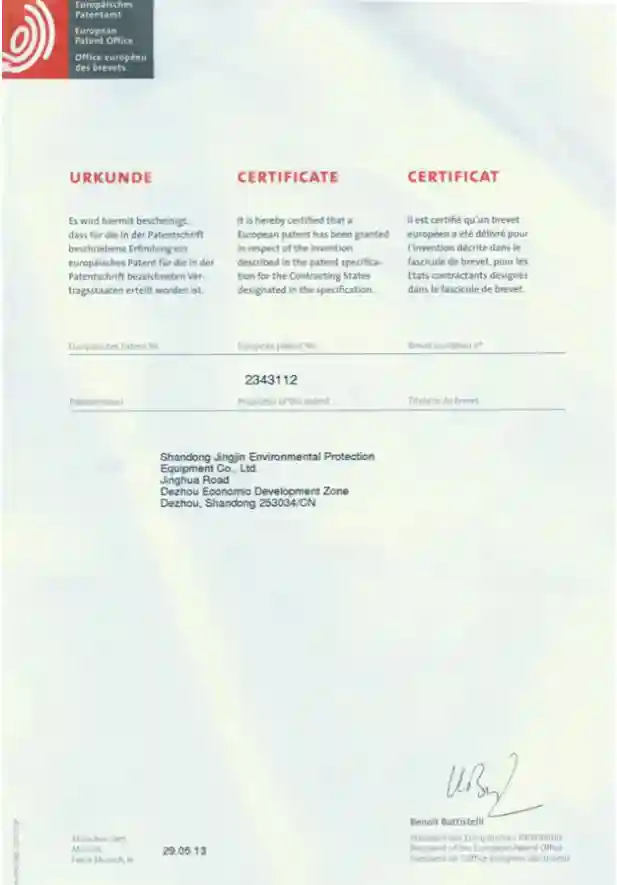
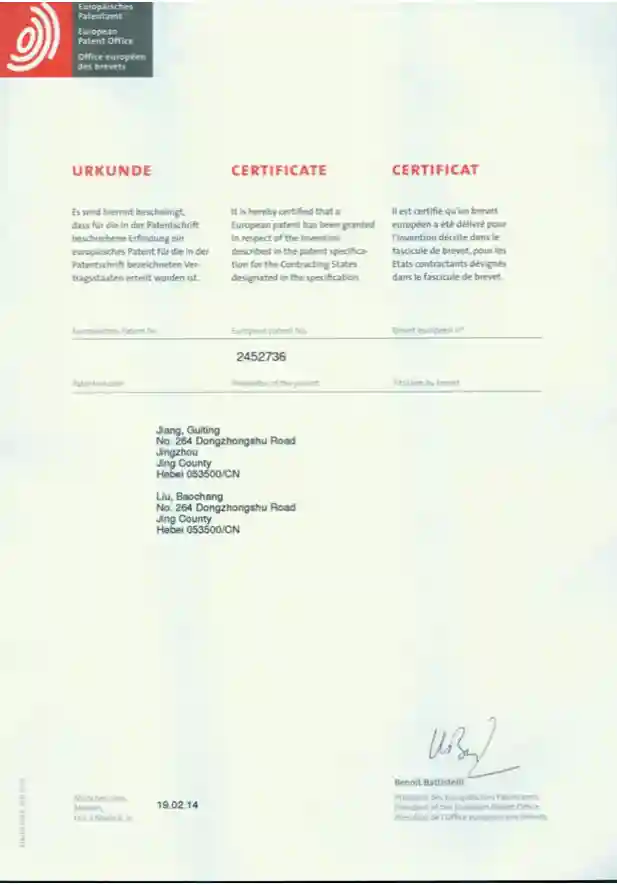
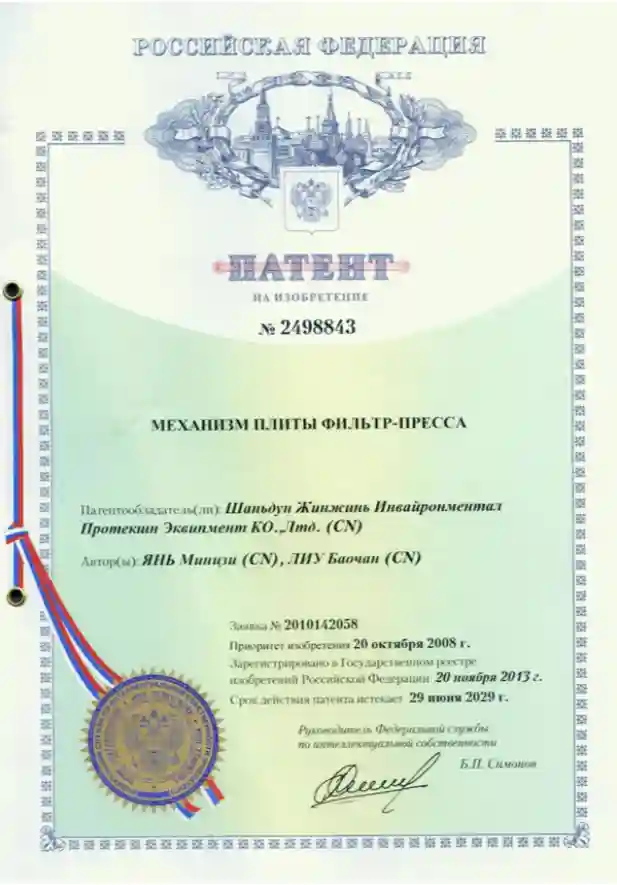
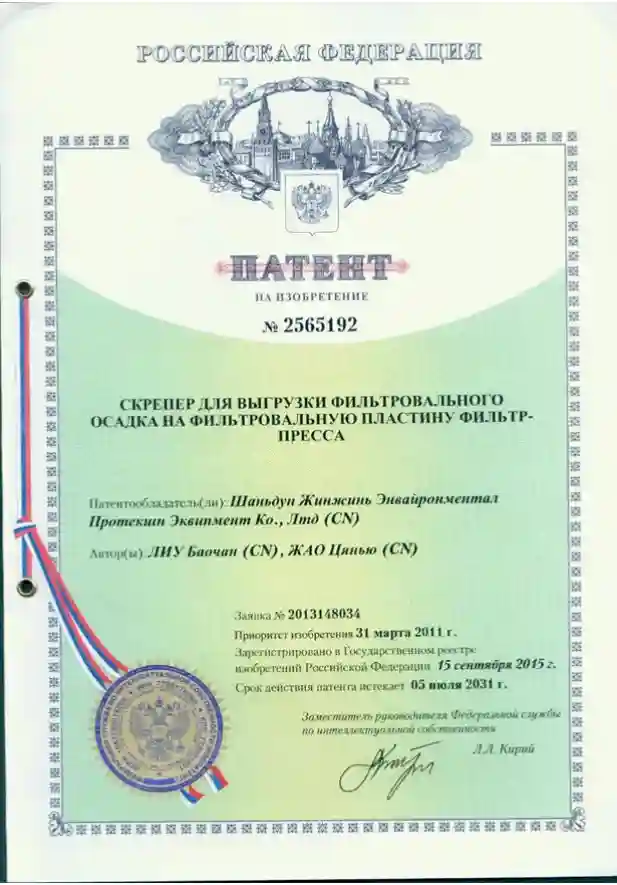
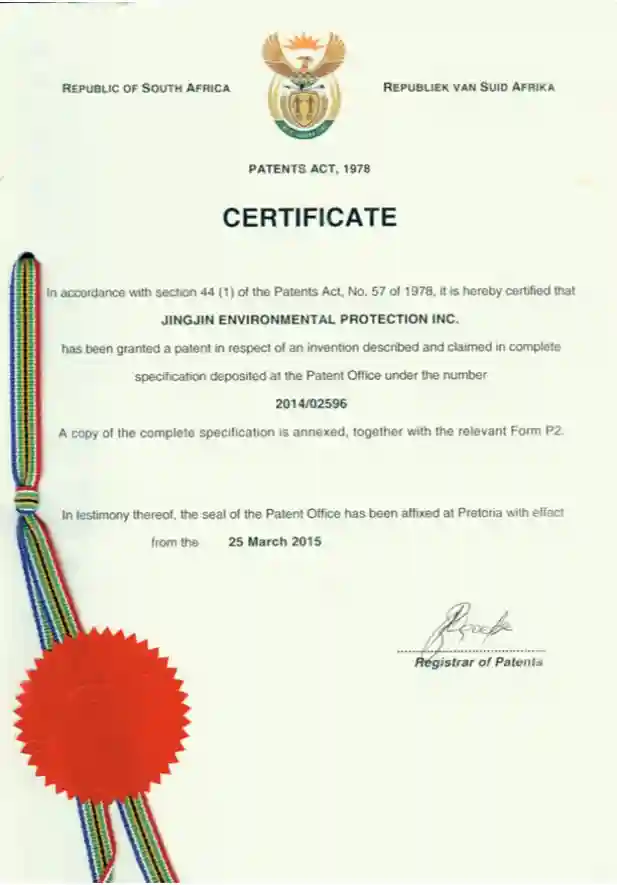
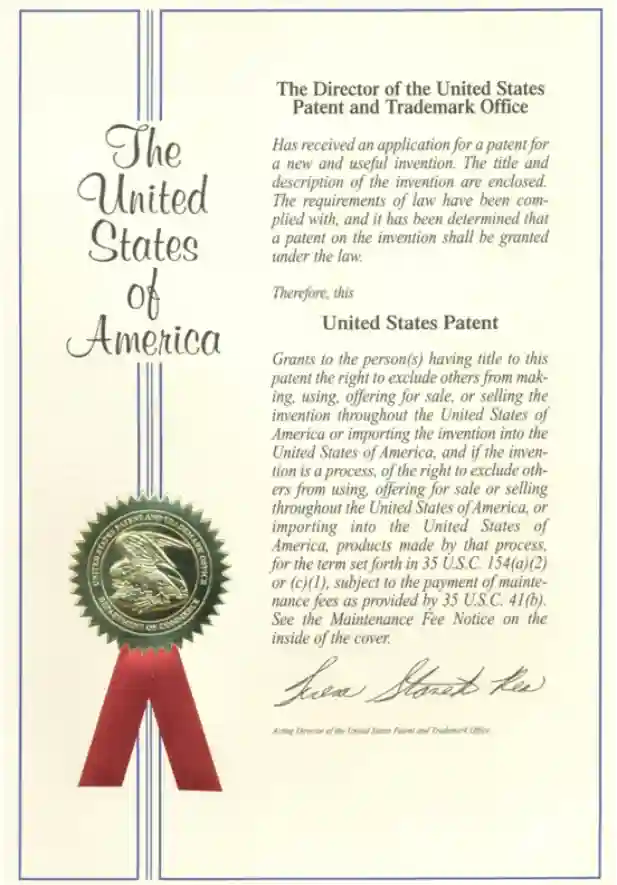
Since 1988, filter press leader Jingjin Equipment Inc. has serviced chemical industry in 123 countries. Jingjin makes innovative, reliable, and affordable solid-liquid separation systems. Over 136 patents and decades of engineering.
Advanced Technology and Manufacturing Excellence
Jingjin manufactures filter press systems, precision-engineered filter plates, high-performance filter cloths, and more. Large production centers maintain quality and enable global price competition. Improved plate designs, hydraulic systems, and separation-optimizing control platforms are patented.
Comprehensive Product Portfolio
The company offers chemical industry filter press systems in manual, semi-automatic, and fully automated modes. Materials that don't rust in harsh chemicals, high-pressure systems for tough jobs, and processing job-specific solutions are specialized products and services. Tools, consumables, building services, and professional support comprise filtration ecosystems.
Global Service Network and Technical Support
Major industrial markets may access local professional advice, spare parts, and repair services from Jingjin's worldwide service infrastructure. Engineering teams work with clients to improve system speed, create solutions that are specific to the application, and offer ongoing expert advice. Training programs ensure personnel are trained and maximize tool use.
Conclusion
When looking for cheap filter press machines for use in the chemical business, you need to carefully consider technical specs, cost, and the supplier's abilities. Good procurement aligns initial investment with long-term operational gains. It keeps equipment dependable and affordable. Chemical firms gain operational independence, productivity, and environmental compliance with well-designed filter press systems.
Frequently Asked Questions
1. What capacity should I consider when selecting a filter press machine?
How much capacity is chosen relies on how much work needs to be done each day, when demand is highest, and plans for future growth. Figure out how much space is needed in the room based on the amount of solids, the cycle time, and the goal dryness of the cake. You might want to install flexible systems that let you add more plates to increase the capacity instead of replacing the whole system.
2. How do manual and automatic filter presses compare in terms of operational costs?
Manual methods take more work, but they are cheaper to set up and easier to maintain. Automatic systems take more money up front and better upkeep skills, but they save money on labor costs, make things more consistent, and allow for ongoing operation. When figuring out the total cost of something, you should include the benefits in terms of efficiency and time saved over the equipment's useful life.
3. Can affordable filter press machines handle corrosive chemicals reliably?
Modern filter press machines made from the right materials can work well in most chemical conditions. For both acidic and alkaline uses, polypropylene structure is very resistant to chemicals. For more active chemicals, special materials are available. In demanding chemical processing settings, effective operation depends on choosing the right materials and keeping up with regular upkeep.
Partner with Jingjin for Superior Filter Press Solutions
Chemical companies all over the world can get tested filter press machine options from Jingjin Equipment Inc. that are both affordable and work at an industrial level. Our wide range of products, along with our more than 35 years of designing and production excellence, guarantees the best separation efficiency for your individual needs. Our team can help you with both human systems for small operations and fully automated systems for high-volume production. We can make custom suggestions and provide ongoing technical support. Email our filtration experts at [email protected] to talk about your project needs and find out why top chemical companies choose Jingjin as their chosen filter press machine provider.
References
1. Perry, Robert H., and Don W. Green. "Perry's Chemical Engineers' Handbook: Solid-Liquid Separation Equipment and Processes." McGraw-Hill Professional, 2019.
2. Svarovsky, Ladislav. "Solid-Liquid Separation Technology in the Chemical Industry: Filter Press Applications and Performance Optimization." Butterworth-Heinemann, 2018.
3. American Filtration & Separations Society. "Industrial Filtration Standards and Best Practices for Chemical Manufacturing." Technical Publication Series, 2021.
4. Chen, Wei-Ming, and Patricia Rodriguez. "Cost-Effective Separation Technologies: Economic Analysis of Filter Press Systems in Chemical Processing." Journal of Industrial Engineering Applications, 2020.
5. International Association of Chemical Engineers. "Equipment Selection Guidelines for Solid-Liquid Separation in Chemical Plants. "Professional Development Series, 2019.
6. Thompson, Michael S. "Maintenance and Troubleshooting Manual for Industrial Filter Press Equipment." Industrial Press Inc., 2021.
jingjin
Founded in 1988, Jingjin specializes in filter presses and liquid-solid separation solutions, serving over 130 countries worldwide, and is a standard-setter in China's filter press industry.
Get the Filter Press guide
Enter Your Email for Technical assistance for the Filter Press.
Recommended Blog
High Efficiency Jingjin Filter Press Applications in Chemical Manufacturing
Maintenance Tips for Dewatering Press Machines to Maximize Lifespan
Best Press Filter Models for Pharmaceutical Filtration Needs

What Is a Filter Press Feed Pump Used For? Understanding Its Essential Role
Automatic vs Manual Press Filter Machines: Which One Suits Your Needs?
China Screw Dewatering Machines for Vietnam Food Factories