Why Your Sludge Dewatering Process Needs a Filter Press Upgrade?
Understanding the Challenges of Traditional Sludge Dewatering Methods
- Understanding the Challenges of Traditional Sludge Dewatering Methods
- What Makes Modern Filter Presses a Superior Sludge Dewatering Solution?
- Practical Guidance for Procuring and Upgrading Your Sludge Dewatering System
- Case Studies: Successful Filter Press Upgrades in Industrial and Municipal Applications
- Conclusion
- FAQ
- Partner with Jingjin for Advanced Sludge Dewatering Solutions
- References
Upgrading your sludge drainage system to a modern filter press solves the most persistent problems in separating solids and liquids: too much water in the sludge, rising dumping costs, and unplanned equipment downtime. A high-performance filter press for sludge dewatering changes the operational economics by providing cake dryness levels that older technologies can't match. This cuts down on shipping costs by a large amount and makes sure that regulations are followed. This strategic upgrade gives process engineers and plant managers the tools they need to get a measured return on investment (ROI) by increasing output, lowering chemical use, and making processes more reliable in places like mines, wastewater treatment plants, and chemical factories.
Understanding the Challenges of Traditional Sludge Dewatering Methods
Operational Limitations of Legacy Equipment
Belt filter presses, centrifuges, and screw presses have been used in the cleaning industry for many years, but they always have performance problems that hurt the bottom line. Belt systems have trouble with cakes that are more than 18–22% solids dry because they need to be washed and adjusted for tension all the time, which takes a lot of time and work. Centrifuges use a lot of electricity—often 0.8 to 1.2 kWh per cubic metre processed—make noises louder than 85 decibels, and they change the structure of cakes in ways that make them harder to handle later on.
Fundamental design limitations are at the heart of the problems. When compared to chamber filter presses, which can reach pressures of 225 psi or higher, continuous filtration equipment doesn't use as much mechanical force. This difference in pressure directly affects the end moisture content that can be reached, especially when dealing with organic sludges or fine mineral slurries that are hard to dry out.
Root Causes of Performance Degradation
Operators who use older dewatering methods continue to have problems with heterogeneous sludge features. Changes in city influent streams from season to season, changes in industrial process streams from batch to batch, and uneven polymer conditioning are all things that can make cake quality hard to predict. Wear and tear on the equipment make these problems worse. For example, centrifuge bowl erosion, belt cloth blinding, and screw press wear plates slowly break down, making separation less effective until repair is done.
These restrictions lead to a chain reaction of operating issues. Higher leftover moisture means more sludge that needs to be thrown away, which increases the cost of shipping and dumping fees. If the solids aren't captured as well as they should be, the fines can get out into the filtrate and cause permit violations or require more cleaning treatment. Frequent maintenance breaks up production plans, which lowers the effective capacity utilisation and shifts more workers to reactive fixes instead of activities that add value. When procurement managers see these persistent bottlenecks, it pushes them to look for a high-performance filter press for sludge dewatering that can make huge changes in performance.
What Makes Modern Filter Presses a Superior Sludge Dewatering Solution?
Advanced Pressure Filtration Technology
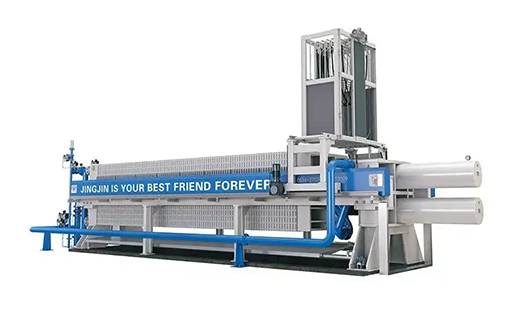
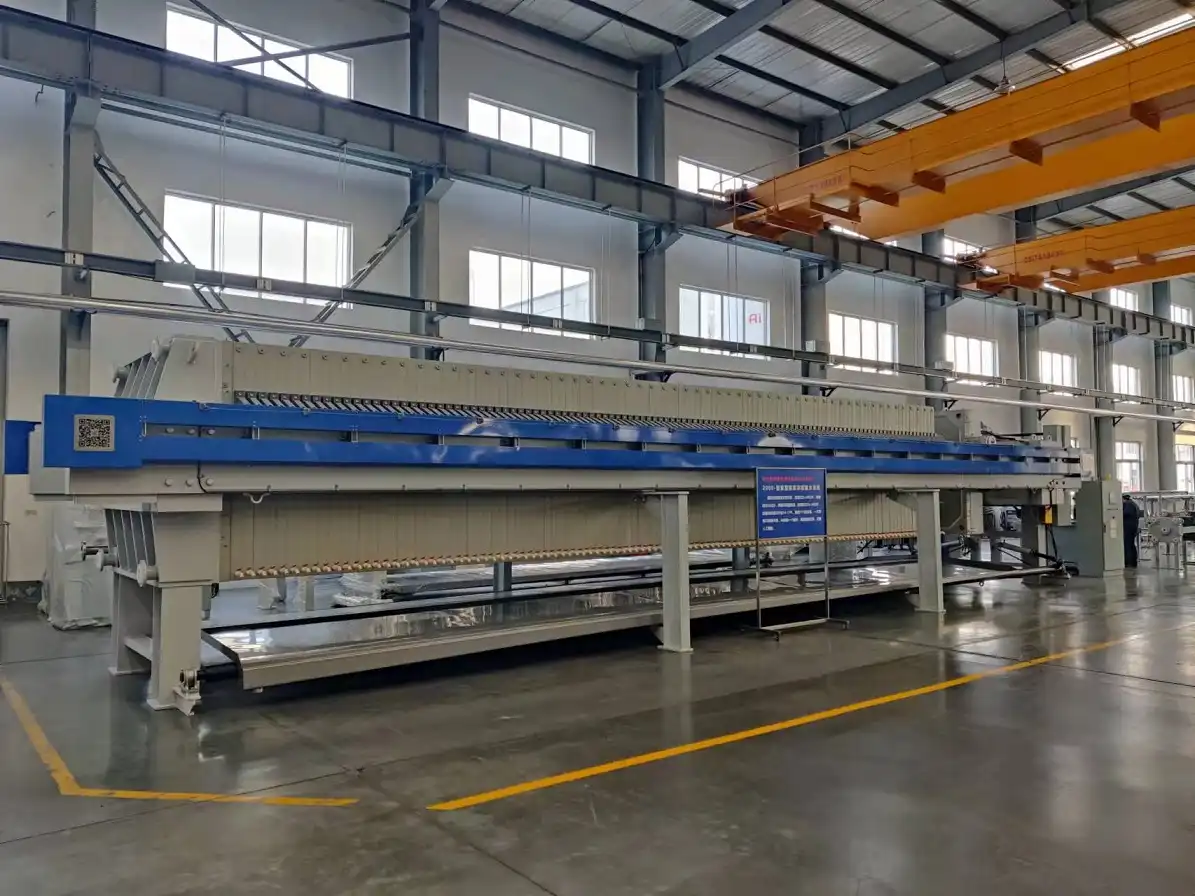
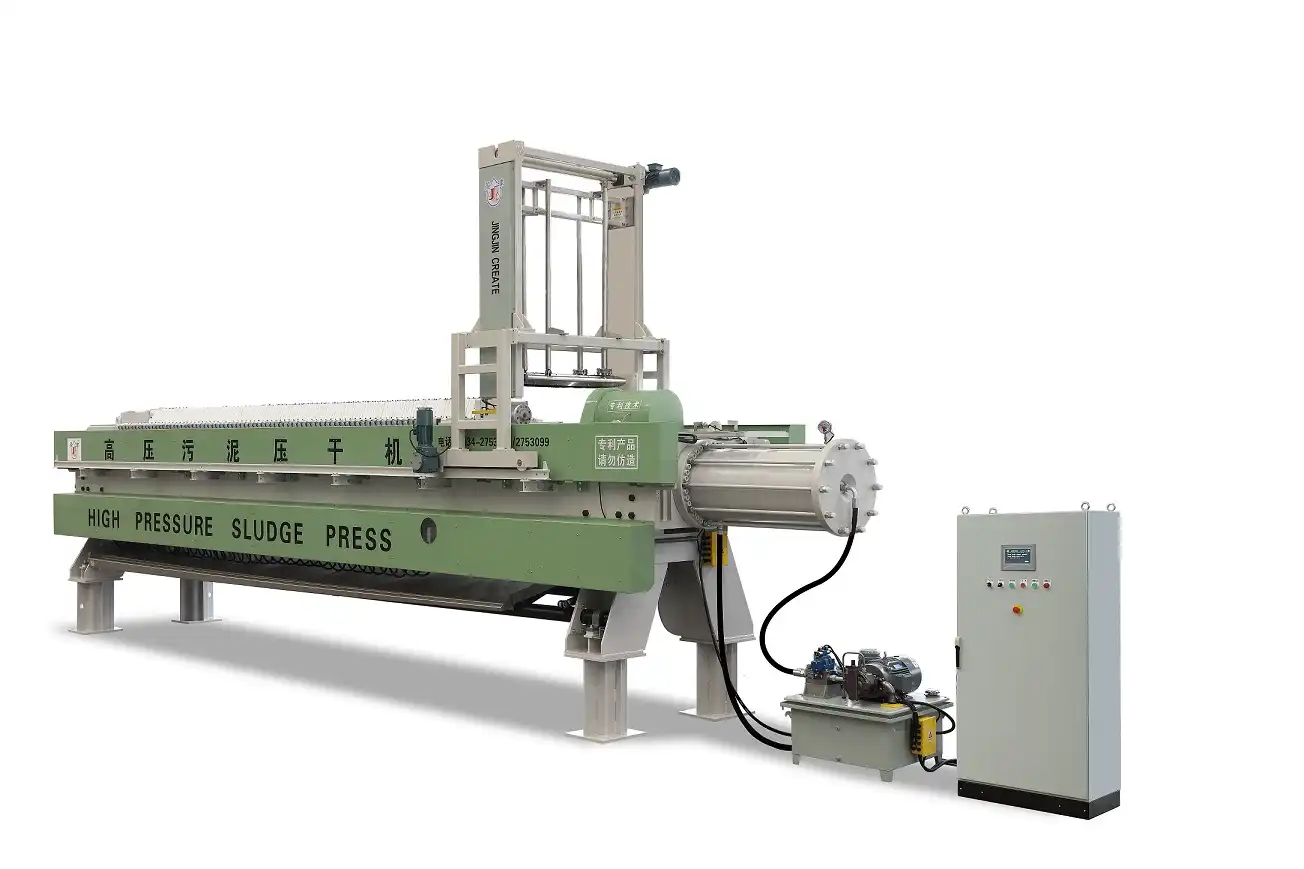
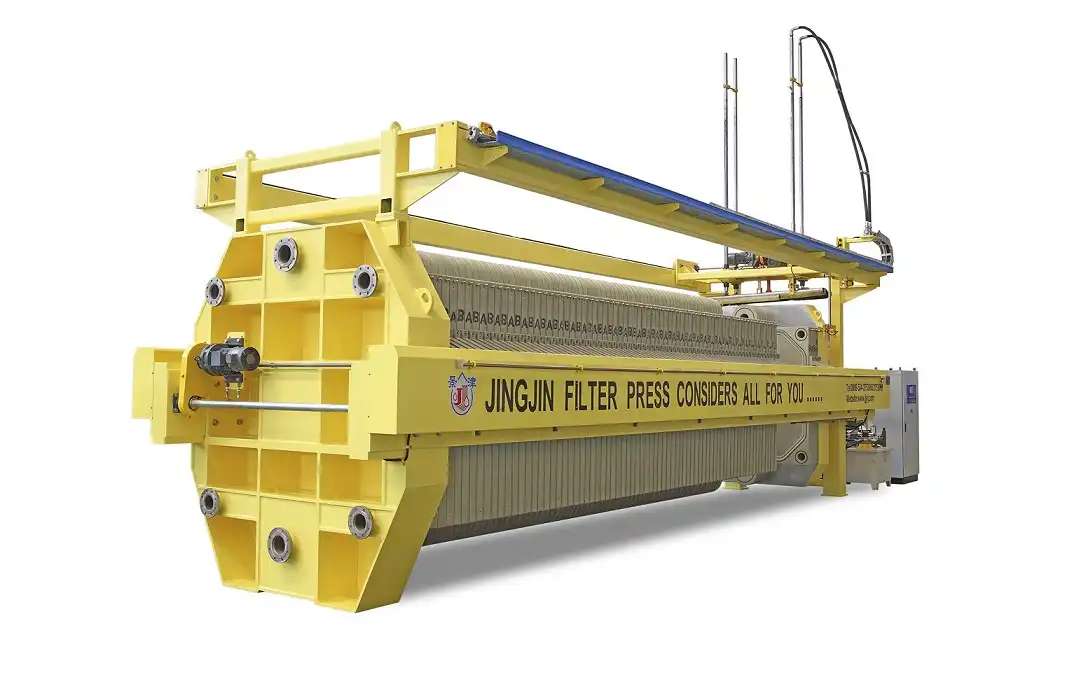
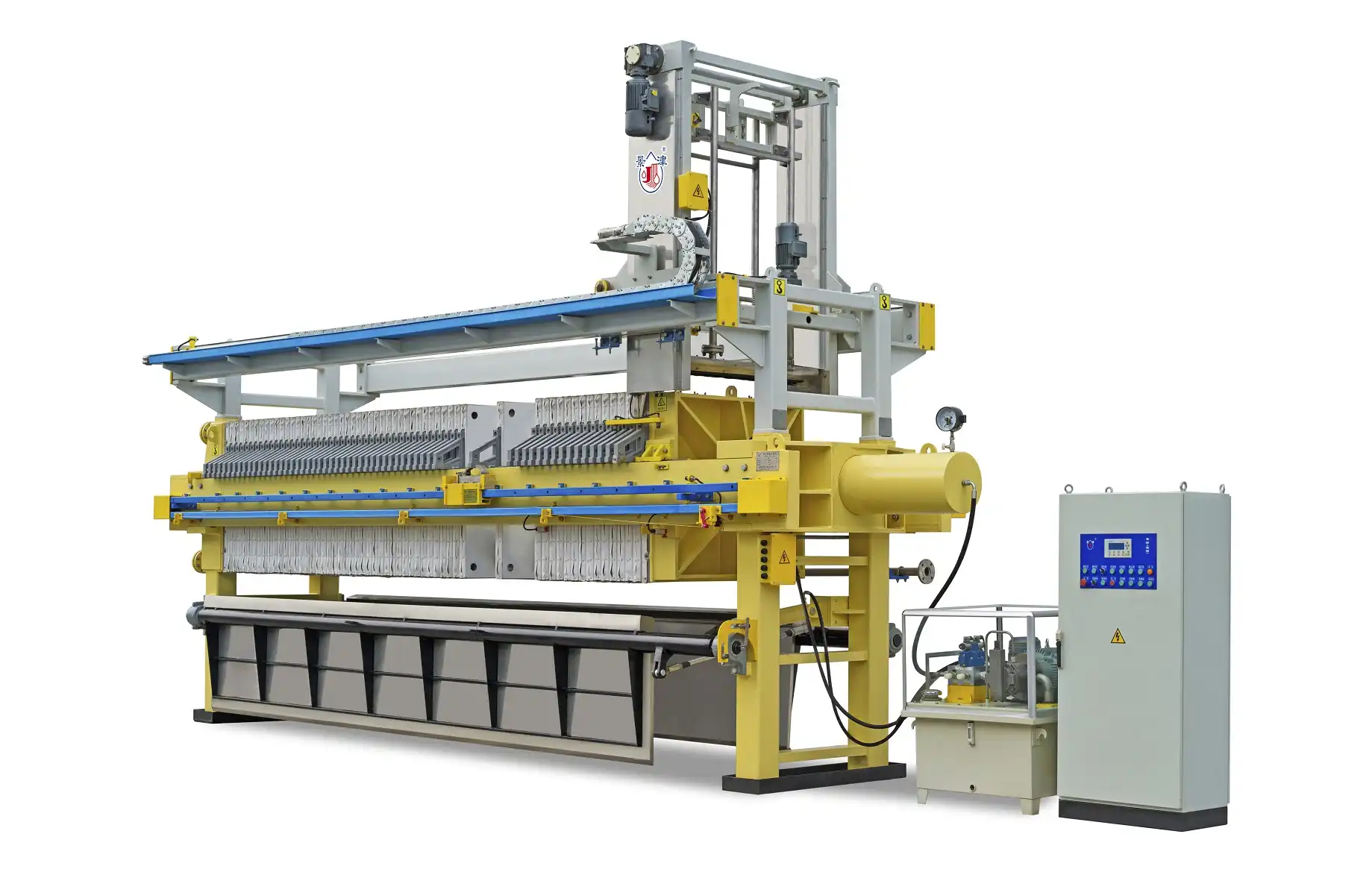
Modern filter press systems use advanced pressure filtration systems that are very different from methods that use constant dehydration. The machine moves conditioned sludge into hollow spaces made by filter plates lined with designed filter cloth media. As the plate stack is closed by hydraulic systems and pumping continues, pressure slowly rises. For city uses, it usually ranges from 6 to 15 bar, but in mining and chemical uses, it can reach 20 to 25 bar. This constant high pressure pushes interstitial water through the cloth while keeping the solids. This makes thick filter cakes with 30–50% less water than belt press or centrifuge output.
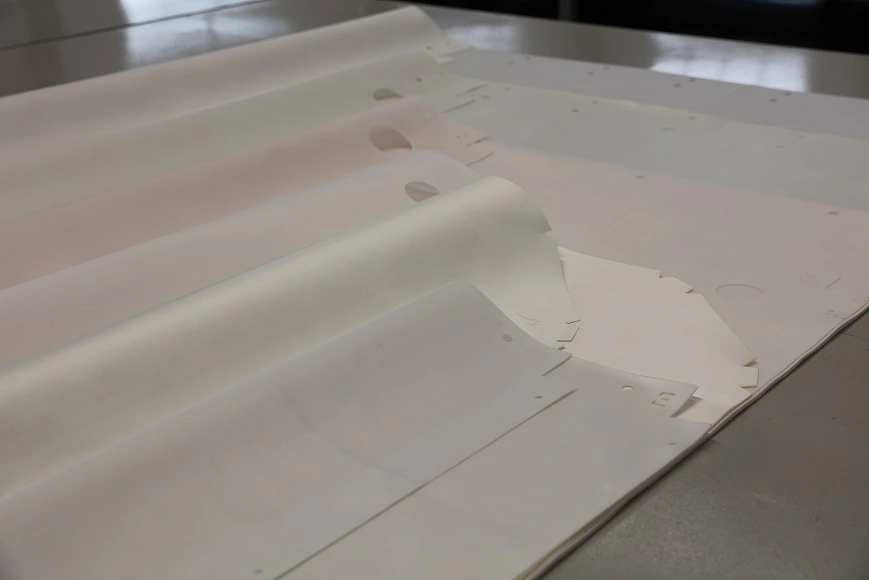
The filter cloth itself is an important piece of technology. Modern fabrics have carefully controlled pore structures, with openings that are usually 10 to 50 microns wide. These openings are designed to maximise filtrate clarity while stopping cloth blinding. Polypropylene and polyester monofilament weaves can withstand acidic or caustic slurries without breaking down, so they can be used over and over again for at least 1,000 to 2,000 rounds. Furthermore, some advanced systems have membrane plates that expand after the cake forms, adding extra squeezing pressure that removes more wetness than filtering pressure alone can.
Here are the main reasons why current filter press systems are better than older cleaning methods:
- Maximum Cake Dryness: Pressure filtration regularly gets 28–45% total solids in biosolids from cities, 50–65% in mine waste, and 47–70% in chemical sludges. These levels of performance are not possible with continuous equipment.
- Superior Solids Capture: Cloth filtration removes particles as small as 5–10 microns, leaving behind filtrate with dissolved solids levels below 50 mg/L and often below 20 mg/L. This means that less treatment is needed later on.
- Reduced Polymer Consumption: Making a cake efficiently uses 30–40% less conditioning polymer per dry tonne than centrifuge dehydration, which greatly reduces the cost of chemicals.
- Lower Energy Intensity: Even though there are high pressures, batch operation only uses about 0.3 to 0.6 kWh of energy per cubic metre of feed, which is a lot less than continuous centrifuge operation.
- Flexible Cycle Customisation: Automatic controls change the filling time, pressure profiles, and air blow-down processes to work with different types of sludge, so the machine keeps working well even when the feed changes.
Because of these benefits, operations will run more smoothly, which will ease the problems that process engineers and plant managers are having. When compared to wetter cake from continuous equipment, pressure filtration cuts the amount of wetness by a large amount, which lowers the cost of waste by 40 to 60 percent. Better solids capture keeps filtrate from being overloaded, which lowers the load on primary treatment and the amount of chemicals that are used. Operating costs are lower when less polymer and energy are used, and when systems are automatic, they require less labour and less skill from operators than belt or centrifuge systems that are changed by hand.
Practical Guidance for Procuring and Upgrading Your Sludge Dewatering System
Identifying Upgrade Triggers and Needs Assessment
Several practical signs show that the current dewatering equipment has hit the end of its useful economic life and should be replaced. Clearly, rising upkeep costs are a red flag—when yearly repair costs reach 25–30% of the cost of replacement equipment, it becomes unclear whether the business can afford to stay open. If the cake's dryness performance goes down, even after the polymer conditioning is optimised, it means that basic equipment is wearing out or the process has limits that can't be fixed by making practical changes alone.
Regulatory compliance issues are another strong reason to improve. Tightening limits on effluent release might need a better solids catch than the current equipment can provide. As the cost of disposal goes up due to things like higher landfill fees, longer haul lengths, or fewer chances to use the waste on land, the economics change toward technologies that remove the most water. As the facility's load grows, it may be necessary to improve equipment to keep up with handling output without adding more dewatering trains.
Equipment Selection Criteria
To choose the right filter press for sludge dewatering, you need to carefully look at a number of technical factors that are related to the needs of the place and the features of the sludge. Batch capacity is based on the chamber volume and plate count. Typical chamber volumes in industrial settings range from 800 litres to 4,000 litres. The pressure number must match the compressibility of the sludge. For example, municipal biosolids usually need an operating pressure of 100 to 150 psi, while mine tailings and chemical sludges may need an operating pressure of 200 to 225 psi to get the most water out of them.
The arrangement of the plates affects both efficiency and ease of use. Recessed chamber plates are good for general-purpose uses, but membrane plate systems are worth the extra cost when maximum dryness is important or when handling tough sludges. Plate materials need to be able to withstand chemical attack. Polypropylene works well in most urban and industrial settings, but corrosive chemical environments need special alloys or plates lined with rubber. The amount of automation is another important decision factor. Fully automated systems with PLC control, automatic plate moving, and built-in cloth washing are worth the extra cost in places where a lot of work needs to be done or when constant performance is needed to meet permit requirements.
Supplier Evaluation and Partnership Considerations
Long-term upgrade success depends a lot on working with reputable equipment providers that offer full support services. Proven technology is important. Suppliers with a lot of installations and performance data for a wide range of uses give more trust than those with less of a track record. Manufacturing capacity affects shipping times and the supply of replacement parts. This is especially important for setups that need to be done quickly or when running multiple units that need standard parts.
The technical help skills should be carefully looked at. Suppliers who offer thorough technical help during design development, full commissioning assistance, and ongoing operating troubleshooting are much more valuable than suppliers who only sell equipment. The availability and responsiveness of after-sales parts have a direct effect on the uptime of equipment. Find out about stock policies, average wait times for wear parts, and field service response promises. Multinational companies that use the same tools in sites in different countries or regions need to have a global presence.
When doing an ROI study, you should include all important cost factors, not just the price of the equipment itself. Make an estimate of the savings in waste costs that will come from making the cake drier, figure out the differences in running costs, such as the amount of energy and polymer used, and guess the savings in maintenance costs that will come from longer service intervals and fewer replacements of worn parts. Think about the money you'll save by not having to fix centrifuges or repair belt presses. Most in-depth studies show that upgrading a filter press can pay for itself in 18 to 48 months, based on the size of the building, how much it costs to dispose of waste, and how efficient the current equipment is.
Case Studies: Successful Filter Press Upgrades in Industrial and Municipal Applications
Municipal Wastewater Treatment Performance Gains
The cost of getting rid of biosolids was going up at a 12 MGD local wastewater treatment plant in the Midwest because their old belt filter press kept making 18–20% total solids cake. Every day, the plant handled about 4,500 pounds of dry biosolids, which made 22,500 pounds of wet cake that had to be taken to a 45-mile-away landfill by truck. Transportation, tipping fees, and machine upkeep added up to more than $380,000 a year in disposal costs.
A fully automatic 2,000-liter chamber volume filter press system with membrane plates was added by the utility. After being set up and optimised, the new equipment consistently makes cake with 32 to 34 percent total solids. This lowers the daily amount of wet cake to about 13,250 pounds, which is a 41% decrease. The cost of dumping dropped every year to $225,000, which saved $155,000 every year. Some other perks were 25% less polymer use because conditioning worked better, and there was no need for wash water, which used to use 300 gallons per minute. The equipment paid for itself in 2.8 years, and it is expected to continue saving money every year for another 20 years or more.
Mining and Mineral Processing Applications
A Nevada precious metals mine had a hard time managing its tailings using thickener-based methods that made 45–50% solids underflow, which meant that the ponds needed to be very big to hold the waste. Environmental rules and limitations on the site meant that the tailings had to be managed in a dry stack. This meant that draining technology had to be able to produce solids content of 70% or more, which could be stacked safely without the need for ongoing pond management.
The mine installed high-pressure filter press systems with a working pressure of 225 psi from a trusted filter press manufacturer. These systems were designed to handle the rough, dense slurry of their waste stream. The equipment constantly makes a cake with 72–75% solids that can be moved right away and stacked mechanically. This stops ponds from losing water to evaporation and cuts the amount of water needed by about 450 gallons per minute, which is very important in their dry climate. The system uses several press units to process 2,200 tonnes of dry tailings every day, recovering process water that goes back to the mill circuit. In addition to meeting environmental standards, the business saved a lot of money on water costs and got rid of a $12–$15 million long-term risk for closing a tailings pond.
As these examples show, switching from old filtering technologies to new filter press systems can lead to measurable performance changes and cost savings for procurement managers. Even though the applications are in different fields and use different kinds of sludge, they all constantly improve cake dryness, lower running costs, and make it easier to meet regulatory requirements.
Conclusion
Changing your sludge dewatering processes to more modern filter press technology will make a huge difference in how dry the cake is, how much it costs to dispose of, and how reliable the operations are. Older equipment just can't compare. The strong economics come from the basic benefits of pressure filtration, such as the ability to use high pressure for a long time, effectively collect solids, and create flexible machinery that can adapt to different types of sludge. When purchasing managers and process engineers look at upgrades for dewatering systems, they should focus on full total cost of ownership studies that include savings on disposal, lower running costs, and changes in upkeep costs. There is a lot of proof from municipal and industry settings that upgrades to filter presses always pay for themselves in less than three years and continue to produce value over the longer service lives of the equipment.
FAQ
Q1: How does a filter press dry cakes more quickly than a centrifuge?
Chamber filter presses use steady pressure between 100 and 225 psi for long cycle times. This physically pushes water between sludge particles much more effectively than centrifuge bowls, which only have a short residence time and smaller g-forces. The designed filter cloth traps small particles while letting as much water through as possible. If desired, membrane tension adds more squeezing force after the cake forms. This mix usually makes cake grains that are 40–60% higher than what a blender would make.
Q2: What kinds of sludge do you think filter presses are best for dewatering?
Pressure filtration is a great way to get rid of biological sludge from city wastewater treatment, mining tailings and mineral concentrates, chemical manufacturing precipitates, pharmaceutical waste streams, and industrial process sludges. This method works especially well with sludges that are hard to dewater because high pressure can break down particles that are blocking water flow. Abrasive slurries and chemically active streams need the right materials, but they can be processed well with the right tools.
Q3: How does automation improve filter press performance and reliability?
Modern automation controls that are built on PLCs exactly control the filling processes, pressure ramp profiles, filtration times, air blow-down cycles, and plate opening operations. This gets rid of human variation, makes sure that cake quality is the same from batch to batch, and changes cycle settings automatically when sludge properties change. Integrated monitoring keeps an eye on key performance factors, warns workers of problems before they happen, and keeps thorough operating logs that can be used for troubleshooting and compliance paperwork.
Partner with Jingjin for Advanced Sludge Dewatering Solutions
Since 1988, Jingjin Equipment Inc. has been making high-performance filter presses for sludge dewatering systems. Their solid-liquid separation technology is trusted in over 123 countries, and they have more than 136 patents to back it up. Because we can make so many things, we can make unique solutions for wastewater treatment plants, mines, chemical plants, and other industrial uses that need the most efficient dewatering. As the world's top maker of filter press for sludge dewatering, we offer full support through our global service network, which includes engineering advice, system design, installation help, and long-term parts supply. Get in touch with our technical team at [email protected] to talk about your unique dewatering problems and get a full performance study showing how our tried-and-true technology can lower your disposal costs and improve working efficiency.
References
1. Water Environment Federation (2019). "Design of Municipal Wastewater Treatment Plants: Solids Processing and Management," Manual of Practice No. 8, Sixth Edition.
2. Cheremisinoff, N.P. (2017). "Handbook of Solid Waste Management and Waste Minimization Technologies," Butterworth-Heinemann Engineering Publications.
3. Mahmoud, A., Olivier, J., Vaxelaire, J., and Hoadley, A.F.A. (2013). "Electrical Field: A Historical Review of its Application and Contributions in Wastewater Sludge Dewatering," Water Research, Vol. 47, Issue 6, pp. 2211-2224.
4. Stickland, A.D., Burgess, C., Dixon, D.R., Harbour, P.J., Scales, P.J., Studer, L.J., and Usher, S.P. (2008). "Fundamental Dewatering Properties of Wastewater Treatment Sludges from Filtration and Sedimentation Testing," Chemical Engineering Science, Vol. 63, pp. 5283-5290.
5. International Water Association (2016). "Global Atlas of Excreta, Wastewater Sludge, and Biosolids Management: Moving Forward the Sustainable and Welcome Uses of a Global Resource," United Nations Human Settlements Programme.
6. Goldstein, N. and Helfand, N. (2021). "The State of Biosolids Management in the United States," BioCycle Journal of Composting and Organics Recycling, Vol. 62, No. 7, pp. 17-25.
jingjin
Founded in 1988, Jingjin specializes in filter presses and liquid-solid separation solutions, serving over 130 countries worldwide, and is a standard-setter in China's filter press industry.
Get the Filter Press guide
Enter Your Email for Technical assistance for the Filter Press.

Recommended Blog
Cost-Effective Press Filter Solutions for Wastewater Treatment Plants
China Multi Disk Screw Press vs India: Cost & Performance 2026
A Step-by-Step Guide to Maintaining and Replacing Filter Press Plates
Automated Filter Press Systems: Revolutionizing Industrial Filtration Processes
What Materials Are Used to Make Filter Press Cloths? A Comprehensive Guide