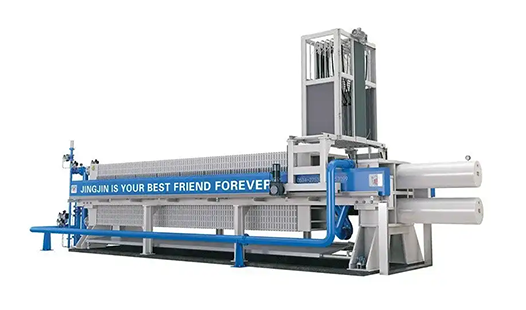
Top Advantages of a Membrane Squeeze Filter Press
Introduction
- Introduction
- Understanding the Membrane Squeeze Filter Press
- Key Advantages of Membrane Squeeze Filter Presses
- Membrane Squeeze Filter Press vs. Other Dewatering Technologies
- Practical Guidance for Procurement and Operation
- Conclusion
- FAQ
- Partner with Jingjin for Advanced Membrane Squeeze Filter Press Solutions
- References
A revolutionary industrial solid-liquid separation solution, the membrane squeeze filter press produces drier cakes and quicker cycle times than conventional filtering equipment. This technology helps mining, wastewater treatment, and chemical manufacturers reduce disposal costs and meet strict environmental compliance standards by using flexible diaphragms that apply secondary mechanical compression.
Introduction
Process engineers and plant managers in mining tailings management, municipal sludge treatment, and pharmaceutical manufacturing face persistent challenges: filter cake moisture increases disposal costs, dewatering cycles slow throughput, and cake quality varies, making regulatory compliance difficult. When dewatering slurries or requiring ultimate dryness for landfill fees or thermal processing, traditional recessed chamber presses typically fail. Dual-phase dewatering membrane squeeze filter presses solve these issues. After ordinary filtering creates a cake, integrated membranes inflate with compressed air or water to squeeze the solids' interstitial moisture. Membrane squeeze filter press technology has seven proven benefits that B2B procurement teams seeking operational efficiency, cost reduction, and equipment durability must consider. Understanding these benefits helps decision-makers choose filtration systems that meet sustainability and affordability requirements.
Understanding the Membrane Squeeze Filter Press
How Membrane Technology Enhances Dewatering Performance
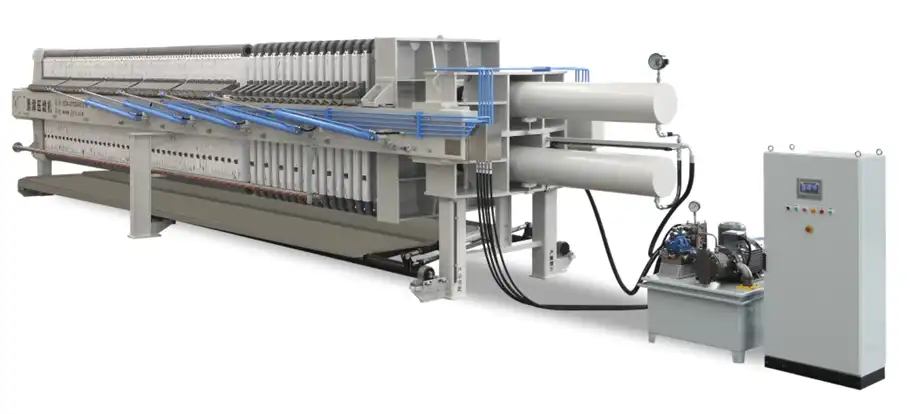
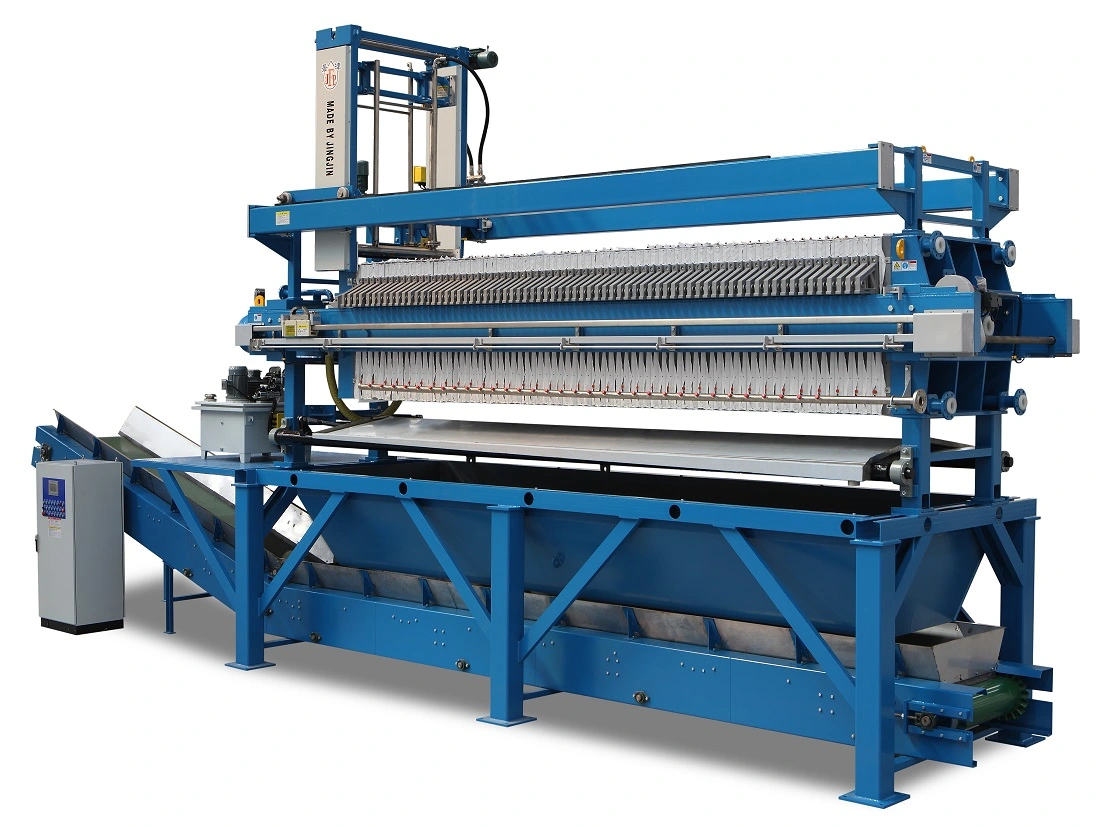
A membrane squeeze filter press combines plate-and-frame construction with membrane squeeze filter press chambers with elastomeric diaphragms. Feed slurry enters input ports under pressure, moving liquid through filter cloths and solids as cake. In the squeeze phase, an inflation medium—typically water at 1.6–3.0 MPa—enters behind the membranes to expand and compress the cake from both sides after chambers fill. This mechanical compression removes moisture from the cake structure even after long filtering. It reduces moisture by 10–20% compared to traditional chamber presses. Variable volume chambers can handle partial fills without affecting compression, which is important for processing slurries with changing solids.
Differences from Standard Filtration Equipment
Only feed pump pressure drives liquid through the filter media in conventional recessed chamber presses. Hydraulic resistance grows rapidly with cake thickness, making final consolidation inefficient and time-consuming. Membrane squeeze filter presses alleviate this bottleneck: 80% of solids collection occurs during pumping, and the squeeze cycle dewaters in a fraction of passive consolidation time. This basic difference results in shorter batch cycles, better throughput, and reduced energy consumption per dry solids ton.
Key Advantages of Membrane Squeeze Filter Presses
Advantage 1: Superior Dewatering Efficiency and Lower Disposal CostsThe
membrane squeeze filter press's popularity is driven by its capacity to dry cakes better than ordinary equipment. Standard presses release biological sludge at 70-75% moisture in municipal wastewater applications. Membrane squeezing meets landfill acceptability standards without drying by reducing moisture to 55-60%. The system dry stacks tailings below 20% moisture, reducing environmental responsibility and infrastructure expenses of wet impoundment dams in mining. Transport and disposal weight decrease with lower moisture levels. By lowering cake moisture from 70% to 60%, a wastewater treatment facility processing 50 tons per day of dry solids may save over $200,000 in shipping and dumping expenses. Even with a greater initial capital expenditure than traditional chamber presses, economic payback is 18–36 months.
Advantage 2: Reduced Cycle Times and Increased Throughput
Compared to traditional filtering, membrane squeezing with a membrane squeeze filter press cuts cycle time by 20–50%. Mechanical compression from the membrane plate filter press quickly removes moisture that would normally need passive drainage, allowing more batches each shift without a capacity increase. This time savings enhances yearly output from existing equipment footprints in chemical manufacture, where batch-to-batch turnaround speed influences production schedule. Lower labor and energy expenses per batch and ton processed result from shorter cycles with the membrane plate filter press. With fewer press units, operators can meet daily throughput or develop output without capital investment. Faster processing and drier discharge make the membrane plate filter press useful in space-constrained or infrastructure-optimized operations
Advantage 3: Enhanced Cake Washing and Product Purity
Displace mother liquor contaminants from the filter cake to ensure product purity in fine chemical and pharmaceutical applications. Channeling occurs in standard presses when liquid flows through fissures rather than the cake. Membrane squeezing compresses the cake structure, closing these channels and distributing wash fluid across the particle matrix. This enhanced wash efficiency reduces water usage by 40% and removes impurities better. Residual salts degrade color quality in pigment and dye synthesis, but membrane washing allows producers to fulfill strict purity criteria without unnecessary water usage or wash cycles. The system also offers countercurrent washing, which uses cleaner liquor to optimize impurity displacement with less wash water.
Membrane Squeeze Filter Press vs. Other Dewatering Technologies
Performance Comparison with Standard Chamber Presses
Membrane squeeze filter presses regularly reduce cake moisture by 10–20% and cycle time by 20–50% compared to plate-and-frame or recessed chamber presses without membranes. The initial capital cost premium depends on filter area and automation degree and is 25–40%. Reducing disposal costs and increasing throughput usually pays for itself in two to three years in high-volume applications. Standard chamber presses are economically effective for situations where cake dryness is not important, or feed conditions enable adequate performance without squeezing. Lifecycle cost analysis is crucial, taking disposal fees, throughput needs, and site-specific operating restrictions into consideration.
Comparison with Screw Presses and Vacuum Filters
With compressible biological sludges or fine particle slurries, screw presses cannot dry cakes as well as membrane squeezing, but they offer continuous operation and reduced capital costs. Materials with high specific resistance to filtering also challenge vacuum filters. Batch applications that need maximum dryness, wash efficiency, or varied feed compositions that challenge continuous dewatering systems benefit from membrane squeeze filter presses. Material properties, manufacturing size, and operational goals determine technology selection. Many big facilities use numerous dewatering systems for different process streams, exploiting their capabilities.
Practical Guidance for Procurement and Operation
Selecting the Right Equipment for Your Application
Characterizing feed slurry parameters, such as particle size distribution, solids concentration, compressibility, and chemical composition, is essential for membrane squeeze filter press procurement. Process engineers should set cake dryness, throughput, and wash cycle parameters. Budgets must include capital investment and lifetime running expenses, including energy, consumables, and maintenance. Batch cycle time objectives and daily throughput determine filtration area size. Laboratory presses of 10 m² and industrial setups of 1,000 m² filtering area are available. Chamber depth, plate materials, membrane kinds, and automation levels can be customized. Using experienced vendors during specification ensures equipment design matches operating realities and expansion objectives.
Installation Best Practices and Service Considerations
Proper installation needs foundation design to handle equipment weight and hydraulic stresses, power and process water utility connections, and plate pack opening and cake discharge clearance. Reliable providers give installation designs and commissioning help for proper starting. Depending on the customisation intricacy and production capability, lead times are 12–24 weeks. Membrane examination, filter cloth replacement depending on flow rate degradation, and hydraulic system inspections are routine maintenance. Having vendors with prompt technical assistance, spare parts, and service visits reduces downtime risk. The warranty should cover membrane life, structural components, and hydraulic systems, with defined coverage periods and exclusions.
Conclusion
Membrane squeeze filter presses are a reliable, efficient, and cost-effective investment for industrial dewatering and solid-liquid separation. Seven advantages—superior cake dryness, reduced cycle times, enhanced washing, broad versatility, lower operating costs, extended equipment life, and advanced safety features—directly address procurement managers, process engineers, and plant operations directors' challenges in mining, wastewater, chemical, and related industries. By carefully evaluating process requirements, conducting lifecycle cost analysis, and partnering with experienced suppliers, membrane squeeze filter press technology can improve throughput, compliance, and profitability while supporting long-term sustainability goals.
FAQ
1. What maintenance does membrane squeeze technology require compared to standard presses?
Membrane squeeze filter presses need elastomeric membrane inspection and replacement every 3,000 to 10,000 cycles, depending on chemical exposure and squeezing pressure. Removing retaining clips and installing new components without tools makes membrane replacement easy. Filter cloth replacement, hydraulic system inspections, and structural inspections are identical to conventional presses. A preventative maintenance program based on manufacturer guidelines and operating experience maintains reliability and component life.
2. Which industries benefit most from membrane squeeze filter presses?
membrane squeeze filter press technology assists mining companies dealing with tailings, municipal wastewater plants handling biosolids, chemical factories processing pigments and specialized compounds, and pharmaceutical facilities requiring high-purity products. Construction firms handling drilling mud and aggregate processing benefit from the equipment's flexible feed composition and dry, stackable materials. Membrane squeeze filter presses may help operations with high disposal costs, stringent moisture standards, or throughput difficulties.
Partner with Jingjin for Advanced Membrane Squeeze Filter Press Solutions
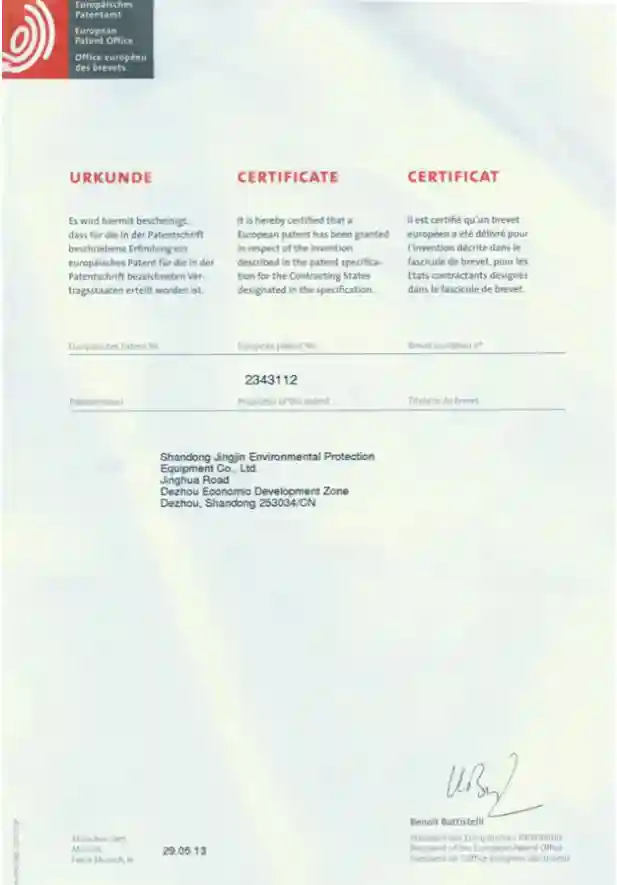
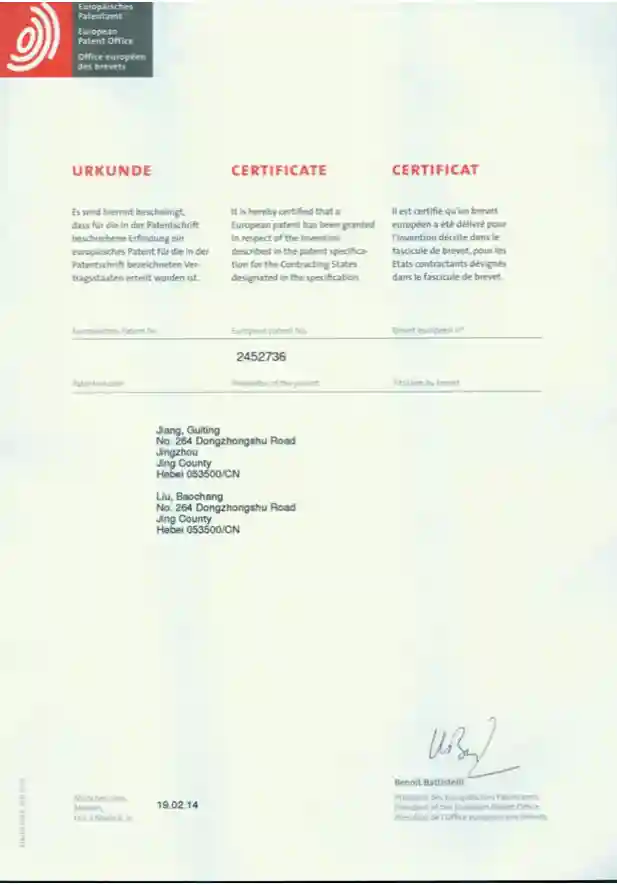
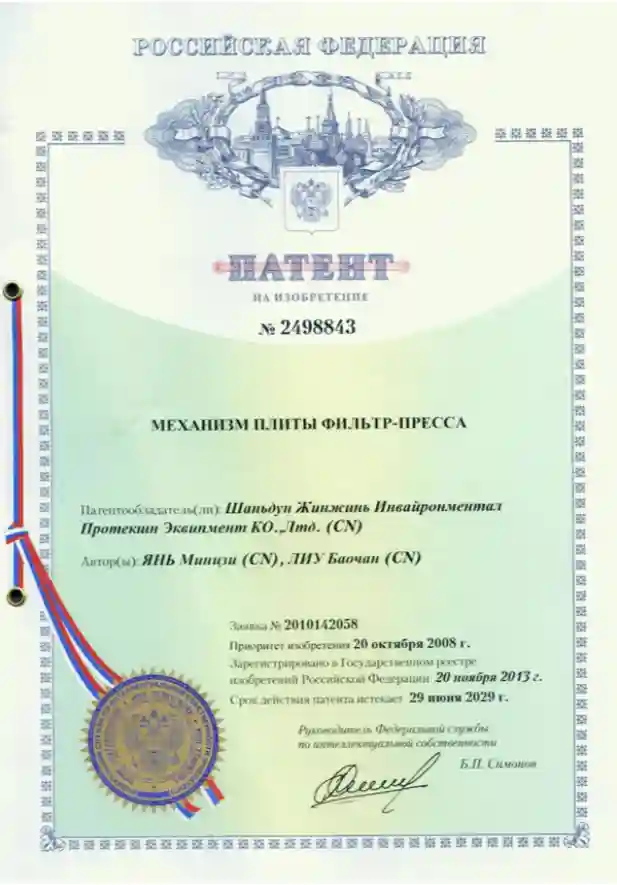
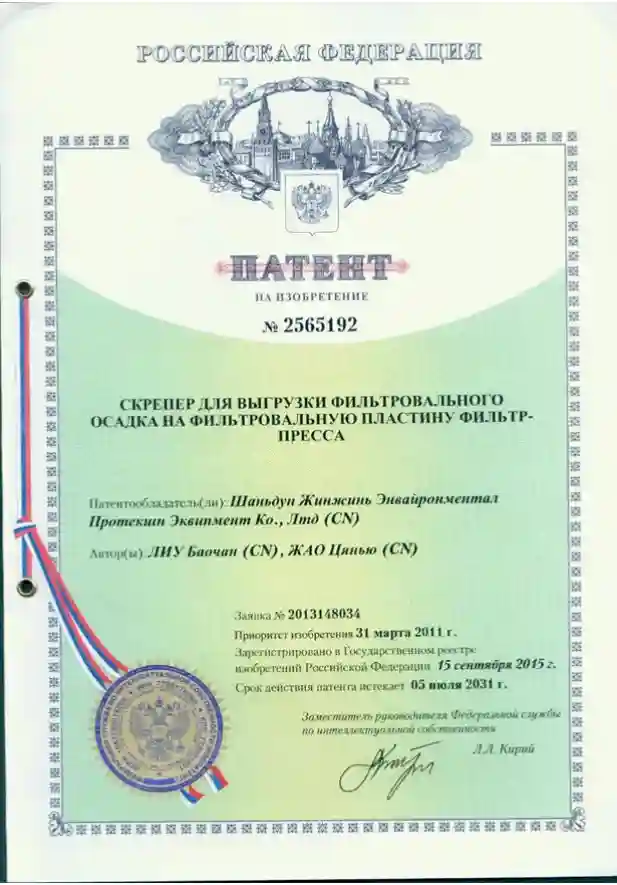
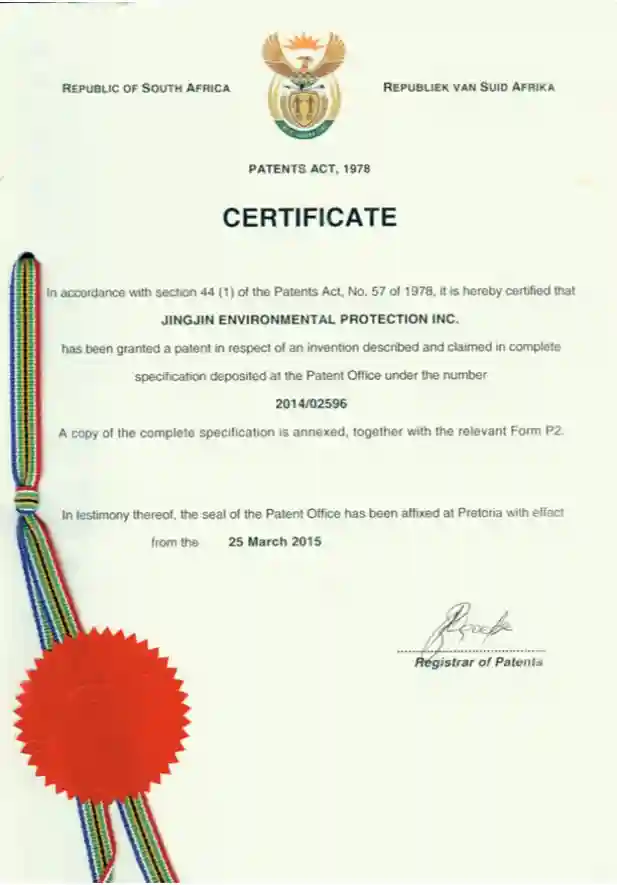
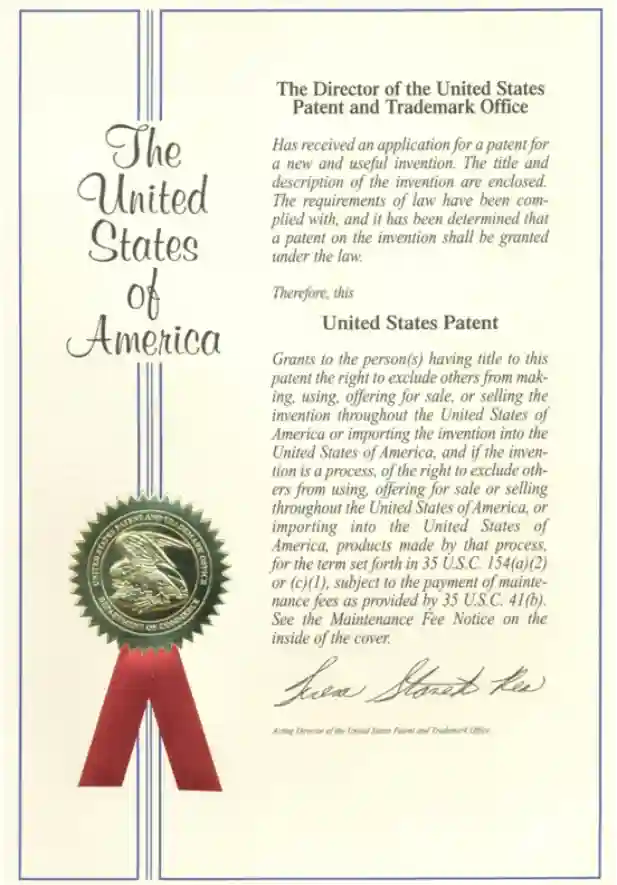
Jingjin Equipment Inc. provides membrane squeeze filter press systems for demanding industrial applications globally, using over 30 years of filtration engineering experience and 136+ patents. Our high-volume manufacturing and extensive product ecosystem—including filter plates, cloths, and automation packages—ensure easy integration and long-term operational support. Jingjin solves your toughest solid-liquid separation problems with proven dependability and innovative technologies in 123 countries. Our technical staff can examine your process needs and offer optimum membrane squeeze filter press solutions to decrease sludge disposal costs, increase throughput, or fulfill strict environmental restrictions. Contact us at [email protected] to discuss project details, obtain technical documents, or meet with our application specialists. As a reputable membrane squeeze filter press manufacturer, we produce filtration solutions that boost operational efficiency and profitability.
References
1. Perry, Robert H., and Don W. Green. Perry's Chemical Engineers' Handbook. 8th ed. McGraw-Hill Professional, 2007.
2. Svarovsky, Ladislav. Solid-Liquid Separation. 4th ed. Butterworth-Heinemann, 2000.
3. Wakeman, Richard J., and E. S. Tarleton. Solid/Liquid Separation: Principles of Industrial Filtration. Elsevier Science, 2005.
4. Cheremisinoff, Nicholas P. Handbook of Water and Wastewater Treatment Technologies. Butterworth-Heinemann, 2002.
5. Tarleton, E. S., and Richard J. Wakeman. Solid/Liquid Separation: Equipment Selection and Process Design. Elsevier Advanced Technology, 2007.
6. Sutherland, Kenneth. Filters and Filtration Handbook. 5th ed. Elsevier Butterworth-Heinemann, 2008.
jingjin
Founded in 1988, Jingjin specializes in filter presses and liquid-solid separation solutions, serving over 130 countries worldwide, and is a standard-setter in China's filter press industry.
Get the Filter Press guide
Enter Your Email for Technical assistance for the Filter Press.
Recommended Blog
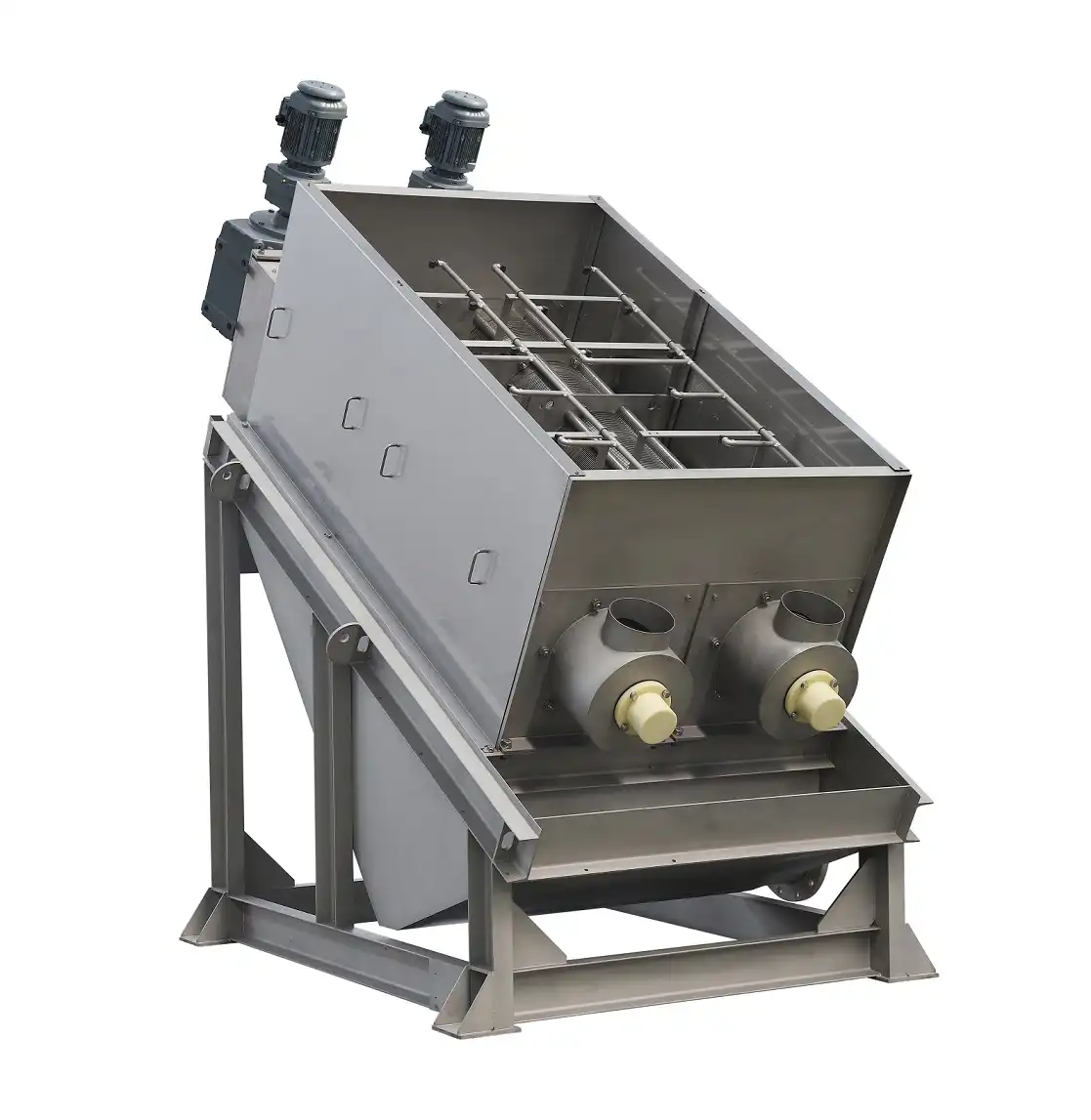
China Multi Disk Screw Press vs India: Cost & Performance 2026
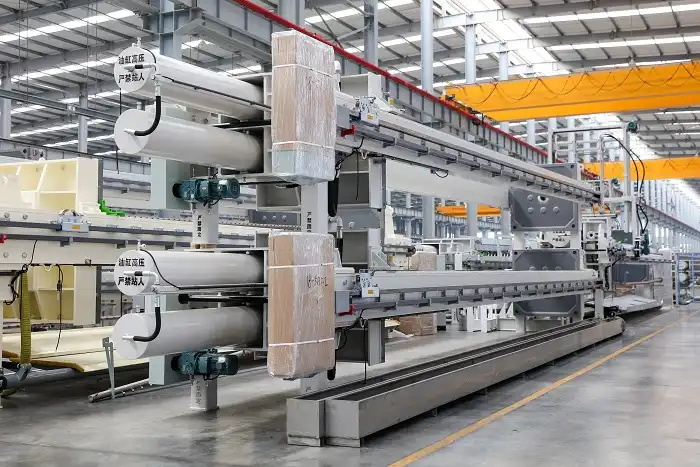
Understanding Jingjin Filter Press Parts and Accessories: What You Need to Know
Understanding Technical Specifications of Press Filters: A Complete Guide
Essential Maintenance Tips for Press Filters in Industrial Plants
What Is a Multi Disk Screw Press and How Does It Work in Industrial Dewatering?
What Are Filter Press Plates and How Do They Work? A Comprehensive Guide
Comparing Jingjin Filter Press with Other Brands: Which One Suits You Best?
Where to Buy Industrial Filter Press Cloth: Top Suppliers and Tips