Why Choose a Membrane Squeeze Filter Press?
Introduction
- Introduction
- Understanding Membrane Squeeze Filter Press Technology
- Comparing Membrane Squeeze Filter Press to Other Filtration Technologies
- How to Select the Best Membrane Squeeze Filter Press for Your Business?
- Real-World Case Studies: Proven Success with Membrane Squeeze Filter Presses
- Conclusion
- FAQ
- Partner with Jingjin for Custom Membrane Squeeze Filter Press Solutions
- References
It's mission-critical to choose the right dewatering tools when we have to cut down on waste costs, meet strict environmental standards, and keep operations running as long as possible. Conventional filtration often can't do what a membrane squeeze filter press can: make cakes much drier, cut down on cycle times, and save a lot of money. This technique uses a second phase of high-pressure squeezing after the first filtration step to squeeze filter cakes and get rid of the interstitial moisture that regular recessed chamber presses leave behind. The result is products that are up to 20% dry, which lowers the cost of hauling and makes it easier to reuse or safely get rid of.
Introduction
Solid-liquid separation is important for making money and following the rules in chemical plants, mines, and wastewater treatment plants all over the world. The membrane squeeze filter press has become a game-changing technology in business-to-business purchasing. It solves important problems that process engineers and plant managers have, like high leftover moisture, long downtime, and rising dumping fees. Traditional chamber presses rely only on the pressure of the feed pump. Newer units with diaphragms add mechanical compression, which makes it possible to reach moisture levels that were once thought to be impossible.
This complete guide shows people who work in buying, wastewater management, and EPC projects everything there is to know about membrane squeeze technology. We look at how flexible membranes physically compress cakes, compare performance to other filter methods, give you useful criteria for choosing a provider, and show you real-life case studies that show your return on investment. Whether you are in charge of draining tailings at a copper mine or managing sludge at a city plant, knowing about these systems helps you make smart, cost-effective purchases that improve efficiency and sustainability.
Understanding Membrane Squeeze Filter Press Technology
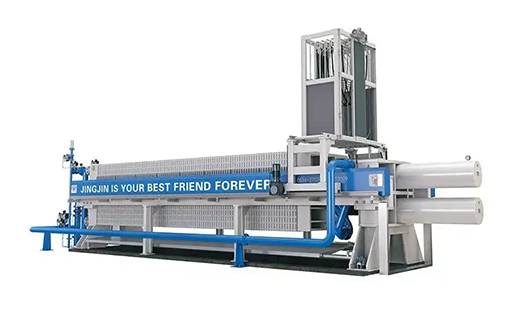
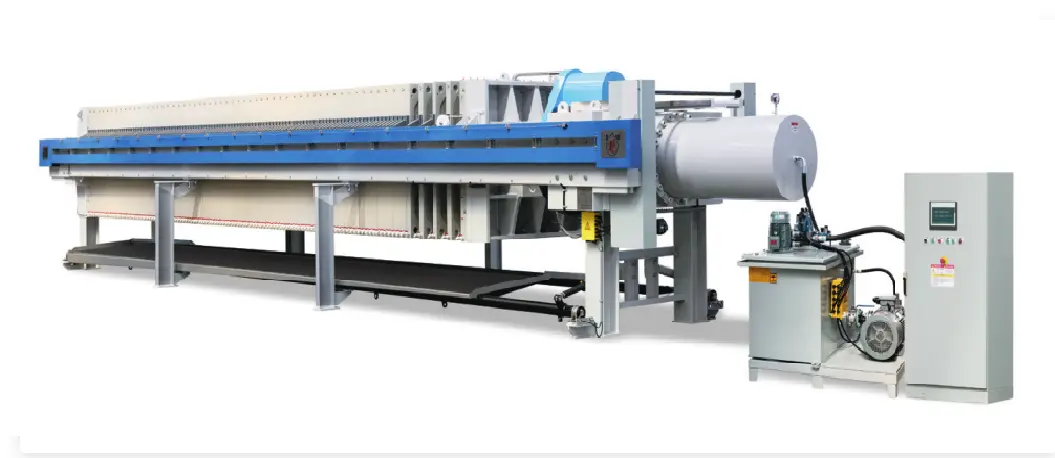
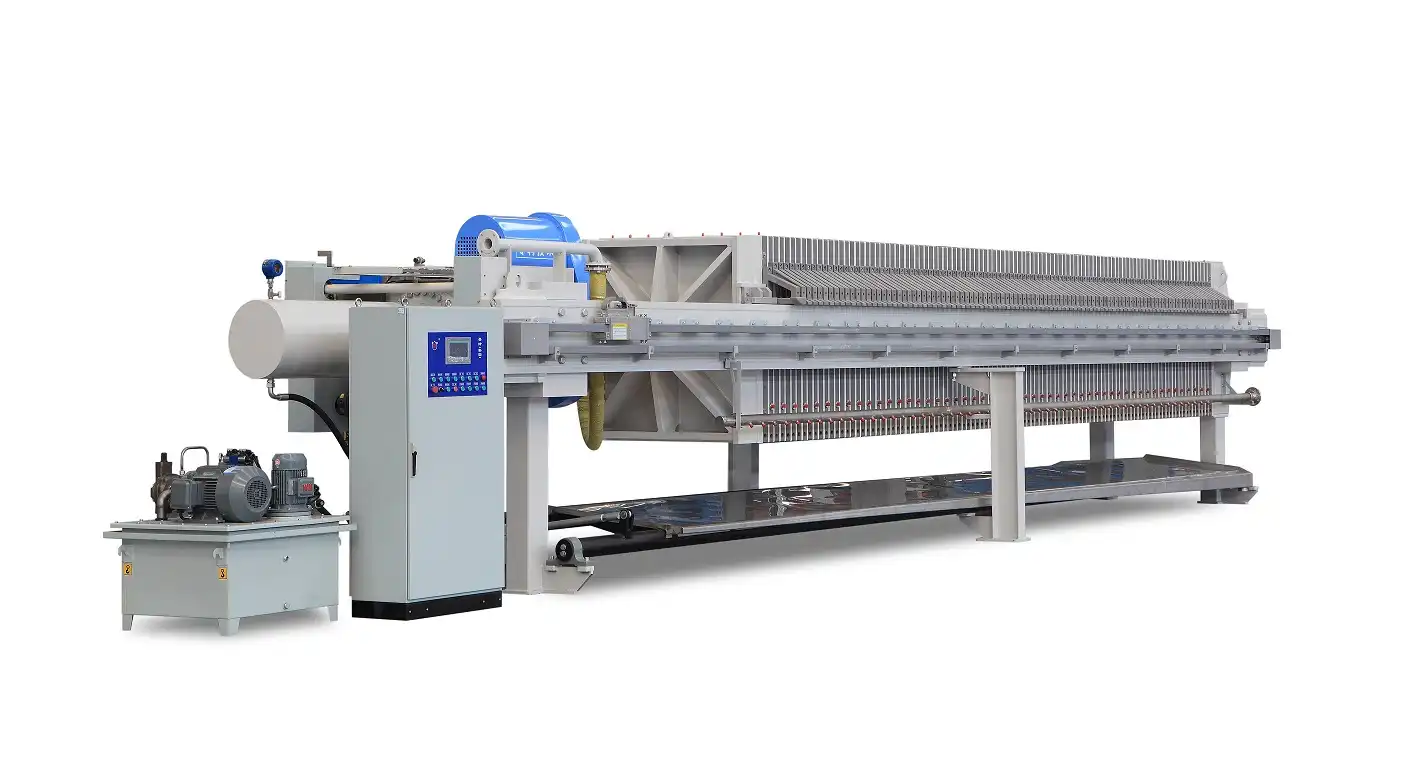
At its heart, a membrane squeeze filter press has flexible diaphragms built into each filter plate. This changes the way moisture leaves the cake in a basic way. A cake layer is made in each chamber by slurry pumps that push liquids through filter cloth at up to 1 MPa of pressure during the first step of filtering. The squeeze cycle starts when the tanks are full, and the flow of liquid slows down. Behind each barrier, an expansion medium—usually water for safety above 1.0 MPa—goes in and blows it up into the cake. Compressing the metal, this pushes out moisture that is stuck and can't be removed by gravity or pump pressure.
Key Design Components Driving Performance
The choice of membrane material has a direct effect on how long it lasts and how well it reacts with chemicals. Reinforced polypropylene membranes work well in most industrial and urban settings and don't wear out easily after thousands of cycles. In chemical processes, EPDM elastomers can handle strong acids and caustics, while TPE mixes make things flexible at lower temperatures. Automated control systems manage the times of squeezes, pressure ramp rates, and hold times to make sure that the cake is as dry as possible without hurting the membranes. Plate design uses manifold tubes to spread the inflation medium widely. This stops stress from building up in one area and makes sure that the cake is compressed evenly across its width.
Operational Advantages in Demanding Environments
Most of the time, the squeeze step cuts the total cycle time by 20 to 50 percent. Because mechanical compression quickly gets rid of water, plants can handle more batches per shift without having to move their equipment around. Variable volume chambers can handle changing feed solids, which is a common problem in mining and wastewater treatment, where the structure of the influent changes. Another benefit is that squeezing stops channeling cracks in the cake, which lets wash water flow evenly and get rid of impurities more completely while using up to 40 percent less wash volume. This is very important in the pharmaceutical and fine chemistry industries, where the purity and output of the product depend on how well the cake is washed.
Following DIN and ISO 9001 rules ensures that the safety of pressure vessels and the dependability of hydraulic systems meet international standards. Leading makers make units, such as the membrane squeeze filter press, that can handle squeeze pressures between 1.6 and 3.0 MPa. Filtration areas range from small 10 m² models to industrial-scale systems that are over 1,000 m². This scalability lets both trial sites and high-throughput processes handle hundreds of cubic meters of data every day.
Comparing Membrane Squeeze Filter Press to Other Filtration Technologies
When picking between filtering methods, it's important to know the pros and cons of each one. For low to middling grain content and cakes that are a little wetter, traditional recessed chamber presses are still a good value. They only depend on the pressure of the feed pump, which keeps the final moisture level in normal city sludge at 30 to 40 percent. When barriers are added, the moisture level drops below 25%, and in flexible materials, it often reaches 15% to 20%. This 10-percentage-point improvement directly lowers the cost of removal and makes dry-stacking a choice for managing mining waste.
Vacuum filters can work all the time, which makes them useful for uses with very high flow rates. But they have trouble with small particles and slurries that can be pressed together, so the cakes they make are only about half dry. Taking care of vacuum pumps and devices for cleaning clothes makes operations more difficult. Belt and screw presses can keep going, but the cakes they make aren't as dry—they only get about 20 to 30 percent moisture at best. When they work with abrasive slurries like those found in mining and gravel processes, their moving parts wear out faster.
Centrifuges are great at separating things at high speeds, but they use a lot of power and make noise and vibrations. Capital and upkeep costs are still high, especially for alloys that don't rust and are used in chemical work. The membrane squeeze filter press units are a good mix between batch processes, high dryness, and low energy use. In hydraulic systems, seals need to be replaced every so often, but compared to centrifuge overhauls, the total level of upkeep is still manageable.
When waste costs are higher than running costs, membrane squeeze filter presses are the best choice from a return-on-investment point of view. When a mining company stacks dry tailings instead of making wet impoundments, they dodge regulatory problems and get back up to 95% of the process water to use again. Chemical companies that lower cake wetness by 15% cut hauling trips in half, which saves time and money. Payback times for wastewater plants that meet landfill moisture limits without having to do expensive pre-drying steps are less than three years, even when higher equipment costs are taken into account.
How to Select the Best Membrane Squeeze Filter Press for Your Business?
Setting operational guidelines is the first step to successful buying of a membrane squeeze filter press. The chemical makeup, particle size distribution, and compressibility of the slurry decide the membrane material, plate structure, and squeeze pressure needs. For example, a mining plant that filters acidic copper concentrate needs EPDM membranes and stainless steel manifolds, while a city plant that dewaters biological sludge works best with polypropylene construction. The amount of solids that can be handled must match the peak flow rates, taking yearly changes into account. Choosing the right squeeze pressure is based on the moisture goals. For example, to get 18% moisture in compressible sludge, 2.5 MPa may be needed, but 1.8 MPa is enough for 25 percent moisture in tailings. This is the foundation of a successful membrane squeeze filter press acquisition.
Evaluating Global Suppliers and Manufacturers
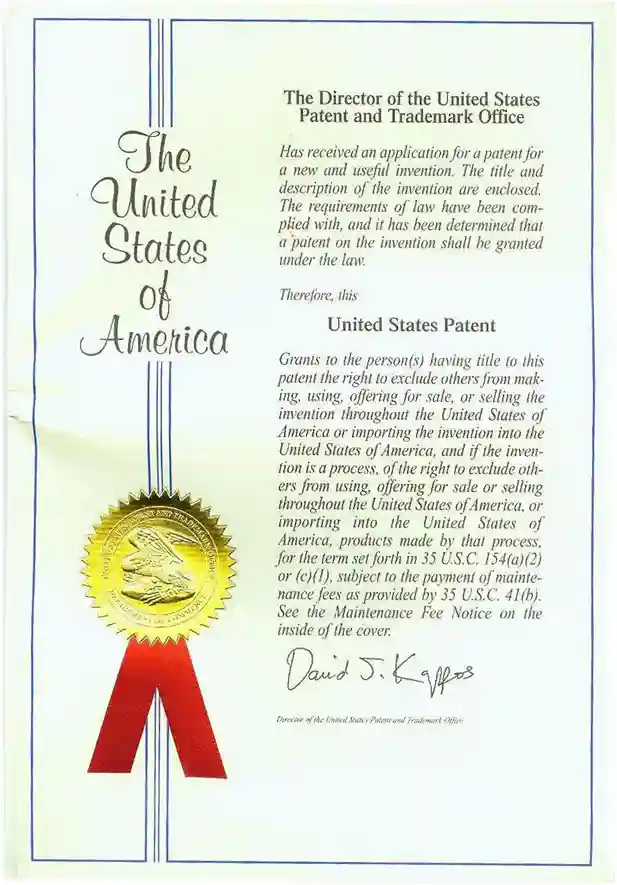
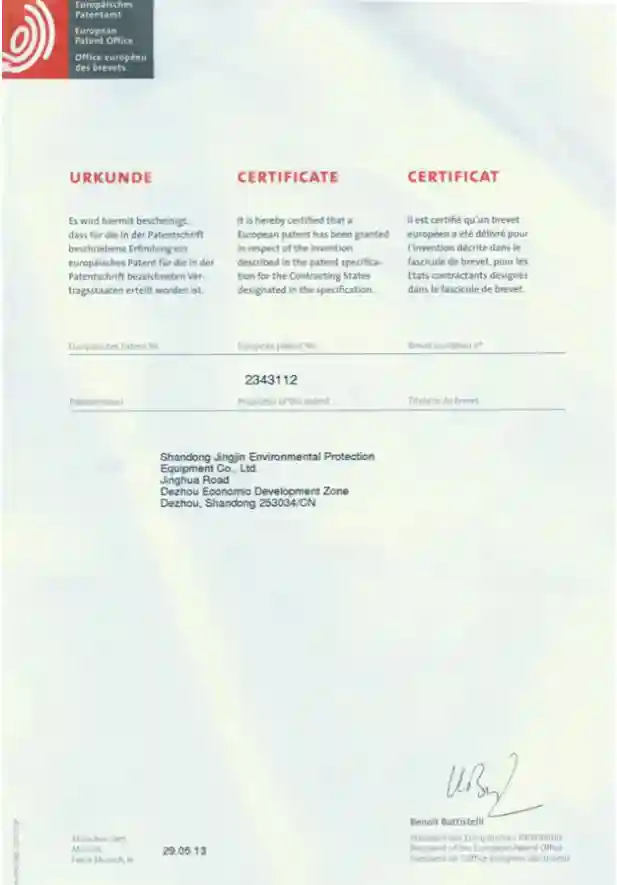
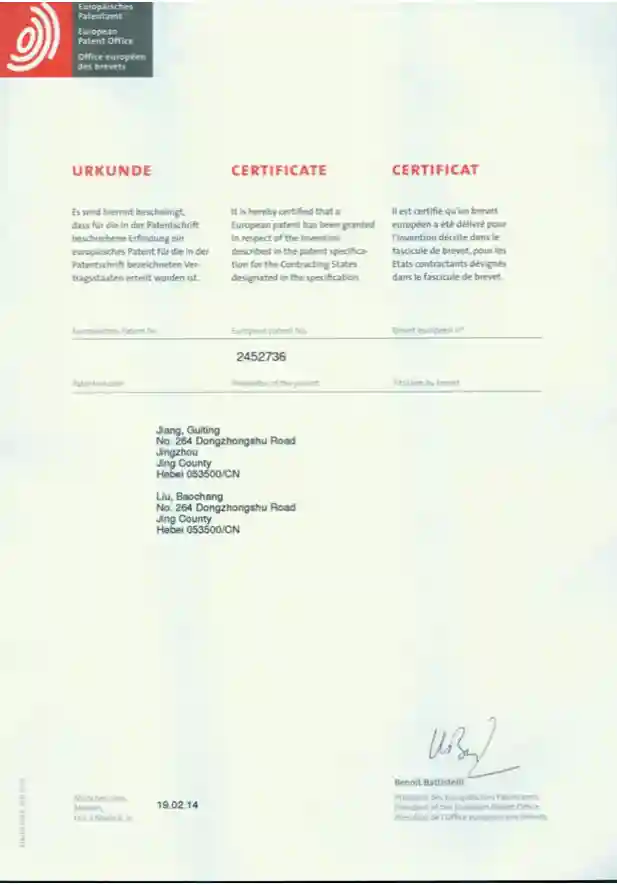
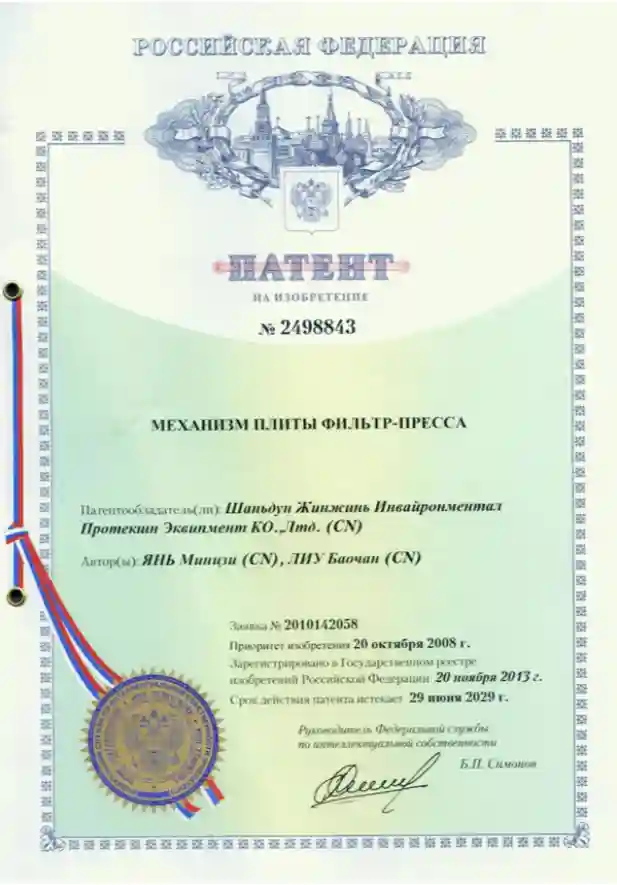
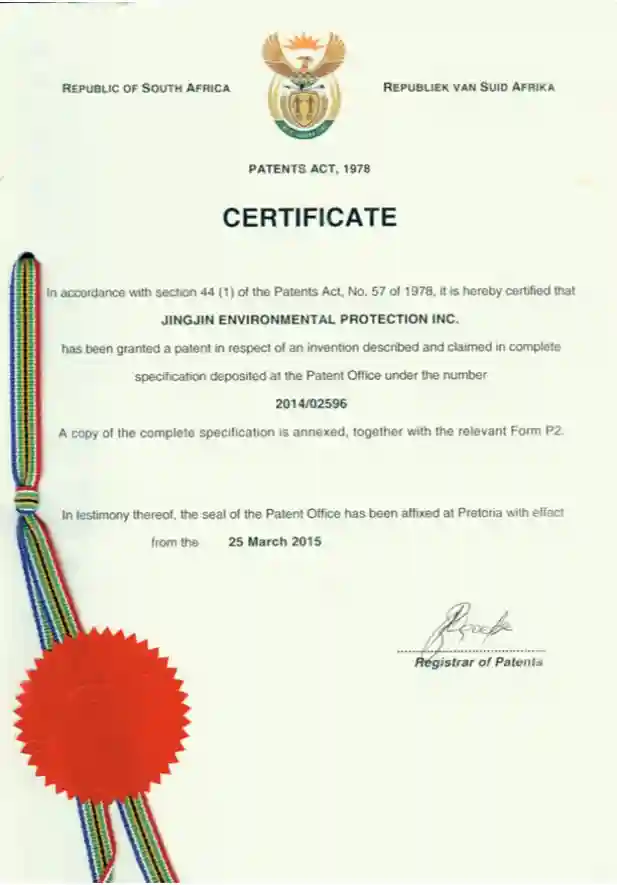
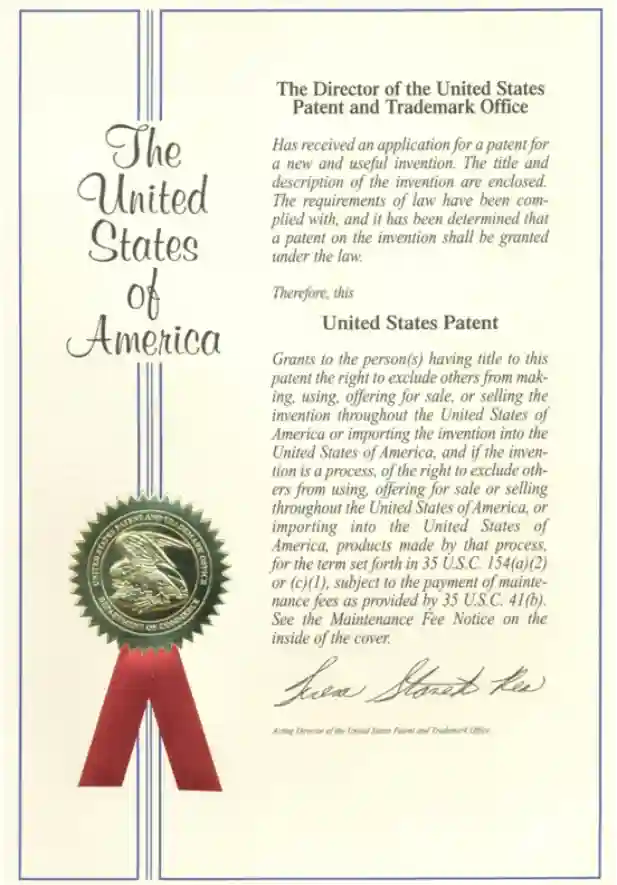
Established makers have decades of experience improving their products and have service networks all over the world. ANDRITZ, GEA, and Alfa Laval all have large filtering libraries, lots of paperwork, and designs that have been used in the field. Since it was formed in 1988, Jingjin Equipment Inc. has sold filter press systems to customers in 123 countries and has more than 136 patents in membrane and plate technology. Consistent quality and faster wait times are ensured by large-scale manufacturing. The buying teams should check the ISO standards, ask for client examples from similar projects, and look at the infrastructure for after-sales support. Downtime is kept to a minimum when local service is available, and emergency freight costs are kept low by stocking extra membrane kits and hydraulic seals in the area.
Budget Planning and Procurement Logistics
New equipment comes with the most up-to-date machinery and a guarantee, but used or refurbished presses can work for projects on a budget if they are carefully checked out. Lead times range from eight weeks for basic set-ups to six months for big, highly customized units. Logistics for shipping and installing things need to be planned ahead of time, especially for mine sites that are far away and need crane access and base preparation. Planning for maintenance starts when you buy the equipment. Keeping extra parts like new membranes, filter cloths, and hydraulic seals on hand ensures that you can act quickly when something wears out. If operations are handled well, routine inspections every 3,000 cycles can extend the membrane's life to 10,000 cycles, protecting the value of the investment over the long run.
Real-World Case Studies: Proven Success with Membrane Squeeze Filter Presses
Case studies from real life show that membrane squeeze filter presses work. These cases show how membrane squeeze filter press technology can be used to solve a wide range of business problems. Better cake dryness lowers the cost of removal and lets environmentally friendly methods like dry stacking work. In high-value manufacturing, better wash efficiency protects the quality of the products. When cycles are shortened, throughput goes up without the plant's size getting bigger. The membrane squeeze filter press technology provides a clear return on investment (ROI) and operating resilience across all fields.
Mining Tailings Dry Stacking Initiative
The prices of a copper mine in the southwestern United States were going up, and the government was looking closely at its wet tailings pond. Putting in a high-capacity membrane squeeze filter press system that can handle 200 cubic meters of waste per hour changed how things were done. At 2.2 MPa, the squeeze pressure cut the moisture content of the ashes from 35% to 18%, which made dry stacking on designed pads possible. The water collection rate hit 94%, and it was sent back to the mill. This saved 12 million gallons of freshwater every year. The project paid for itself in 28 months by avoiding the building of a dam and cutting down on water sales. It also got rid of a long-term environmental risk.
Municipal Wastewater Sludge Dewatering
A medium-sized wastewater treatment plant that serves 150,000 people had a hard time meeting the new rules for dumping acceptance that said biosolids could only have a moisture level of 60%. Their old belt presses regularly gave them 72% moisture, which cost them money in fines. When we switched to a membrane squeeze filter press with automatic cycle control, the moisture level dropped to 55%. The amount of trash dumped dropped by 30%, which saved $180,000 a year in hauling and tipping fees. The unit's sealed design stopped smell complaints from nearby homes, and its easy operation cut the number of jobs needed by one full-time equivalent.
Chemical Manufacturing High-Purity Product Recovery
Before the final drying, a specialty dye maker needed to wash the cakes very well to get rid of any sodium sulfate impurities. Their plate-and-frame press left holes in thick cakes that made cleaning uneven and discoloring the product. The problem was fixed by switching to a membrane squeeze filter press device with wash and squeeze routines that could be programmed. The squeeze phase filled in the cracks so that wash water could flow evenly. The quality of the product went up from 96 to 99.2 percent, which is what is needed for pharmaceuticals. The amount of wash water used dropped by 35%, and the cycle time was cut by 40 minutes, which added three more batches to the daily output.
Conclusion
Membrane squeeze filter presses are a proven improvement in industrial dewatering. They combine traditional filtering with mechanical compression to get cake moisture levels that can't be reached any other way. Because they can cut down on cycle times, improve wash efficiency, and work with different types of sludge, they are essential in chemical manufacturing, mining, and treating wastewater from cities. Careful consideration of business needs, seller credentials, and lifecycle costs leads to successful buying that meets process goals and budget limits. Real-life case studies show real benefits through lower costs for waste, reused process water, and better product quality. Procurement experts can find filtration solutions that keep operations running smoothly and legally for decades by working with experienced makers that offer full support.
FAQ
1. What maintenance practices extend membrane lifespan?
Mechanical pushing quickly gets rid of moisture that would normally take a long time for a pump to work. Shorter cycles mean that pumps run less per batch, which means that 15 to 25 percent less electricity is used than with long filtering without squeezing. When you inflate something with water, the energy is transferred quickly and efficiently. Compressed air, on the other hand, uses more power and is less safe above 1.0 MPa.
2. How does squeeze pressure improve energy efficiency?
Up to 70°C, standard plastic plates and membranes work consistently. Specialized PVDF membranes can handle temperatures close to 95°C without deforming, making them good for chemical processes that need to be hot. Cooling slurries below these levels makes it easier to choose the right tools and increases the life of parts.
3. Can membrane presses handle high-temperature slurries?
Membrane squeeze filter presses are capable of handling high-temperature applications when equipped with appropriate plate materials. Choosing specialized elastomers for the diaphragms ensures operational stability in thermal environments while maintaining cake dryness targets.
Partner with Jingjin for Custom Membrane Squeeze Filter Press Solutions
To get the most out of your solid-liquid separation process, you need equipment that is specially made for your slurry's properties, your output needs, and the rules that apply in your area. Jingjin Equipment Inc. uses more than 30 years of experience in filtration engineering and 136 patents to create, build, and support membrane squeeze filter press systems that improve performance in a measured way. Our presence in 123 countries around the world guarantees quick after-sales service, easy access to extra parts, and expert advice wherever your operations need it.
Jingjin's full product ecosystem includes filter plates, specialized membranes, cloths, and hydraulic systems. This makes it easy for procurement managers and plant operations leaders to find a reliable membrane squeeze filter press maker. Our large-scale production capacity lets us meet tight project deadlines without lowering quality standards, which are confirmed by our ISO 9001 certification. You can email our team at [email protected] to talk about your draining problems, get technical specs, or set up a site visit. You can look at Jingjin's full product brochures and case studies to learn more about how their tried-and-true solutions can help you save money on disposal costs, follow the rules, and protect the long-term value of your filtering infrastructure investments.
References
1. Perry, R. H., & Green, D. W. (2019). Perry's Chemical Engineers' Handbook (9th ed.). McGraw-Hill Education.
2. Sutherland, K., & Chase, G. (2011). Filters and Filtration Handbook (5th ed.). Butterworth-Heinemann.
3. Wakeman, R. J., & Tarleton, E. S. (2005). Solid/Liquid Separation: Principles of Industrial Filtration. Elsevier Science.
4. Svarovsky, L. (2000). Solid-Liquid Separation (4th ed.). Butterworth-Heinemann.
5. Tiller, F. M., & Kwon, J. H. (1998). "Role of porosity in filtration: XIII. Behavior of highly compactible cakes." AIChE Journal, 44(10), 2159-2167.
6. Christensen, G. L., & Dick, R. I. (1985). "Specific resistance measurements: Methods and procedures." Journal of Environmental Engineering, 111(3), 258-271.
jingjin
Founded in 1988, Jingjin specializes in filter presses and liquid-solid separation solutions, serving over 130 countries worldwide, and is a standard-setter in China's filter press industry.
Get the Filter Press guide
Enter Your Email for Technical assistance for the Filter Press.

Recommended Blog
Why Vietnam Wastewater Plants Choose China Multi Disk Screw Press?
Cost-Effective Press Filter Solutions for Wastewater Treatment Plants
Where European Distributors Source Press Filter from China?
Maintenance Tips for Dewatering Press Machines to Maximize Lifespan
Where to Buy High Quality Multi Disk Screw Press for Efficient Sludge Dewatering
Customized Multi Disk Screw Press Solutions for Specific Sludge Processing Needs
Automated Filter Press Systems: Revolutionizing Industrial Filtration Processes