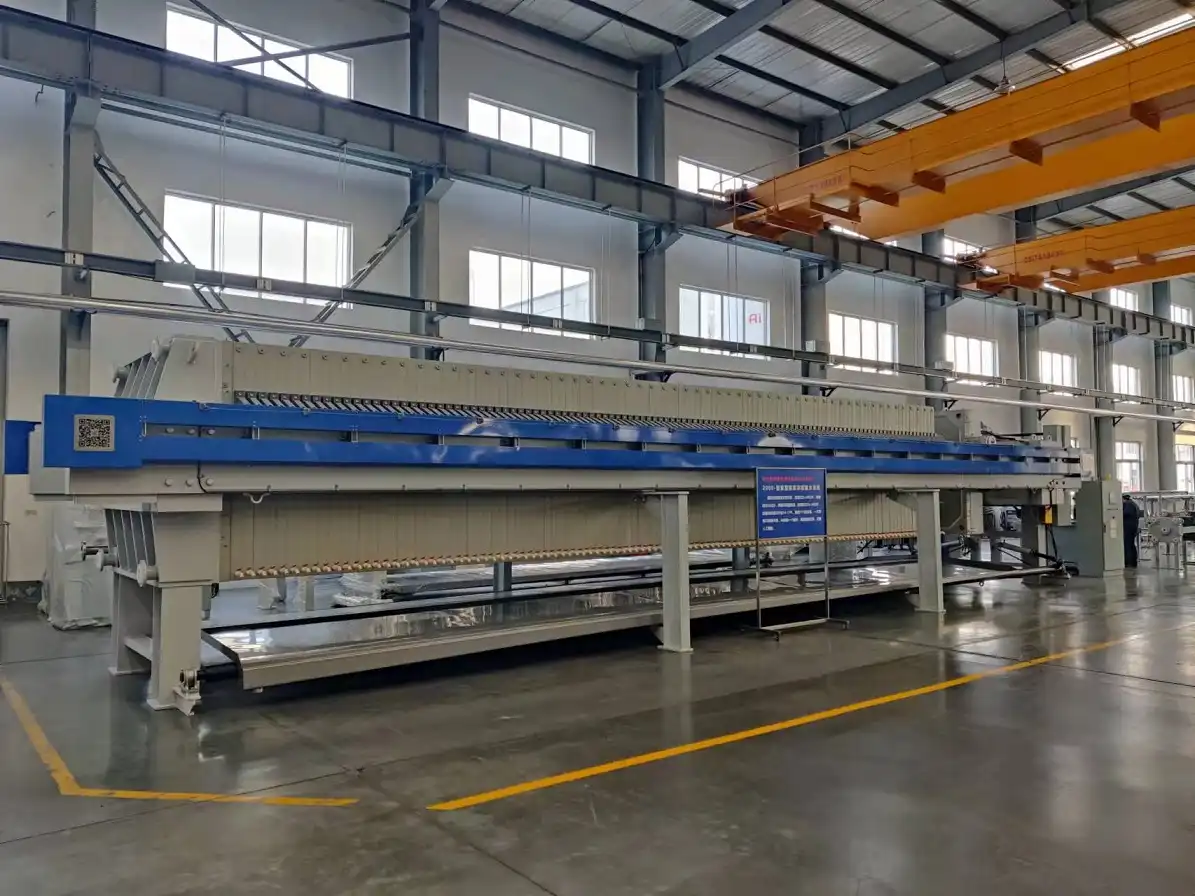
Troubleshooting Common Issues in Membrane Plate Filter Press: Quick Fixes and Solutions
Troubleshooting Common Issues in Membrane Plate Filter Press: Quick Fixes and Solutions
Understanding Common Problems in Membrane Plate Filter Press
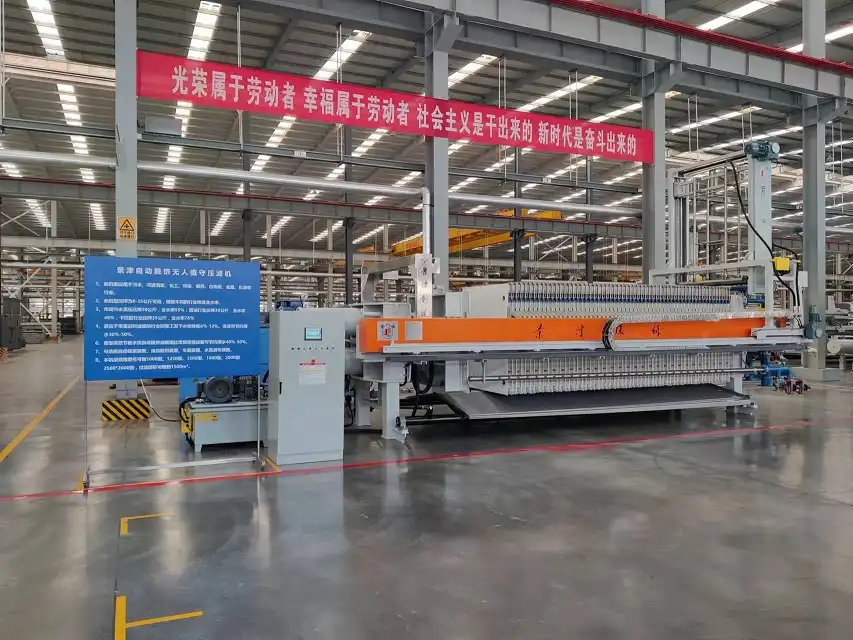
To use a membrane plate filter press effectively, you need to find problems quickly and apply the right answers. There are some common problems that these high-tech filter systems can run into. If these problems are fixed quickly, they can avoid expensive downtime and keep dewatering at its best. When plant managers, process engineers, and maintenance teams know about common problems and how to fix them, they can keep solid-liquid separation processes running smoothly and get the low moisture content that is needed to meet environmental compliance standards and lower disposal costs.

Understanding Common Problems in Membrane Plate Filter Press
Filter Cloth Clogging and Blinding
Breakdown of filter cloth is one of the most common problems that slows down pressure filtering systems. A buildup of particles in the cloth weave leads to a condition called "blinding," in which pores become permanently blocked, even after cleaning. Longer filtering processes, lower throughput, and higher operating pressures are all signs of this situation. When the slurry and fabric don't react chemically, the degradation process speeds up. This is especially true in places where resins, dyes, or high-temperature medicinal chemicals are being processed.
Regular inspection shows warning signs like darkening that goes beyond normal stains, stiffness that means particles are embedded, and holes or tears that can be seen. Picking the right clothes is very important. Polypropylene works best in acidic conditions up to 70°C, while polyester works better in alkaline conditions. Matching the cloth weave density to the particle size distribution stops premature blindness and keeps flow rates at a good level.
Hydraulic System Malfunctions
When hydraulics fail, they mess up the exact order of plate closings that are needed to make leak-free spaces. There are several reasons why there might not be enough shutting pressure: contaminated hydraulic fluid that makes the seals less effective, old cylinder seals that let pressure get around them, or air getting into the hydraulic lines. Because of these problems, the system can't reach the 25 MPa closure force that is usually needed for high-pressure membrane expansion cycles.
Readings from a pressure gauge give instant troubleshooting information. Changing pressures during the closing process are a sign of a worn seal or contaminated fluid. When the temperature rises and the plates close slowly, it means that the fluid is viscous or the pump isn't working well. Every 2,000 hours of use or once a year, whichever comes first, hydraulic fluid should be changed with grades recommended by the maker that keep their viscosity across a range of temperatures.
Membrane Integrity Issues
The flexible cushion is what makes membrane plate technology different from other sunken chamber designs. However, this part is put under a lot of mechanical stress every time the squeeze cycle happens. When the elastomer breaks from the hard plate backing, air pockets form that stop the cake from being compressed evenly. This is called membrane delamination. Chemical attack, mechanical damage during cake release, or manufacturing flaws that show up after many inflation cycles can all cause pinhole leaks.
Detection needs to be checked regularly as part of regular maintenance. A close look shows surface cracks, swelling from chemical absorption, or lasting deformation, which means the rubber is worn out. Pressure-hold tests make sure the stability of the seal. For 15 minutes, the filling pressure should stay the same and not drop any further. Depending on the conditions of use and the pressure of the material, good membranes made of reinforced thermoplastic elastomer can usually go through 2,000 to 10,000 rounds before they need to be replaced.
Leakage During Filtration Cycles
Filtrate or slurry leaking between plates is a sign of problems with the closing surface that wastes material and puts people in danger. Plate surfaces that are warped from heat cycles, trash stuck on the sealing edges, or plates that aren't lined up right in the press frame are some of the root causes. During the filling phase, high-pressure slurry can get out even if the surface isn't perfectly flat within a range of ±0.1 mm.
To find leak sources, you have to watch the process while it's going on. If there is external leaking around the edges of the plate, it means that the covering surface is broken. If filtrate mixes with the cake, it means that the cloth or membrane has failed. Cleaning and sealing surfaces with soft brushes and approved chemicals on a regular basis stops buildup that weakens the seal. Thermal shock protection, which means keeping temperatures from changing quickly by more than 20°C, keeps plates flat over the life of the equipment.
Inconsistent Cake Dryness
When process factors change, or equipment performance drops between cycles, it becomes harder to reach the goal moisture content. Wetter-than-specified discharge can be caused by not enough squeeze pressure, uneven slurry spread across chambers, or cake release too early. This variation makes it hard to predict how much it will cost to get rid of the waste and makes it harder to process it further for uses like mineral concentration or chemical cleaning.
Trends can be found before quality standards are broken by keeping an eye on key performance markers, such as those from a membrane plate filter press. By regularly sampling the filter cycle length, squeeze pressure profiles, and cake moisture, you can find out if the inconsistency is caused by technical problems or changes in the process. It is necessary to calibrate pressure sensors once a year and make sure that the PLC programming logic keeps the exact control routines that these automatic systems need to work every time.
Step-by-Step Troubleshooting and Quick Fixes
Diagnose using operational data.
Good debugging begins with facts, not assumptions. Today's filter press control systems record cycle timings, pressure curves, and alarm events to reveal hidden patterns. Comparing current performance versus commissioning-set standards shows where issues need to be addressed.
Pressure vs. time charts for each cycle phase should be examined by process engineers. Sharp pressure reductions during feeding indicate fabric blockage or distribution issues. Hydraulics or membrane issues prevent you from reaching the required squeezing pressure. If a cake forms slowly, the feed slurry has altered, requiring polymer dosage or upstream thickening changes.
Filter Cloth Maintenance and Replacement
Cleaning and replacing garments at the correct time are key to fixing them. Chemical cleaning using pH-adjusted solutions removes organic buildup and crystallized salts, while high-pressure water washing at 100–150 bar breaks off surface particles. Dip clothing overnight in the appropriate way to revive it between campaigns.
Replacement time balances cost and efficiency. When they need to be cleaned more than twice a week, or the filter cycle duration increases 30% after cleaning, change the cloths. Keep additional cloth on hand to avoid emergency shutdowns. Installing fresh fabric requires correct tensioning. If it's too open, creases create leak channels; too tight, the material breaks before the plate shuts.
Hydraulic System Service Procedures
Regular maintenance prevents most hydraulic issues. Monthly visual inspections check for exterior leaks, hose condition, and fitting tightness. Fluids are collected and examined every three months to detect pollution before it damages pumps or cylinders. If the fluid has more particles than ISO 4406 cleaning code 18/16/13, filter or replace it immediately.
Cylinder seal replacement is the most common treatment. Plates closing slowly or not at all despite good pump pressure is an indication. To replace anything, carefully disassemble it, clean the cylinder bores, and install OEM seals with the correct lubricants. Blowing air from the hydraulic lines restarts the machine after assembly. Before returning to work, the repair is tested at 1.5 times its operating pressure.
Membrane and Seal Repair Solutions
Repairing membranes relies on the damage. Small holes in non-critical regions may be repaired using specialized elastomer adhesive, extending service life by several hundred rounds. A membrane that delaminates or rips must be replaced. Experienced, skilled professionals should accomplish this.
Modern membrane plates may be changed, reducing lifetime costs compared to forever-bonded systems. Replace a membrane by removing the hardware, peeling off the old membrane, cleaning the connecting areas, and then applying the new membrane evenly. Inflation testing ensures tires are correctly placed and won't leak before reinstallation.
Real-World Case Examples
Leaks between plates at a nearby wastewater treatment facility that processes 500 tons of sludge daily persisted. An inquiry found that the plates bent due to the steam washing being excessively hot. Resurfacing bent plates and regulated cooling halted leaks. We obtained 75% cake solids. This reduced cake volume and sludge disposal costs by $180,000 annually.
A specialized chemical firm experienced difficulties with pigment cake moisture, finding that the water used to crush the cake contained particles that progressively plugged membrane-inflating pores. After adding a membrane plate filter press, 10-micron filtering to the squeeze water line, and washing the membranes weekly, all chambers compressed evenly again. Product quality improved, reducing customer discontent and rework.
Maintenance Tips to Prevent Future Issues
Comprehensive Inspection Checklist
Schedules for preventive maintenance that are adjusted to the level of operation reduce the number of surprise breakdowns. We schedule inspections every three months, with daily operator checks, monthly expert reviews, and full exams every three months. Every day, verification includes checking for leaks visually, listening for strange hydraulic noises, and making sure the regular cycle ends. These simple checks catch problems early on as they start to happen.
Every month, the parts that are wearing are checked for damage. Technicians check the hydraulic pressure at several test ports, look at the state of the filter cloth on all plates, and compare the time of the automatic process to what was set. Findings are written down so that degrading trends can be tracked. This lets replacements be planned ahead of time, before they fail.
Quarterly deep inspections involve partial disassembly for thorough examination. Removing sample plates for flatness measurement using precision straightedges identifies warping before it causes leakage. Membranes are tested by holding them under pressure and looking at them under a microscope. Oil analysis and seal cleaning are done on hydraulic parts. This strict method makes tools last longer while keeping them working reliably.
Optimal Operating Parameters
Maintaining equipment according to its design specs stops it from wearing out too quickly. Operating pressure should stay within the ranges given by the maker. For feeding, it's usually between 15 and 25 bar, and for membrane squeeze cycles, it's between 6 and 16 bar. Going over these limits speeds up the wear and tear on parts and increases the risk of safety issues. The concentration of the feed slurry affects how much is loaded. For the best filtration rate and cake quality, keep the solids content between 15 and 30 percent, based on the material qualities.
Cycle time has a direct effect on how long equipment lasts. When you keep the pressure too high during the filtration phase, you speed it up, which leads to uneven cake spread and fabric stress. On the other hand, lengthening cycles past the point where the cake forms loses energy and doesn't make it any drier. Operators can tell when the job is done by looking at pressure graphs. When the feeding pressure stops falling and stabilizes, the tanks are full, and squeezing should begin.
Operator Training and Early Detection
Reliability of equipment is strongly linked to user skill. Normal functioning, how to read alarms, and basic troubleshooting should all be covered in training classes. Operators who understand filtering theory can spot unusual signs earlier than operators who are just going through the motions. Investing in thorough training lowers the cost of upkeep and increases the time between replacing major parts.
By using visual tools and troubleshooting flowcharts to make standard operating procedures, workers can figure out typical problems on their own. Decision trees help find problems in a structured way: "Is pressure reaching the target? No? Check the hydraulic fluid level and pump operation. Yes? Proceed to the membrane inflation sequence." This method cuts down on the need for trained workers to make regular changes.
Sourcing Quality Spare Parts
Reliability and total purchase cost are directly linked to the quality of the parts. When used in harsh industrial settings, OEM parts made to original specs always work better than aftermarket options. Real membranes use tried-and-true rubber mixes that can withstand chemical attacks and last the number of cycles that are specified. When you buy filter cloths from a good company, the weave is carefully designed to balance the flow rate with the retention of particles.
Getting in touch with dependable membrane plate filter press providers will make sure that parts are available quickly when repairs are needed. Keeping important supplies like cloths, membranes, and hydraulic seals on hand cuts down on downtime during fails. We suggest keeping enough inventory on hand to do one full membrane plate filter press plate pack change and two hydraulic seal kits, with the amount of inventory based on wait times and practical importance at each site.
Conclusion
To become good at fixing problems with pressure filter equipment, you need to know about both technical systems and how processes work. The most common problems, like clogged filters, broken hydraulics, membrane breakdowns, leaks, and uneven performance, can be fixed by systematically diagnosing the problem and taking specific steps to fix it. Setting up preventative maintenance plans, giving workers thorough training, and buying high-quality replacement parts can cut down on emergency repairs by a huge amount while also increasing the life of the equipment. Comparing membrane technology to other filtration methods helps match the skills of the equipment to the needs of a particular application. By using robotics and predictive analytics, maintenance goes from fixing problems after they happen to improving performance before they happen. This gives modern industrial processes the dependability and efficiency they need.
FAQ
1. How Often Should We Inspect Filter Press Components?
How often you inspect relies on how hard you're working and what kind of material it is. For high-volume operations working with abrasive mining slurries or corrosive chemical compounds, full checks need to be done every month. For moderate-duty uses in food processing, reviews may be done every three months. No matter the application, daily user checks are still necessary to find clear problems like leaks or strange cycle times before they get worse. Writing down what was found makes historical records that show patterns of decline and help plan for the future.
2. What Is the Expected Lifespan for Cloths and Membranes?
Dependent on how rough the slurry is, how often it is washed, and how often it is exposed to chemicals, filter cloth usually lasts between one and two years, or 5,000 to 10,000 rounds. Membranes usually last longer than clothes. If they are made of good thermoplastic elastomers and are used at the right pressure and temperature, they can last for three to five years or 2,000 to 10,000 expansion cycles. Actual longevity depends a lot on how harsh the application is—acidic settings or high-temperature processes speed up wear and tear, while mild conditions make parts last longer.
3. When Should We Call Professional Service Technicians?
Routine jobs like replacing cloth, changing hydraulic fluid, and fixing small seals are taken care of by internal maintenance teams. For complicated hydraulic system overhauls, replacing membranes on complicated plate designs, fixing structural issues with press frames, or making changes to PLC code, you should get help from a professional. Problems that won't go away with standard troubleshooting should also be looked at by a professional. Skilled techs have diagnostic tools and the knowledge gained from hundreds of setups that help them quickly find faults that are hard to find.
Partner with a Trusted Membrane Plate Filter Press Manufacturer for Reliable Performance
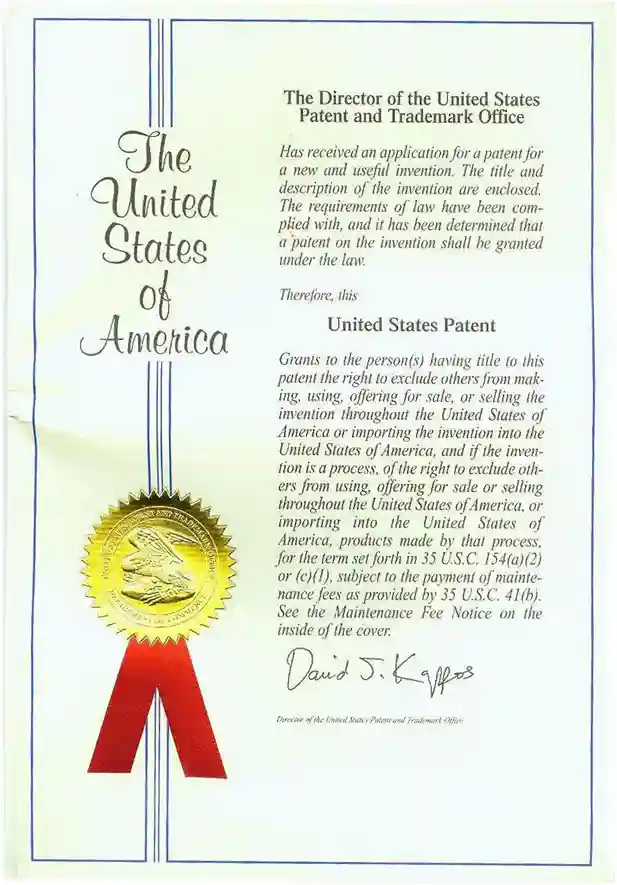
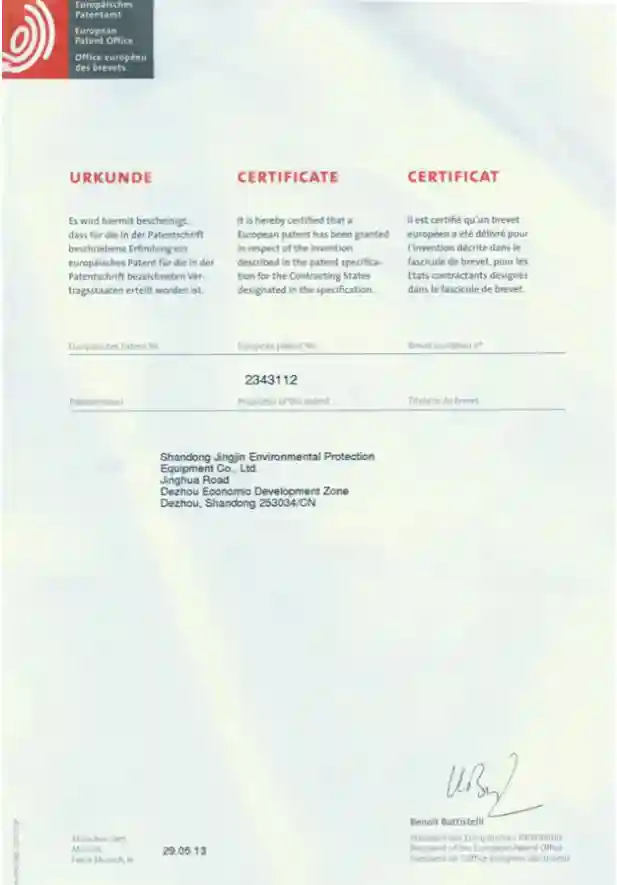
To get the most out of your filtration system and reach your dewatering goals, you need more than just high-quality tools. You also need ongoing expert help and easy access to real replacement parts. Jingjin Equipment Inc. has been making advanced solid-liquid separation systems for 35 years and has satisfied customers in 123 countries with their dependability in tough situations. Our 136 patents show that we are always coming up with new ideas for filtration technology. Our full product ecosystems let you get filter presses, plates, cloths, and all the extra parts you need from a single, reliable source.
Jingjin's global service network and technical skills help process engineers and plant managers get the most out of their tools. We can help you figure out what's wrong, train your operators, and plan preventative maintenance based on your unique needs in mining, wastewater treatment, chemical processing, and industry settings. You can email our team at [email protected] to talk about your filtration problems or to get more information about our membrane plate filter press systems and new parts. Working with a well-known provider guarantees access to OEM-quality parts, expert advice from experienced professionals, and the long-term support needed to keep total ownership costs as low as possible.
References
1. Sutherland, K. "Filters and Filtration Handbook" (6th Edition). Elsevier Science & Technology, 2022.
2. Tarleton, E.S. and Wakeman, R.J. "Solid-Liquid Separation: Principles of Industrial Filtration." Elsevier Advanced Technology, 2020.
3. Purchas, D.B. and Sutherland, K. "Handbook of Filter Media" (2nd Edition). Elsevier Science Publishers, 2019.
4. Rushton, A., Ward, A.S., and Holdich, R.G. "Solid-Liquid Filtration and Separation Technology" (2nd Edition). Wiley-VCH, 2021.
5. Cheremisinoff, N.P. "Handbook of Water and Wastewater Treatment Technologies." Butterworth-Heinemann, 2023.
6. Wakeman, R. and Tarleton, S. "Filtration: Equipment Selection, Modelling and Process Simulation." Elsevier Science Publishers, 2020.

jingjin
Founded in 1988, Jingjin specializes in filter presses and liquid-solid separation solutions, serving over 130 countries worldwide, and is a standard-setter in China's filter press industry.
Get the Filter Press guide
Enter Your Email for Technical assistance for the Filter Press.

Recommended Blog
China Screw Dewatering Machine for International Resellers


What Is a Filter Press Feed Pump Used For? Understanding Its Essential Role
Cost-Effective Filter Press Cloth Options for Wastewater Treatment
How a Sludge Filter Press Machine Improves Dewatering Efficiency
_1774493546478.webp)
What Is a Membrane Plate Filter Press and How Does It Work? A Complete Guide