Multi Disk Screw Press Capacity and Size: Finding the Right Fit for Your Biomass Processing
Multi Disk Screw Press Capacity and Size: Finding the Right Fit for Your Biomass Processing
Understanding Multi-Disk Screw Press Capacity and Size: Key Dimensions Explained
- Understanding Multi-Disk Screw Press Capacity and Size: Key Dimensions Explained
- Technical Specifications and Design Features Influencing Performance
- How to Choose the Right Multi-Disk Screw Press for Your Biomass Needs?
- Procurement Insights: Navigating the Market for Multi-Disk Screw Presses
- Applications and Case Studies: Real-World Use of Multi-Disk Screw Presses in Biomass Processing
- Conclusion
- FAQ
- Partner with Jingjin for Your Biomass Dewatering Solutions
- References
Choosing the right multi-disk screw press volume and size has a direct effect on how much your business can process, how much energy it uses, and how well it dewaters. It's important to know how the screw width, disk quantity, and rotational speed affect the material properties when handling biomass feedstocks like algae slurry, wood chips, and farm waste. If you don't, you might not be able to get the best liquid-solid separation and could end up with expensive bottlenecks. This guide shows procurement managers, plant engineers, and wastewater directors how to make sure that the technical details, performance trade-offs, and source factors that go into investing in equipment that meets the specific needs of your facility's biomass handling are all taken into account.

Understanding Multi-Disk Screw Press Capacity and Size: Key Dimensions Explained
What Defines Capacity in Modern Screw Press Systems?
In a multi-disk screw press device, capacity is the amount of biomass fuel that the machine can process in one hour. It is usually measured in cubic meters or dry solids per hour. This measurement is based on three design factors that are all connected: the diameter of the screw shaft, the amount of moving and set disk rings, and the speed at which the disks rotate. Screws with a larger diameter can handle more material, but they need more floor room and drive power. A 300 mm diameter screw press can handle 15 to 25 cubic meters of farm waste per hour, while a 450 mm type can handle 40 to 60 cubic meters of wood per hour.
Size Considerations Beyond Throughput
Simple volume numbers aren't the only thing that physical measurements cover. The space available, the height of the overhead hoppers, and the entry corridors for servicing all play a role in choosing the right tools. A small unit that is 1.5 meters long can be added to wastewater treatment plants that don't have a lot of room. On the other hand, 3-meter models that thicken and dewater in one continuous process are better for large biomass factories. By balancing capacity goals with available space, you can avoid expensive changes to the building and make installation easier.
Matching Disk Configuration to Feedstock Characteristics
The shape of the disk is very important for how well it separates. Most of the time, the space between the moving and fixed rings is between 0.3mm and 1.2mm. Tighter tolerances work best for microalgae, and bigger gaps work best for fibrous materials like bagasse or corn stover. A good design keeps the cake dry at above 20% solids content and stops it from sticking. Adjustable disk spacing is helpful for facilities that handle mixed feedstocks because it lets workers finetune performance as material properties change with the seasons or between supply batches.
Technical Specifications and Design Features Influencing Performance
Material Selection and Corrosion Resistance
Biomass feedstocks often have organic acids, enzymes, and water in them that cause rusting to occur faster in old equipment. High-quality stainless steel construction, especially SS316 in touch areas, makes the service life longer than 15 years in harsh conditions. To keep the screw shaft from getting worn down by fine biomass particles, it needs to be hard-faced with tungsten carbide or laser coating. Jingjin's unique multi-disk screw press designs use carefully machined rings that are accurate to within 0.05 mm in terms of flatness. This makes sure that the filtration is uniform and that the machine doesn't wear out too quickly, which causes maintenance downtime.
Energy Efficiency Through Advanced Gearbox Design
Modern multi-disk systems have high-efficiency helical gears with service factors above 1.5. These can handle power spikes when processing wood with varying consistency without overheating. Centrifuge-based dewatering usually uses 2–4 kWh per cubic meter of material processed, but this method uses only 0.5–1.2 kWh per cubic meter of material processed. Adjusting the rotational speed between 0.5 and 3 RPM is possible with variable-frequency drives. This lets workers find the best balance between cake dryness and output based on the conditions of the material at any given time. This gives businesses more options, which cuts costs while keeping quality standards high.
Self-Cleaning Mechanism and Water Conservation
Moving rings have a unique self-cleaning action that keeps filter slits from getting clogged without using high-pressure wash water. As the screw shaft turns, moving rings move in a circle against fixed rings, constantly removing the biomass fibers that have built up. This automatic cleaning cuts the amount of rinse water needed to less than 1% of what belt filter presses need. This helps areas that don't have a lot of water and lowers the fees for dumping wastewater. When facilities in California and Nevada switched from belt presses to screw-based dehydration, they used 85–90% less wash water.
How to Choose the Right Multi-Disk Screw Press for Your Biomass Needs?
Define Your Feedstock Profile and Throughput Goals
To begin, you should describe your biomass by its particle size distribution, moisture content, organic versus inorganic share, and shear stiffness. Distillers' grains, fruit pomace, and wood chips all behave in different ways. Write down how many tons of processing you need each day, the difference between peak and normal flow rates, and whether the operation goes eight, sixteen, or twenty-four hours a day. A wastewater treatment plant that handles 5,000 cubic meters of active sludge every day needs a different amount of space than a brewery that handles 200 tons of spent grain every week.
Screen Equipment Against Operational Constraints
Check the floor area that is available, the allowable load on the structure, and the utility lines. A small multi-disk screw press that takes up 8 square meters is good for adding on to existing buildings, while bigger units are better for new construction. Due to limited funds, businesses must weigh the original cost of capital against the total cost of ownership over a 10- to 15-year period. Often, a more expensive unit that uses less energy and has parts that last longer will be more cost-effective overall. In places where energy is expensive, high-efficiency models that pay for themselves through lower power bills are a good purchase.
Compare Technology Alternatives Objectively
Belt filter presses are cheaper to buy, but they need to be operated by skilled people and need to be washed every day. Centrifuges make cakes drier, but they use three to four times as much energy and make noise that is louder than 85 decibels. Screw press technology strikes a good mix between original cost and ease of use, which makes it appealing for facilities that value dependability over completely dry cakes. After belt press tests showed that sticky biosolids could blind the cloth, a pharmaceutical plant that was processing antibiotic fermentation waste picked a 350mm screw press instead, getting 28% cake solids instead of 22% with the belt system.
Plan for Scalability and Future Capacity Expansion
Choose makers that offer flexible designs that let you add more capacity by connecting units in parallel instead of replacing the whole thing, such as a multi-disk screw press. The joint assembly-type design of Jingjin makes it easier to add more tools as the amount of work increases. A food producer in the Midwest put in a single 300mm unit in 2019 and then added two more that were exactly the same in 2022 as output grew. This kept the parts inventory efficient and the operators familiar with the whole fleet.
Procurement Insights: Navigating the Market for Multi-Disk Screw Presses
Evaluating Supplier Quality and Service Capabilities
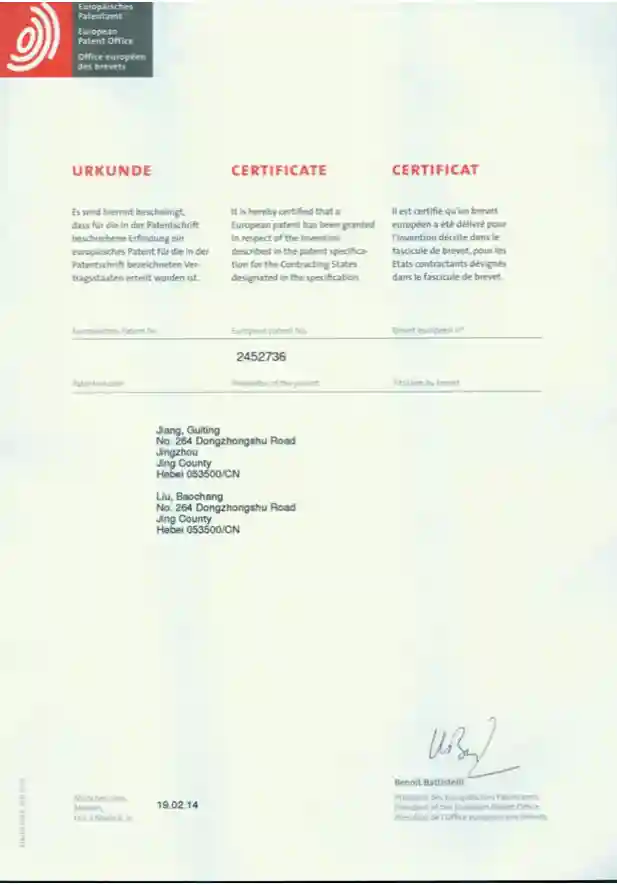
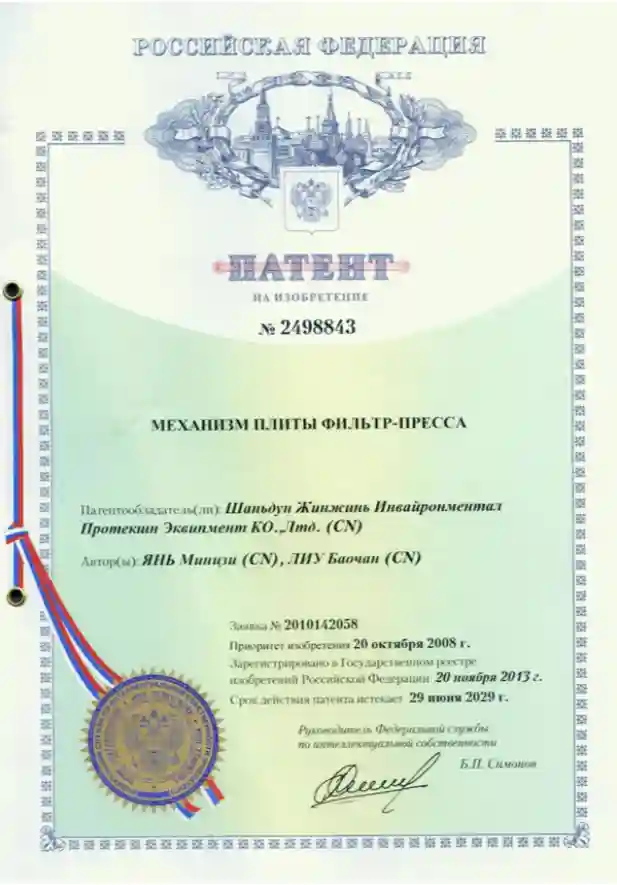
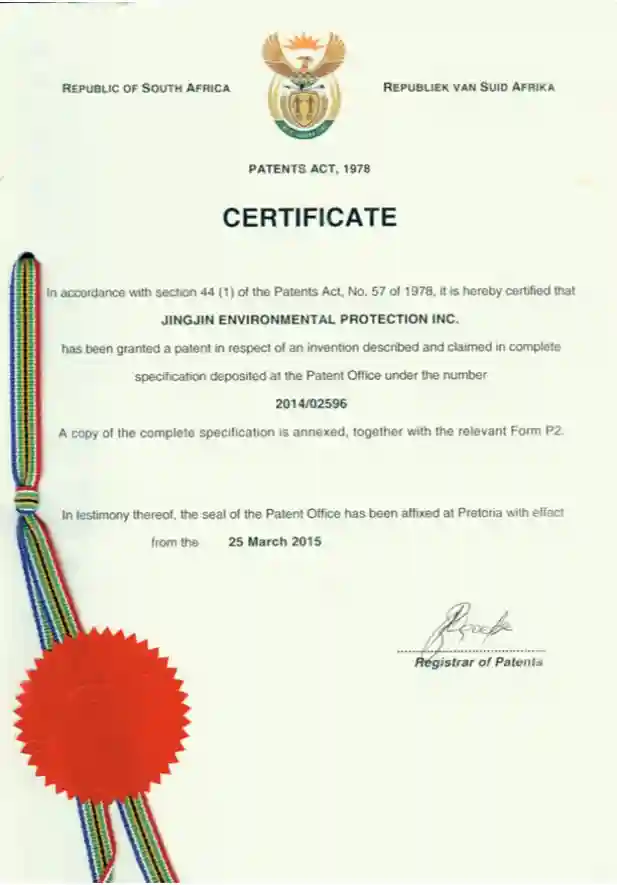
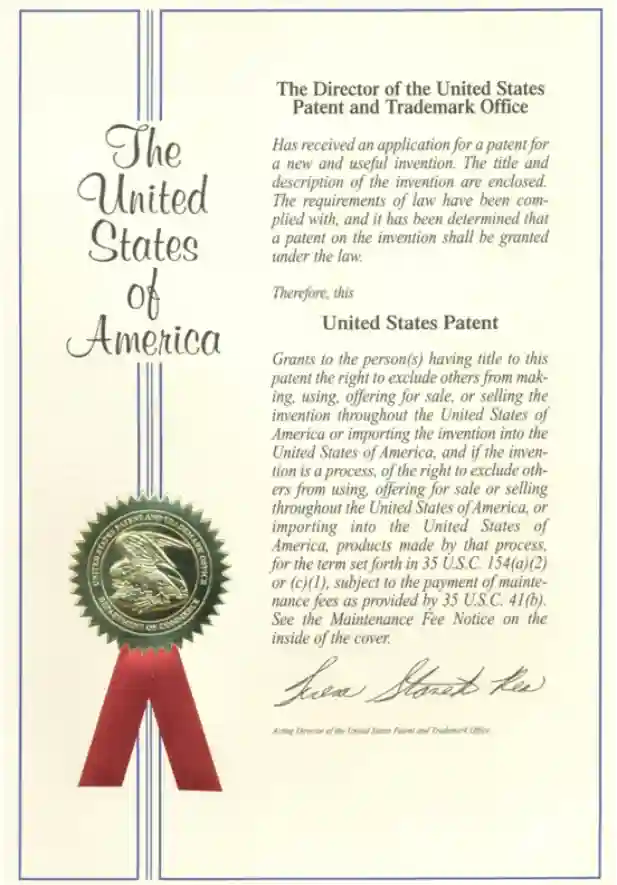
Leading makers show quality through their patent libraries, track records of installations, and certificates from third parties. Jingjin Equipment Inc. has been in business since 1988 and has over 136 patents in the field of solid-liquid separation technology. It has customers in 123 countries. Make sure that the providers you work with give you all the paperwork you need, such as factory acceptance test (FAT) procedures, hydraulic integrity testing, and measures of dry-run noise. Ask for examples from sites in your area that process similar biomass feedstocks to see how quickly their aftermarket support is.
Understanding Price Structures and Total Ownership Costs
Costs of equipment go up as volume and quality of material go up. The price of a 200 mm diameter multi-disk screw press unit made of SS304 ranges from $35,000 to $55,000. The price of a 450mm SS316 model with an explosion-proof motor and PLC controls runs from $120,000 to $180,000. For 40–60% of the price of new, used equipment is available, but you should check the state of the shaft and rings and how much service life is left. To find the total cost of ownership, add up the costs of energy, polymer use (2–6 kg per ton of dry solids), replacement parts, and work over the predicted 15-year service life.
Navigating Global Procurement and Logistics
B2B platforms that offer source screening, trade security, and streamlined paperwork are helpful for international buyers. A 300mm press from an Asian maker to a port in the United States costs about $3,500 to $6,500 to ship in a container, and it takes 6 to 10 weeks to get there. Shipping is easier with domestic providers, but they may charge 15–25% more. Check the guarantee, see if spare parts are available, and see how easy it is to get technical support. A provider with regional service centers will help keep your business running while problems are being fixed or parts are being replaced.
Applications and Case Studies: Real-World Use of Multi-Disk Screw Presses in Biomass Processing
Wood Processing and Pulp Mill Applications
In Oregon, a softwood pulp mill switched from a belt press to a 400 mm Multi-Disk Screw Press, which can handle 35 tons of kraft pulp trash every day. Through gentler flocculation, the screw press cut polymer use by 18%, produced 24% cake solids compared to 19% before, and got rid of the daily belt wash processes that used 2,500 gallons of water. The mill said it got its money back in 22 months by saving money on waste costs and cutting down on operating hours.
Agricultural Residue Dewatering
Three parallel 350mm screw presses (multi-disk screw presses) are used at an ethanol plant in Iowa to process distillers' grains and corn steep liquor. All three units had a small footprint—just 25 square meters—so they could fit in an existing equipment bay without having to be structurally changed. The presses can handle feed amounts as low as 0.8% solids straight from fermentation. They thicken and remove water in one pass, leaving behind a cake with 32% solids. When the amount of fiber in different batches of corn changes, automated torque sensing changes the speed of the screw to keep the quality of the output constant without any help from a user.
Algae Biomass Concentration
A biofuel research center in California uses a 200mm screw press made for small particles to test microalgae gathering. The small disk gap of 0.4 mm keeps cells as small as 5 microns, which concentrates the culture from 0.3% solids to 12% solids. The self-cleaning system deals with extracellular polymers that are sticky and quickly block membrane filters. Researchers found that algae recovered 94% of the time, which meant that the process could go on for 120 hours without any cleaning being done by hand.
Conclusion
It's important to think about technical specs, working limitations, and long-term cost effects when picking the right multi-disk screw press capacity and size for handling biomass. When buying, teams know how screw diameter, disk design, and material construction affect performance, they can match the equipment's abilities to the feedstock's properties and the amount of work that needs to be done. The self-cleaning disk technology, small size, and low water use are all big problems that need to be fixed in the biomass and wastewater processing businesses. Working with well-known companies that offer strong support networks and tried-and-true technology is the best way to make sure that your wood equipment works well and gives you the best return on your investment.
FAQ
1. Can screw presses handle feedstocks with high fat, oil, and grease content?
When it comes to FOG-rich materials, multi-disk screw press technology is better than blind belt press filter media. Moving rings continuously clean themselves by physically removing oily residues, so high-pressure wash processes are not needed to keep the filter working well. Food processing plants that deal with wastewater from slaughterhouses and dairy waste say they can keep running normally even when FOG levels are higher than 15% of dry solids.
2. What maintenance intervals should operators expect?
Moving rings last between 30,000 and 40,000 hours before they need to be replaced. Most cities run their businesses for 8 to 12 hours a day. The screw rods and fixed rings get a lot longer. Modular design lets you change parts without taking the whole drum off, which cuts down on downtime. Once a month, checks make sure that the bearings are well-oiled and that the gearbox oil level is correct. Every three months, checks measure the gap between the rings to plan proactive repairs before they stop working properly.
3. How does inlet sludge concentration affect equipment sizing?
Screw presses can handle feed amounts between 0.2% and 2% without first thickening, so you don't have to buy different thickening tanks. When input concentrations are low, hydraulic loading goes up, so the disk surface area needs to be bigger to keep the flow the same. A facility that processes 0.5% sludge needs about 40% more file space than one that processes 1.5% sludge at the same dry solids rate.
Partner with Jingjin for Your Biomass Dewatering Solutions
Jingjin Equipment Inc. makes the best Multi disk screw press systems in the business, and they are designed to work in tough biomass handling settings. Our unique multi disk designs and more than 30 years of experience separating solids and liquids give your business the dependability and efficiency it needs. Whether you're dewatering farm waste, processing wood chips, or taking care of industrial wastewater, our expert team creates unique solutions that meet your needs in terms of capacity, footprint, and budget. You can email our experts at [email protected] to talk about the details of your project, get performance data from similar setups, or set up a site visit. Check out our full selection of dewatering tools from a reputable manufacturer dedicated to providing the best service possible.
References
1. Chen, Y., & Wang, H. (2021). Advanced Sludge Dewatering Technologies: Comparative Analysis of Screw Press and Belt Filter Systems. Journal of Environmental Engineering, 147(8).
2. Industrial Wastewater Treatment Association. (2020). Best Practices for Biomass Solid-Liquid Separation in Food Processing Industries. IWTA Technical Publication Series.
3. Martinez, R., & Thompson, K. (2022). Energy Efficiency Metrics in Mechanical Dewatering: A Multi-Technology Assessment. Water Research and Technology, 8(3), 412-428.
4. National Association of Clean Water Agencies. (2019). Screw Press Technology: Implementation Guidelines for Municipal Wastewater Facilities. NACWA Equipment Standards Manual.
5. Peterson, L. M. (2023). Biomass Processing Equipment Selection: Matching Technology to Feedstock Characteristics. Bioresource Technology Reports, 21, 101-115.
6. Zhang, Q., Liu, S., & Anderson, P. (2020). Lifecycle Cost Analysis of Dewatering Technologies in Pulp and Paper Mills. TAPPI Journal, 19(11), 623-634.
jingjin
Founded in 1988, Jingjin specializes in filter presses and liquid-solid separation solutions, serving over 130 countries worldwide, and is a standard-setter in China's filter press industry.
Get the Filter Press guide
Enter Your Email for Technical assistance for the Filter Press.

Recommended Blog
Filter Press Solutions for India Pharmaceutical Plants from China

How Overseas Distributors Choose Filter Press Suppliers in China?
China Filter Press Procurement Strategy for International Buyers
How Does a Filter Press Work in Wastewater Treatment? A Comprehensive Guide