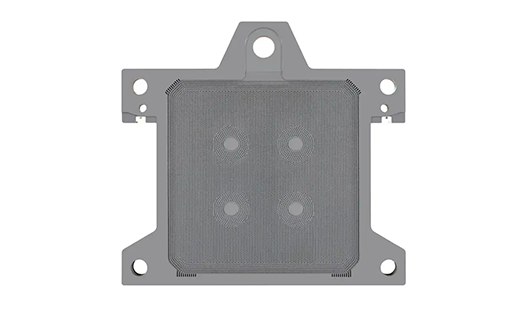
Top Benefits of a Membrane Plate Filter Press
Introduction
- Introduction
- What Is a Membrane Plate Filter Press and How Does It Work?
- Top 5 Benefits of Using a Membrane Plate Filter Press
- How to Choose the Right Membrane Plate Filter Press for Your Business
- Best Practices for Maintaining and Optimizing Membrane Plate Filter Press Performance
- Real-World Case Studies Highlighting the Value of Membrane Plate Filter Presses
- Conclusion
- FAQ
- Partner with Jingjin for Proven Membrane Filtration Solutions
- References
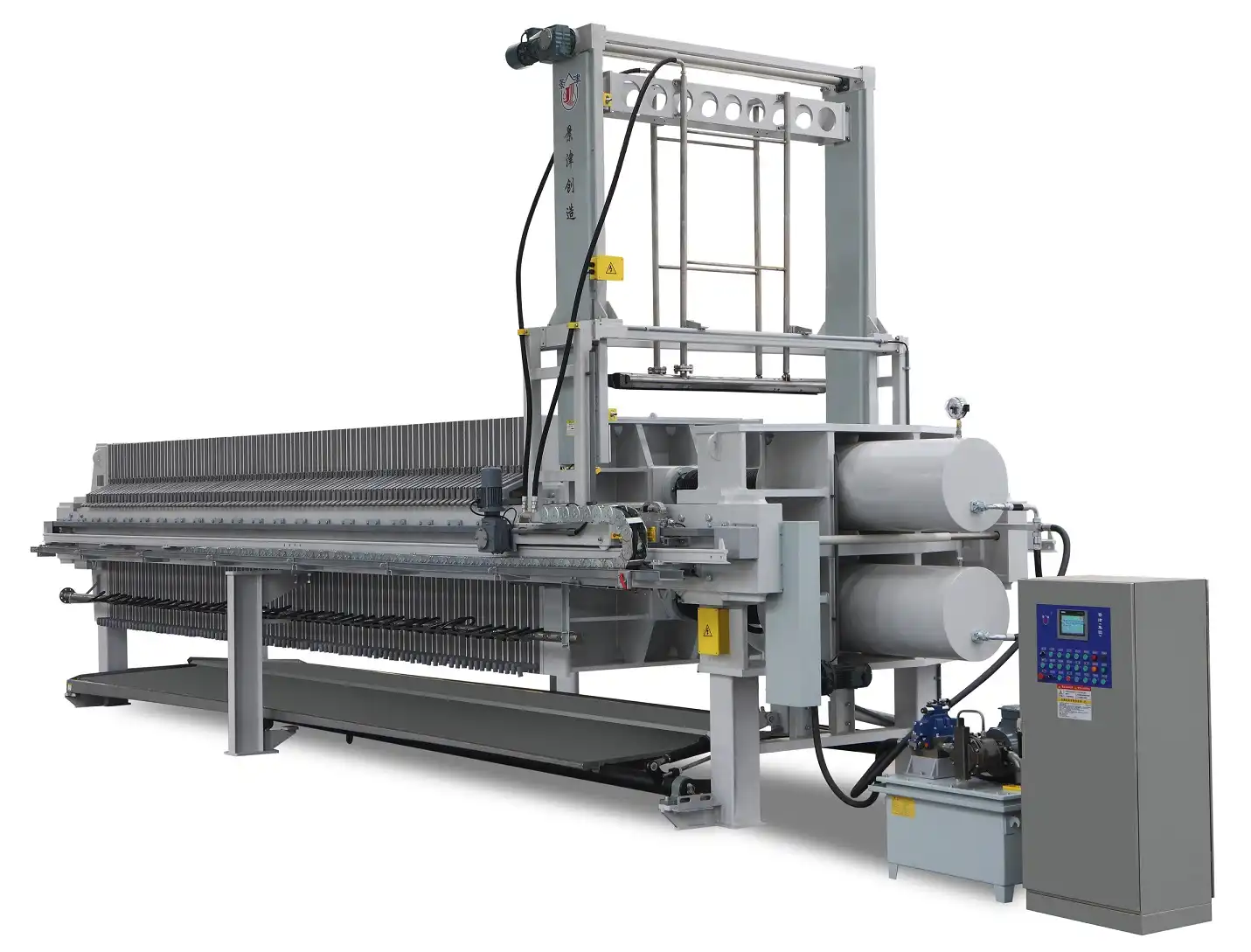
Technology matters when your plant faces rising disposal costs, regulatory pressure, and the need to remove every drop of moisture from sludge or slurry. A membrane plate filter press's secondary squeeze phase turns wet, expensive waste into dry, controllable cake, unlike traditional methods. After the feeding cycle, elastic membranes between filter plates and cloth allow high-pressure fluid or gas injection in this innovative solid-liquid separation system. Squeeze filtration compresses the filter cake to remove moisture due to membrane inflation. This dual-phase procedure minimizes transportation costs, allows direct incineration or dry stacking, and converts environmental problems into assets.
Introduction
Mining enterprises, municipal wastewater facilities, chemical plants, and pharmaceutical industries all struggle to maximize dewatering efficiency without losing throughput or dependability. Traditional recessed chamber presses have served companies well, but excessive residual moisture, long cycle durations, and ineffective washing increase disposal prices, compliance issues, and lost productivity.
Membrane filtering tackles these issues. Using traditional pressure filtration and mechanical squeezing, this machine achieves cake dryness levels that were thought unachievable a decade ago. Municipal sludge that earlier required expensive transportation may now be burned. Wet impoundments are eliminated by stacking mining tailings. While making ultra-pure solids, chemical firms recover solvents.
Procurement managers, process engineers, and plant directors learn about membrane system advantages, operational mechanics, selection criteria, and performance in this handbook. Understanding how membrane technology saves money, meets regulations, and stabilizes operations helps guide your next equipment purchase, whether you run a 500-ton-per-day wastewater facility or a distant concentrator in desert terrain.
What Is a Membrane Plate Filter Press and How Does It Work?
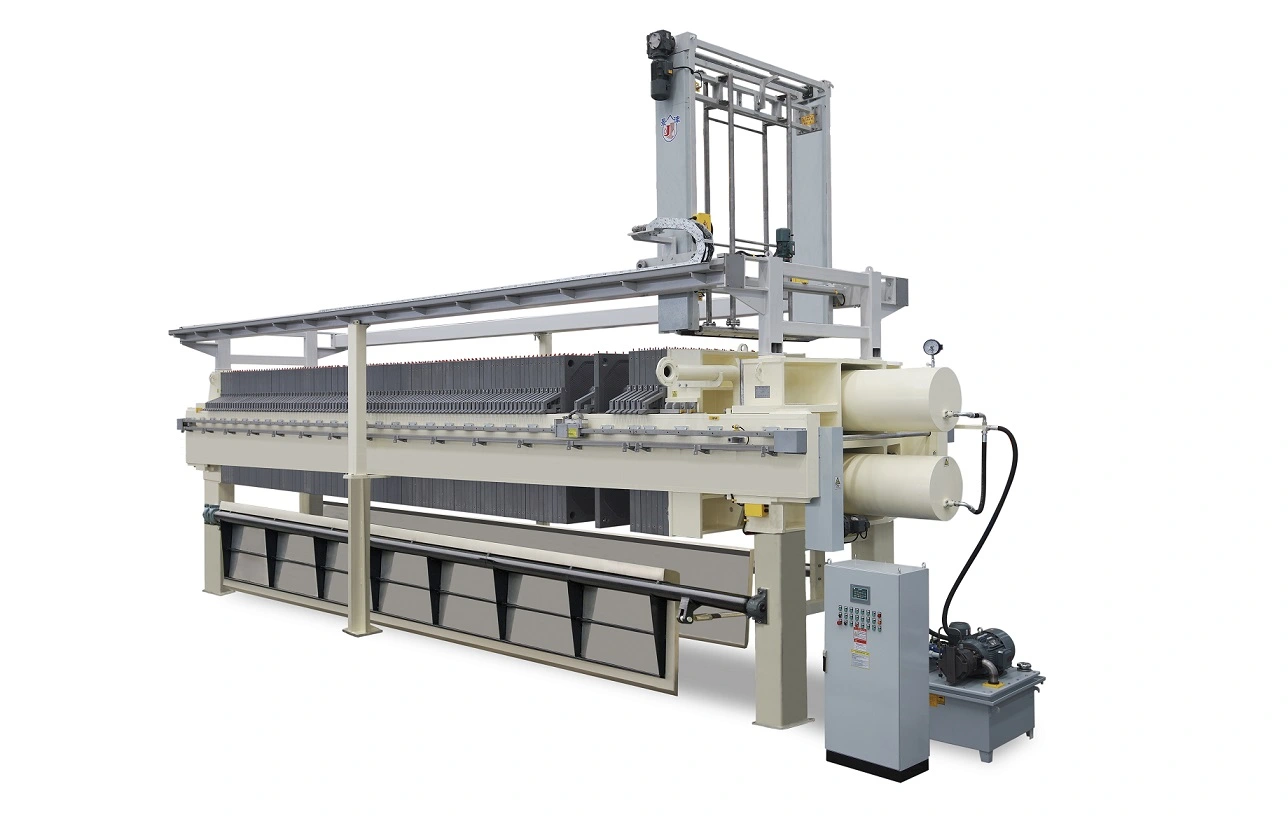
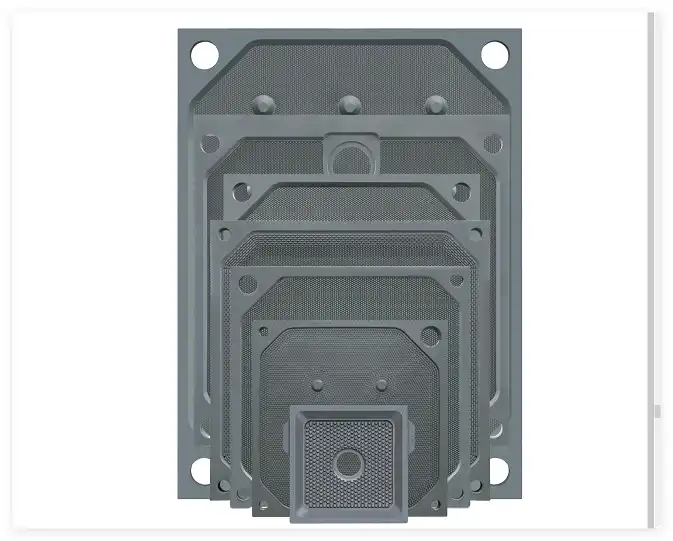
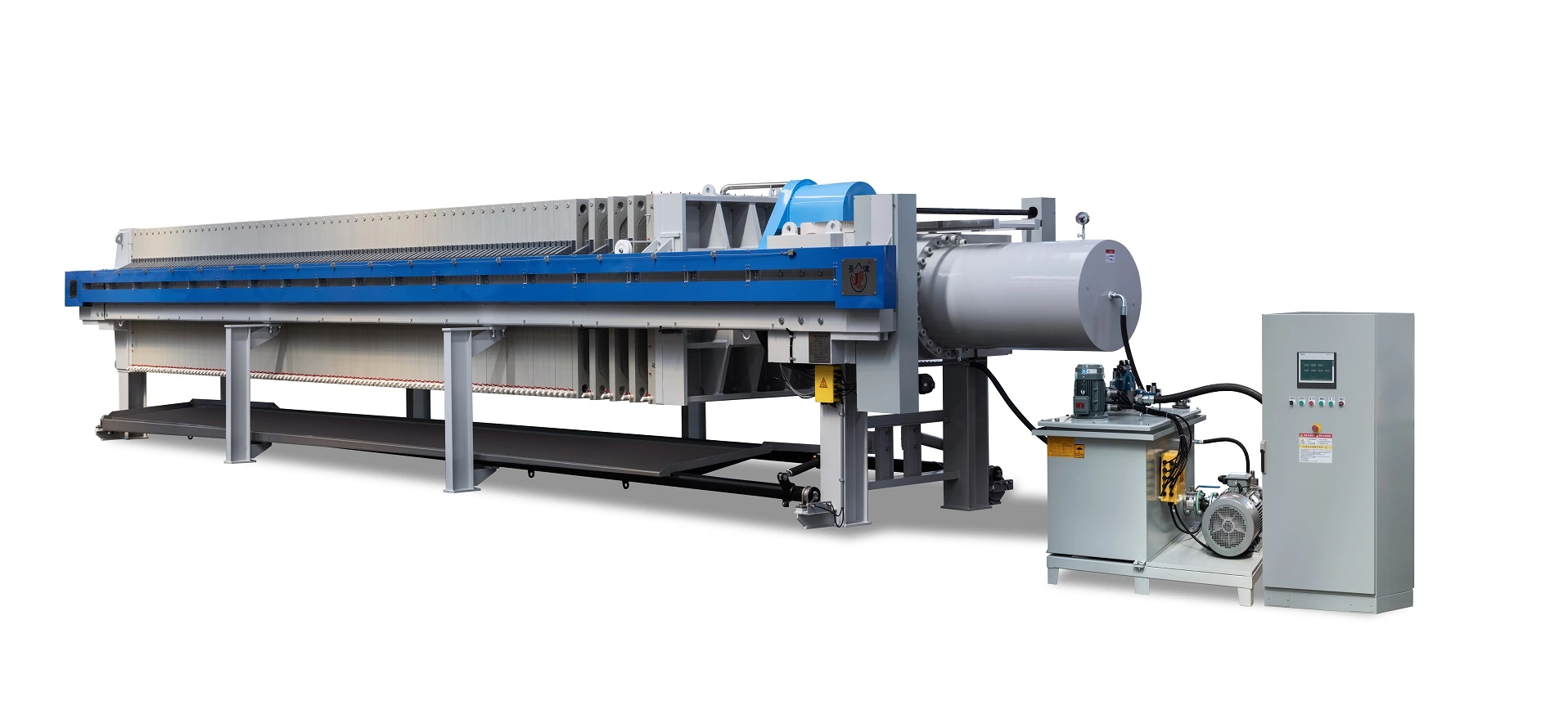
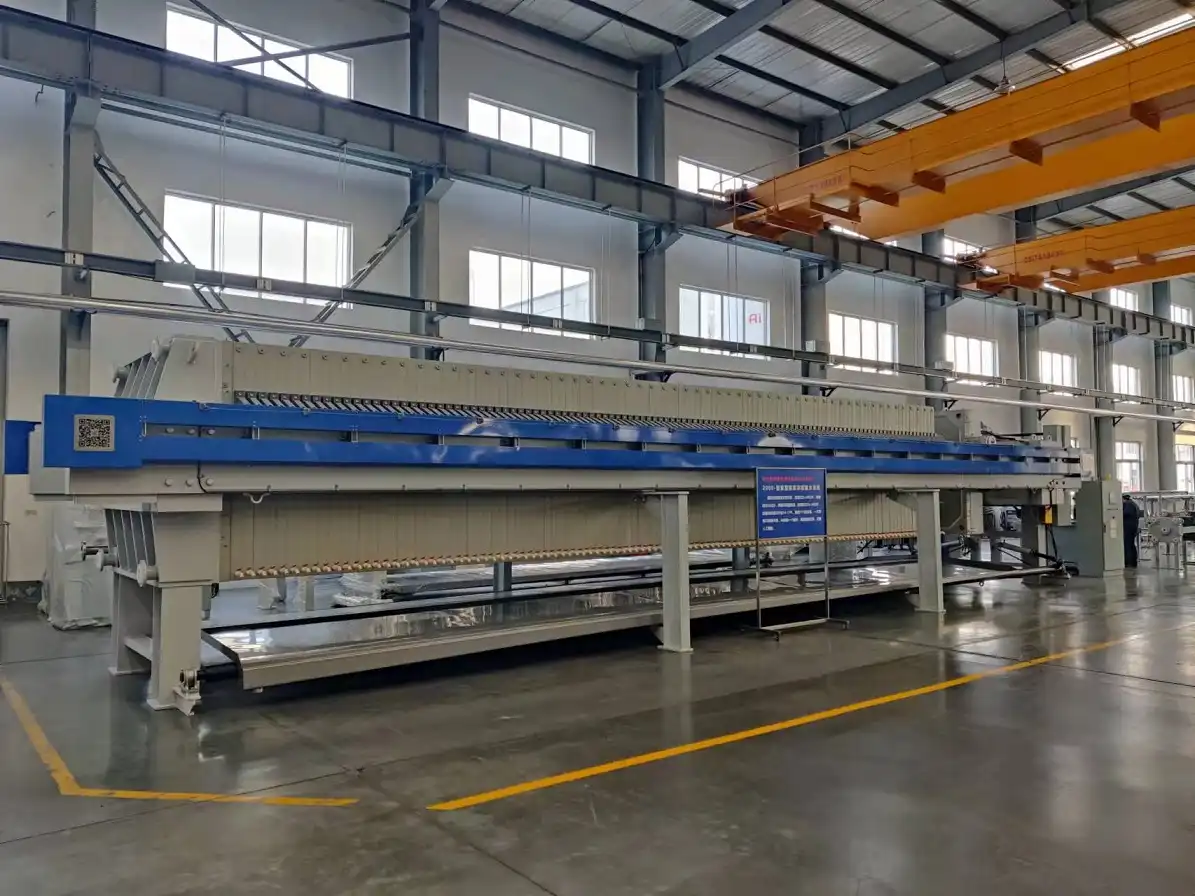
Membrane systems compress particles into chambers using flexible diaphragms in each plate, unlike filter presses that use feed pump pressure. These plates have reinforced polypropylene bodies with EPDM, NBR, or thermoplastic elastomer membranes. A feed table with filtrate exits, hydraulic pressing blocks, side rails, and plate packs comprises a modular frame that can resist 3.0 MPa pressure in high-performance variants.
The Dual-Phase Filtration Process
Operations begin with slurry pumping. Solids collect in chambers between plates when feed pressure pulls liquid through the membrane plate filter press cloths. The feed pump stops when the chambers are full and resistance signals cake creation. Conventional pressing would stop the cycle. Membrane systems continue. Compressed air or water inflates elastic membranes uniformly over the plate surface through channels. Inflating the chamber compresses the cake and breaks capillary water structures that ordinary pressure cannot. Several minutes of squeeze pressures from 1.6 to 3.0 MPa expel interstitial moisture and increase cake solids by 10 to 20%.
Comparison with Traditional Systems
Municipal sludge cake dryness is 50–60% using chamber presses. Double solids concentration with membrane technology at 35–40% moisture content. A factory processing 50 tons of dry solids daily might cut half its transportation trips, lowering disposal costs. Once chambers fill, the system stops feeding instead of inefficient low-flow pumping as resistance rises, shortening cycle durations. Since quick high-pressure compression substitutes protracted high-pressure pumping, energy consumption per ton of dry cake lowers despite the squeeze phase.
Top 5 Benefits of Using a Membrane Plate Filter Press
Justifying sophisticated filtering technology investment is necessary. The following benefits show why membrane systems dominate when traditional presses fail.
Superior Cake Dryness and Filtration Efficiency
Membrane squeezing disrupts cake matrix water bonds. Although feed pressure compacts particles, residual moisture persists in pores and on particle surfaces. Membrane inflation mechanically expels water, reducing downstream processes' moisture. Municipal sludge cakes with solids over 40% can be fed to fluidized bed incinerators without supplemental fuel. Mining produces cakes hard enough for conveyor transport and geotechnically stable stacking. This performance comes from the membrane's consistent pressure. Increased feed pressure channels via existing flow routes, yet membrane compression evenly reduces empty spaces perpendicular to the cake surface. The cake is dry throughout, removing the damp center of traditional presses.
Enhanced Energy Efficiency and Lower Operating Costs
With the same capacity, shorter cycle durations increase throughput. A membrane plate filter press that cycles in 90 minutes, while a traditional machine takes 120 minutes, processes 33% more batches daily. Energy usage per ton of product decreases with shorter cycle times. Feed pumps use less electricity than low-efficiency pumping against growing resistance during the brief squeeze phase (5–15 minutes at increased pressure).
Operational cost cuts for the membrane plate filter press go beyond power. Dry cakes from the membrane plate filter press weigh less, reducing shipping costs. A wastewater facility using a membrane plate filter press lowers cake moisture from 65% to 38%, substantially halving hauling expenses. For weight-based landfill costs, savings accumulate rapidly with the membrane plate filter press. If cake from a membrane plate filter press hits autothermic levels, on-site incineration eliminates the need for fuel, turning trash into energy.
How to Choose the Right Membrane Plate Filter Press for Your Business
Selecting equipment that meets operational needs and budget demands rigorous study of technical specifications, supplier capabilities, and total cost of ownership.
Key Procurement Criteria
Start with process specs. The filtration area depends on the daily dry solids throughput. Chamber depth and fabric choice depend on feed solids concentration and particle size. Minimum squeezing pressure depends on cake dryness. The installation area limits physical dimensions, while compressed air, wash water, and electrical power determine accessory system design. Energy consumption predictions should include the entire cycle power demand, not simply feed pump rates. Fully automated systems cut operator hours but raise capital expenses. Payback estimates must include disposal cost savings, faster cycle productivity, and lower maintenance labor.
Evaluating Supplier Capabilities
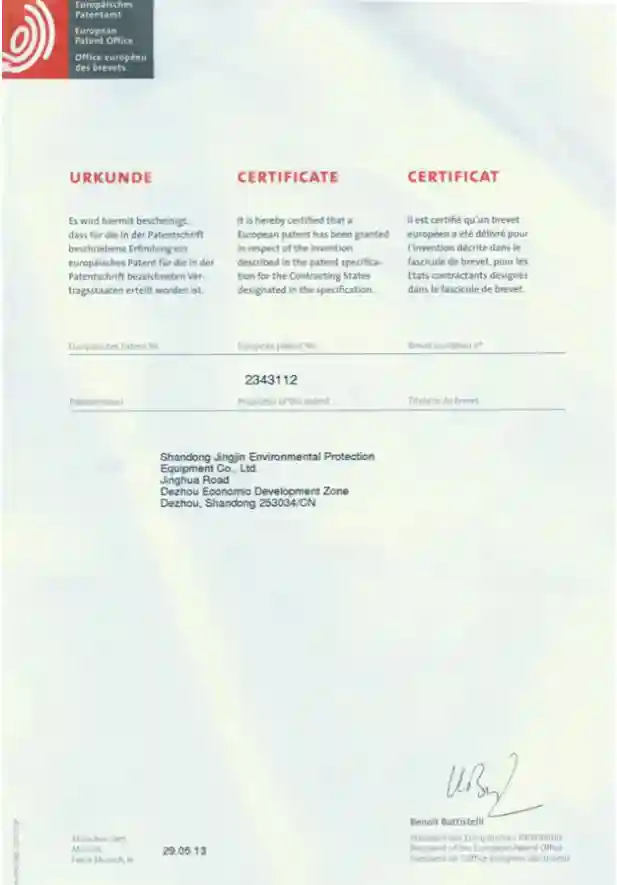
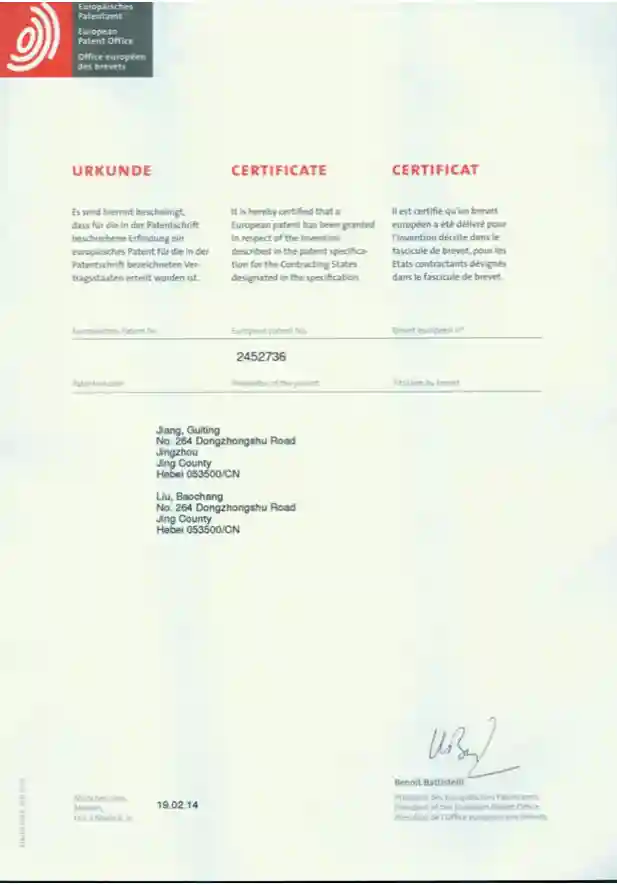
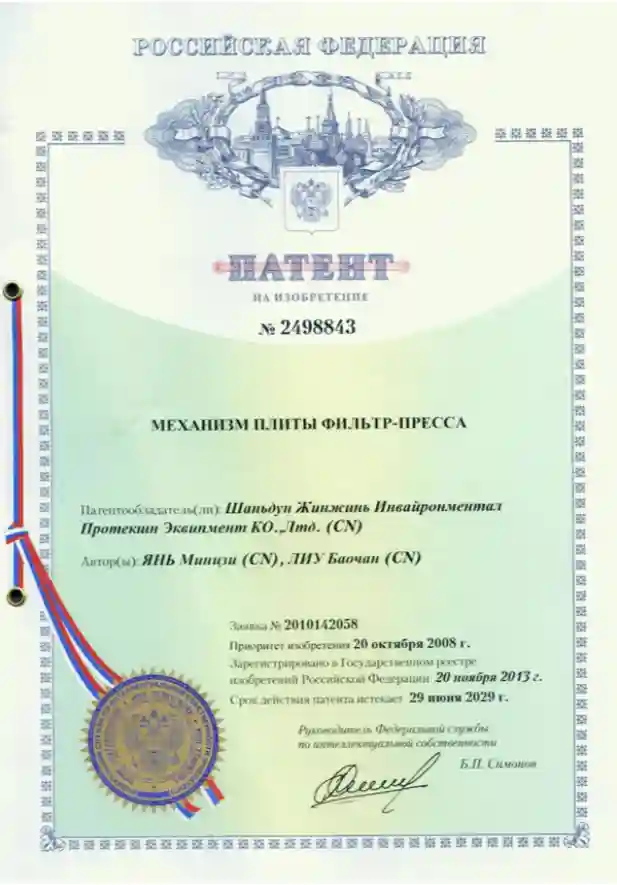
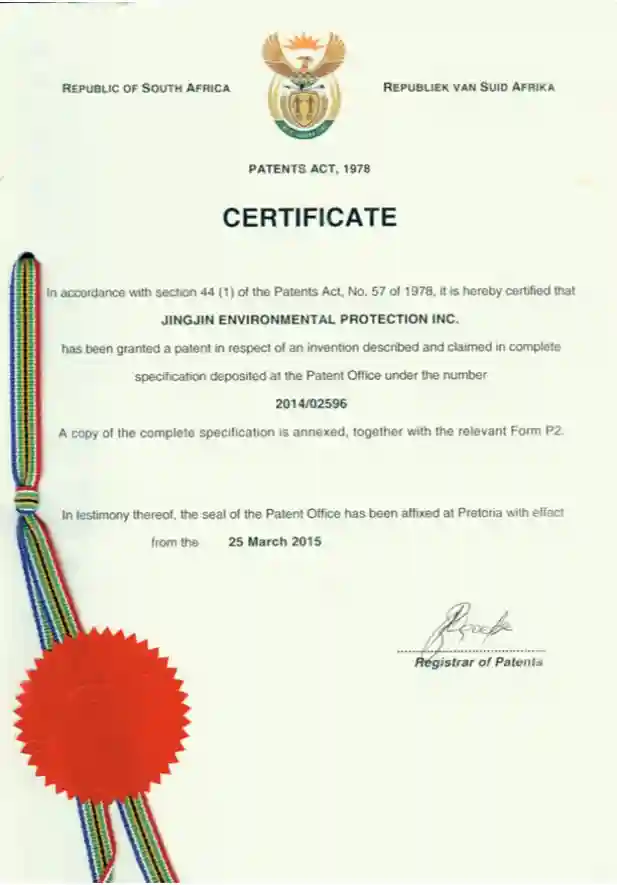
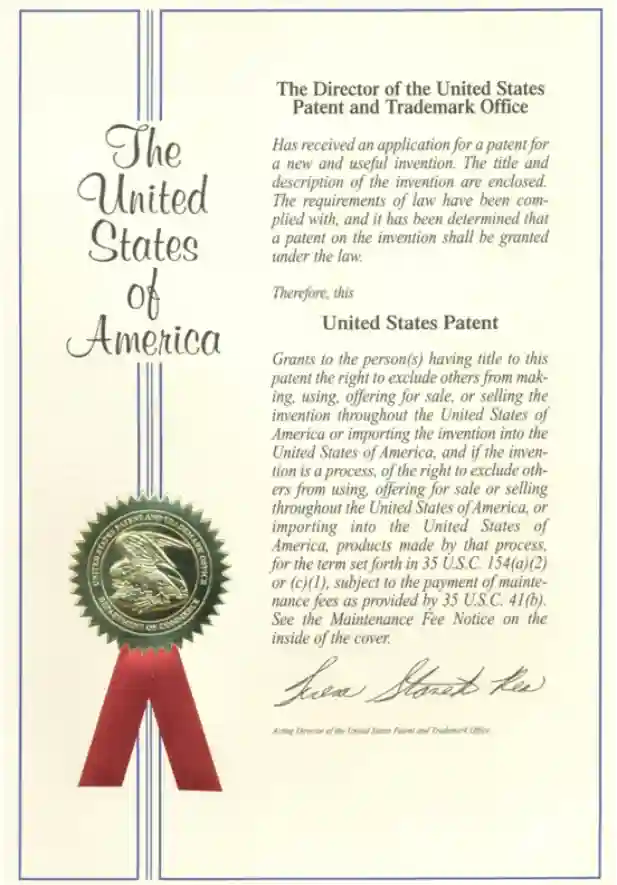
Global producers may draw on decades of engineering expertise and base references. Jingjin Equipment, founded in 1988, has over 136 membrane, plate, and hydraulic system patents and operates in 123 countries. IP depth demonstrates constant innovation and problem-solving across varied applications. When projects require several pieces or fast delivery, production capacity counts. Large manufacturers stock components and can speed up manufacturing. Local technical help reduces troubleshooting and consumables response times through their service networks. Check ISO 9001:2015 for manufacturing consistency, DIN 7129 for structural integrity, and ASME or PED modules for hydraulic and pneumatic components.
Best Practices for Maintaining and Optimizing Membrane Plate Filter Press Performance
To maintain design performance and service life, even the most resilient equipment needs routine maintenance. Establishing inspection, cleaning, and troubleshooting routines avoids minor faults from becoming costly failures.
Routine Inspection and Preventive Maintenance
Visually inspect cake discharge, filtrate leaks around plate seals, and clamping hydraulic pressure daily. Operators watch cycle timings and cake appearance for signal feed variability or equipment issues. Filtrate clarity reflects textile condition; rising turbidity implies blinding or damage. Weekly chores include monitoring hydraulic fluid levels, pneumatic connections for leaks, and membrane surfaces for cuts, abrasions, and delamination. Monthly routines include cloth inspection, tension adjustment, and fines removal. Quarterly maintenance includes hydraulic system filters, moving parts lubrication, pressure sensor, and automation control calibration.
Troubleshooting Common Operational Issues
Feed dispersion typically causes plate pack cake formation imperfections. Most problems are solved by cleaning feed ports and conditioning slurry. Plate misalignment or damaged cloths may cause persistent issues. Edge seal failures or punctures cause membrane leakage. Finding the problematic plate permits targeted replacement rather than membrane pack redesign. Clamping pressure prevents seal extrusion, while squeezing without overpressurization avoids membrane rupture. Declining cake dryness despite adequate squeezing pressure shows cloth blinding—pore obstruction lowering permeability. Effective washing or changing cloth materials restores performance.
Real-World Case Studies Highlighting the Value of Membrane Plate Filter Presses
Examples from many sectors show how membrane technology addresses operational problems and generates demonstrable profits.
Mining: Boosting Throughput While Cutting Costs
A southwestern US copper concentrator faced escalating tailings storage costs and regulatory pressure to cut water use. Their typical chamber membrane plate filter press generated 72% moisture tailings cakes, necessitating large impoundments and limited water reclamation. membrane plate filter press systems reduced tailings volume by 35% by lowering cake moisture to 58%. This permitted dry stacking, saving $12 million over five years on dam building. Water recovery rose from 82% to 94%, significant in an area with water rights problems. Membrane presses cost 18% more than traditional machines, but dam expenditures were reduced, and copper recovery increased after 14 months.
Chemical Processing: Achieving Purity and Compliance
Traditional presses caused product contamination and solvent losses for a New Jersey specialized dye business. Impurities from incomplete washing needed costly treatment. Cake residual solvents caused disposal problems and cost $180,000 yearly in raw materials. Membrane wash optimization changed their functioning. Pre-squeeze cake compaction generated homogeneous porosity, releasing wash solvent without channeling. Squeezing after wash retrieved 93% of wash solvent, up from 71%. Reprocessing batches were eliminated as purity increased from 96.8% to 99.2%. Solvent recovery reduced disposal costs and retrieved raw material, saving $285,000.
Wastewater Treatment: Transforming Waste into Resource
A 175,000-person municipal treatment facility faced rising sludge disposal costs—$142 per ton for landfilling at 62% moisture content. The removal of 8,500 dry tons of sludge cost $1.95 million, straining finances already strapped by deferred infrastructure improvements. Installing membrane presses reduced hauling by 48% and increased cake moisture to 37%. More importantly, the drier cake fulfilled co-firing standards at a neighboring cement kiln, which took debris for free vs landfill costs. Annual savings were $940,000. The facility recouped its investment in 2.3 years. Beyond economics, the state's sustainability awards program acknowledged 60% decrease in hauling vehicle emissions.
Conclusion
Membrane filtration has evolved from specialist applications to mainstream industrial solutions for crucial operational and financial issues. Conventional filtering and mechanical squeezing achieve cake dryness levels that modify disposal economics, regulatory compliance, and resource recovery. From mining operations reducing tailings management costs to pharmaceutical factories satisfying strict purity criteria, membrane systems' adaptability and performance add value across industries. Successful implementation includes matching equipment specifications to process demands, choosing vendors with established engineering and support infrastructure, and implementing long-term performance maintenance practices.
FAQ
1. What factors most significantly influence the purchase price of a membrane plate filter press?
Equipment costs depend on filter area—larger presses with better throughput cost more. Standard EPDM costs less than PVDF formulations. Manual systems may cost 30% less than fully automated versions with remote diagnostics. Customization for unusual or caustic materials costs more. Consider energy usage, consumable replacement intervals, and maintenance labor in addition to initial cost.
2. How does membrane technology improve filtration efficiency compared to traditional chamber presses?
Traditional presses use feed pump pressure, which becomes inefficient when cake forms and resistance rises. After chambers are full, membrane systems halt feeding and provide consistent mechanical compression perpendicular to the cake. This releases interstitial water that pressure filtration cannot remove by breaking capillaries. Compared to standard procedures, the moisture content lowers by 10–20%. Eliminating wasteful high-resistance pumping phases shortens cycle durations and allows more batches per day with the same equipment.
3. Can membrane presses be customized to handle different slurry compositions and processing requirements?
Absolutely. Modular design allows different filtering regions, chamber depths, and plate materials. EPDM is good for general usage, polypropylene for acids and bases, and PVDF for harsh solvents. Automation ranges from manual to completely programmed systems with recipe management for numerous feed types. Washers adjust for product purity. Jingjin designs unique solutions to meet feed parameters, throughput requirements, and site constraints for best performance.
Partner with Jingjin for Proven Membrane Filtration Solutions
Optimising dewatering performance and lowering lifetime costs requires a membrane plate filter press provider with extensive engineering and global support. Jingjin Equipment has 136 patents and installations in 123 countries after 36 years of filtering innovation. Our membrane systems provide cake dryness, cycle efficiency, and dependability for mining, wastewater, and chemical processors. Our engineering team delivers proven solutions for turnkey systems, retrofit membranes for existing presses, and technical assistance to enhance your filtering process. We carry filter cloths, membranes, and hydraulic components for fast part delivery. From pilot testing with your slurry to commissioning assistance and operator training, Jingjin is your equipment lifetime partner. Contact us at [email protected] to discuss your dewatering needs and learn how our energy-optimized systems may save money and improve sustainability.
References
1. Wakeman, R.J., and Tarleton, E.S. (2005). Solid/Liquid Separation: Principles of Industrial Filtration. Elsevier Advanced Technology.
2. Sutherland, K. (2008). Filters and Filtration Handbook (5th Edition). Elsevier Science & Technology.
3. Tiller, F.M., and Kwon, J.H. (1998). "Role of Porosity in Filtration: XIII. Behavior of Highly Compactable Cakes." AIChE Journal, 44(10), 2159-2167.
4. Rushton, A., Ward, A.S., and Holdich, R.G. (2000). Solid-Liquid Filtration and Separation Technology (2nd Edition). Wiley-VCH.
5. Anlauf, H. (2007). "Recent Developments in Centrifuge Technology." Filtration + Separation, 44(4), 24-27.
6. Cheremisinoff, N.P. (1998). Liquid Filtration (2nd Edition). Butterworth-Heinemann.
jingjin
Founded in 1988, Jingjin specializes in filter presses and liquid-solid separation solutions, serving over 130 countries worldwide, and is a standard-setter in China's filter press industry.
Get the Filter Press guide
Enter Your Email for Technical assistance for the Filter Press.

Recommended Blog
Why European Buyers Compare China vs Local Filter Press Suppliers?
What Are Filter Press Plates and How Do They Work? A Comprehensive Guide
Automatic vs Manual Press Filter Machines: Which One Suits Your Needs?
A Step-by-Step Guide to Maintaining and Replacing Filter Press Plates
China Multi Disk Screw Press vs India: Cost & Performance 2026
China Screw Dewatering Machines for Vietnam Food Factories

Energy Efficient Filter Press Design: Saving Costs in Industrial Filtration