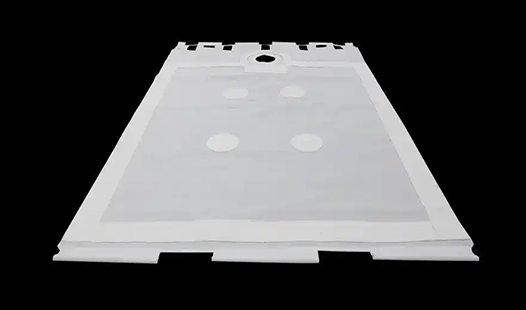
China Screw Dewatering Machine for International Resellers
Understanding Screw Dewatering Machines – Working Principles and Applications
- Understanding Screw Dewatering Machines – Working Principles and Applications
- Positioning Chinese Machines in the Global Market
- Procurement Insights for International Resellers
- Maintenance, Troubleshooting, and Performance Optimization
- Why Chinese Screw Dewatering Machines Benefit International Resellers
- Conclusion
- FAQ
- Partner with Jingjin for Superior Screw Dewatering Solutions
- References
International resellers seeking reliable solid-liquid separation solutions increasingly screw dewatering machine turn to Chinese screw dewatering machines for their cost, excellent engineering, and customizable flexibility. Multi-Disk Screw Presses or Volute Dewatering Presses are crucial in wastewater treatment, mining, food processing, and chemical manufacturing. Distributors, OEMs, and procurement managers growing their product portfolios in North American and worldwide markets choose Chinese suppliers for their sophisticated technology that fulfills global compliance standards and a competitive price.
Understanding Screw Dewatering Machines – Working Principles and Applications
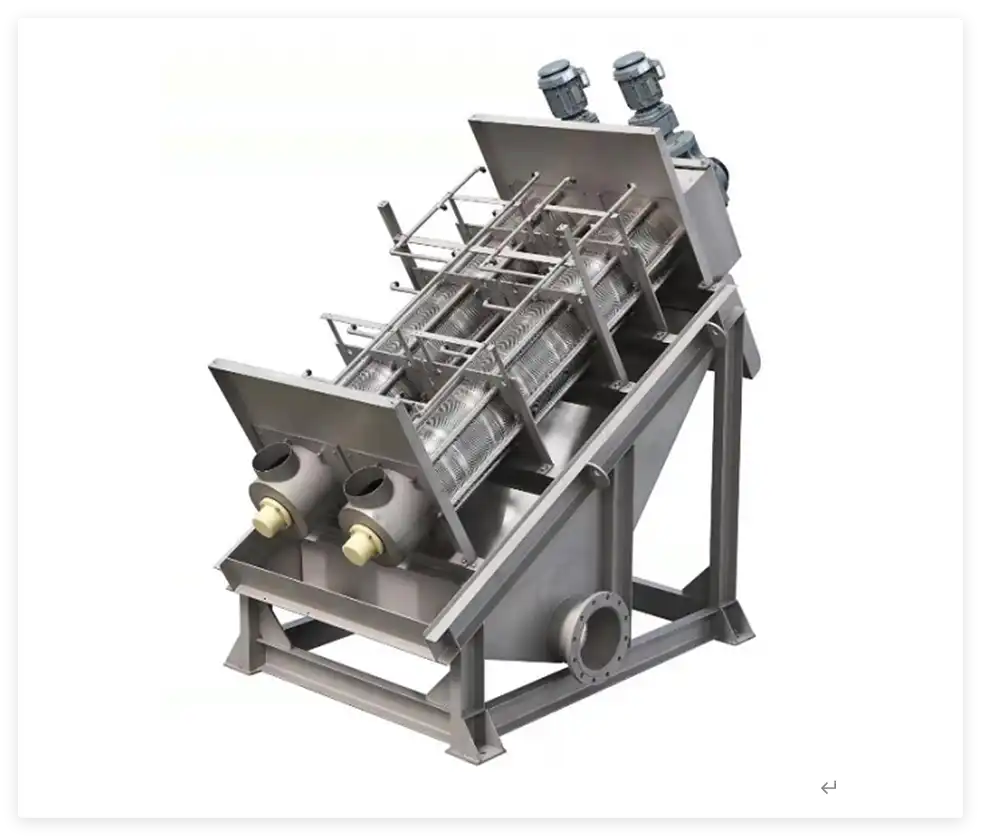
How Screw Dewatering Technology Works
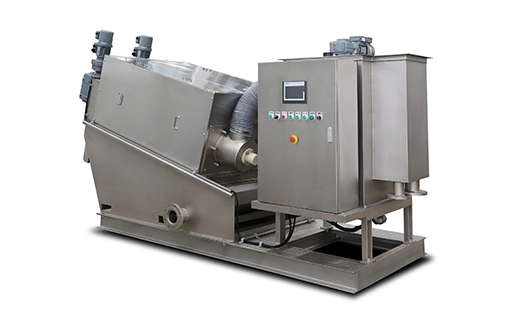
The main mechanism uses a screw shaft to rotate around a cylinder of fixed and movable rings. Sludge moves from the thickening to the dewatering zone while the screw revolves at 2-5 RPM. The narrower ring gaps and decreasing screw pitch create internal pressure that squeezes filtrate through screen holes, and transports dewatered solids to discharge. This self-cleaning action—moving rings continually shifting against stationary rings—prevents filter fabric blockage, especially when processing greasy or fibrous materials.
Critical Components and Material Specifications
High-grade stainless steel dominates wetted sections, with SS304 for typical uses and SS316 for corrosive conditions, pH 4–11. Tungsten carbide thermal spray or HRC 55-60 hard-facing coatings on the screw shaft flight ensure operating lifespans of 4,000 hours before recoating. Ring flatness keeps tolerances below 0.05mm to minimize sludge leakage, while gap spacing between rings varies by dewatering zone from 0.1mm to 0.5mm. PMI testing is a routine procurement step since precision engineering details affect filtrate quality and cake dryness.
Operational Advantages Over Conventional Methods
Screw systems use only 0.1-1% of the power needed by decanter centrifuges. Low-speed operation reduces vibration and noise below 65 dB(A), making workplaces quieter. Operating expenses and secondary wastewater production are reduced when wash water consumption drops to 1/115th of the belt press use. PLC control systems provide 24-hour unattended operation with automatic parameter modifications, solving labor availability issues in decentralized or remote treatment facilities.
Positioning Chinese Machines in the Global Market
Technology Comparison with Alternative Systems
Belt filter presses are inappropriate for greasy or fibrous sludges due to cloth maintenance, screw dewatering machines, and frequent washing cycles. Their bigger footprints and wash water needs complicate operations. Centrifuges dry cakes better but use more energy, make noise, and require specialist maintenance. Rotary drum filters handle high-volume applications but need additional pretreatment due to varying input concentrations. Middle-ground screw dewatering machines balance throughput capacity with operating ease. Their versatility in handling intake concentrations from 2,000 to 12,000 mg/L without upstream thickening appeals to establishments managing varied waste streams. The enclosed design fulfills stricter odor control rules and avoids filter cloth costs and maintenance.
Material Selection and Performance Parameters
Carbon steel frames with stainless steel wetted sections are 15-20% cheaper than complete stainless fabrication for less corrosive situations. To balance longevity and affordability, procurement managers must consider site-specific chemical exposure when choosing materials. Machine size and design capacity determine motor power needs, which range from 0.75 to 7.5 kW. Drive systems using low-speed gear motors reduce torque variations and mechanical stress, extending component lifespans. Torque load testing during commissioning ensures gearboxes don't overheat and assures concentric shaft alignment.
Chinese Manufacturer Capabilities
Leading Chinese manufacturers have ISO 9001:2015 certification and quality management systems. CE marking proves machinery safety compliance for European and North American markets. Electrical protection regulations for wet industrial areas often meet IP55 or higher grades. Standard configurations take 8-12 weeks to produce, while unique demands might take 14-16 weeks, depending on technical complexity. Throughput capacity, material specifications, and automation integration levels determine pricing, with mid-range municipal units typically 25-35% lower than comparable European or North American equipment while maintaining technical performance.
Procurement Insights for International Resellers
Supplier Selection Criteria
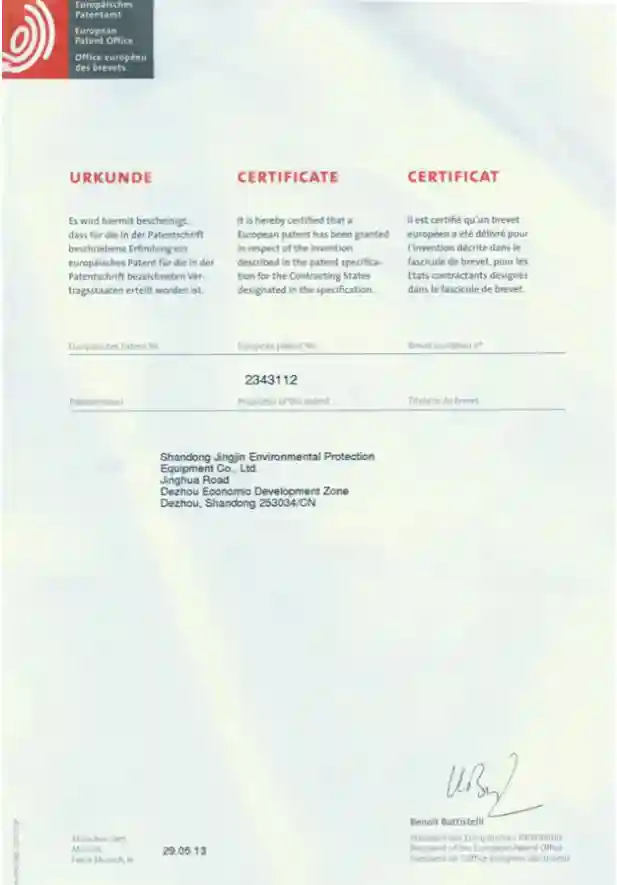
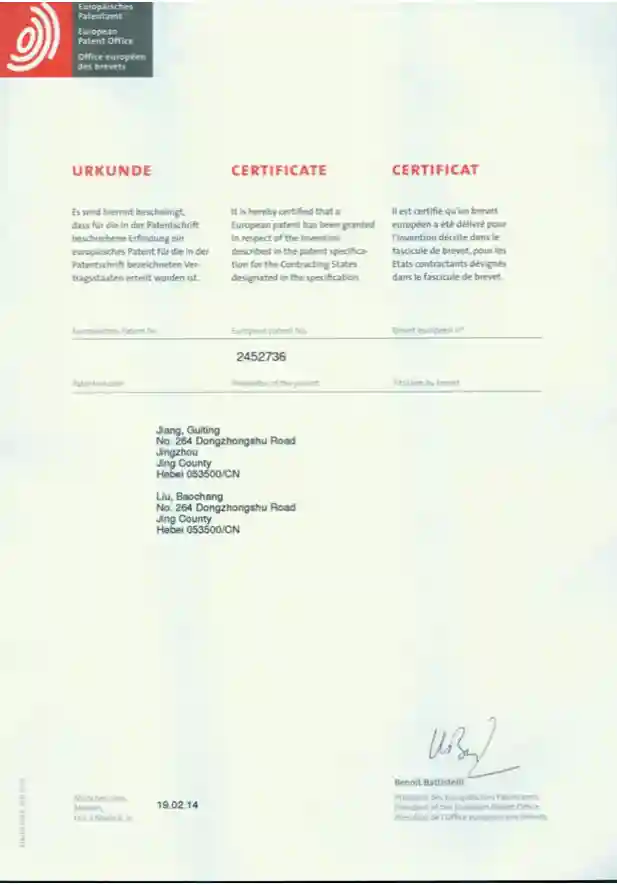
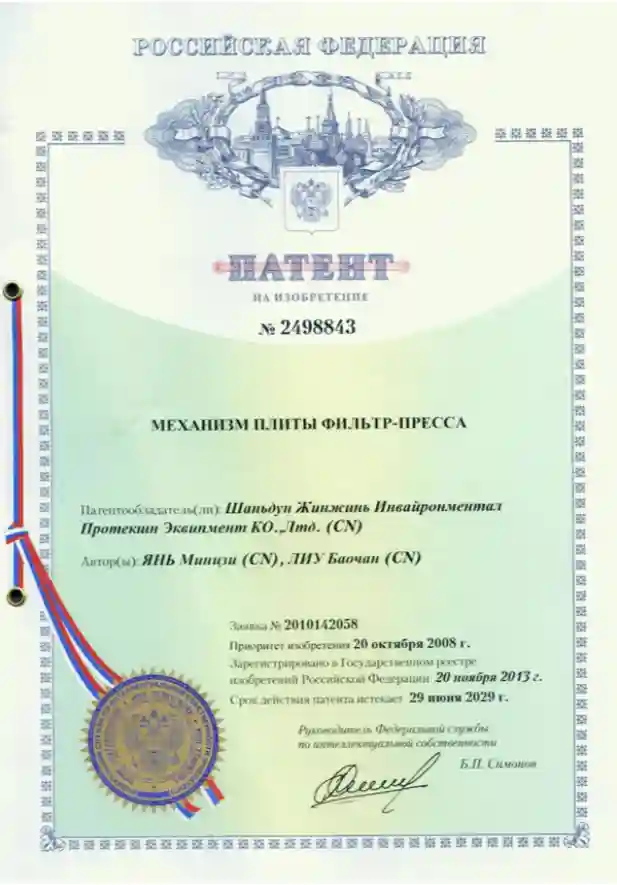
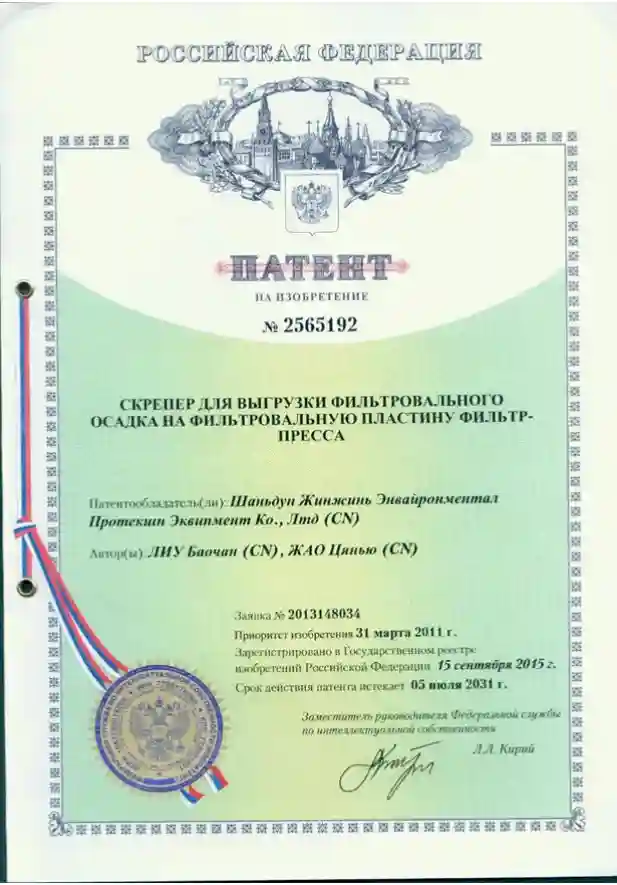
To ensure economies of scale and parts availability, the manufacturing capacity assessment should verify output levels beyond 200 units per year. Site inspections or virtual factory tours verify machining accuracy, welding quality, and assembly techniques that impact equipment reliability. Suppliers with dedicated R&D divisions and active patent portfolios reflect technical innovation, not reverse engineering. The worldwide market needs an after-sales service infrastructure. Assess suppliers' English-language technical documentation, remote diagnostic help, and spare parts inventory storage in target countries. Technical inquiry and parts shipping response times affect reseller customer satisfaction and repeat business.OEM customisation lets resellers differentiate their products with branded control panels, color schemes, or integrated monitoring systems. Niche market segments benefit from suppliers that can build explosion-screw dewatering machine-proof motor configurations for hazardous settings or specialty ring materials for harsh chemical exposure.
Cost Structure Understanding
The main dewatering unit, driving system, and basic control panel are usually included in the base equipment cost. Base costs increase 15-40% with polymer dosing systems, sludge feed pumps, cake conveyors, and SCADA interface, depending on automation sophistication. To prevent unexpected project costs, resellers should explain whether the price includes technical documentation translation, commissioning support, and operator training. Containerization efficiency and port handling fees greatly affect shipping costs. Larger 400mm series machines may require 40-foot containers or numerous shipments, whereas 300mm units commonly ship in 20-foot containers. FOB, CIF, and DDP incoterms influence target market price competitiveness due to risk allocations and total landing costs.
Import Compliance and Logistics
U.S. Customs Harmonized Tariff Schedule heading 8421 (centrifuges and filtering apparatus) sets duty rates from 2.5% to 4.5%, depending on machine specifications. Commercial invoices, packing lists, bills of lading, and origin certifications are required. NSF/ANSI 61 drinking water system components and FDA food-grade material certifications may need extra verification for some applications. From major Chinese industrial hubs to West Coast ports, it takes 18-25 days, plus 7-10 days for cross-country train or truck travel to inland destinations. Forecasting 10-14 weeks from purchase order submission to customer site delivery, including production, quality inspection, shipping, customs clearing, and inland transportation, is necessary to build inventory buffers.
Maintenance, Troubleshooting, and Performance Optimization
Preventive Maintenance Protocols
Daily operational inspections should verify drive motor amperage for loading circumstances and ring wear or material accumulation. Filterate clarity is checked weekly for ring gap changes or solids-passing screen degradation. Monthly gear reducer lubrication with manufacturer-specified grades minimizes bearing failure, while quarterly ring flatness measurements show wear patterns that need modification or replacement. To prevent rapid wear, screw shaft flight coatings should be inspected every 4,000–5,000 operational hours and recoated before the hardness decreases below HRC 50. Abrasiveness determines ring replacement intervals, from 8,000 hours for mining slurries to over 15,000 for municipal biosolids. Detailed operational logs enable predictive maintenance scheduling to reduce unplanned downtime.
Common Issues and Solutions
Poor polymer dosage or flocculation causes excessive filtrate turbidity. Adjusting polymer type, dose rate, or mixing intensity usually fixes problems without mechanical intervention. Technical instructions recommend feed suspension and manual clearing for abnormal motor current spikes, which indicate material bridging or foreign item jamming. Unusual noise or vibration indicates shaft misalignment or bearing deterioration. Root cause analysis of foundation settling, mounting bolt torque, and coupling alignment eliminates catastrophic damage with immediate shutdown. These technical difficulties are infrequent in correctly fitted systems but require immediate attention to avoid costly repairs.
Performance Enhancement Strategies
Operating costs and dewatering efficiency depend on polymer choice. Jar studies with different polymers and charge densities find appropriate formulations for various sludge characteristics, improving cake dryness by 3-5% and lowering polymer usage by 10-15%. Feed pump variable frequency drives match upstream process fluctuations to ensure constant loading conditions for optimal dewatering. Integration of inline consistency meters offers real-time data for automated process control, eliminating human involvement and preserving output quality.
Why Chinese Screw Dewatering Machines Benefit International Resellers
Economic and Technical Value Proposition
Competitive price, established technology, and customization flexibility make Chinese manufacturers' screw dewatering machines attractive partners for resellers in cost-sensitive sectors without compromising performance. Equipment generally uses Japanese or European bearings, seals, and control systems, combining international quality standards with Chinese production efficiency. Advanced CNC machining machines and automated welding systems give manufacturers quality that rivals Western names. International standards like ASME for pressure vessels and NEMA for electrical components allow North American industrial facilities to integrate equipment with minimum technical change.
Partnership Development Considerations
Successful long-term relationships involve open communication about technical skills, manufacturing capacity, and delivery obligations. Purchase requirements, factory acceptance testing processes, and third-party inspections that verify conformity before shipping should help resellers set quality acceptance standards. Exclusive distribution agreements in a specific territory safeguard reseller investments in inventory, marketing, and technical support. Collaboration on product creation, where resellers contribute market input to enhance engineering, strengthens partnerships beyond transactional connections.
After-Sales Support Infrastructure
Chinese suppliers increasingly realize that post-sale service quality influences reseller success and repeat business. Progressive manufacturers give reseller service workers technical training, regional spare parts distribution facilities, and VPN access to equipment PLCs for remote diagnostics. These support systems lessen customer downtime worries and create equipment dependability trust, addressing traditional concerns about purchasing capital equipment from distant providers.
Conclusion
International resellers benefit from Chinese screw dewatering machines' engineering competence, reasonable cost, and customisation. Thorough supplier verification for manufacturing quality, compliance certifications, and after-sales assistance reduces procurement risks and saves money. Resellers may distinguish their market position by providing full client assistance by understanding technical specifications, maintenance requirements, and performance optimization tactics. Strategic alliances provide Chinese businesses with a competitive edge in increasing solid-liquid separation sectors as they improve technology and service networks.
FAQ
1. What are typical delivery timelines when ordering from Chinese manufacturers?
Common configurations have 8-12 week production wait times, while unique specs might take 14-16 weeks. Ocean freight to America. West Coast ports take 18-25 days, East Coast 28-35. Customs clearance and interior transportation add 7-10 days, making the purchase order to site delivery 12-16 weeks. Premium pricing and expedited shipping are available for rush purchases.
2. Can Chinese suppliers customize machines for specific applications?
Reliable manufacturers provide material improvements to SS316 or duplex stainless steel, explosion-proof electrical arrangements, severe abrasive ring designs, and plant control system integration. During specification development, engineering teams interact to verify suggested revisions satisfy performance goals without compromising dependability.
3. How does equipment efficiency compare to established Western brands?
Comparing identical capacity units, cake dryness, polymer consumption, and energy utilization match or surpass Western counterparts. Chinese manufacturers license or include Japanese and European core components while using competitive production cost structures. Supplier evaluations include independent testing and reference site visits to verify performance claims.
Partner with Jingjin for Superior Screw Dewatering Solutions
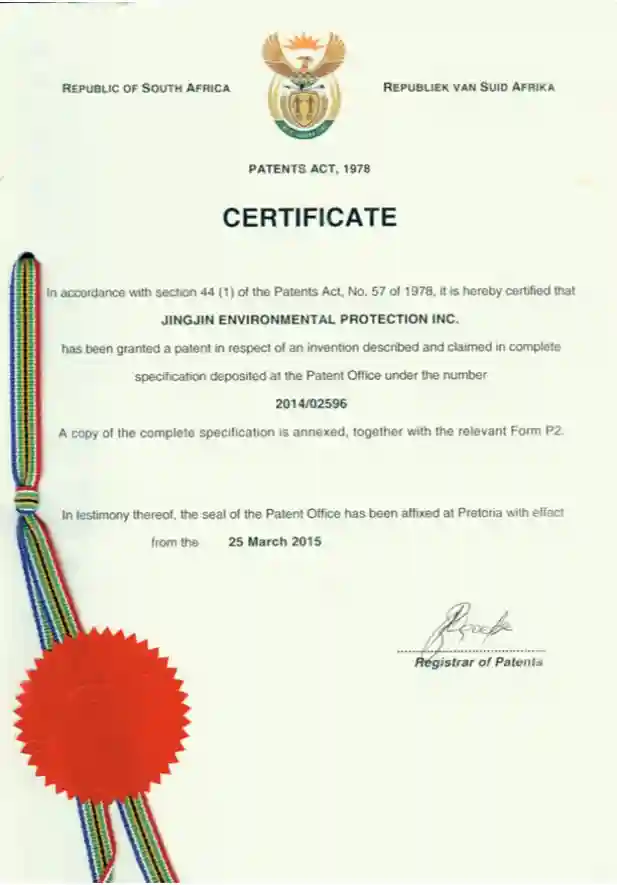
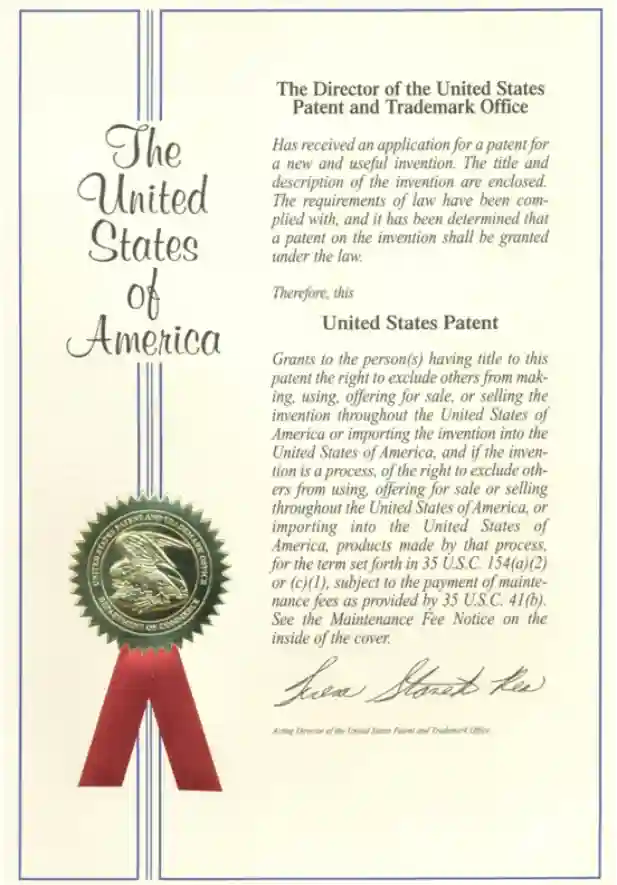
With 35 years of solid-liquid separation experience, Jingjin Equipment Inc. serves clients in 123 countries with dependability and technical innovation. Our screw dewatering machine line offers superior engineering and a low price for resellers, distributors, and OEMs. We deliver the technical depth and service dedication your clients need with over 136 patents, ISO 9001:2015 certified production, and extensive after-sales support networks. Our technical team customizes wastewater systems, mining dewatering solutions, and chemical processing equipment to match application needs. Talk to our international sales team at [email protected] about cooperation options, technical details, and how our screw dewatering machine supplier skills can boost your product range and market competitiveness.
References
1. Chen, L., & Wang, Y. (2021). Advanced Sludge Dewatering Technologies: Principles and Industrial Applications. Beijing: Chemical Industry Press.
2. Industrial Water & Wastes Digest. (2022). "Multi-Disk Screw Press Technology: Performance Analysis in Municipal Wastewater Treatment." Technical Report Series, 34(3), 45-62.
3. Martinez, R., & Thompson, J. (2020). Global Procurement Strategies for Water Treatment Equipment. New York: McGraw-Hill Professional.
4. National Environmental Services Center. (2023). "Comparison of Mechanical Dewatering Technologies for Small to Medium WWTPs." Tech Brief Series, Volume 18.
5. Zhang, H., Liu, X., & Anderson, P. (2022). "Material Selection and Corrosion Resistance in Industrial Dewatering Systems." Journal of Environmental Engineering Technology, 12(4), 287-301.
6. World Water Works Association. (2023). Equipment Procurement Guidelines for International Markets: Quality Assurance and Supplier Evaluation. Denver: WWWA Publications.
jingjin
Founded in 1988, Jingjin specializes in filter presses and liquid-solid separation solutions, serving over 130 countries worldwide, and is a standard-setter in China's filter press industry.
Get the Filter Press guide
Enter Your Email for Technical assistance for the Filter Press.
Recommended Blog
Durable Screw Dewatering Machines for Mining: Features to Look For
Custom Filter Presses for the Chemical Industry: Choosing the Right Solution
How Does a Filter Press Work in Wastewater Treatment? A Comprehensive Guide
How to Choose the Right Filter Press Manufacturer: Key Factors to Consider
Cost-Effective Filter Press Cloth Options for Wastewater Treatment
Integration of Press Pump and Filter Press Systems for Enhanced Performance
Top Maintenance Tips to Keep Your Filter Press Machine Running Smoothly