Best Membrane Plate Filter Press for India Industrial Buyers
Understanding Membrane Plate Filter Press Technology
- Understanding Membrane Plate Filter Press Technology
- Comparison of Membrane Plate Filter Press with Other Filter Press Types
- Benefits and Applications of Membrane Plate Filter Presses for Indian Industries
- Choosing the Best Membrane Plate Filter Press: A Buyer's Guide
- Maintenance and Operational Best Practices
- Conclusion
- FAQ
- Partner with Jingjin for Advanced Filtration Solutions
- References
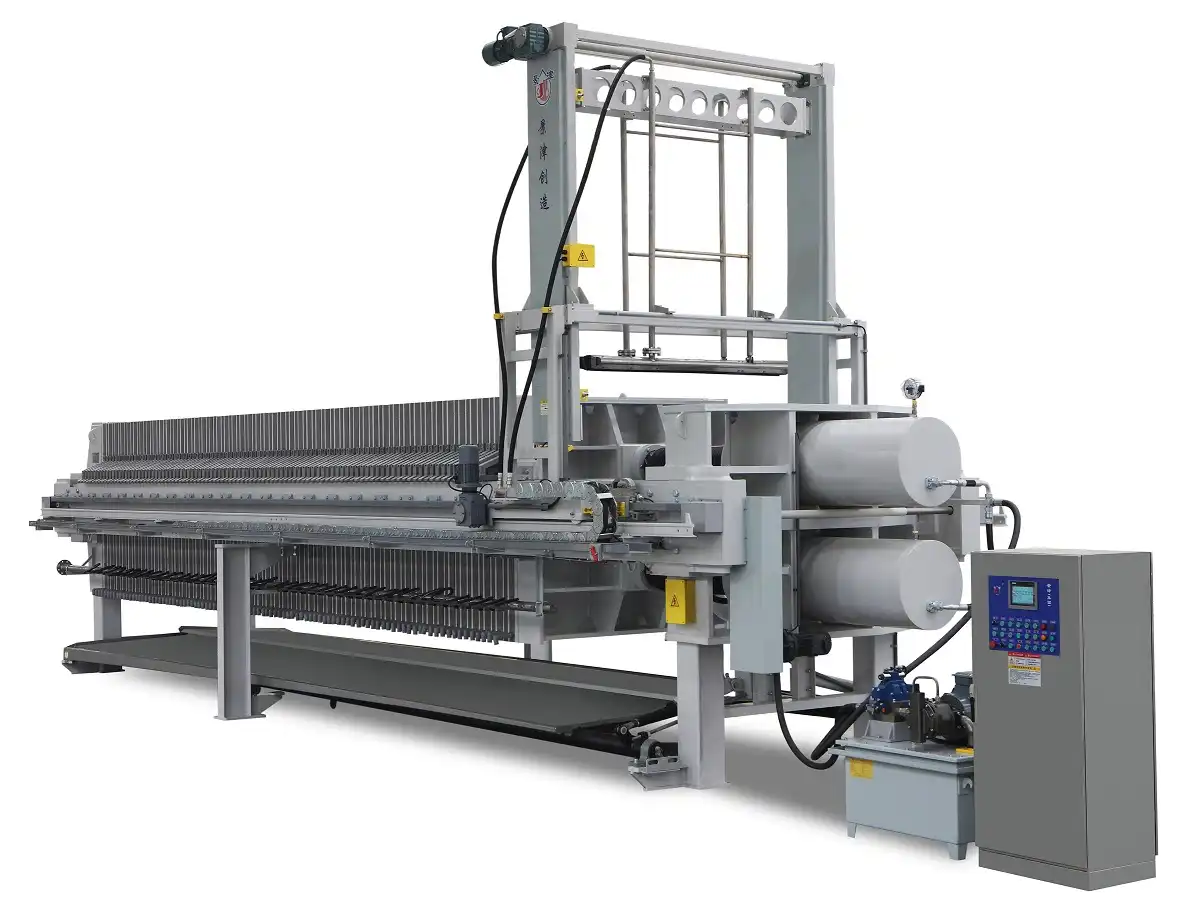
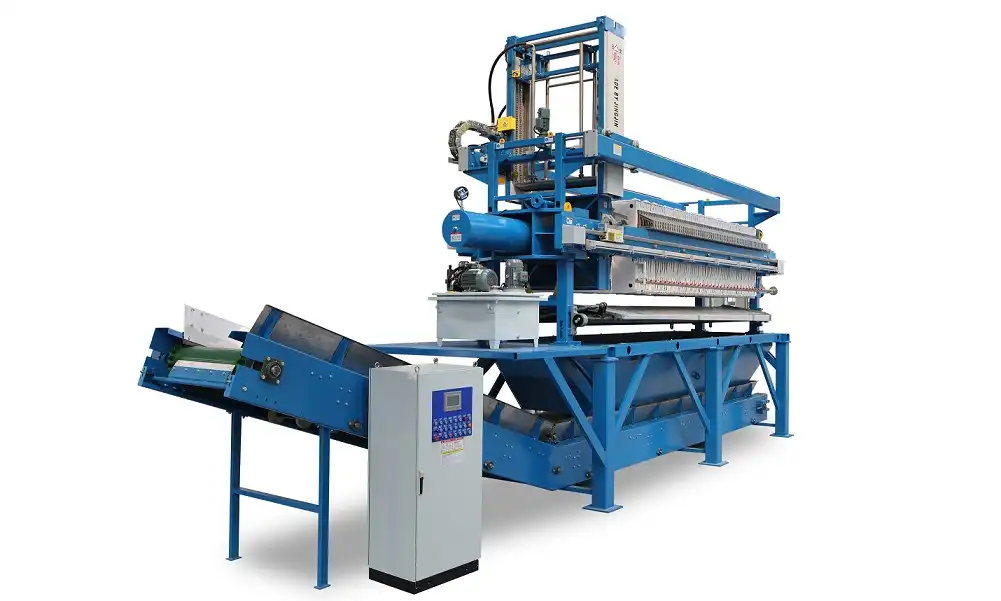
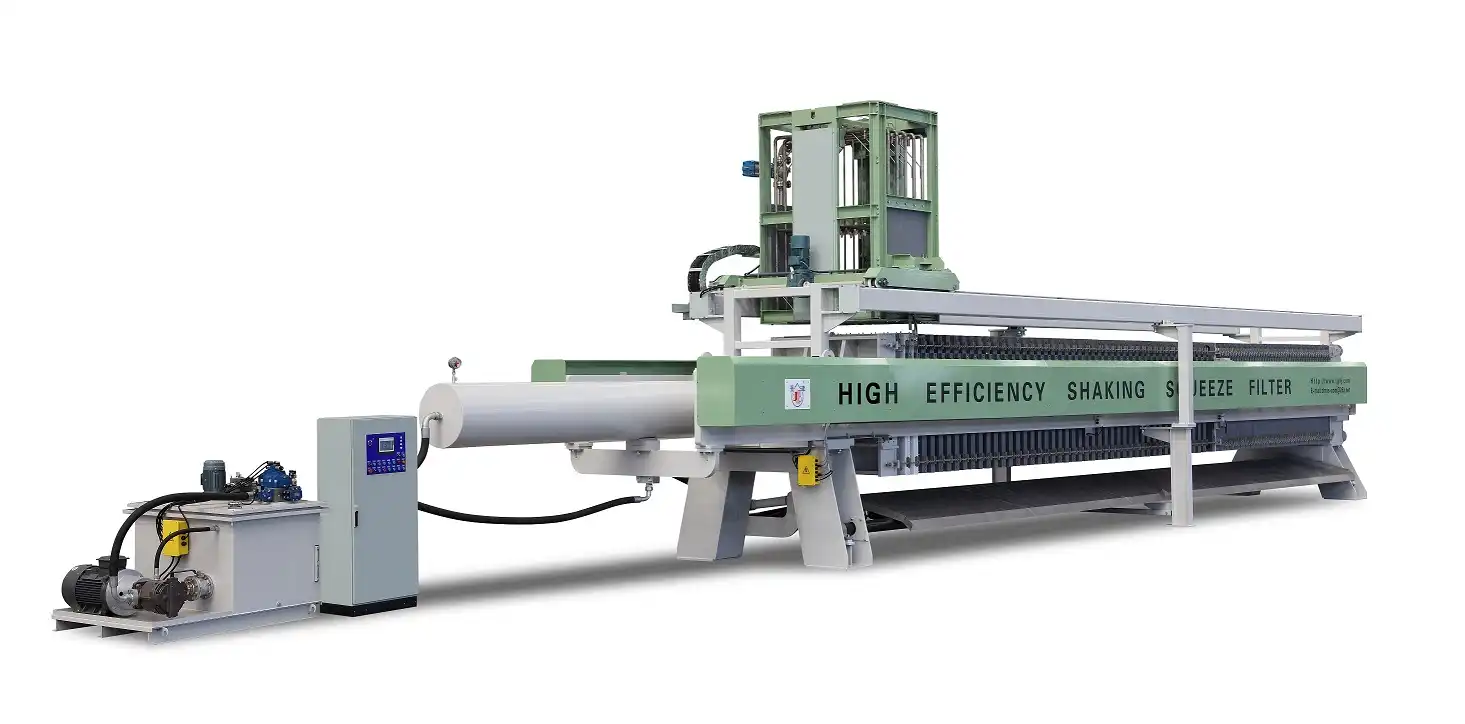
For high-performance industrial filtering in India, the membrane plate filter press is best. This membrane plate filter press uses pneumatic inflation to compress filter cakes after filtering, lowering moisture and cycle time. Indian industries, from mining to pharmaceuticals, increasingly use this membrane plate filter press technology to solve operational issues like high sludge disposal costs, long dewatering cycles, and strict environmental compliance while producing consistently dry cakes that reduce transportation costs and meet regulatory standards.
Understanding Membrane Plate Filter Press Technology
Modern solid-liquid separation requires technology beyond filtration. The membrane plate filter press tackles major industrial problems with novel engineering.
The Core Operating Principle
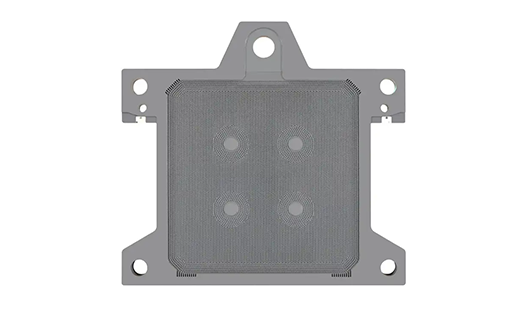
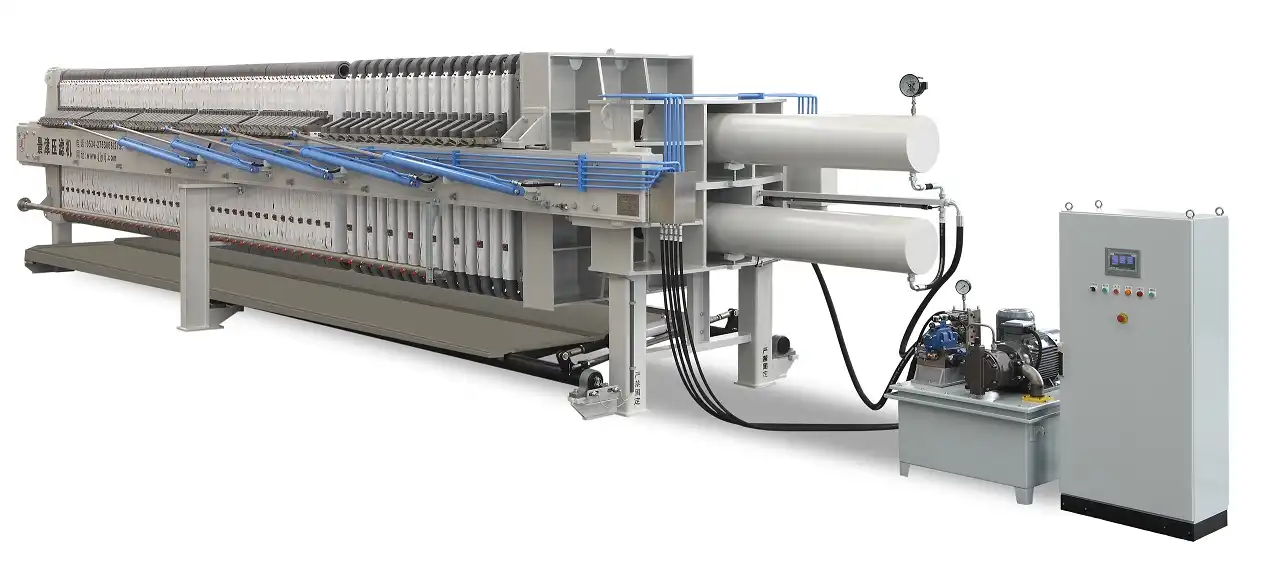
This sophisticated machinery has an elastic diaphragm in each filter plate, unlike typical recessed chamber presses that use feed pump pressure to make filter cakes. Compressed air or pressurized water inflates membranes after first filtering and solids fill compartments. This additional squeezing step lowers chamber space by providing 6–30 bar direct pressure to the filter cake. Mechanically expelling interstitial moisture overcomes thermodynamic restrictions that make typical filter cakes too wet.
Why This Technology Matters for Indian Industries
Indian factories are under pressure to cut costs and comply with environmental laws. Traditional filtering technology creates 60-70% moisture cakes, which increases disposal and shipping expenses. Membrane squeezing lowers moisture by 10-20%, providing dryness over 35-40% in municipal sludge and much higher in mining concentrates. This saves money on shipping, disposal, and incineration, making the technology appealing to cost-conscious procurement managers.
Comparison of Membrane Plate Filter Press with Other Filter Press Types
Understanding filtering technology comparisons for the membrane plate filter press helps engineering teams choose equipment that meets process needs and budget restrictions.
Membrane vs. Recessed Chamber Presses
In industrial filtration, recessed chamber presses are the mainstay. Continuous pumping builds filter cakes until chambers are full, then extended draining dries them. The membrane type removes wasteful tapering by stopping feed when solids fill the chamber and delivering immediate squeezing pressure. This method cuts cycle times by 20-30% and makes drier cakes. Due to high-pressure exposure, recessed presses need frequent cloth replacement, while the membrane system's quicker filtering phase improves cloth lifespan despite inflation.
Application-Specific Suitability
The membrane plate filter press's capacity to recover process water—often over 95%—is crucial in water-scarce locations for mining operations handling abrasive tailings. Membrane inflation creates consistent flow channels that remove contaminants and recover costly liquids for chemical industries manufacturing dyestuffs or active medicinal compounds. Municipal wastewater facilities enjoy the system's capacity to autothermically incinerate biological sludge or dry it for stackable landfill disposal, reducing disposal costs.
Benefits and Applications of Membrane Plate Filter Presses for Indian Industries
Indian industries confront distinct operating problems that make modern dewatering technology desirable. Growing environmental legislation, rising disposal costs, and competitive pressure to maximize process efficiency drive demand for equipment that improves performance.
Municipal and Industrial Wastewater Treatment
Municipal wastewater treatment plants in India process massive amounts of biological sludge with polyacrylamide using a membrane plate filter press. The squeeze mechanism of the membrane plate filter press destroys molecular water structures, drying the cake enough for direct burning without fuel or stacking for safe landfill disposal. After switching to membrane plate filter press technology, Maharashtra and Gujarat facilities saw 40-50% annual disposal cost savings and 18-24 month paybacks. By eliminating moist, odorous material handling, the automated membrane plate filter press procedure saves labor and improves operator safety.
Mining and Metallurgical Operations
Large tailings volumes and maximal process water reuse are required for gold, copper, and iron ore processing. Dry stacking tailings reduces environmental and safety problems from wet dams. Water from the membrane plate filter press is recycled into processing circuits while producing firm, non-thixotropic cakes for geotechnical stacking. Rajasthan and Odisha mining enterprises embrace this technology because it addresses environmental compliance and operational efficiency. The durable design withstands mineral processing's abrasive slurries and high-throughput.
Construction and Tunneling Projects
Infrastructure construction produces massive amounts of mud and sludge that must be dewatered before disposal. Metro construction projects in Delhi, Mumbai, and Bangalore use high-capacity membrane systems to handle tunneling mud, decreasing waste quantities by 60-70% over settling and decanting. Construction sites with limited area and tight deadlines benefit from the equipment's mobility and speed.
Choosing the Best Membrane Plate Filter Press: A Buyer's Guide
Capital equipment purchases need a methodical review of technical specifications, supplier capabilities, and total cost of ownership. A systematic strategy that blends budget restrictions with long-term operational needs benefits Indian industrial purchasers.
Defining Filtration Capacity Requirements
Calculate process flow-based daily or hourly throughput demands. Chemical plants that process 50 cubic meters of slurry every day have different requirements than mining operations that handle 500. Use feed solids concentration, particle size distribution, and goal cycle duration to calculate filtration area. Undersizing equipment disrupts production schedules, while oversizing wastes capital and raises maintenance expenses. Pilot testing with representative feed material reduces installation performance gaps by providing empirical data for correct sizing.
Material Compatibility and Chemical Resistance
Chemical conditions vary by industrial use for filtering equipment. Alkaline chemical processes require different membrane materials and hardware than acidic mining slurries. Plate building materials—reinforced polypropylene is chemically resistant, but other applications require stainless steel or unusual alloys. EPDM works in watery conditions, whereas NBR works better in hydrocarbon environments. Membrane materials must resist numerous inflation cycles without deterioration. In pharmaceutical autoclaving and chemical synthesis, severe temperatures affect material selection.
Evaluating Supplier Credentials and Support Infrastructure
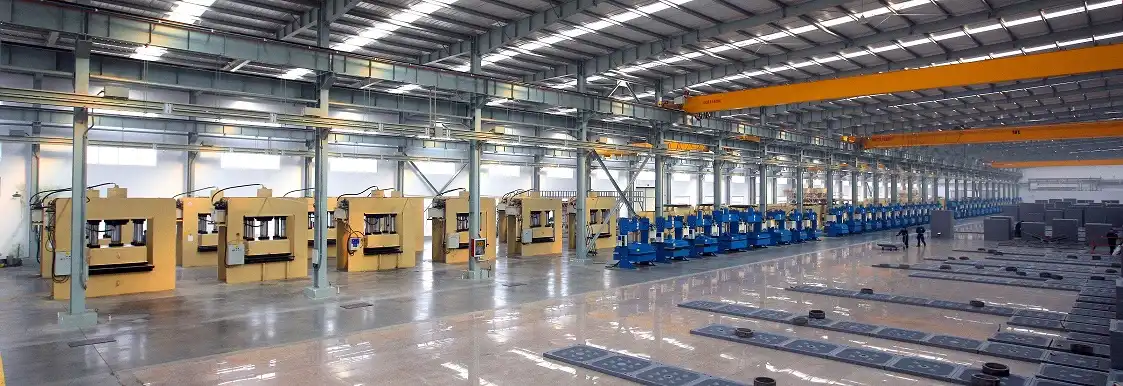
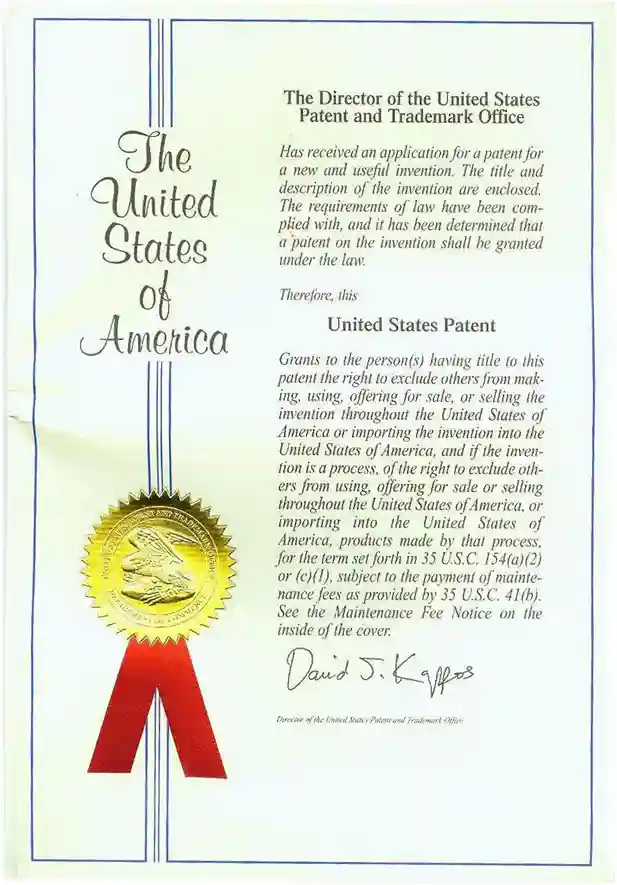
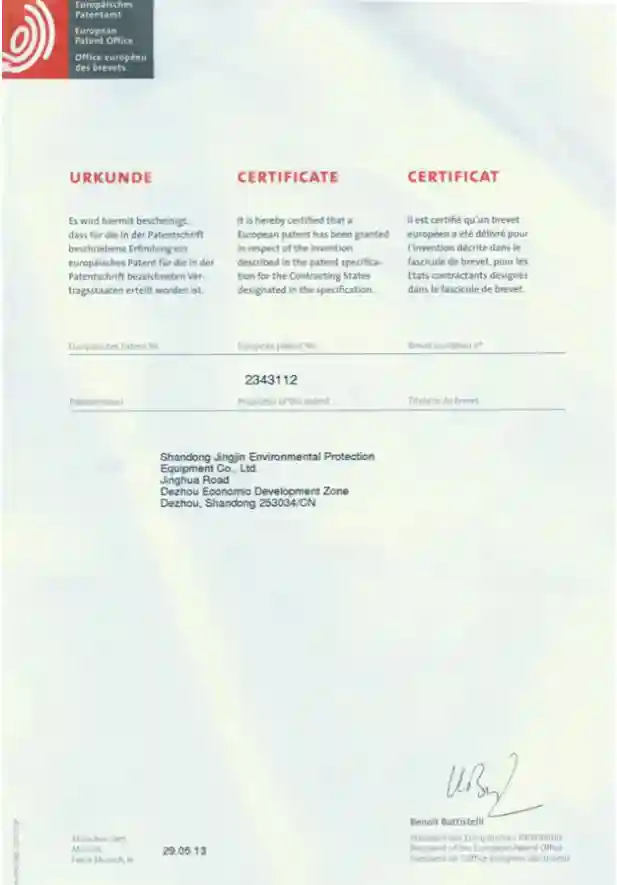
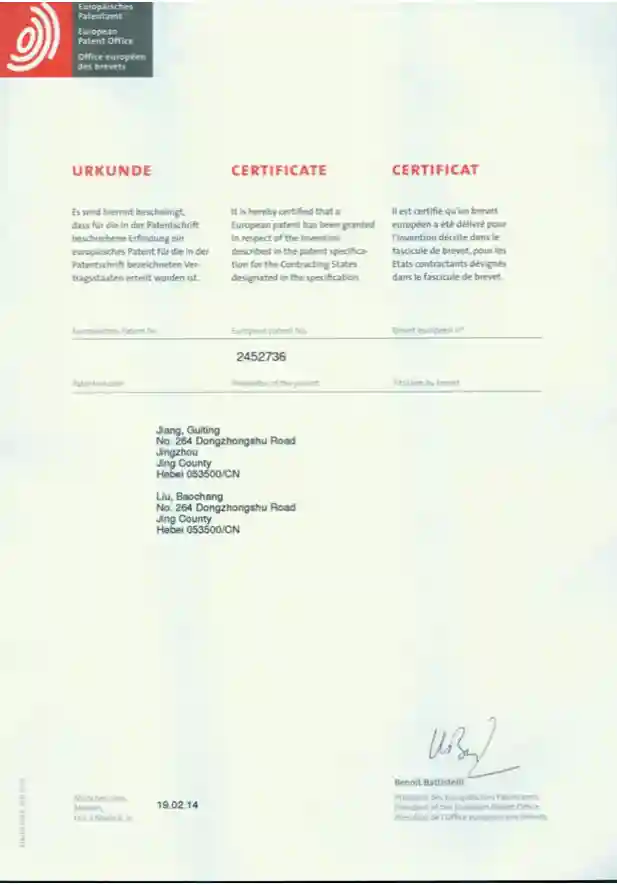
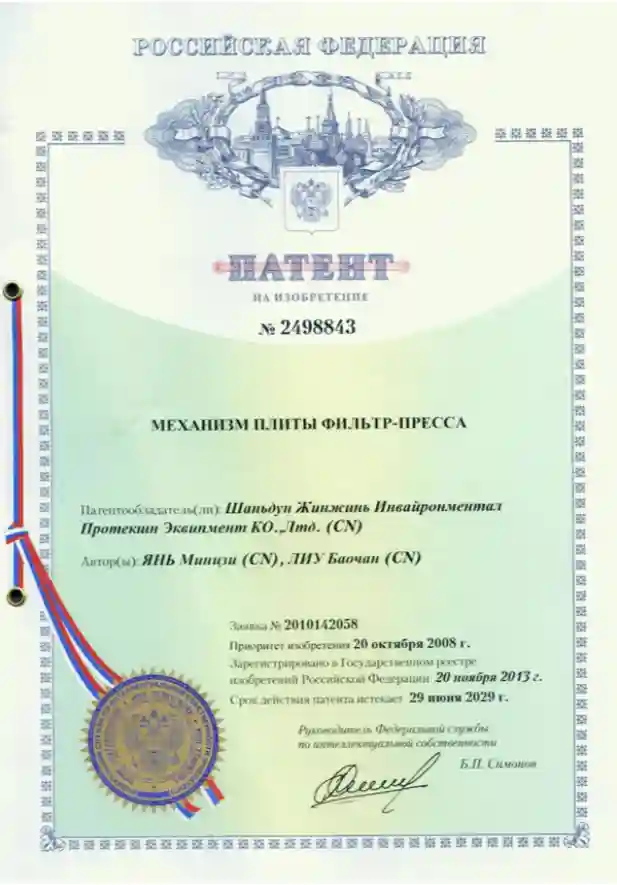
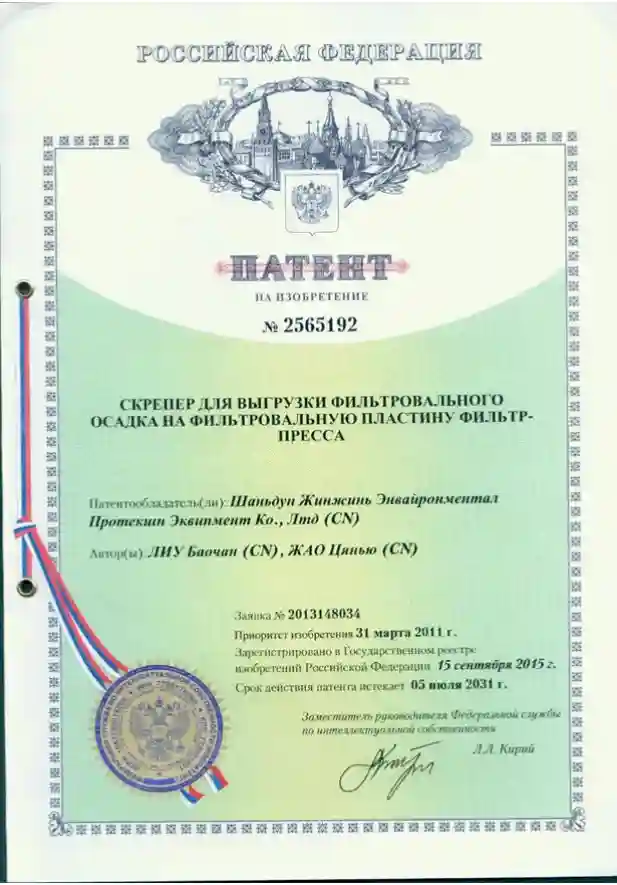
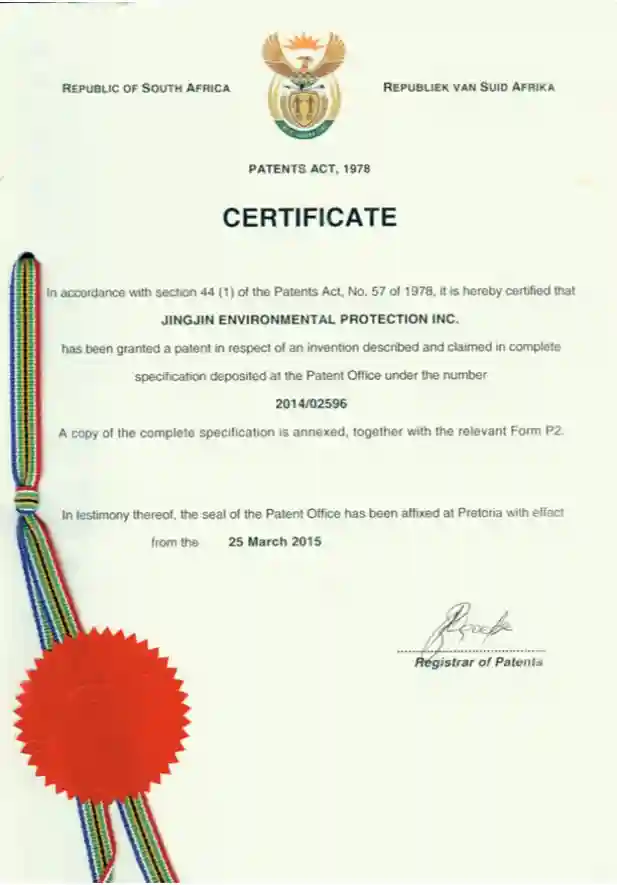
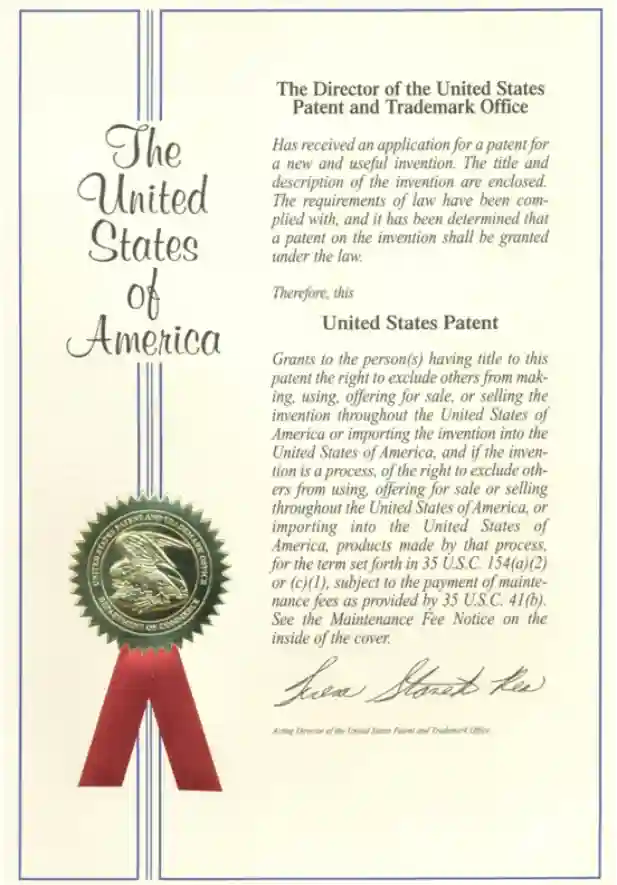
While technical specs are important, supplier capabilities dictate equipment reliability. Established in 1988, Jingjin Equipment Inc. is a major producer with over 136 patents and deliveries to 123 countries. Experience leads to better engineering, dependability, and an extensive support infrastructure. Assess if suppliers have spare parts in India or regional hubs to save downtime when components need replacing. Warranty coverage should include mechanical components, membrane materials, and control systems with service response guarantees. Maintainer training ensures operations teams follow necessary practices to extend equipment life.
Maintenance and Operational Best Practices
Maintenance and operational discipline are essential for years of reliable service. Clear processes and staff training preserve equipment investment and productivity.
Routine Inspection Schedules
Daily visual inspections of the membrane plate filter press should check hydraulic systems for leakage, pneumatic lines for pressure integrity, and plate surfaces for damage or residue. Weekly filter cloth checks on the membrane plate filter press should look for rips, blinding, or uneven wear patterns that signal process faults or poor tensioning. Monthly complete assessments of the membrane plate filter press include control system diagnostics, pressure sensor calibration, and moving part lubrication. Historical records of inspection findings for the membrane plate filter press highlight patterns and enable predictive maintenance plans, spotting minor flaws before they become costly failures.
Membrane and Cloth Replacement Protocols
Repetitive inflation cycles wear filter membranes, necessitating replacement every 12-24 months, depending on cycle frequency and pressure. Instead of waiting for production shutdowns, plan replacements based on manufacturer recommendations and operational data. Filter cloths must be replaced when permeability drops or they're damaged. Incorrect tensioning produces uneven cake development and premature wear. Maintenance crews are trained on proper installation practices to avoid performance issues and expensive component damage.
Troubleshooting Common Operational Issues
Extended cycle times often imply fabric blinding from improper cleaning or process material-cloth treatment chemical incompatibility. Systematic cake release issues indicate membrane inflation pressure or plate sealing surface wear that needs machining or replacement. Filter quality declines as fabric damage lets particles through. Maintenance of troubleshooting manuals containing symptoms, possible causes, and remedial measures allows a timely reaction and little production disturbance. Vendor communication channels enable technical help for unfamiliar situations faced by internal experts.
Conclusion
Technical criteria, supplier capabilities, and operating economics must be considered while choosing a membrane plate filter press for Indian industrial applications. Superior cake dryness, shorter cycle durations, and improved operating efficiency benefit municipal wastewater treatment, mining, chemical production, and construction applications with this innovative filtering system. Systematic study of capacity, material compatibility, supplier credentials, and maintenance needs drives long-term buying decisions. Indian industrial establishments can satisfy compliance and retain operational success by investing in proven membrane filtering technology as environmental rules tighten and disposal prices grow.
FAQ
1. What filtration cycle times can be expected with membrane plate technology?
Complete filtering and squeezing sequences take 90–180 minutes, depending on feed characteristics and goal dryness. Municipal sludge usage averages 120 minutes, but fine particle chemical processing takes 150-180 minutes. The membrane squeeze step adds just 15-30 minutes to standard filtering time but produces much drier cakes, making the cycle more efficient than protracted conventional pressing.
2. How do pricing factors differ in the Indian market?
Filtration capacity, material requirements, automation complexity, and supplier origin affect equipment price. Low-cost Indian manufacturers may lack engineering assistance and replacement parts. International vendors charge more due to sophisticated engineering, dependability, and service networks. Superior equipment that produces 15% drier cakes saves more throughout its operating lifespan despite a greater initial investment. Total cost of ownership analysis should include energy usage, maintenance, and disposal savings.
3. Can membrane presses handle high-solid-content sludge effectively?
High-solids feeds suit membrane technology. The squeezing pressure compacts materials regardless of density, while variable chamber volume adjusts to fill levels. Feeds from 2% to 30% solids concentration process well, with greater input concentrations lowering cycle durations and increasing throughput. The secondary squeeze is useful for dewatering high-compressibility or fine-particle materials that traditional techniques struggle with.
Partner with Jingjin for Advanced Filtration Solutions
Indian industrial customers seeking a trustworthy membrane plate filter press manufacturer benefit from providers with technical experience, established track records, and extensive assistance. With over 136 patents and 123 countries served, Jingjin Equipment Inc. has provided this combination of filtering innovation for over 30 years. Our engineering staff creates customised process solutions, and our global service network provides technical assistance and replacement parts. We manufacture full filtration ecosystems with plates, cloths, automation systems, and ancillary equipment, simplifying procurement and assuring component compatibility. Contact our technical professionals at [email protected] to discuss your dewatering issues and obtain customized offers.
References
1. Smith, J. & Patel, R. (2021). Advanced Filtration Technologies for Industrial Wastewater Treatment in Developing Economies. International Journal of Environmental Engineering, Volume 15, Issue 3, pp. 245-267.
2. Kumar, A. (2022). Comparative Analysis of Dewatering Equipment Performance in Indian Mining Operations. Mining Technology Quarterly, Volume 28, Issue 2, pp. 112-134.
3. Chen, L. & Desai, M. (2020). Membrane Filter Press Technology: Operational Principles and Industrial Applications. Chemical Engineering Progress, Volume 116, Issue 8, pp. 34-42.
4. Sharma, V. (2023). Cost-Benefit Analysis of Advanced Sludge Dewatering Systems for Municipal Wastewater Treatment Plants. Water and Environment Journal, Volume 37, Issue 1, pp. 89-105.
5. Thompson, R. & Rao, S. (2021). Solid-Liquid Separation Equipment Selection Guide for Chemical and Pharmaceutical Industries. Process Engineering Magazine, Volume 44, Issue 6, pp. 56-71.
6. Gupta, N. (2022). Sustainable Tailings Management Through Advanced Dewatering Technologies. Journal of Sustainable Mining, Volume 21, Issue 4, pp. 178-196.
jingjin
Founded in 1988, Jingjin specializes in filter presses and liquid-solid separation solutions, serving over 130 countries worldwide, and is a standard-setter in China's filter press industry.
Get the Filter Press guide
Enter Your Email for Technical assistance for the Filter Press.
Recommended Blog
Best China Screw Press Dewatering Machine for Mexico Buyers
Where European Distributors Source Press Filter from China?
Maintenance Tips for Dewatering Press Machines to Maximize Lifespan
Affordable Multi Screw Press Machines for Wastewater Treatment: What to Look For
Low Cost Jingjin Filter Press Options for Efficient Sludge Dewatering