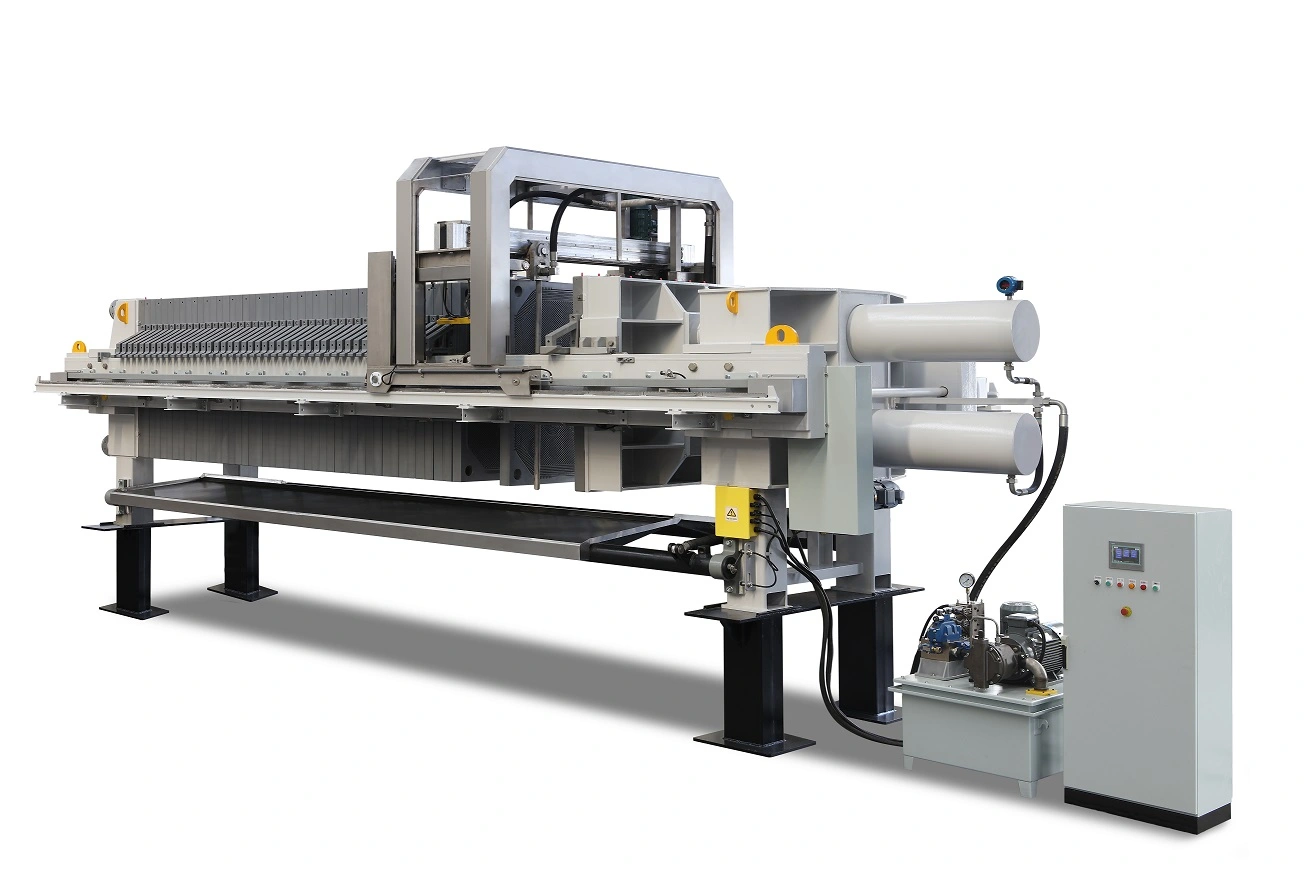
Improving Food Processing Efficiency with Advanced Press Filter Machines
Assessing Current Performance Challenges in Food Processing Filtration
- Assessing Current Performance Challenges in Food Processing Filtration
- Identifying Key Bottlenecks and Optimization Principles for Press Filter Machines
- Implementing Specific Techniques to Optimize Food Processing Efficiency
- Verifying Optimization Results and Future Trends
- Choosing the Right Press Filter Machine Supplier and Model for Your Food Processing Needs
- Conclusion
- FAQ
- Partner with Jingjin for Reliable Press Filter Machine Solutions
- References
Modern food preparation plants are under more and more pressure to increase output while still following strict hygiene rules and properly handling wastewater. Modern press filter machines have become a game-changing answer for the inefficient sorting of solids and liquids that slowed down production lines in the past. These filtration systems cut down on cycle times, energy costs, and the production of cleaner filter cakes, all of which have a direct effect on making money and following the rules. Today's filtration equipment helps beverage plants, specialty food makers, and dairy plants improve working performance and product quality by using membrane squeeze technology, automated controls, and materials that don't rust.

Assessing Current Performance Challenges in Food Processing Filtration
Slow Filtration Cycles That Limit Throughput
A lot of places still use chamber-style machines that depend only on the pressure of the feed pump, which makes run times longer. If a dairy company has to handle a lot of whey protein concentrate in one shift, the filtration process could take more than two hours per cycle. These delays cause bottlenecks both upstream and downstream, which means that other parts of the process have to stop working or work less than they should. Purchasing managers looking for solutions that can be scaled up know that cycle time is directly related to the amount of work that can be done each year and the amount of money that can be made.
Elevated Energy Consumption and Operating Costs
In traditional systems, the feed pumps stay at full pressure even when the filtration rates stop going up. This wastes electricity and doesn't make cake production better in any useful way. A juice-making plant that used old filter presses saw its monthly energy bills rise 15% year-over-year, which made it look at other capital equipment options. Intelligent pressure modulation and variable frequency drives can lower the amount of energy used by changing the output of the pump on the fly. This matches the amount of power used with the real separation needs at each stage of the cycle.
Frequent Maintenance Downtime and Inconsistent Cake Dryness
Failures of hydraulic seals, worn filter cloths, and misaligned plates lead to unexpected shutdowns that mess up production plans. High leftover moisture in released cakes makes it harder to handle and get rid of waste further down the line, which can raise the cost of landfills or make byproducts unusable for animal feed markets. Emergency repairs and missed production time cost plant operations leaders a lot of money, which is why equipment needs to be built with strong parts and predictive maintenance features to cut down on unplanned stops.
Identifying Key Bottlenecks and Optimization Principles for Press Filter Machines
Critical Performance Metrics That Drive Productivity
The two most important factors that determine how well equipment works are the filtration cycle time and the end cake dryness. A sunken plate filter press with a 60% moisture content works well in some situations, but membrane technology can lower the moisture to 45%, which makes it cheaper to handle and throw away cakes. Process engineers look at these measures along with the clarity of the filtrate and the downtime of the system, trying to find setups that balance speed, dryness, and operational stability for a wide range of slurry characteristics.
Core Principles of Pressure Distribution and Cloth Technology
Even pressure in all rooms keeps cakes from changing shape and stops plates from bending or seals from leaking. Modern hydraulic systems provide exact holding force, and high-quality polypropylene or PVDF filter cloths protect against chemicals and last longer. Membrane plates have an inflatable diaphragm that adds secondary squeezing pressure, pushing the cake more than what the feed pressure alone can do. This leaves less liquid in the cake and shortens the rounds.
Automated Control Systems for Enhanced Precision
These days, programmable logic controls keep an eye on the feed flow, hydraulic pressure, and filtrate turbidity all the time, including for the press filter machine. They change settings automatically to make each cycle phase work best. Touchscreen screens that show trend data and repair alerts are helpful for operators because they reduce the need for them to watch things by hand. Integrating upstream clarifiers and downstream dryers creates smooth processes that stop overfeeding or underutilization and boost the efficiency of the whole plant.
Implementing Specific Techniques to Optimize Food Processing Efficiency
Comparing Manual, Semi-Automatic, and Fully Automatic Systems
With a manual filter press, operators have to move plates and empty cakes by hand, which slows down production and puts workers at risk of repetitive strain injuries. For smaller tasks, semi-automatic types are a good compromise. They have hydraulic plate shifting, but still need to be cleaned by hand. Fully automated systems open the plates, release the cake through shaking or air blowing, wash the cloth, and close the machine in a certain order without any help from a person. This means that the machine can run overnight without any help, and the cycle can be repeated over and over again.
The following combinations show how the amount of automation affects the results of operations:
- Manual Operation: This method works well for small amounts or test projects where labor costs are low and capital budgets are limited. Cycle times are usually two to three hours, and shift output is limited by the need for a lot of operator participation.
- Semi-Automatic Setup: This is the best way for medium-sized businesses to upgrade from old equipment because it balances the cost of capital investment with the time saved on work. Even though hydraulic help makes it easier on the body, handling cakes by hand still causes cycle time to vary.
- Fully Automatic Configuration: This is the best choice for high-capacity plants that want to be consistent and require little work. Automated cloth washing increases the life of the media, and vibration discharge makes sure that all of the cake is removed, which stops buildup that would hurt performance over time.
Going from fully manual to fully automatic operation costs money up front, but it pays for itself quickly through lower work hours, better safety, and higher annual output.
Maintenance Best Practices to Minimize Downtime
Regular maintenance checks make sure that equipment works well in between major overhauls. Changing the hydraulic oil every six months gets rid of contaminants that wear down seals and valves, and checking the filter cloth every month finds early signs of wear from chemicals or scratches. Predictive analytics tools keep an eye on shaking patterns and strange pressure readings, sending repair teams warnings before major problems happen.
Some preventative measures that make tools last longer are the following:
- Hydraulic System Care: To get rid of production dust, change the ISO 46 anti-wear oil after the first month of use and then every 2,000 hours after that. Check the valves and piston seals every three months to find internal leaks before they cause the pressure to drop.
- Filter Cloth Management: Manage the filter cloth by washing it with acidic or basic solutions to make it permeable again when the filtration rate drops. Depending on how rough the slurry is and how much chemical contact there is, replace the cloths every 18 to 24 months and make sure the tension stays the same in all spaces.
- Plate Inspection Protocol: Reinforced plastic plates usually last between five and eight years, but they can crack due to changes in temperature or differential pressure. Ultrasonic testing once a year finds stress cracks before plates break in the middle of a cycle, which keeps expensive emergency shutdowns from having to happen.
Following these rules keeps the system's ability to regularly meet production goals and cuts down on unplanned downtime.
Real-World Case Studies Demonstrating Tangible ROI
A Wisconsin dairy processing business switched from chamber presses to membrane filters, which cut the time it took to filter each batch from 120 minutes to 80 minutes. This 33% improvement made it possible to add an extra shift cycle every week, which increased the annual output of whey protein by 18% without having to add more floor space or hire more staff. Smart VFD control of feed pumps caused the amount of energy used per kilogram of dry solids to drop by 22%.
In a juice factory in California, membrane squeeze processes cut the moisture content of filter cake from 68% to 52%. This turned waste that was going to the trash into animal feed that could be sold. The plant saved more than $40,000 a year on waste costs and made new money by selling byproducts. The lifespan of the media was increased by 40% when it was washed automatically, which cut down on costs and upkeep work.
These examples show that focused equipment changes bring measurable financial benefits that make the initial investment worthwhile and speed up the return on capital.
Verifying Optimization Results and Future Trends
Monitoring Performance Metrics Post-Implementation
After implementation, keep an eye on performance metrics. Process engineers keep an eye on output, energy use per batch, and quality control, including the press filter machine, to make sure that performance gains were real after the equipment was put into service. A beverage plant might keep track of cycle times, hydraulic pressure curves, and cake moisture readings for four weeks and then look at the results and see how they relate to trends from the past. Statistical analysis checks to see if changes meet design requirements and finds places where more tuning can be done.
Leveraging Customer Feedback and Quality Data
By getting feedback from operators, repair techs, and quality assurance teams, engineers can learn useful things that go beyond calculations. Operators may say it's easier to move the plates or that the cakes release more consistently, while quality assurance staff report less turbidity in the retrieved filtrate. This personal feedback, along with the quantitative data, gives a full picture of how well the system is working and helps with ongoing attempts to make it better.
Emerging Trends Shaping Future Filtration Technology
Smart sensors built into filter plates measure the thickness of the cake and how the wetness is distributed in real time. This lets the pressure in each room be changed on the fly. Industrial Internet of Things connectivity lets equipment makers help with diagnostics and remote tracking, which speeds up the time it takes for expert help to arrive. Eco-friendly filter media made from recycled plastics are popular with brands that care about the environment and want to leave less of a mark while still separating well.
Leaders in the industry are still working on solutions that can be customized and work well with food handling lines. Modular designs let you add more capacity without having to buy all new equipment, and high-tech modeling software models slurry behavior to figure out the best working conditions before the plant is put into service. Because of these changes, filtering technology is now seen as a strategic tool rather than a simple thing that needs to be bought.
Choosing the Right Press Filter Machine Supplier and Model for Your Food Processing Needs
Evaluating Supplier Expertise and After-Sales Support
There's more to choosing a filtering partner than just looking at technical details. Suppliers with experience in a certain industry know how to deal with the unique problems that come up in dairy, beverage, or specialty food uses and can offer ideas that have worked in similar settings. When problems happen, having full after-sales help, such as spare parts available, field service techs, and online troubleshooting, keeps downtime to a minimum.
Customization Options and Warranty Programs
Most of the time, off-the-shelf models don't work perfectly with every facility's layout, slurry traits, or output goals. The best providers offer technical services that can be used to change the plate materials, chamber volumes, and levels of automation to fit specific needs. Three- to five-year warranties on hydraulic parts, filters, and control systems show that the maker trusts the product and protects buyers from early failures that could stop operations.
Procurement Strategies: New vs. Used Equipment
For places that value long-term dependability, new systems with full guarantees and the newest technology are a good choice. Startups or test projects can save money by buying used or refurbished equipment, but buyers need to check how long the parts will last and whether they are easy to find. Leasing spreads out capital costs over several budget cycles. This aligns cash flow with income growth and keeps credit lines open for other investments.
When comparing brands of press filter machines, you need to look at more than just the label specs. You also need to look at user reviews, case study files, and estimates of the total cost of ownership. For facilities that work in acidic environments, suppliers that offer PVDF or stainless steel construction are best. For high-temperature uses, suppliers that offer glass-fiber-reinforced materials rated beyond 95°C are best. Understanding these subtleties helps buying teams make choices that are in line with how things work in the real world.
Conclusion
By using modern filtering technology to make food preparation more efficient, problems like throughput, energy use, and managing byproducts can be fixed. Modern press filter machines with membrane squeeze, automatic controls, and predictive maintenance can lower cycle times, lower running costs, and improve product quality, all of which can be used to show a measurable return on investment. To choose the best system, you need to carefully look at the knowledge of the provider, the customizable options, and the total cost of ownership, making sure that they are all in line with the goals of the facility and the rules that apply. As IIoT connectivity and eco-friendly materials change the filtration environment, makers who are ahead of the curve invest in tools that will help them run their businesses well for a long time.
FAQ
1. What moisture content difference can I expect between the chamber and the membrane filter presses?
Most standard chamber filter presses get 60% to 75% leftover moisture, and the cake is formed only by the pressure of the feed pump. In secondary squeeze processes, inflated membranes directly crush the cake, lowering the moisture level to 45% to 60%. This is done by membrane filter press equipment. This difference has a big effect on how much it costs to get rid of waste and treat it further, which makes membrane technology useful in situations where dryer cakes make money or lower dumping fees.
2. How do I determine the optimal filtration cycle time for my application?
When the flow of filtrate falls below a certain level, like 10 to 15 liters per minute on big systems, the cycle time should end. After this point, running loops uses up energy without causing cake to build up in a useful way. During the initial setup, keep an eye on the filtration rate curve and change the cycle length based on the characteristics of the slurry and the desired cake thickness. Based on real-time flow data, automated PLC systems can end cycles on the fly.
3. What maintenance practices extend filter cloth lifespan?
When filtration rates drop because pores are blocked, use acid or alkali solutions to wash the filter. This will open up the pores again and make it last longer between cleanings. Once a month, check the clothes for wear or tears and make sure they are properly tensioned across all rooms so the closing edges don't fold. Depending on how aggressive the chemicals are and how hard the particles are, you should replace the media every 18 to 24 months. This way, you can balance the cost of replacements with how well they filter.
Partner with Jingjin for Reliable Press Filter Machine Solutions
Since 1988, Jingjin Equipment Inc. has been a recognized maker of press filter machines. They offer heavy-duty filtration systems that are made to meet the needs of food preparation. Our membrane filter presses dry cakes faster and better than any other machines on the market. They are backed by over 136 patents and a service network that spans 123 countries. Whether you need corrosion-resistant PVDF construction for acidic slurries or fully automatic plate shifting for operation without a person, our engineering team creates unique solutions that meet your budget and throughput goals. You can email us at [email protected] to talk about your application, get full technical specifications, and look into competitive price options that will help you get the most out of your investment.
References
1. Smith, J.A., & Thompson, R.L. (2021). Solid-Liquid Separation in Food Processing: Principles and Applications. Industrial Press.
2. Martinez, C.E. (2020). "Energy Efficiency in Membrane Filtration Systems for Dairy Processing." Journal of Food Engineering, 284, 110-122.
3. Brown, K.W., & Lee, H.S. (2022). Advanced Filtration Technologies for Sustainable Food Manufacturing. Academic Publishing House.
4. National Food Processors Association. (2019). Best Practices for Wastewater Management in Food Production Facilities. NFPA Technical Manual.
5. Anderson, P.T., & Chen, Y. (2023). "Predictive Maintenance Strategies for Industrial Filter Press Operations." Maintenance Technology Review, 45(2), 67-81.
6. International Filtration Society. (2021). Comparative Performance Analysis of Chamber and Membrane Filter Presses in Food Applications. IFS Research Report Series.
jingjin
Founded in 1988, Jingjin specializes in filter presses and liquid-solid separation solutions, serving over 130 countries worldwide, and is a standard-setter in China's filter press industry.
Get the Filter Press guide
Enter Your Email for Technical assistance for the Filter Press.


Recommended Blog
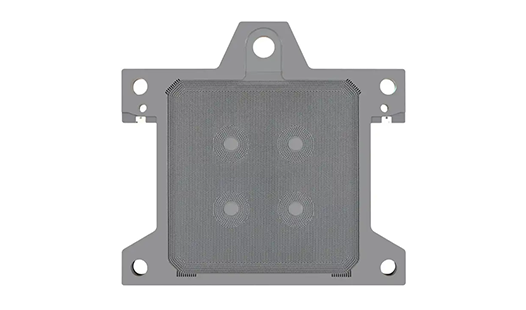
Common Problems with Filter Press Plates and How to Prevent Them
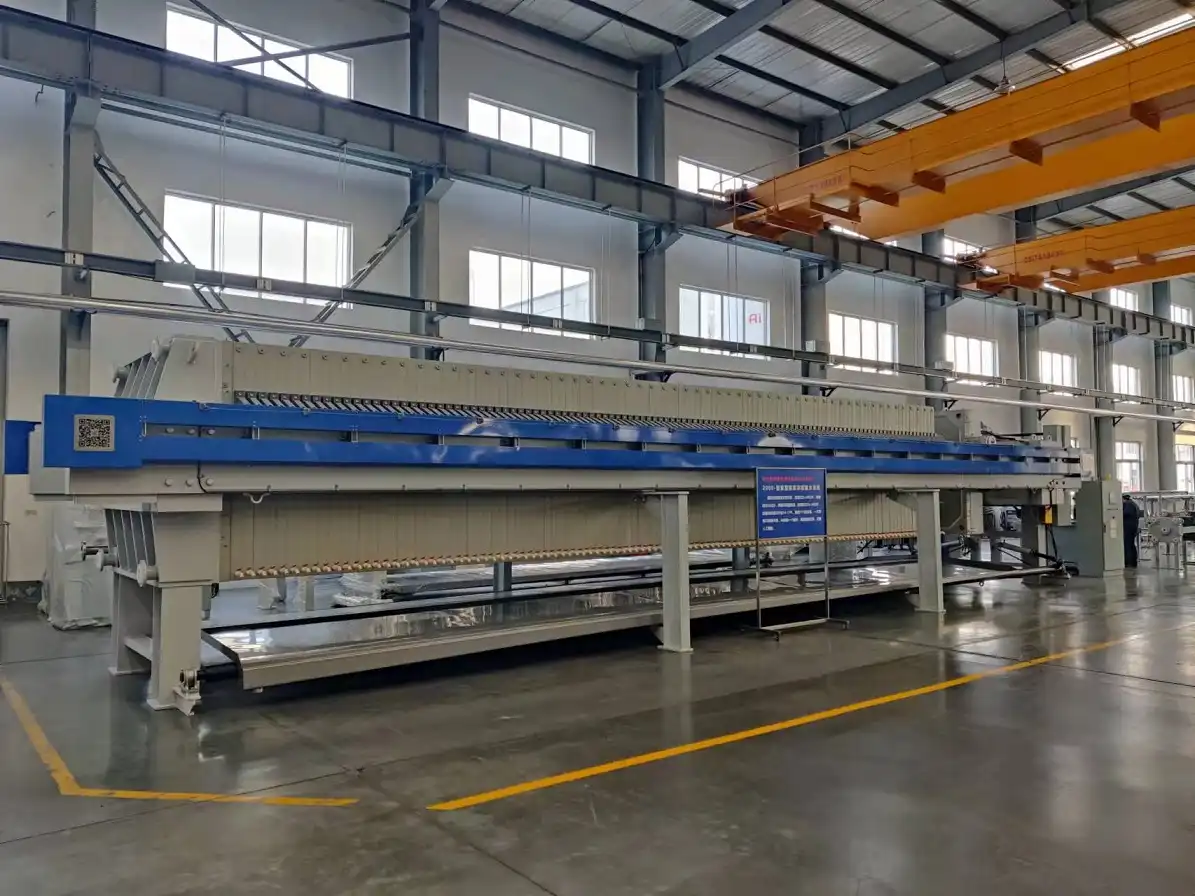
Energy Efficient Filter Press Design: Saving Costs in Industrial Filtration
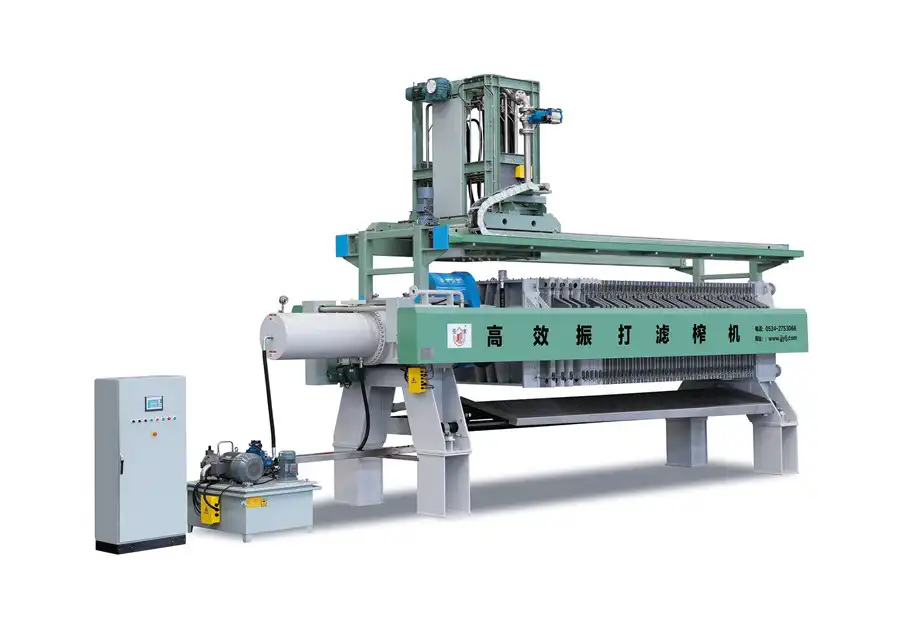
Top Maintenance Tips to Keep Your Filter Press Machine Running Smoothly
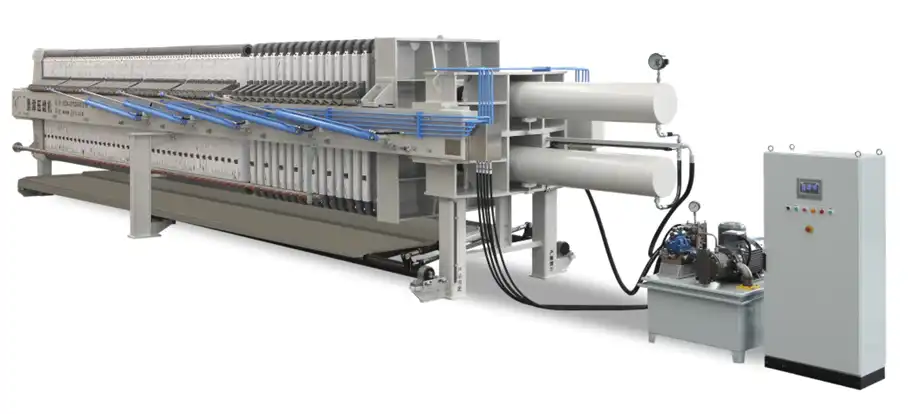
China Multi Disk Screw Press vs India: Cost & Performance 2026
Durable Screw Dewatering Machines for Mining: Features to Look For
Cost-Effective Filter Press Cloth Options for Wastewater Treatment