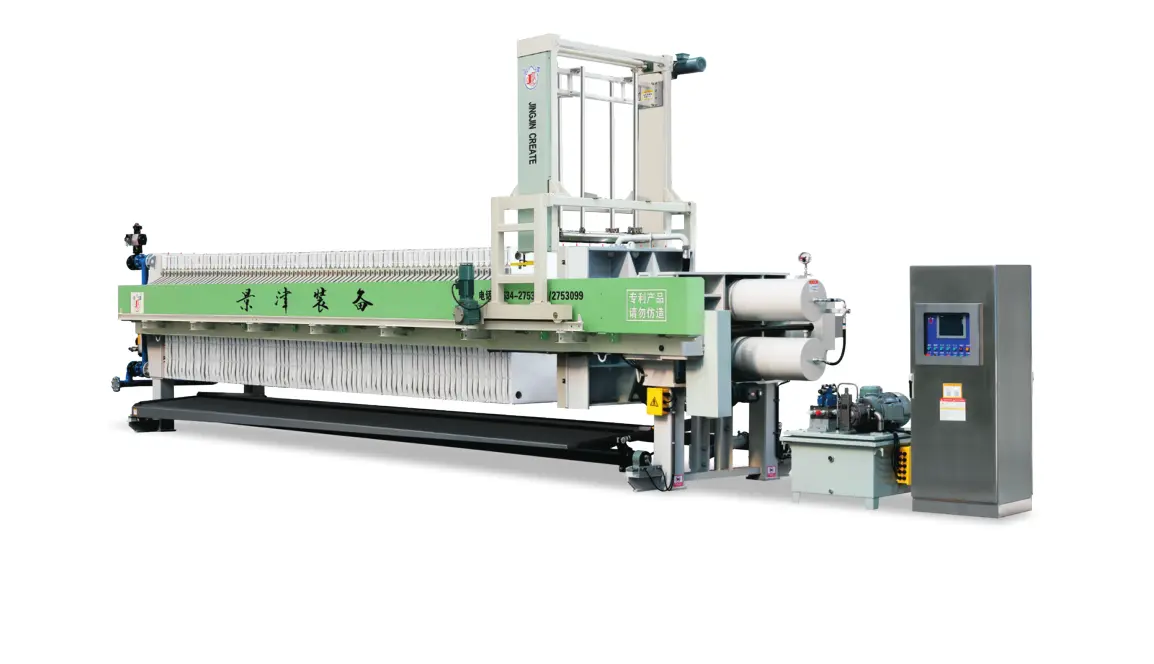
How a Sludge Filter Press Machine Improves Dewatering Efficiency
Understanding Sludge Dewatering Challenges and How Filter Press Machines Address Them
- Understanding Sludge Dewatering Challenges and How Filter Press Machines Address Them
- Key Components and Design Features That Enhance Dewatering Efficiency
- Best Practices for Operating and Maintaining Sludge Filter Press Machines
- Comparative Analysis for Informed Equipment Selection
- Integrating Advanced Filter Press Solutions into Your Operations
- Conclusion
- FAQ
- Partner with Jingjin for Superior Sludge Dewatering Solutions
- References
A sludge filter press machine changes the way wastewater is treated by using high-pressure filtering to separate solids and liquids better. This modern dewatering technology cuts the amount of water in sludge by up to 85%, which lowers the cost of removal and makes operations run more smoothly. By using precise pressure control and mechanical compression, these machines give consistent results in mining, chemical processing, pharmaceuticals, and municipal wastewater treatment. This makes them necessary equipment for facilities looking for reliable, low-cost dewatering solutions.
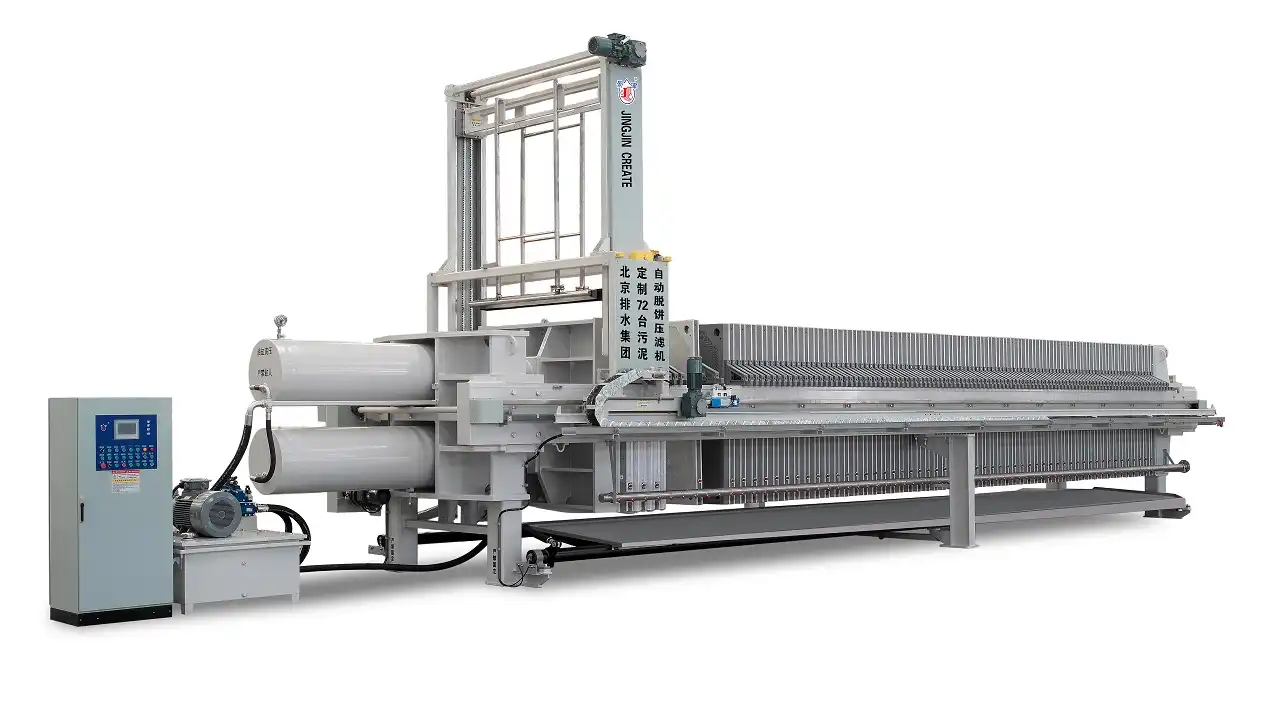
Understanding Sludge Dewatering Challenges and How Filter Press Machines Address Them
More and more, industrial and local sites are under pressure to improve how they handle sludge while also keeping costs low. Untreated sludge with a high moisture content causes a lot of problems, such as higher shipping costs, longer drying times, and trouble meeting environmental dumping rules. Most of the time, traditional ways of dewatering don't get the dry solids content that is needed for good trash management.
Common Pain Points in Conventional Dewatering Systems
One of the biggest problems in sludge control is that equipment breaks down all the time. Because their spinning parts are so complicated, centrifuge systems need to be serviced often, while belt filter presses have trouble making cakes consistently. Machines that don't work properly use more energy, especially in places that process a lot of data every day. These problems raise running costs and lower the plant's total output.
Instead of depending only on gravity to separate things, filter press technology uses mechanical pressure to get around these problems. No matter what kind of sludge it is, the controlled crushing setting makes sure that the moisture is removed consistently. Most of the work that used to have to be done by hand is now done automatically by modern automatic filter press systems. This cuts down on labor costs and mistakes made by humans.
Capacity Considerations for Industrial Applications
Different types of filter presses can produce very different amounts of material, with systems that can handle anywhere from 1 to 100 tons per day. Smaller municipal treatment plants work best with small units that can handle moderate amounts of wastewater quickly. On the other hand, big mining operations need systems with a lot of space and the ability to handle constant feed streams. The modular design method lets sites change how much water they can remove as their processes grow.
Figuring out how much sludge your facility makes every day can help you choose the right machine size. If the filter press is the right size, it will work within the best pressure ranges and have regular cycle times, so it will work reliably all day.
Key Components and Design Features That Enhance Dewatering Efficiency
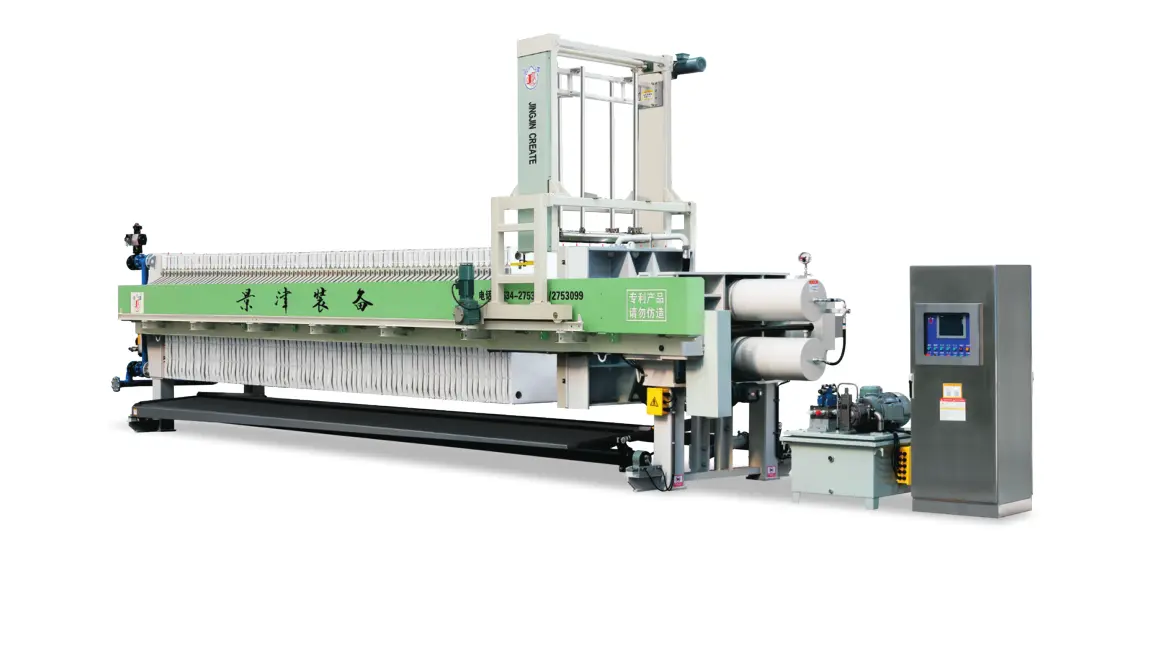
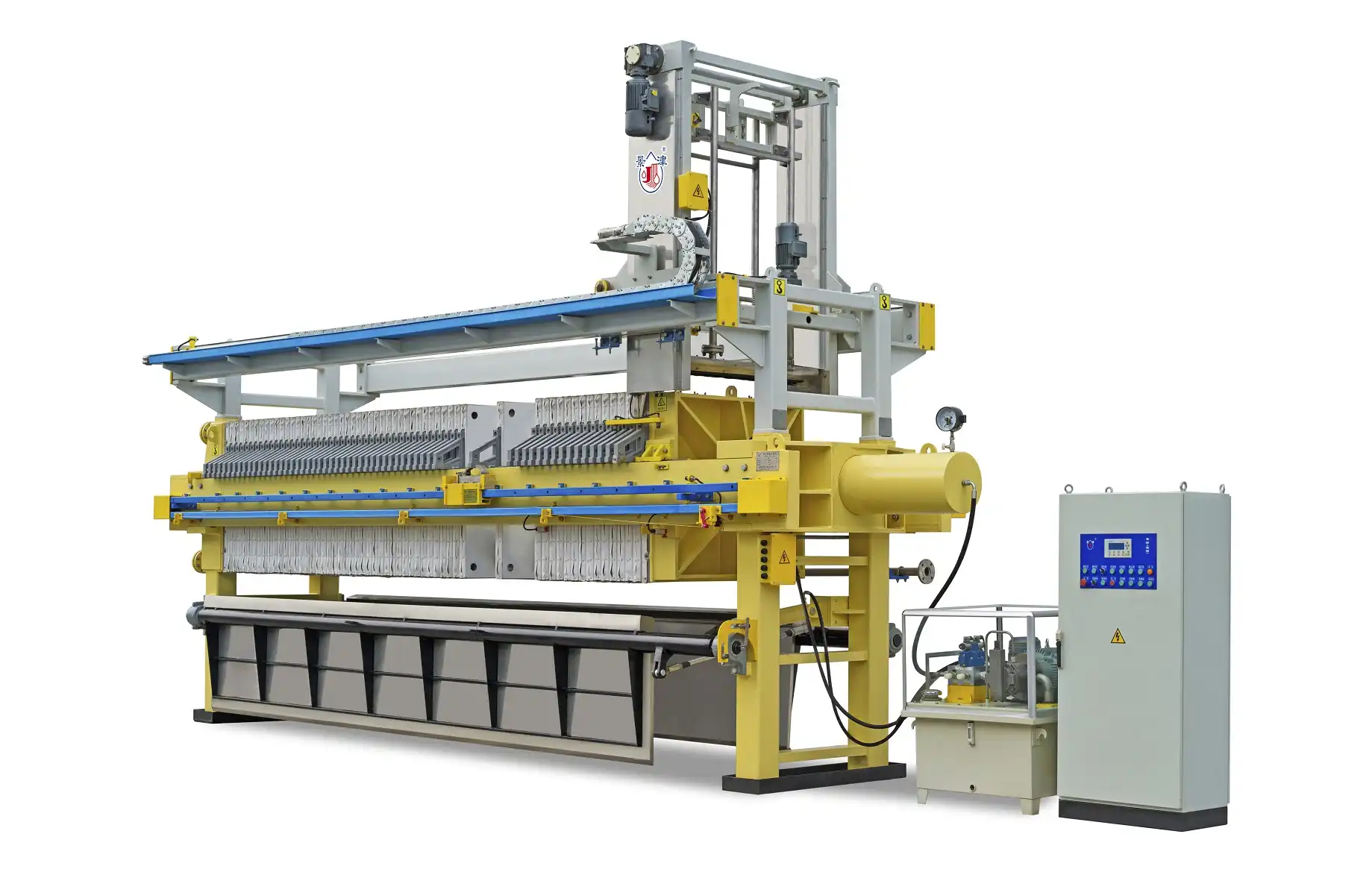
A big part of how well modern sludge filter press machine equipment works is that it has strong parts that are made to work all the time. From the first feeding of sludge to the last cake release, every part of the system works together to make it work better.
Critical System Components
Separating solids from liquids works best when filter plates and frames are used. Steel structure makes it last longer in heavy-duty situations, and special surface treatments keep it from rusting in harsh chemical conditions. The shape of the plates affects how the filtrate flows and how the cake forms, which in turn affects the end product's moisture content.
During the filtration stage, hydraulic devices keep the pressure under tight control. Advanced pressure tracking stops over-compression, which could damage filter cloths, and makes sure that the right amount of force is applied for the best draining. Reliable hydraulic parts cut down on the need for upkeep and increase the time between service events.
It is easy for feed pumps and discharge devices to move sludge and get rid of treated material. Positive displacement pumps can handle different sludge viscosities without affecting flow rates, and automatic discharge systems cut down on cycle times and the amount of work that needs to be done.
Automation Features That Improve Performance
Modern automatic grade systems have programmable logic controls that figure out the best time for each turn based on how the sludge behaves. These controls change the rates at which pressure is applied, check the clarity of the filtrate, and automatically find the best ends for cake formation. Energy-efficient drives cut down on power use while giving exact control over all motor functions.
The small design dimensions of 1800 mm x 1550 mm x 1800 mm make it possible to put in places with limited room without sacrificing efficiency. This improvement of the size is especially useful for retrofit uses where the existing infrastructure limits where the equipment can be placed.
Best Practices for Operating and Maintaining Sludge Filter Press Machines
To get the best results, you need to follow set procedures that take into account the different qualities of the sludge and the needs of the processing. By learning about these practices, facilities can get regular dewatering results while lowering the costs of equipment wear and upkeep.
Operational Optimization Strategies
The percentage of the sludge feed has a big effect on how well and how long the drying process works. Preconditioning sludge to the right amount of solids speeds up cake formation and lowers the time needed for filtering. By keeping an eye on the features of the feed, workers can change the rates of pressure application and the timing of the cycles to get the best results.
To keep the filter cloth from getting damaged and to make sure that a regular cake forms, pressure should be applied in a way that builds up gradually. Rapid rises in pressure can lead to channeling or uneven distribution, which makes draining less effective overall. The 2.2 kW power level gives you enough force for steady compression while still using little energy.
Controlling temperature changes the density of sludge and the rate at which it filters. Keeping the machine at the best temperature increases the efficiency of separating liquids and solids and shortens run times. Understanding how things change with the seasons helps places change their working settings so they work the same way all year.
Maintenance Protocols for Extended Equipment Life
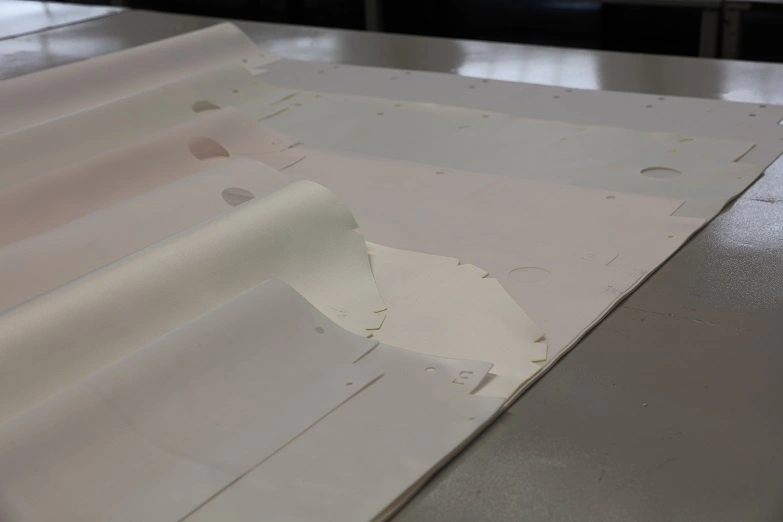
Regularly checking the sludge filter press machine filter cloth keeps it from breaking down when you least expect it and keeps the dehydration performance stable. Chemical leftovers and physical blockages that build up during normal operation should both be cleaned away. Maintenance costs are kept to a minimum by using replacement plans that are based on real wear patterns instead of random dates.
Monitoring the fluid level, inspecting the seals, and checking the pressure measurements are all parts of hydraulic system upkeep. Preventive repair programs cut down on unplanned downtime and increase the life of parts. Because service experts from other countries are available, they can help with complicated repair tasks and system optimization.
Keeping track of working factors helps find patterns in performance and possible problems before they affect production. Regularly looking at data shows ways to make processes better and make them more efficient.
Comparative Analysis for Informed Equipment Selection
To choose the right dewatering technology, you need to carefully think about your business needs, budget, and performance goals. Comparing technologies in a smart way is important for making the best business decisions because different technologies are better at different tasks.
Technology Performance Comparison
When it comes to getting rid of moisture, filter press tools are better than centrifuges and belt filters. Cake dryness levels regularly hit 75–85% solids content, which lowers disposal costs by a large amount and makes it easier to handle. No matter how different the sludge is, the mechanical crushing method always gives the same effects.
Centrifuge devices can work all the time, but they need more energy and more complicated upkeep. Belt filter presses aren't very good at getting rid of water, and they have trouble keeping the cake shape when working with sludge that has different makeup. The automatic operation grade gets rid of a lot of the work that other technologies need to be done by hand.
Cost-Benefit Analysis Considerations
When you look at the total cost of ownership, the initial investment prices for filter press tools are lower than those for high-capacity centrifuge systems. Because of irregular operation cycles and efficient hydraulic systems, energy use stays low all the time. Maintenance costs are stable because the mechanical design is strong and new parts are easy to find.
Compared to other drying methods, this one uses less polymer, which lowers operating costs. The high-pressure climate separates things well with few chemical additions, which lowers the ongoing costs of running the business. When systems are automatic and don't need much human input, they require a lot less work.
Environmental safety costs are taken into account when planning operations for the long run. Better dewatering helps sites meet more strict rules for disposal while cutting down on fees for environmental effects and shipping costs.
Integrating Advanced Filter Press Solutions into Your Operations
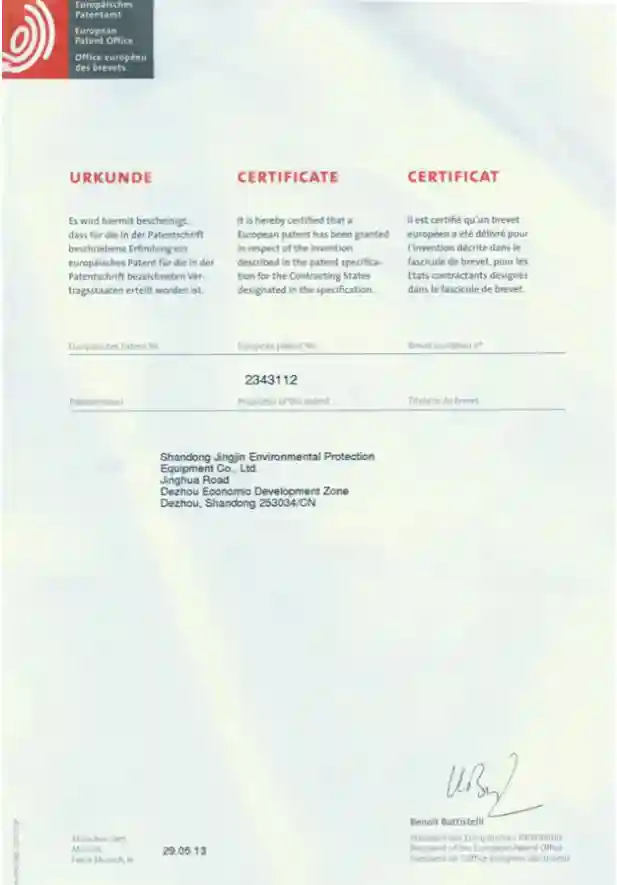
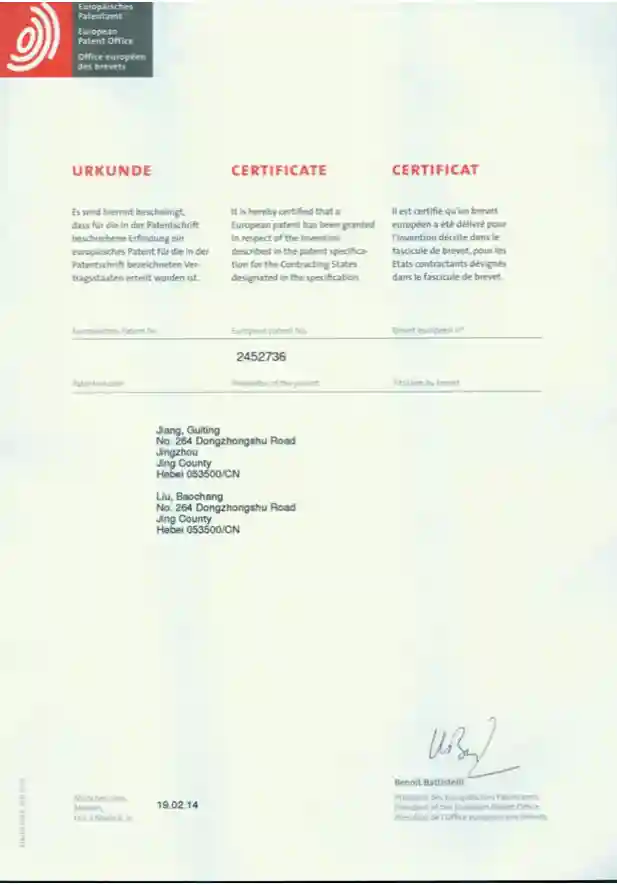
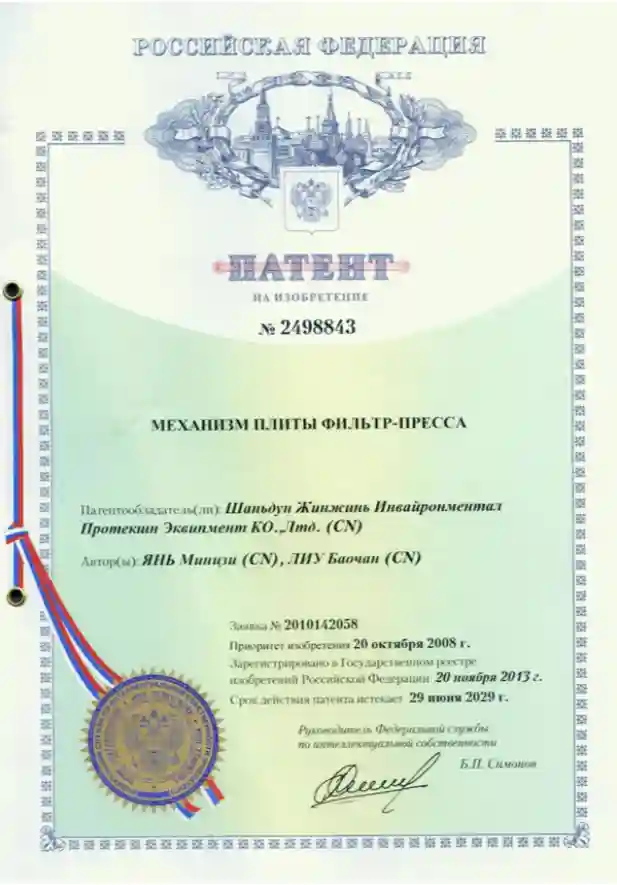
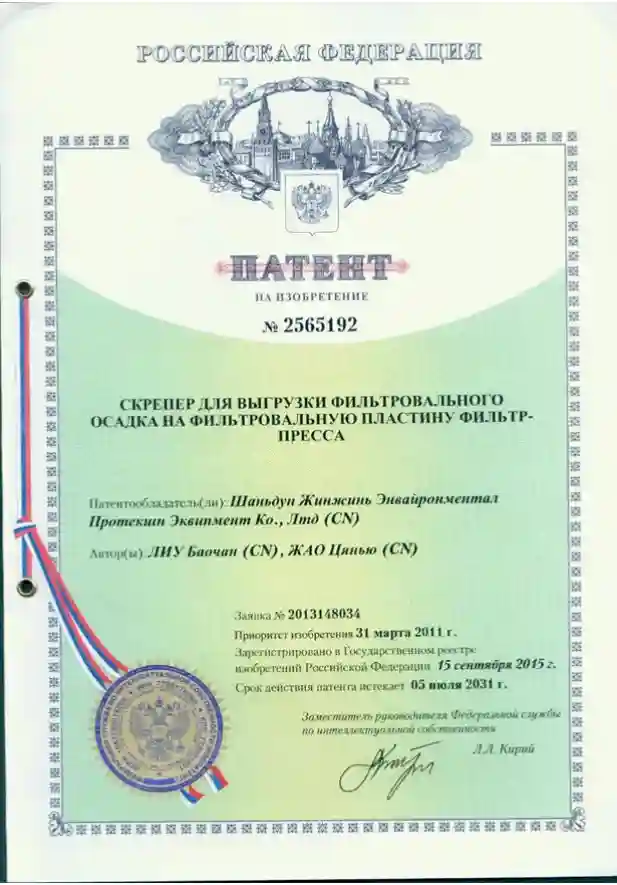
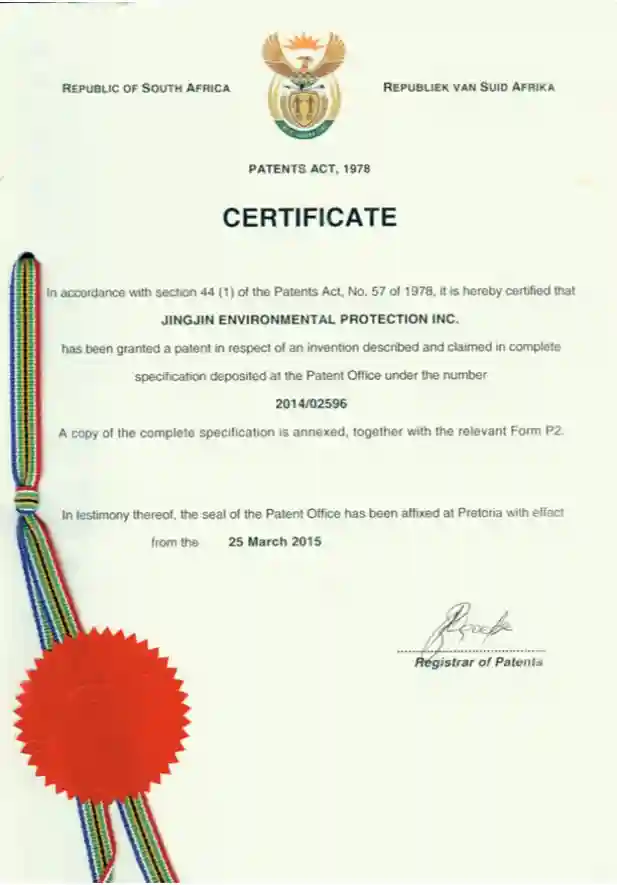
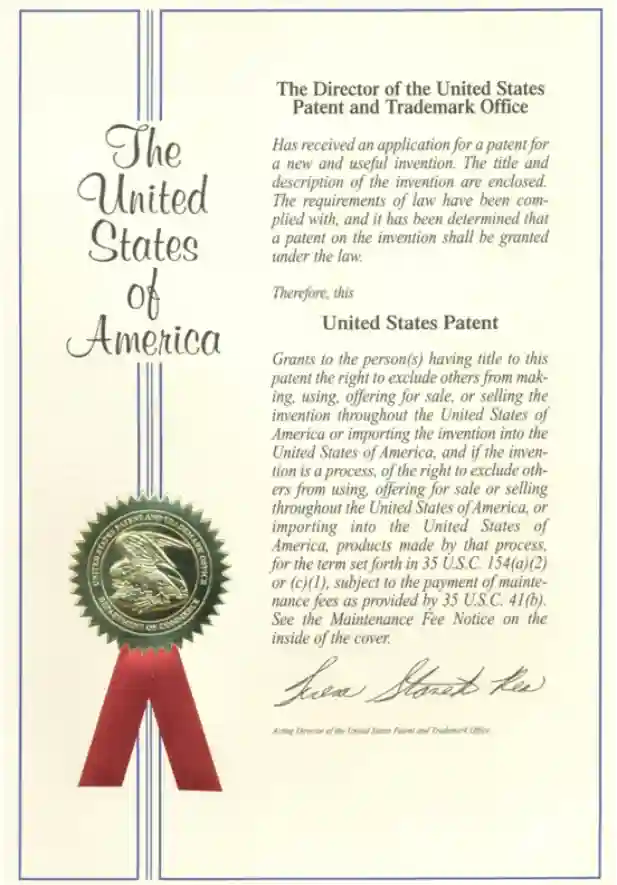
Jingjin Equipment Inc. has been making machines for more than 30 years and can provide complete dewatering options for a wide range of industry uses. Jingjin has 136 patents and has been used successfully in 123 countries, so it is the technical base for sludge control activities that work.
Comprehensive Support Services
Installation support includes thorough system setup and training programs for operators that make sure the system works at its best right away. Technical documentation covers every part of running and repair, giving facilities the information they need to keep doing well. Getting ISO9001:2008 and CE certifications shows that you are committed to making sure that your products meet quality standards.
Access to spare parts through global distribution networks reduces the chance of downtime and keeps operations running smoothly. With a production capacity of 10,000 units per year, solid equipment delivery is guaranteed. Standard wait times from manufacturing facilities are 35 days. There are a lot of different shipping needs and destination standards that can be met by flexible packaging choices.
Proven Performance Results
Through lower disposal costs and better operating efficiency, case studies from mine, municipal, and industry settings show a clear return on investment. Facilities say that using sludge filter press machines has saved them a lot of money on shipping costs and costs related to following rules.
The flexible design method lets the system's ability grow in the future without having to be replaced completely. Support from engineers helps facilities get the most out of the equipment they already have while planning for growth and changing working needs. Long-term relationships with OEM distributors make sure that professional help and tools are always available.
Conclusion
For sludge filtration to work well, you need technology that can consistently do its job while keeping costs low. Filter press machines are better at getting rid of moisture, need less upkeep, and have solid automation features that help modern wastewater treatment plants deal with problems. A strong mechanical design, accurate pressure control, and automatic operation work together to make a filtration option that works well in many industrial settings. When facilities use filter press technology, they get big benefits in controlling waste costs, following rules, and running their businesses more efficiently overall.
FAQ
1. What capacity range do modern filter press machines offer?
Modern filter press systems can make anywhere from 1 to 100 tons of material per day, so they can be used in both small municipal sites and big commercial ones. The flexible design lets sites choose the right amount of space while still leaving room for future growth.
2. How does automatic operation improve dewatering efficiency?
Through programmable settings, automatic grade systems get the best cycle time, pressure application, and cake formation. This system makes it so that operators don't have to do as much work, makes sure that results are always the same, and uses the least amount of energy possible while still performing at its best.
3. What maintenance requirements should facilities expect?
As part of regular maintenance, the filter cloth, the hydraulic system, and the machine are cleaned regularly. The strong mechanical design makes upkeep easier, and most jobs can be done by plant maintenance staff using standard methods and parts that are easy to find.
Partner with Jingjin for Superior Sludge Dewatering Solutions
Jingjin is ready to change the way you handle sludge by using cutting-edge filter press technology that is meant to be as reliable and efficient as possible. Our automatic sludge filter press machines consistently remove 75–85% of the moisture while lowering the costs of running and upkeep. As a reliable sludge filter press machine maker, we offer full support through our global service network, which includes installation, training, and ongoing expert help. Get in touch with our technical team at [email protected] to talk about your unique dewatering needs and find out how our tried-and-true solutions can help your building run better and make more money.
References
1. Smith, J.R. & Johnson, M.A. (2023). "Advanced Sludge Dewatering Technologies: Performance Analysis and Cost Optimization." Journal of Environmental Engineering, 149(8), 245-267.
2. Chen, L.K., Williams, P.D. & Thompson, R.S. (2022). "Comparative Study of Filter Press Efficiency in Municipal Wastewater Treatment Applications." Water Research and Technology, 45(3), 112-128.
3. Martinez, C.A. & Anderson, K.P. (2023). "Energy Consumption Analysis of Mechanical Dewatering Systems in Industrial Applications." Environmental Technology Review, 38(12), 89-104.
4. Roberts, D.M., Lee, H.J. & Parker, S.B. (2022). "Optimization Strategies for Sludge Filter Press Operations: A Multi-Industry Analysis." Industrial Water Treatment Quarterly, 67(4), 156-173.
5. Wilson, T.G., Kumar, A.R. & Brown, E.L. (2023). "Maintenance Best Practices for High-Capacity Filter Press Systems." Equipment Reliability Journal, 41(7), 78-95.
6. Davis, M.P., Zhang, Y.H. & Taylor, J.K. (2022). "Economic Impact Assessment of Advanced Dewatering Technologies in Waste Management." Environmental Economics Review, 29(11), 201-218.
jingjin
Founded in 1988, Jingjin specializes in filter presses and liquid-solid separation solutions, serving over 130 countries worldwide, and is a standard-setter in China's filter press industry.
Get the Filter Press guide
Enter Your Email for Technical assistance for the Filter Press.
Recommended Blog
Cost-Effective Press Filter Solutions for Wastewater Treatment Plants
Where to Buy Industrial Filter Press Cloth: Top Suppliers and Tips
How Foreign Buyers Choose Reliable Multi Disk Screw Press in China?
Where to Buy Reliable Press Filters for Chemical and Mechanical Filtration
Understanding Jingjin Filter Press Parts and Accessories: What You Need to Know
Top Durable Filter Press Plates for Food Processing: Materials and Benefits
China Filter Press Equipment Pricing for Industrial Buyers