What Is a Membrane Plate Filter Press and How Does It Work? A Complete Guide
What Is a Membrane Plate Filter Press and How Does It Work? A Complete Guide
Understanding the Membrane Plate Filter Press
Elastic membranes are put between the filter plates and filter cloth in a membrane plate filter press, which is an improved way to separate solids from liquids. There are two steps to this complex filtration system: first, there is filtration, and then there is squeeze filtration, in which a high-pressure fluid or air medium expands the membrane to squeeze the filter cake even more. The membrane plate filter press is better at dewatering than regular chamber filter presses. This makes it an important piece of equipment for businesses that need to separate solids and liquids efficiently and save money on disposal costs.
Understanding the Membrane Plate Filter Press
Modern industrial processes need filtration systems that work well and keep costs low while increasing output. As a revolutionary step forward in solid-liquid separation technology, the membrane plate filter press is a big step up from standard filtration methods.
Core Components and Design Features
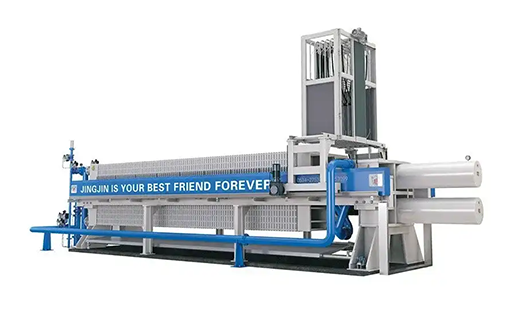
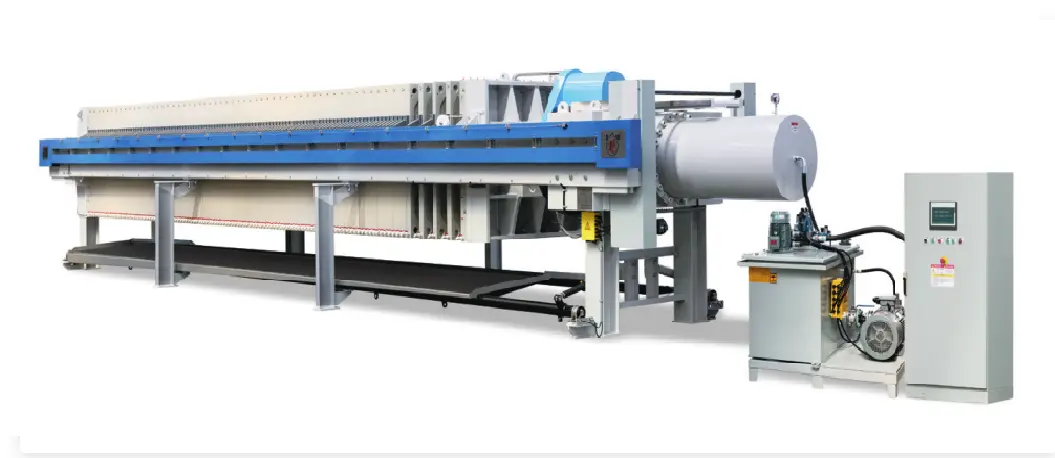
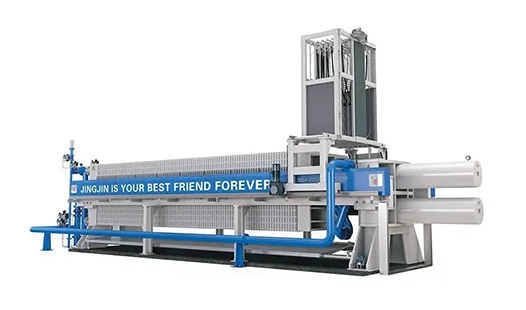
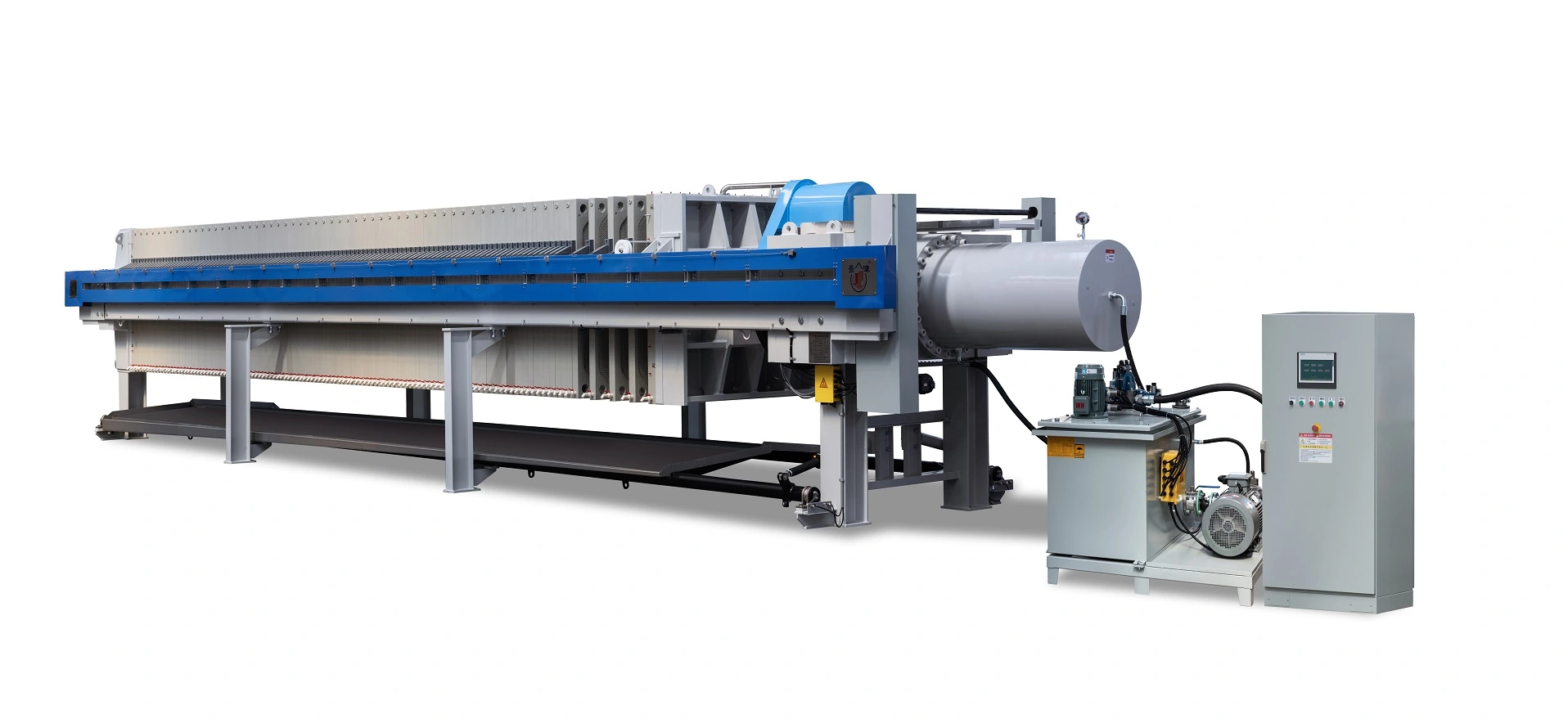
The membrane plate filter press is made up of several important parts that work together to provide excellent filtering. The base is made of a strong steel frame that has a feed table with a filtrate exit, a hydraulic system with a locking cylinder, support beams, and special membrane filter plates with filter cloth built in.
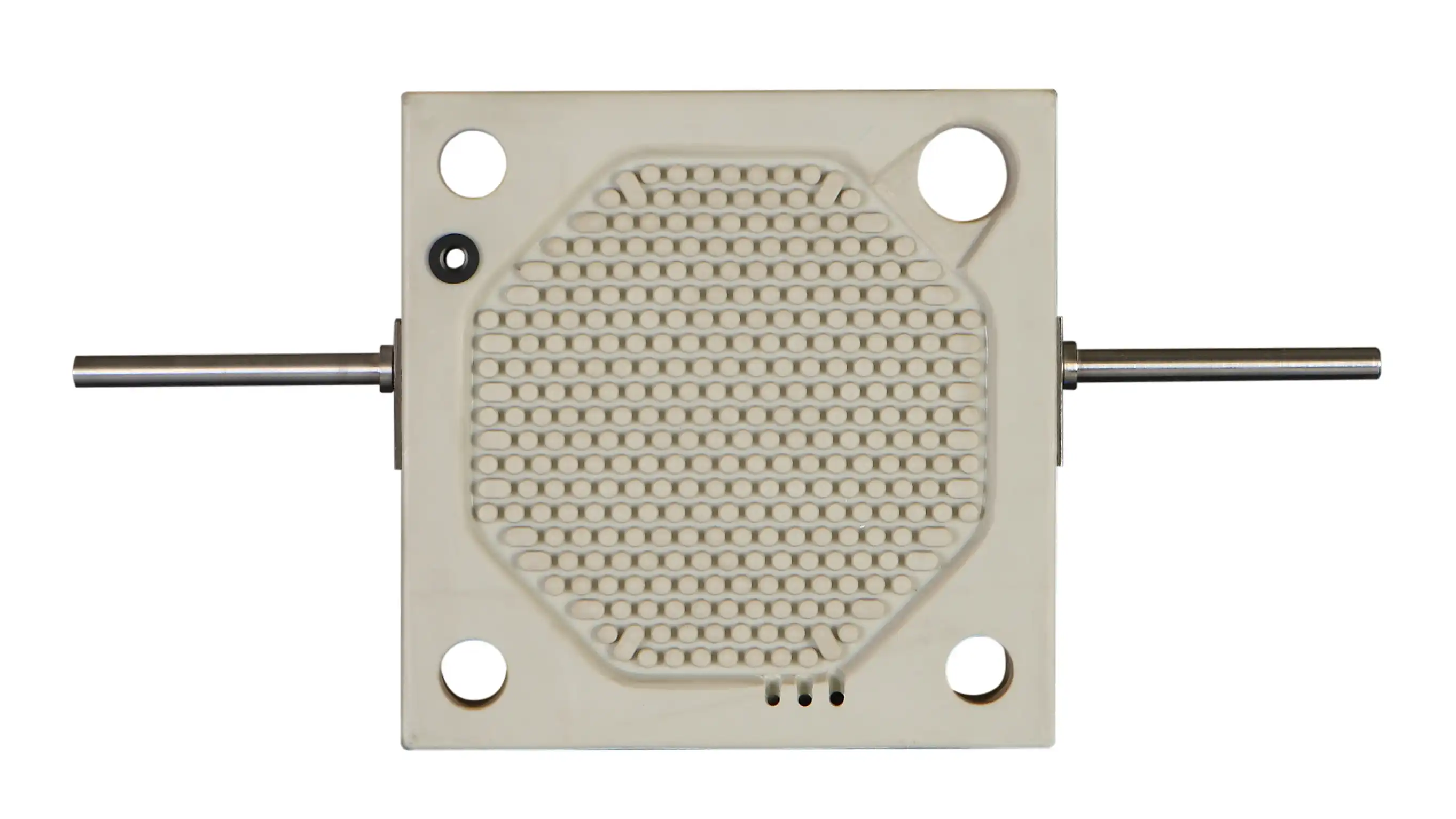
On both sides of each membrane plate filter press are elastic membranes that make spaces that can be pressurized while they are in use. The main materials used to make these membranes are polypropylene (PP), synthetic rubber mixtures like NBR and EPDM, or thermoplastic elastomers (TPE). For example, PVDF is an advanced material that can fight chemicals better and may be needed in certain situations.
With plate cutouts ranging from 15 to 50 mm to suit different filter cake thicknesses, the modular design approach lets you make changes based on your specific filtration needs. This adaptability guarantees the best performance in a wide range of industrial settings while keeping the structure strong under high pressure.
Operating Principles and Technology Advantages
The membrane filtration method has different steps that work together to get rid of as much water as possible. In the first step of filtration, slurry goes into the filter chambers, where solids stick to the filter cloth and filtrate flows through. After the feeding is done, high-pressure medium is injected into the membrane chambers to start the squeeze filtering phase.
When this happens, the pressure makes the stretchy membranes bulge inward, which puts more mechanical pressure on the filter cake that has built up. The increased compression cuts down on moisture content much more than regular chamber filter presses can. This two-step process makes the filter cakes drier, lowers the amount of waste that needs to be thrown away, and lowers the cost of transporting it.
Another big benefit is that the membrane technology cuts down on total cycle times while improving solid content recovery, which saves energy. The improved dewatering ability directly saves money on running costs by lowering the cost of handling and getting rid of waste.
Applications and Performance Evaluation
Industry sites in a number of different fields have seen how useful membrane plate filter press technology can be. It is because of their flexibility and efficiency that these systems are perfect for difficult separation tasks.
Industrial Applications Across Sectors
Membrane plate filter press technology is very helpful for chemical processing, especially when working with pigments, dyes, caustic soda, and other specific chemicals. The materials are immune to corrosion, and the shapes can be changed to fit harsh chemical environments while still meeting performance standards.
Another big area of use is in mining and mineral processing, where strong, large systems are needed for draining tailings and processing concentrates. The improved dewatering ability greatly reduces the amount of tailings, which helps with environmental compliance and lowers the cost of disposal.
Municipal and industrial sludge dewatering is done by membrane filter presses in wastewater treatment plants, which get the filter cake moisture level below 60%. This level of performance lets dewatered sludge be burned directly, turning waste into energy resources and getting rid of the need to put garbage in landfills.
The pharmaceutical and food processing industries like the sanitary design choices and material compatibility that ensure the purity of the product and that it meets all the rules. The gentle handling keeps the quality of the product high while getting the required separation efficiency.
Performance Metrics and Comparative Analysis
To judge the performance of a membrane filter press, you need to know the key measures that affect how efficiently the machine works. Depending on the application and working conditions, processing capacity per unit area is usually 20 to 40 percent higher than with regular filter presses.
The biggest performance benefit is less moisture in the filter cake. Membrane technology can get moisture levels two to three percentage points lower than chamber filter presses. Because less waste needs to be thrown away and less needs to be transported, this change saves a lot of money.
Cycle time optimization helps increase output because faster dewatering cuts down on the total time needed to process each batch. Compared to vacuum filters or centrifuges, this separation technology is more productive because it runs faster and dries the cake more completely.
Operating Procedures and Maintenance Tips
For a membrane plate filter press to work well, it needs to be used according to set processes and with regular maintenance. Knowing these operational details will help your tools work better and last longer.
Step-by-Step Operating Procedures
The first step in getting equipment ready is to carefully check the integrity of the membrane, the state of the filter cloth, and the functionality of the hydraulic system. When plates are properly aligned and closed securely, they shut perfectly during pressurized operations.
The filter cycle starts with feeding the slurry at a controlled pressure and flow rate that is right for the material. Checking the cleanliness of the filtrate helps figure out when the first round of filtration is complete, which means it's time to activate the membrane squeeze.
When membranes are pressurized, they need to be carefully controlled so that too much pressure doesn't damage the filter cloth or the cake's structure. Squeeze pressures usually fall between 0.8 and 1.6 MPa, but this depends on the material and how much moisture is to be removed.
Depressurizing, opening the plate, and carefully removing the cake are all steps in the cake release process. Automated discharge systems make things run more smoothly, require less human labor, and make the workplace safer.
Preventive Maintenance and Troubleshooting
As part of regular maintenance, the membrane should be checked for harm or wear, the hydraulic system should be checked, and the filter cloth should be replaced based on how often it is used. Periods of preventive maintenance usually run from once a week to every three months, when the whole system is checked out.
Some common problems that need to be fixed are membrane leaks, uneven cake formation, and lower filtrate quality. Taking care of these problems right away keeps tools from breaking and keeps operations running smoothly. The most important maintenance job is replacing the membrane, which needs to be done correctly to ensure the seal stays intact and the system works consistently.
Documenting operational factors and maintenance tasks helps with efforts to improve performance and gives useful information for analyzing performance trends. This methodical approach makes it possible to keep improving the dependability and efficiency of the filtration system.
Procurement Guide for Membrane Plate Filter Press
To choose the right membrane plate filter press equipment, you need to carefully look at the technical specs, the supplier's skills, and the total cost of ownership. By understanding these factors, you can make smart purchasing choices that meet operational needs and stay within your budget.
Technical Specification Requirements
The first step in figuring out capacity is to look at real processing volumes, times of peak demand, and predictions for future growth. When choosing the right size membrane filter press, manufacturers usually look at how much filtration area is needed, how much hydraulic power is available, and how to best use cycle time to meet production goals.
The choice of material is based on how well it works with other chemicals, the temperature range it needs to work in, and the rules it has to follow. Standard materials work well for most uses, but for certain environments, you may need better membrane materials or construction choices that don't rust.
Another important thing to think about when making a specification is the amount of automation, which can range from systems that are operated by hand to fully automated ones with built-in control systems. Higher levels of automation make things more consistent and lower the need for workers, but they also need more money to be spent on control infrastructure.
Supplier Evaluation and Selection Criteria
Leading manufacturers have different skills and areas of expertise that appeal to different groups of people. Global providers like Evoqua focus on wastewater applications for cities, while Metso focuses on solutions for mining and heavy industry. ANDRITZ has a lot of experience with both general industrial filtration and uses that use pulp and paper.
Over 136 patents back up Jingjin Equipment Inc.'s full range of filtration options. The company has been helping customers in 123 countries since 1988. The company's large manufacturing capacity and "full ecosystem" method offer complete solutions, from the initial design phase to ongoing service support.
When evaluating service capability, it's important to look at things like the availability of technical help, the ease of getting spare parts, and maintenance training programs. No matter where the site is located, responsive support is guaranteed by global service networks. On the other hand, local service capabilities cut down on response times and support costs.
Support for installation and commissioning varies a lot between providers, which affects project timelines and the success rate of startup. As part of full installation services, experts help prepare the spot, watch as the equipment is set up, and test its performance to make sure it is ready for use.
Conclusion
When it comes to separating solids from liquids, membrane plate filter press technology is a big step forward and works better than traditional filtration methods. These systems are necessary for modern industrial operations because they improve environmental compliance, make dewatering more efficient, and lower running costs. Knowing how it works, what it needs to be used for, and how to buy it lets you make an informed choice that gets you the best return on your investment while still meeting your filter goals. The technology has been used successfully in many different types of businesses, showing that it can handle difficult separation needs and help with environmentally friendly operations.
FAQ
Q1: What maintenance schedule ensures optimal membrane filter press performance?
Regular maintenance intervals should include weekly visual inspections of membrane integrity and filter cloth condition, monthly hydraulic system checks, and quarterly comprehensive evaluations. Membrane replacement typically occurs every 12-18 months, depending on operating conditions, while filter cloth replacement varies based on material characteristics and usage intensity.
Q2: How does membrane technology differ from conventional chamber filter press operation?
The key difference lies in the two-stage filtration process, where conventional chamber presses rely solely on pressure differential for dewatering. Membrane systems add a squeeze phase using pressurized membranes to compress filter cake further, achieving 2-3 percentage points lower moisture content and significantly improving solid content recovery rates.
Q3: What safety considerations apply when processing hazardous materials?
Processing hazardous materials requires appropriate containment systems, explosion-proof electrical components where necessary, and specialized materials for chemical compatibility. Proper ventilation systems, emergency shutdown procedures, and operator training programs ensure safe operation while maintaining regulatory compliance requirements.
Partner with Jingjin for Advanced Membrane Filtration Solutions
Jingjin Equipment Inc. delivers proven membrane plate filter press technology backed by extensive industry experience and global service capabilities. Our engineering team provides customized solutions that optimize dewatering performance while reducing operational costs across diverse industrial applications. Contact our membrane plate filter press manufacturer team at [email protected] to discuss your specific filtration requirements and discover how our advanced systems can enhance your separation processes. We offer comprehensive technical consultations, competitive quotations, and complete project support from initial design through long-term maintenance, ensuring maximum return on your filtration investment.
References
1. Smith, J.A. & Johnson, K.L. (2023). "Advanced Membrane Filtration Technologies in Industrial Applications." Journal of Separation Science and Technology, Vol. 45, No. 3, pp. 234-251.
2. Wilson, R.M. (2022). "Comparative Analysis of Filter Press Technologies for Wastewater Treatment." Industrial Water Treatment Magazine, Vol. 38, No. 7, pp. 112-128.
3. Chen, L.P. & Rodriguez, M.S. (2023). "Membrane Technology Advances in Solid-Liquid Separation Processes." Chemical Engineering Progress, Vol. 119, No. 4, pp. 67-84.
4. Thompson, D.K. (2021). "Economic Evaluation of Membrane Filter Press Systems in Mining Applications." Mining Engineering Journal, Vol. 73, No. 9, pp. 45-62.
5. Anderson, P.B. & Williams, T.J. (2022). "Operational Optimization Strategies for Industrial Filter Press Systems." Process Engineering and Technology Review, Vol. 29, No. 6, pp. 189-205.
6. Kumar, S.V. & Brown, A.R. (2023). "Environmental Benefits of Advanced Dewatering Technologies in Industrial Waste Management." Environmental Engineering Science, Vol. 40, No. 8, pp. 298-315.
jingjin
Founded in 1988, Jingjin specializes in filter presses and liquid-solid separation solutions, serving over 130 countries worldwide, and is a standard-setter in China's filter press industry.
Get the Filter Press guide
Enter Your Email for Technical assistance for the Filter Press.
Recommended Blog
Where European Distributors Source Press Filter from China?
Why African Municipalities Choose China Dewatering Press Machines?
How to Choose the Best Feed Pump for Filter Press in Water Treatment
Why Vietnam Factories Prefer China Membrane Plate Filter Press?
Essential Maintenance Tips for Press Filters in Industrial Plants