Energy Efficient Filter Press Design: Saving Costs in Industrial Filtration
Energy Efficient Filter Press Design: Saving Costs in Industrial Filtration
Understanding Energy-Efficient Filter Press Design
- Understanding Energy-Efficient Filter Press Design
- Identifying Energy Waste and Cost Drivers in Conventional Filter Presses
- Optimizing Filter Press Performance for Energy Savings
- Choosing the Right Energy-Efficient Filter Press for Your Industry Needs
- Implementing Energy Efficient Filter Press Systems: Benefits and ROI
- Conclusion
- FAQ
- Partner with Jingjin for Industry-Leading Filtration Solutions
- References
Rising operational costs and stricter environmental standards are pushing industrial facilities to rethink their solid-liquid separation strategies. Energy-efficient filter press designs deliver measurable savings by reducing electricity consumption, shortening cycle times, and lowering maintenance burdens. Modern pressure filtration systems integrate automated controls, lightweight materials, and smart monitoring technologies to minimize energy waste while achieving drier cakes and higher throughput. By selecting optimized dewatering equipment, operations managers can cut disposal expenses, meet compliance targets, and improve bottom-line profitability across wastewater treatment, mining, chemical processing, and construction applications.
Understanding Energy-Efficient Filter Press Design
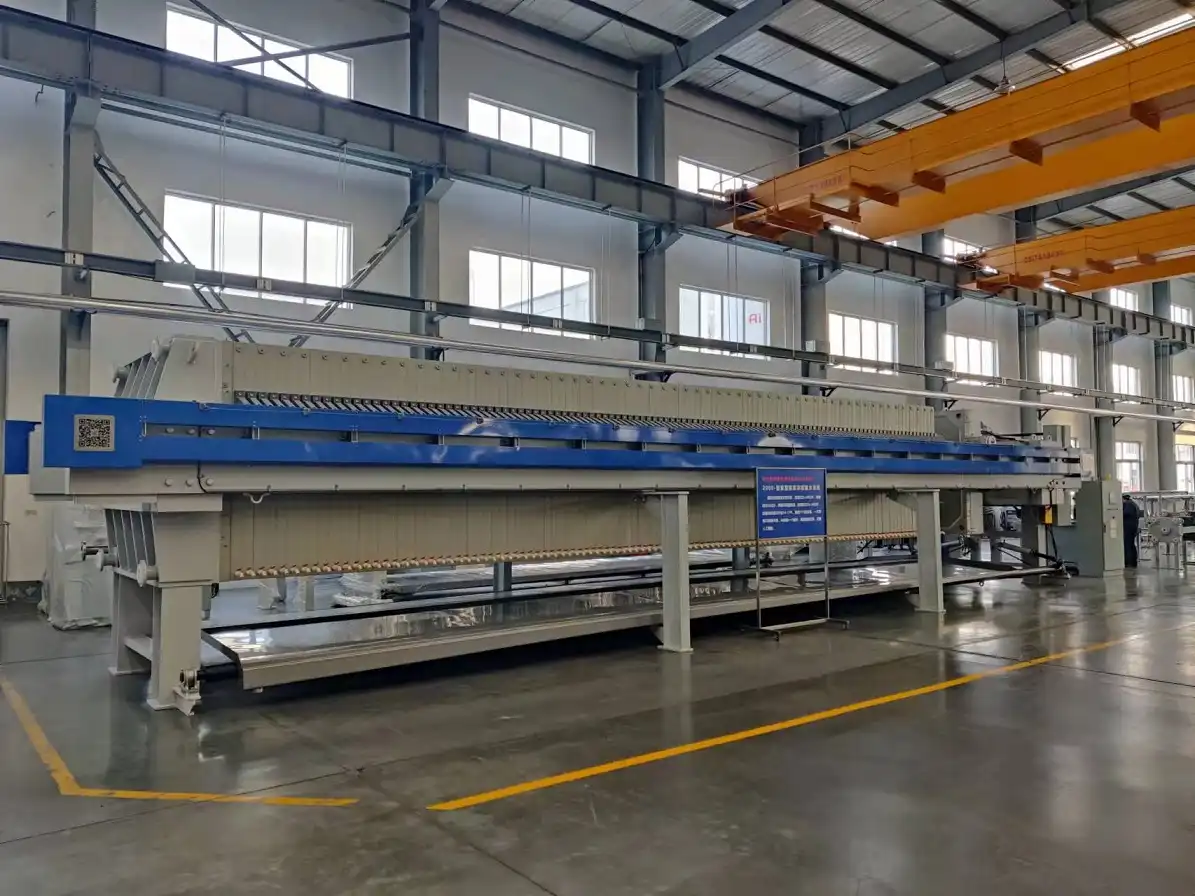
Solid-liquid separation is essential to many industrial processes, and the filter press is one of the most dependable mechanical devices. Understanding how these systems function and what makes a design energy efficient helps procurement and process engineers make better investments.
How Filter Presses Separate Solids from Liquids
Stacks of filter plates or frames and filter cloths generate chambers in a filter press. Upon pumping slurry into these chambers, liquid flows through the cloth medium, and particles form a filter cake. The batch process continues until the chambers are filled, then the press releases the cake. Clarified filtrate and drier solid residue are ready for disposal or processing.
Core Components That Impact Energy Consumption
Three factors drive pressure filtration energy use. Each cycle, hydraulic systems use power to shut and retain plates. More hydraulic power is needed for heavier filter plates and frames, which affect cycle time. Filter cloth quality affects cake release and cycle time; bad media selection increases pump effort. Variable-speed hydraulic pumps,
Energy Profiles: Filter Presses Versus Centrifuges and Vacuum Filters
Centrifuges separate continuously but require a lot of power and may struggle with certain slurries. The lower pressure differentials of vacuum filters press restrict cake dryness and require further dewatering. Pressure filtering produces the industry's driest cakes—often below 20% moisture—by applying mechanical force directly to the slurry, reducing downstream energy demands for heat drying or repetitive handling.
Identifying Energy Waste and Cost Drivers in Conventional Filter Presses
Legacy equipment wastes energy at many businesses without their owners' understanding it. Finding these inefficiencies in the filter press is the first step to cutting costs.
Long Cycle Times and Incomplete Dewatering
Long filtering cycles slow equipment and increase electricity use per throughput. Incomplete dewatering leaves cake moisture, requiring longer cycles or further drying. Both situations raise energy costs and restrict system capacity, bottlenecking high-volume applications.
Hydraulic Inefficiencies and Pump Overwork
Even with half force, older hydraulic systems without variable-speed controls run at full capacity. Pumps must cycle to maintain closing pressure due to leaking seals and old cylinders. This persistent overwork increases kilowatt-hour consumption and component deterioration, causing unanticipated maintenance and production disruptions.
Real-World Cost Impact: A Municipal Wastewater Case
Mid-sized treatment plant with a 15-year-old plate-and-frame system averaged 180 minutes cycle durations and cake moisture exceeding 28%. Due to high residual water content, sludge transport and disposal fees surpassed $210,000, while hydraulic operation and feed pump energy costs exceeded $47,000. A payback period of under three years was achieved after upgrading to an energy-optimized automated membrane system, which reduced cycle time to 95 minutes, moisture to 18%, and energy and disposal expenses by 34%.
Optimizing Filter Press Performance for Energy Savings
Superior energy efficiency requires more than buying the correct equipment. Optimization of the filter press through design, maintenance, and digital technologies maintains asset performance over time.
Automated Control Systems and Cycle Optimization
Real-time programmable controllers on a filter press machine alter cycle parameters based on feed pressure, filtrate flow, and cake thickness. Systems on the filter press machine minimize wasting energy pumping against a completely formed cake by stopping filling when the flow drops below a threshold. Auto-plate shifting and cake discharge on the filter press machine eliminate idle time between cycles, increasing throughput without power consumption.
Lightweight, Durable Materials That Reduce Power Draw
High-strength polymer and composite plates weigh less than cast iron, reducing hydraulic force for closing. Reduced bulk also prolongs seal life and frame component wear. Corrosion-resistant materials minimize the need for heavy, maintenance-intensive protective coatings, simplifying operation.
IoT-Enabled Smart Monitoring for Predictive Insights
Internet-connected sensors send vibration, temperature, pressure, and flow data to cloud platforms using machine learning. Teams may arrange repairs during scheduled downtime rather than emergency shutdowns, thanks to predictive maintenance alerts that predict component failures days or weeks in advance. Real-time dashboards show energy use across presses, identifying underperformers and proving retrofit ROI.
Choosing the Right Energy-Efficient Filter Press for Your Industry Needs
No design fits all uses. Energy savings and operational dependability are maximized by matching filter press capabilities to slurry properties, throughput requirements, and budget restrictions.
Tailoring Equipment to Sludge Dewatering and Industrial Filtration
Municipal wastewater plants target stability and low moisture to reduce landfill tipping expenses. Mining requires high-pressure systems that handle abrasive tailings without plate wear. Chemical companies need corrosion-resistant materials and explosion-proof electrical enclosures for volatile slurries. Contractors want transportable, high-capacity versions that handle site-generated mud fast.
Evaluating Leading Brands and Energy Efficient Models
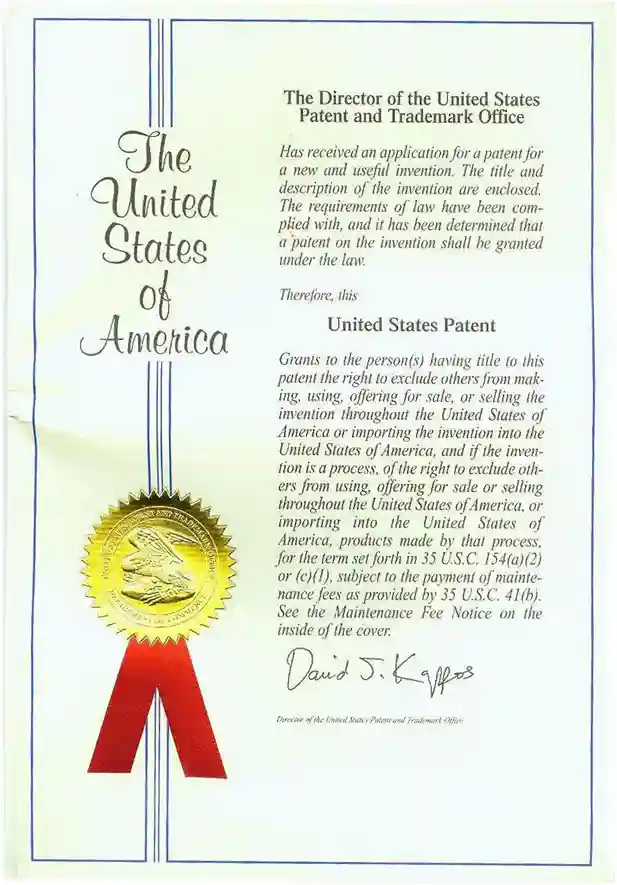
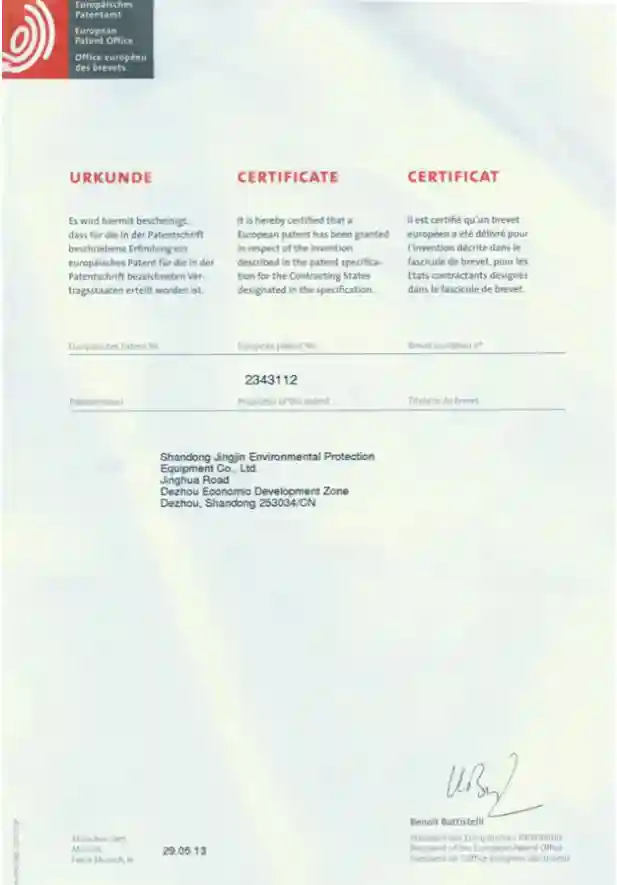
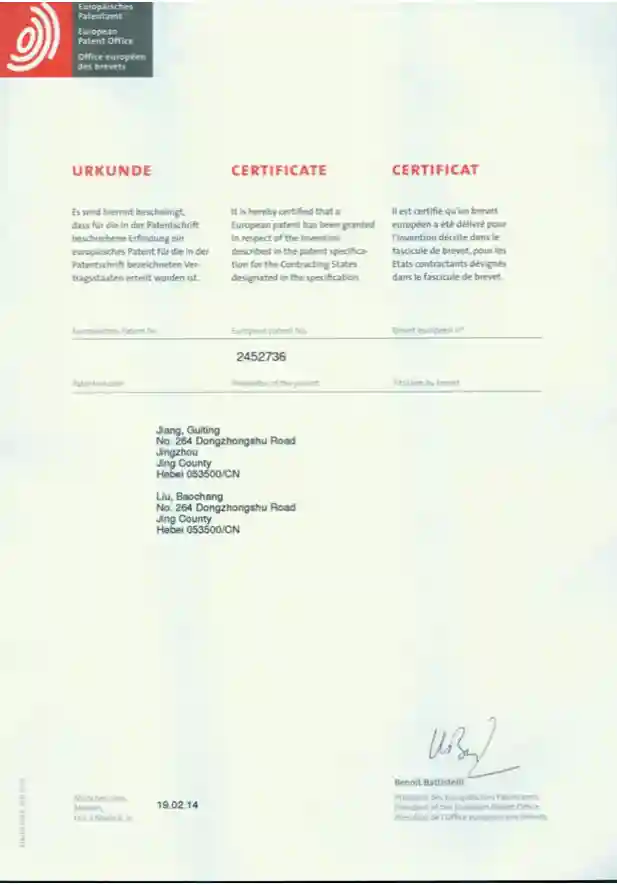
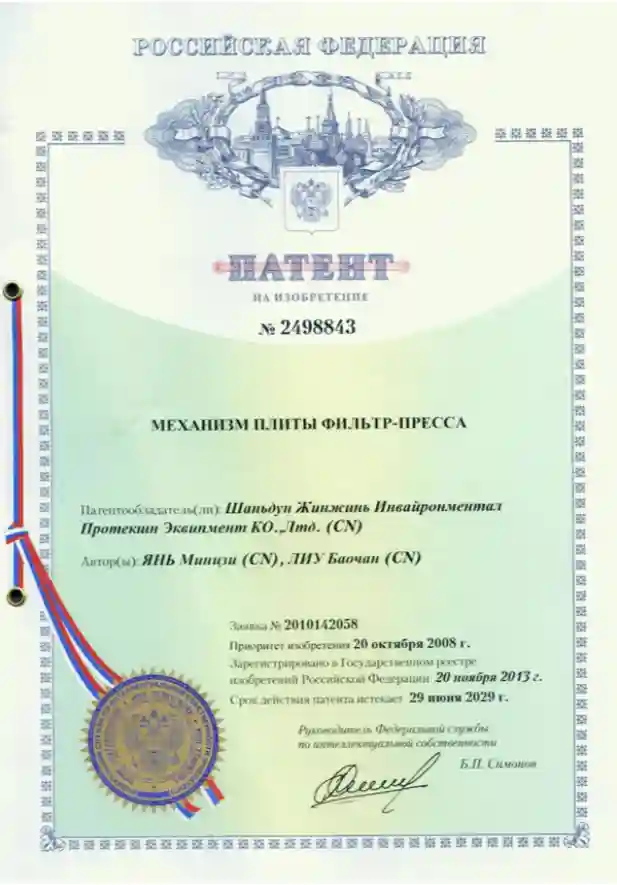
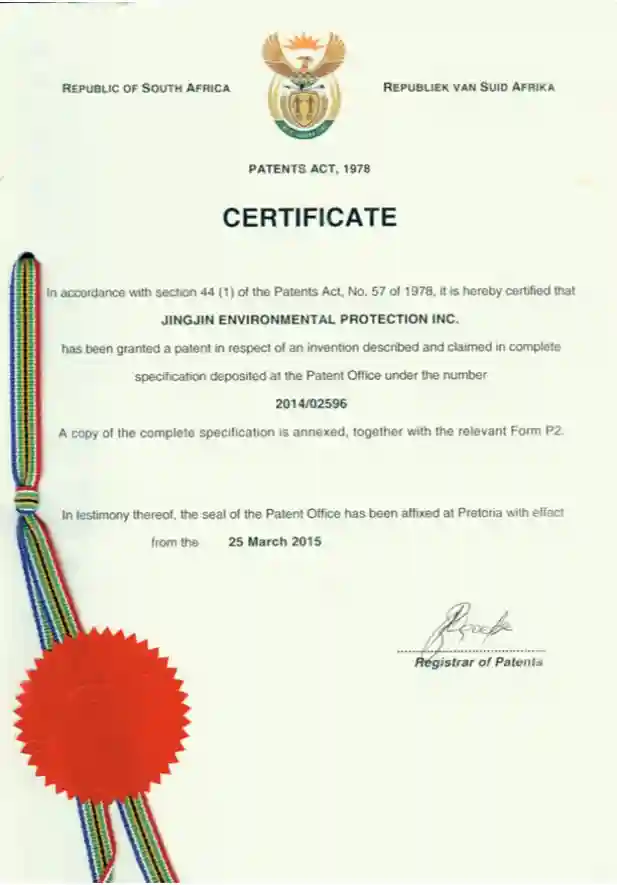
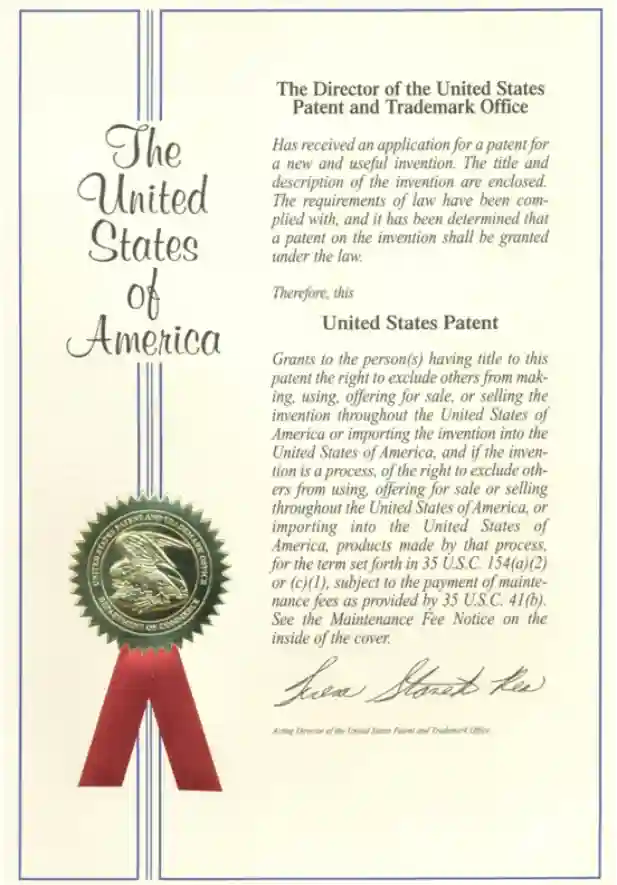
Established providers offer products with different energy profiles and after-sales service. For municipal clients, Evoqua stresses modular designs and digital integration. Metso specialises in hydraulically resistant heavy-duty mining applications. Alfa Laval targets food and pharmaceuticals with hygienic construction and fast changeover. Ganesh offers affordable chemical processing. Jingjin Equipment Inc. has over 136 patents, a production scale, and a whole ecosystem of filtering consumables, servicing clients in 123 countries since 1988.
Customization and Scalability for Large-Scale Operations
Modular plate stacks allow facilities to steadily increase capacity as production develops without replacing whole systems. Special cloth and plate coatings address slurry chemistry. Feed pumps, conveyors, and filter tanks are integrated to simplify installation and decrease disconnections. Scalable automation technologies centralize control and data analytics for multi-press setups, optimizing plant energy utilization.
Implementing Energy Efficient Filter Press Systems: Benefits and ROI
Upgrading to energy-optimized filter press systems boosts competitiveness with financial and environmental benefits.
Quantifying Energy Cost Reductions
Compared to manual or aged equipment, automated cycle control and hydraulic efficiency improvements minimize power consumption by 20–40%. Daily output increases without shifts or additional equipment due to shorter cycle times. Reduced cake moisture saves drying energy and disposal weight. These optimizations can save over $60,000 in energy for a medium-sized industrial business processing 500 tons of slurry weekly.
Environmental Compliance and Carbon Footprint Benefits
Global regulations tighten wastewater discharge and landfill moisture limitations. Energy-efficient dewatering systems assist in achieving zero-liquid-discharge standards and minimize waste transport and incinerator greenhouse gas emissions. Lower energy use reduces Scope 2 carbon footprints, promoting company sustainability and reputation.
Future-Proofing and Adaptability to Evolving Needs
Investment in flexible, IoT-ready systems keeps equipment relevant as production increases or slurry properties change. Software upgrades improve performance without hardware. To leverage circular-economy prospects, facilities can integrate developing technologies like improved oxidation pretreatment or resource recovery modules using standard interfaces.
Conclusion
Energy-efficient filter press design makes solid-liquid separation a strategic asset. Modern pressure filtration equipment saves power, disposal costs, and maintenance labor by lowering cycle times, improving hydraulic systems, and incorporating smart monitoring. The correct configuration—automated membrane, recessed plate, or modular scalable system—must match industrial needs and long-term operating goals. Energy optimization today helps facilities fulfill increasing environmental standards, boost profits, and construct resilient, sustainable operations.
FAQ
1. What is an energy-efficient filter press, and how does it differ from standard models?
A filter press with variable-speed hydraulic pumps, lightweight composite plates, automated cycle controls, and improved filter media uses less power and processes faster. Standard versions employ fixed-speed pumps, heavier materials, and manual operation, resulting in longer cycles and higher energy usage per ton.
2. How much can I save by upgrading to an energy-optimized dewatering system?
Drier cakes reduce electrical expenditures by 20–40% and disposal costs by 30–50%, depending on the application. Throughput volume and local utility tariffs determine payback times of two to four years.
3. Which industries benefit most from energy-efficient pressure filtration?
Mineral processing, municipal and industrial wastewater treatment, chemical manufacture, building, and food production all have operational and financial advantages. Any industry with high-volume slurry dewatering or rigorous moisture and discharge standards can benefit from improved equipment.
Partner with Jingjin for Industry-Leading Filtration Solutions
Years of technical experience and a wide range of filtration equipment from Jingjin Equipment Inc. increase energy efficiency and operational uptime. Mining, chemical, wastewater, and construction companies in 123 countries trust our innovative plate designs, high-performance filter cloths, and automated control systems. Jingjin's global service network and entire product ecosystem help you succeed whether you need a sturdy filter press supplier for a single refit or a scalable turnkey solution for several plants. Contact us at [email protected] to discuss your dewatering needs and learn how our energy-optimized systems may save money and improve sustainability.
References
1. Smith, J.A., & Chen, L. (2021). Advanced Solid-Liquid Separation Technologies: Energy Efficiency and Cost Analysis. Industrial Press.
2. Kumar, R., & Patel, M. (2020). Hydraulic System Optimization in Batch Filtration Equipment. Journal of Separation Science and Engineering, 45(3), 234–250.
3. Thompson, E.R. (2022). Dewatering Solutions for Mining and Wastewater: A Practical Guide. Mineral Processing Publications.
4. Garcia, H., & Liu, Y. (2019). Membrane Filter Press Performance in Municipal Sludge Applications. Water and Environment Technology, 31(7), 112–128.
5. Zhang, W., & Anderson, P. (2023). IoT Integration and Predictive Maintenance in Industrial Filtration Systems. Automation and Control Engineering Review, 58(2), 89–104.
6. Fernandez, C.M. (2020). Energy Management in Chemical Process Industries: Case Studies and Best Practices. Technical Engineering Press.
jingjin
Founded in 1988, Jingjin specializes in filter presses and liquid-solid separation solutions, serving over 130 countries worldwide, and is a standard-setter in China's filter press industry.
Get the Filter Press guide
Enter Your Email for Technical assistance for the Filter Press.

Recommended Blog
Filter Press Cloth Maintenance Tips: Prolonging Lifespan and Efficiency
Where to Buy High Quality Multi Disk Screw Press for Efficient Sludge Dewatering
Chemical Resistant Filter Cloth for Mining: What You Need to Know
Where to Source Membrane Filter Press in China for Export?
How to Customize a Filter Press for Specific Applications and Industries
A Step-by-Step Guide to Maintaining and Replacing Filter Press Plates
China Screw Dewatering Machines for Asia Infrastructure Projects
Asia Buyers Guide to Importing Filter Press Machines from China