Reduce Downtime With a Reliable Plate Frame Filter in Industry
Understanding Plate Frame Filters and Their Role in Industry
- Understanding Plate Frame Filters and Their Role in Industry
- How to Use Plate Frame Filters Effectively to Minimize Downtime
- Procurement Guide: Making Confident Equipment Investments
- Optimizing Industrial Performance: Advanced Strategies and Future Developments
- Conclusion
- Frequently Asked Questions
- Partner With Jingjin for Reliable Industrial Filtration Solutions
- References
Unplanned downtime in industrial filtration processes drains profitability and disrupts production schedules. A dependable plate frame filter press minimizes these interruptions by delivering consistent solid-liquid separation performance across demanding applications. When filtration systems fail due to inadequate design or poor maintenance, facilities face prolonged stoppages, increased labor costs, and compromised product quality. Investing in robust filtration equipment and implementing strategic maintenance protocols directly addresses these challenges, ensuring operational continuity in chemical processing, mining, wastewater treatment, and pharmaceutical manufacturing environments where reliability is non-negotiable.
Understanding Plate Frame Filters and Their Role in Industry
What Makes Plate Frame Filters Essential for Industrial Operations
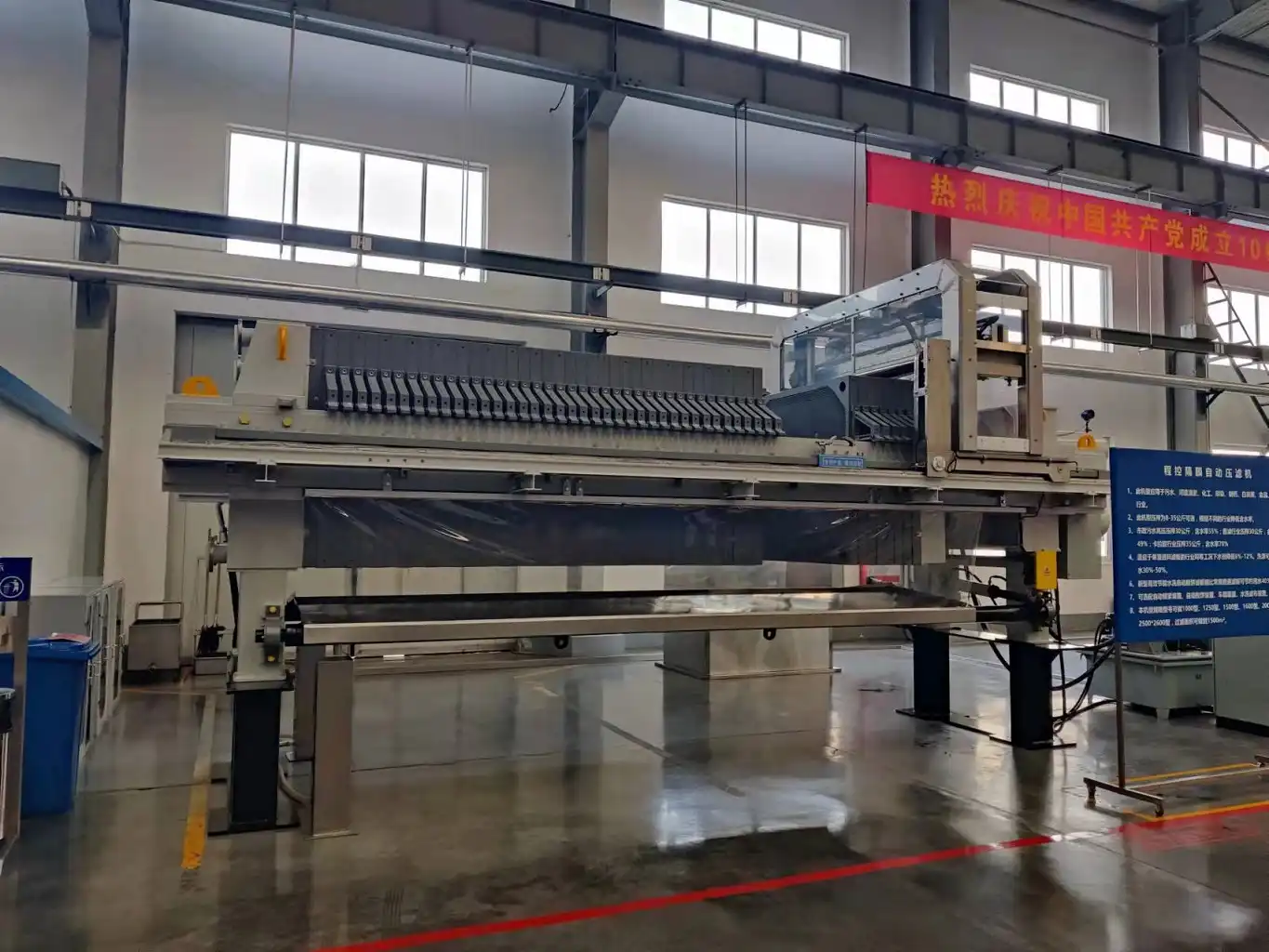
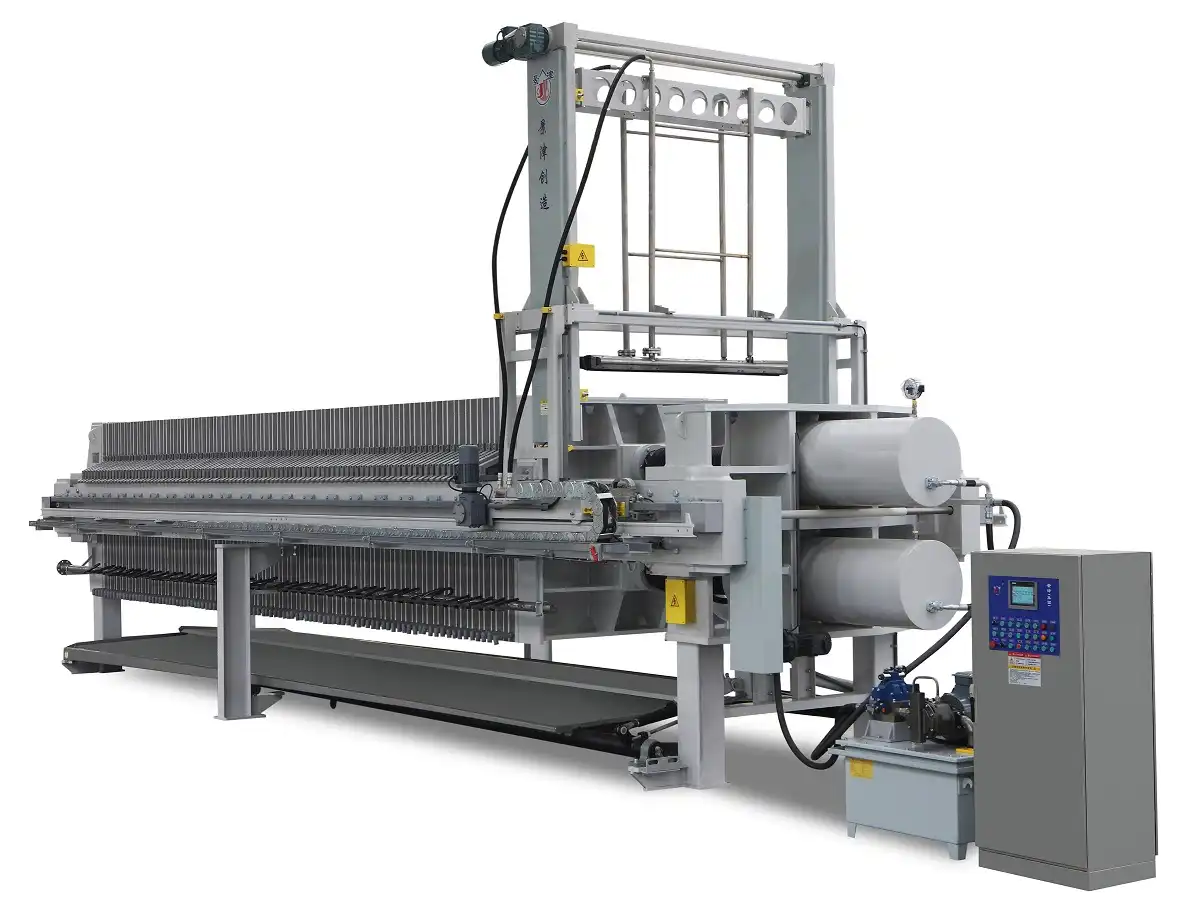
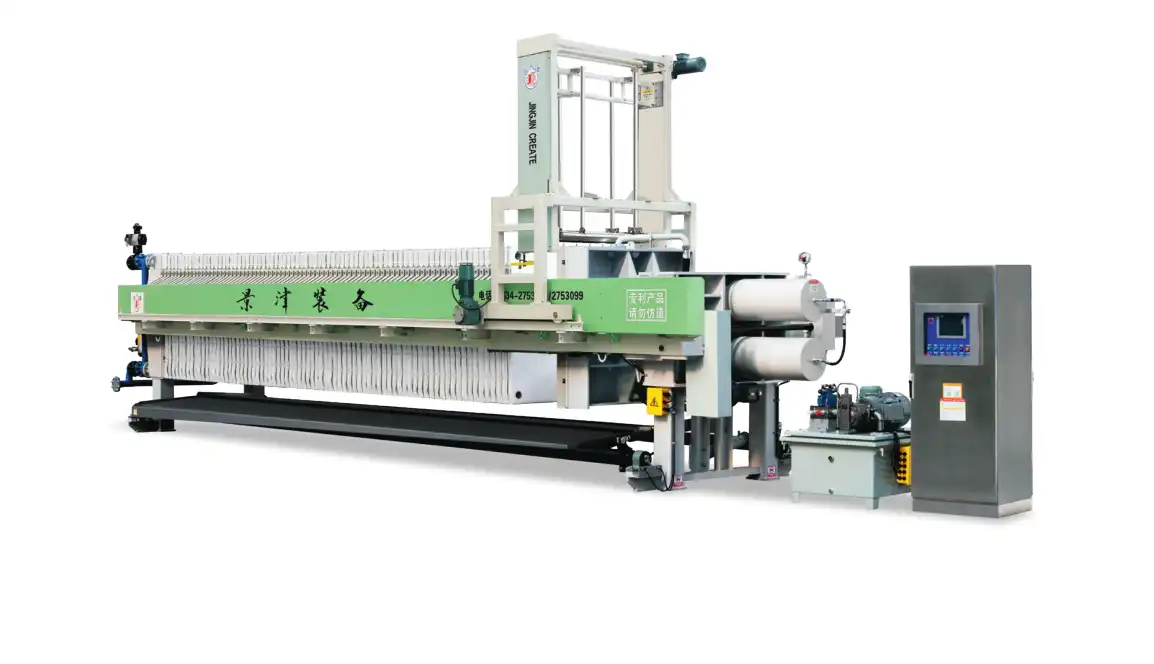
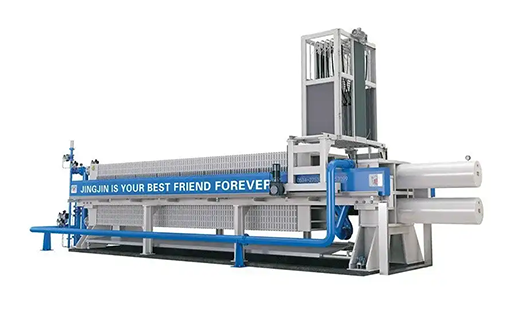
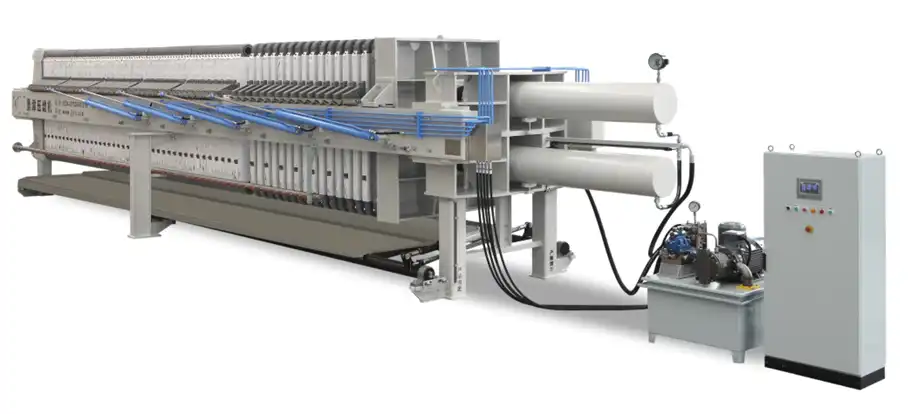
Plate and frame filters are simple industrial solid-liquid separators. Alternating plates and frames filter particles and liquids under pressure. This batch-based system pumps slurry into chambers. The solids create a dry cake when the liquid passes through the filter medium. When there are many solids, the substance is thick, or the cake has to be dry, centrifugal or vacuum processes don't perform as well. Industries that handle abrasive tailings, hazardous chemicals, and delicate pharmaceutical substances employ this proven separation technology. It handles complex feed streams that overwhelm existing solutions.
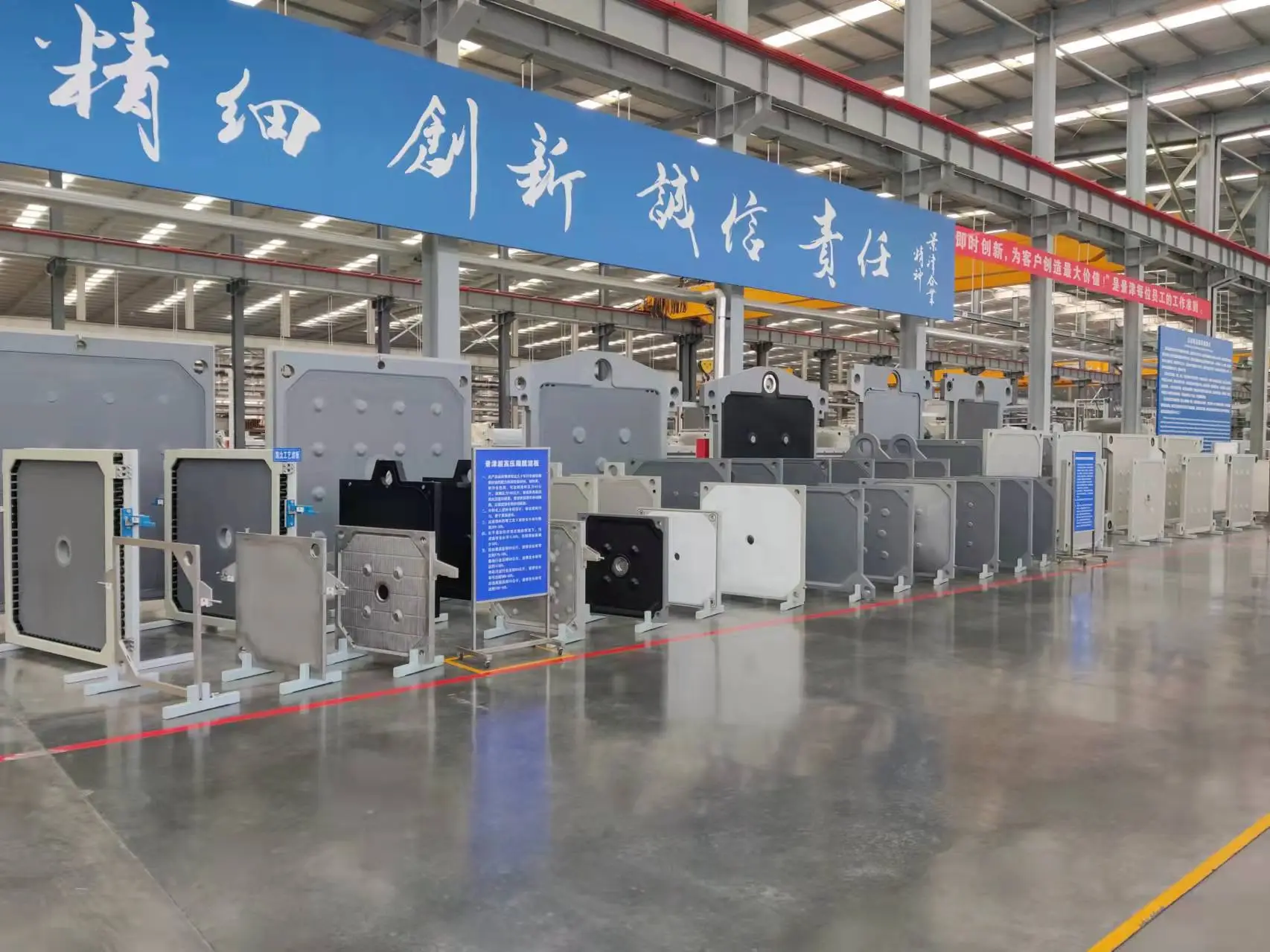
The filter plate and frame architecture creates a rail-supported network of chambers. The system may add modules as manufacturing demands change. Materials like reinforced polypropylene for chemical resistance and food-grade stainless steel ensure its versatility in commercial applications. The adaptable technology is crucial for centers with varying feed mixes and rigorous hygiene regulations.
Core Components and Working Principles
Materials science and mechanical accuracy figure out what the technical features of filter plates and frames. Most of the time, pressure values are between 6 and 20 bar, and for some plastics, temperature ratings can go up to 120°C. Filtration pressure ranges from 0.6 MPa to 2.0 MPa, and temperature resistance ranges from -20°C to 120°C, based on whether the buildings are made of cast iron, stainless steel, or reinforced plastic. The choice of filter cloth affects how well the particles are separated. Pore sizes can range from 1 to 100 microns, depending on the particles and the level of clarity that is wanted in the filtrate.
ISO 9001 quality standards make sure that products are always made the same way, and ASME and CE certifications prove that pressure vessels are safe. The flexible design lets you add units to increase capacity without having to replace whole systems, which is very helpful when production suddenly grows. Wicking or leaking would hurt both the quality of the product and the safety of the workplace, but excellent closing surfaces stop these problems. Following DIN 7129 for manufacturing accuracy makes sure that different brands of equipment can work with the same dimensions. This makes it easier to replace parts and upgrade systems.
Common Downtime Causes and Their Impact
Filtration failures are caused by a number of problems that can be avoided. When particle distributions don't match the pore sizes of the filter cloth or when cleaning times go beyond what is suggested, clogging happens. When chemicals or mechanical stress are applied to filter materials that aren't up to par, they break down quickly, stopping production. If the plates aren't sealed properly, bypass flow can happen, which makes the cake less dry and contaminates the filter streams. Each type of failure has a chain of effects: emergency shutdowns stop processes further down the line, repair teams rush to find new parts, and quality control staff hold off-spec product batches.
The costs of running the business add up quickly. If a mining operation has to shut down for eight hours for unplanned filtration problems, they could lose $50,000 in the value of their concentrate production and still have to pay for fixed costs like labor and energy. When wastewater treatment plants have equipment problems, they could be fined by the government if they go over their discharge limits. Pharmaceutical companies have to deal with batch rejections, which waste expensive raw materials and cause products to come out later than planned. These situations show why purchasing managers put equipment dependability first when they look at filtration options.
Strategic Benefits of Reliable Filtration Systems
Using reliable filter presses leads to measurable gains in a number of speed measures. Better filter accuracy makes higher-quality goods of higher quality that meet strict requirements, which cuts down on waste and extra work. Total cost of ownership goes down when equipment has a longer life because the capital investment is spread out over longer operating times. Optimized hydraulic systems that use less energy and shorter cycle times have a direct effect on electricity costs. Upgrading from old equipment to newer designs with wear-resistant materials and easier access for regular maintenance has been shown to cut maintenance work needs by 15 to 25 percent.
Process engineers like how consistent systems are when they work well. Knowing how much water is in the cake ahead of time makes it easier to handle and get rid of. When the quality of the filtrate stays the same, there is no variation in the recycle streams or product formulations. Operations managers like having more schedule options when more than 95% of the equipment is available. This lets them plan production without having to add extra time to timelines for expected breaks. Over time, these advantages add up, making facilities that compete on price, quality, and delivery performance stand out.
How to Use Plate Frame Filters Effectively to Minimize Downtime
Installation Best Practices for Long-Term Reliability
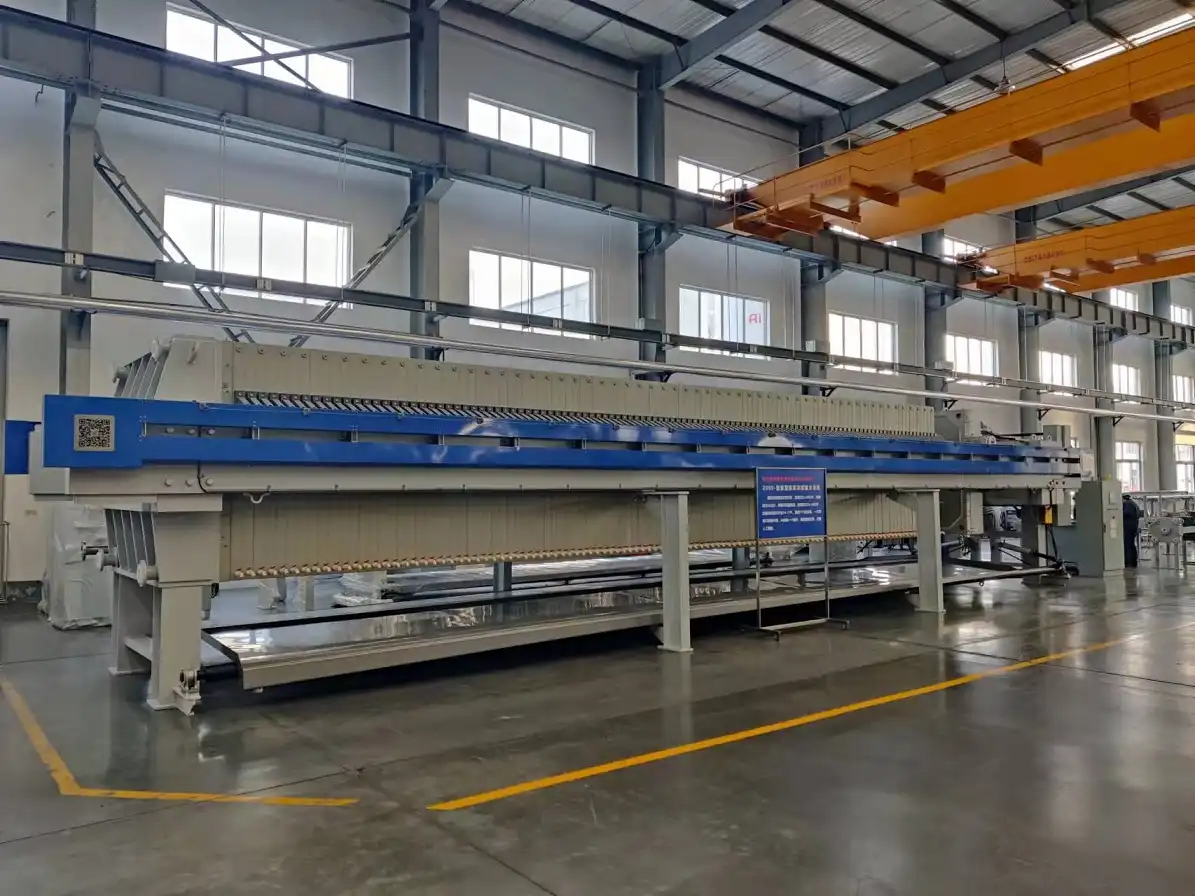
When a plate frame filter is installed correctly, it will work without any problems for years to come. The first step is to prepare the site by making sure the flooring is level and strong enough to hold the weight of all the equipment plus the forces that will be acting on it during hydraulic closure. Plate misalignment, which leads to uneven pressure distribution and early seal wear, can be avoided by checking the alignment. For draining and flushing to work well, valve placement is important for piping connections, and electrical systems must follow dangerous area classifications when equipment is used in explosive environments.
Before starting up production, commissioning processes check that the system works properly. Technicians do hydraulic tests to make sure that the closure force is the same across the plate pack. They also check the fitting of the filter cloth to make sure that it is properly tensioned and centered, and they run water trials to make sure that the seal stays intact under working pressure. Documentation made during commissioning sets up standard performance data that can be used for future fixing and creates training tools for operators that are specific to the installation. When facilities don't do these checks, they often have early mistakes that could have been avoided with systematic startup practices.
Routine Maintenance Protocols That Prevent Failures
Inspections done on a regular basis find wear before it causes problems. Visual checks done every day find hydraulic fluid leaks, strange noises that could mean mechanical problems, and cake discharge problems that could mean cloth blinding. Weekly thorough checks check the state of the seals, the stability of the plate surfaces, and the operation of the valves. Cloth permeability is checked every month so that replacements can be planned before decreased flow forces unexpected shutdowns. As directed by the maker, parts that wear out every year, like seal gaskets, hydraulic cylinders, and drive chains, are replaced during overhauls.
Cleaning instructions keep the separation working well and extend the life of the filter cloth. Proper cake discharge methods keep fabrics from getting damaged by using hydraulic shakers at the right amplitudes and lengths instead of setting them too high, which tears the media. Chemical cleaning at regular times gets rid of compounds that block light and make it harder for things to pass through. The cleaning solutions can be used on both cloth materials and process chemicals. Structured repair programs extend the life of cloth by 40% compared to reactive methods that only fix problems when they become obvious that they are affecting performance.
Troubleshooting Common Issues to Restore Operations Quickly
When problems happen, thorough analysis speeds up the process of fixing them. Too long of cycle times could mean that the cloth blinding needs to be cleaned, the pumping capacity is too small, which slows down the feed rate, or the hydraulic pressure is too low for the plates to close properly. Poor cake dryness could mean that there wasn't enough filter time, that flow is going around broken seals, or that the feed solids concentration is higher than what was intended. Filtrate haze can mean that the cloth is torn, the wrong media was chosen for the particle size distribution, or there is too much pressure on the media, which causes it to become distorted.
Repair times can be cut down by keeping a collection of extra parts that are based on failure mode analysis. Important parts include filter cloths that meet working requirements, seal gaskets that fit the size of the plate, and hydraulic seals for valves and cylinders. By comparing part numbers to manufacturer documentation, you can avoid ordering mistakes that cause longer downtime when the wrong parts arrive. Facilities that are farther away from supplier distribution centers have higher levels of safety stock, while businesses that are closer to service hubs keep their supplies lower thanks to deals for fast delivery.
Real-World Success: A Chemical Manufacturer's Experience
A company that makes specialty chemicals and works with pigment slurries had to deal with regular downtime of 72 hours a month because of broken cloths and uneven cake formation. After switching to a strong filtration system made of corrosion-resistant stainless steel and following the supplier's suggested maintenance routine, unexpected shutdowns decreased to 8 hours every three months. The flexible design of the filtration equipment allowed the capacity to grow when production rates went up by 30%. This saved money and time by not having to replace the whole system. Over three years, the facility saved $340,000 by cutting down on maintenance work, lowering cloth replacement costs, and no longer losing production. This shows that the reliability of equipment has a direct effect on financial performance.
Procurement Guide: Making Confident Equipment Investments
Evaluating Technical Specifications for Your Application
First, define company requirements for a filter press manufacturer to acquire successfully. The feed's particles, particle size distribution, viscosity, and chemical composition determine plate materials, fabric specifications, and hydraulic pressure capacity. The number of plates and frame size depend on throughput targets and filtering area. Floor space and ceiling height restrict equipment size. Compressed air pressure and electrical service capacity affect auxiliary system design.
Environment influences tool choice. Installations require warming tanks or anti-freeze hydraulic fluids in cold weather. Better materials are needed for corrosive situations. Explosion-prone areas require certified power systems. If the buying criteria include all of these variables, suppliers may provide real-world solutions rather than ideal ones that need revisions after installation and cost more.
Understanding Total Cost of Ownership Beyond Purchase Price
The original capital cost is just 30–40% of the instruments' lifetime cost. Operating expenditures, including energy usage, filter cloth renewal, maintenance labour, and spare parts, pile up over 15–20 years. Disposing of low-quality filter cakes impacts continuing expenditures. Using 80% solids instead of 65% reduces garbage volume by 47%, saving transportation and landfill expenses. Facilities should utilise net present value analysis to assess plans, ensuring they make appropriate assumptions regarding utility costs, maintenance requirements, and utilisation rates.
Finance options impact buying choices. Outright purchase maximises long-term value but is expensive. Leasing equipment keeps working capital and reduces taxes, but the payments are greater than owning it outright. Some providers offer performance-based contracts that link equipment costs to throughput or availability. This aligns supplier incentives with customer operational objectives. Procurement managers should consider these possibilities depending on the company's financial strategy and risk tolerance.
Streamlining the Procurement and Implementation Process
Qualified vendors provide plenty of documents to support purchases. Technical data sheets include connection planning, performance parameters, and size requirements. Reference installations demonstrate their success in comparable conditions. Quality certifications monitor manufacturing processes and materials. Delivery timetables with targets assist in planning projects, and guarantee clauses clarify post-sale responsibilities.
After-sales support distinguishes suppliers that care about their clientele from transactional merchants. Comprehensive operator training ensures proper tool usage and straightforward issue solving. Routine examinations and component replacements preserve equipment investment. Calling engineering personnel or sending service specialists to the site makes technical support easier to contact, preventing long-term downtime. Service considerations minimise lifetime operating costs and performance concerns, justifying higher rates.
Optimizing Industrial Performance: Advanced Strategies and Future Developments
Maximizing Throughput and Reliability in Existing Systems
Performance may enhance even well-maintained filtering systems. Adding flocculants or adjusting feed pH improves settlement and reduces cycle time. The correct filter pressure balances cake dryness and fabric wear. Too much pressure smashes media-blocking particles, while too little makes cakes moist. Based on real-time flow and pressure readings, automated control systems modify settings to achieve consistency that would be unattainable by hand.
Data collection enables predictive repair. By monitoring cycle times, peak pressures, and cake discharge weights, you may detect performance deterioration, indicating part failure. Hydraulic fluid temperature trends may detect leaks or worn pumps before they fail. Filter equipment used in Industry 4.0 initiatives may demonstrate how well the separation process improves output. This helps them use data to upgrade equipment and adjust processes.
Emerging Technologies Enhancing Future Filtration Performance
Filtration technologies are still solving industry difficulties. Advanced filter cloth materials employ nanofibers to catch tiny particles while maintaining permeability for cycle life. Automated plate-shifting systems reduce human handling, making workplaces safer and allowing automated operations to operate without lighting. Membrane plate technique uses pressure filtration and membrane squeezing to dry cakes efficiently.
Digitalisation alters equipment usage and maintenance. Remote monitoring systems alert personnel via mobile devices so they can remedy minor issues before shutdowns. Augmented reality maintenance support helps professionals address complex issues by overlaying digital instructions on actual equipment using smart glasses. These advances make equipment easy to operate without much expertise. This bridges labour skill shortages and improves equipment reliability across locations.
Conclusion
Downtime in industrial filtration directly impacts profitability through lost production, maintenance costs, and quality issues. Reliable plate frame filter technology addresses these challenges by delivering consistent separation performance in demanding applications spanning mining, wastewater treatment, chemical processing, and pharmaceutical manufacturing. Strategic equipment selection considering technical specifications, total cost of ownership, and supplier support capabilities positions facilities for operational excellence. Implementing comprehensive maintenance protocols and leveraging performance data extends equipment life while optimizing throughput. As filtration technology evolves through advanced materials and digitalization, facilities partnering with capable suppliers gain competitive advantages in efficiency, reliability, and regulatory compliance.
Frequently Asked Questions
1. How often should filter cloths be replaced to prevent downtime?
How often you need to replace something depends on the application and how it is being used. In mines, abrasive slurries may need new cloth every three to six months, but in less demanding chemical manufacturing jobs, the cloth can last for twelve to eighteen months. Monitoring permeability through cycle time trends gives objective replacement criteria instead of arbitrary calendar plans. This keeps working media from being thrown away too soon and stops performance degradation and possible failures caused by too much wear.
2. Can modern filter presses integrate with existing plant control systems?
Standardized industrial communication protocols, such as Modbus, Profibus, and Ethernet/IP, are built into modern filtering equipment. These protocols connect to plant distributed control systems. This connection lets automated operations work in sync with processes upstream and downstream, equipment state be checked from afar, and data to be saved for performance analysis. Adding new control kits to older equipment is often a more cost-effective option than replacing the whole system.
3. What technical support should procurement managers expect post-purchase?
Comprehensive supplier support includes help with commissioning during startup, training for operators on both normal operation and troubleshooting, the creation of a preventative maintenance program, the supply of spare parts that are known to work with the system, and quick technical advice when operational problems arise. During procurement negotiations, facilities should make sure that support is available in their area and get clear on the response time commitments for different levels of support.
Partner With Jingjin for Reliable Industrial Filtration Solutions
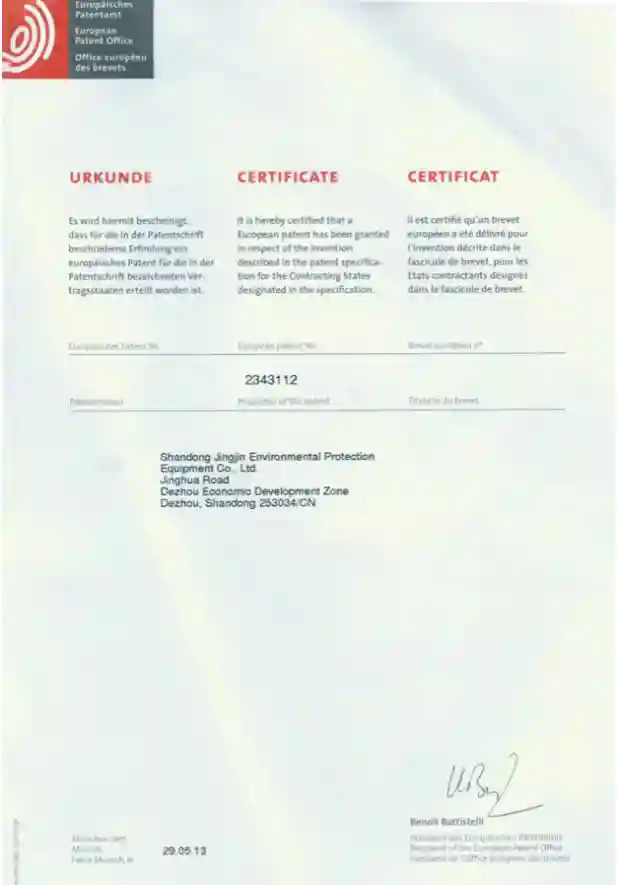
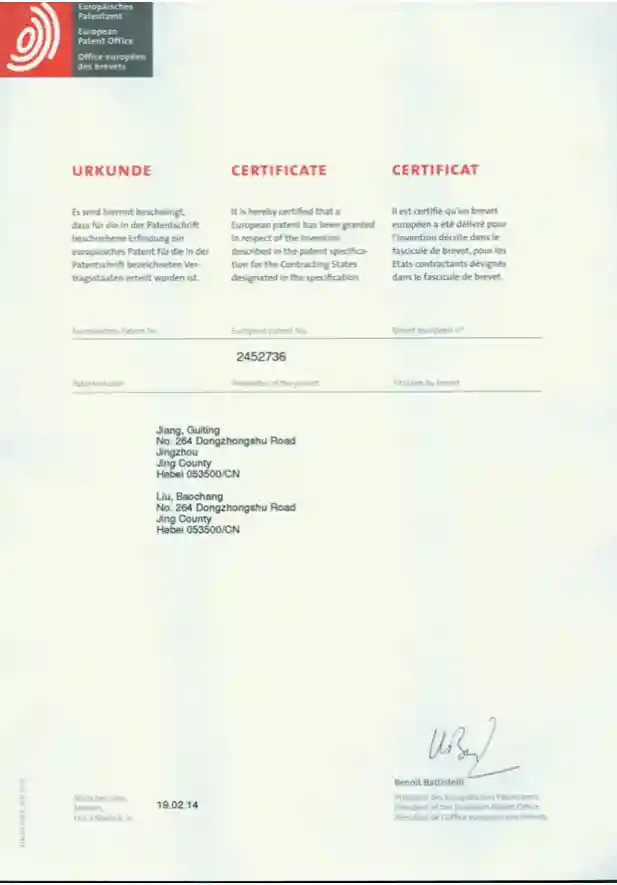
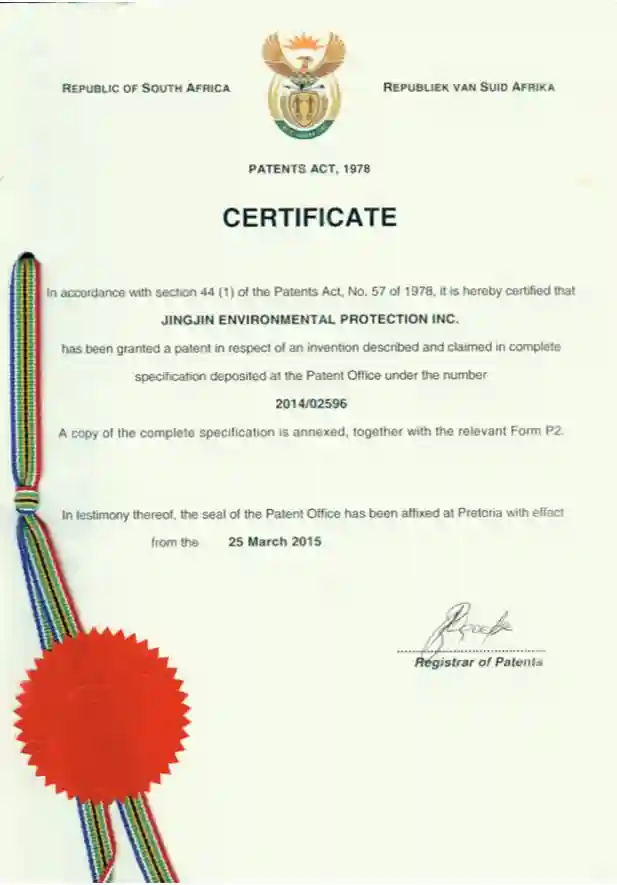
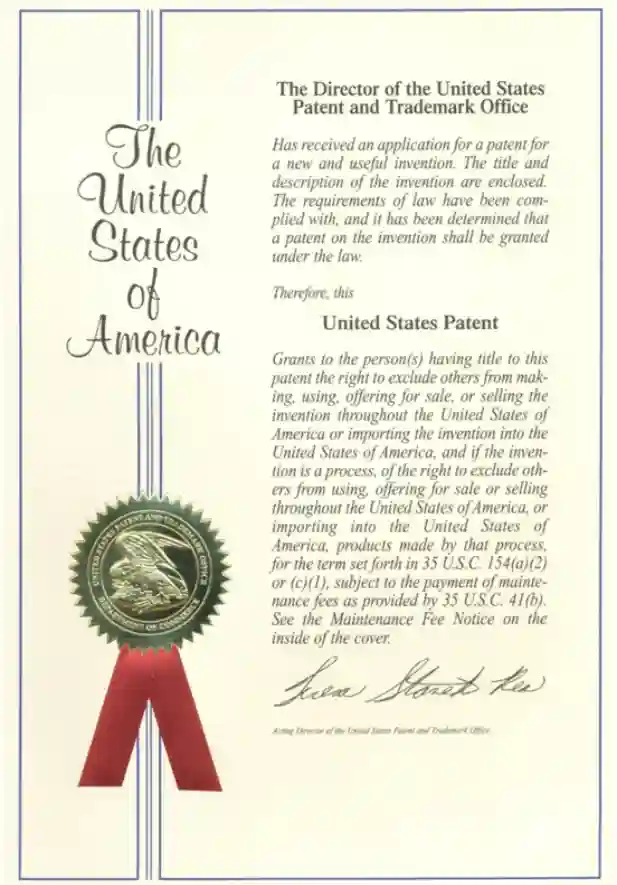
Your facility's ability to keep running rests on plate frame filter equipment made for harsh industrial settings. Jingjin Equipment Inc. has been making filter press systems for 35 years and has over 136 patents to back them up. They have worked with clients in mining, wastewater treatment, chemical processing, and pharmaceuticals. Our expert engineering team creates full solid-liquid separation systems with matched filter plates, high-performance filter cloths, and full technical support that lowers your risk of downtime and increases the efficiency of the separation. As the top company that makes plate and frame filters, we have a track record of dependability thanks to our high-quality products and quick service networks that help setups in 123 countries.
Contact our application engineers at [email protected] to talk about your unique separation problems and get expert advice that is specific to your environment. We provide detailed performance projections, reference site information, and transparent total cost of ownership analysis supporting confident procurement decisions.
References
1. Perry, R.H. and Green, D.W. (2018). Perry's Chemical Engineers' Handbook, Ninth Edition. McGraw-Hill Education, New York. Section 18: Solid-Liquid Operations and Equipment.
2. Svarovsky, L. (2000). Solid-Liquid Separation, Fourth Edition. Butterworth-Heinemann, Oxford. Chapter 7: Pressure Filtration.
3. Wakeman, R.J. and Tarleton, E.S. (2005). Solid/Liquid Separation: Principles of Industrial Filtration. Elsevier Advanced Technology, Oxford.
4. Sutherland, K. (2011). Filters and Filtration Handbook, Fifth Edition. Elsevier/Butterworth-Heinemann, Oxford. Chapter 4: Filter Press Technology.
5. American Filtration and Separations Society (2019). Filtration and Separation Technical Practices: Theory and Application. AFSS Professional Reference Series, Minneapolis.
6. Cheremisinoff, N.P. (1998). Liquid Filtration, Second Edition. Butterworth-Heinemann Series in Chemical Engineering, Boston. Chapter 9: Plate and Frame Filter Press Operations.
jingjin
Founded in 1988, Jingjin specializes in filter presses and liquid-solid separation solutions, serving over 130 countries worldwide, and is a standard-setter in China's filter press industry.
Get the Filter Press guide
Enter Your Email for Technical assistance for the Filter Press.


Recommended Blog

Top Benefits of Using a Filter Press in Industrial Wastewater Filtration
Customized Filter Press Plates for the Mining Industry: What You Need to Know
High Capacity Filter Presses for Mining: Enhancing Mineral Processing Efficiency
Energy Efficient Filter Press Design: Saving Costs in Industrial Filtration
Low Cost Jingjin Filter Press Options for Efficient Sludge Dewatering
Where to Buy High Quality Multi Disk Screw Press for Efficient Sludge Dewatering