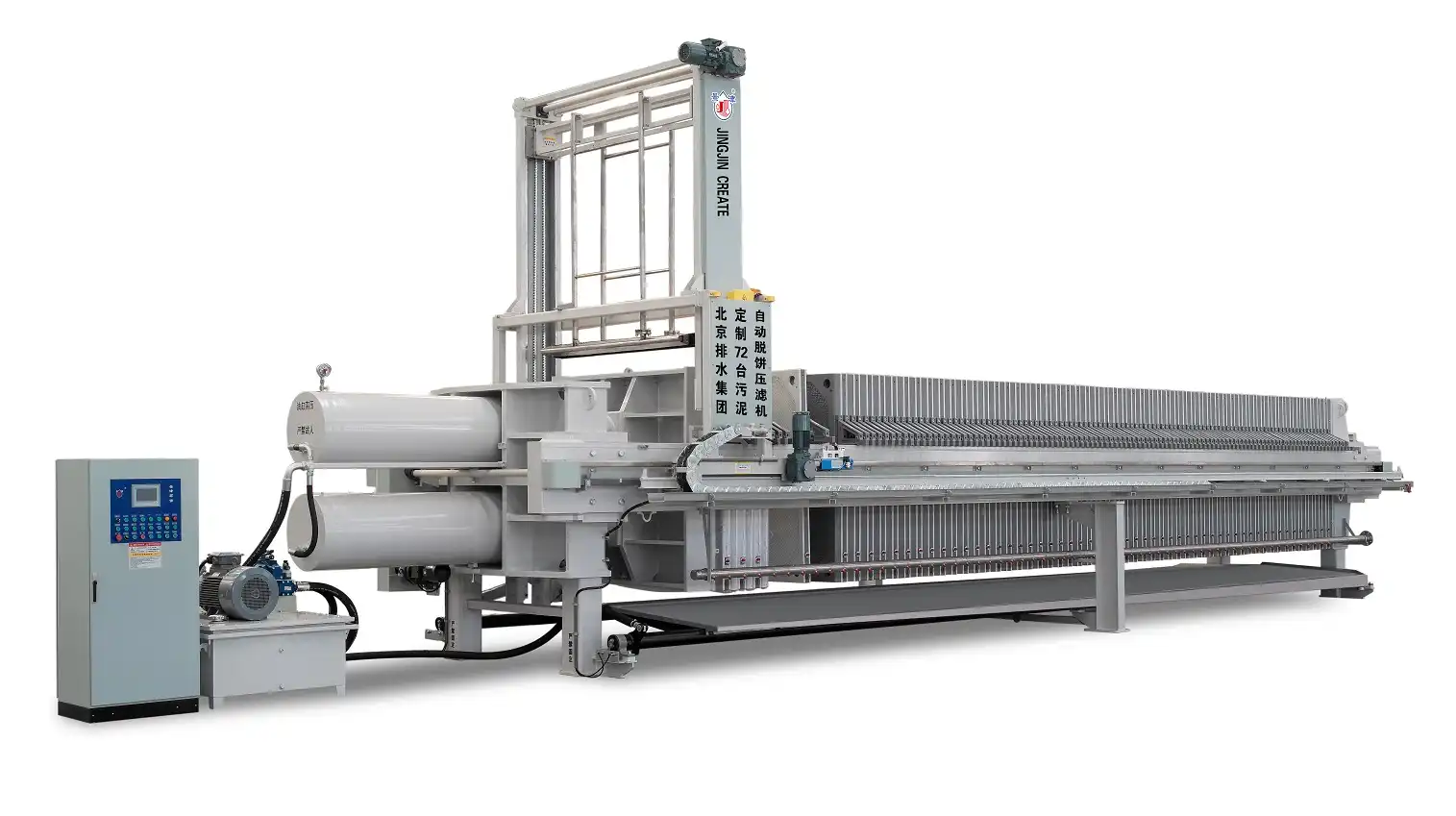
Troubleshooting Guide: How to Fix Common Issues in Multi Disk Screw Press Operations
Troubleshooting Guide: How to Fix Common Issues in Multi Disk Screw Press Operations
Introduction
- Introduction
- Identifying Common Problems in Multi Disk Screw Press Operations
- Analysing Root Causes Behind Multi Disk Screw Press Faults
- Step-by-Step Troubleshooting Principles and Techniques
- Preventive Measures and Maintenance Tips to Avoid Future Issues
- When and How to Seek Professional Support and Solutions?
- Conclusion
- FAQ
- Why Jingjin Stands as Your Ideal Partner
- References
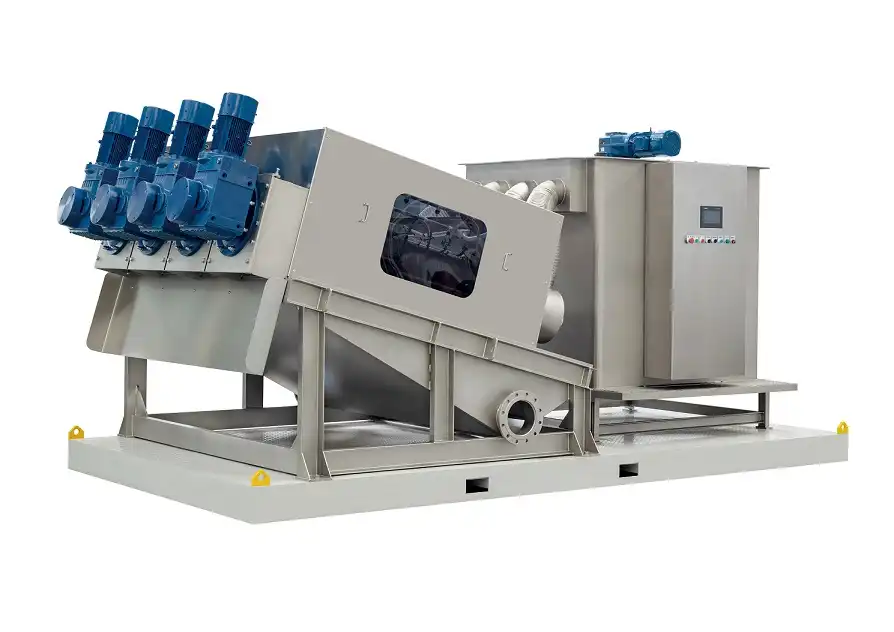
When your cleaning line suddenly makes wet cake or your screw press trips during a crucial shift, every minute of downtime means regulatory risk and higher dumping costs. The multi disk screw press is the most important tool for drying sludge in places like food processing plants, chemical factories, and wastewater treatment plants because it can handle feeds with low concentrations and sticky sludge that belt presses and centrifuges can't. Knowing how to quickly find and fix business problems is important for keeping your production going and staying in compliance.
Introduction
This book goes into great depth about screw press dewatering technology and shows how important it is for treating wastewater, making chemicals, and separating solids from liquids in industry. To keep production quality high and downtime to a minimum, it's important to run the machine efficiently and fix problems quickly. The guide is made for procurement managers, process engineers, wastewater facility workers, and EPC project managers. It shows them how to find and fix common operating problems in a clear and organized way. Whether you're in charge of an abattoir that deals with high-FOG waste or a city treatment plant that processes activated sludge, making sure your equipment works reliably and cheaply is important for both the environment and your bottom line.
Identifying Common Problems in Multi Disk Screw Press Operations
Recognising Mechanical and Performance Symptoms
Operations face a wide range of problems, from technical ones like ring wear and gear misalignment to ones with inconsistent product quality. Unusual noises during starting are often a sign of worn-out bearings or screw shafts that are out of balance. When your unit handles 30% less sludge per hour than its stated capacity, this is a sign of internal blockages or ring gap closure. Motor amperage rising above nameplate values, which shows more energy use, suggests too much friction from rough material or not enough lubrication.
Observing Output Quality Deviations
If the cake's moisture level goes from a steady 75% to 85%, the polymer dose has likely changed, or the features of the input sludge have changed. Filtrate haze that rises above usual clarity could mean that the rings are damaged or the flocculation isn't working right. At a city plant in the Midwest, operators found that a 3% rise in cake moisture doubled their hauling costs within a month. This shows how small changes can add up to big running costs.
Monitoring Audible and Visual Warning Signs
Noises like grinding or scraping during action are caused by old parts contacting each other. If you feel too much shaking through the mounting frame, it means that the screw shaft is out of balance or that the support bolts are loose. Leaks around seals or the drum end cap show that the gasket has failed or that pressure is building up inside the drum because of blockages. When maintenance teams quickly spot these early warning signs, they can fix problems before they get so bad that they need to be shut down and expensive parts have to be replaced.
Analysing Root Causes Behind Multi Disk Screw Press Faults
Mechanical and Design-Related Factors
Wear and tear on parts is still the most common technical cause. Moving and fixed rings are constantly rubbing against each other, and rough particles in mine waste or grit-filled sewage gunk speed up the wear and tear on the rings' surfaces. The ring flatness margins must be less than 0.05 mm. If flatness decreases, sludge leaks through wider holes and the quality of the filtrate drops. Abrasion can be avoided by hardening the screw shaft with tungsten carbide or by welding the overlays on by hand. The service life drops from five years to eighteen months when the layer thickness is too thin.
Lack of grease in bearings leads to early failure. Many plants run on long schedules without lubricating at the times suggested by the maker, which can cause bearing seizure. If the shaft isn't lined up correctly during installation or after the base settles, it causes uneven loads that wear out structural parts and shorten the life of the ring.
Operational Causes Impairing Performance
When you add more solids than the unit is rated for, the back-pressure goes beyond what was intended. This stops the screw from turning and sets off the motor overload safety. Incorrect input properties, like not mixing the polymer well enough or letting the inlet content change, stop floc formation from happening correctly. A chemical company in Texas discovered that the point where the polymer was injected was too close to the entrance of the multi disk screw press. This meant that mixing could only happen for 15 seconds, instead of the recommended 45 seconds. This meant that the mixture did not dewater well and often got stuck.
Inadequate operator training often leads to wrong parameter sets, such as changes in screw speed and back-pressure. If you turn the screw too quickly, the cake won't dry as quickly, and if you turn it too slowly, the stiffening zone could get clogged with solids that haven't been squeezed.
Environmental and Feedstock Influences
Temperature changes have an effect on how well polymers work and how thick mud is. In northern regions, sludge temperatures drop below 10°C during winter operations. This lowers biological activity and changes the way the sludge flows. Feedstock contamination, like fibres or other small pieces getting into the feed stream, wraps around the screw shaft and stops the ring gaps. Unstable power supplies, like voltage drops during times of high demand, cause motor speed changes that throw off the delicate balance between compression and draining. This can cause cake quality problems and even damage to the equipment.
Step-by-Step Troubleshooting Principles and Techniques
Establishing a Systematic Diagnostic Process
Problem description is the first step in fixing what works. Write down the exact symptom, when it started, and any changes that have been made recently to the material or working conditions. Visual checks show clear problems like broken rings, loose screws, or spray tubes that won't spray. Monitoring parameters using control system data logs shows changes over time in power, torque, flow rate, and pressure, pointing out when performance isn't as it should be.
More accurate debugging is made possible by new sensors and monitoring tools. Vibration analyzers can find problems with bearings weeks before they can be heard. Torque meters check to see if drive systems are working safely. Infrared thermography finds areas that could mean electricity or friction problems.
Implementing Routine Maintenance and Repair Best Practices
Scheduled servicing keeps bearings from breaking. Every 500 hours of use or once a month if they are in constant service, you should grease the shaft bearings with good grease. Daily checks of the spray nozzles are part of the cleaning routine to make sure the self-cleaning ring system works right. The system that uses less water—less than 1% of what belt presses do—depends on spray patterns that can move freely.
By replacing old parts before they break, you can avoid disasters. Moving rings usually last between 30,000 and 40,000 hours of use with city wastewater, but they break down faster with gritty slurries. The modular ring design lets you change just a few rings instead of the whole drum assembly. This cuts down on the cost of keeping spare parts on hand and the time needed for upkeep.
Resolving Specific Common Faults with Actionable Steps
Ring Clogging and Less Work Flow: Boost the spray water pressure to 40 to 60 psi and make sure the gun is lined up correctly. Check the correctness of the polymer doses and the mixing strength. If the blocking keeps happening, check the feed for large debris and put in upstream screens.
Drop in Pressure and Rise in Cake Moisture: Check the back-pressure cone change. Too much gap lets sludge pass too fast, while not enough space leads to plugging. Gradually move the cone while keeping an eye on how dry the cake is; for city use, you should aim for 18–22% solids.
Motor Overload and Torque Spikes: Lower the feed rate by 15 to 20 per cent and make sure the solids content at the outlet stays between 0.2 and 2 per cent, which is the design range. Check to see if anything is blocking the screw. Check that the gearbox's power number includes a service factor greater than 1.5 so that it can handle changing loads without shutting down due to heat.
These focused interventions give technical teams the power to get things back to normal within hours, instead of having to wait days for vendor help. This keeps production schedules and compliance targets on track.
Preventive Measures and Maintenance Tips to Avoid Future Issues
Developing Proactive Maintenance Protocols
Inspections and cleaning schedules are very important for the long-term dependability of a multi disk screw press. Visual checks of the ring alignment once a week, lubrication processes once a month, and full reviews every three months catch problems early. Operator training programs teach field staff how to recognize strange sounds, vibrations, and performance trends. This makes them the first line of defense against machine breakdown.
Setting up preventive maintenance schedules based on real working hours instead of calendar dates makes sure that maintenance tasks are in line with how equipment wears out. Facilities that are open 24 hours a day need to be inspected more often than those that are open for eight-hour shifts.
Leveraging Design Innovations for Enhanced Durability
The small size and modular assembly design make installation easier and cut down on the need for extra parts. Existing treatment plants can use space-saving designs without having to do a lot of building work. The spinning screw shaft moves the moving ring, which cleans itself automatically. This technology keeps the filtration working well without any help from a person. This is different from belt presses, where the filter cloth can become obscured in high-FOG areas.
Automated control systems with many sensors allow for 24-hour running without being watched. Programmable logic controllers get real-time data from sensors that measure torque, temperature, and pressure. These controllers change settings on the fly and sound alarms before problems shut down the system. When automated tracking is set up and kept correctly, facilities report working availability of more than 95%.
Integrating IoT and Predictive Technologies
IoT-enabled monitoring systems constantly gather operating data and send measurements to cloud-based platforms for more in-depth analysis. Predictive maintenance algorithms find small patterns of performance degradation that workers can't see. They then replace parts during planned downtimes instead of waiting for emergencies to happen. Energy tracking technologies find flaws and make motors work more efficiently, which cuts electricity use by 10–15 percent by fine-tuning parameters. These smart investments will make the service last longer and cost less to own. They will pay for themselves in 18 to 24 months by cutting down on downtime and energy use.
When and How to Seek Professional Support and Solutions?
Evaluating the Need for Expert Intervention
Production stability is protected by knowing when to call in an expert. Figure out how serious the problem is by looking at the economic effect, environmental compliance threats, and safety risks. Whether or not an in-house answer is possible depends on how many resources are available on your support team. When complex problems need precise machining, specialized welding, or reprogramming of the control system, they are too big for the plant to handle on its own and need partner help.
The urgency of a choice is based on an operational effect estimate. A fault that lowers throughput by 20% might be bearable in the short term, but a total stop that threatens compliance with the discharge permit needs help right away.
Selecting Trusted Equipment Suppliers and Service Providers
Some things that help you choose trusted partners are their experience with manufacturing a multi disk screw press, their technical support system, and their ability to provide spare parts. Long-term, suppliers with customized maintenance plans, high-quality OEM parts, and full service packages that include installation control, setup, and operator training are more valuable than cheap suppliers who don't offer after-sales support.
Checking the quality of the weld by cleaning and passivation, making sure the ring is flat within certain limits, and writing down the hard-facing thickness are all signs of strict production. Before the equipment is shipped, it goes through factory acceptance testing, which includes checking the hydraulic pressure and measuring the noise during a dry run.
Conclusion
Troubleshooting screw dewatering equipment correctly is important for keeping operations going, protecting the environment, and making money in chemical processing, wastewater treatment, and industry settings. Operators can get the most out of their equipment's uptime and extend its life by spotting early warning signs, figuring out what's really going on, using organized testing methods, and planning for repair. Buying good equipment from makers with a lot of experience and keeping strong relationships with providers who know what they're doing guarantees access to professional support, genuine extra parts, and quick help when problems come up. By using these methods, dewatering operations go from being like putting out a fire to being planned, streamlined processes that always produce dry cake and clear liquid.
FAQ
Q1: What are the recommended maintenance intervals for moving rings?
Under typical municipal wastewater conditions with 8-12 hour daily operation, moving rings last 30,000 to 40,000 operating hours before replacement. Fixed rings and screw shafts generally endure significantly longer. Abrasive feedstocks such as mining slurries or grit-laden industrial waste shorten ring lifespan, sometimes requiring replacement after 15,000 hours. Modular ring design allows individual ring replacement without removing the entire drum assembly, minimizing maintenance costs and downtime.
Q2: Why does my cake's moisture suddenly increase?
Sudden moisture increases typically result from polymer dosing errors, insufficient mixing time, or fluctuating inlet sludge characteristics. Verify polymer flow rate and concentration match the design specifications. Confirm adequate mixing duration—45 seconds minimum—before sludge enters the press. Seasonal temperature changes affect biological activity and sludge viscosity, requiring dosing adjustments to maintain floc integrity and dewatering performance.
Q3: Can I upgrade my existing press for better efficiency?
Retrofitting automation and monitoring systems significantly improves operational efficiency without replacing the entire press. Adding torque sensors, vibration monitors, and automated back-pressure control optimises performance and reduces operator workload. Upgrading to IoT-enabled platforms provides predictive maintenance alerts and energy tracking. Consult with your equipment supplier to evaluate compatibility and expected return on investment based on your specific operating conditions.
Why Jingjin Stands as Your Ideal Partner
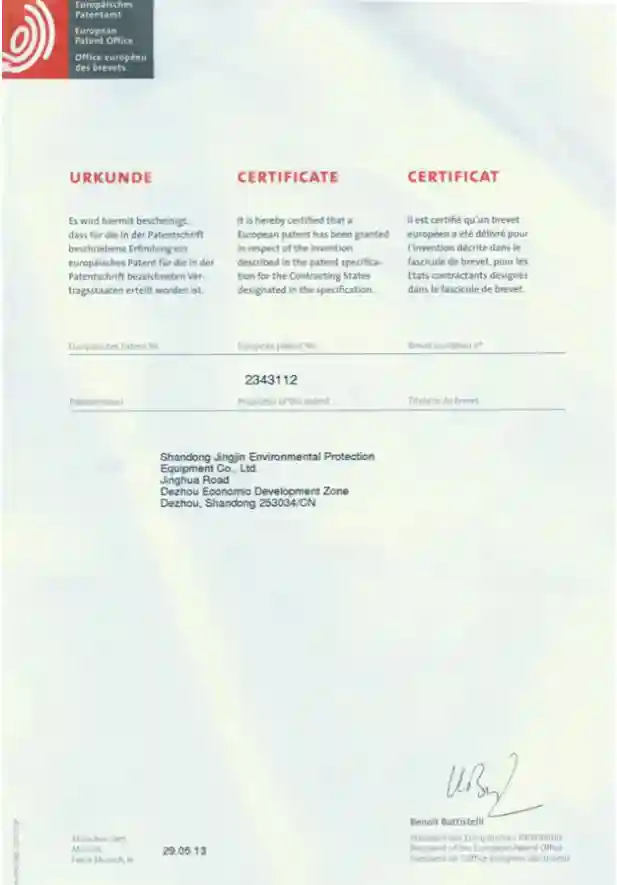
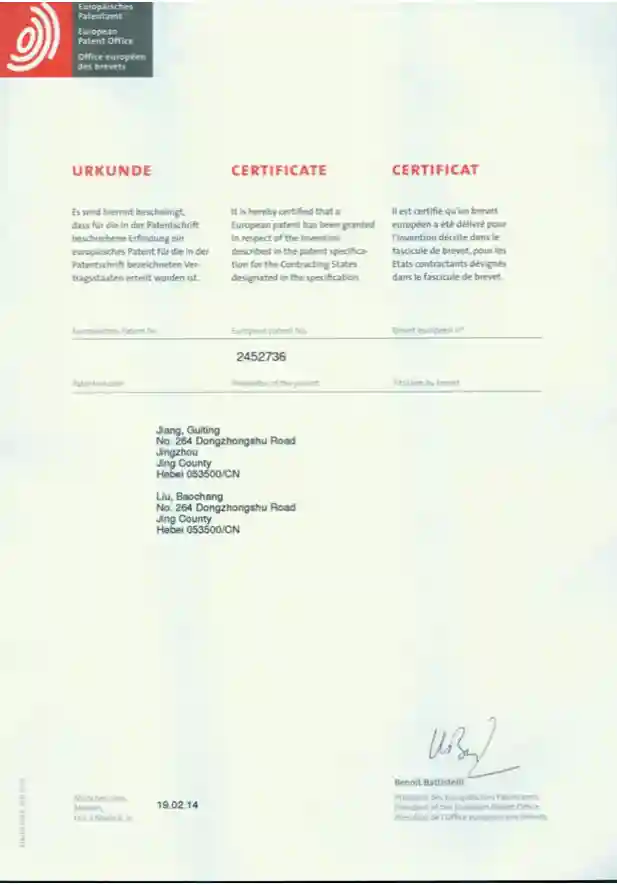
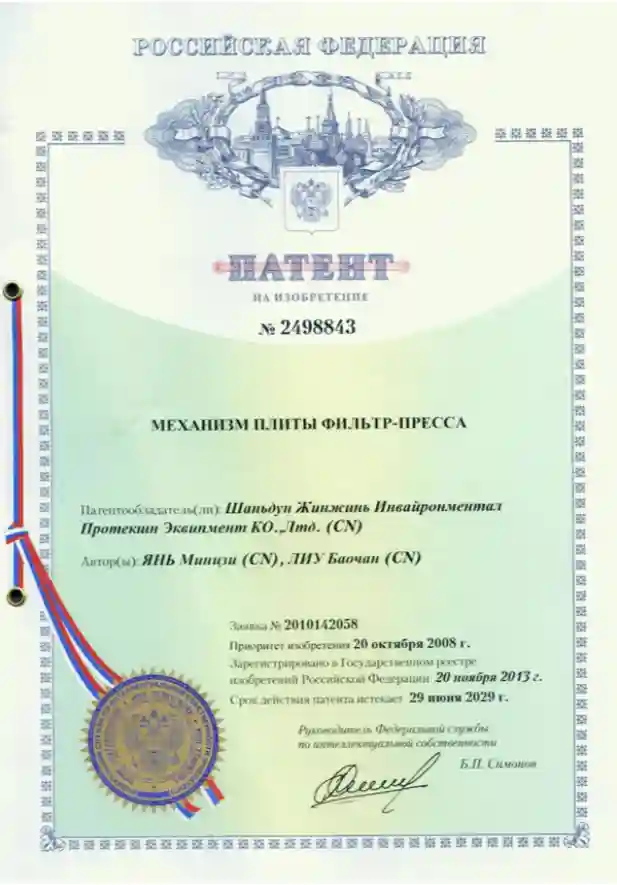
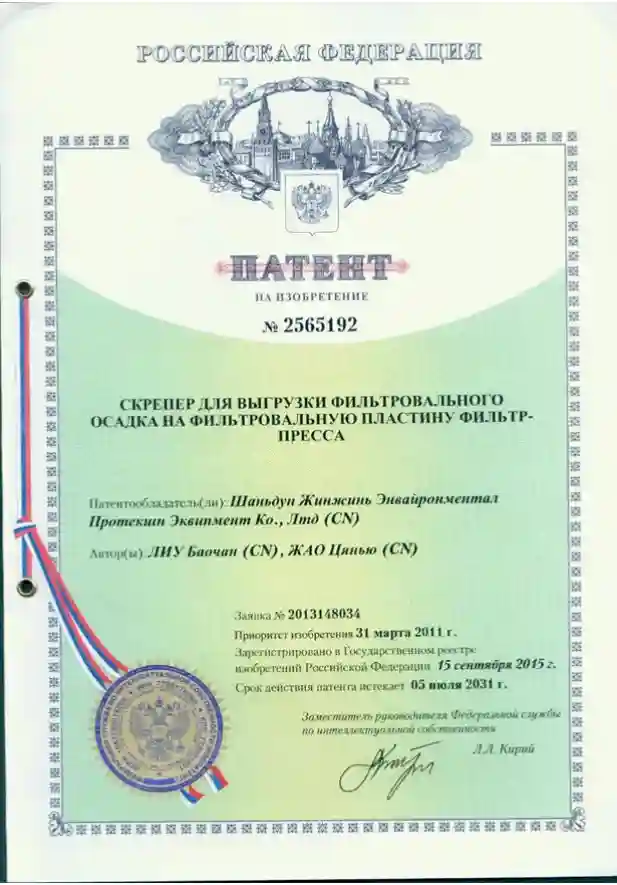
Jingjin Equipment Inc., established in 1988, brings over three decades of solid-liquid separation expertise to clients across 123 countries. Our portfolio includes advanced screw press dewatering systems engineered for the toughest applications—from mining tailings and petrochemical sludge to municipal biosolids and food processing waste. With more than 136 patents protecting our innovative designs, we deliver proven solutions that process low-concentration feeds from 0.2% solids and achieve cake dryness exceeding 22% in municipal applications. Our large-scale manufacturing capacity ensures short lead times and competitive pricing without compromising quality.
Procurement managers and process engineers seeking a dependable multi disk screw press supplier benefit from our full-service approach: custom system design, precision-machined stainless steel components, comprehensive operator training, and responsive global technical support. Reach out to our team at [email protected] to discuss your specific dewatering challenges, request detailed technical specifications, or schedule an on-site consultation. Our application engineers analyse your sludge characteristics, facility constraints, and regulatory requirements to recommend optimised configurations that lower disposal costs and extend equipment service life.
References
1. Metcalf & Eddy, Inc. (2014). Wastewater Engineering: Treatment and Resource Recovery, Fifth Edition. McGraw-Hill Education.
2. American Water Works Association (2018). Standard Methods for the Examination of Water and Wastewater, 23rd Edition. AWWA Press.
3. Water Environment Federation (2019). Design of Municipal Wastewater Treatment Plants: MOP 8, Sixth Edition. WEF Press.
4. Svarovsky, L. (2000). Solid-Liquid Separation, Fourth Edition. Butterworth-Heinemann.
5. Cheremisinoff, N.P. (1995). Handbook of Water and Wastewater Treatment Technologies. Butterworth-Heinemann.
6. Mahmoud, A., Olivier, J., Vaxelaire, J., & Hoadley, A.F. (2013). "Electrical field: A historical review of its application and contributions in wastewater sludge dewatering." Water Research, 47(7), 2211-2224.
jingjin
Founded in 1988, Jingjin specializes in filter presses and liquid-solid separation solutions, serving over 130 countries worldwide, and is a standard-setter in China's filter press industry.
Get the Filter Press guide
Enter Your Email for Technical assistance for the Filter Press.
Recommended Blog
Where European Distributors Source Press Filter from China?
Why Vietnam Factories Prefer China Membrane Plate Filter Press?
A Step-by-Step Guide to Maintaining and Replacing Filter Press Plates
How Overseas Distributors Choose Filter Press Suppliers in China?
Best Filter Cloth for Sludge Dewatering: Features and Buying Guide
Energy Saving Multi Screw Sludge Press: How It Reduces Operational Costs