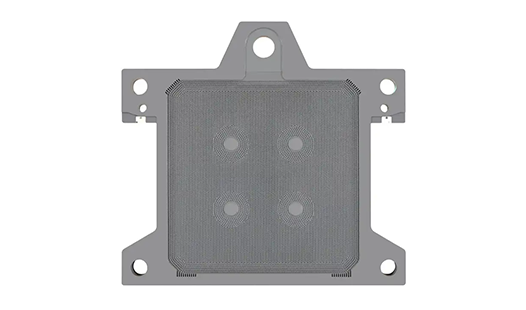
Chamber Filter Press vs. Belt Press: Which Fits Your Processing Plant?
Introduction
- Introduction
- Understanding Filtration Technologies: Chamber Filter Press and Belt Press
- Performance Comparison: Chamber Filter Press vs Belt Press
- Application Suitability: Which Press for Which Scenario?
- Procurement Considerations and Market Insights
- Making the Right Decision: Key Criteria for Your Processing Plant
- Conclusion
- FAQ
- Partner with Jingjin for Superior Chamber Filter Press Solutions
- References
Choosing the right solid-liquid separation technology determines whether your processing plant operates profitably or constantly battles high disposal costs and compliance headaches. After working with hundreds of facilities across mining, chemical, and wastewater sectors, I've seen how the decision between a chamber filter press and a belt press impacts everything from cake dryness to annual maintenance budgets. The chamber filter press consistently delivers superior dewatering performance—producing cakes with 15-30% lower moisture content than belt systems—making it the preferred choice for operations where disposal costs and product recovery matter most.
Introduction
Separating solids from liquids is an important part of running a profitable business. The filtering technology you choose has a direct impact on running costs, environmental compliance, and product quality, whether you're dewatering mine waste, handling sewage sludge, or recovering valuable chemicals. When plants don't make the right choice, they often have long-term issues like wet cakes that are very expensive to get rid of, equipment that needs constant care, and filtration cycles that can't keep up with production needs.
Chamber filter presses and belt presses are usually the only two methods left. Both have won their place in industrial processes, but they are used in different ways and solve different problems. Knowing these differences will keep you from making costly mistakes when matching the properties of your slurry with the powers of your tools. Pressure is applied through recessed plates in chamber filter presses to create sealed rooms. Belt presses, on the other hand, use constant gravity drainage and mechanical pressure. Each method has its own benefits that make it better for certain working situations.
Understanding Filtration Technologies: Chamber Filter Press and Belt Press
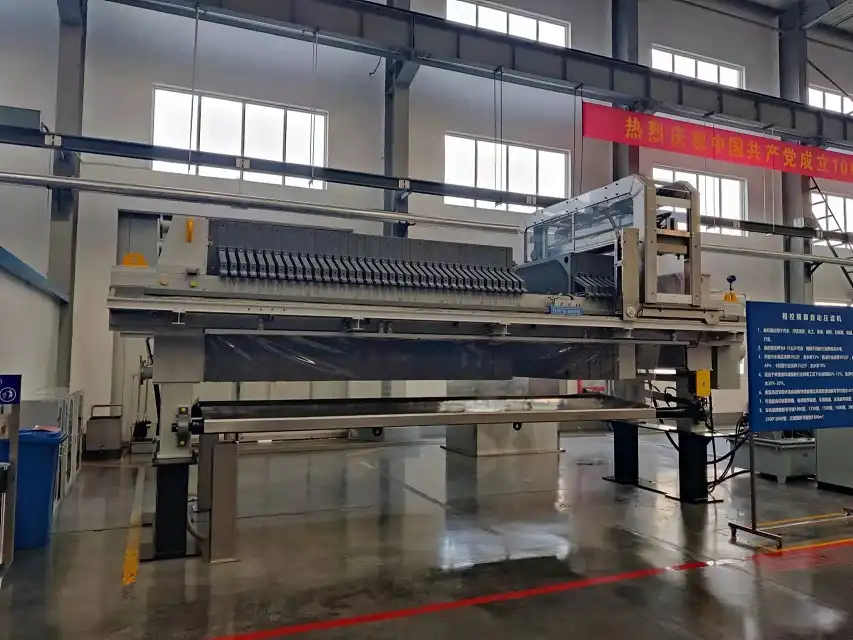
How Chamber Filter Presses Operate
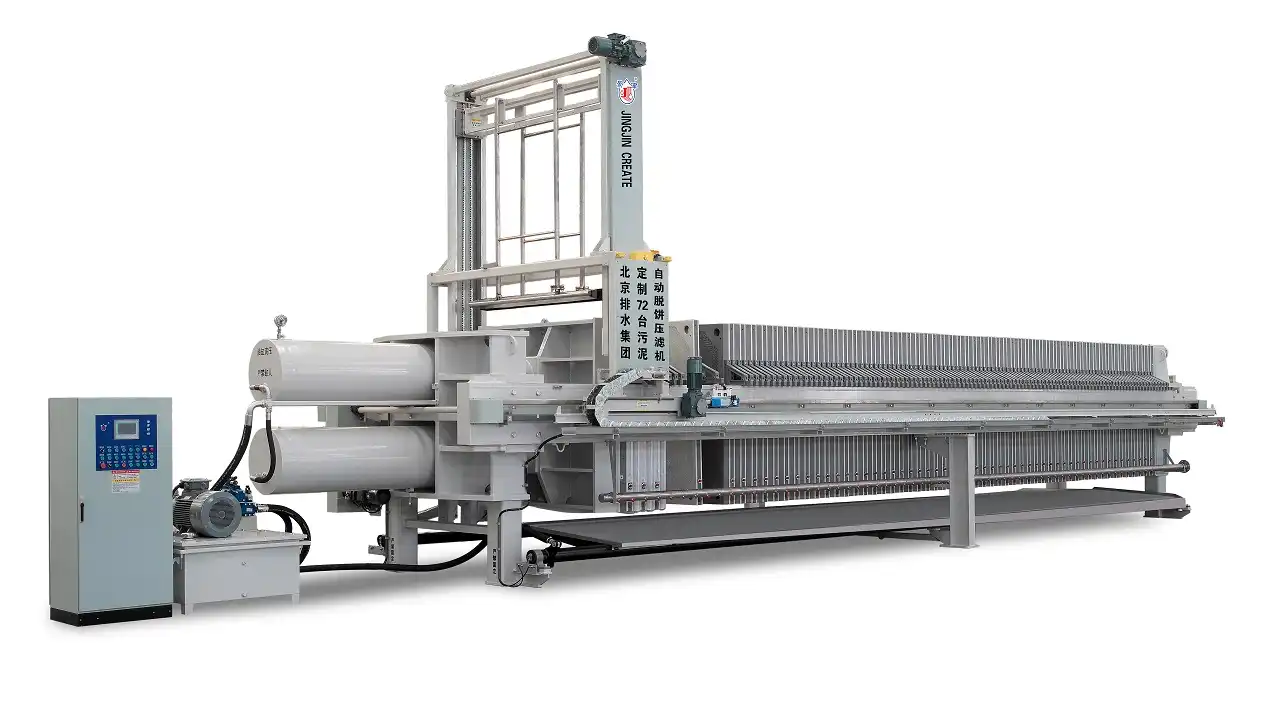
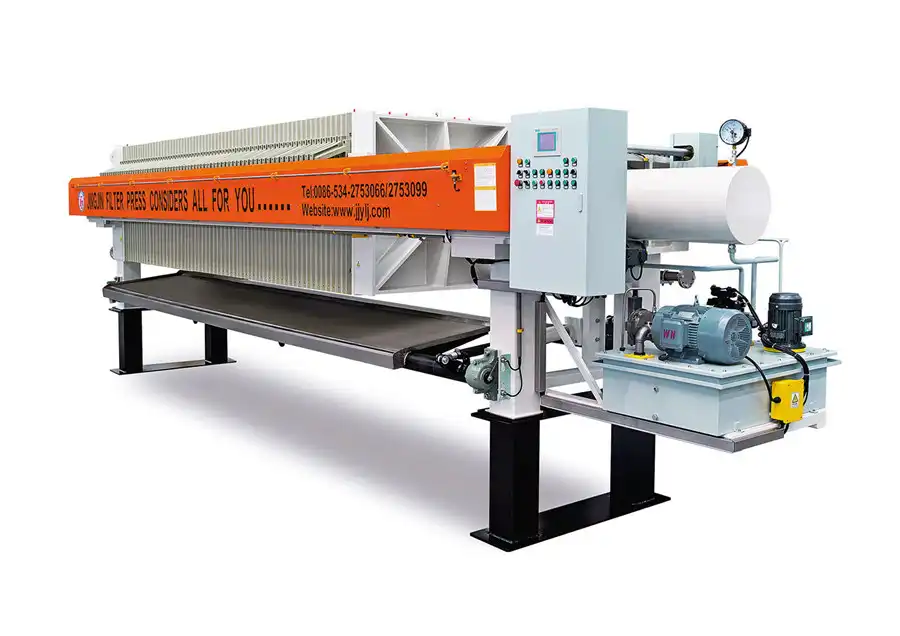
A chamber filter press uses hydraulic force to squeeze a set of hollow filter plates together, making several sealed filtering chambers. When your hydraulic system squeezes the plates together to make leak-proof chambers (usually 0.6 to 2.0 MPa of closing pressure), the process starts. A slurry is pumped under high pressure into these tanks, which pushes the liquid phase through filter cloth while keeping the solids. It makes a thick, dry cake with a solids content of 25–35%, but this depends on the qualities of the material you use.
The steps in the batch operation cycle are filling the chamber, holding the pressure to completely remove the water, separating the plates, and letting the cake drain. Modern automatic chamber filter press systems handle the whole process with a PLC, so there is no need for human work, and the products are always the same. This technology cuts down on the cost of labor while also making work areas safer where harmful or corrosive materials are being processed.
Belt Press Fundamentals
Belt presses keep going by feeding conditioned sludge onto a belt with holes in it. First, the material drains naturally in a drainage zone. Next, it moves between two belts that put growing mechanical pressure on it through a set of rollers. This continuous process works well for high-volume tasks where steady output is more important than complete drying.
Municipal wastewater treatment plants that process large amounts of biosolids with low solids content do a great job with this technology. In these situations, operating costs per ton may be lower, especially if the rules for getting rid of the waste allow cakes with more water and if polymer treatment prepares the sludge well.
Industrial Application Contexts
Chamber filter press technology is used a lot by chemical and pharmaceutical companies that work with corrosive dyes, resins, and unique compounds. Cross-contamination can't happen because the chamber is sealed, and it can handle harsh chemicals that would damage belt materials. These fields include being able to wash cakes inside the press so that valuable products can be recovered while still meeting strict purity standards.
Mining companies that handle tailings and concentrate dewatering choose chamber systems because they can make dry tailings that can be stacked. This is important to keep dams from breaking and to recycle water in rural, high-altitude areas. Construction companies that deal with slurry from trench digging and wastewater from aggregates, like how small the size is and how high the pressure can go. This fits their demanding, mobile work.
Performance Comparison: Chamber Filter Press vs Belt Press
Cake Dryness and Filtration Efficiency
The performance gap in cake dryness has a big effect on your bottom line. Cakes made with chamber filter presses usually have 60–80% dry solids, while cakes made with belt presses usually have 15–25% dry solids. This difference directly affects the cost of getting rid of waste: a chamber-dewatered cake could cut your waste amount by 60% compared to belt press output, which would mean lower costs for shipping and disposal.
How well filtration works depends on how much pressure is used. Chamber methods immediately apply 100 to 225 psi to the slurry, which removes as much liquid as possible. Belt presses use mechanical pressure that doesn't go above 100 psi and work for a shorter amount of time, which limits their ability to remove water.
Cycle Time and Throughput Dynamics
Belt presses from filter press machine manufacturers can keep working without stopping to let the cake out, which makes them a good choice for places that care more about steady flow than cake quality. If the belt system is the right size, it can move 30 to 50 cubic meters of conditioned sludge per hour without stopping.
Chamber filter presses work in batches, and cycle times can be anywhere from 90 to 180 minutes, depending on the thickness of the cake and the properties of the slurry. High-capacity automatic systems, on the other hand, make up for it by working in parallel and cycling quickly, which is made possible by automated mechanisms for plate shifting and cake discharge. The real question about throughput is whether you need a steady flow or the best performance for each run.
Energy Consumption and Operating Costs
Because they use high-pressure pumps and hydraulic compression, chamber filter presses use more energy per cycle, but the cakes they make are much cleaner. When you figure out the cost per dry ton of solids, chamber systems usually come out on top because they save money on disposal costs and collect useful filtrate.
Belt presses use less energy per hour of operation, but they need to be constantly polymer-conditioned, which adds 15–30% to the cost of doing business. Costs for polymers depend on the type of sludge, but most sites spend between $8 and $15 per dry ton on conditioning agents.
Maintenance Requirements and Longevity
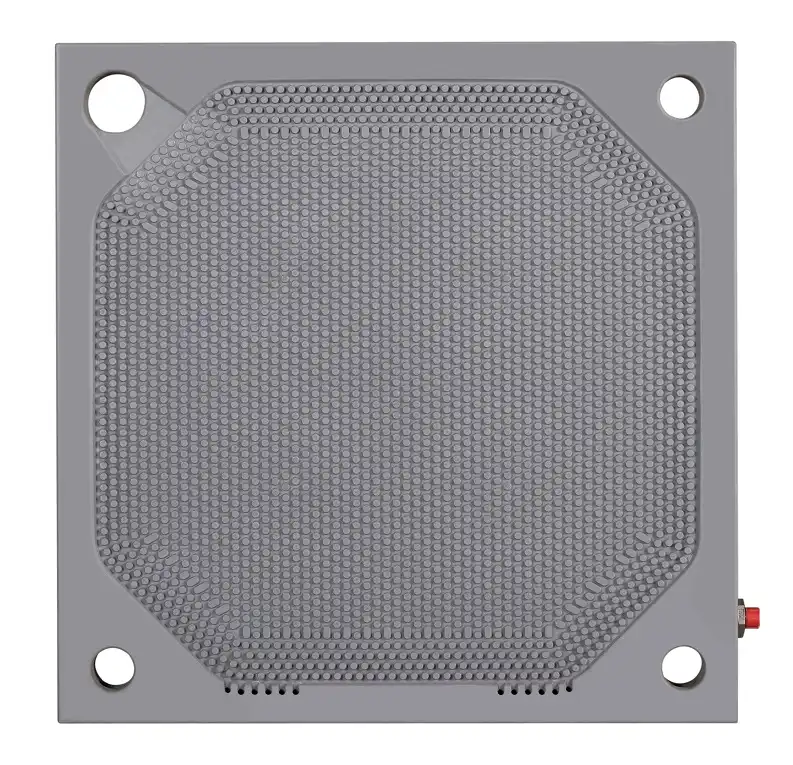
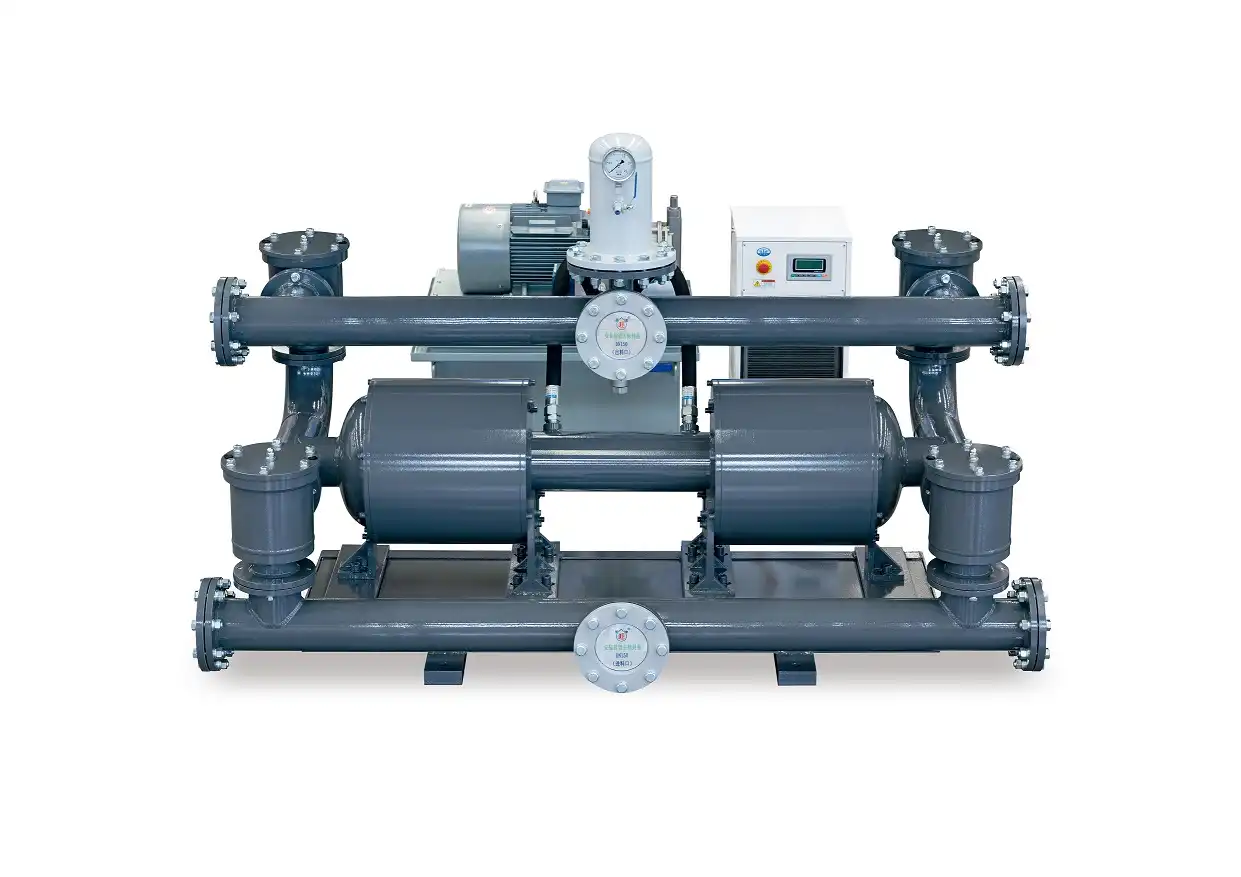
Knowing what repairs need to be done can help avoid unplanned downtime. In normal conditions, chamber filter press filter plates made from fresh reinforced polypropylene last between 3 and 7 years. However, gritty slurries shorten this lifespan. Filter cloth (which needs to be changed every one to two years), hydraulic seals, and feed pumps are the key parts that wear out.
Belt presses need to have their rollers and belts serviced and tracked often, and the belt needs to be replaced every 12 to 24 months. Misalignment of the belts leads to uneven cake formation and early wear, which causes operational headaches that need expert attention.
Application Suitability: Which Press for Which Scenario?
When Chamber Filter Presses Excel
Chamber technology is the most common way to dry things out and get products back to normal. Chemical companies that work with expensive colors can't afford to lose product when they use heavier cakes. A chamber filter press that can recover an extra 5% of product easily explains its higher initial cost. When mining companies stack tailings, they need low-moisture cakes to keep the structure stable. This is why chamber filter presses are the standard for managing tailings.
Corrosive environments are good for chamber designs because you can choose plate materials like PP, cast iron, or stainless steel that are right for your chemistry. The sealed chambers keep workers from coming into contact with dangerous materials, which is a safety issue that belt systems have trouble with. Facilities that need to wash cakes at the same time choose chamber filter presses because the cakes are washed inside the locked rooms without any product loss.
Belt Press Advantages in Specific Contexts
Belt presses work well for local wastewater plants that need to handle thickened waste-activated sludge when rules allow solids cakes of 15-20% and when the waste can be dumped nearby without paying too much. The constant action is the same as organic treatment methods that make sludge all the time.
Belt presses might be better for projects with limited funds and low performance needs because they require less starting capital. A belt system might work well for you if your main goal is to reduce the volume rather than get the material completely dry, and the material is easy to condition with polymer.
Capacity Matching and Scalability
When you get the right size, you avoid expensive over-specification or poor performance. Chamber filter presses get bigger by adding more plates and making the plates bigger. Systems can have anywhere from 20 to 200 or more plates, and the filtration area can be up to 500 square meters. This flexibility lets you precisely match your capacity to your output needs.
The belt press's capacity is based on its width and length. Most industrial units have belts that are 1 to 3 meters wide. Scalability means adding parallel units instead of expanding existing equipment, which makes it harder to grow in the future compared to modular expansion chamber systems.
Procurement Considerations and Market Insights
Pricing Dynamics and Investment Levels
The price of a chamber filter press depends on its capacity, the materials it is made of, and how much automation it has. A 100-square-meter automatic system made of materials that don't rust costs about $180,000 to $350,000, while belt presses with the same throughput cost about $120,000 to $250,000. These numbers show basic equipment that hasn't been installed, conditioned, or had any changes made to the infrastructure.
To figure out the total cost of ownership, you have to add up how much polymer is used by belt presses ($50,000 to $150,000 a year for medium-sized businesses) and the different costs of disposal. At average waste rates, a chamber filter press that cuts the amount of trash you have to throw away each year by 400 tons can save you $80,000 to $120,000 a year, and the extra cost will be paid back in two to three years.
Service Support and Parts Availability
Long periods of downtime can be avoided with reliable after-sales help. Leading makers like Evoqua, Alfa Laval, and Andritz have service networks that reach all over the world. However, specialized chamber filter press manufacturers often offer better help for problems that are unique to filtering. You can keep your operations running smoothly by checking a supplier's spare parts stock, reaction time promises, and field service skills.
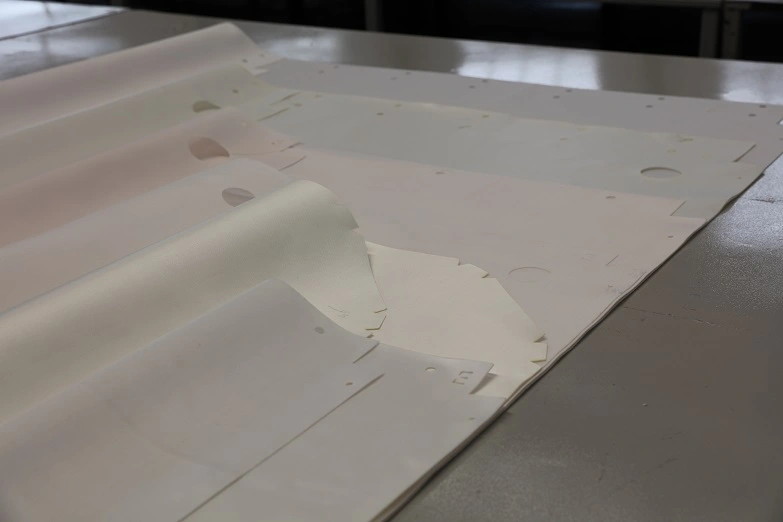
When looking for new chamber filter press filter plates, it's important to make sure that they work with your current frame. The dimensions, handle styles, and feed places must all be exactly the same. Making sure that the retrofit plates will fit your press before you order them will save you a lot of money.
Warranty and Customization Options
Standard equipment warranties last between 12 and 24 months, but make sure you know exactly what is covered. Is the warranty only for the frame and hydraulic parts, or does it cover the filter plates, cloth, and seals? Long-term service agreements make sense for mission-critical apps that lose power every day and cost more than $10,000 to fix.
Customization solves specific processing problems, like using special coatings for areas with high pH, hot plates for materials that are sensitive to temperature, or built-in cake washing channels for recovering products. Suppliers who offer tech help and custom solutions show that they can meet the needs of complicated industries.
Making the Right Decision: Key Criteria for Your Processing Plant
Evaluating Core Performance Metrics
When making a decision, you should put filtration capacity, energy efficiency, maintenance frequency, and total cost of ownership at the top of your list. Measure each measure against the factors of your operation. Figure out how much it costs to get rid of different amounts of moisture. For example, if you normally throw away 2,000 tons of cake every year, a 10% moisture drop could save you $150,000 a year.
When looking at the energy economy, you have to take into account extra processes. Chamber filter presses need high-pressure pumps, but they only work sometimes. Belt presses work all the time, but they need systems for mixing polymers, water for washing, and tools for cleaning the belts. Actual consumption is based on the total connected load and operating hours.
Audience-Specific Recommendations
Process engineers should closely look at the slurry's particle size distribution, settling rate, compressibility, and ability to mix with other chemicals. Chamber filter press systems are much better than belt presses at handling slurries that are hard to dewater, especially materials with small particles or high compressibility that quickly wear through belt fabrics.
If a procurement manager is interested in ROI, they should compare capital differences to savings on dumping costs. In most industrial settings, chamber filter press technology pays for itself in 18 to 36 months through lower polymer use, less waste, and higher product value.
When EPC companies add dewatering to bigger projects, chamber filter press providers who offer full system design, P&ID development, and installation documentation are very helpful. Engineering tools from companies like Jingjin, which has over 136 patents and has worked in 123 countries, lower the risk of a project.
Long-Term Operational Advantages
It is better for chamber filter press designs to be operationally flexible. You can change the cycle parameters (fill time, pressure, and compression duration) to fit different types of slurry without having to change the equipment. This flexibility protects your investment when changes to the upstream process cause the feed characteristics to change.
Chamber filter press technology is often chosen because it produces better products. If the separated solids can be sold instead of being thrown away, the dryer, cleaner cakes make the technology choice worth it. Because of this, companies that handle mineral concentrate, make specific chemicals, and make medicines always choose chamber filter presses.
Conclusion
Which one you choose between chamber filter presses and belt presses depends on your specific operational goals, the type of slurry you have, and how much it costs. Chamber filter press technology works better in most industrial settings, making cakes that are drier, handling tough materials, and lowering long-term costs, even though it costs more to buy at first. Belt presses are used in certain situations where they need to be able to run continuously and have low startup costs. Carefully look at the costs of dumping, the chances of recovering products, and the ability to do upkeep to make the decision that will help your plant make the most money and run reliably.
FAQ
1. What are the main advantages of chamber filter presses over belt presses?
Chamber filter presses make cakes that are much drier than belt presses (15–25% solids vs. 60–80% solids), which can cut disposal costs by up to 60%. They're better at dealing with acidic and abrasive slurries, need little to no polymer preparation, and can wash the cake at the same time for product recovery. The sealed room design keeps workers from coming into contact with dangerous materials and removes the chance of cross-contamination.
2. How often do chamber filter press filter plates require replacement?
If you use suitable chemicals and take care of the closing surface, high-quality raw polypropylene chamber filter press filter plates should last between 3 and 7 years. This lifespan is shortened by abrasive slurries, high or low temperatures, or chemicals that don't mix well. Cracking generally happens when the cylinder isn't filled evenly, when the closing pressure is too high, or when chemicals break down the material.
3. Can chamber filter presses process high-viscosity slurries effectively?
Yes, chamber filter presses work best with thick, tough-to-dewater slurries that make belt presses work less well. Fine bits and materials that are easy to crush don't stop the high-pressure application (0.6–2.0 MPa). A lot of chemical and pharmaceutical uses choose chamber filter press technology for thick substances that would tear belt fabrics or need too much preparation.
Partner with Jingjin for Superior Chamber Filter Press Solutions
Jingjin Equipment Inc. has been making solid-liquid separation systems since 1988. Their chamber filter press technology has been used by customers in 123 countries. Our automated systems use more than 136 unique innovations to get the cake as dry as possible with very little upkeep and high efficiency in harsh industrial settings. Our engineering team creates custom filter solutions that lower disposal costs and boost working efficiency, whether you're in charge of mine waste, chemical processing, or industrial wastewater.
We make whole filtration systems, including high-pressure filter presses, precision-molded chamber filter press filter plates, and suitable filter cloth. This way, all of the parts work together smoothly and are always available. Our global service network offers quick technical help, which lowers the risks of downtime that procurement managers and plant operations directors worry about.
To talk about your drainage problems, email our application engineers at [email protected]. We'll look at the properties of your slurry, your throughput needs, and your business goals to help you choose the best chamber filter press setup. As a top chamber filter press maker, we offer low prices, reliable performance, and full after-sales support that keeps your investment safe for decades.
References
1. Wakeman, R. J., & Tarleton, E. S. (2005). Solid/Liquid Separation: Principles of Industrial Filtration. Elsevier Advanced Technology.
2. Cheremisinoff, N. P. (1998). Liquid Filtration: Second Edition. Butterworth-Heinemann Series in Chemical Engineering.
3. Sutherland, K. (2011). "Filters and Filtration Handbook." Elsevier Science & Technology Books.
4. Rushton, A., Ward, A. S., & Holdich, R. G. (2000). Solid-Liquid Filtration and Separation Technology. Wiley-VCH Verlag GmbH.
5. Purchas, D. B., & Sutherland, K. (2002). Handbook of Filter Media: Second Edition. Elsevier Advanced Technology.
6. American Water Works Association. (2018). "Sludge Dewatering Manual of Water Supply Practices M36." AWWA Publications.
jingjin
Founded in 1988, Jingjin specializes in filter presses and liquid-solid separation solutions, serving over 130 countries worldwide, and is a standard-setter in China's filter press industry.
Get the Filter Press guide
Enter Your Email for Technical assistance for the Filter Press.





Recommended Blog
Where to Buy Industrial Filter Press Cloth: Top Suppliers and Tips
PLC-Controlled Filter Press Cycles: How Automation Reduces Operator Error by 90%
Essential Maintenance Tips for Press Filters in Industrial Plants
Automated Filter Press Systems: Revolutionizing Industrial Filtration Processes
Best Press Filter Models for Pharmaceutical Filtration Needs
Reduce Downtime With a Reliable Plate Frame Filter in Industry
Top Maintenance Tips for Filter Press Feed Pumps to Maximize Efficiency