Where to Buy High Quality Multi Disk Screw Press for Efficient Sludge Dewatering
Where to Buy High Quality Multi Disk Screw Press for Efficient Sludge Dewatering
Understanding Multi-Disk Screw Press Technology for Sludge Dewatering
- Understanding Multi-Disk Screw Press Technology for Sludge Dewatering
- Evaluating and Comparing Multi-Disk Screw Press Solutions
- Where to Buy High-Quality Multi-Disk Screw Press Machines
- Optimizing Sludge Dewatering Performance with Your Multi-Disk Screw Press
- Making the Right Choice: Cost Efficiency and Long-Term Value
- Conclusion
- FAQ
- Contact Jingjin for Your Multi-Disk Screw Press Sludge Dewatering Machine
- References
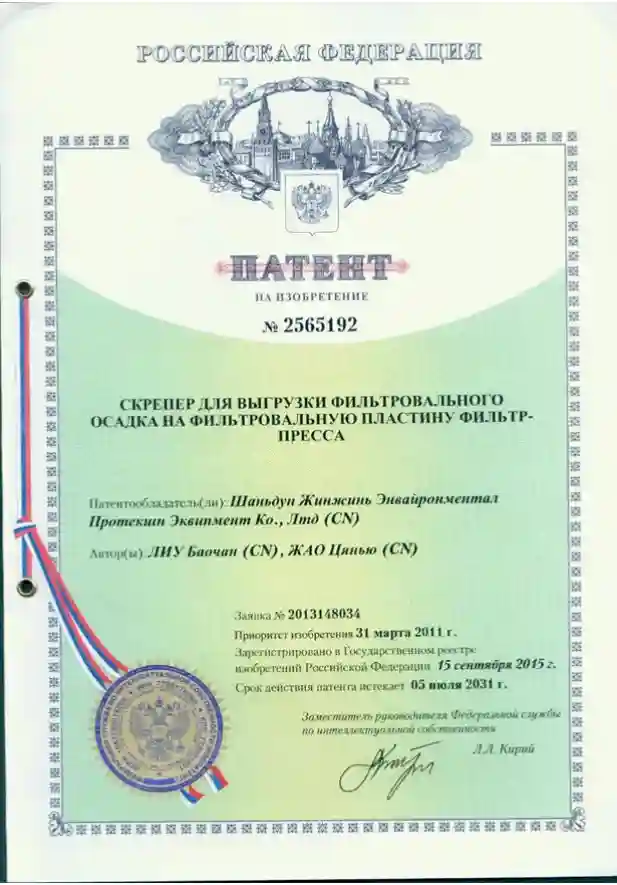
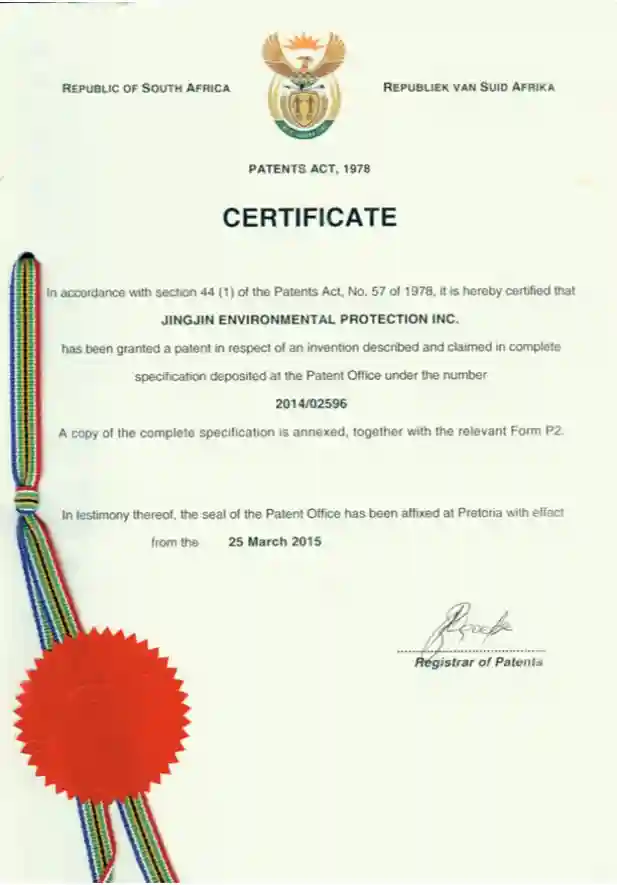
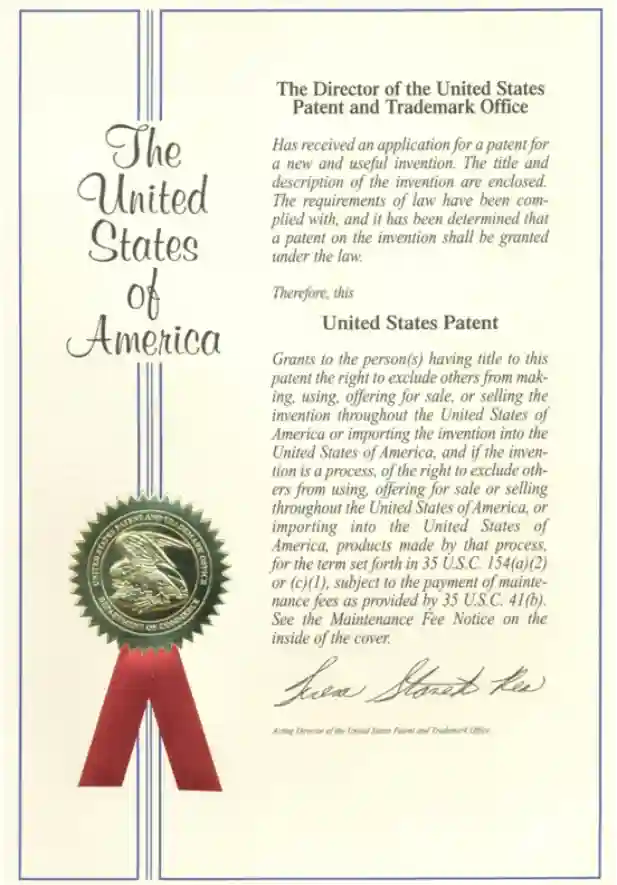
Choosing the best multi-disk screw press sludge dewatering machine manufacturer is crucial for reliability. Quality equipment maintains performance, reduces maintenance costs, and follows environmental regulations. Jingjin Equipment Inc., a 35-year-old company with 136 patents, provides proven solutions for mining, chemical processing, municipal wastewater treatment, and other industries. Find a company that provides system design, installation, and professional support to maximize your investment.
Understanding Multi-Disk Screw Press Technology for Sludge Dewatering
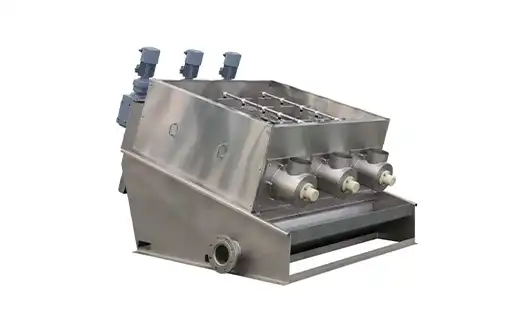
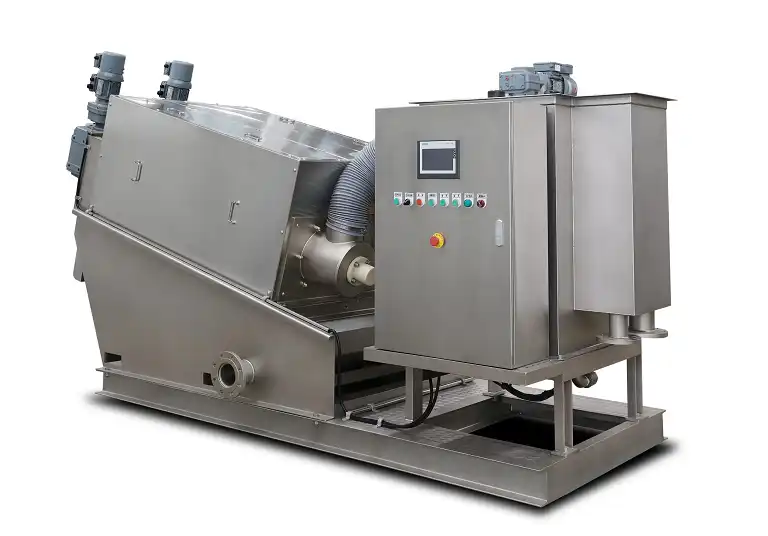
Sludge dewatering is changed by the multi-disk screw press technology's mechanical compression. Sludge is progressively squeezed by rotating and stationary disks that allow water to escape via microscopic pores in this high-tech device. Material passes through pressure zones on the continuous screw conveyor. This removes the most water without centrifuges or chemicals.
How Multi-Disk Technology Outperforms Traditional Methods
Comparing energy usage and maintenance shows the practical advantages. Traditional belt presses require more water to clean and replace their belts, whereas centrifuges need electricity to function at high speeds. Multi-disk systems operate more slowly, reducing wear and energy costs and maintaining cake freshness at 18–25%.
Modern chemical, food, and municipal treatment plants use 30–50% less energy than previous draining equipment. The gentle crushing technique preserves sludge structure and prevents tiny particles from degrading filtrate quality. This characteristic is particularly valuable in the food and pharmaceuticals sectors, where quality requirements are still high.
Applications Across Industrial Sectors
Multi-disk screw press technology is employed in many production applications. These technologies dry tailings, reducing dumping costs and environmental impact. Paper industries favor gentle handling of fiber-rich sludges, while chemical plants want non-rusting, process-resistant materials.
Most uses are in municipal wastewater treatment facilities, where sludge dewatering affects pricing and compliance. Continuous operation ensures steady performance at high flow, and little human intervention reduces work. Environmental engineering firms are increasingly using multi-disk technology for new projects because of its reliability and reduced lifespan costs.
Evaluating and Comparing Multi-Disk Screw Press Solutions
Choose a multi-disk screw press sludge dewatering machine by carefully considering performance criteria that affect how well it performs and how much it costs. Taking annual fluctuations and future expansion into consideration, throughput capacity should meet the greatest sludge production rates. Cakes must be dry enough for discarding or reuse. This is because increasing cake dryness reduces shipping and disposal expenses significantly.
Key Performance Metrics and Specifications
Consider how output impacts cake quality when comparing models. High processing speeds might make dewarping less efficient, so find the optimum blend. Energy consumed to treat one unit of sludge is helpful for comparison, particularly throughout equipment lifespan. Makers have varied maintenance needs. Some designs make routine maintenance easy, while others require a lot of downtime to fix parts.
Automation keeps processes regular and reduces labor needs. Advanced control systems monitor cake moisture, filtrate brightness, and energy utilization in real time. To maintain efficiency, modifications may be made immediately. Workers may remotely monitor equipment from central control rooms, speeding response times and preventing costly downtime.
Maintenance Considerations and Operational Challenges
Know about regular maintenance and operational issues to utilize a multi-disk screw press properly. Regularly checking disk parts ensures proper gap setting and detects wear patterns before they affect performance. Maintenance programs prevent bearing failure and keep the machine running smoothly even under full workload.
Practical flexibility is needed to handle sludge changes. Seasonal changes in wastewater composition might affect dewatering; therefore, feed rates and compression pressure must be adjusted. Understanding these relationships helps workers maintain cake quality when inputs fluctuate. Operating personnel may identify success indicators and take immediate remedial action with proper training.
Where to Buy High-Quality Multi-Disk Screw Press Machines
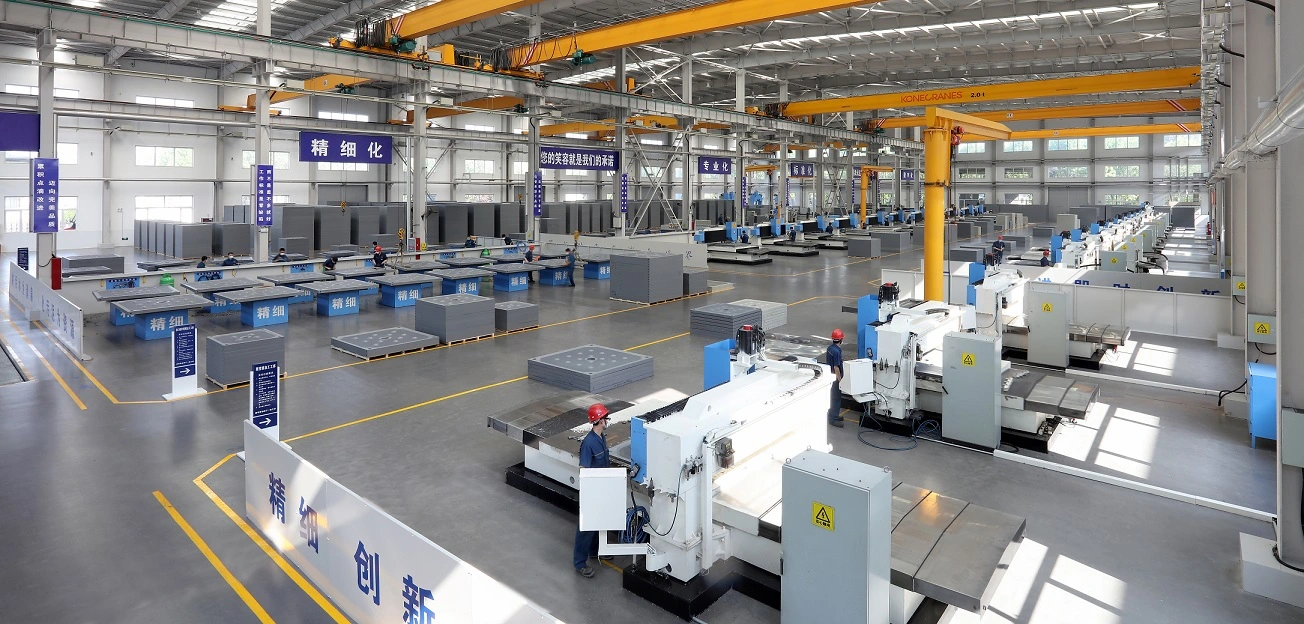
To locate trustworthy producers, evaluate their professional abilities, product quality, and customer service. Leading manufacturers ensure their goods satisfy industry standards with their years of technical experience and modern manufacturing locations. Jingjin Equipment Inc., which manufactures filtration solutions for 123 countries, follows high-quality requirements throughout the manufacturing process.
Evaluating Manufacturer Credentials and Capabilities
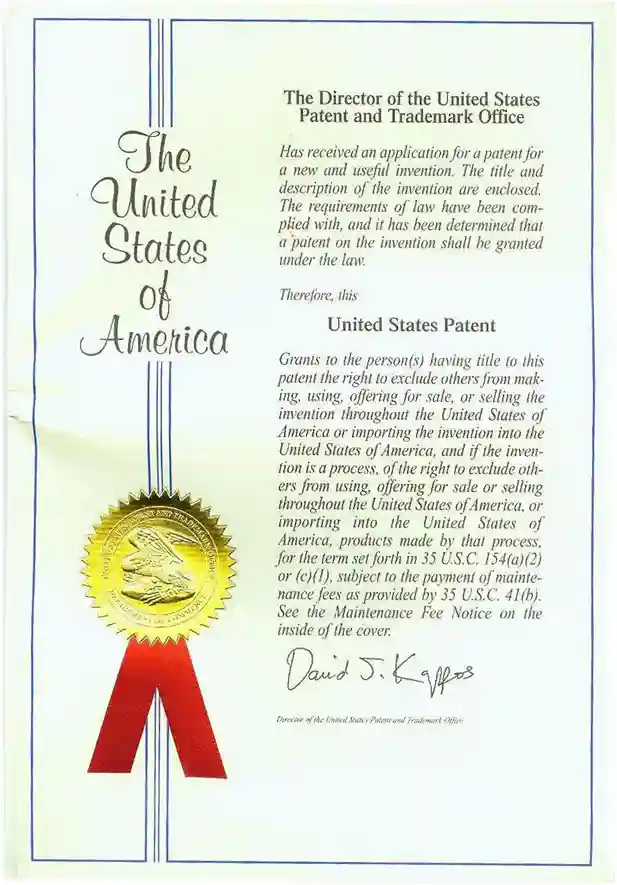
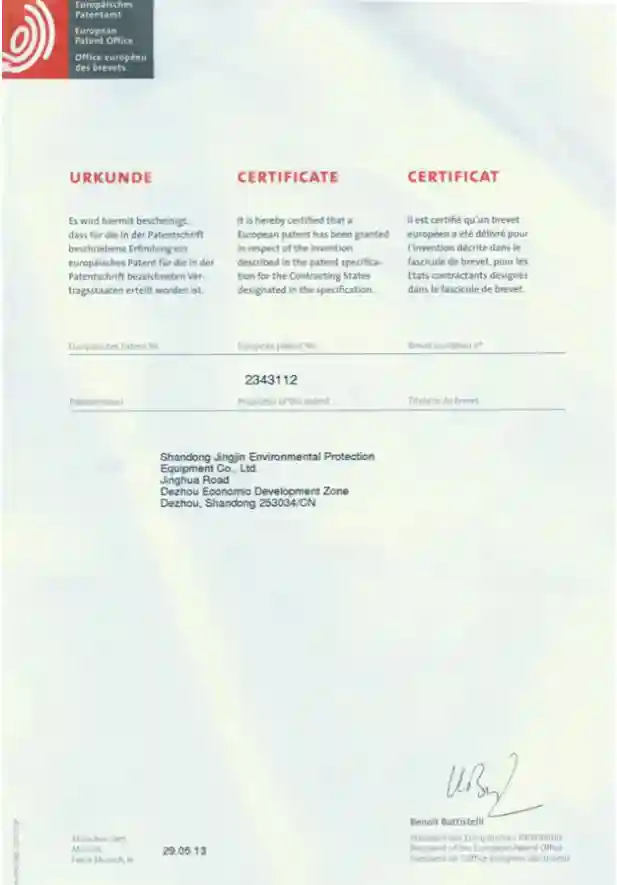
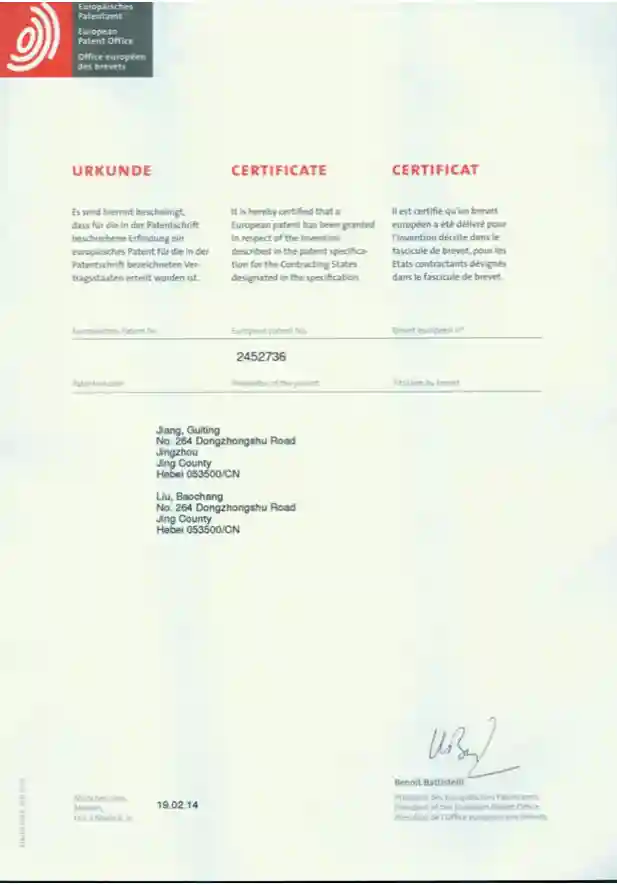
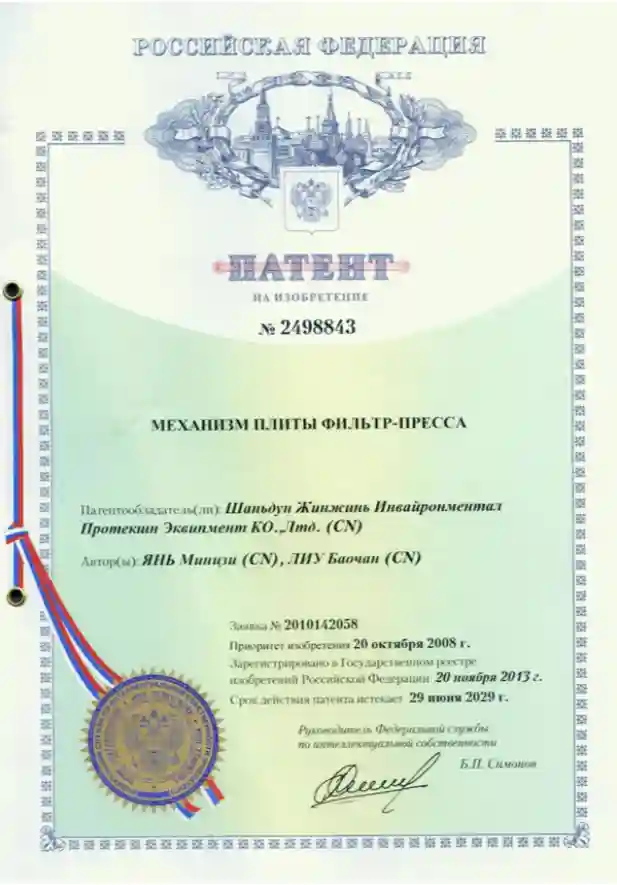
Consider patents and research investment while choosing suppliers. These demonstrate their dedication to technological improvement. Established manufacturers frequently have several patents for novel designs and methods. The consistency and speed of product delivery depend on factory capacity. Standard setups benefit from larger manufacturers' quality control and quicker wait times.
Global service networks are crucial for foreign sites or multi-location enterprises. Expert guidance on equipment selection, thorough engineering for system integration, and ongoing maintenance assistance are included. Local repair technicians and spare parts reduce downtime and business disruptions.
Procurement Strategies for B2B Buyers
First, write clear requirements that match your company's needs and performance criteria to accomplish successful buying. Full quotations should contain site-specific details such as room size, utilities, and how the new system will operate with the existing one. This strategy helps multi-disk screw press sludge dewatering machine suppliers deliver accurate quotations and identify fitting issues early.
Customization options vary widely across suppliers. Others give merely regular configurations, while others offer considerable alterations. Knowing what modifications are available helps match tool capabilities to process demands. Warranty terms and after-sales support affect long-term operational expenses, so choose a supplier wisely.
Optimizing Sludge Dewatering Performance with Your Multi-Disk Screw Press
To maximize equipment performance, pay attention to installation, usage, and maintenance. Well-designed bases stabilize the machine and prevent vibrations that reduce performance and part life. The optimal operating conditions and least wear are achieved with proper installation location.
Installation and Calibration Best Practices
Professional installation teams understand how mechanical alignment, electrical connections, and process lines affect system performance. Calibration provides fundamental operating conditions and ensures control systems respond to process changes. To ensure proper operation, the system should be tested in various scenarios before being launched.
Operator training programs increase equipment performance by teaching users how to utilize and recognize performance signals. Well-trained operators can notice issues before they worsen or damage gear. Regular training keeps staff up to speed on best practices and new technology.
Process Optimization Techniques
Continuous performance monitoring helps you improve and discover issues early. Water in the cake, filtrate color, and energy utilized per unit of treated sludge are performance indicators. Plotting these characteristics over time lets you observe patterns and determine the ideal settings for each sludge type.
Feed rate optimization balances production and cake quality. High feed rates may make the cake less dry, whereas low feed rates restrict yield. Managers may adjust settings depending on current priorities and future tasks by recognizing these linkages. Integration with computerized control systems automatically maintains optimal conditions, reducing human workload and improving consistency.
Making the Right Choice: Cost Efficiency and Long-Term Value
Investment studies for multi-disc screw press equipment go beyond the initial purchase price. It also considers lifetime expenses, maintenance, and equipment performance. Efficient energy utilization reduces operational expenses throughout the life of the device. Less maintenance reduces direct expenses and production-affecting issues during scheduled and unexpected downtime.
Return on Investment Analysis
An in-depth cost study should include demonstrable advantages such as reduced waste costs from drier cake, lower energy consumption than competing methods, and cheaper maintenance. When replacing obsolete multi-disk screw press sludge dewatering machine systems, many locations have 18–36 month payback periods. These numbers improve when operational dependability and environmental compliance are included.
Case studies demonstrate how multi-disk technology has helped real-world locations. After replacing belt presses with multi-disk machines, a Midwest municipal treatment facility saved 40% on sludge disposal. Better cake dryness reduced transport times and eliminated belt changes and wash water. The same findings occur across industries and purposes.
Long-Term Value Proposition
Dependability affects an item's performance and maintenance costs during its lifetime. Multi-disk screw press technology is more dependable due to its basic mechanical design and modest speed. Less mechanical stress and wear make parts live longer and maintenance plans more predictable.
Scalability difficulties become increasingly essential when a facility or company expands or changes its demands. Installing additional sections at once increases capacity in modular systems instead of changing the complete system. This flexibility protects initial investments and allows development when practical demands alter.
Conclusion
The multi-disk screw press technique is useful for dewatering sludge efficiently and reliably. Better cake dryness, reduced energy consumption, and less maintenance provide considerable value in many commercial situations. Select manufacturers with extensive experience who provide complete support from first consultation to continuing service and repair to succeed.
FAQ
1. What cake dryness levels can multi-disk screw presses achieve?
Multi-disk screw presses can usually dry cakes to a level of 75-82%, which means they have 18-25% wetness. The actual success relies on the properties of the sludge, the operating conditions, and the design of the equipment. Most of the time, municipal activated sludge dries out faster than industrial sludges that contain oils or small particles.
2. How do energy costs compare with centrifuge systems?
Because they work at low speeds and don't have any high-speed spinning parts, multi-disk screw presses use about 30 to 50 percent less energy than similar centrifuge systems. Centrifuges use 35 to 45 kWh of energy per dry ton of sludge they handle, but sludge processors only use 15 to 25 kWh.
3. What maintenance schedules should operators expect?
Visual checks are done every day, lube checks are done once a week, and disk gap measures are done every month as part of routine maintenance. Major upkeep is usually done once a year and includes checking the disk unit, replacing any worn bearings, and calibrating the control system. With the right care, well-kept units work consistently for 15 to 20 years with proper care.
Contact Jingjin for Your Multi-Disk Screw Press Sludge Dewatering Machine
We at Jingjin Equipment Inc. are ready to help you dewater your sludge using multi-disk screw press technology that has been used successfully for over 30 years. For example, if you run a chemical processing plant, a city treatment facility, or a mining business, our engineering team can make solutions that are just right for you. Email [email protected] to talk to our experienced multi-disk screw press sludge dewatering machine supplier team about your needs and get specific technical ideas that show how our tried-and-true technology can help your operations run more smoothly.
References
1. Water Environment Federation. "Sludge Dewatering Technology Assessment and Optimization Guidelines." WEF Technical Practice Committee Report, 2019.
2. Smith, J.R. and Peterson, K.L. "Comparative Analysis of Mechanical Dewatering Technologies in Municipal Wastewater Treatment." Journal of Environmental Engineering, Vol. 145, No. 8, 2019.
3. International Water Association. "Energy Efficiency in Sludge Treatment Processes: Best Practices and Technology Comparison." IWA Publishing, 2020.
4. Chen, M. and Rodriguez, A. "Multi-Disk Screw Press Performance in Industrial Applications: A Comprehensive Study." Industrial Water Treatment Magazine, Vol. 42, No. 3, 2021.
5. European Environment Agency. "Advanced Sludge Dewatering Technologies: Environmental and Economic Benefits Assessment." EEA Technical Report No. 15/2020.
6. Thompson, R.D., et al. "Operational Optimization of Multi-Disk Dewatering Systems in Chemical Processing Industries." Chemical Engineering Progress, Vol. 117, No. 5, 2021.
jingjin
Founded in 1988, Jingjin specializes in filter presses and liquid-solid separation solutions, serving over 130 countries worldwide, and is a standard-setter in China's filter press industry.
Get the Filter Press guide
Enter Your Email for Technical assistance for the Filter Press.
Recommended Blog
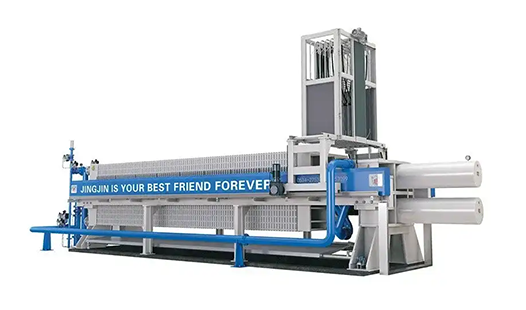
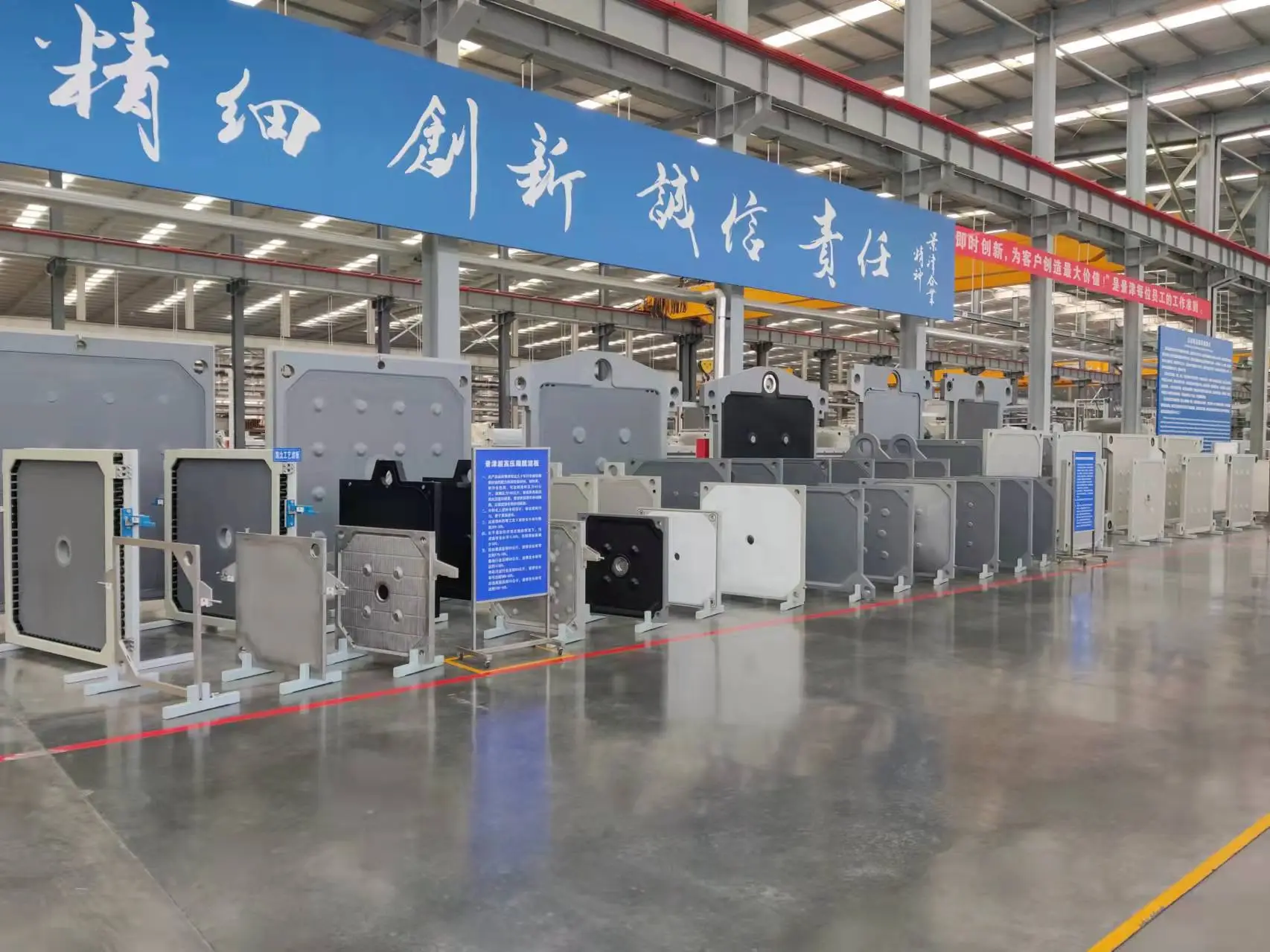
Customized Filter Press Plates for the Mining Industry: What You Need to Know
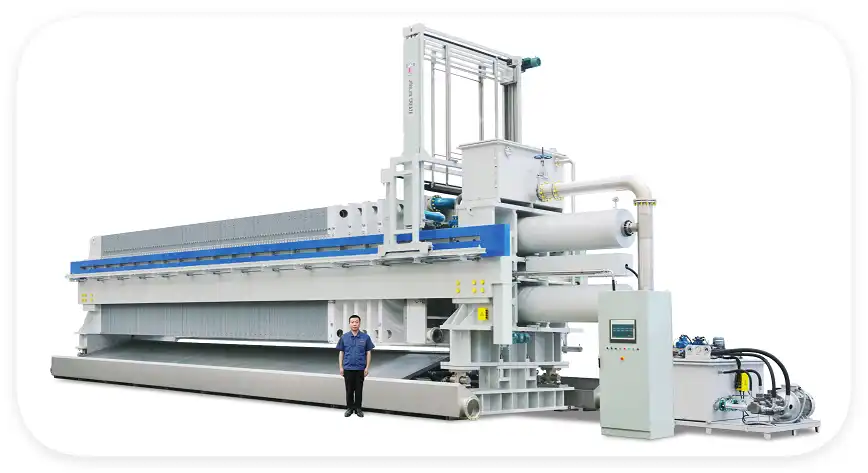
Step-by-Step Guide: How to Maintain a Filter Press for Optimal Performance
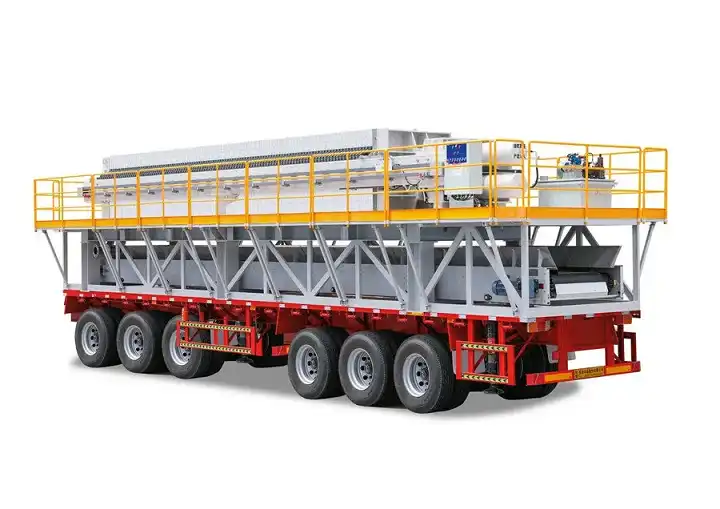
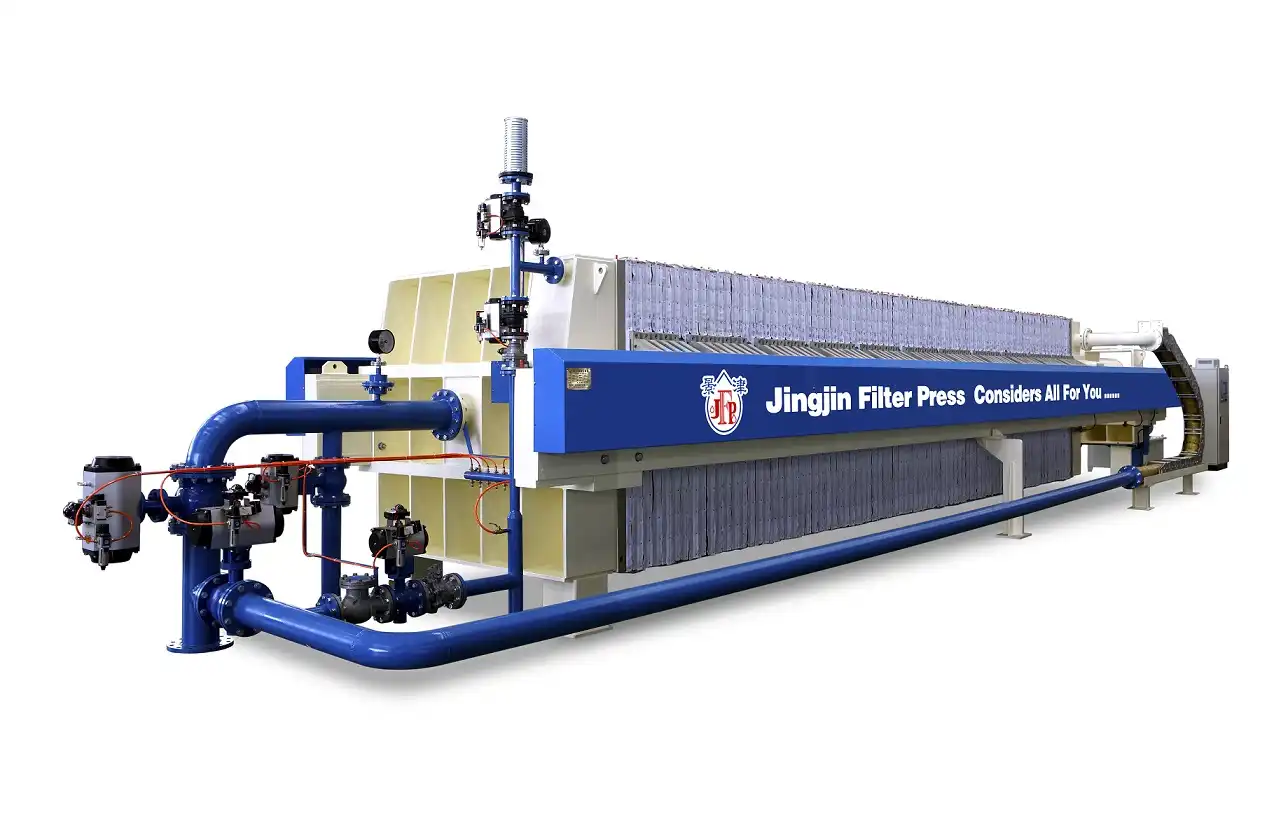
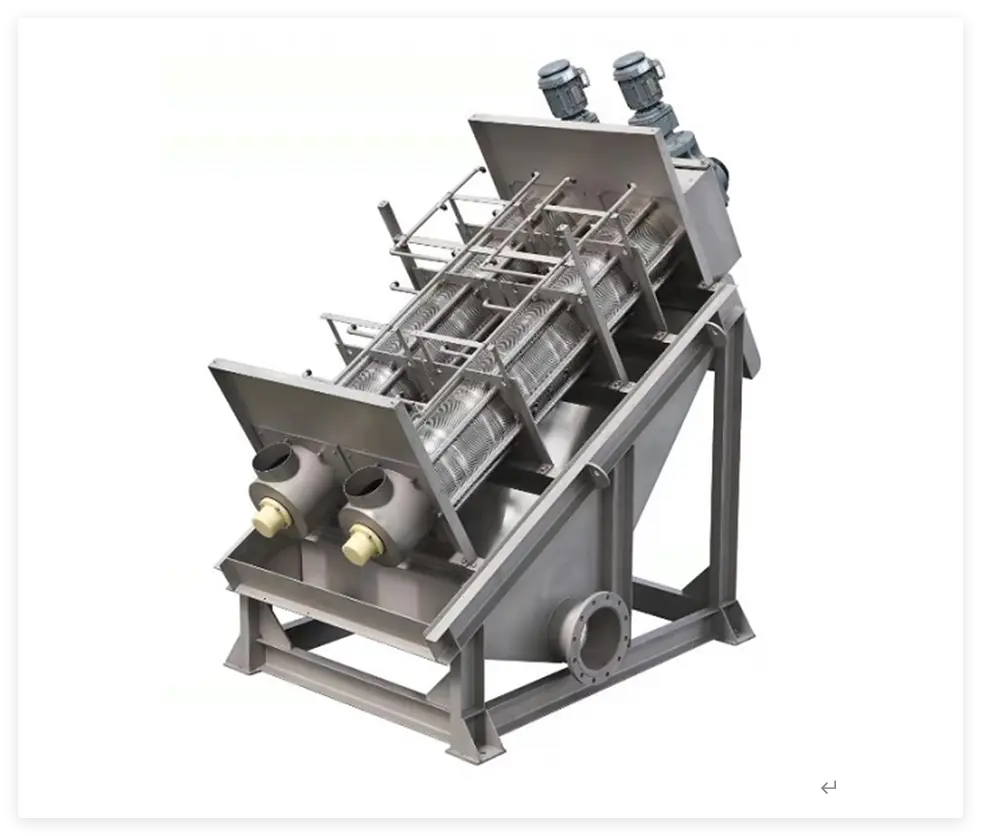
Where Indian EPC Contractors Buy Multi Disk Screw Press in China?
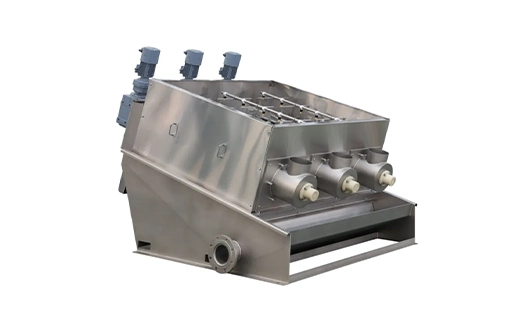
Why Vietnam Wastewater Plants Choose China Multi Disk Screw Press?
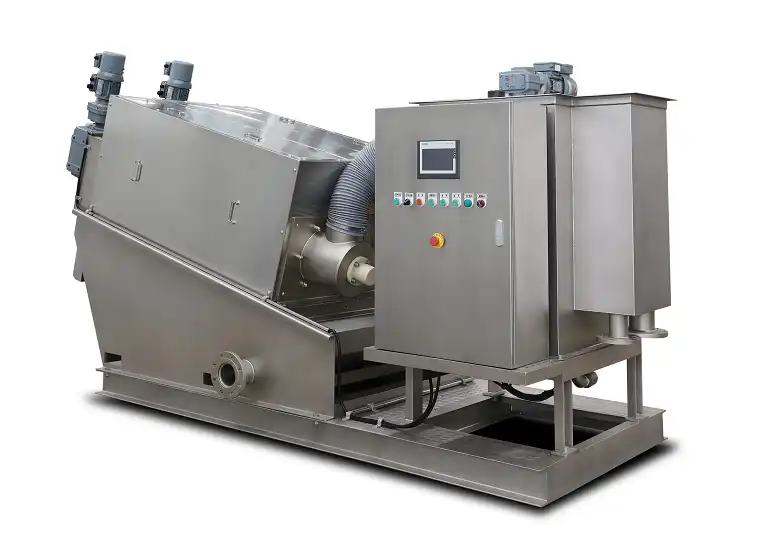
Where to Buy High Quality Multi Disk Screw Press for Efficient Sludge Dewatering