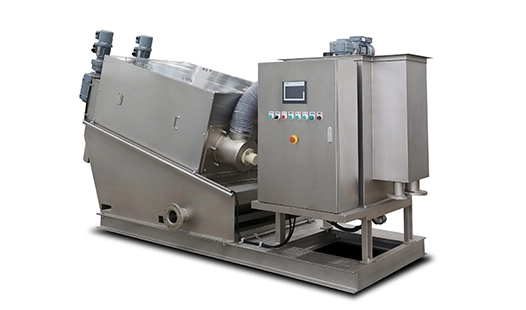
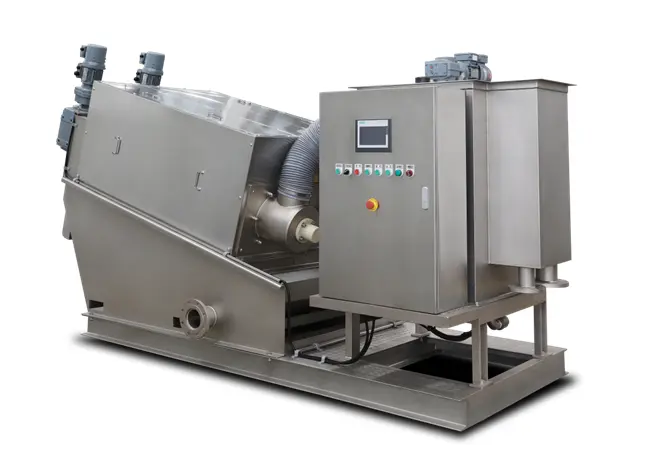
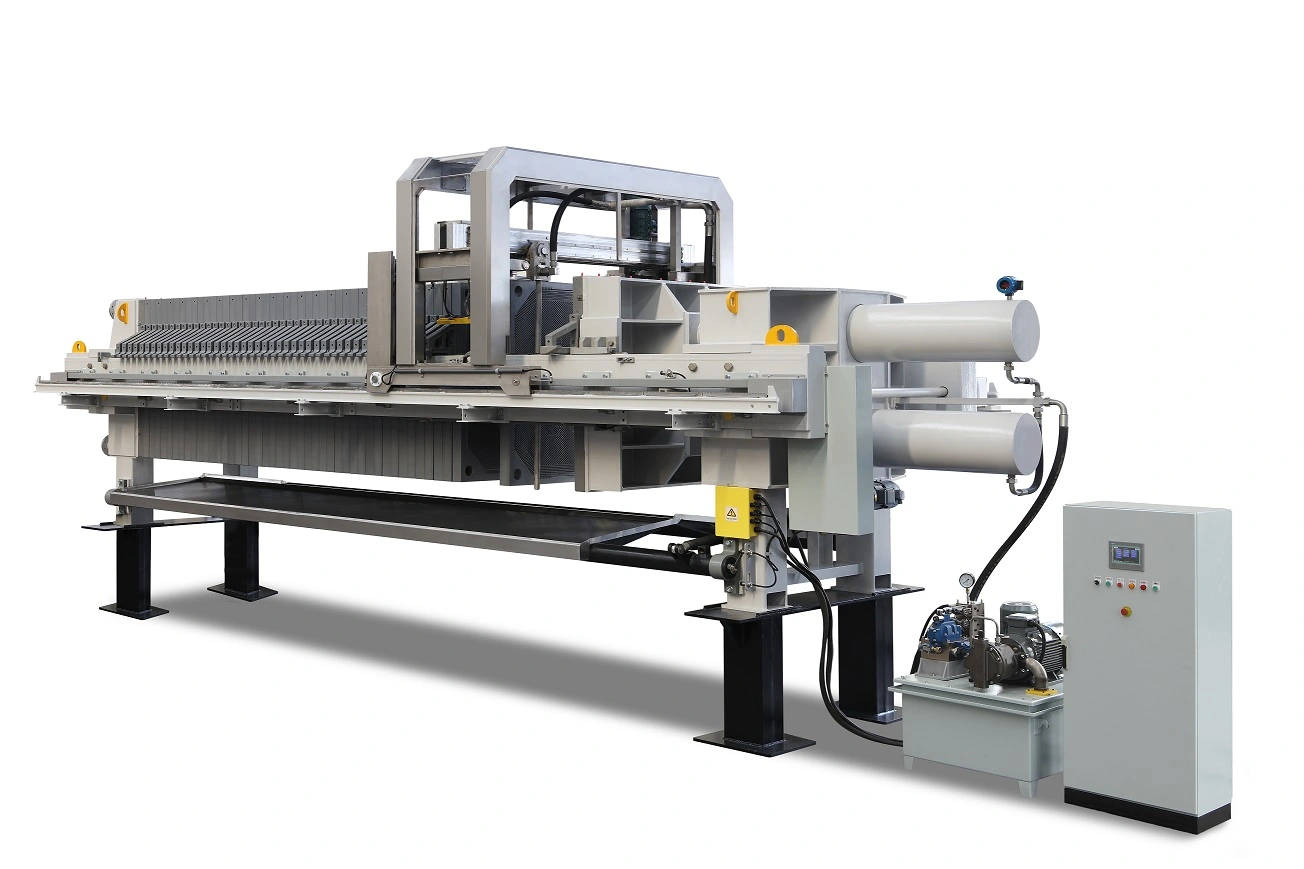
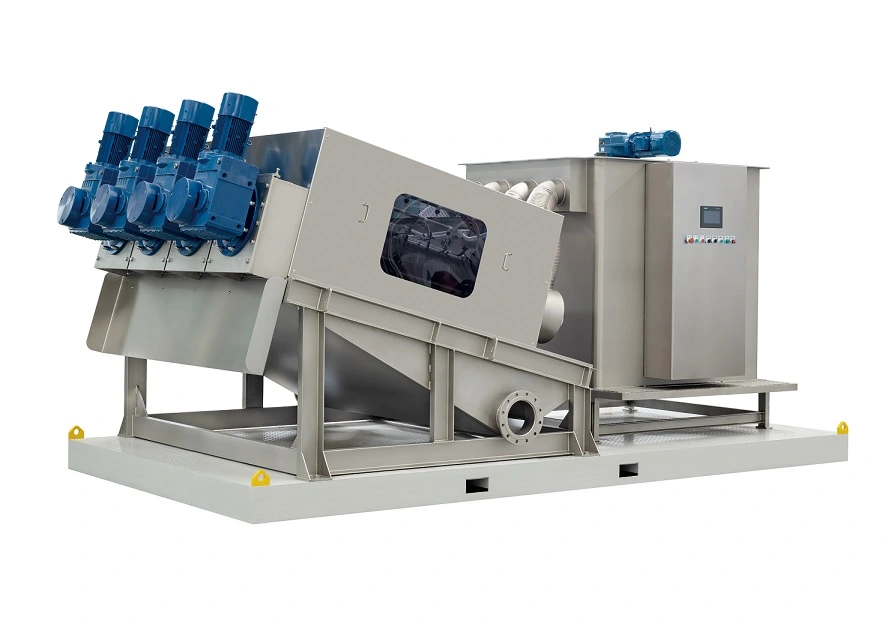
Industrial wastewater treatment is very hard for all areas of manufacturing because of the complicated chemicals and large amounts of sludge. The filter press is now one of the best ways to separate solids from liquids. It lowers waste costs, makes sure that rules are followed, and gets the most out of resources. These machines regularly work better than other dewatering technologies because they make filter cakes dry, keep costs low, and perform reliably over time in a range of industrial settings.
Understanding the Filter Press and Its Operating Principle
What Is a Filter Press?
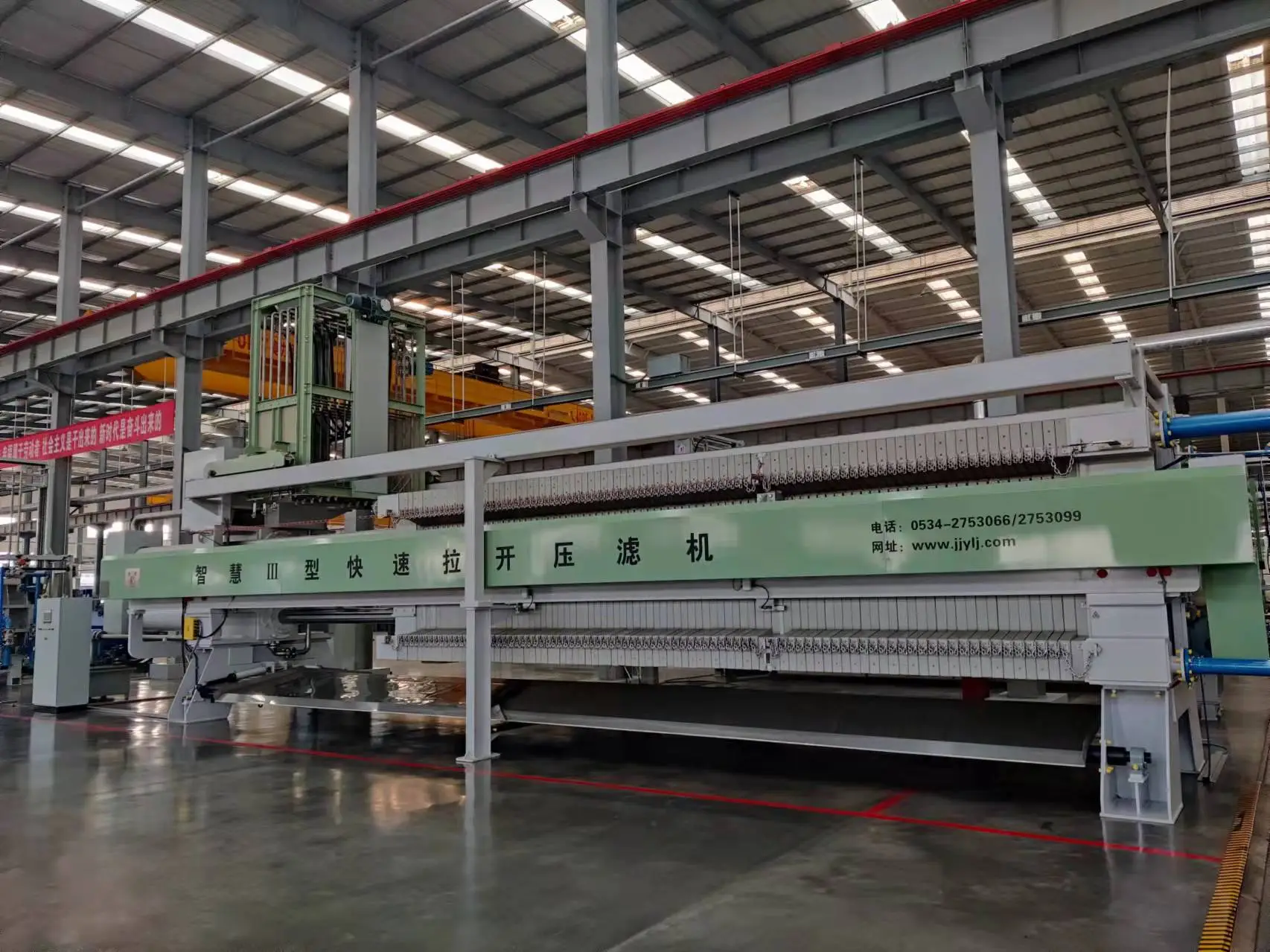
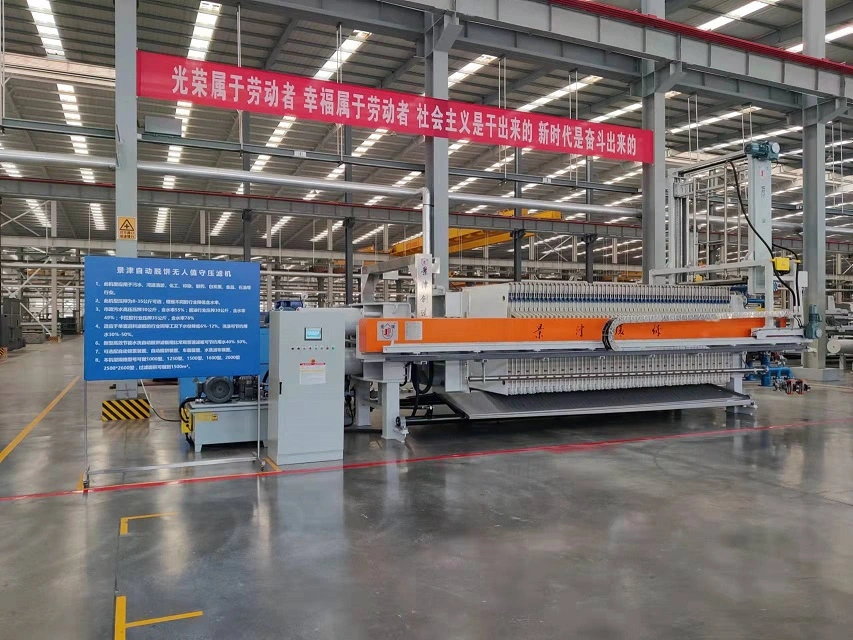
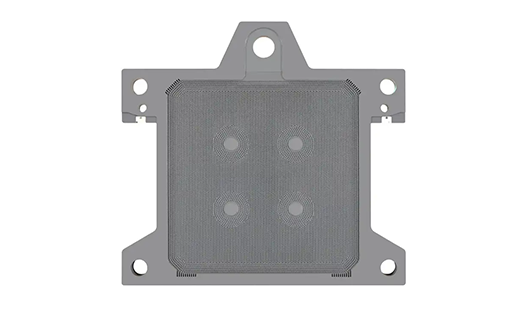
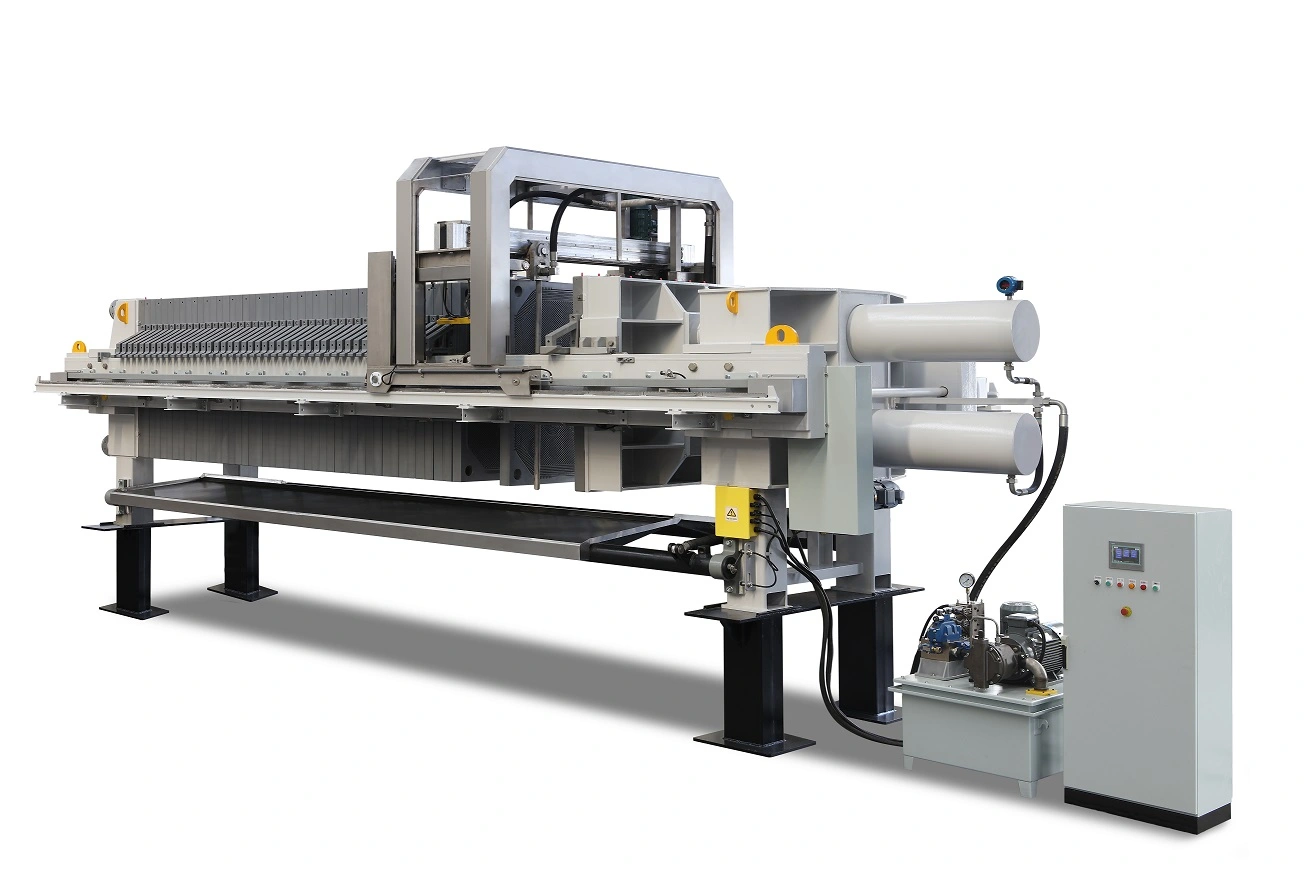
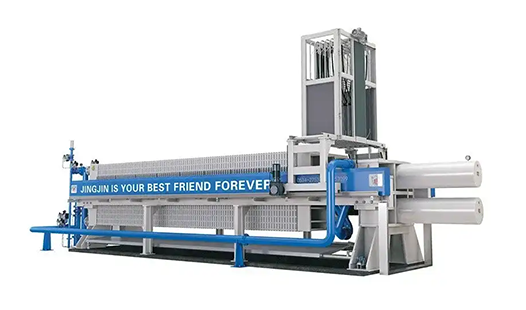
A filter press is a very efficient piece of machinery used in many different fields to separate solids from liquids. The system is made up of filter plates or frames that are stacked on top of each other and filter cloths that make holes when the two parts are pressed together. When pressure is applied, the liquid moves through the filter cloths, and the solid parts build up on the cloths. This forms what is known as "filter cake." Because it works well with high solids recovery rates and low operating costs on large amounts of material, this proven technology is necessary for mining, chemical processing, food production, and wastewater treatment plants.
How Does a Filter Press Work?
When workers pump sludge into spaces between plates, the operating cycle starts. Controlled pressure in hydraulic devices makes liquid go through the filter media while keeping solid materials inside. As the cycle goes on, the solids that build up form thicker and thicker layers until they reach the best density. Automated systems keep an eye on the pressure and cycle time to make sure that performance stays the same. When drying is done, the plates separate on their own so that workers can quickly get rid of the thick cakes. This orderly approach allows exact control over the wet level and features of the cake.
Key Advantages of the Filter Press Operating Principle in Wastewater Treatment
The best thing about this technology is that it can catch more than 95% of grains while still allowing the thickness of the cake to be changed. When dealing with different types of sludge, advanced pressure control devices make draining more efficient. The environmental benefits include a huge drop in the amount of liquid trash and a greater chance of recovering resources. Intelligent robotics and improved hydraulic systems make the energy economy better than other technologies. Integration possibilities make it possible for this new method to be easily added to current systems with little or no help from specialists.
Top Benefits of Using a Filter Press in Industrial Wastewater Filtration
More and more, modern factories are realizing how helpful these drainage devices can be. Here are the main perks that make people in many different areas want to use it:
-
Better Dewatering: Filter presses remove much more water than centrifuges and belt presses, leaving cakes that are 15% to 35% wet. This extra freshness makes the waste much easier to pack and keep in smaller amounts, which saves a lot of money on shipping and dumping fees.
-
Exceptional Versatility: These systems can handle many different kinds of sludge, from making chemicals to digging, making drugs, and handling food. You can change the plate configurations and filter media choices to fit different particle sizes and chemical makeups.
-
Economic Efficiency: The long working life of 15–20 years and low energy needs provide a great return on investment. It is easy to get new parts, and the repair schedule is less frequent. This keeps the business running and controls the overall costs.
-
Environmental Compliance: Better separation of solids and liquids lowers the amount of garbage that has to be discharged and raises the quality of the runoff. This helps facilities meet strict environmental rules. Resource recycling options often lower the cost of doing business by getting back useful materials.
These benefits together help process engineers and building managers who have trouble with high waste costs, following the rules, and making sure equipment works properly. Advanced automation tools make business efficiency even better and reduce the amount of work that needs to be done.
How to Select the Right Filter Press for Your Industrial Wastewater Needs
Capacity and Performance Assessment
Choosing the right tools depends on a full study of the amount of sludge produced each day, the desired cycle times, and the goal dryness levels of the cake. Automated systems with 100–200 chamber setups are usually helpful for facilities that handle 50–100 cubic meters each day. A study of chemical makeup finds materials and filter media that will work together. Space limitations affect both the size of the plates and the direction of the system, with vertical setups providing small footprints for systems with limited space.
Manual versus Automatic Operation Considerations
While automatic setups work best for activities that need to be done all the time with a lot of material, manual systems are better for smaller places with processing needs that don't happen all the time, and that can't spend a lot of money. Systems for automated dish moving, cake release, and towel washing make sure that the work is always done the same way and cut down on the need for human labor. Advanced control systems let you keep an eye on things from afar and plan maintenance based on predictions. This helps make sure that important applications stay up and running.
Material Selection and Durability Factors
When you work with sludges that are acidic or alkaline, which is common in chemical manufacturing and mining, materials that don't corrode are very important. Stainless steel is much more durable than regular carbon steel. Specialized coats and gaskets keep filter presses working leakproof over long periods of time and extend their service life in settings with harsh chemicals.
Practical Tips for Maintaining and Troubleshooting Filter Presses
Essential Maintenance Procedures
Regularly checking the filter cloth state, the hydraulic system stability, and the plate alignment accuracy are all ways to make sure that everything continues to work well. Weekly checks should look at the pressure gauge, the state of the seal, and the cloth tension. Hydraulic fluid analysis, pump function checks, and plate surface cleaning are all parts of monthly upkeep. Yearly overhauls include checking the whole system, replacing parts, and making sure that alignment is correct.
Common Issues and Solutions
Cake blowthrough usually means that the filter cloths are worn out or the feed pressure is too high. In these cases, the clothes need to be replaced, or the pressure needs to be changed right away. If the cake isn't flat, the plates are probably not lined up right, or the closing areas are broken. These issues need to be fixed with a machine. Long cycle times often mean that cloth permeability is going down or that feed conditioning is wrong. This can be fixed by replacing the cloth or making the upstream processes better. Systematic fixing procedures make it easy to find and fix problems quickly.
Jingjin Filter Press Solutions for Industrial Applications
About Jingjin Equipment
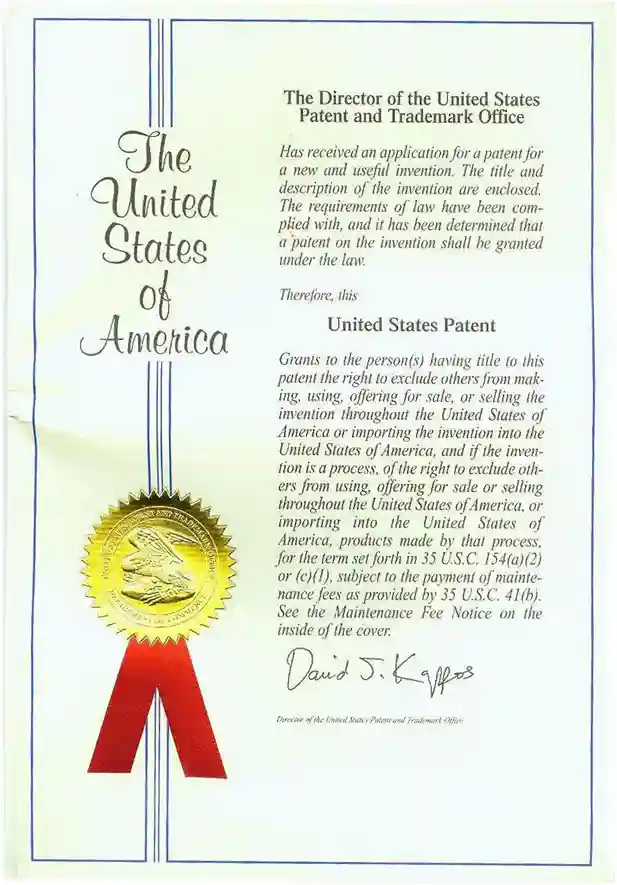
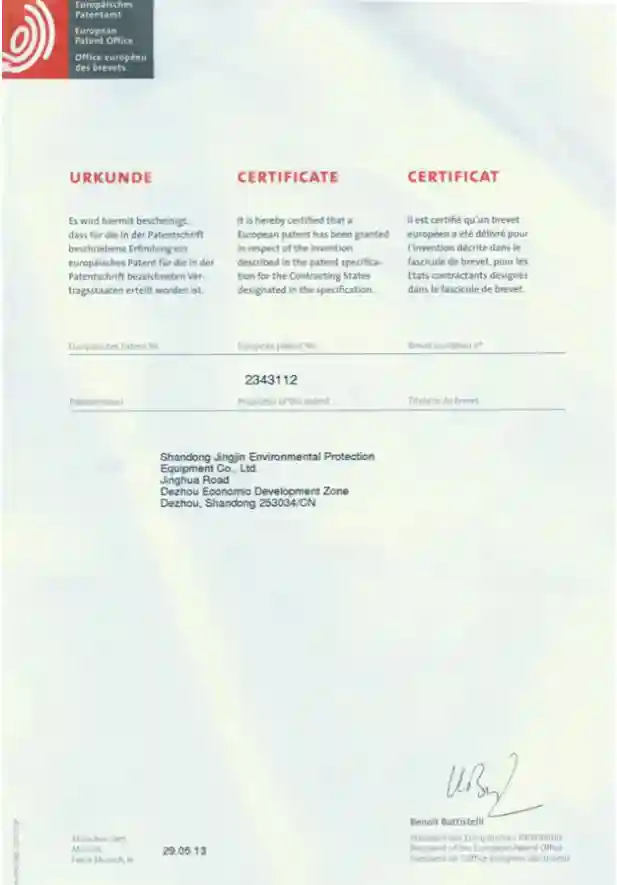
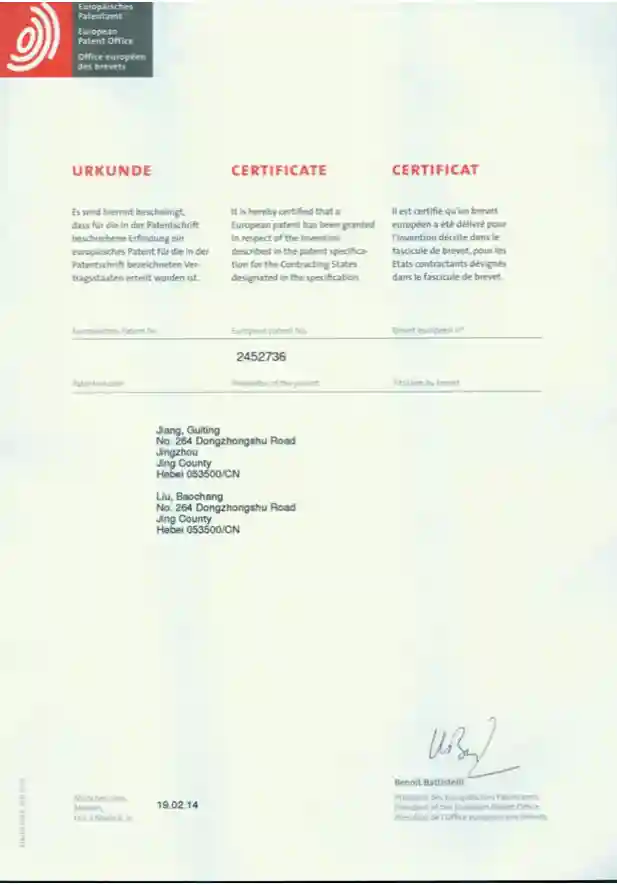
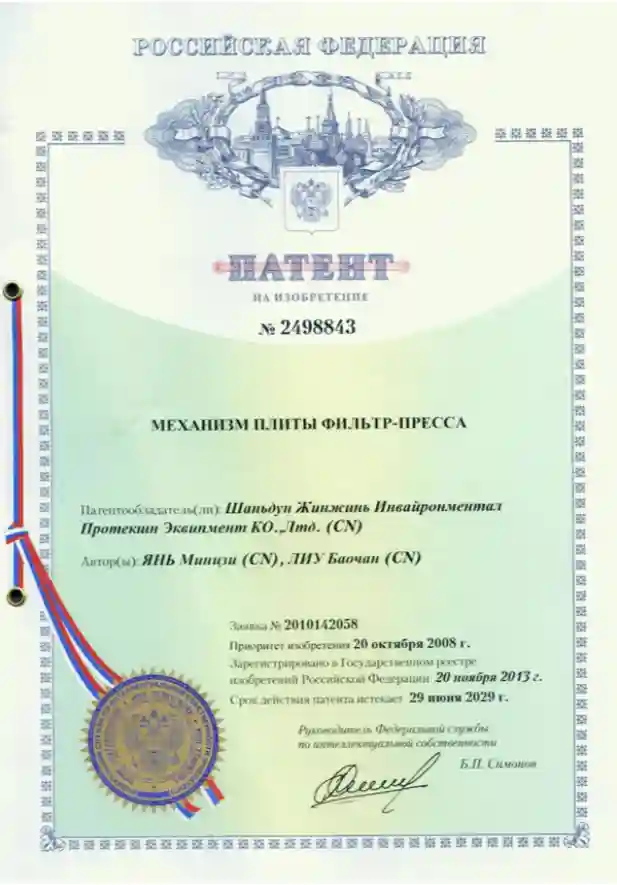
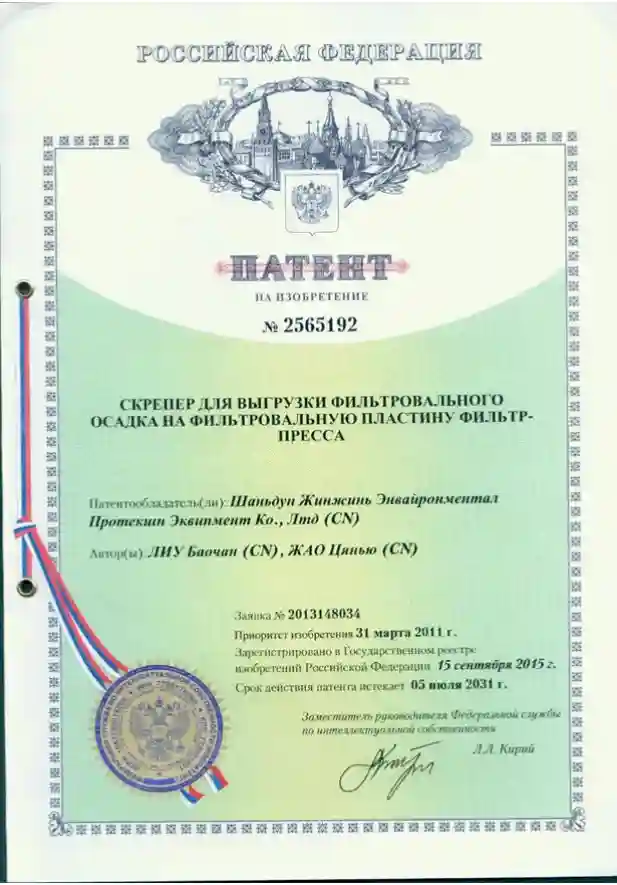
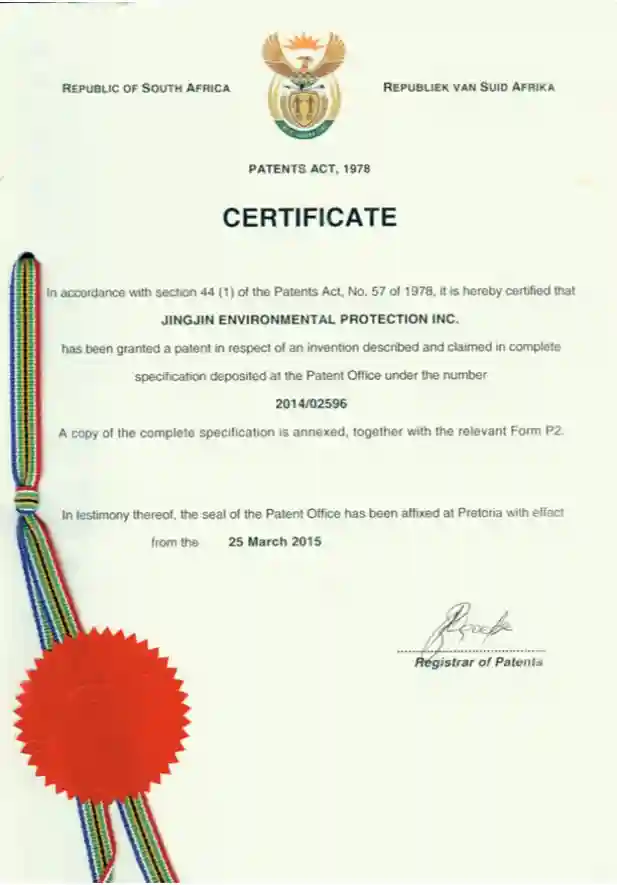
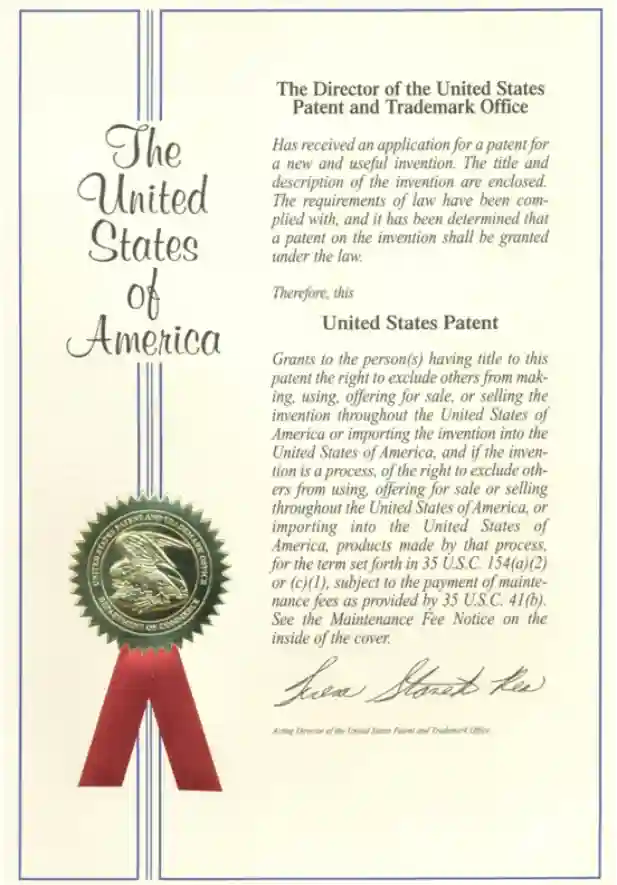
Jingjin Equipment Inc. is one of the best companies in the world at making filter press systems, filter plates, filter cloths, and other solid-liquid separation solutions. It was founded in 1988. With the ability to make products on a big scale, over 136 patents, and knowledge in our field, we work with clients in 123 countries. For businesses that need heavy-duty, high-efficiency separation technology, we offer a full filter environment that includes disposable parts and technical services.
Our Product Range and Capabilities
Our wide range includes both hand-operated and fully automatic filter press systems that are built for a variety of industrial uses. Customization features plate materials that are made for certain uses, better ways to handle the system, and extra equipment that is built in. System design, installation, testing, and user training are all parts of turnkey project completion. Global service networks make sure that you can get quick help with computer issues and that extra parts are always on hand.
Why Choose Jingjin Filter Press Technology
Innovations that are patented make hydraulic systems work better, plate designs more efficient, and automation features more advanced. The ability to make a lot of products at once helps keep prices low while also maintaining high quality. Our promise for long-term security and customer happiness is shown by its proven effectiveness in chemical, pharmaceutical, mining, and city uses.
Conclusion
Filter press technology provides the best benefits in industrial wastewater treatment by removing water more effectively, being useful in many different situations, and saving a lot of money. These systems are very important in many fields because they can keep the cake dry even when there are different types of sludge. Proper selection and care guarantee decades of dependable performance while meeting strict environmental rules and lowering waste costs. Filter press systems are a proven way for industrial facilities to meet the growing demands for efficiency and environmental responsibility. They meet both economic and legal needs in a great way.
Frequently Asked Questions
Q1: What types of wastewater are best treated with a filter press?
A: Filter presses excel with sludges containing 2-15% solids content, including municipal wastewater sludge, industrial process waste, mining tailings, chemical precipitates, and pharmaceutical manufacturing residues. The technology works particularly well with flocculated sludges and materials requiring high solids recovery rates.
Q2: How do I know if a manual or automatic filter press fits my industry needs?
A: Manual systems suit facilities processing less than 20 cubic meters daily with flexible scheduling, while automatic systems benefit operations exceeding 50 cubic meters daily, requiring consistent performance. Consider labor costs, operating schedules, and budget constraints when making this decision.
Q3: What is filter press cake, and how is it handled after filtration?
A: Filter cake represents the dewatered solid residue remaining after liquid separation, typically containing 15-35% moisture. Handling methods include direct landfill disposal, incineration, composting, or further processing for resource recovery, depending on material composition and local regulations.
Contact Jingjin for Your Filter Press Requirements
Find out how Jingjin's cutting-edge filtration technology can change the way you treat wastewater. Our engineers have a lot of experience, so they can make sure that your equipment runs as well as possible and follows all the rules by giving you personalized service that meets the needs of your business. As a known filter press maker with world experience, we provide full help from the first call to long-term upkeep. If you're having trouble with filtering, email [email protected] to talk about it and ask for a full technical plan for your place of work.
References
1. American Water Works Association. "Industrial Wastewater Treatment Technologies: Performance and Cost Analysis." Water Environment Research Foundation, 2023.
2. Environmental Protection Agency. "Guidelines for Industrial Sludge Management and Disposal Regulations." Federal Register, Volume 88, 2023.
3. International Water Association. "Advanced Dewatering Technologies in Industrial Applications: Comparative Study." Water Science and Technology Journal, Volume 87, Issue 4, 2023.
4. Society of Mining Engineers. "Tailings Dewatering Best Practices and Equipment Selection." Mining Engineering Magazine, March 2023.
5. Chemical Processing Institute. "Solid-Liquid Separation in Chemical Manufacturing: Technology Review and Future Trends." Chemical Engineering Progress, February 2023.
6. Water Environment Federation. "Municipal and Industrial Sludge Treatment: Equipment Performance and Operational Guidelines." WEF Press Technical Report, 2023.