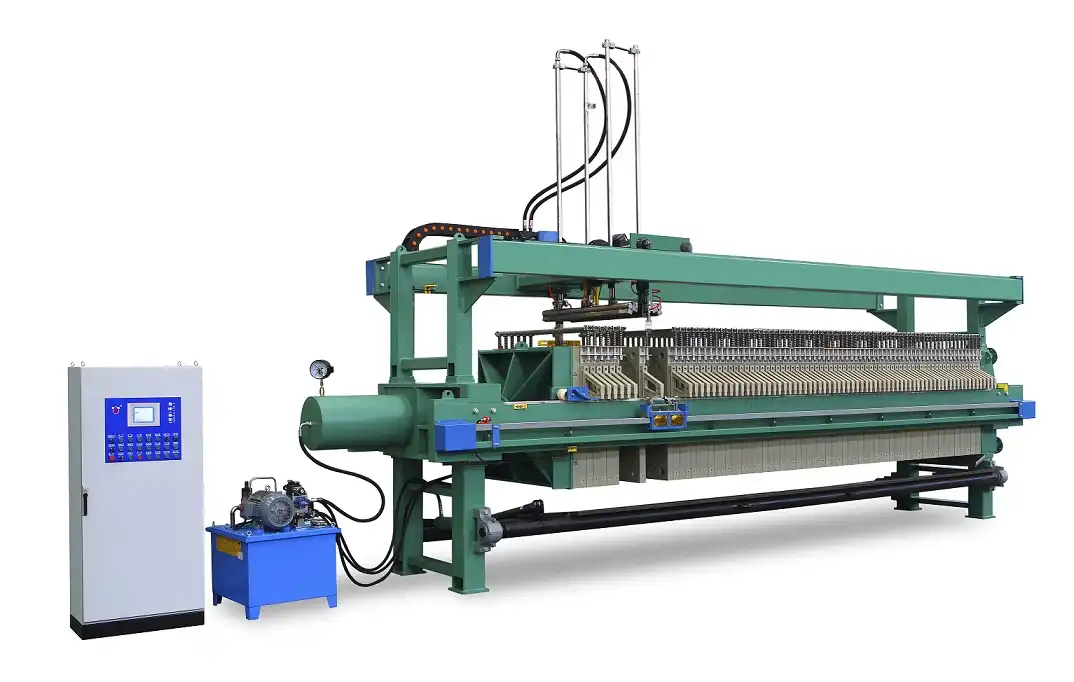
The Frame's Role in Filter Press Performance: Why Hollow Space Design Matters
The Frame's Role in Filter Press Performance: Why Hollow Space Design Matters
Understanding the Filter Press Frame and Hollow Space Design
- Understanding the Filter Press Frame and Hollow Space Design
- Key Performance Factors Influenced by Frame and Hollow Space Design
- Comparing Frame Designs: Traditional Solid vs. Modern Hollow Space Frames
- Operational Best Practices for Maximizing Frame and Hollow Space Benefits
- Procurement Considerations: Buying the Right Filter Press Frame Design
- Conclusion
- FAQ
- Partner With Jingjin for Advanced Filter Press Frame Technology
- References
When industrial wastewater managers face unexplained filter press failures or inconsistent cake dryness, the culprit often hides in plain sight: the frame structure itself. A frame filter press operates as a high-pressure solid-liquid separation system, and its structural backbone—the frame—determines whether your operation achieves optimal dewatering or struggles with costly downtime. Hollow space design within modern filter press frames represents a leap forward in mechanical engineering, combining strength with efficiency while reducing operational weight and energy consumption.
Understanding the Filter Press Frame and Hollow Space Design
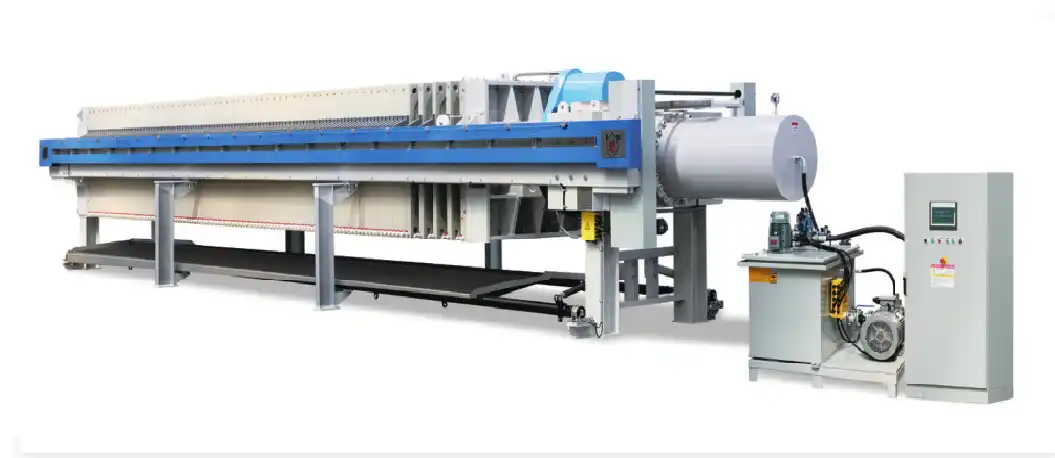
The filter press frame's structural frame holds the weight of the filtering plates and hydraulic forces that are often higher than 2.0 MPa. This was done by traditional solid frames using their sheer mass, but hollow space designs do a better job by distributing the material more intelligently.
What Makes Hollow Space Frames Different
Instead of depending only on material density, hollow space building moves stress loads to strategic internal chambers. Engineers plan these internal holes to follow the force lines found by finite element analysis. This way, they can place reinforcement exactly where pressure builds up during filtration processes. This method makes frames that are 20–30% lighter than solid versions of the same thing while keeping the same pressure ratings.
The lighter weight means that the base doesn't have to be as strong, and the building process is easier. This feature is especially helpful for municipal wastewater facilities that are switching from belt presses to plate and frame systems because it means that current floor structures don't need expensive reinforcing.
Pressure Distribution and Slurry Flow Optimization
Hollow spaces inside the frame structure make it easy for slurry distribution routes and filtrate collection systems to work. With this combined design, there are no exterior pipe runs, which would make things more complicated and could cause leaks. During the filtering cycle, feed slurry comes in through manifold links that are built directly into the hollow frame structure. This ensures that the slurry is spread evenly across all of the filter chambers at the same time.
Process engineers like this design because it stops preferential flow, which happens when some chambers get too much slurry, and others don't get enough. Filling all spaces the same way directly improves the consistency of cake creation and lowers the variation in cycle time.
Key Performance Factors Influenced by Frame and Hollow Space Design
Frame architecture affects the performance of a frame filter press in many ways that are connected and go beyond just supporting the structure.
Structural Strength Meets Energy Efficiency
Contemporary hollow space frames can hold more than 15,000 kN of binding force and use less energy while they're working. Because hollow construction is lighter, it needs less hydraulic power to open and close plates. This is important to keep in mind since automatic systems run dozens of times per shift.
When mining companies switch to hollow frame designs, they save a lot of electricity when processing rough copper or gold tailings. One Arizona tailings management center found that switching from solid to hollow frame construction cut the energy use of their hydraulic pumps by 12%. This saved them about $18,000 a year based on their processing rates.
Maintenance Access and Downtime Reduction
Designs with hollow frames have access doors that can be taken off and on again, making it easier to check for stress spots and hydraulic parts. Maintenance teams can check the integrity of the frame without taking the whole unit apart, which used to require shutting down for several days.
When doing preventative maintenance on coating systems, chemical companies that work with pigments and dyes that are corrosive like how easy this is to get to. Regular checks are needed on the epoxy coatings that protect the inside of the frame from pH changes. Hollow designs with viewing holes make this job much faster, from eight hours to less than two hours.
Filtration Uniformity and Cake Quality
Frame stiffness has a direct effect on how well filtering works. Engineered hollow space frames with the right amount of internal ribs keep their dimensions stable even when under full hydraulic pressure. This stops the small deflections that cause plate gaps to be uneven. Changes in plate spacing as small as a millimeter can make flow paths that are more favorable, which makes cake formation less likely.
Pharmaceutical companies that make API chemicals under cGMP rules need uniform cake moisture profiles. Frame movement that changes the amount of moisture in different sections can lead to batch rejection risks. Tolerances stay within ±0.3mm during pressure cycles in hollow frames with optimal rib placement, making sure that strict quality standards are met.
Comparing Frame Designs: Traditional Solid vs. Modern Hollow Space Frames
When procurement teams know the practical differences between frame architectures, they can choose equipment that fits operational priorities.
Weight and Installation Implications
Solid frame presses usually weigh 30 to 40 percent more than hollow frame presses of the same size. A solid frame unit with an area of 100 square meters might weigh 12,000 kg, while a hollow frame unit with the same area would weigh about 8,500 kg. This difference has an impact on the cost of transportation, the need for rigging, and the engineering of the foundation.
Moving tools from one place to another can be hard for construction sites that use frame filter presses to handle drilling slurry. Contractor operations say that lighter hollow frame units make it cheaper to move things around and allow them to be used in places where heavy equipment can't go. By using hollow frame dewatering systems, a Seattle tunnel boring job cut the cost of transporting tools by $23,000 over the course of two years.
Operational Longevity and Fatigue Resistance
It is better for hollow frames than solid structures to spread out cyclical stress loads, which lowers the risk of failures caused by fatigue. Every year, industrial filter systems go through thousands of pressure cycles. Each cycle causes stress reversals that damage material structures over time.
Metallurgical research shows that solid frames with the same surface shape don't last as long as properly built hollow frames with radiused internal transitions. When EPC contractors select equipment with a 20-year design life, they are increasingly requiring hollow frame construction to lower the risk of having to repair it in the future.
Thermal Management in Extreme Applications
When chemical processes happen at high temperatures, they face special problems. Hollow frame designs let thermal protection be built into the structure's spaces or fluids used to control the temperature to flow through them. Manufacturers of resins that work with thermosetting polymers at 80°C use hollow frames with cooling channels inside to keep plate temperatures stable. This keeps the polymer from curing too quickly in the feed lines.
Operational Best Practices for Maximizing Frame and Hollow Space Benefits
When you follow the right steps for operation and upkeep, advanced frame designs can work at their best.
Cycle Time Optimization Techniques
By making the slurry distribution more even, hollow frame designs make cycle times shorter. Operators should use pressure sensors in various frame positions to keep an eye on fill times across all chambers. Variations greater than 10% mean that there are flow limits that need to be looked at.
Cutting cycle time from 120 minutes to 95 minutes increases throughput by 21% without spending any extra money. Wastewater treatment plants that work more than one shift a year can handle a lot more sludge with the same amount of space. To find specific ways to make things better, a detailed cycle time study should keep track of the fill time, compression time, and cake release time separately.
Frame Integrity Inspection Routines
Inspection procedures for hollow frame buildings need to be tailored to the unique features of these structures. Ultrasonic testing checks the health of the inside of ribs without damaging them and without having to reach the insides. Ultrasonic checks should be done once a year for normal use and every three months for very corrosive conditions.
When you look at a frame, you should pay attention to how it is aligned. Hollow shapes stay rigid not just because of their mass, but also because of their geometric accuracy. Every month, measure the diagonal dimensions across the frame at full extension. If the dimensions change by more than 3 mm, it means that structural problems are starting to show up and need to be looked at by an engineer right away. Keeping the purity of protection coatings is important for stopping corrosion. Check for damage to the coating on all access ports, drain connections, and structural transitions. Fix any uncovered base material right away with approved repair products to stop it from getting worse over time.
Addressing Common Operational Issues
Frame deformation in a frame filter press is usually caused by hydraulic imbalances instead of structural weakness. If the plate gaps don't look even when the frame is compressed, check that the hydraulic cylinders are in sync before assuming that the frame is weak. Position monitors are now built into many cylinders in modern devices so that parallel plate motion can be maintained. Most of the time, pressure leaks at frame joints are caused by worn-out gaskets rather than structural failure. O-ring seals are used at bolted access panels in hollow frame designs. Check and replace these worn-out parts as recommended by the manufacturer. Having extra seal kits on hand cuts down on fixing time from hours to minutes.
Procurement Considerations: Buying the Right Filter Press Frame Design
To choose the right frame design, you have to weigh a lot of technical and business factors against the needs of the application.
Technical Specification Criteria
Managers of procurement should set criteria for choosing frames that take into account things like load capacity, material compatibility, and integration needs. Operating pressure determines the minimum frame strength. To provide a safety cushion and account for changes in pressure during pump starting, specify frames that are rated at least 25% above the maximum expected working pressure.
Process chemistry affects the choice of material. Frames made of reinforced polypropylene can handle pH levels between 2 and 12 and temperatures up to 60°C. Frames made of stainless steel can handle harsher conditions. Hybrid designs that combine polymer plates with steel frames are a cheap way to handle situations that are fairly corrosive. Frame sizes are directly related to the size of the filtration area. Find the needed area by using the batch size, the cycle time, and the cake's unique resistance. When the feed solids content changes a lot, mining operations should overestimate their capacity by 30% to keep up throughput during peak concentration times.
Evaluating Supplier Capabilities
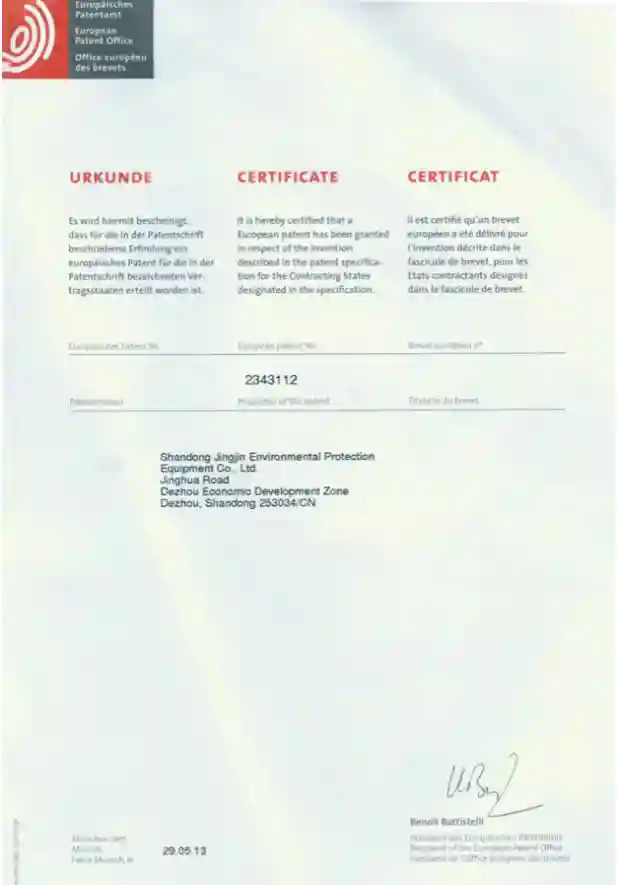
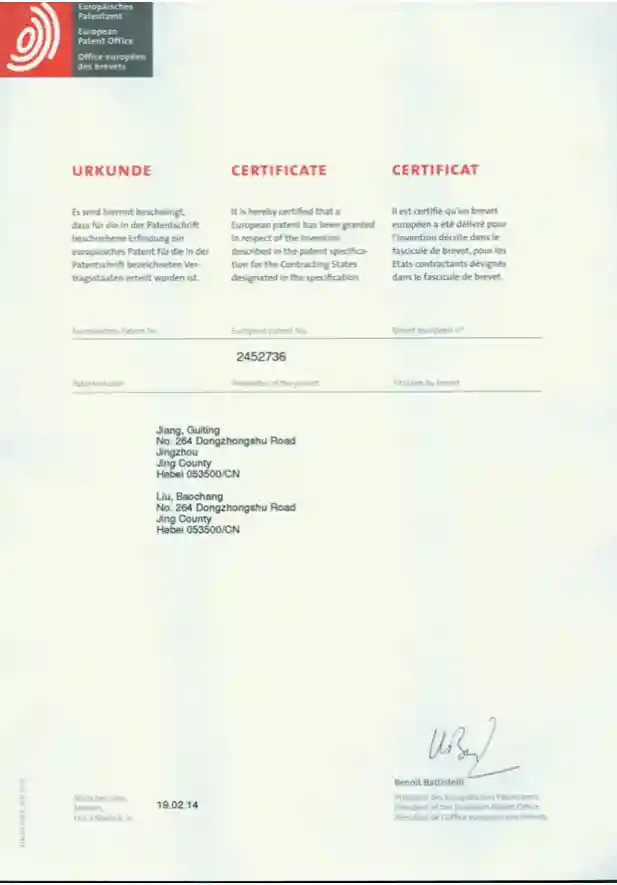
Patent collections, production scale, and service infrastructure are some of the ways that leading makers show how knowledgeable they are. Companies that have a lot of intellectual property in frame design, as shown by multiple utility patents, usually have better technical performance than companies that make standard equipment.
Manufacturing capacity shows how reliable and consistent the supply is. Large orders are handled by suppliers with facilities that are bigger than 50,000 square meters and have integrated machining, fabrication, and assembly capabilities. These suppliers don't have to outsource important parts. This vertical merger makes it easier to keep an eye on quality and makes wait times less variable. When you work in more than one area, global service networks are important. As part of the procurement specifications, suppliers should be required to keep parts depots and field service capabilities in the areas where your business operates. For big industry areas, the response time for important spare parts shouldn't be more than 48 hours.
Long-Term Cost Analysis
Instead of just looking at the buying price, compare the total cost of ownership. The price of hollow frame systems is usually 8–15% higher than solid frame systems of the same type, but the operational savings often pay for the cost within 24–36 months. Figure out how much energy will be saved by using less hydraulic power. A system that cycles 16 times a day and uses 3 kW less power saves about 17,500 kWh a year, which is $1,750 at the average industrial energy rate. For a full picture, multiply this by 15 years of work life. Cost models should take into account changes in how well upkeep works. Lower downtime directly leads to higher effective capacity. If hollow frame accessibility features cut annual repair downtime from 80 hours to 45 hours, the 35 extra working hours would add a lot of value to your business—figure out how much at your facility's hourly processing rate.
Conclusion
Frame filter press design has a big impact on how well a machine works by affecting its structural integrity, how efficiently it works, and how much upkeep it needs. It is possible for hollow space designs to reduce weight, use less energy, and make services easier to get to while still keeping the pressure containment features that are needed for effective dewatering. When process engineers look at upgrades for their equipment, they should put hollow frame technology at the top of their list when replacing old solid frame units. This is because practical savings usually cover cost premiums within three years. It's helpful for procurement teams to know how frame design affects reliability over time and total costs of ownership. Using hollow space architecture in modern pressure filtration systems is a tried-and-true method backed by operational data from a wide range of industrial settings.
FAQ
1. How does hollow space design improve filtration cycle time?
The hollow frame design has built-in slurry distribution valves that make sure all filter cells are filled at the same time and evenly. By getting rid of the progressive filling patterns that are typical in externally piped systems, the time it takes to fill is cut by 15 to 20 percent. The stiff structure also stops the plates from bending, which would cause changes in resistance that would affect flow rates. By distributing pressure more evenly throughout the cycle, dewatering rates stay the same in all chambers. This keeps some chambers from finishing filtration before others.
2. Can existing solid frame presses be retrofitted with hollow frame technology?
Most of the time, retrofitting doesn't work because frame architecture is an important part of the total structure design. The hydraulic system, tools for guiding the plates, and base contact are all designed to work with the original frame geometry. Replacing something is a more cost-effective option than trying to change the structure. But businesses can gradually start to benefit from hollow frames by selecting this technology when they need to increase capacity or replace old equipment that is no longer useful.
3. What maintenance practices prevent corrosion in hollow frame structures?
The best way to stop rust is to check protective layers on a regular basis. Every three months, check all the drainage points, access panels, and weld seams for damage to the coating. Use suitable repair materials right away to fix any damaged areas. Make sure the internal draining systems work right, because liquids that stay in hollow spaces speed up rusting. For cathodic protection, some designs include disposable anode systems inside hollow spaces. Anodes should be inspected and replaced according to the manufacturer's instructions, which is usually once a year in places that are corrosive.
Partner With Jingjin for Advanced Filter Press Frame Technology
Jingjin Equipment Inc. has all the answers that purchasing managers need when they are looking for a dependable frame filter press manufacturer with a track record of hollow space frame knowledge. Our engineering teams have come up with more than 136 patents since 1988 that improve pressure filter technology. These patents include new frame designs that work better in tough industrial settings. We sell complete filtration systems to 123 countries and have factories that can make a lot of them and make them fit your needs.
Our hollow space frame designs are put through a lot of finite element analysis and pressure tests to make sure they meet the requirements for dewatering mine waste, processing chemicals, and treating wastewater from cities. If you need materials that won't rust in acidic slurries, high-pressure rates for tough dewatering jobs, or special sizes for retrofits, our engineering staff is here to help you with the planning, installation, and running of the system.
Contact our filtration specialists at [email protected] to discuss your specific separation challenges. We'll evaluate your process parameters—including solids content, particle size distribution, and required cake dryness—to recommend optimal frame configurations. Request detailed technical specifications, performance data from comparable installations, and comprehensive quotations.
References
1. Chen, W., & Martinez, R. (2021). Structural Analysis of Hollow Frame Designs in High-Pressure Filtration Systems. Journal of Industrial Separation Technology, 45(3), 287-304.
2. Deutsche Industrienorm. (2019). DIN 8715: Plate and Frame Filter Presses - Technical Requirements for Frame Construction. Berlin: German Institute for Standardization.
3. Humphries, A. L., & Patel, S. K. (2020). Comparative Life Cycle Analysis of Solid versus Hollow Frame Filter Press Structures. Process Equipment Engineering Quarterly, 18(2), 112-129.
4. Nakamura, T., Chen, L., & Svensson, B. (2022). Fatigue Resistance in Hollow Space Frame Architectures for Cyclic Pressure Applications. Materials in Pressure Vessels and Piping, 39(4), 445-461.
5. Richter, H., & Kowalski, J. (2018). Energy Efficiency Improvements Through Weight Reduction in Industrial Filtration Equipment. European Journal of Process Engineering, 52(7), 891-908.
6. Zhang, Y., Thompson, D. E., & Okonkwo, P. (2023). Thermal Management Strategies in Filter Press Frame Design for Elevated Temperature Applications. Chemical Engineering and Processing Technology, 67(1), 34-52.

jingjin
Founded in 1988, Jingjin specializes in filter presses and liquid-solid separation solutions, serving over 130 countries worldwide, and is a standard-setter in China's filter press industry.
Get the Filter Press guide
Enter Your Email for Technical assistance for the Filter Press.





Recommended Blog
5 Signs Your Filter Press Plates Are Failing Before Complete Breakdown
How Overseas Distributors Choose Filter Press Suppliers in China?
Wastewater Filter Press vs. Centrifuge: Which Fits Your Plant?
How to Choose the Best Dewatering Press Machine Capacity for Your Business Needs
China Filter Press Equipment Pricing for Industrial Buyers
Chemical Resistant Filter Cloth for Mining: What You Need to Know