Where to Buy Reliable Filter Press Machines Near You: Trusted Suppliers and Manufacturers
Where to Buy Reliable Filter Press Machines Near You: Trusted Suppliers and Manufacturers
Understanding Filter Press Machines and Their Applications
- Understanding Filter Press Machines and Their Applications
- Key Factors When Choosing a Filter Press Machine Supplier
- Top Trusted Filter Press Machine Suppliers and Manufacturers Near You
- Comparison Guide: What to Consider When Buying a Filter Press Machine
- Maintenance Tips and Long-Term Care for Filter Press Machines
- Conclusion
- FAQ
- Partner with Jingjin for Complete Filtration Solutions
- References
Finding reliable filter press machine suppliers near you involves technological knowledge, regional service skills, and long-term operational support. If your facility handles mining tailings, municipal sludge, or chemical industrial waste, working with established manufacturers and authorized dealers provides reliable equipment, fast technical support, and consistent replacement parts. This book helps procurement professionals choose suppliers, spotlights U.S.-based leaders, and explains technical differences that affect performance and TCO.
Understanding Filter Press Machines and Their Applications
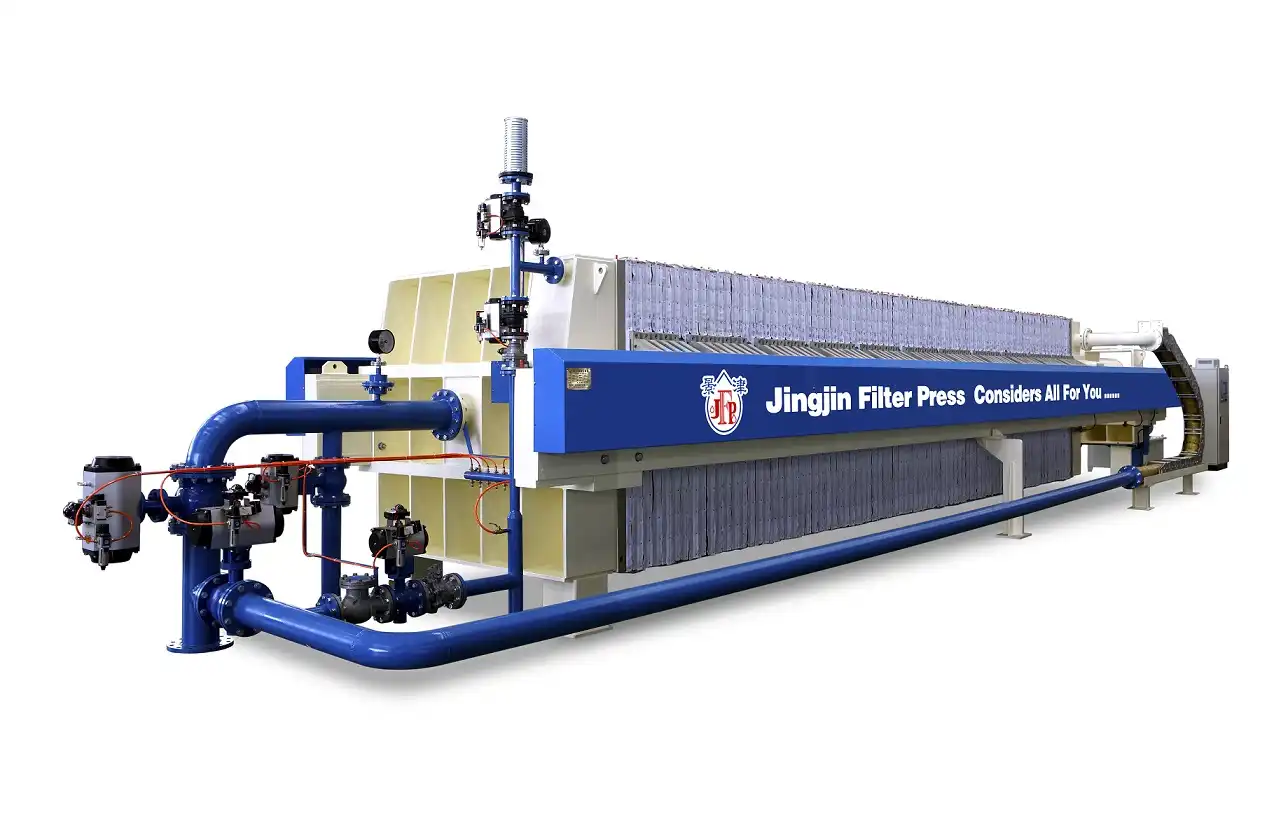
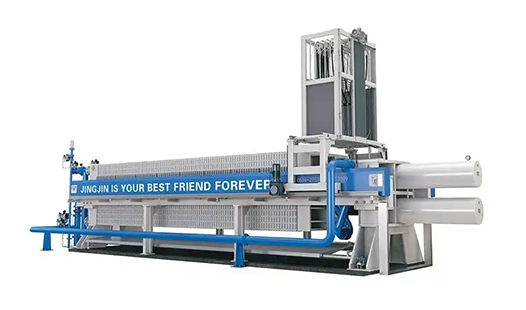
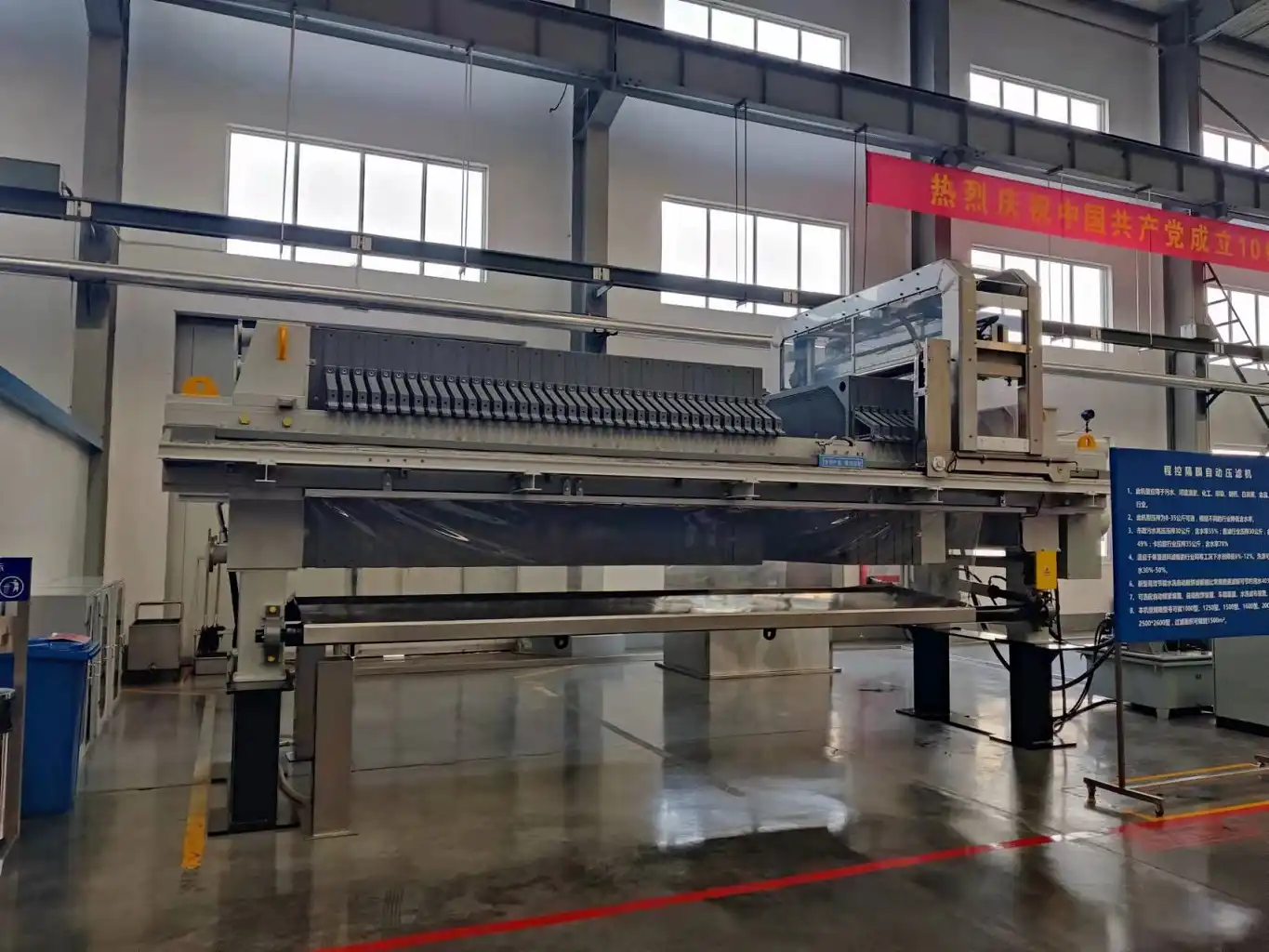
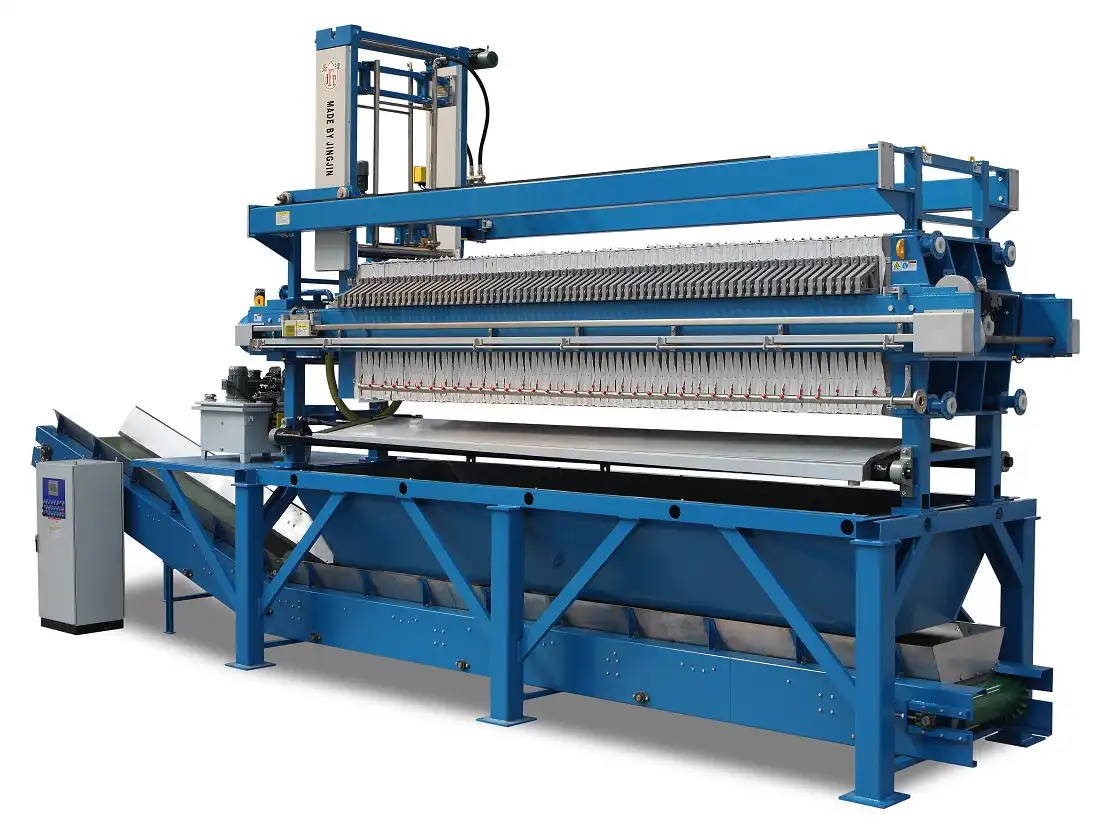
Industrial processing uses heavy-duty, discontinuous solid-liquid separation filter press machines for high-efficiency sludge dewatering and filtrate recovery. A pressure-filtration system uses recessed or membrane plates coated in filter cloth, hydraulically fastened together on a frame. Pumping slurry into plate chambers forms a 'cake' of particles while liquid permeates the medium.
How Pressure Filtration Works in Industrial Environments
The feed pump introduces slurry at 0.6 to 4.0 MPa, depending on use. Solids produce a homogeneous cake on the filter cloth as chambers fill and filtrate escapes through drainage passages. This continues until chambers approach capacity, usually signaled by a strong feed pressure rise or cycle time completion.
Industries That Rely on Filter Press Technology
Mining enterprises use these systems for tailings management and concentrate dewatering to dry cake, reducing transportation costs and improving mineral recovery. Filter presses dewater biosolids in municipal wastewater treatment facilities, creating stable cakes for landfill disposal or reuse. Chemical makers of pigments, dyes, and specialty resins appreciate product recovery and waste reduction. Mobile, high-capacity systems for tough field environments help construction sites manage tunnel-boring muck and aggregate-washing effluent.
Advantages Over Alternative Separation Technologies
Filter presses generate high-quality filtrate, a major benefit. In pure and compliant sectors, this is crucial. Filter presses save energy. They operate cheaper than other filtration technologies because they employ pressure rather than mechanical action. Another benefit is control. To optimize outcomes for various materials, operators can change cycle periods, pressure, and filter fabric types.
Filter press machine offers drier cakes at 15-20% residual moisture against 25-35% for centrifuges, solving disposal volume and cost issues. While Hoover filters work for some free-draining slurries, membrane squeeze technology is better at dewatering difficult applications. To achieve Zero Liquid Discharge standards and recover process water, filter presses are essential for businesses with strict environmental laws.
Key Factors When Choosing a Filter Press Machine Supplier
Finding the proper provider goes beyond evaluating equipment pricing. Supplier reputation, technical knowledge, and after-sales support determine long-term operational success. Procurement teams must assess several factors to match operational goals and risk tolerance.
Rating Supplier Reputation and Performance
Industrial equipment purchases depend on brand history. Manufacturers with decades of expertise have sophisticated engineering techniques, comprehensive quality control systems, and verified performance data across varied applications. ISO 9001:2015 for manufacturing, CE marking for safety, and ASME or DIN for pressure vessel components demonstrate quality and safety. Customer testimonials from related businesses reveal real-world performance, commissioning response, and technical support efficacy.
Product Range and Customisation Capabilities
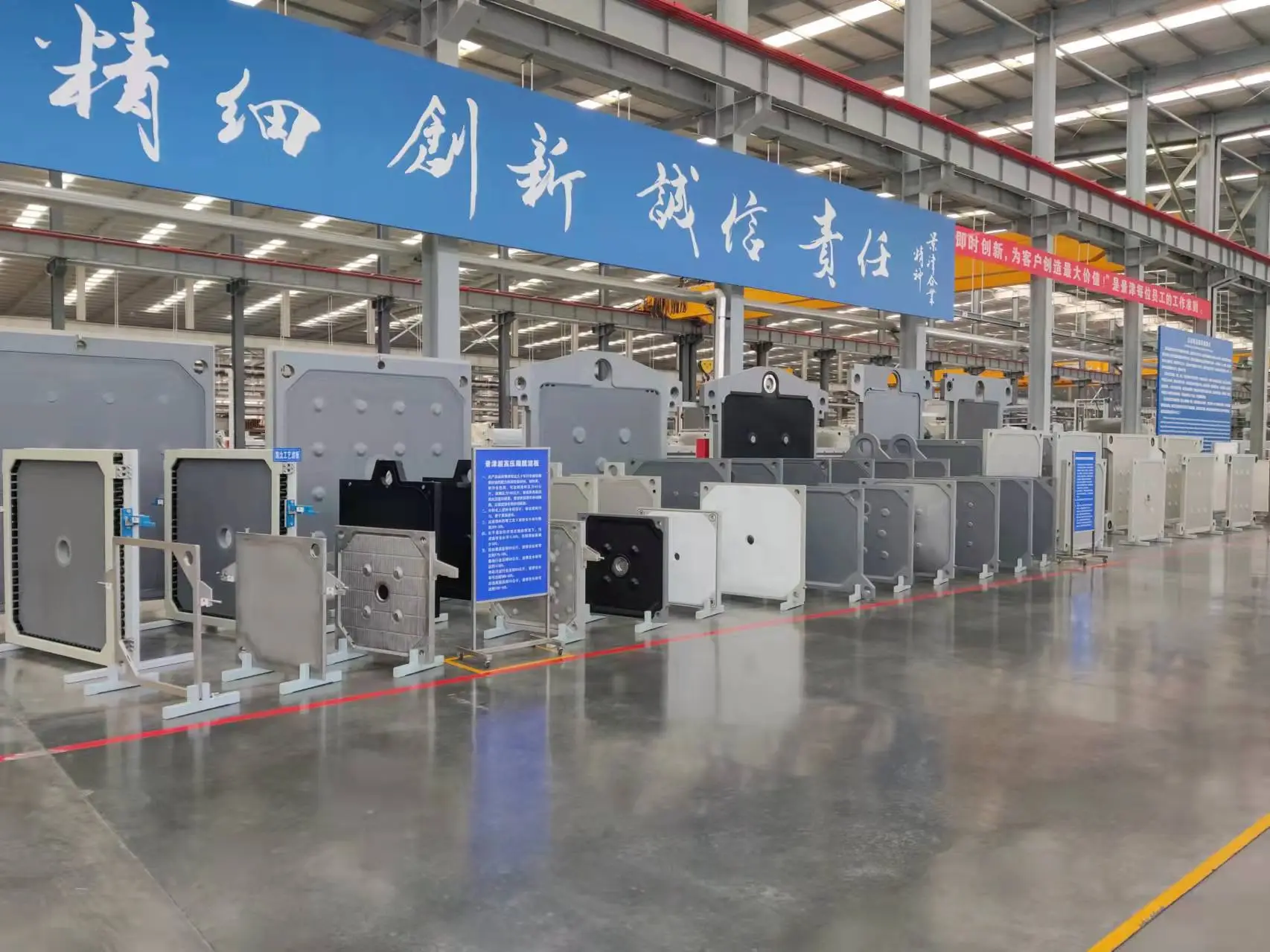
Leading manufacturers provide manual, semi-automatic, and fully automated systems with different chamber capacities, plate materials, and automation levels. Choosing reinforced polypropylene (RPP) for ordinary applications, PVDF for high-temperature or corrosive settings, or stainless steel for pharmaceutical-grade processes provides chemical compatibility and lifespan. Integration with Siemens or Schneider PLC systems allows smooth plant control architecture integration.
Understanding Total Cost of Ownership
While upfront capital expenditure is important, lifespan expenses sometimes surpass it. Hydraulic, plate, and automation system warranties prevent unexpected failures during vital early operation. Regional distribution networks reduce downtime risk since US-based suppliers may supply crucial components in days rather than weeks. Maintenance service agreements with planned inspections, predictive maintenance, and emergency response are essential operational continuity investments.
Pricing models vary widely across vendors. New gear comes with the latest technologies and a warranty. Used or reconditioned systems save money but must be inspected for hydraulic cylinders, filter plates, and frame integrity. Contractors with project-based needs or facilities that want to save money can lease.
Top Trusted Filter Press Machine Suppliers and Manufacturers Near You
The U.S. market benefits from multinational manufacturers with local operations and regional suppliers with customized service models. Understanding their capabilities helps procurement teams choose partners.
Global Manufacturers with Strong U.S. Presence
Evoqua Water Technologies provides membrane bioreactor systems and innovative dewatering solutions for municipal and industrial industries from numerous North American sites. Their engineering teams provide site inspections, pilot testing, and turnkey installation with nationwide service networks. BHS-Sonthofen concentrates copper, gold, and iron ore via high-solids centrifuges and filter presses. Their Hoover belt and pressure filters can withstand harsh working conditions and manage the toughest slurries.
Metso Outotec provides depth mining process expertise with integrated filtration, thickening, and clarity systems. The Larox pressure filters' membrane squeeze technology achieves industry-leading tailings management and concentrate dewatering cake dryness. Andritz Separation specializes in chemical processing and environmental applications with superior automation and corrosion-resistant construction for harsh chemicals.
The Jingjin Advantage in Industrial Filtration
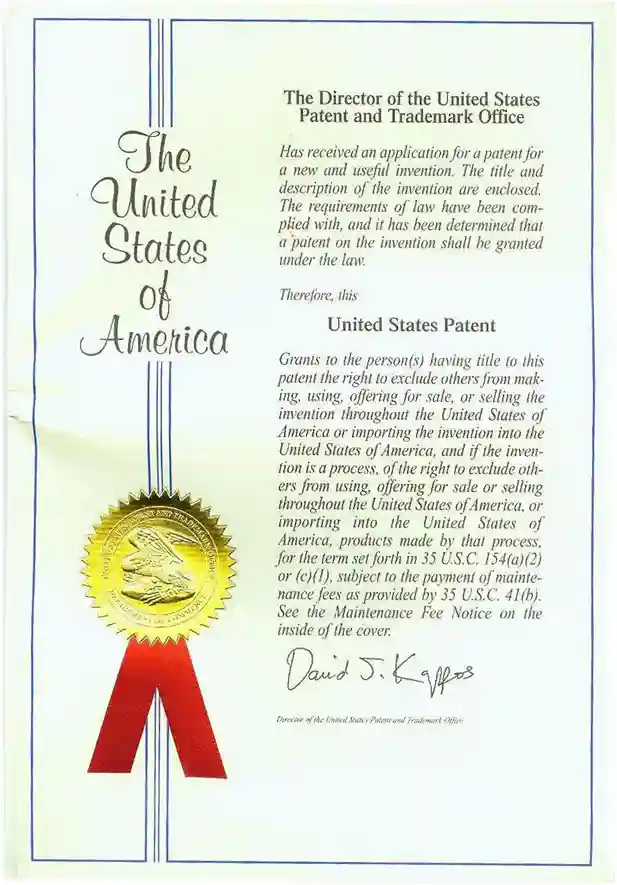
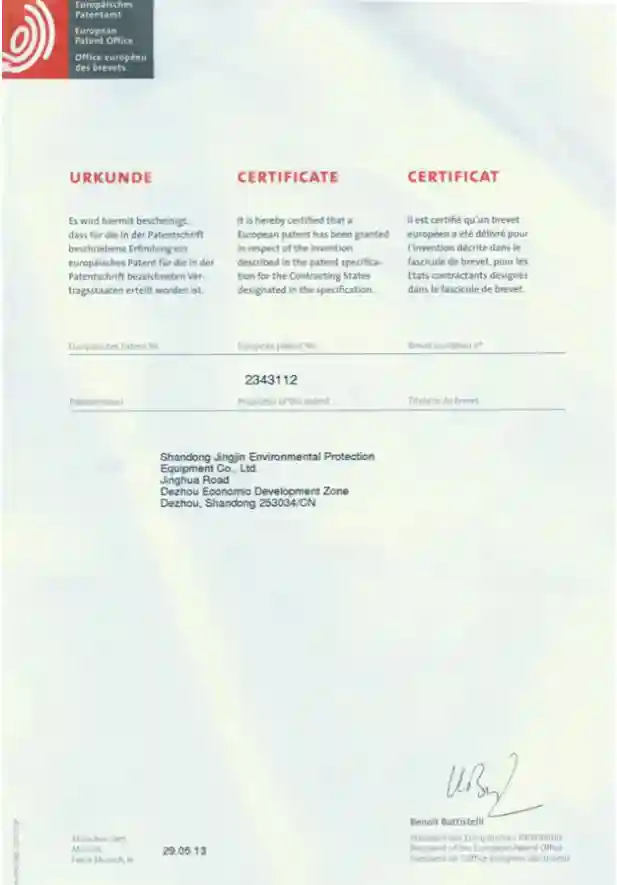
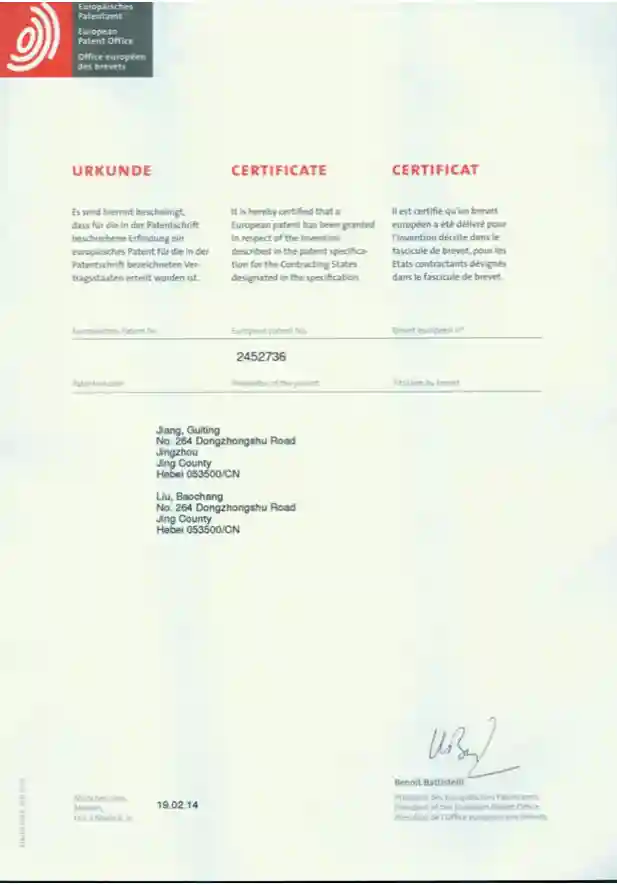
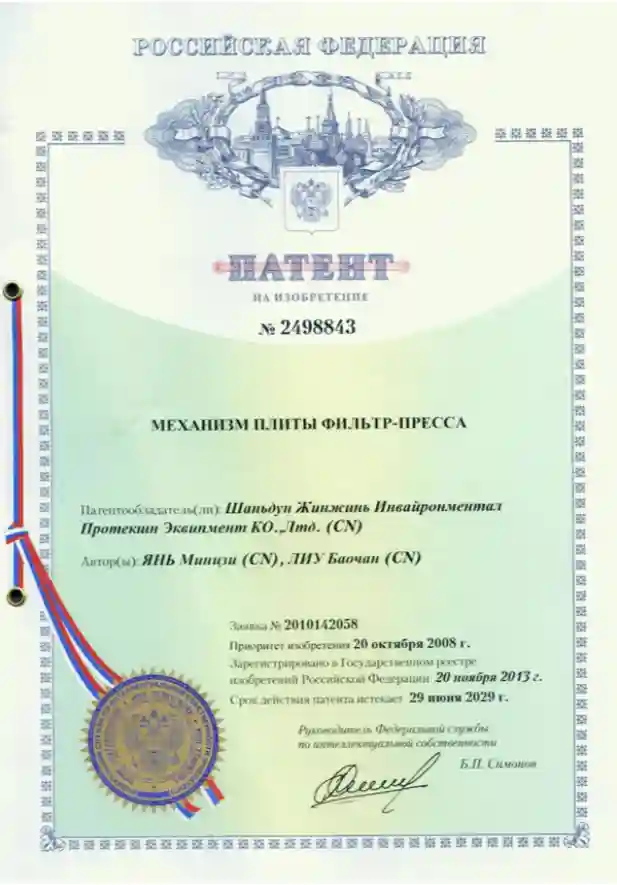
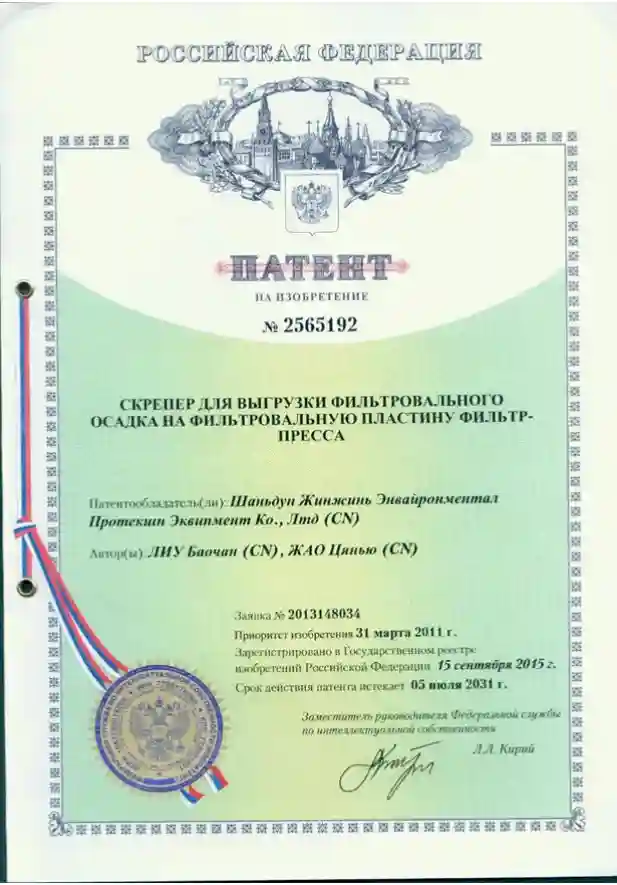
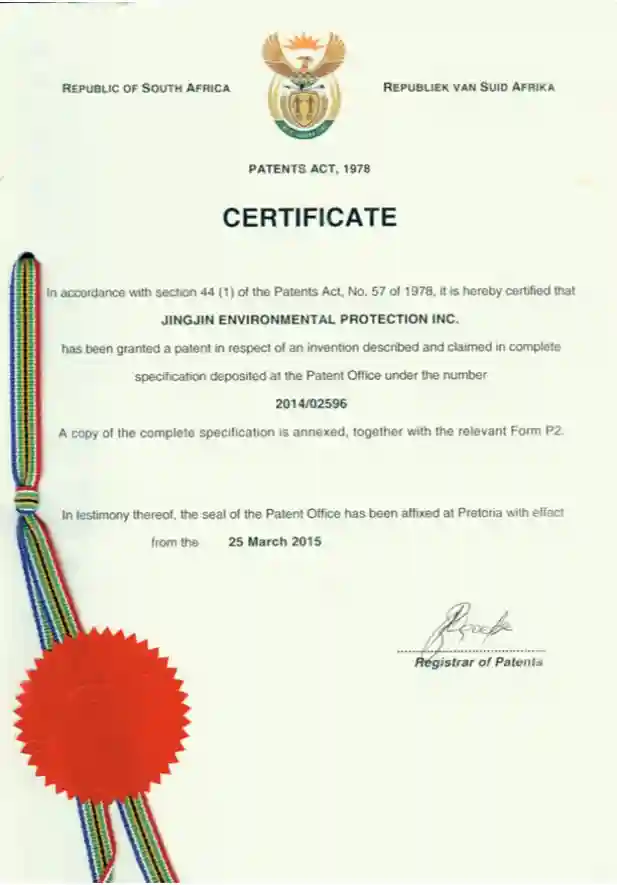
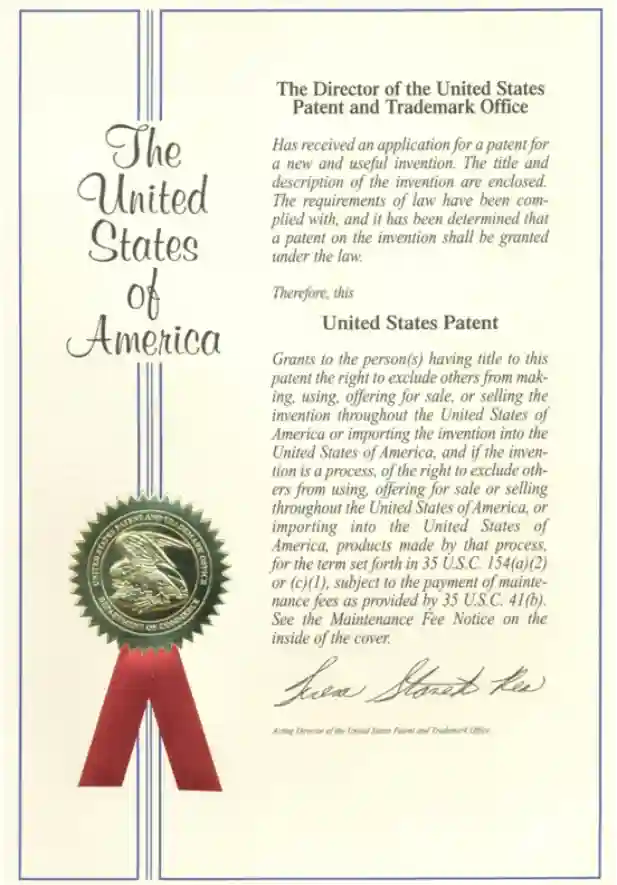
Since 1988, Jingjin Equipment Inc. has been one of the world's top Filter press machine manufacturers, providing solid-liquid separation solutions to 123 countries. Over 136 patents safeguard Jingjin's original technologies, meeting the most demanding industrial needs.
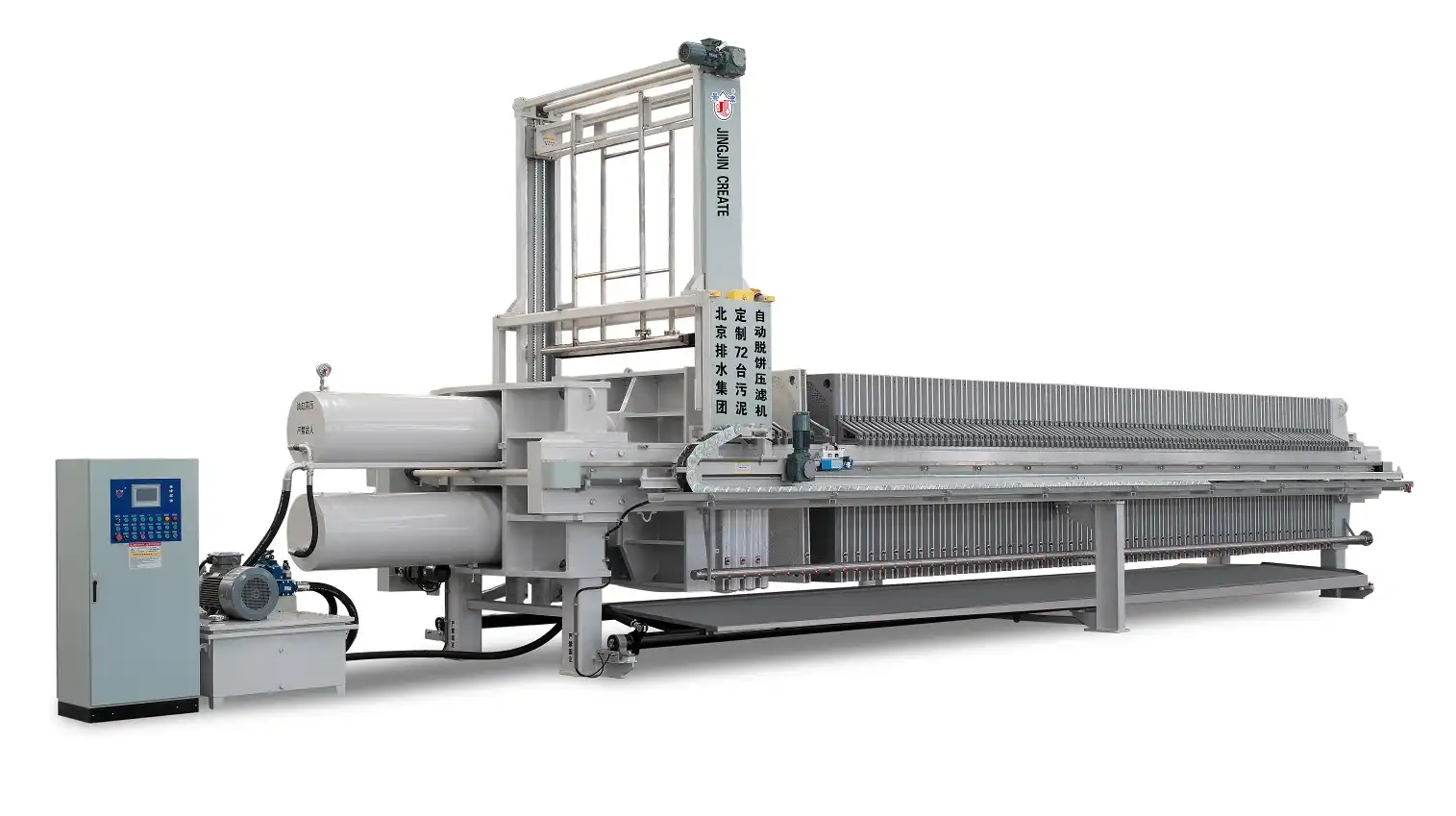
Strong physical and chemical requirements for demanding industrial conditions define Jingjin filter press machines' technological efficacy. From 0.6 MPa to 4.0 MPa, membrane squeezing designs maximize cake dryness in various applications. High-molecular RPP for chemical resistance, PVDF for high-temperature tolerance, and cast iron or stainless steel for compatibility are plate material alternatives. Automation integration uses PLC control systems for auto-plate shifting, cloth cleaning, and vibratory cake discharge to save labor and cycle times.
The Jingjin value offer goes beyond equipment supply. Massive production provides product availability and affordable cost for large purchases. Supply chain management is simplified by the product ecosystem, which includes filter plates, filter cloths, hydraulic components, and consumables. Installation supervision, operator training, and prompt technical support are provided by regional personnel versed in local operating norms and regulations via global service networks.
Benefits of Partnering with Authorised Regional Dealers
Local authorized dealers provide proximity advantages during commissioning and operations, complementing manufacturer ties. Faster technical support call responses reduce production disruptions while troubleshooting. Filter cloths, gaskets, and hydraulic seals can be delivered same-day or next-day from regional parts inventories. Dealers with regional water chemistry, seasonal temperature changes, and industry-specific issues provide application experience that generic vendors cannot match.
Local teams help prepare foundations, connect pipes, and integrate electrical systems, reducing commissioning risk. On-site training improves operator competency in normal operation, preventative maintenance, and basic troubleshooting. Scheduled inspections and predictive monitoring enable facilities to switch from reactive to proactive maintenance, increasing equipment life and enhancing process dependability.
Comparison Guide: What to Consider When Buying a Filter Press Machine
Technical performance, operational complexity, and financial limits must be considered in procurement. Recognising major differences helps match equipment capabilities to facility needs.
Manual Versus Automatic Filter Press Systems
Operators must manually close plates, start feed, monitor pressure increase, and open plates for cake discharge in manual filter presses. This design reduces initial cost and simplifies maintenance but requires constant labor and longer cycle periods. Manual methods are cost-effective for single-shift or batch processing facilities.
Automatic filter press machines use hydraulic or pneumatic systems for plate closing force, feed sequencing, pressure profiles, and motorized plate opening with cake discharge. Automation increases cycle uniformity, lowers labor, and allows unattended operation throughout long shifts. The larger initial expenditure is justified in continuous-process facilities when labor costs are high or process repeatability affects product quality.
Filter Press Versus Alternative Separation Technologies
Centrifuges excel at quick processing and continuous operation but fail to reach filter presses' low moisture content. Centrifuges require regular bearing maintenance and high-speed spinning, which costs energy. Vacuum filters work well for coarse-particle, free-draining slurries but not for compressible ones.
Only feed pump pressure builds cake thickness in chamber filter presses, making them appropriate for fairly challenging dewatering applications. Water or compressed air inflates flexible membranes against the cake, physically compressing it to lower moisture content by 10-15% and shortening cycle time in membrane filter press machines. Membrane technology is especially useful in mining, where every percentage point of moisture decrease saves transportation costs, and wastewater treatment, where wet weight determines disposal rates.
Selecting Appropriate Machine Size and Capacity
Starting with sludge or slurry volume, solids concentration, and processing frequency, size calculations begin. To treat 50 cubic meters of 3% solids sludge daily in 8 hours at 90 minutes, a 100-chamber machine with 1000 mm plates may be needed. Oversizing enhances production and operational flexibility but incurs unnecessary capital expenses. Undersizing increases labor costs and component wear by requiring several daily cycles or weekend operation to maintain capacity.
Feed preparation, cake handling, and cloth cleaning must be included in throughput predictions. Filter cloth permeability deterioration during service life can lengthen cycle durations to 90 minutes for cloths nearing replacement from 60 minutes. Before specifying equipment, process engineers should seek pilot testing for difficult applications to verify cake dryness, filtrate clarity, and cycle durations.
Maintenance Tips and Long-Term Care for Filter Press Machines
Maintenance maintains performance and prevents costly breakdowns. Equipment life is greatly extended by rigorous inspections and rapid problem resolution.
Routine Inspection Protocols
Daily visual checks should check hydraulic oil levels, cylinder seal and piping connection leaks, and filter cloth seating. Monitor cycle times for steady increases, suggesting cloth blinding or feed system issues. Weekly inspections check filter plate sealing surfaces for corrosion, cracks, or excessive wear that reduces sealing efficacy.
Maintaining hydraulic system components, including check valves, pressure switches, and hoses, monthly requires comprehensive inspection. Filter cloth permeability testing employing simple water flow measurements detects performance decline before it affects operations. Non-destructive testing of key welds on main beams and thrust plates should be done quarterly, especially in high-pressure applications with structural failure hazards.
Common Failure Modes and Troubleshooting
For a filter press machine, insufficient feed pressure, membrane squeezing time, or blinded filter cloths prevent liquid drainage, causing high cake moisture content over design parameters. Comparing feed pump performance curves to chamber pressure helps pinpoint pumping issues. Chemical washing using fouling-specific acid or alkaline solutions restores textile permeability when mechanical cleaning fails.
Worn piston seals, internal valve block leaks, and broken hydraulic lines cause sudden hydraulic pressure dips. Instant seal inspection prevents safety interlock shutdowns that stop production abruptly. When filter plates break, differential pressure from restricted feed distribution channels causes uneven tension across plate webs, requiring replacement. Cast iron plates can last decades in benign applications, while RPP plates endure 5-8 years depending on chemical exposure and operating temperatures.
Importance of Genuine Parts and Service Agreements
Aftermarket components may be cheaper, but dimensional irregularities, weaker materials, and poor quality control can lower performance. Genuine manufacturer components meet design intent in fit, material compatibility, and performance. Failure of filter cloths due to improper pore sizes or tensile strength causes rupture, solids bypass, and emergency shutdowns.
Expert diagnostics, predictive maintenance, and fast emergency response are available through manufacturer or authorized dealer service agreements. Recent remote monitoring systems provide real-time performance analysis, detecting flaws before they fail. This proactive method takes maintenance from reactive firefighting to planned lifecycle management, maximizing ROI.
Conclusion
Supplier credentials, machine-type technical differences, and lifespan expenses beyond the initial purchase price are needed to choose dependable filter press equipment. Regional dealers offer proximity during installation and operation, while leading manufacturers offer proven technology and worldwide service. Equipment parameters should match application requirements, including solids qualities, cake dryness, and operating preferences, for best performance and ROI. Long-term dependability from rigorous maintenance and authentic replacement parts prevents costly downtime and supports process optimization.
FAQ
Q1: What size filter press machine does my facility need?
Sizing depends on daily sludge or slurry volume, solids concentration, and available processing time. Calculate total solids mass, then work backwards from the desired cycle time and expected cake thickness to determine the required chamber volume and plate count. Pilot testing with representative samples provides the most accurate sizing data, accounting for material-specific characteristics that theoretical calculations cannot capture. Oversizing by 20-30% accommodates production variability and future growth.
Q2: How do material types and automation levels affect pricing?
Basic manual systems with RPP plates start around $30,000-$50,000 for small capacities, while fully automated membrane systems with stainless steel construction and advanced PLC integration can exceed $500,000 for large industrial installations. Membrane squeeze technology typically adds 30-40% to base chamber press costs but delivers substantially drier cakes that reduce disposal expenses. Specialized materials like PVDF or exotic alloys for extreme chemical resistance increase plate costs significantly but prove essential in corrosive environments.
Q3: Are leasing options available for filter press equipment?
Many manufacturers and equipment finance companies offer leasing arrangements, particularly attractive for project-based contractors or facilities seeking to preserve capital. Operating leases avoid balance sheet impacts while including maintenance and upgrade options. Finance leases function more like installment purchases, building equity over time. Leasing terms typically span 3-7 years with options to purchase, return, or upgrade at contract end. Evaluate total payments against outright purchase costs and consider tax implications with financial advisors.
Partner with Jingjin for Complete Filtration Solutions
Jingjin Equipment Inc. delivers comprehensive solid-liquid separation systems backed by over three decades of engineering innovation and global project experience. Our filter press machines incorporate patented membrane technologies, precision-machined components, and robust automation systems designed for demanding industrial environments. Beyond equipment supply, Jingjin provides complete filtration ecosystems, including optimized filter cloths, hydraulic systems, and all necessary consumables through established supply chains.
Working with a filter press machine manufacturer that maintains substantial U.S. inventory and technical support staff ensures rapid commissioning and responsive service throughout the equipment lifecycle. Our engineering teams conduct thorough application analysis, recommend properly sized systems, and provide installation supervision that protects your investment from day one. Maintenance training programs and predictive service contracts help your operators maximize uptime and process efficiency.
Contact our team at [email protected] to discuss your specific separation challenges. We'll develop customized solutions that balance performance requirements, budget constraints, and long-term operational goals, delivering the reliable dewatering performance your facility demands.
References
1. Smith, J.R. and Williams, K.L., "Industrial Filtration Equipment Selection and Optimization," Journal of Separation Science and Technology, Vol. 47, 2019, pp. 1823-1847.
2. Anderson, M.P., Solid-Liquid Separation: Equipment Selection and Process Design, 4th Edition, Butterworth-Heinemann, Oxford, 2020.
3. Chen, W.F., Rodriguez, A.M., and Kumar, S., "Comparative Analysis of Dewatering Technologies for Municipal Sludge Treatment," Water Environment Research, Vol. 92, No. 6, 2021, pp. 892-908.
4. International Water Association, Best Practices for Filter Press Operation and Maintenance in Wastewater Treatment Facilities, Technical Report IWA-2021-08, London, 2021.
5. Zhang, L.H. and Patel, N.K., "Advanced Membrane Filter Press Technology for Mining Applications," Minerals Engineering, Vol. 168, 2022, pp. 106-119.
6. National Association of Clean Water Agencies, Biosolids Management Technology Assessment: Filter Press Systems, NACWA Research Foundation Report, Washington D.C., 2020.
jingjin
Founded in 1988, Jingjin specializes in filter presses and liquid-solid separation solutions, serving over 130 countries worldwide, and is a standard-setter in China's filter press industry.
Get the Filter Press guide
Enter Your Email for Technical assistance for the Filter Press.
Recommended Blog
Dewatering Press Machines for Middle East Desalination Plants
Customized Filter Press Plates for the Mining Industry: What You Need to Know
How Overseas Distributors Choose Filter Press Suppliers in China?
Customized Multi Disk Screw Press Solutions for Specific Sludge Processing Needs
How to Choose the Best Feed Pump for Filter Press in Water Treatment
Cost-Effective Filter Press Cloth Options for Wastewater Treatment
Essential Maintenance Tips to Prolong the Life of Your Press Filter Machine