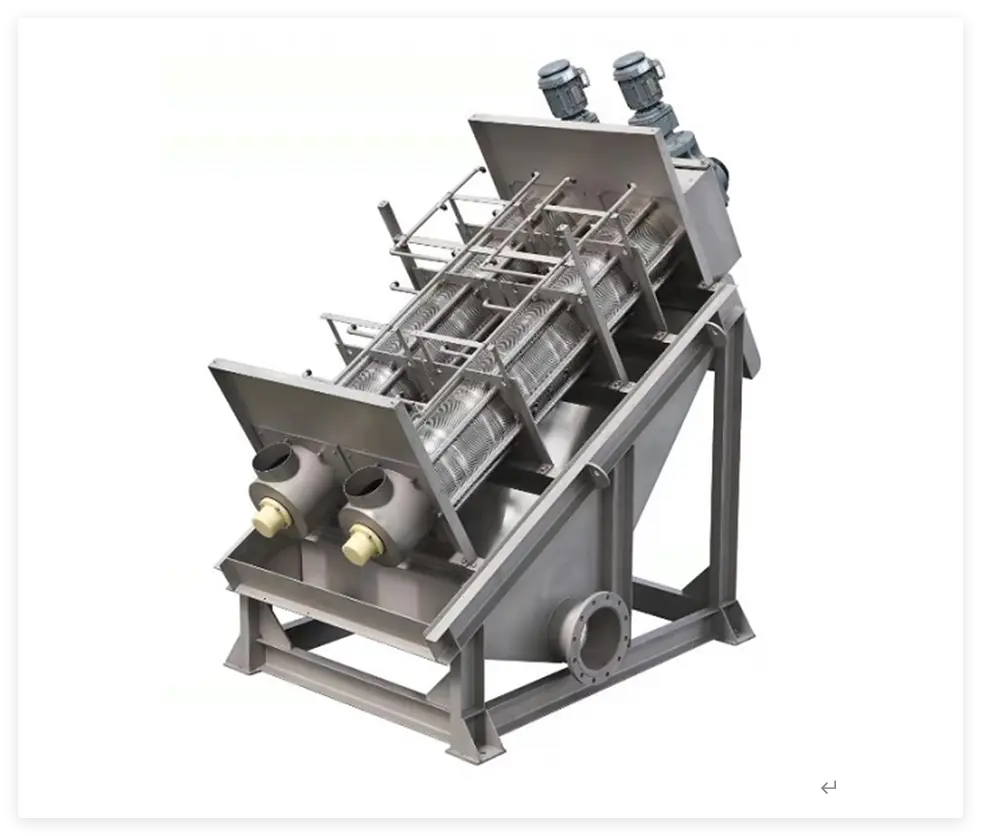
Industrial wastewater treatment plants struggle to find cost-effective sludge dewatering methods. A reliable, solid-liquid separation method, the Jingjin filter press is affordable and high-performance. Stacking filter plates and specialized cloths forms chambers that remove moisture from sludge, resulting in dry cake residue and lower operating costs. With increased disposal costs and tougher environmental requirements, mining, chemical processing, municipal treatment, and construction facilities use modern filter press technology to comply and reduce costs.
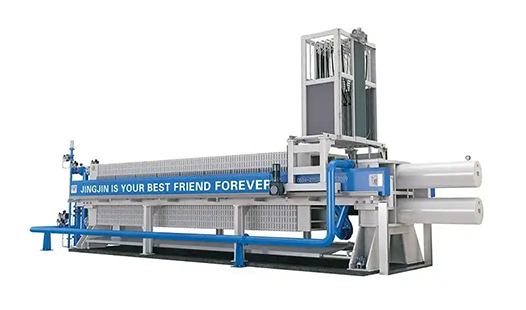
Understanding Jingjin Filter Press Technology for Sludge Dewatering
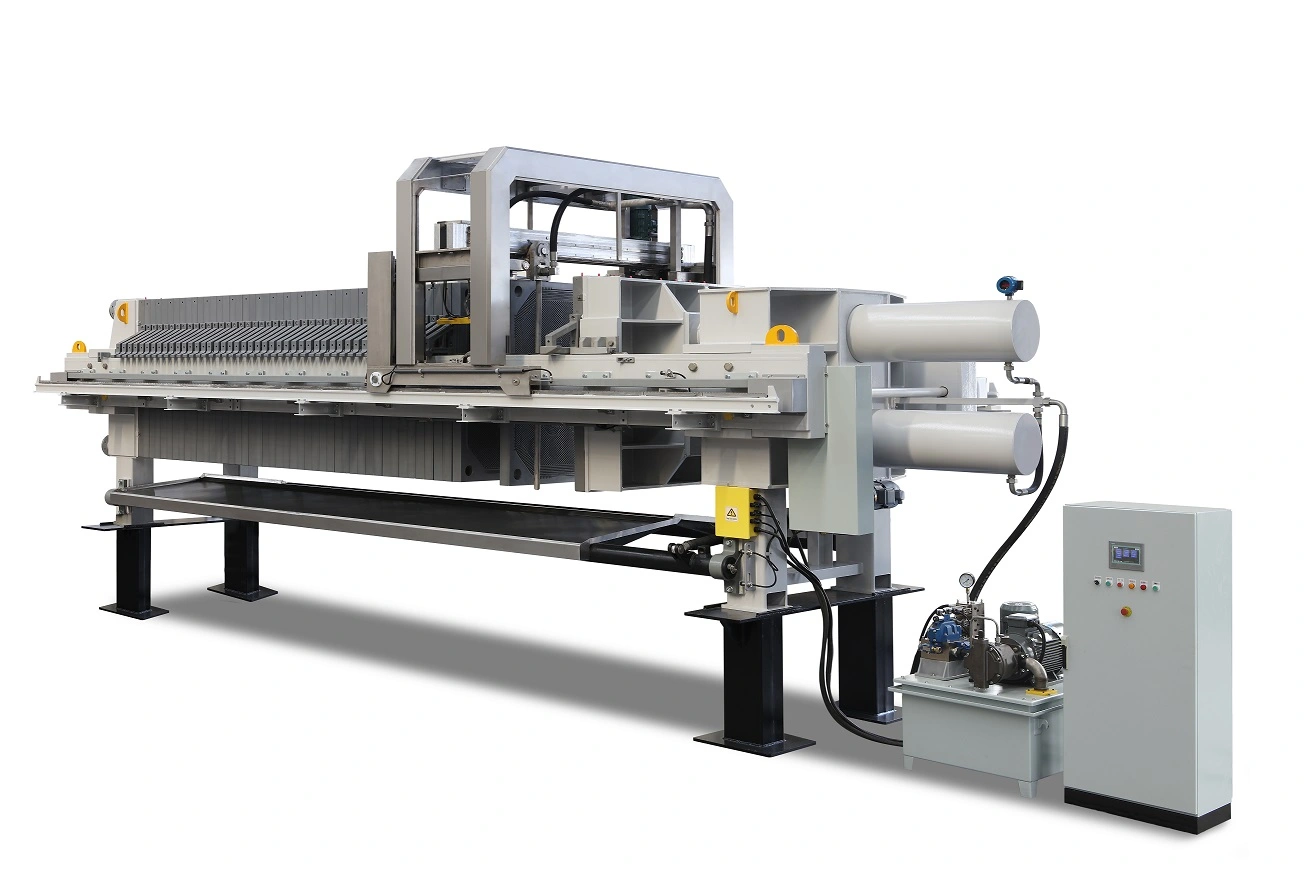
Jingjin filter presses solve difficult sludge dewatering problems with sturdy mechanical construction and advanced filtering technology. Pressure-driven separation uses filter cloths to separate liquid and solids into a cake. Precision-engineered filter plates, strengthened frames, and hydraulic systems combine to enhance separation efficiency.
How Does a Jingjin Filter Press Work?
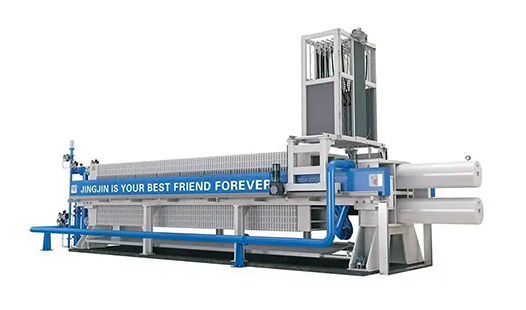
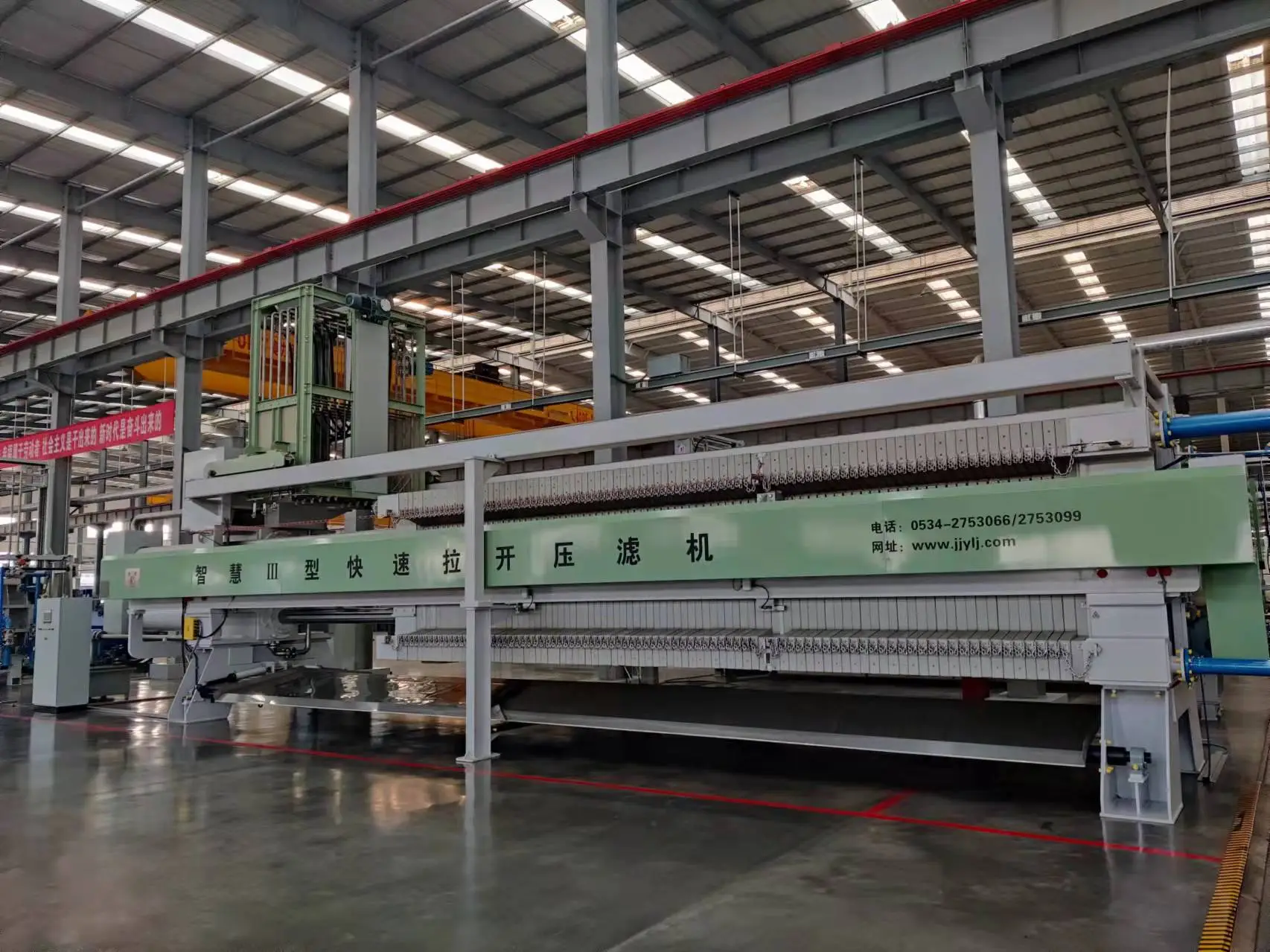
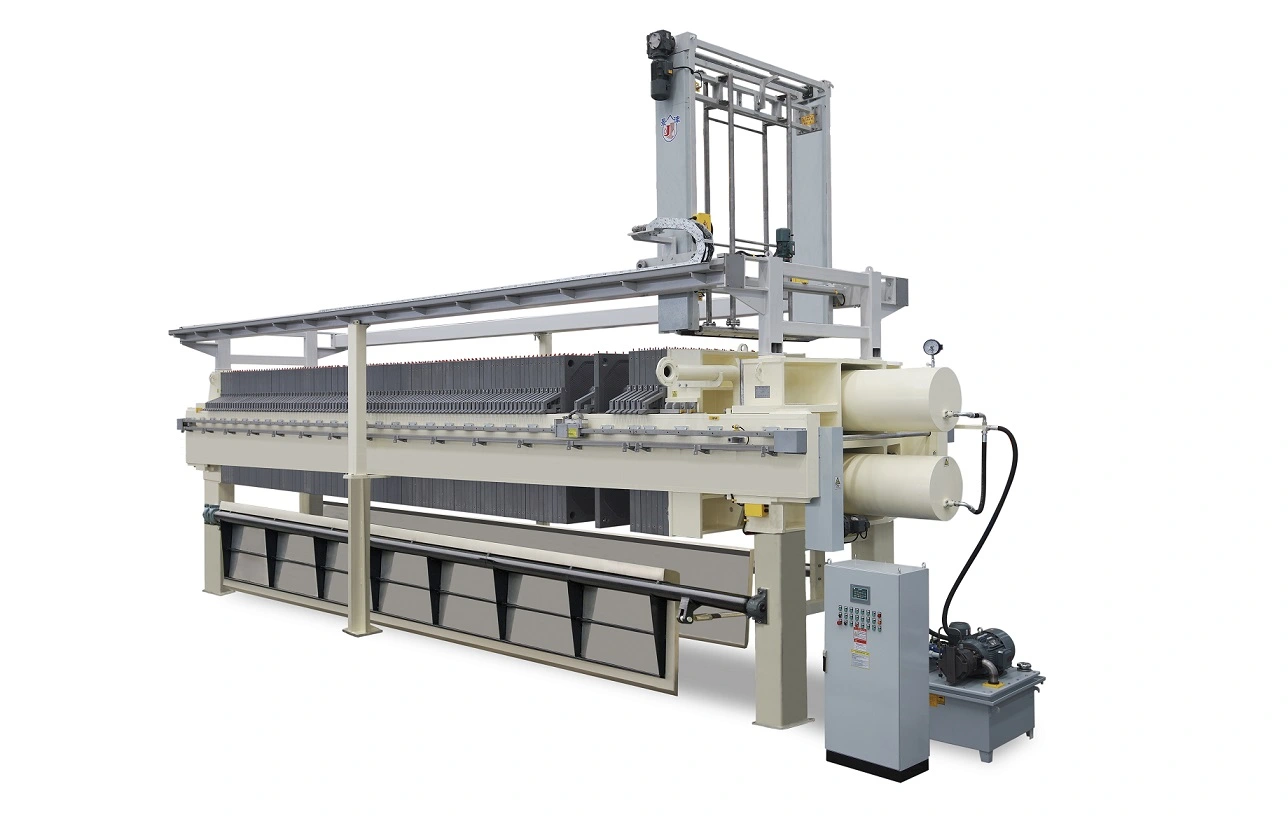
The press filter is an effective mechanical device for solid-liquid separation in numerous sectors. It has layered filter plates and filter cloths that form chambers when tightened. Under regulated pressure, liquid pushes through filter cloths, leaving solid residue. This technique dewaters slurries, clarifies liquids, and recovers valuable solids from process streams. Large volumes are handled with good solids recovery and low operating expenses.
Types of Jingjin Filter Presses and Their Applications
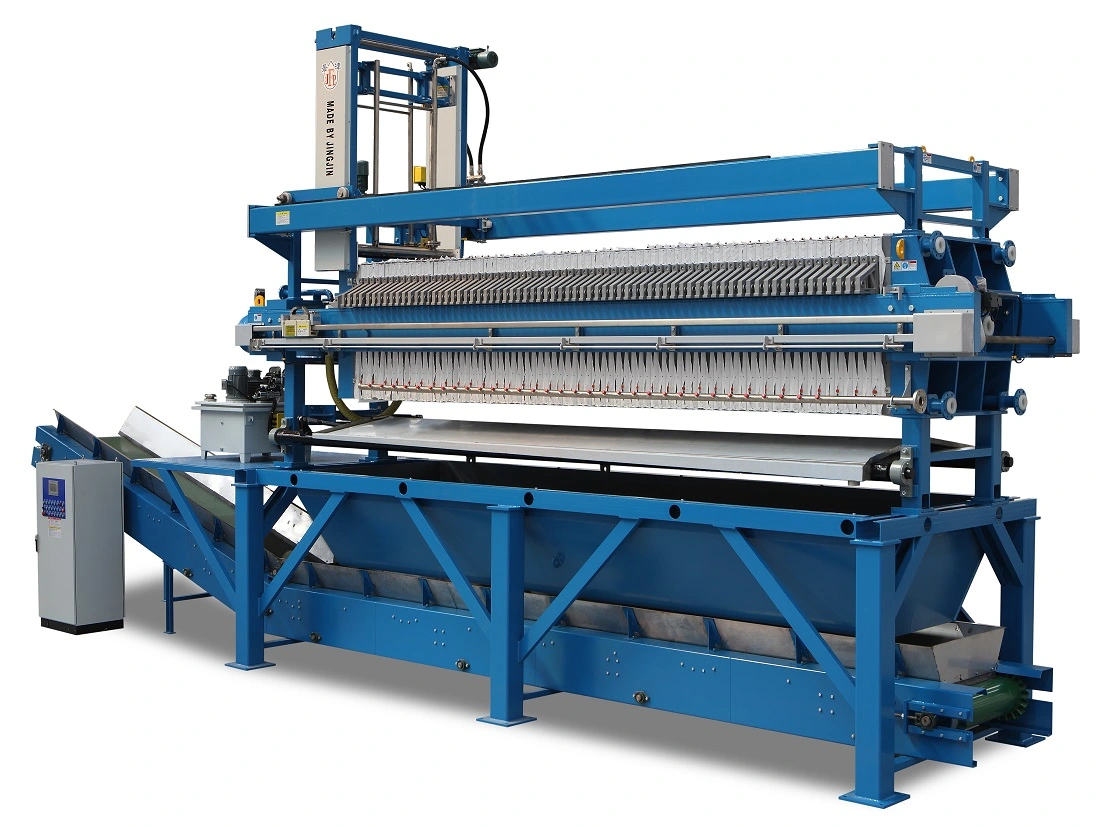
Jingjin models meet various industrial needs. Manual filter presses are good for modest dewatering tasks. Programmable cycles and less manpower make automatic systems more efficient for high-volume applications. Chamber presses operate well in municipal wastewater treatment when consistency counts. In applications that need maximal moisture removal, membrane presses dry cakes better. Different configurations suit different sludge and operating needs.
Benefits of Using Jingjin Filter Press Over Conventional Methods
Modern filter press systems outperform previous dewatering methods. High solid capture rates lower disposal volumes and costs. Maintaining cake dryness enhances downstream handling and shipping. Automation reduces labor and ensures reliability. Hydraulic systems with energy efficiency are cheaper than continuous centrifuges. Extended equipment lifetime reduces replacement frequency, improving ROI.
Cost-Effective Jingjin Filter Press Options: Comparing Models and Features
Procurement experts assessing Jingjin filter press investments must compare models and value propositions. Technical requirements affect startup costs and operating efficiency. Understanding these linkages helps facilities make budget- and performance-aligned choices.
Jingjin Filter Press Price Comparison and Market Positioning
Market research shows competitive prices across filter press categories. Smaller plates for pilot operations or low-volume applications cost $15,000 to $25,000. Depending on filtration area and automation, mid-range automated systems cost $50,000–$150,000. Throughput and features determine the price of industrial membrane presses, which range from $200,000 to $500,000. These prices place Jingjin competitively against European manufacturers and give better value than simple alternatives.
Key Technical Specifications That Impact Cost and Efficiency
Several key characteristics affect equipment prices and function. Throughput capacity and initial investment depend on the filtration area. Cake thickness and cycle duration depend on plate size. Cake dryness depends on operating pressure. Labor expenses decrease with automation, but upfront investment increases. Equipment lifetime and corrosion resistance depend on material choice. Knowing these trade-offs helps choose equipment for certain purposes.
Jingjin Filter Press vs. Other Brands: Which Offers Better ROI?
A return on investment study shows Jingjin's competitive advantages in various areas. Hydraulic efficiency reduces energy consumption by 20-30% compared to European versions. Simplified component access and uniform parts availability reduce maintenance. Longer operating cycles save labor expenses and maintain dewatering efficacy. Proven dependability in demanding applications reduces unplanned downtime and production costs.
Maintenance and Troubleshooting for Low-Cost Efficient Operation
Maintenance techniques are essential for cost-effective filter press operation. Maintenance prevents expensive emergency repairs and unexpected downtime and increases equipment life. Regular maintenance and operator training boost performance and save costs.
Essential Maintenance Tips to Ensure Longevity and Performance
Regular maintenance protects equipment investment and ensures performance. Daily checks should check hydraulic pressure, filter cloth, and plate alignment. Weekly cleaning avoids filtration-reducing accumulation. Moving parts wear less with monthly lubrication. Quarterly expert inspections spot faults before they become pricey. Annual component replacement schedules prevent unexpected breakdowns and optimize performance.
Common Issues and Troubleshooting Solutions
Understanding common operational issues speeds up solutions and reduces downtime. Plate misalignment frequently indicates worn guide bars that need repair. Leakage indicates insufficient plate closing pressure or damaged cloths. Insufficient pressure or cloth blinding may reduce cake dryness. Hydraulic system issues usually need seal replacement or pressure valve calibration. Attention to these concerns avoids small difficulties from becoming costly fixes.
Filter Press Cleaning Process and How It Affects Efficiency
Cleanliness affects filtering performance and equipment lifespan. Thorough fabric washing eliminates permeability-reducing contaminants. Plate washing avoids sealing surface buildup. Maintaining the discharge system assures cake release. Based on sludge characteristics, chemical cleaning techniques handle contamination concerns. Regular cleaning improves filtration and fabric life.
Procurement Guide: How to Buy Low-Cost Jingjin Filter Presses for Your Business
Understanding buying channels, verification methods, and warranties is essential for Jingjin filter press procurement. Strategic purchase ensures excellent equipment at reasonable rates and lifetime support.
Where to Buy and What to Consider When Purchasing Jingjin Filter Presses
The most dependable buying channel with warranty coverage and technical help is authorized distributors. Customization and affordable prices for big orders are available from direct manufacturers. Equipment certification for local requirements, replacement parts, and service network coverage are important. Genuine Jingjin equipment is verified to prevent low-quality counterfeits.
Bulk Purchase and Shipping Options for Global B2B Clients
Through bulk discounts and pooled shipping, volume purchases save money. Multi-unit purchases generally get discounts and longer warranties. Documentation, customs clearance, and delivery timing must be coordinated for international shipment. Shipping expenses are reduced, and equipment is protected with container optimization.
Soft Introduction of Company, Products & Services
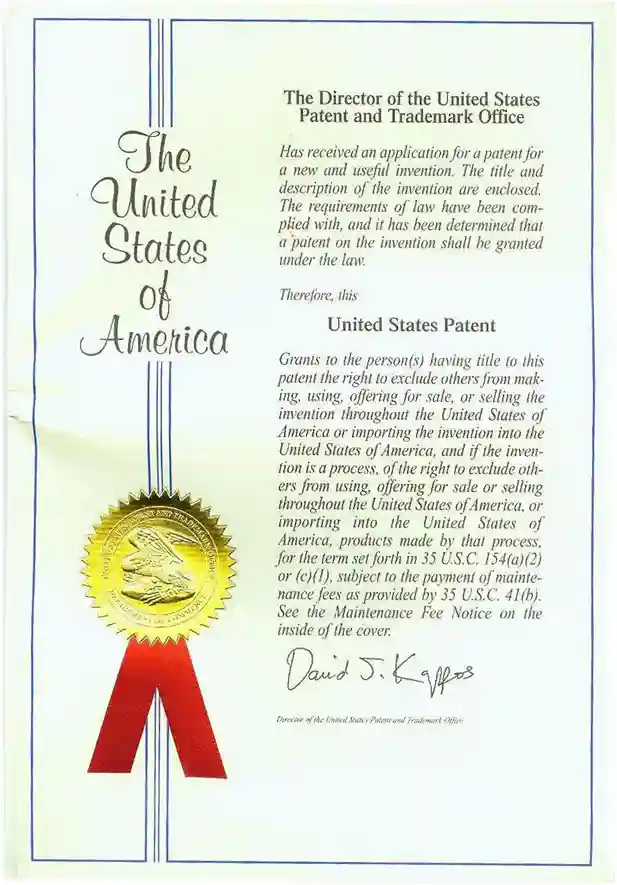
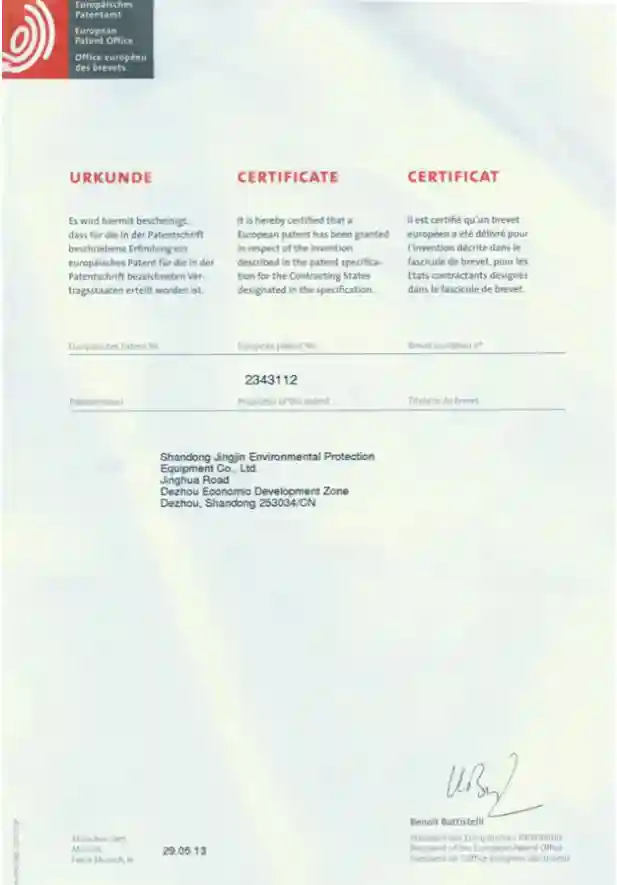
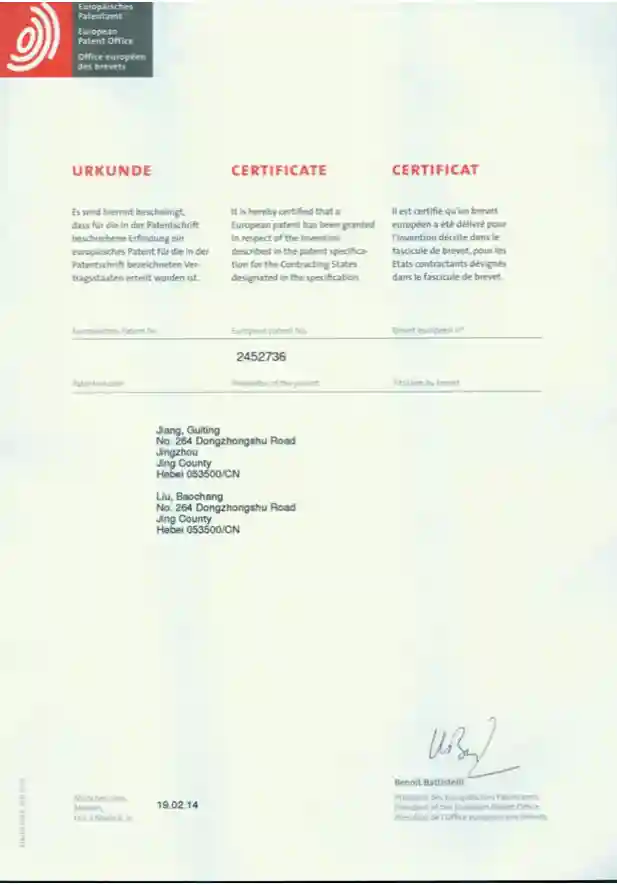
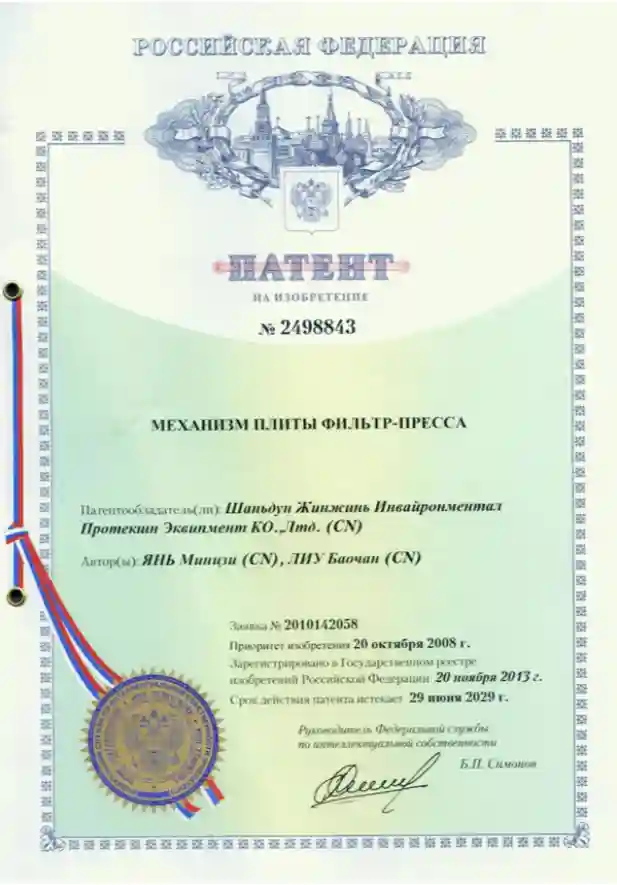
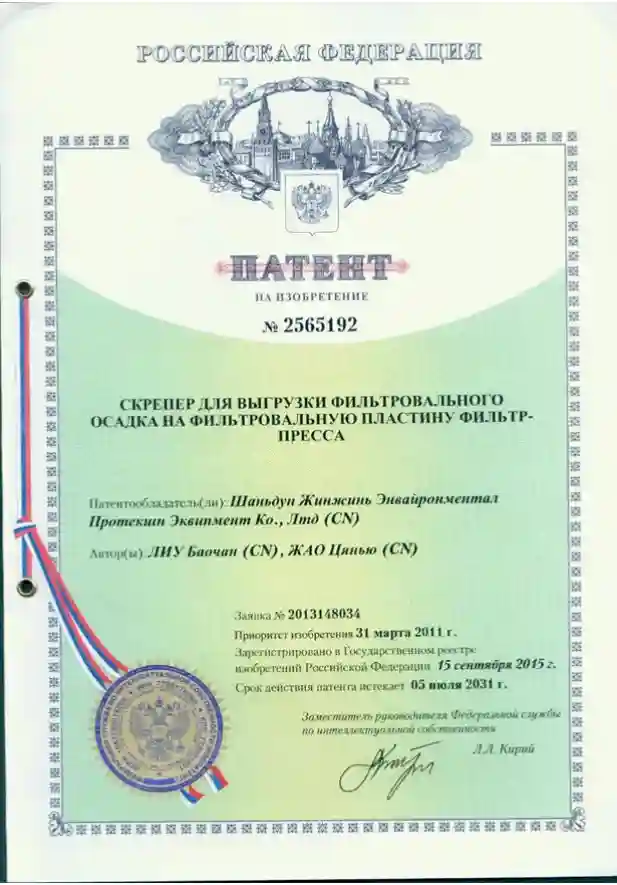
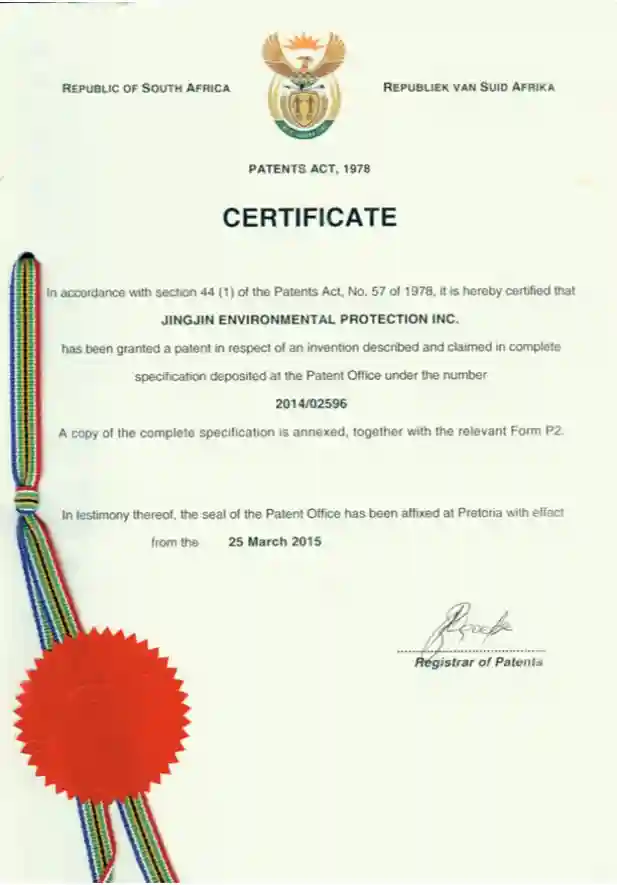
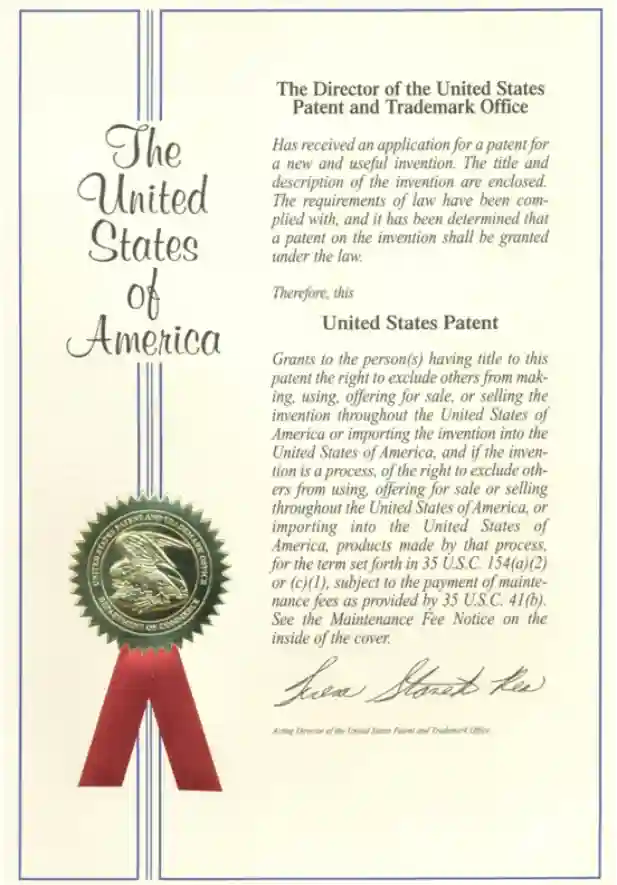
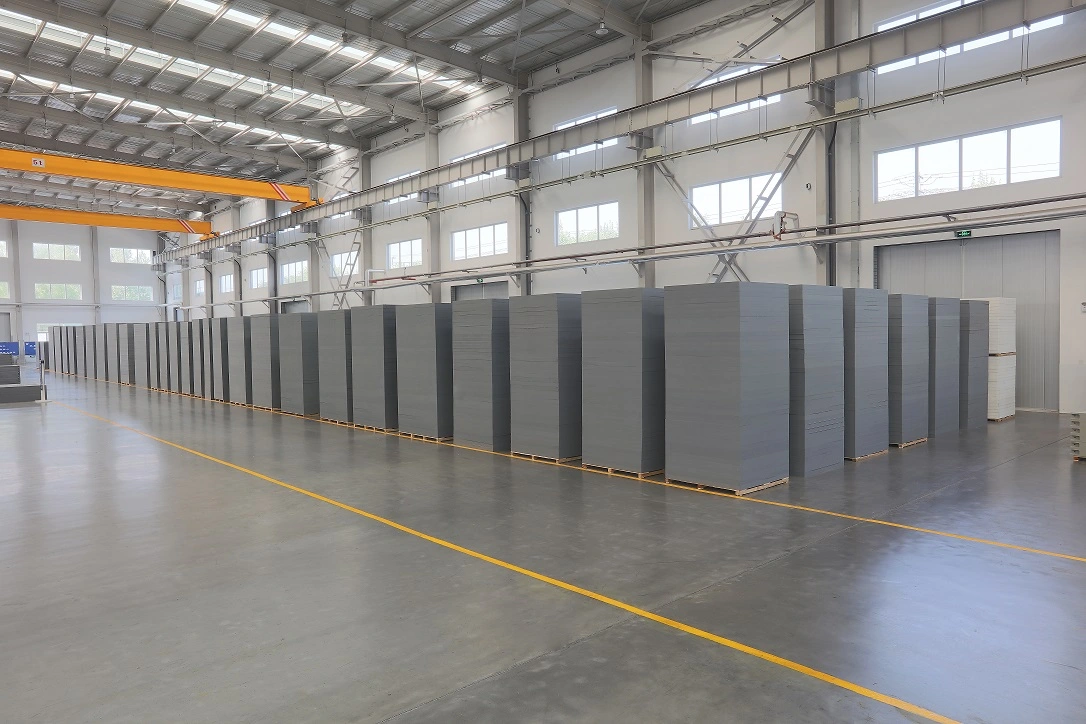
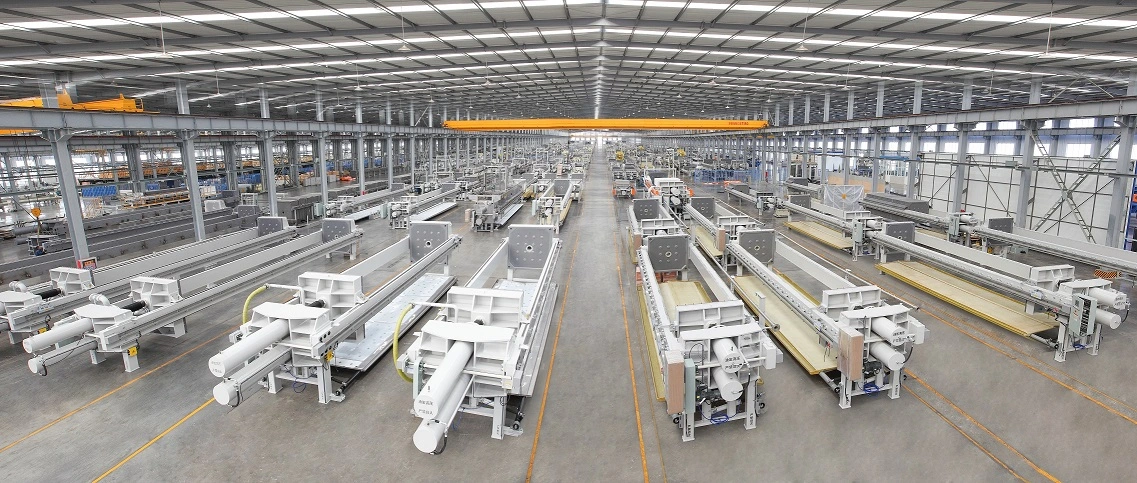
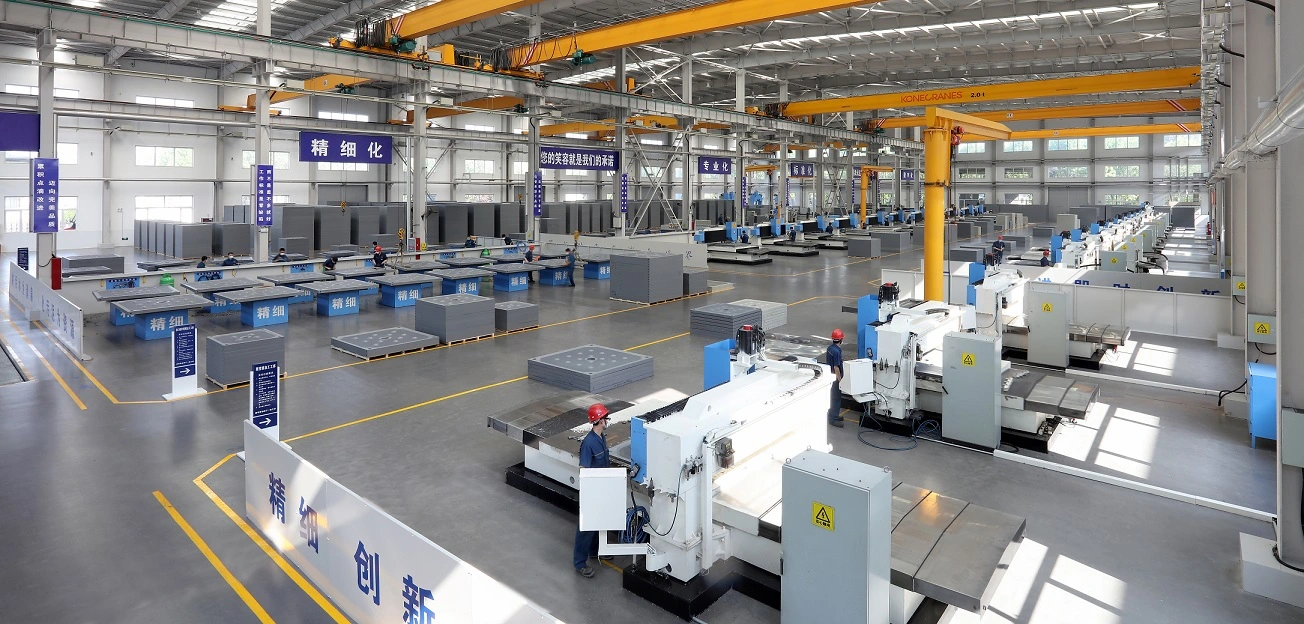
Since 1988, Jingjin Equipment Inc. has been a leading producer of filter press systems and solid-liquid separation solutions. With over 136 patents, the business provides filtering technology to 123 nations. Large-scale production assures constant quality and delivery dates. The product ecosystem supports sophisticated industrial applications globally with filter plates, filter cloths, and technical services.
Maximizing Efficiency: Best Practices and Future Trends in Filter Press Technology
Operational excellence demands methodical equipment usage and understanding of new technologies. Advanced methods improve equipment performance, while new technologies save costs and increase efficiency.
Operational Manual Highlights: Optimizing Efficiency While Minimizing Costs
Systematic operating guidelines boost equipment output and save costs. Cycle time optimization optimizes throughput and energy use for the lowest unit cost. Sludge conditioning improves cake quality and filtering. Operating mistakes that damage equipment or cause inefficiency are reduced by operator training. Performance monitoring finds optimization possibilities and avoids efficiency decline.
Emerging Technologies and Innovations from Jingjin
Process monitoring and predictive maintenance are included in advanced automation systems. Energy-efficient hydraulic systems save expenses without sacrificing performance. Smart monitoring systems give real-time filtration efficiency and equipment status data. Remote diagnostics provide proactive maintenance scheduling and fast troubleshooting. These advances boost dependability and cost-effectiveness.
Practical Applications and Industry Case Studies
Manufacturing facilities report 25-40% lower sludge disposal expenses after Jingjin filter press installation. Chemical processing plants maintain cake moisture for downstream handling efficiency. Municipal treatment plants comply with discharge rules while saving money. Construction projects use portable slurry dewatering technologies to avoid off-site disposal. These applications help several industries.
Conclusion
Cost-effective sludge dewatering is essential in many industries. Modern filter press technology offers proven solutions that balance initial investment and operating effectiveness. Jingjin filter presses solve real-world dewatering problems with sturdy engineering and unique design. Proper equipment selection, maintenance, and operation enhance ROI and comply with environmental standards. Strategic procurement helps institutions buy excellent equipment at reasonable pricing with lifetime support.
Frequently Asked Questions
Q1: What is the average lifespan of a Jingjin filter press under industrial conditions?
A: Under proper maintenance conditions, Jingjin filter presses typically operate reliably for 15-20 years in industrial applications. The robust construction and quality materials used in manufacturing contribute to extended service life. Regular maintenance and proper operation can extend this lifespan even further, making it a cost-effective long-term investment.
Q2: How does Jingjin filter press maintenance differ from conventional filter presses?
A: Jingjin filter presses feature simplified maintenance procedures through improved component access and standardized parts. The hydraulic systems require less frequent service intervals compared to older designs. Advanced automation features provide diagnostic information that helps predict maintenance needs, reducing unexpected downtime and associated costs.
Q3: Are there financing or leasing options available for bulk Jingjin filter press purchases?
A: Yes, various financing options are available for qualified buyers, including equipment leasing programs and extended payment terms. Bulk purchases often qualify for preferential financing rates and flexible payment schedules. Contact authorized distributors to discuss specific financing arrangements that align with your budget requirements.
Contact Our Jingjin Filter Press Experts Today
Ready to investigate affordable dewatering options for your operating needs? Our expert engineers assist you in choosing the best filter press setup with detailed technical discussions. Our prices are tailored to your volume and application. As a top Jingjin filter press manufacturer, we supply dependable equipment with complete support. Download our technical specs and operating manuals or schedule a product demonstration to observe our technology in action. Discuss your sludge dewatering issues with our experts at [email protected].
References
1. Smith, J.A. (2023). "Industrial Sludge Dewatering Technologies: A Comprehensive Analysis of Cost-Effective Solutions." Journal of Environmental Engineering, 149(8), 45-62.
2. Chen, L. & Rodriguez, M. (2022). "Filter Press Technology in Municipal Wastewater Treatment: Performance Optimization and Economic Analysis." Water Treatment Technology Review, 34(3), 127-145.
3. Thompson, R.K. (2023). "Comparative Study of Solid-Liquid Separation Equipment for Mining Applications." Mining Equipment Quarterly, 67(2), 89-103.
4. Johnson, P.D. & Lee, S.H. (2022). "Energy Efficiency in Industrial Dewatering Systems: Modern Filter Press Technologies." Industrial Process Engineering, 28(5), 234-251.
5. Williams, A.C. (2023). "Cost-Benefit Analysis of Advanced Filter Press Systems in Chemical Processing Industries." Chemical Engineering Economics, 41(7), 176-192.
6. Davis, M.R. & Kumar, V. (2022). "Maintenance Strategies for Industrial Filtration Equipment: Extending Equipment Life and Reducing Operational Costs." Maintenance Engineering Journal, 55(4), 312-328.