Recessed Chamber vs Membrane Filter Plates — Performance Data That Matters
Recessed Chamber vs Membrane Filter Plates — Performance Data That Matters
Understanding Filter Press Plates: Core Concepts and Industry Applications
- Understanding Filter Press Plates: Core Concepts and Industry Applications
- Technical Performance Comparison: Recessed Chamber vs Membrane Filter Plates
- Choosing the Right Filter Press Plates: Decision-Making Criteria for B2B Buyers
- Maintenance, Cleaning, and Longevity: Maximizing Filter Press Plate Performance
- Procurement and Supply Chain Insights: How to Source Recessed Chamber and Membrane Plates
- Conclusion
- FAQ — Your Top Questions on Recessed Chamber and Membrane Filter Plates Answered
- Partner with Jingjin for Superior Filter Press Plate Solutions
- References
When selecting filter press plates for your solid-liquid separation system, understanding the performance differences between recessed chamber and membrane variants is critical. Both plate types serve essential functions in industrial filtration, yet they deliver vastly different outcomes in cake dryness, cycle time, and operational costs. Recessed chamber plates offer simplicity and reliability, while membrane plates provide superior dewatering through mechanical squeeze pressure. Choosing the right configuration directly impacts your facility's disposal expenses, throughput efficiency, and regulatory compliance.
Understanding Filter Press Plates: Core Concepts and Industry Applications
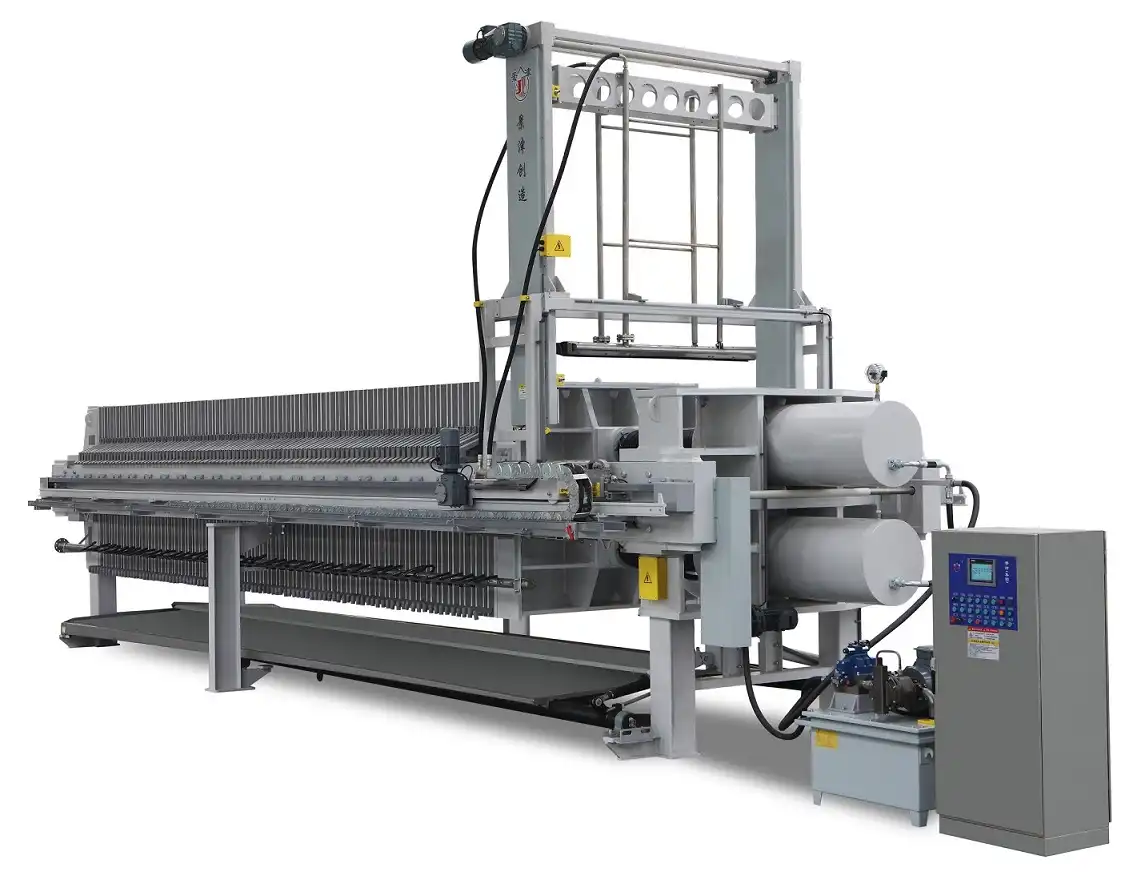
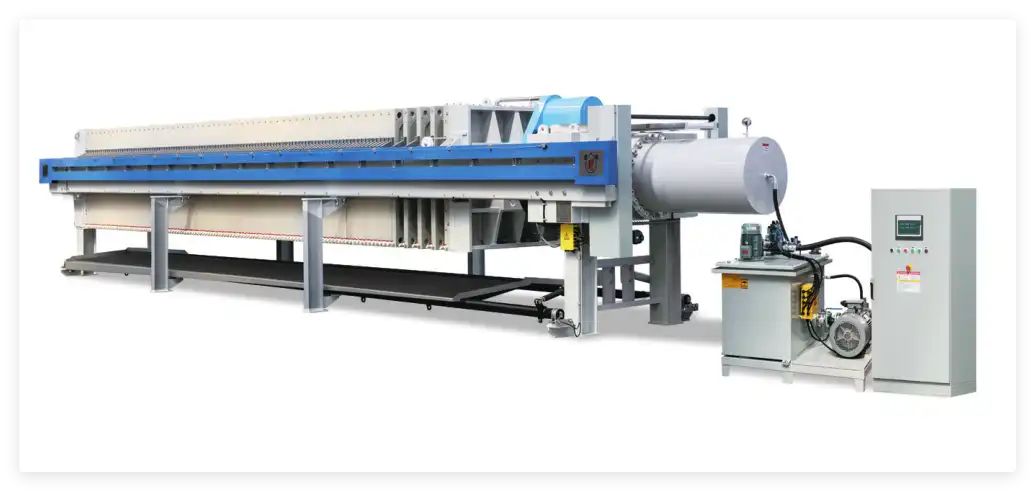
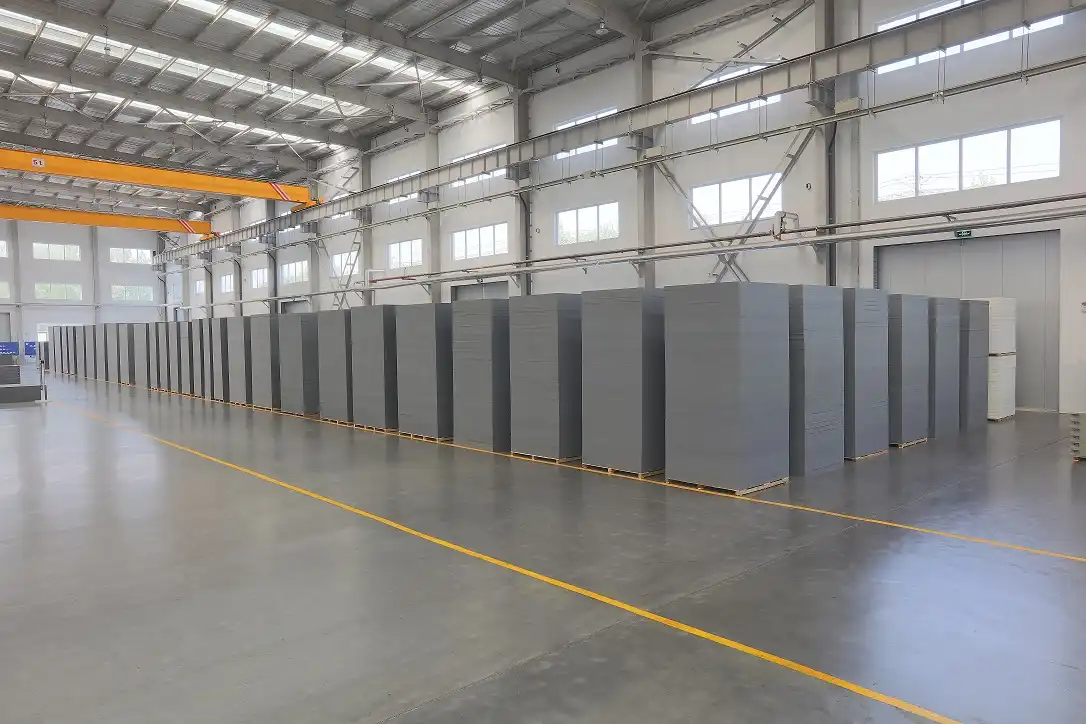
Filter press plates are the main parts of any filter press system. They create sealed spaces where solids and liquids separate under controlled hydraulic pressure. It's possible for each plate to support filter cloths and hold a lot of filter cake at the same time. Choosing between recessed chamber and membrane designs will have a big impact on how your system handles slurry, dries the cake, and controls the cycle time.
How Recessed Chamber Plates Operate
Each side of the recessed chamber plates has a set hole depth machined into it. When put together one after the other, these holes make spaces that slurry can fill. As the filtration process goes on, solids build up on the filter cloth while the filtrate drains through channels that were carefully designed. Because the chamber volume stays the same during the cycle, these plates are perfect for situations where keeping the cake at the same thickness is more important than getting it completely dry. Recessed chamber designs are often used in industries that handle mining waste, sewage from cities, and water used for washing aggregates because they are durable and easy to use.
Membrane Plate Technology Explained
A flexible elastomeric diaphragm is formed into one or both of the hollow sides of membrane filter press plates. During the first phase of filtration, these plates work the same way as recessed chamber versions. When the cells are full of solids, compressed air or hydraulic fluid is used to blow up the membranes, putting direct mechanical pressure on the filter cake. Compared to chamber-only filtration, this extra compression pushes out more water, lowering the end cake's moisture content by 5 to 15 percentage points. This improved dewatering ability is very helpful for chemical companies that make pigments, resins, and specialty compounds. Drier cakes lower the cost of drying later on and improve the quality of the finished product.
Material Composition and Design Standards
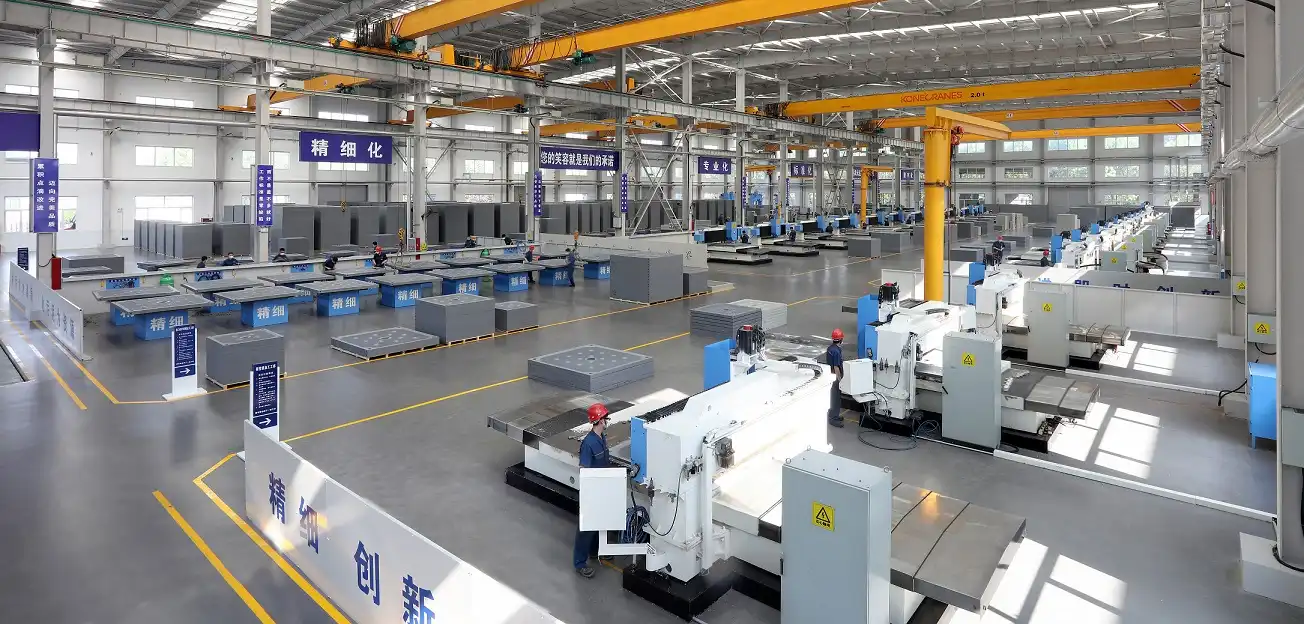
High-molecular-weight modified polypropylene (RPP), polyvinylidene fluoride (PVDF), and glass-fiber-reinforced materials are used in modern plate production. These materials are very resistant to chemicals in pH ranges from 1 to 14, and they keep their shape at temperatures up to 95°C. High-pressure injection molding with a force of 4,000 tons makes sure that the density is regular and gets rid of any internal gaps that could lead to cracking too soon. CNC-milled sealing surfaces keep their flatness to within 0.2 mm, which stops slurry spray-out and keeps the operator safe during high-pressure cycles of up to 30 bar.
Technical Performance Comparison: Recessed Chamber vs Membrane Filter Plates
Knowing how each type of plate works in real-life situations helps procurement teams match the skills of tools with practical goals. This comparison looks at measures that have a direct effect on your bottom line.
Filtration Efficiency and Cake Dryness
With recessed chamber plates, cake solids levels are usually between 55 and 75%, but this depends on the feed characteristics, filtration pressure, and cycle duration. Through mechanical squeeze action, membrane plates always give 65–90% solids content. This difference directly affects the cost of dumping. For example, a wastewater treatment plant that produces 10 tons of dry solids every day could cut the amount of trash it has to haul by 30 to 40 percent if it switched from chamber technology to membrane technology. The squeeze phase usually adds 8 to 15 minutes to the cycle time, but it saves a lot of money on costs like transportation, landfill fees, and following environmental rules.
Pressure Resistance and Operating Ranges
Standard recessed chamber plates can handle feed pressures of 6 to 16 bar, which is enough for most small industry and municipal uses. Membrane plates can handle primary filtration pressures of up to 16 bar and secondary squeeze pressures of up to 25–30 bar. Because they can handle high pressures, membrane systems are needed to process biological sludge, fine mineral concentrates, and thick chemical slurries that are hard to dry out. The strong pressure tolerance also makes the plates last longer in harsh conditions where pressure spikes happen during automatic feeding processes.
Cycle Time and Throughput Capacity
For typical sludge applications, chamber plate systems from filter press plate manufacturers finish their filtration cycles in 45 to 90 minutes. This time varies depending on the amount of solids present and the pressure that is available. When you count the squeeze phase, membrane systems need 60 to 120 minutes in total. Even tho membrane setups have longer cycle times, they often have higher daily output because cakes that are drier empty faster and need less wash water between cycles. A mineral processing company looked at both technologies and found that membrane plates increased the amount of concentrate produced each year by 12% while lowering the amount of water used by 18%.
Filter Cloth Compatibility and Operational Challenges
There are different weave designs for both monofilament and multifilament filter cloths that can fit on both types of plates. Chamber plates put less mechanical stress on clothes, which makes them last longer but lets more moisture stay on them. During squeeze phases, membrane plates stretch cloths over and over again. This may shorten the life of the clothes by 15–20% but makes them better at releasing cakes. Problems with operation are very different. In chamber systems, cakes can form unevenly in chambers that are only partially full, while in membrane systems, the squeeze pressure needs to be carefully calibrated to keep the membrane from puncturing or wearing out too quickly.
Choosing the Right Filter Press Plates: Decision-Making Criteria for B2B Buyers
To choose the right plate technology, you have to weigh a lot of different factors against the performance needs and budget of your building. We suggest using these critical views to look at choices.
Efficiency Goals and Process Requirements
Figure out how dry you want your cake to be before you look at different plates. Even tho it costs more up front, membrane technology is best for tasks where dumping costs are very important, like treating wastewater for cities and managing mine waste. On the other hand, chamber plates may be more cost-effective in situations where there are low-cost ways to get rid of waste or where the cake width needs to be uniform for later processing. When chemical plants make filter cakes to be used in other processes, they often choose the even cake structure that chamber plates provide over maximum dryness.
Maintenance Requirements and Total Cost of Ownership
Chamber plates don't need much care other than checking the sealing surfaces and drainage openings every so often. When using membrane plates, you need to pay more attention to the state of the diaphragm, the stability of the inflation system, and the squeeze pressure settings. Maintenance costs for membrane systems are usually 20–30% higher each year than for similar chamber designs. However, this extra cost is often not worth it when compared to the money saved on disposal and the extra capacity for production. A drilling worker who worked with excavation slurry figured that membrane plates would pay for themselves in 14 months just by cutting down on hauling costs.
Material Selection Impact on Durability
Standard polypropylene plates work well in neutral pH environments where the temperature is less than 70°C. Acid factories, electroplating shops, and specialty chemical plants need PVDF or hybrid materials that can handle harsh chemicals and high temperatures. In mining, where the conditions are rough, stainless steel plates last much longer than polymer plates, which wear out faster. Choosing the right material has a direct effect on both the original cost and the number of times you have to replace it. For example, a pharmaceutical company that worked with corrosive chemicals was able to increase plate service life from 3 to 8 years by choosing PVDF construction.
Supplier Evaluation and Industry Certifications
Partner with makers that have patents, long-term setups, and a wide range of support services that show they know what they're doing. Look for pressure vessel compliance documentation, ISO 9001 certification, and engineering resources that can make designs fit your specific needs. Suppliers that offer full filtration ecosystems with plates, cloths, frames, and automation parts make buying easier and make sure that all the parts work together. When you run various facilities in different areas or are looking to expand internationally, global service networks become important.
Maintenance, Cleaning, and Longevity: Maximizing Filter Press Plate Performance
Care instructions have a direct effect on how reliable equipment is, how safe it is to use, and how much it costs in the long run. Using structured maintenance methods will protect your investment and keep the separation working at its best.
Routine Inspection and Preventive Care
Check the sealing surfaces of filter press plates once a week for gouges, particles stuck in them, or chemical breakdown that could make the room less sealed. Once a month, clean the drainage ducts so that they don't get clogged up with polymer or leftover solids. When using membrane systems, the diaphragm surfaces need to be checked more closely for tears, chemical damage, or areas of thinning near the inflation ports. Write down what you find during the check so you can see trends of wear and figure out when something needs to be replaced before it breaks down badly. After putting in place systematic inspection processes, a chemical processing business cut the number of emergency plate replacements by 60%.
Cleaning Techniques for Different Materials
High-pressure water washing at 80 to 120 bar works well on polypropylene and composite plates to get rid of most of the solids and biological buildup that is left behind. Depending on the cake's make-up, stubborn deposits may need light alkaline cleaners or enzymatic treatments. PVDF plates can handle harsh chemical cleaning, but they shouldn't be scrubbed with rough materials because they damage the finish. Plates made of stainless steel can be cleaned with steam and stronger chemicals. Metal scrapers and wire brushes should never be used on polymer plates because they scratch the surface and create stress points that cause the plates to crack before they should.
Warranty Coverage and After-Sales Support
Premium plate makers usually offer 12- to 24-month guarantees that cover flaws in the materials or the way they were made. Longer service contracts might include regular checks, extra supplies in case of emergencies, and technological help to make the process run more smoothly. We've seen that facilities that have close ties with equipment providers are able to fix practical problems 40% faster than those that manage their own equipment. Having access to expert filter engineers can help with fixing performance issues, making sure that cycle parameters are optimized, and planning capacity increases that are in line with tried-and-true technologies.
Procurement and Supply Chain Insights: How to Source Recessed Chamber and Membrane Plates
To do strategic buying, you need to know how the market works, what manufacturers can do, and how transportation affects project timelines and total acquisition costs.
Evaluating Manufacturers and Channels of Distribution
Give more weight to makers who have shown they can produce on a big scale, have a lot of patents, and have installations in your target industries. Companies that do business in more than 100 countries usually have better quality control and more detailed technical documentation than suppliers in the same region. Ask for references from places that do similar work, and if you can, visit the site to confirm the stated performance. Instead of just processing orders, distribution partners should offer local inventory, fast delivery, and service in the field.
Bulk Purchasing and Lead Time Considerations
Standard chamber plates usually ship between 4 and 6 weeks, but membrane configurations may take 6 to 10 weeks because they are harder to make. Lead times can go up to 12 to 16 weeks for plates that are specially made for specific uses. Facilities that want to upgrade their tools or add more space should start the buying process 6 to 9 months before they are supposed to be installed. When you buy in bulk, you can usually get price cuts of 10 to 15 percent, and you might even get free help with setup or training for the user. When making a three-year supply deal, a mining company got not only better prices but also first choice when there were global supply shortages.
Custom Design Advantages for Unique Applications
Off-the-shelf plate sizes work well for many basic setups, but for complex processes, custom configurations are much better. Customized drainage designs make the flow best for different slurry viscosities. Changes to the chamber depths are needed to account for the unique ways that cakes form. In high-pressure situations, enhanced feedback patterns deal with areas of high stress. Manufacturers that offer full design services, including CAD drawings, structural estimates, and material certifications that speed up approval processes, are very helpful to EPC workers who are in charge of turnkey projects.
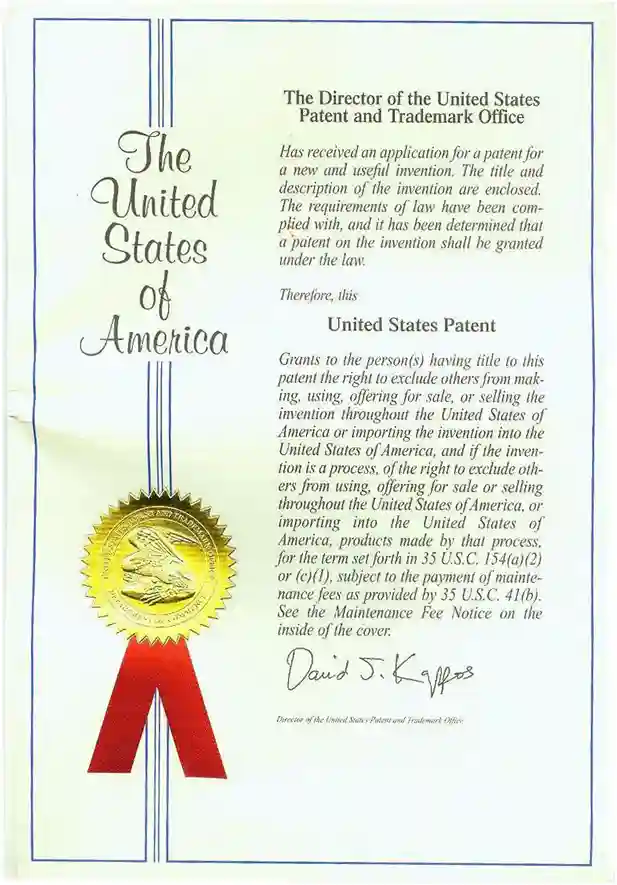
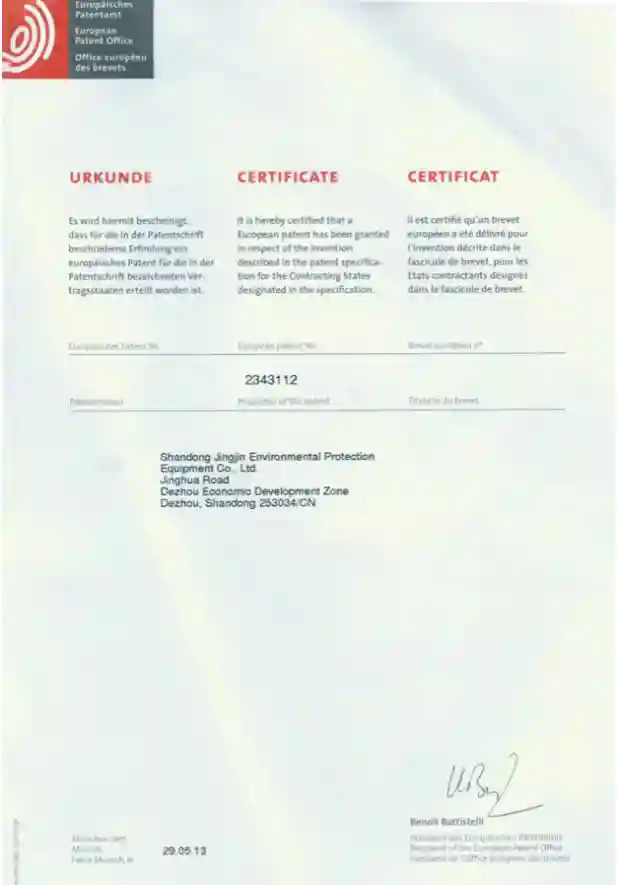
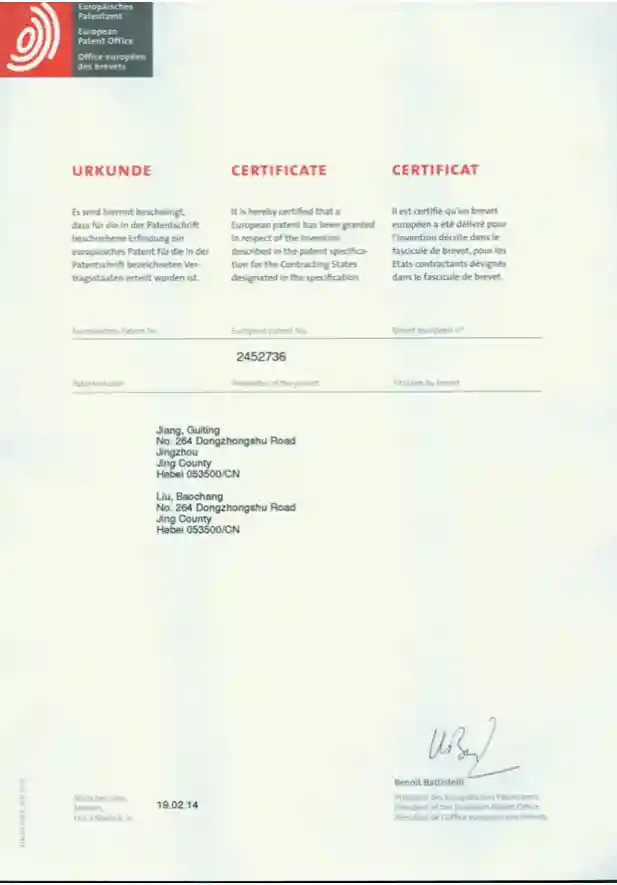
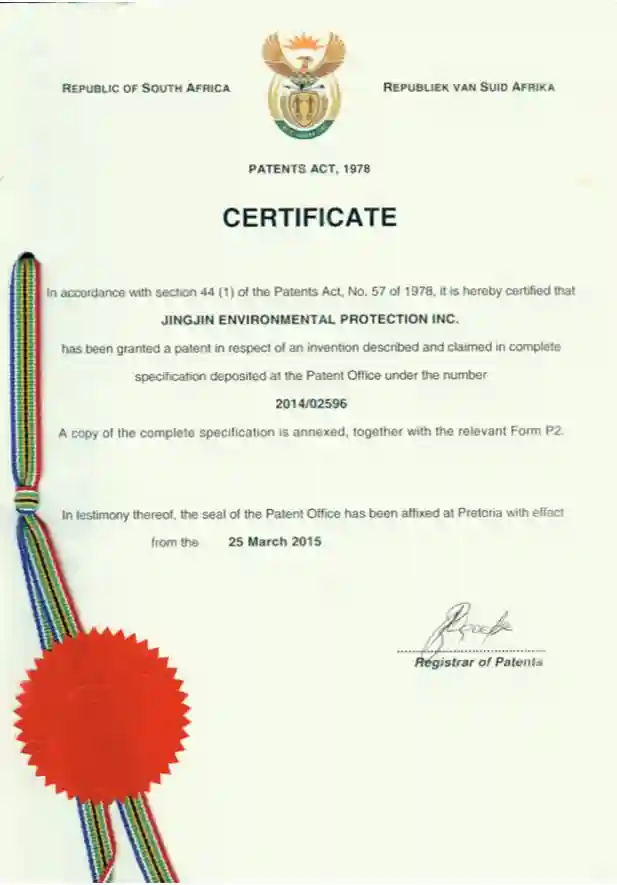
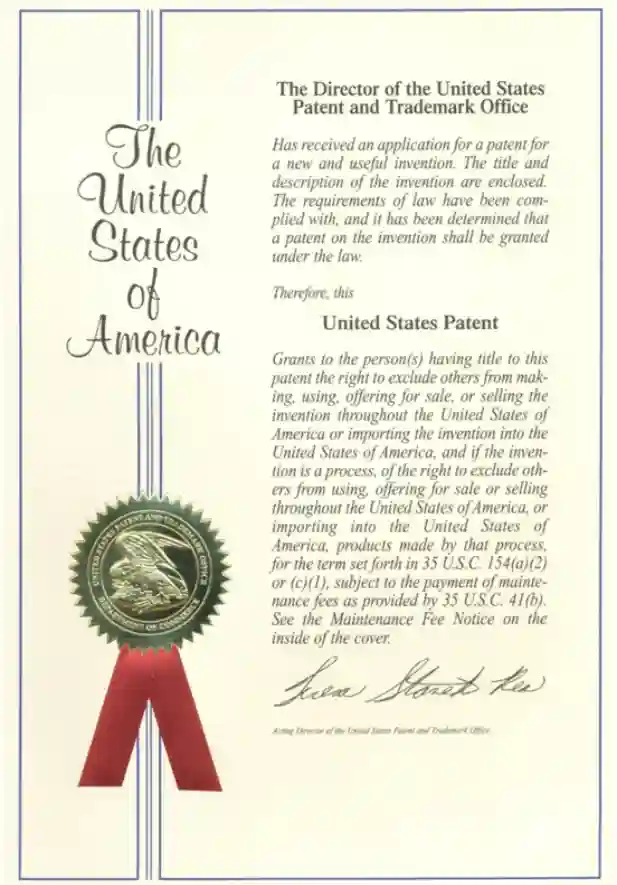
The engineering team at Jingjin Equipment often works with clients to come up with the best plate designs for difficult separations. Since 1988, we've worked on 136+ patents and installations in 123 countries, so we know how to handle almost any industrial filter situation. This level of understanding leads to faster job completion and better long-term results.
Conclusion
To choose between recessed chamber and membrane filter press plates, you need to carefully look at performance data, operational priorities, and the cost savings over the long term. Chamber plates provide reliable and cost-effective filtration for uses where a moderately dry cake is enough. The higher cost of membrane designs is worth it because they remove more water, lower disposal costs, and improve throughput in tough conditions. Both methods are still very important in the building, mineral processing, chemical production, and treatment of wastewater for cities. To be successful, you need to make sure that the plate's capabilities match the needs of your process and that you work with sellers who can offer proven knowledge, full support, and service all over the world.
FAQ — Your Top Questions on Recessed Chamber and Membrane Filter Plates Answered
1. What are the main operational differences between recessed chamber and membrane plates?
To remove water from sludge, recessed chamber plates only use hydraulic pressure, but membrane plates add mechanical squeeze pressure through diaphragms that are inflated. This squeeze action pushes out more water, lowering the end cake's water content by 5 to 15 percentage points and greatly decreasing the amount of waste that needs to be thrown away and the cost of doing so.
2. Can existing chamber plate filter presses be retrofitted with membrane plates?
It is often possible to retrofit, but you need to check that the frame is compatible, that the hydraulic system can handle the load, and that the control system works. The current frame has to be able to handle the thickness of the membrane plate and provide infrastructure for squeeze pressure supply. A lot of companies, including Jingjin, offer upgrade engineering services to check whether certain projects are technically and financially possible.
3. Which industries benefit most from membrane plate technology?
Chemical processes, making medicines, and mineral concentration all benefit a lot from membrane plates because they have strict standards for how dry the cake must be. Public wastewater treatment plants that have to pay a lot to get rid of wastewater also see quick returns. Even tho they contain more water, chamber plates may be better for applications that need a consistent cake shape for dealing further down the line.
Partner with Jingjin for Superior Filter Press Plate Solutions
Jingjin Equipment makes both recessed chamber and membrane filter press plates that are built to work in tough industry settings like mining, building, wastewater treatment, and chemical processing. Our ISO-certified factories make precision-molded plates from high-quality RPP, PVDF, and composite materials that are made to last for 5 to 10 years of continuous use. As a leading filter press plate manufacturer serving 123 countries since 1988, we offer full expert support, custom plate design, and quick response after-sales service to help you get the best solid-liquid separation results. You can email our engineering team at [email protected] to talk about your specific application needs, get full technical specs, or get quotes for standard or custom-designed plates. Our filter experts are ready to use tried-and-true separation technology to help you cut down on dumping costs, make your process more efficient, and follow the rules.
References
1. Perry, R.H. and Green, D.W. (2019). Perry's Chemical Engineers' Handbook, 9th Edition. McGraw-Hill Education, New York.
2. Tarleton, E.S. and Wakeman, R.J. (2007). Solid/Liquid Separation: Equipment Selection and Process Design. Elsevier Advanced Technology, Oxford.
3. Svarovsky, L. (2000). Solid-Liquid Separation, 4th Edition. Butterworth-Heinemann, Oxford.
4. Rushton, A., Hard, A.S., and Holdich, R.G. (1996). Solid-Liquid Filtration and Separation Technology. VCH Publishers, Weinheim.
5. American Filtration and Separations Society (2018). Filter Press Operations and Maintenance Best Practices. Technical Publication AFSS-2018-04.
6. Water Environment Federation (2020). Design of Municipal Wastewater Treatment Plants, 6th Edition, Volume 3: Solids Processing and Management. WEF Manual of Practice No. 8.
jingjin
Founded in 1988, Jingjin specializes in filter presses and liquid-solid separation solutions, serving over 130 countries worldwide, and is a standard-setter in China's filter press industry.
Get the Filter Press guide
Enter Your Email for Technical assistance for the Filter Press.


Recommended Blog
Understanding the Technical Specifications of Press Filter Machines
How Filter Press Technology Handles Complex Industrial Wastewater Streams
How to Choose a Recessed Chamber Filter Press for Sludge Dewatering
Top Maintenance Tips for Filter Press Feed Pumps to Maximize Efficiency
China Screw Dewatering Machines for Asia Infrastructure Projects