How to Choose a Recessed Chamber Filter Press for Sludge Dewatering
Introduction
- Introduction
- Understanding Recessed Chamber Filter Press Technology
- Key Advantages of Recessed Chamber Filter Presses Over Alternatives
- Criteria for Selecting the Best Recessed Chamber Filter Press for Your Needs
- Procurement and Supplier Selection Guide
- Final Decision-Making: Matching Your Needs to the Right Solution
- Conclusion
- Frequently Asked Questions About Recessed Chamber Filter Presses
- Contact Jingjin for Expert Sludge Dewatering Solutions
- References
Choosing the right recessed chamber filter press for sludge dewatering depends on understanding your specific application requirements, including sludge characteristics, desired cake dryness, throughput capacity, and long-term operational costs. The recessed chamber design offers superior cake release and efficiency compared to older plate-and-frame systems, making it ideal for municipal wastewater treatment, mining operations, and chemical processing. Matching plate materials, filtration area, and pressure capabilities to your sludge properties ensures optimal performance and return on investment.
Introduction
Dewatering sludge is still one of the hardest parts of managing refuse from factories and cities. A lot of water in sludge that has been dumped directly raises the costs of disposal, shipping, and environmental responsibility. I've worked with facility managers whose budgets for disposal went through the roof because their dewatering equipment couldn't get the cake solids to the right level. It's very important to choose equipment that works well year after year for legal compliance, operating efficiency, and making money in the end.
This guide tells you what you need to think about when choosing a recessed chamber filter press. If you're a procurement manager looking at different suppliers, a process engineer looking at replacement options, or an EPC contractor choosing equipment for a big project, knowing the technology, performance parameters, and supplier capabilities will help you make an informed, value-driven choice. To help you make a good investment, we'll talk about the technical basics, performance benefits, selection criteria, and best practices for buying things.
Understanding Recessed Chamber Filter Press Technology
What Sets Recessed Chamber Design Apart
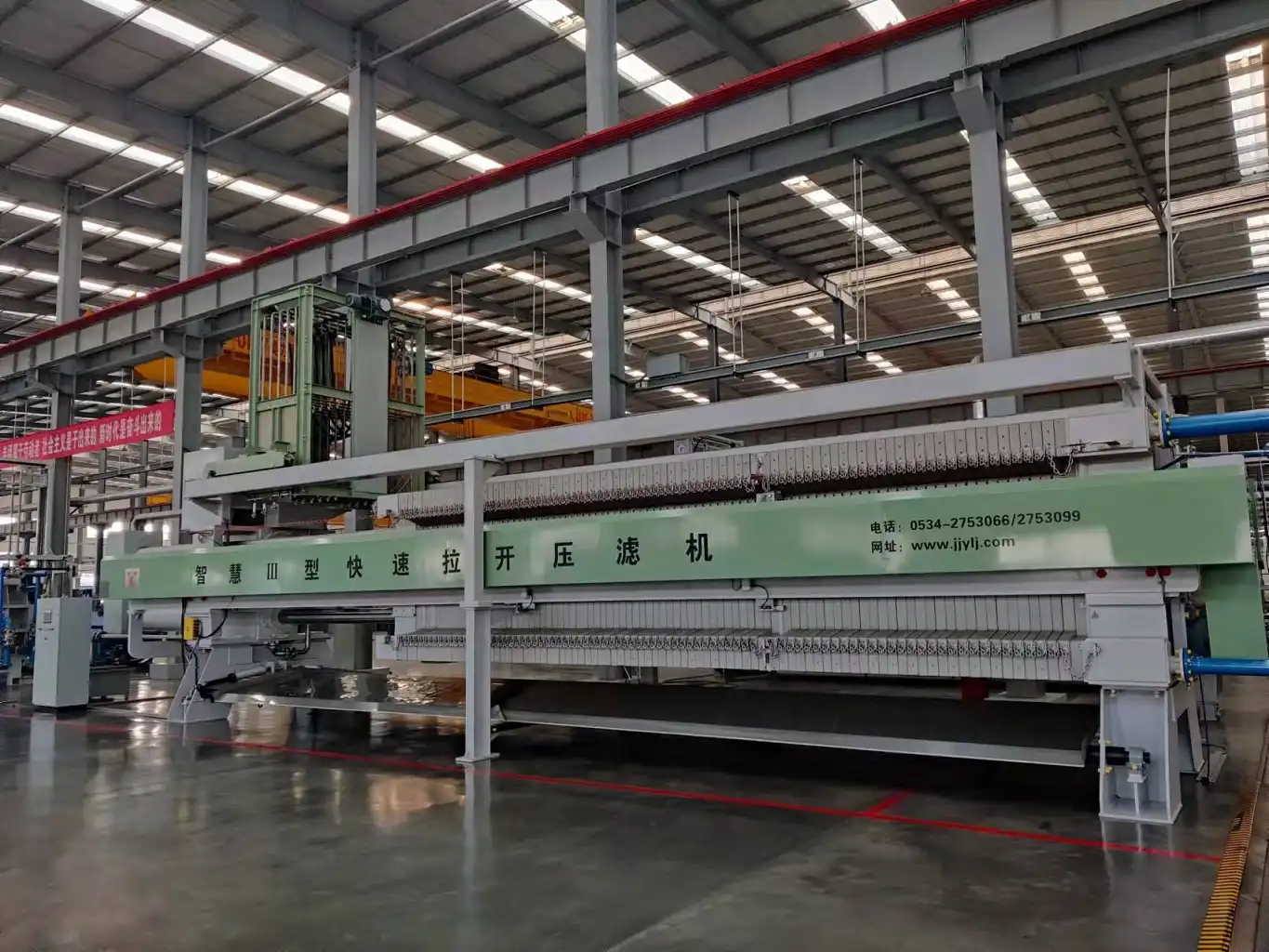
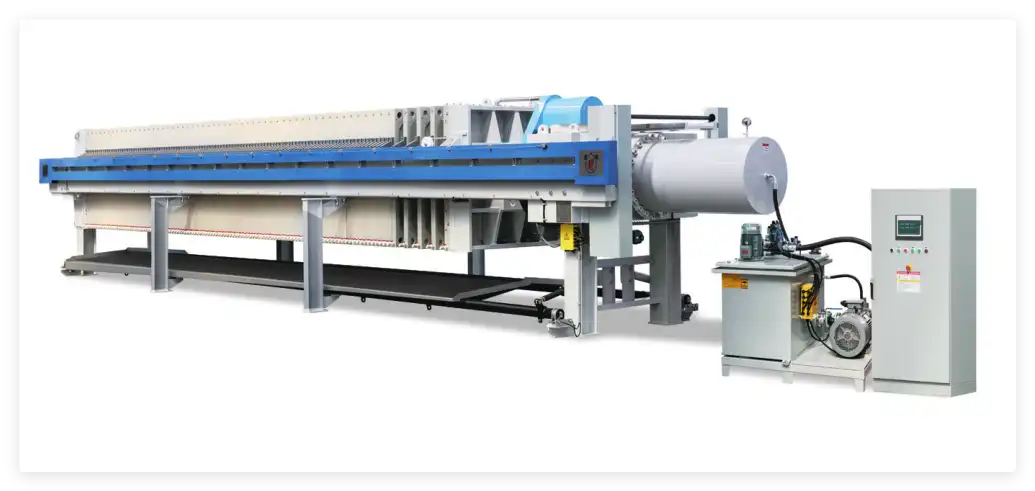
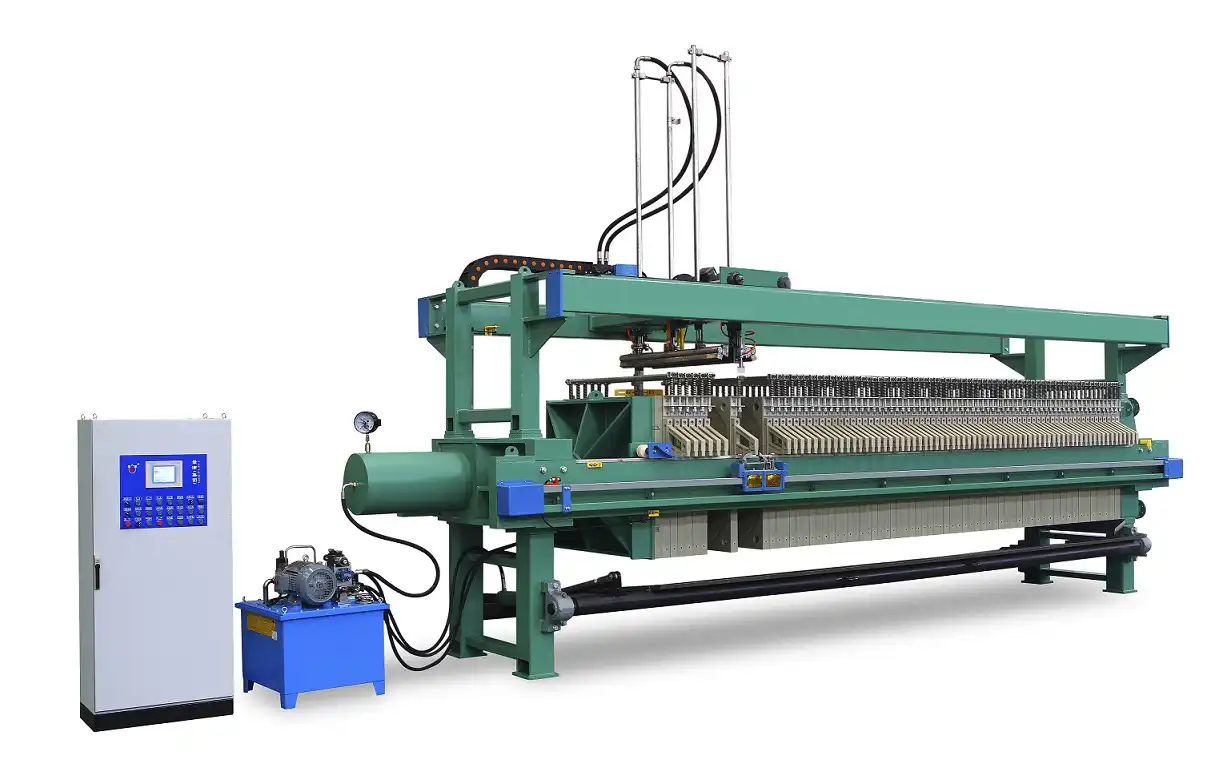
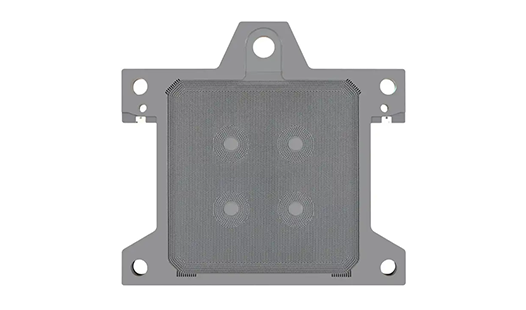
Plates with curved depressions on both sides are used in a recessed chamber filter press. When hydraulic pressure presses two plates together, the depressions between them make a space for sludge to build up and for dewatering to happen. In regular plate-and-frame systems, there are different frames between the plates. The sunken design gets rid of this part completely, which makes the machine lighter, easier to build, and better at removing cakes.
When pre-conditioned sludge enters through a center feed port, it is put under pressure, which can be anywhere from 6 to 25 bar depending on the type of sludge. This starts the filtration cycle. Filtrate goes through special filter cloths that are placed on each plate face. It then drains through channels that are formed into the plate surface and out of the system through holes. As solids build up in the chamber, a filter cake that can be 15 to 50 millimeters thick forms over time. Polypropylene plates don't absorb water, and when they're under a lot of pressure, the moisture content drops to levels that make disposal much cheaper.
How the Technology Handles Different Sludge Types
The recessed chamber filter press design makes it easier for wastewater treatment plants that deal with activated sludge to handle feeds of different densities. Mining companies that handle tailings and concentrate slurries benefit from the long-lasting and resistant to pressure-strengthened plates. Chemical companies that work with pigments, dyes, and resins that are acidic depend on the chemical stability of virgin polypropylene construction from pH 1 to 14.
The even flow of feed slurry through the center port stops cakes from forming unevenly, which is a frequent issue that damages plates and causes them to need to be replaced too soon. Real-world performance data from tunneling projects shows that these presses can handle very different types of mud while keeping the quality of the cake constant. This is very important when dewatered material needs to meet specific requirements for dumping or reuse.
Key Advantages of Recessed Chamber Filter Presses Over Alternatives
Superior Operational Efficiency and Cake Release
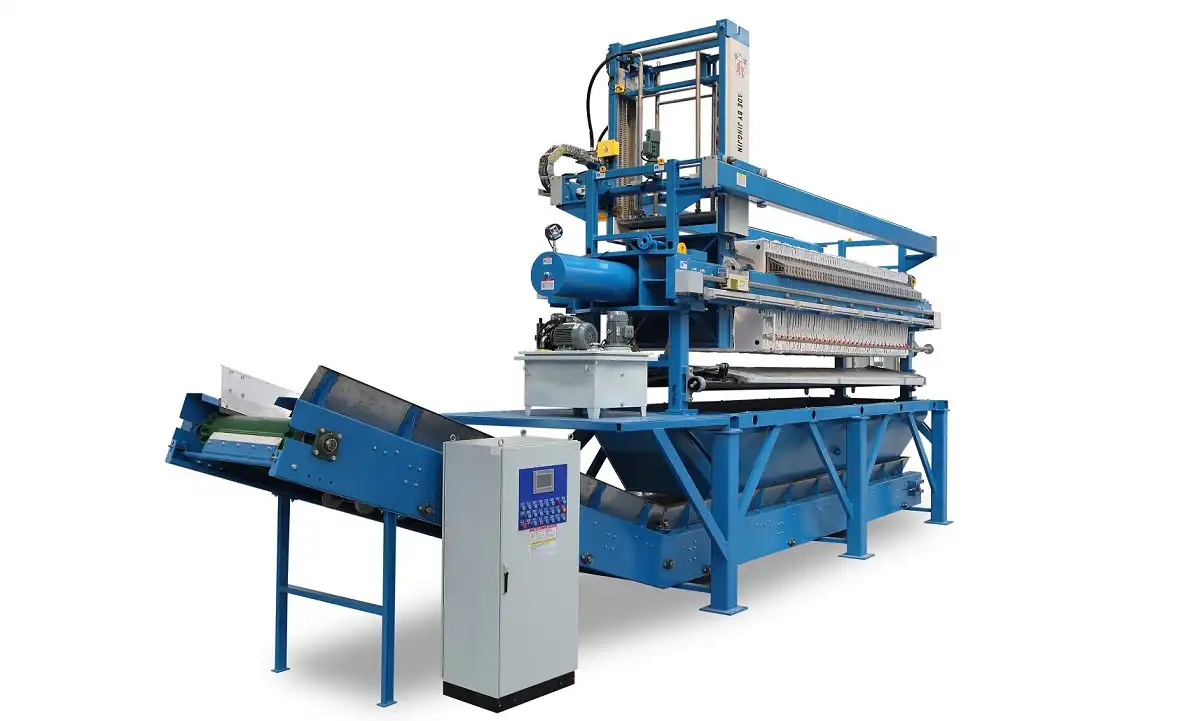
When you look at cycle time and work needs, recessed chamber filter presses are much better than older plate-and-frame systems. By getting rid of different frames, the number of parts that need to be handled during cake release goes down. Modern recessed chamber systems have automatic plate-shifting mechanisms that allow a single operator to control the system. Plate-and-frame designs, on the other hand, usually need more than one worker to remove and clean the frame by hand.
Energy consumption comparisons show recessed chamber systems require 20 to 30 percent less power per cubic meter of sludge processed, attributed to optimized hydraulic systems and reduced mechanical complexity. The robust construction of PP chamber recessed filter press plates, often reinforced with fiberglass or thermoplastic elastomer, withstands closing pressures up to 30 MPa without deformation. This structural integrity translates to fewer maintenance interventions and longer service intervals between plate replacements.
Extended Component Life and Reduced Maintenance
Thanks to progress in material science, new forms of virgin polypropylene can now withstand temperatures up to 90°C in most situations. For special situations, they can handle temperatures up to 120°C. This stability at high temperatures and better impact resistance than cast iron options make plates that can be used more than 50,000 times without stress-cracking near the feed inlets, which is a common place where lower-quality products break.
Polypropylene's slippery surface makes blinding and cloth fouling less likely. This means that filter cloth lasts 40 to 60 percent longer than in metal plate systems. According to standards in the industry, strengthened PP plates should last between five and eight years in normal working conditions, as long as they are properly kept and don't react badly with chemicals. This makes the tools last longer, which lowers the total cost of ownership and makes repairs less disruptive.
Criteria for Selecting the Best Recessed Chamber Filter Press for Your Needs
Matching Equipment Capacity to Your Application
Understanding the properties of your sludge is the first step in choosing the right tools. The amount of solids, the spread of particle sizes, how easily the material can be compressed, and its chemical make-up all affect how much space and pressure are needed for filtration. Activated sludge from cities usually has between 2% and 4% solids in it, and it needs larger filtration areas with moderate pressures. To get the cake to the right level of dryness, mining waste that is 15 to 25 percent solids needs smaller areas but higher pressures.
The amount of throughput determines the size of the box and the total area used for filtering. A wastewater treatment plant that deals with 100 cubic meters of sludge every day needs different rules than a chemical company that does 20 cubic meters of batch processes every week. To figure out the filtration area, you have to think about the cycle time, which can be anywhere from 2 to 4 hours, depending on the properties of the sludge and the level of moisture you want in the cake. When equipment is too small, it forces cycles to be rushed, which lowers the quality of the cake. When equipment is too big, it wastes money and energy.
Material Selection and Compliance Standards
It is very important to make sure that the plate material is compatible with the chemistry of your sludge. Standard polypropylene can be used for most urban and industrial tasks, but PVDF (polyvinylidene fluoride) plates may be needed for slurries that are very acidic or caustic. For uses above 95°C, special formulas are needed to keep the material from twisting and the seal from failing. Making sure that the plates stay flat within ±0.2 millimeters across the closing surface stops leaks from happening during high-pressure cycles.
Quality certifications guarantee that products are made to the right standards and will last for a long time. Verified production processes are shown by equipment that meets ISO 9001 quality management standards, CE marking for European markets, and JB/T 4333.2 Chinese industry standards. To choose the right filter cloth, you need to look at its air permeability rates and tensile strength, as well as the particle size distribution. When cloths don't work well together, they can blind, fail early, and make the filtrate less clear.
Automation and Control System Capabilities
For modern sludge treatment to be done consistently and save money on labor, it needs to be automated. Programmable logic controller (PLC) devices should be able to handle the timing of cycles, keep an eye on pressure, and shift plates automatically. Operators can keep an eye on performance from a central control room thanks to remote monitoring. This is especially helpful for facilities that aren't staffed or that run operations at more than one site. Through factory acceptance testing, hydraulic systems must show that they can keep pressure for 24 hours straight without losing it.
When plate-shifting mechanisms are timed with hydraulic close systems, mechanical locking and plate damage are avoided. Overload safety and emergency stop functions keep equipment safe when it's not supposed to be working. When planning unmanned shifts or installations that are far away, facilities should give priority to manufacturers whose control architectures have been tried and tested and whose uptime records can be seen.
Procurement and Supplier Selection Guide
Evaluating Manufacturer Credentials and Support
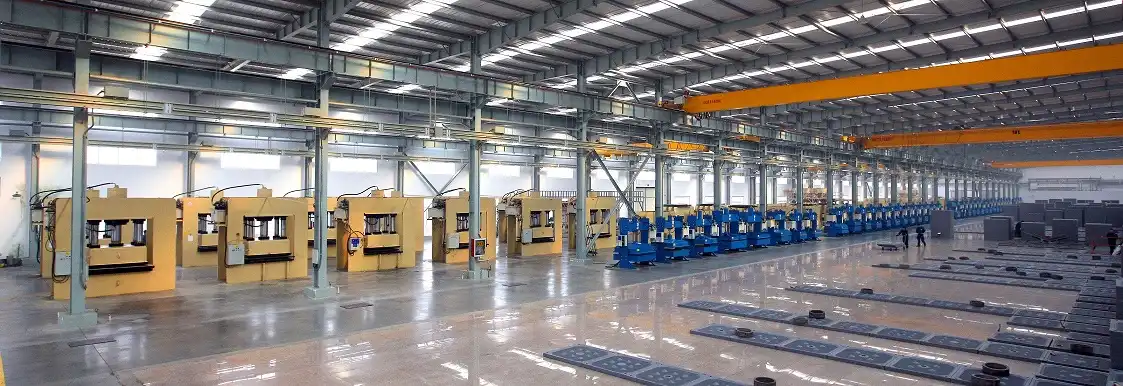
A supplier's selection for a filter press manufacturer goes beyond the price of the equipment and includes things like expert help, the availability of spare parts, and the chance of a long-term relationship. Manufacturers with decades of experience and delivery bases around the world have a track record of dependability. Since our company began in 1988, we've helped with operations in 123 countries. This has given us a lot of experience with a wide range of applications and operating environments, which helps us make engineering suggestions.
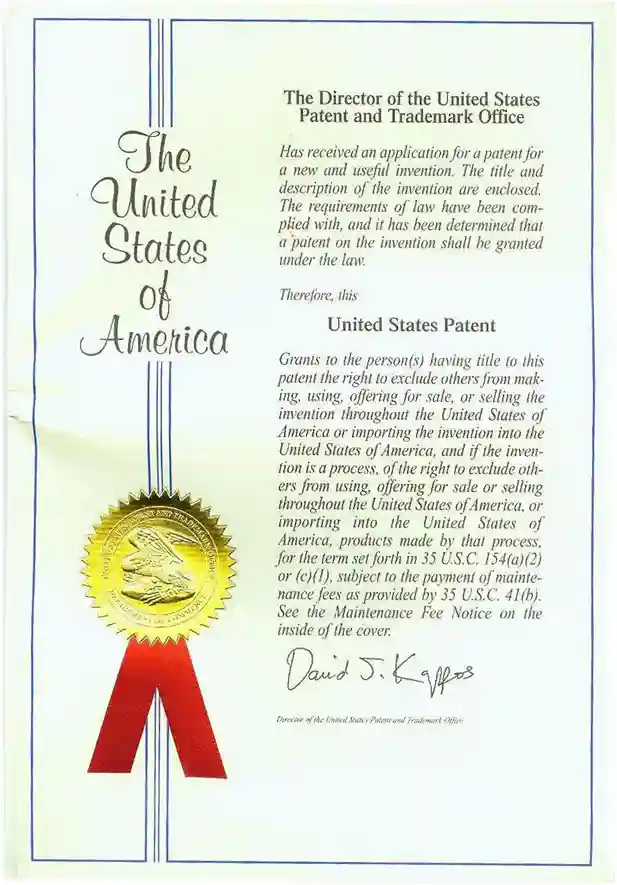
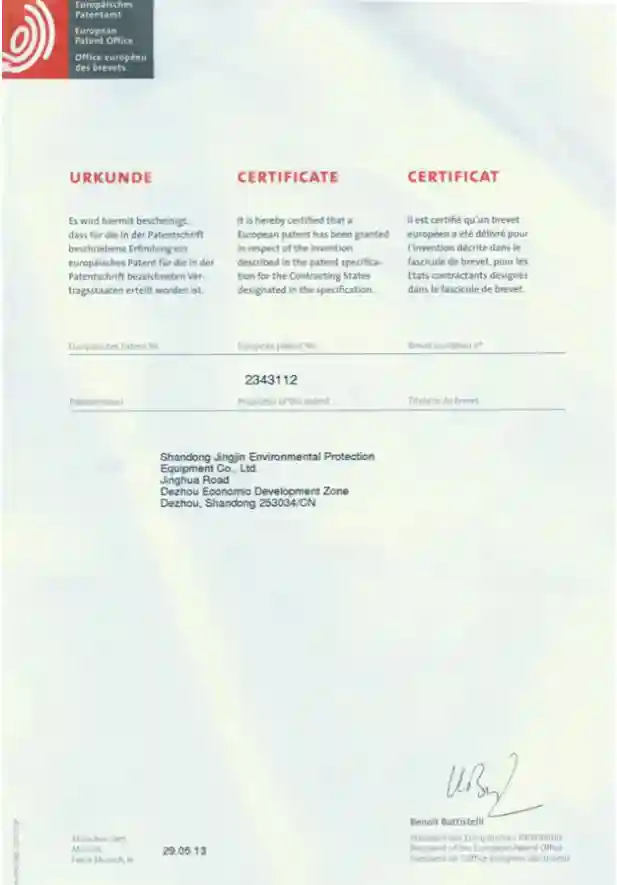
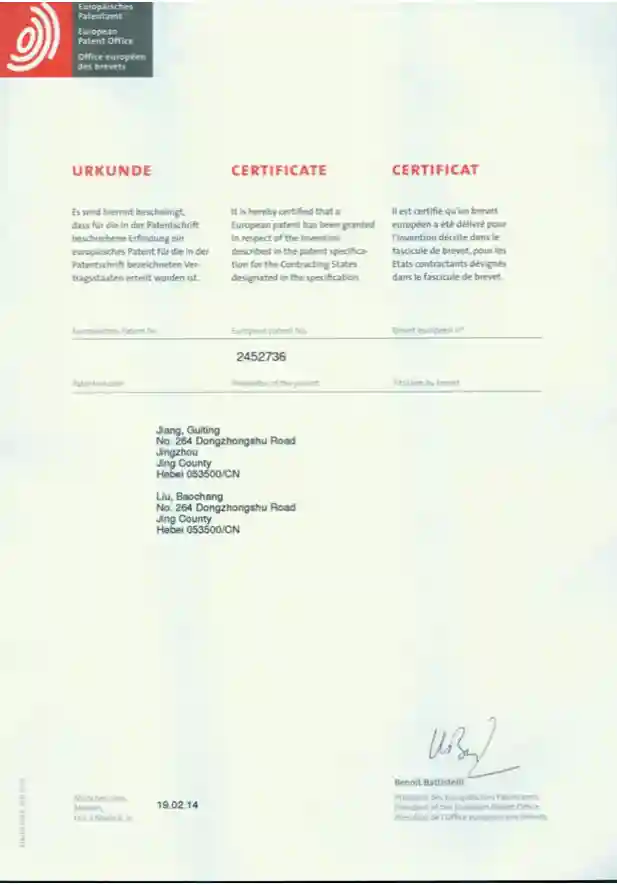
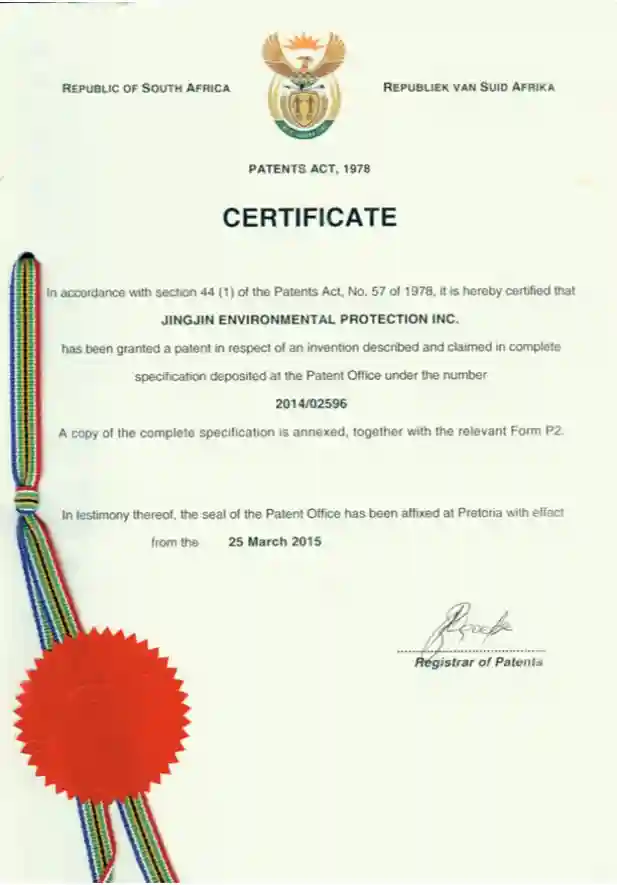
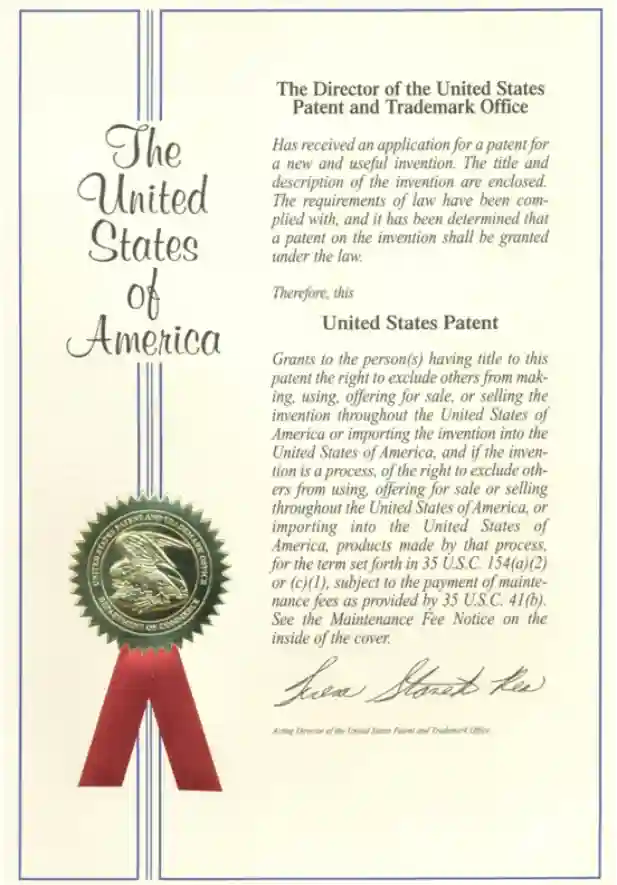
Patent portfolios show that new ideas are being developed all the time and that a company has special benefits. Suppliers with a lot of intellectual property, like our 136 patents on plate design, hydraulic systems, and control technologies, show that they want to improve the performance of filtration. This innovation means that tools will have the newest ways to make it more reliable and efficient.
Service network reach decides how quickly technical help and parts are sent out. Global manufacturing capacity makes sure that products are available during growth phases without having to wait for longer lead times that slow down projects. Product communities that include filter presses, filter plates, cloths, and other accessories make it easier to buy everything and make sure that all the parts work together.
Understanding Total Cost of Ownership
The purchase price is only one part of the total cost of ownership. The cost of energy, work for upkeep, replacing worn-out parts, and lower disposal costs due to better cake dryness are all things that go into lifetime economics. For high-volume businesses, equipment that lowers cake moisture by 5 percent can cut waste costs by 15 to 20 percent per year, which could pay for the equipment within 18 to 24 months.
Custom design lead times are usually between 8 and 16 weeks, but this depends on how complicated the specifications are and how busy production plans are at the moment. During procurement negotiations, making sure everyone understands the delivery terms, installation support, commissioning services, and operator training stops misunderstandings and keeps the project on schedule. Long-term happiness is often determined by the quality of after-sales support. Quick technical help and easy access to spare parts help reduce unexpected downtime that slows down operations and raises costs.
Verifying Quality Control and Testing Protocols
Manufacturers with a good reputation do a lot of checks before sending out their goods. Precision measuring tools are used to check the flatness of the plate and make sure that the sealing surface tolerances are met. Non-destructive testing (NDT) of main frames and crossbeams finds problems with the welds inside that could cause the structure to fail. Full-load automatic testing mimics operating cycles to check the reliability of the PLC code and the synchronization of the plate movement.
Pressure-holding tests that last at least 24 hours should be part of hydraulic system integrity testing to make sure that cylinders keep their closing force without drifting. When you test filter cloth compatibility, you can see how well it lets air pass through and how strong it is when stretched against your particle size needs. Seeing the factory acceptance tests happen before the equipment is shipped gives you peace of mind that it meets the requirements and works as expected.
Final Decision-Making: Matching Your Needs to the Right Solution
Customization Options for Specific Applications
Standardized equipment doesn't always cover all the subtleties of how it works in different situations. With customization options, you can change the filter area, chamber level, plate materials, and control systems to exactly what you need. Adding plate stacks to modular designs lets you increase capacity in the future without having to replace whole systems. This protects initial investments while still allowing for growth.
Quick-change cloth systems cut down on the time it takes to switch between campaigns, which is helpful for chemical processing plants that deal with multiple product lines. In remote mining areas, tough building and streamlined upkeep processes that don't require a lot of expert technicians are given top priority. To meet safety and environmental standards, municipal buildings often need electrical systems that can't explode and systems that can control smells.
Practical Selection Checklist
Before committing to an investment, make sure that the equipment you choose meets these important requirements: the filtration area should be calculated to meet your throughput needs, with a 20% capacity margin; the plate materials should be compatible with the pH and temperature of the sludge; the hydraulic closing pressure should be enough to achieve the desired level of dryness; the PLC controls should offer the right level of automation; the manufacturer should have quality certifications and a track record of success; the delivery timeline should be in line with the project schedule; and finally, the total cost of ownership should be able to be justified by the operational savings.
Asking for performance guarantees that cover cake moisture content, cycle time, and filter clarity is helpful for procurement pros. These contractual promises show that the manufacturer believes in their technology and give people a way to get their money back if the equipment doesn't work as expected. Client examples from similar applications can show you how well a provider really works and how quickly they respond to your needs.
Conclusion
To choose the best recessed chamber filter press for dewatering sludge, you need to weigh the technical performance, operating dependability, and lifecycle costs. You can match the right tools to your needs by first figuring out what kind of sludge you have, how much flow you need, and how dry you want the cake to be. Long-term partnership success is guaranteed by judging manufacturers based on their technical credentials, customer service skills, and track records. When compared to older technologies, the recessed chamber form is much more efficient, requires less upkeep, and is easier to use. Spending time on a full review and source screening will pay off over many years with reliable service and better dewatering performance.
Frequently Asked Questions About Recessed Chamber Filter Presses
1. Why is slurry leaking between the plates of my recessed chamber filter press?
Most of the time, slurry leaks are caused by not enough hydraulic closing pressure, broken plate sealing surfaces, or filter cloths that are wrinkled. Make sure that the design pressure stays in your hydraulic system during the whole filter cycle. Check the sealing surfaces for cracks, scratches, or particles that are getting in the way of good contact. Make sure the filter cloths are installed correctly and don't have any folds or wrinkles that could let water in.
2. How do I choose between a recessed chamber and a membrane filter press?
Recessed chamber designs work great for standard dewatering tasks where dependability and low cost are important. Membrane presses use flexible membranes to add a second level of compression that lowers cake wetness by another 2 to 5 percentage points. If the application needs very little cake wetness, membrane technology is the only way to go. The extra complexity raises the cost of capital and upkeep.
3. What is the typical lifespan of the filter plates?
In normal manufacturing settings, reinforced polypropylene plates should last between five and eight years if they are well taken care of and used within the limits of chemical compatibility. Its actual life relies on the working pressure, the frequency of cycles, the chemistry of the sludge, and how well it is maintained. Checking for stress cracks near feed ports and sealing surface damage on a regular basis lets you replace things before they break down and stop operations.
4. Can the recessed chamber filter press handle high-temperature slurries?
Yes, but the choice of plate material is very important. Polypropylene can safely handle temperatures up to 90°C. When working with slurries that are hotter than 95°C, you need special high-temperature polypropylene or PVDF plates that are made to keep their shape and not bend. By choosing the right materials during procurement, you can avoid expensive repairs and operational issues.
Contact Jingjin for Expert Sludge Dewatering Solutions
Since 1988, Jingjin Equipment Inc. has been making solid-liquid separation systems that work well. Their filtration technology has been used in 123 countries. Our 136 patents and extensive testing protocols, along with our many years of experience designing and making recessed chamber filter presses, guarantee that you will get equipment that is perfect for your needs. Our engineering team makes custom suggestions that balance performance and value, no matter if you're dealing with city wastewater, mine tailings, chemical slurries, or industrial sludge.
You can email our technical experts at [email protected] to talk about your dewatering problems, get more information, or get a price from a reputable recessed chamber filter press maker. We offer full documentation, help with global shipping logistics, and commissioning services that guarantee the job will be completed successfully.
References
1. Metcalf & Eddy, Inc. (2014). Wastewater Engineering: Treatment and Resource Recovery (5th ed.). McGraw-Hill Education.
2. Tiller, F. M., & Yeh, C. S. (1987). "Recent Advances in Filter Press Technology for Sludge Dewatering." Filtration & Separation, 24(2), 105-112.
3. Cheremisinoff, N. P. (1998). Liquid Filtration (20th ed.). Butterworth-Heinemann.
4. Wakeman, R. J., & Tarleton, E. S. (2005). Solid/Liquid Separation: Principles of Industrial Filtration. Elsevier Advanced Technology.
5. Water Environment Federation. (2010). Design of Municipal Wastewater Treatment Plants: WEF Manual of Practice No. 8 (5th ed.). McGraw-Hill Professional.
6. Purchas, D. B., & Sutherland, K. (2002). Handbook of Filter Media (2nd ed.). Elsevier Science.
jingjin
Founded in 1988, Jingjin specializes in filter presses and liquid-solid separation solutions, serving over 130 countries worldwide, and is a standard-setter in China's filter press industry.
Get the Filter Press guide
Enter Your Email for Technical assistance for the Filter Press.


Recommended Blog
What Is a Multi Disk Screw Press and How Does It Work in Industrial Dewatering?
How Global EPC Firms Manage Filter Press Procurement in China?
Top Durable Filter Press Plates for Food Processing: Materials and Benefits
Where to Buy Filter Press Plates: Trusted Manufacturers and Suppliers Reviewed
China Screw Dewatering Machine for International Resellers
Common Problems with Filter Press Plates and How to Prevent Them