Understanding the Technical Specifications of Press Filter Machines
Overview of Filtration Technology and Core Operating Principles
- Overview of Filtration Technology and Core Operating Principles
- Key Technical Specifications Explained
- How to Choose the Right Filtration Solution for Your Facility?
- Maintenance, Safety, and Troubleshooting Best Practices
- Procurement and Buying Guide for Industrial Equipment
- Conclusion
- FAQ
- Partner with a Trusted Press Filter Machine Manufacturer
- References
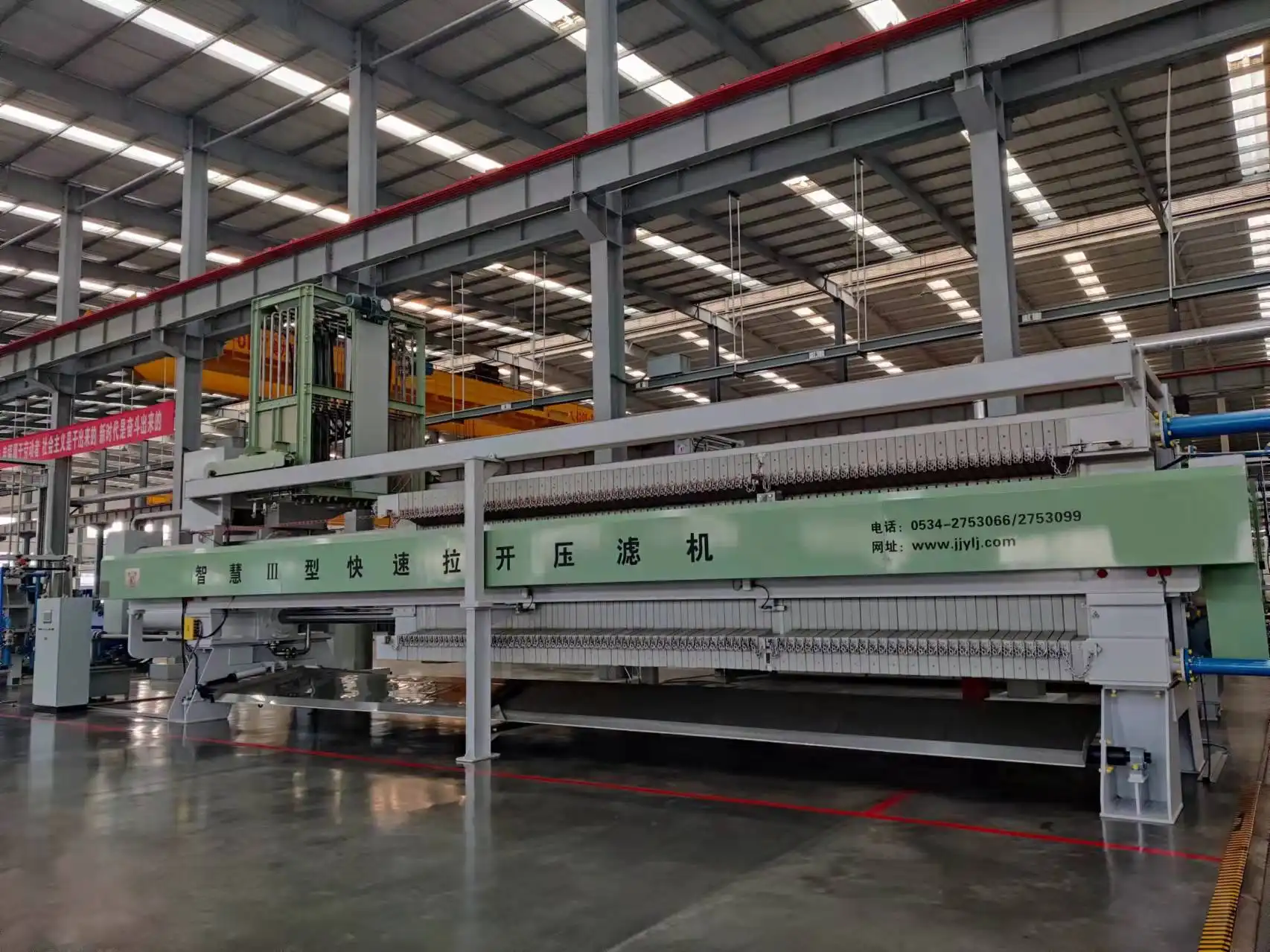
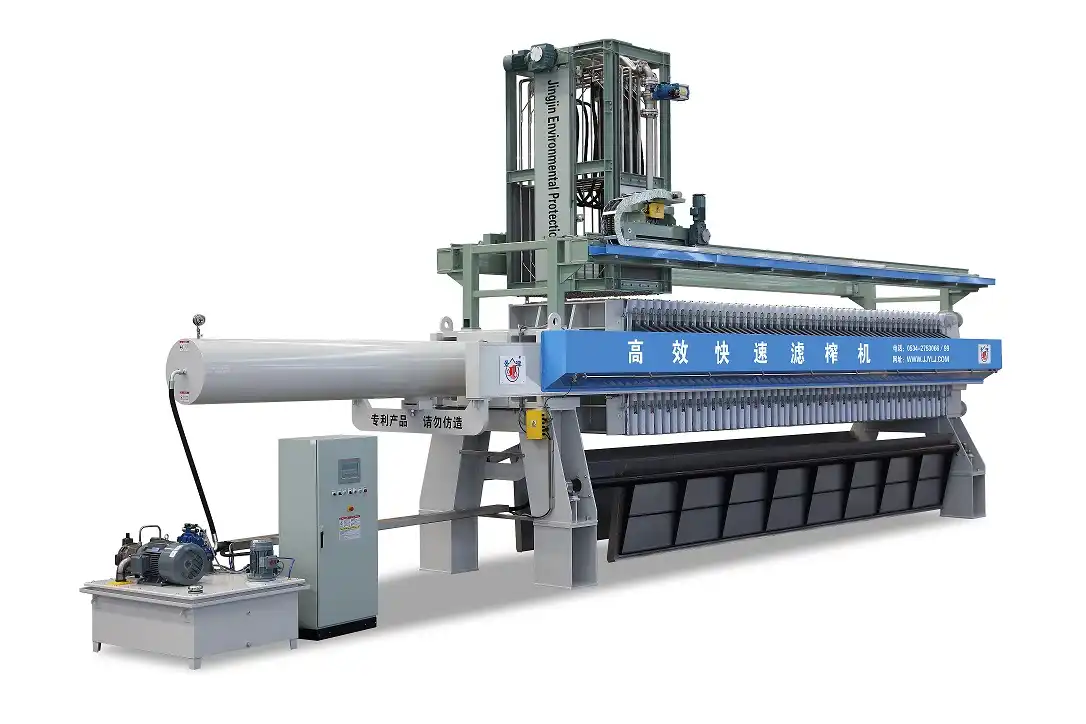
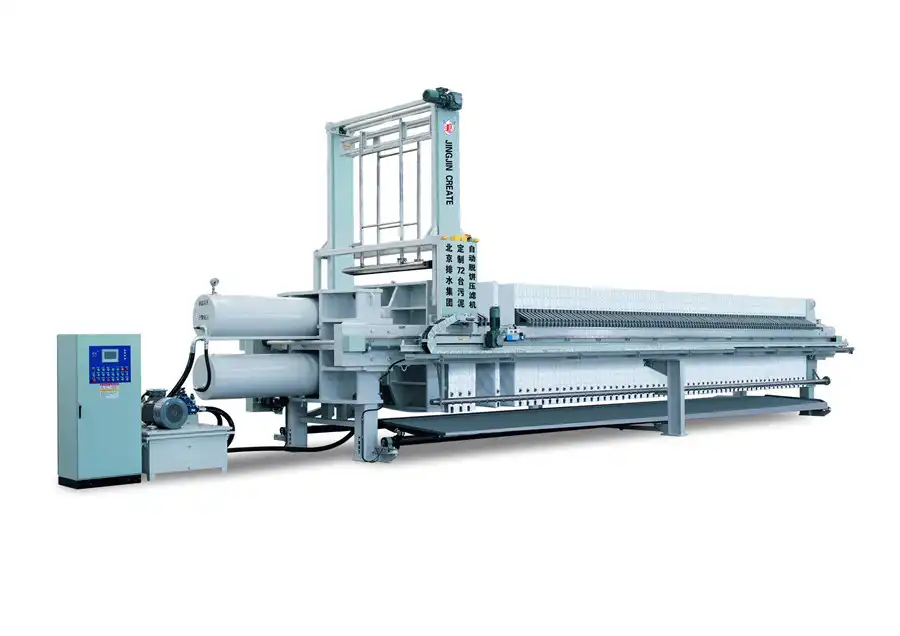
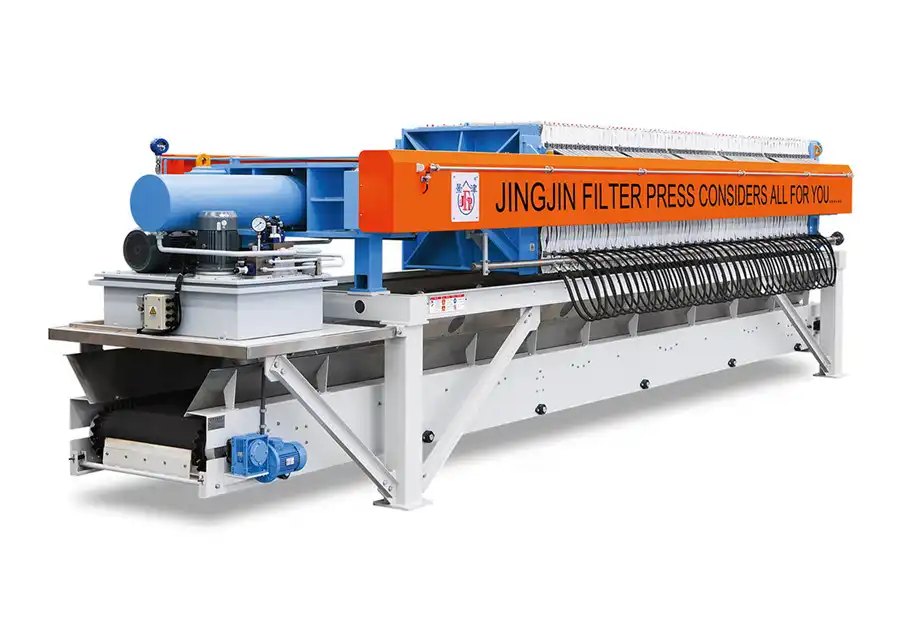
If you want to find solid-liquid separation equipment that you can trust, knowing how a press filter machine works can save you time, money, and operational headaches. These heavy-duty, discontinuous separation machines are used in industry to remove water from sludge and get back useful filtrate through pressure-driven filtering. By pumping slurry into spaces made between membranes or sunken plates that are lined with filter cloth, solids build up into a thick cake while liquids move through the media. This feature directly addresses problems we hear a lot about: lowering the amount of hazardous trash that needs to be disposed of; meeting Zero Liquid Discharge requirements; recovering process water; and quickly and effectively sorting valuable minerals from tailings streams.

Overview of Filtration Technology and Core Operating Principles
What Sets Pressure Filtration Apart?
Pressure filtration uses hydraulic force to pack solids into small spaces, which makes cakes that are much drier than those made with gravity or suction. Filter presses work in batches, which gives you more control over the cake's wetness and the brightness of the filtrate than belt filter systems or centrifuges, which work all the time. This batch method works especially well when you need to keep the amount of dryness constant or when you need to deal with different types of sludge.
Chamber vs. Membrane Configuration
Figuring out how plates are designed can help you find tools that fit your process needs. The only thing that chamber-style units need to build the cake is feed pump pressure, which usually gets it to 60–75% leftover moisture. When membranes are used, they add a second stage of pressing where water or air fills up an elastomeric cushion on each plate and squeezes the cake literally. This new idea cuts down on moisture by an extra 10 to 15 percent and speeds up the cycle times, which is very important when dumping costs go up with weight or when you need to get as much done as possible on a tight production plan.
Manual vs. Automated Operation
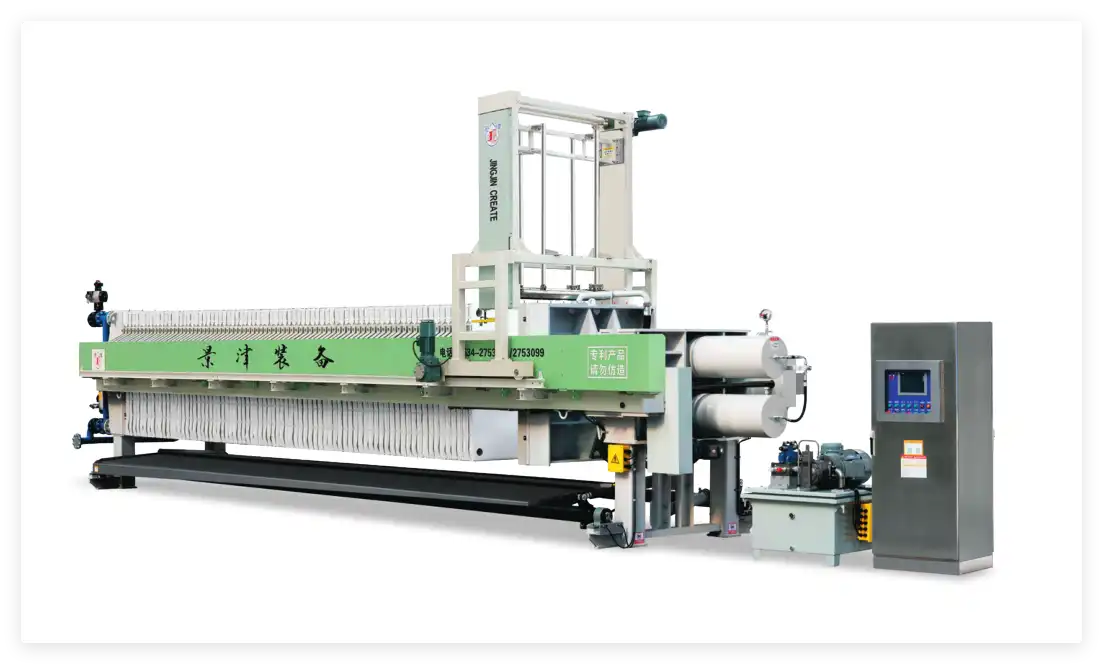
Manual presses are good for small jobs or group processing that happens every so often because the workers have to open, unload, and close the plates by hand. Auto-plate shifting, customizable wash routines, and vibratory discharge methods are all built into automated systems that use PLC controls (Siemens or Schneider platforms). Automation cuts down on work, improves safety, and ensures consistent results—essential for facilities that handle garbage 24 hours a day, seven days a week, or chemical production lines that run all the time.
One main benefit that stands out is that it saves energy. The costs of running these machines are lower than those of others because they use static pressure instead of constant mechanical motion. You also have more exact control because you can change the cycle length, pressure profiles, and cloth choices to get the best results for pigments, mining waste, or pharmaceutical leftovers without having to switch out the equipment.
Key Technical Specifications Explained
Filter Area and Plate Dimensions
How much sludge you can process in a cycle is based on the filter area, which is given in square meters. Based on the amount of solids, a 100 m³ machine with 1500 mm square plates could handle 15 to 25 m³ of slurry. Bigger plates mean fewer chambers are needed, which makes upkeep easier. Smaller plates, on the other hand, can fit into small areas that are popular in retrofit projects. Cycle time is directly related to area; if there isn't enough filtering surface, cycles have to be longer or dewatering has to be unfinished, which slows down output.
Pressure Ratings and Hydraulic Systems
Filtration pressure can be anywhere from 0.6 MPa for normal use to 4.0 MPa for high-pressure membrane squeezing. Higher pressure gets rid of moisture faster, but it needs strong hydraulic parts like precise pumps, strengthened cylinders, and stronger seals. We suggest checking the feed pump curve against the chamber pressure to avoid under-compression, which makes the cakes too wet, or over-compression, which can damage the seals or cause plates to crack.
Plate and Frame Materials
When choosing a material, chemical compatibility and temperature limits must be taken into account. Plates made of reinforced polypropylene (RPP) can handle temperatures up to 70°C and are resistant to most acids and bases. This makes them the best choice for wastewater and many chemical processes. When used in harsh conditions (strong oxidizers and high temperatures up to 95°C), frames made of glass-fiber-reinforced PP or cast iron/stainless steel are needed to keep the frames from twisting or breaking because of rust. PVDF screens make things last longer in medical settings that need FDA-approved materials that are very pure.
Performance Metrics: Cake Dryness and Filtrate Clarity
Residual moisture content is the opposite of cake dryness. Cake dryness has a direct effect on waste costs and handling that comes after. Belt or screw presses usually give 25–30% moisture, but with a press filter machine, this one gets it to 15–20% moisture (80–85% solids). The clarity of the filtrate depends on the size and permeability of the filter cloth mesh. Finer weaves catch particles as small as 1 to 5 microns, making filtrate clean enough to reuse or safely dump. High catch rates also keep gritty solids from getting into equipment further down the line, which speeds up wear.
When choosing tools, quality standards are important. Leading makers follow ISO 9001:2015 for their production methods, CE approval for safety, and ASME or DIN codes for pressure vessel parts like hydraulic cylinders. These certificates let you know that the equipment you're buying is made to withstand the harsh conditions of industry and is approved by regulators in North American markets.
How to Choose the Right Filtration Solution for Your Facility?
Assessing Your Process Requirements
First, describe your slurry by its chemical qualities, particle size distribution, material concentration, and how easily it can be compressed. First, describe your slurry by its chemical qualities, particle size distribution, material concentration, and how easily it can be compressed. Fine chemical slurries need help from membranes and longer cycles, while mining waste with large particles (>50 microns) filters quickly at lower pressures. Figure out how much sludge you're draining every day. If it's 200 m³ of 3% solids sludge, you'll make about 6 metric tons of dry cake, which will help you choose the right size.
Comparing Filtration Technologies
Belt presses are great for high-volume, ongoing jobs, but the cakes they make are wetter (25–35% wetness). Screw presses have small sizes and are easy to maintain, but they don't get as dry and clear as pressure filtration. Centrifuges can handle large amounts of flow, but they use more power and make processes louder and more complicated. Pressure filtration produces the driest cakes, the cleanest filtrate, and the most energy-efficient operation. This makes it perfect when the quality of the filtrate determines compliance with regulations or when the dryness directly lowers dumping fees.
Manual vs. Automatic: Efficiency Trade-offs
Manual operation saves 20–30% on initial capital costs and makes upkeep easier, making it a good choice for buyers on a budget or sites with low cycle frequency. In high-throughput settings, automated systems are useful because they speed up cycle times, lower labor costs (because one person can oversee multiple units), and make operations safer (because plates don't have to be handled by hand). With Variable Frequency Drives (VFDs) on the feed pumps, you can change the flow rate dynamically—high flow at the beginning of the cycle, low flow and high pressure at the end—to get the best energy use and cake regularity.
Total Cost of Ownership
The cost of ownership is much higher than the price paid for it. Think about how much energy is used (hydraulic power, feed pumps), what is used up (filter cloths, membranes, and hydraulic oil), and how often repairs need to be done (seal replacement and plate cleaning). Over five years, the cost of running a cheaper unit with parts that are only available from that brand or limited service support can double. Transparent suppliers give thorough TCO forecasts, which help buying teams show stakeholders in finance and operations why investments are necessary.
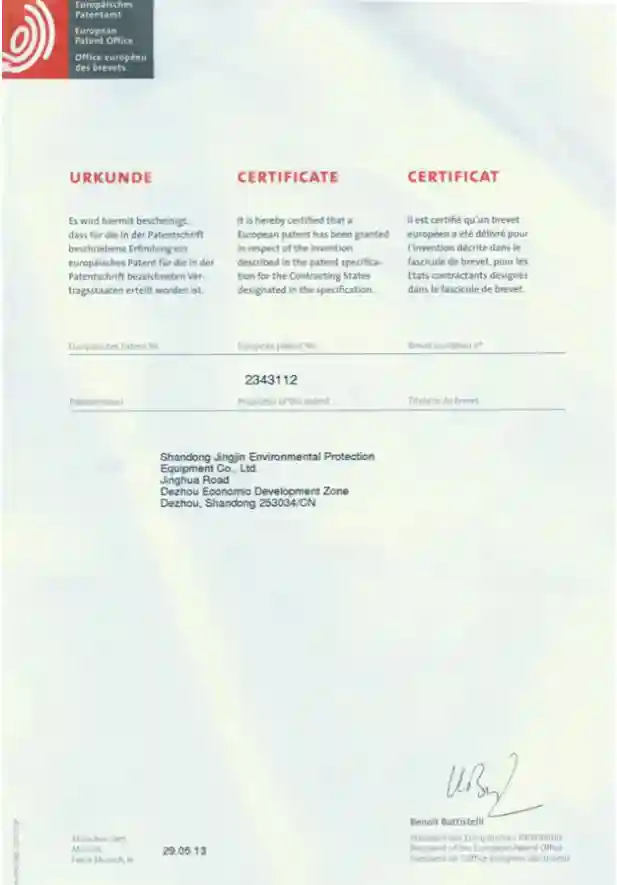
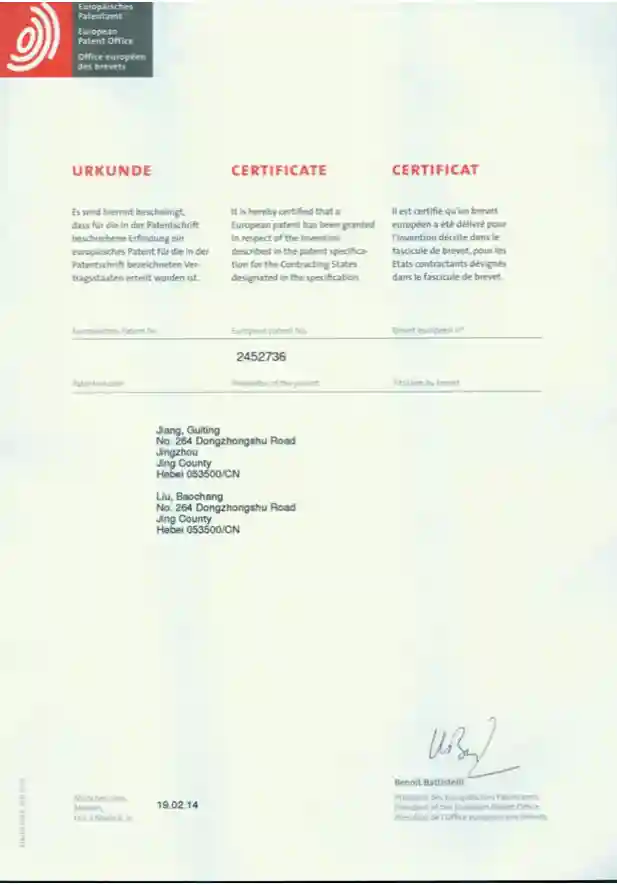
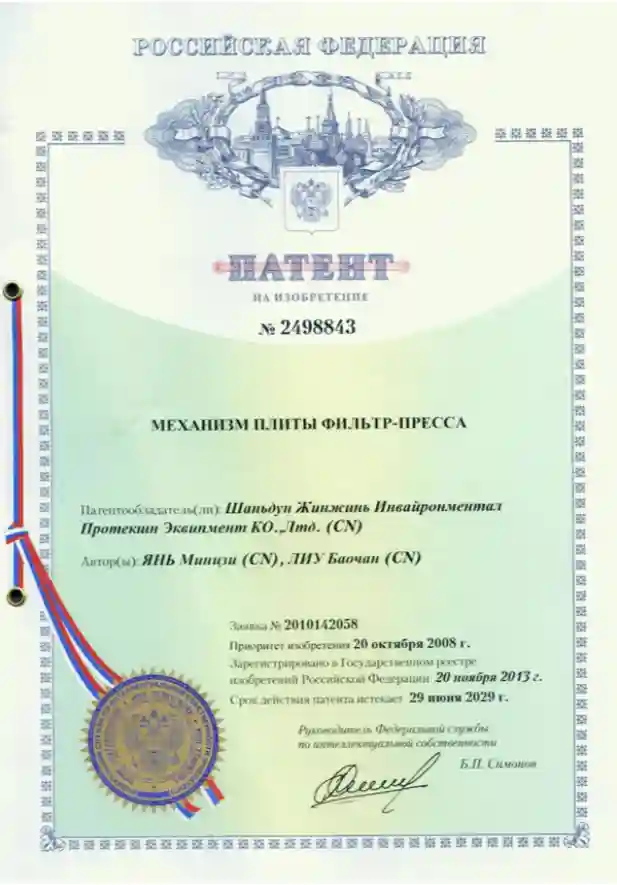
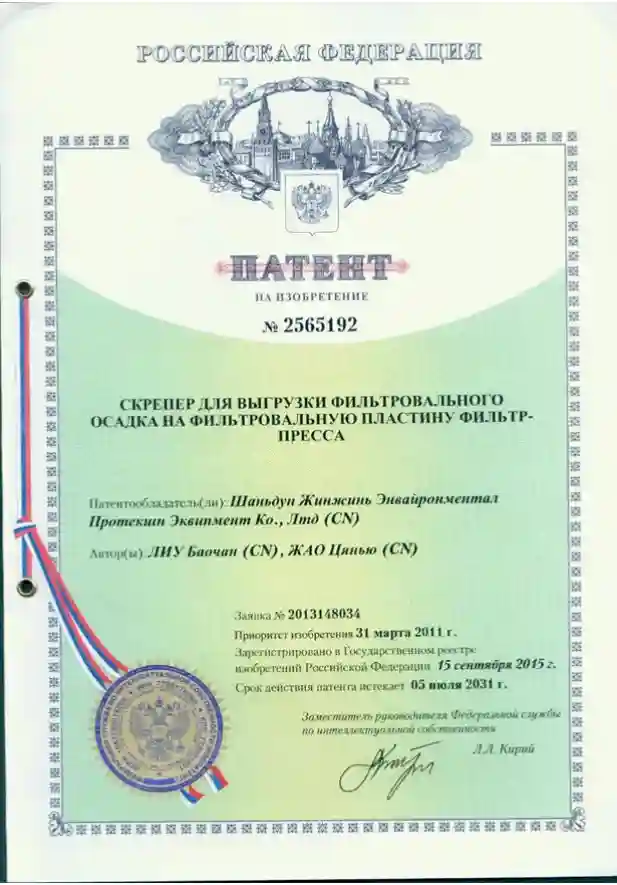
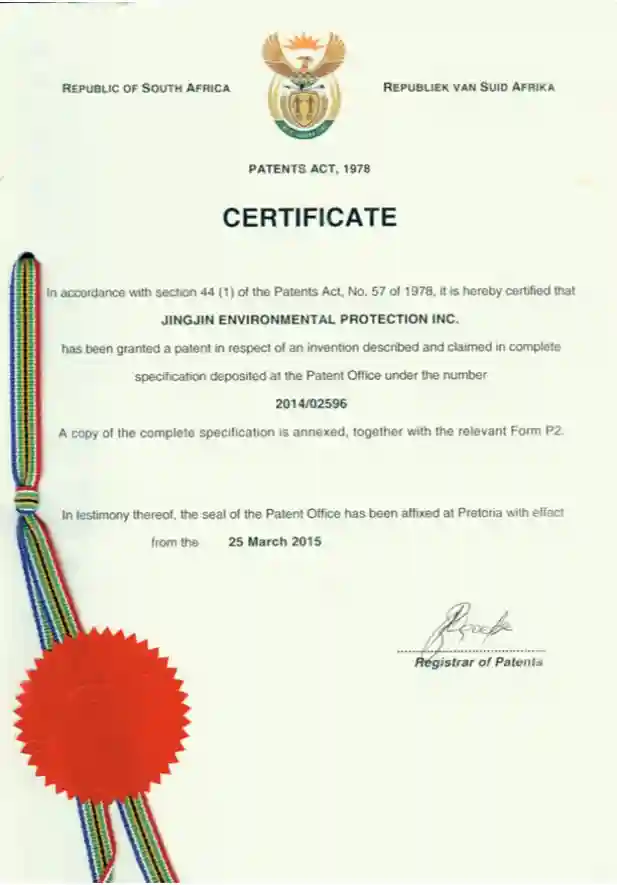
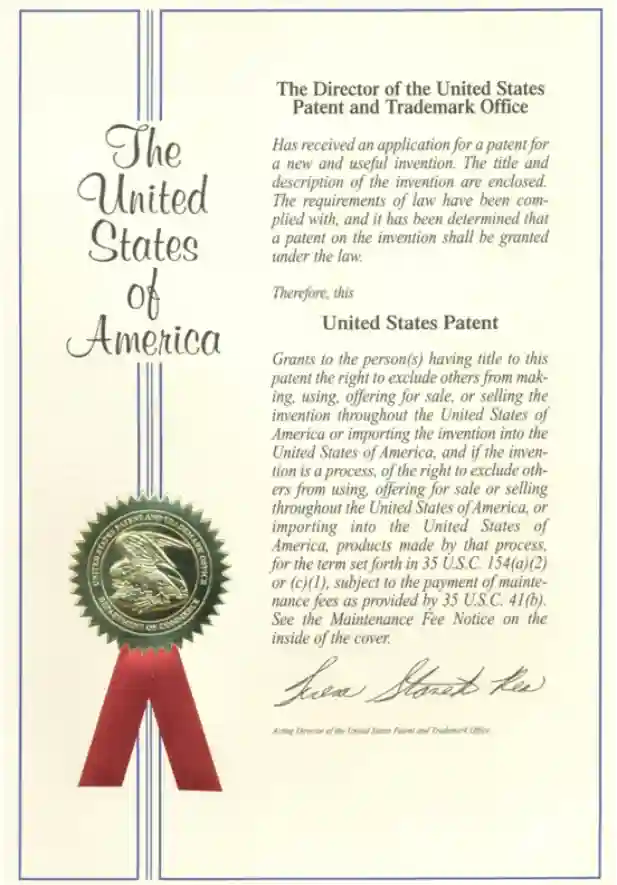
When EPC integrators and plant engineers buy from well-known makers, they can be sure of getting access to certified parts, field service networks, and expert paperwork that they need. Look for factories that are ISO-certified, references from companies in the same line of work that you can check, and guarantees that cover both tools and consumables. Since 1988, Jingjin has worked with customers in 123 countries. We have over 136 patents and a full ecosystem of plates, cloths, and technical support, which means that our machines are always up and running when production needs to go quickly.
Maintenance, Safety, and Troubleshooting Best Practices
Routine Maintenance Protocols
Regular checks keep tools in good shape and avoid costly downtime. Once a week, check the amount of hydraulic fluid and change the oil completely after the first month of use to get rid of any production dust. After that, use ISO 46 or 68 anti-wear hydraulic oil every six months or 2,000 hours of use. Once a month, check filter cloths for blindness (pores that are blocked) or physical damage. Chemical washing with acid or soda opens up the pores again and stops moisture from creeping in. RPP plates usually last between 5 and 8 years, but cracking before their time means there are problems with differential pressure—blocked feed eyes make the stress spread unevenly across the plate web.
Safety and Operator Training
When plates open and close, high-pressure hydraulic devices can cause pinch points. Lockout/tagout procedures, emergency stop procedures, and the right personal protective equipment (gloves, safety glasses, hearing protection) should all be covered in operator training. Automated tools with safety interlocks (like light screens and pressure monitors) lower the risk, but people still need to be careful. Following OSHA rules and having regular safety checks protects both workers and your company from potential damage.
Troubleshooting Common Issues
When cake wetness is higher than what is required for the press filter machine, it generally means that the feed pressure is too low, the squeeze time is too short (in membrane presses), or the cloths are blinded. Check the pump curve against the pressure in the chamber, and think about whether to change the cloth or clean it with chemicals. Sudden drops in hydraulic pressure could mean that the piston covers are worn, an internal valve is leaking, or the oil lines are broken. These are all problems that need to be looked at right away to avoid safety interlock shutdowns. Slurry spraying between plates means that there is dirt on the sealing surfaces, not enough close pressure, or worn cloths that are folding at the edges. These problems need to be fixed right away to keep the product safe and the operator from getting hurt.
Knowing when to get help from a professional saves time and prevents damage from getting worse. Rebuilding hydraulic valves, repairing plates, and replacing membranes all need special tools and knowledge. By making service agreements with your provider, you can be sure of quick responses and easy access to OEM parts. This will help you avoid unplanned downtime that can throw off your production plans.
Procurement and Buying Guide for Industrial Equipment
Sourcing Channels and Supplier Selection
When you buy straight from makers, you can get better prices, make changes to the product, and make managing your warranty easier. Authorized wholesalers have stock in your area and can send standard models faster, which is helpful when you need to finish a job quickly. Online markets give you more choices, but you need to be very careful before you buy. Check the business licenses, ask for third-party quality audits, and make sure you have full technical drawings before you buy.
Cost Drivers and Budget Planning
Prices are based on how much mechanization, machine power, and building materials are used. A 50 m² RPP chamber press that is operated by hand could cost as little as $80,000, but a 200 m² stainless steel membrane unit that is automatic can cost more than $500,000. Ordering in bulk (more than one machine for rollouts at multiple sites) lets you get volume savings and keep spare parts on hand all the time. The starting cost of buying used equipment is 40–60% less than buying new, but there are risks: the maintenance past is unknown, the controls are out of date, and replacement parts are hard to find.
Certifications, Warranties, and Communication
When asked, honest sellers give CE, ISO 9001, and ASME certifications, as well as material certifications for parts that get wet. The warranty should last at least one year on structural parts and hydraulics, but it should be clear that it doesn't cover wear and tear or human mistakes. Good communication, like quick technical help, English-language documentation, and service hours that work with different time zones, builds confidence and keeps misunderstandings from happening during setup and use, which can be very expensive.
Pilot testing is the first step in building trust. Many providers offer display units or toll processing trials with a press filter machine so you can check the performance claims with your real slurry. References from similar industries, like mine clients for tailings uses and city plants for sludge drainage, show that the product works in the real world.
Conclusion
Knowing the basic details of filter equipment lets you make smart choices that increase efficiency, cut costs, and make sure you're following the rules. Each standard has a direct effect on the success of your business, from knowing the pressure ratings and material compatibility to checking the level of automation and the lifecycle costs. Different chamber and membrane setups give different performance levels that work best with different types of slurry. Following the right maintenance and safety rules will make your equipment last longer and keep your workers safe. When you work with certified makers that offer full support, you get more than just a machine. You get a long-term answer backed by tested technology and global knowledge.
FAQ
1. What determines filtrate quality in a filter press?
Clarity of the filtrate rests mostly on the size and permeability of the filter cloth mesh. Finer weaves catch particles as small as 1 to 5 microns, making the liquid clearer. How clear something is is also affected by the settings for pressure, the density of the slurry, and the rate at which cakes form—feeding too quickly can push particles through the media. Regular upkeep on the cloth stops glare, which lowers the efficiency of the filter.
2. How often should hydraulic components be serviced?
After the first month of use to get rid of production waste, the hydraulic oil should be changed every six months or 2,000 hours of use. Every three months, check the seals, check valves, and pressure indicators. Pressure drops because of worn piston seals and internal leaks, which affect how dry the cake is and lead to safety shutdowns. Preventive tracking stops costly unplanned downtime.
3. Can membrane presses handle variable sludge consistency?
But controlling the feed pump is very important. Variable frequency drives change the flow rates on the fly, with high flow at the beginning of the cycle and low flow and high pressure at the end. This is done to account for changes in the solids concentration. PLC code can save more than one recipe for different slurries, so changes can happen smoothly without having to be set up by hand or losing performance.
4. What causes premature plate failure?
Differential pressure across the plate web, which is often caused by closed feed eyes or uneven cake growth, is what causes cracking. Wear is also sped up by chemical violence and thermal cycles. RPP plates normally last between 5 and 8 years. If they fail earlier, it means there are problems with the process that need to be fixed right away to stop damage from spreading to neighboring plates and seals.
Partner with a Trusted Press Filter Machine Manufacturer
Since 1988, Jingjin Equipment Inc. has helped customers in 123 countries with solid-liquid separation using press filter machines in the mining, wastewater, chemical processing, and building industries. We have more than 136 patents, which means you can use cutting-edge membrane technology, materials that won't rust, and automation systems that are designed to work in tough industrial settings. Whether you're an EPC contractor looking for full system paperwork or a plant manager looking to buy reliable sludge dewatering equipment, our team can help with planning, logistics around the world, and quick service after the sale. Email us at [email protected] to talk about your filtration problems and ask for a unique solution that fits your budget and business goals. We want to help you get lower disposal costs, more output, and reliable tools that will last for a long time.
References
1. Smith, J.A., & Williams, R.K. (2021). Industrial Filtration Technology: Principles and Applications. CRC Press.
2. Chen, L., & Martinez, E.P. (2020). "Advances in Membrane Filtration for Wastewater Treatment." Journal of Environmental Engineering, 146(8), 04020078.
3. Peterson, D.M. (2019). Solid-Liquid Separation Equipment Selection and Operation. Butterworth-Heinemann.
4. International Water Association. (2022). Best Practices in Sludge Dewatering: A Technical Guide for Municipal Facilities. IWA Publishing.
5. Anderson, T.R., & Liu, H. (2018). "Optimizing Filter Press Performance in Mining Operations." Minerals Engineering, 125, 112-119.
6. National Association of Wastewater Technicians. (2023). Equipment Maintenance Standards for Industrial Filtration Systems. NAWT Technical Manual Series.
jingjin
Founded in 1988, Jingjin specializes in filter presses and liquid-solid separation solutions, serving over 130 countries worldwide, and is a standard-setter in China's filter press industry.
Get the Filter Press guide
Enter Your Email for Technical assistance for the Filter Press.
Recommended Blog
Understanding Jingjin Filter Press Parts and Accessories: What You Need to Know
Filter Press Solutions for India Pharmaceutical Plants from China

Top Benefits of Using a Filter Press in Industrial Wastewater Filtration
Membrane Plate Filter Press for Mineral Processing: Improving Filtration Results
What is a Dewatering Press Machine and How Does It Work? A Complete Guide