Technical Specifications Guide: Choosing the Right Filter Press Machine for Pharmaceutical Use
Technical Specifications Guide: Choosing the Right Filter Press Machine for Pharmaceutical Use
Understanding Filter Press Machines for Pharmaceutical Applications
- Understanding Filter Press Machines for Pharmaceutical Applications
- Key Technical Specifications to Consider When Choosing a Filter Press Machine
- Comparing Filter Press Machines for Pharmaceutical Use—Making an Informed Decision
- Maintenance, Safety, and Troubleshooting for Pharmaceutical Filter Press Machines
- Procurement Guide: Buying the Right Filter Press Machine for Your Pharmaceutical Plant
- Conclusion
- FAQ
- Partner with Jingjin for Your Pharmaceutical Filtration Needs
- References
Choosing the right filter press machine for medicinal uses has a direct effect on the purity of the product, compliance with regulations, and the speed of operations. Separating solids from liquids is an important part of making medicines because it helps separate active pharmaceutical ingredients (APIs), get rid of impurities, and handle waste streams. To meet strict FDA and GMP standards, you need a filter press that is set up correctly so that the cake stays dry, the juice is clear, and the process can be repeated. The hard part is making sure that the technical requirements meet your output needs while keeping things clean and reducing the risk of contamination.
Understanding Filter Press Machines for Pharmaceutical Applications
Learning About Filter Press Machines Used in Pharmaceutical Settings
Core Working Principles
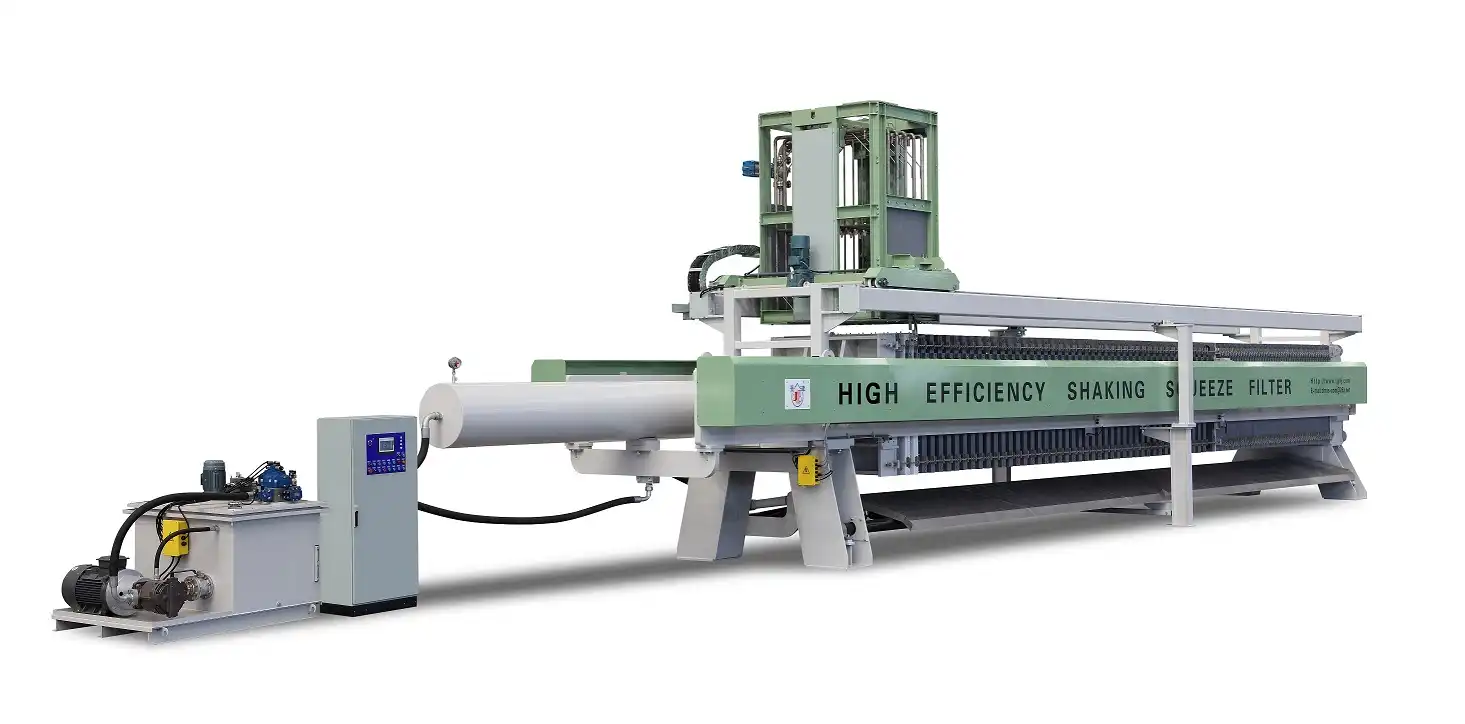
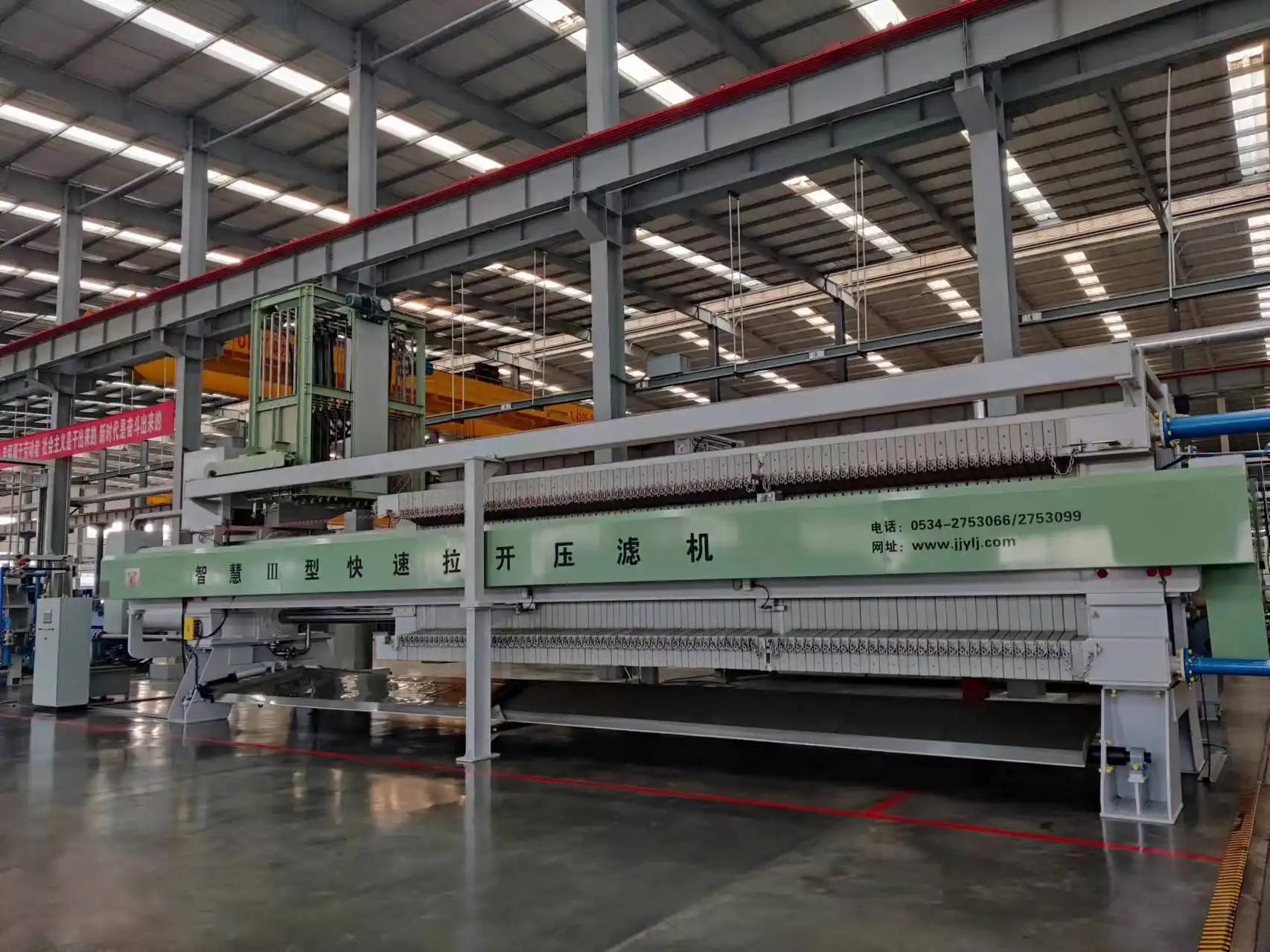
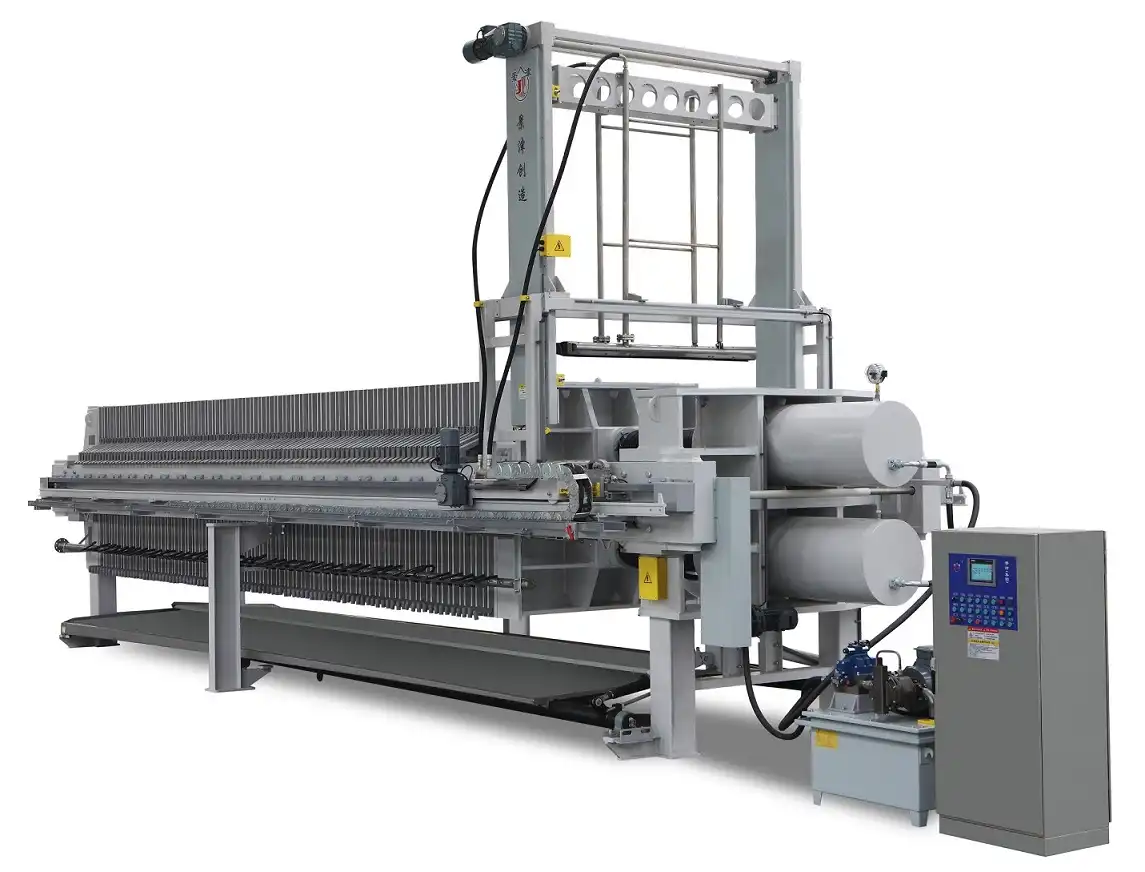
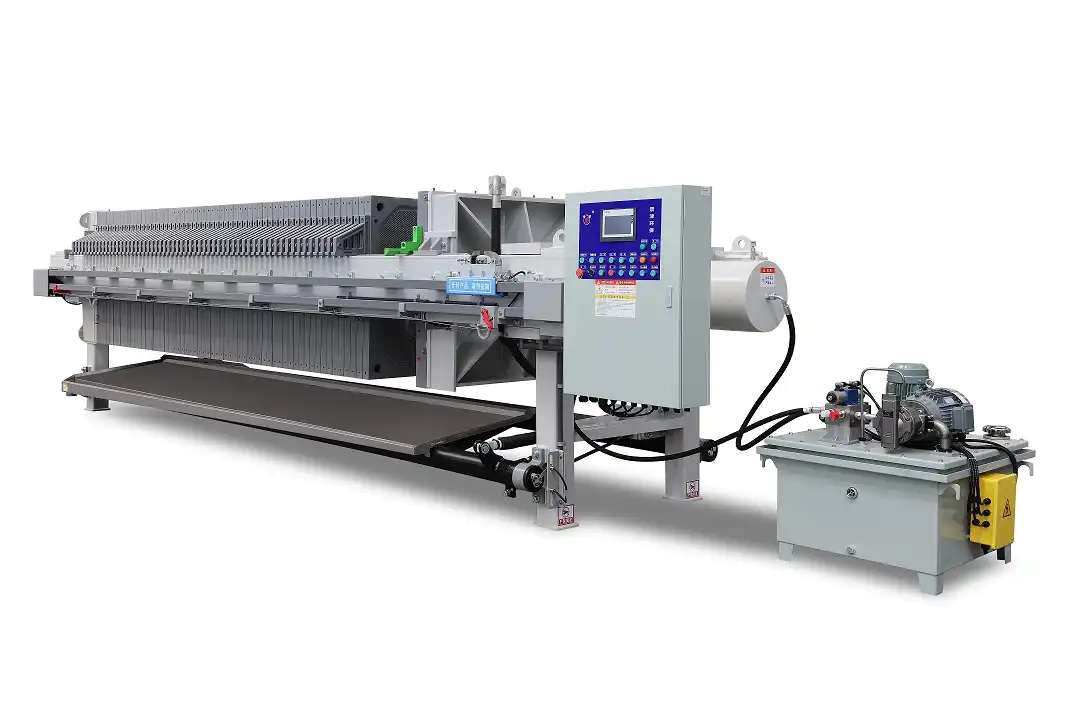
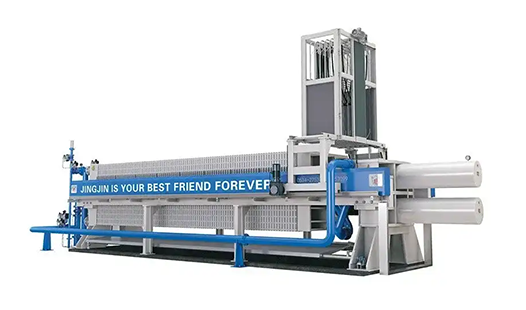
Filter press systems work by pumping slurry into tanks that are closed off by filter plates and padded with special filter cloths. When pressure is put on the cloth, liquid is forced through it, but the solid cake gets stuck inside. This easy-to-do method produces high-quality liquid while reducing solids to make them easier to get rid of or use again. When working with pharmaceutical chemicals, where cross-contamination can ruin whole runs, the real benefit becomes clear.
Hygienic Design Features
Pharmaceutical-grade units have 316L stainless steel or PVDF surfaces that are smooth and free of cracks to stop germs from growing. Clean-in-place (CIP) systems, sanitary seals, and polished touch surfaces make sure that everything is clean between runs. These features directly deal with pollution control, which is a must when working with APIs or biotech goods.
Types of Filter Press Systems
For medicinal needs, there are three main configurations:
- Recessed chamber presses create individual filtration compartments within each plate. They are simple, reliable, and great for small to medium-sized batch jobs where ease of use is more important than maximum dryness.
- Membrane filter presses have an inflated membrane inside each plate that pushes down on the cake after it has formed. This second compression cuts the amount of wetness left over from 60–75% to 45–60%, which speeds up the drying process and lowers the cost of dumping. When cooling further down the line, is slowing things down; process engineers like membrane units better.
- Plate-and-frame systems let you change the size of the chamber by switching between plates and frames. They work with different types of slurry, but they need more upkeep because they have more closing surfaces.
There are different levels of automation, from moving plates and removing cakes by hand to fully automated rounds managed by a PLC. Semi-automatic systems find a good mix between the cost of labor and the cost of capital. Fully automatic units, on the other hand, fit right into continuous pharmaceutical production lines, lowering the risk of contamination and operator touch.
Key Technical Specifications to Consider When Choosing a Filter Press Machine
Filtration Area and Capacity
The throughput ability is based on the filtering area. Find your daily slurry amount, increase it by the solids concentration, and take into account the normal cycle times, which are between 2 and 4 hours for feeding, pressing, and emptying. A 50m² filter area could handle 10 to 15 cubic meters of slurry per cycle, making 2 to 3 tons of dry cake. When you undersize, work stops, and when you oversize, you waste money and floor space.
Material Construction Standards
Pharmaceutical uses need to be resistant to rust and easy to clean. Stainless steel 316L is very resistant to chemicals and meets FDA standards for direct touch with products. PVDF plates don't bend when exposed to harsh chemicals or high temperatures of up to 95°C. For wastewater treatment uses where product touch isn't a problem, reinforced polypropylene (RPP) can save you money. Make sure that all of the wet parts have the right certifications and material tracking paperwork.
GMP Compliance Features
To get certified under Good Manufacturing Practice, you need to show proof of your design qualification (DQ), installation qualification (IQ), operational qualification (OQ), and performance qualification (PQ). Your filter press provider should give you full documentation packages with material certificates, FAT (factory acceptance test) methods, and help with validation. Look for sources who have worked on pharmaceutical setups before and know how to keep track of batch records and handle changes.
Automation and Control Integration
PLC systems (made by Siemens, Allen-Bradley, or Schneider) are used to run processes in modern pharmaceutical plants. Standard industrial methods, such as Profibus, Ethernet/IP, or Modbus, should let your filter press machine talk to other devices. Integration of SCADA allows tracking of pressure curves, cycle times, and filtrate quality in real time, creating the data trails needed for regulatory checks. Variable frequency drives (VFDs) on feed pumps let you precisely control the pressure—high flow rates while the chamber is being filled and then a slow rise in pressure to keep the fabric from burning or the cake from breaking.
Energy Efficiency Considerations
Filter presses use less energy than centrifuges or vacuum filters because they work on pressure instead of constant mechanical motion. Still, hydraulic systems and feed pumps add a lot to the cost of doing business. By cutting down on the time it takes for mechanical drying further downstream, membrane dryers use less energy altogether. Ask for power usage data across normal cycle profiles when assessing units, and use your local utility rates to figure out how much they will cost to run each year.
Comparing Filter Press Machines for Pharmaceutical Use—Making an Informed Decision
Manual vs. Automatic Operation
Between rounds, people who work with manual filter press machines have to move the plates, take out the cake, and fix the cloths. They're a good way to save money in R&D labs or small-batch custom production where freedom is more important than cost. Plate shifting, cloth washing, and cake discharge can all be done by automatic systems without any help from a human. This lowers the risk of contamination and improves accuracy from batch to batch. In medium- to large-sized pharmaceutical plants, the higher capital cost is usually worth it within 18 to 24 months because the lower labor costs make up for it.
Filter Press vs. Alternative Technologies
Centrifuges can work continuously and take up little space, but they have trouble with flexible materials and make cakes that are wetter. They also make droplets, which makes control issues with strong APIs worse. Vacuum filters can handle a lot of flow, but they can't handle the pressure that tight cakes need, so the cakes end up with more wetness. Filter presses are great when you need cakes that are very dry (less than 50% moisture), clear filtrate, and a sealed process to keep things safe. Unlike centrifuge bearing systems or vacuum pump overhauls, maintenance is easy—replacing cloths and seals doesn't require any special skills.
Leading Manufacturers and Innovations
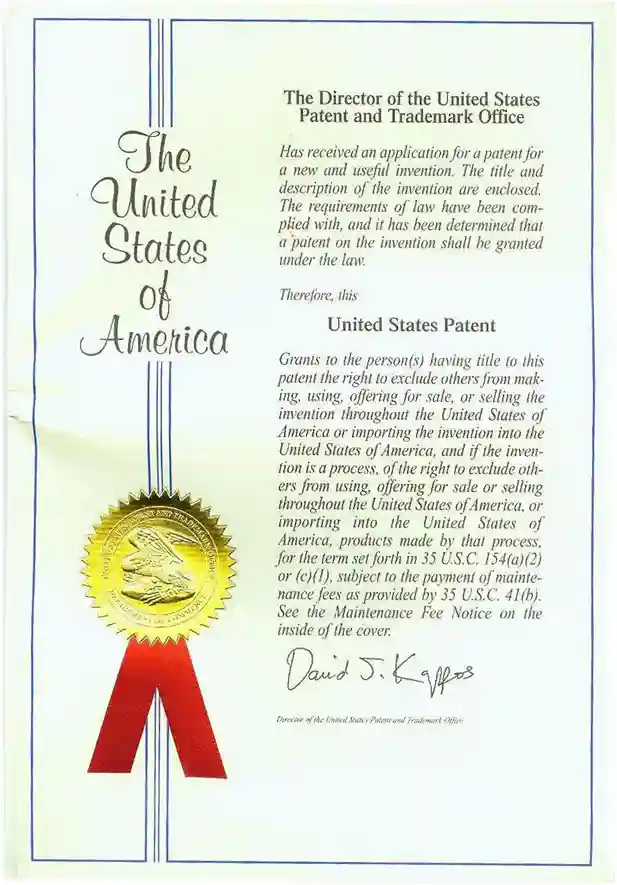
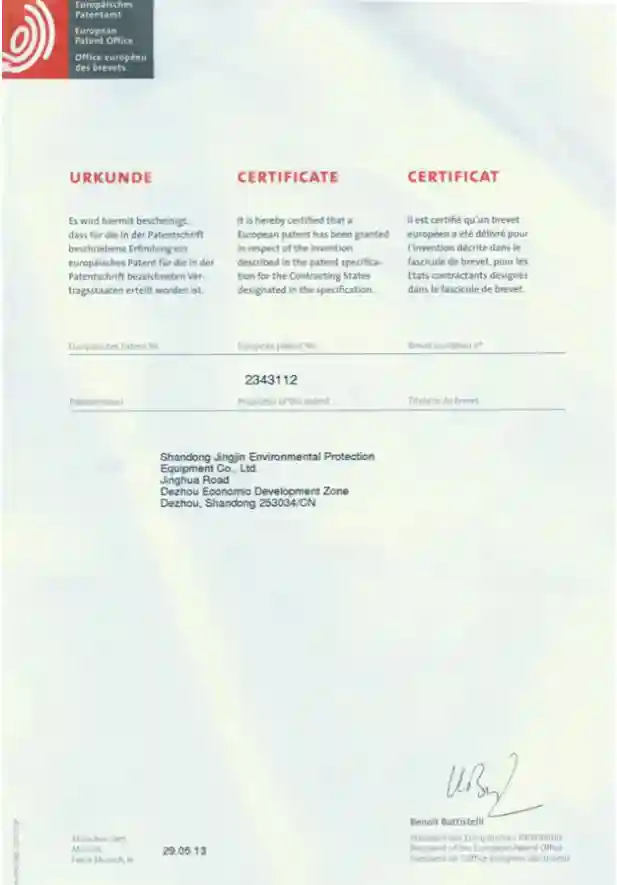
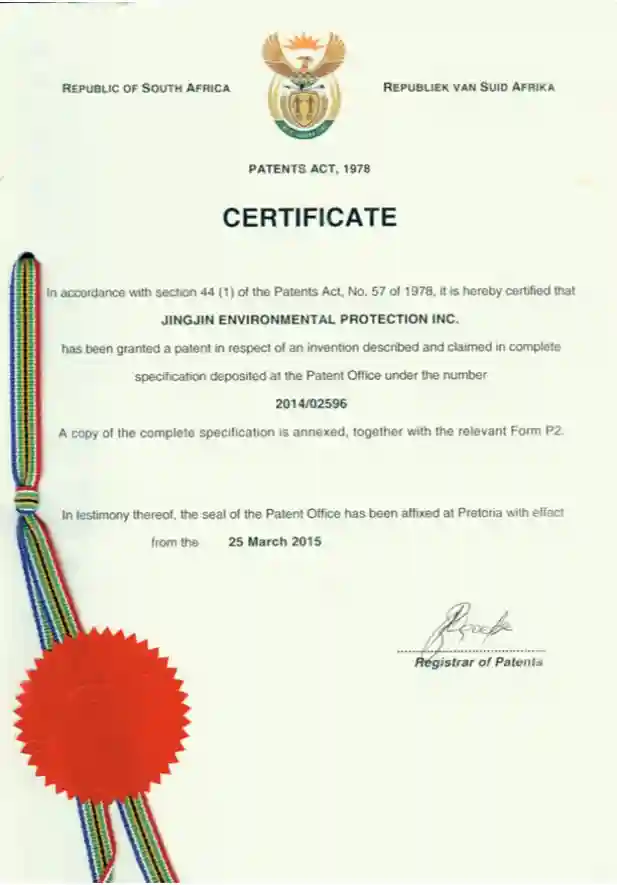
Since its founding in 1988, Jingjin Equipment Inc. has created specialized systems for medicinal use that include more than 136 patents. Through improved squeeze cycles, newer membrane press designs can now get 15-20% of moisture to stay in the membrane. The modular frame design lets the volume grow without having to replace the whole machine. Some companies make throwaway filter cloth systems that can only be used once. This way, you don't have to worry about cleaning issues between product ads. When looking at different providers, you should look at their track record of pharmaceutical projects, their ability to help with legal issues, and their global service network.
Maintenance, Safety, and Troubleshooting for Pharmaceutical Filter Press Machines
Take care of, keep safe, and fix problems with pharmaceutical filter press machines.
Routine Maintenance Protocols
Planned maintenance increases uptime and stops pollution problems before they happen. Daily checks should make sure that the hydraulic pressure levels are correct, that the cloth is not damaged or blotted, and that the sealing surface is clean. Every month, chores like checking the hydraulic oil, making sure the pressure sensors are calibrated correctly, and checking the state of the gaskets are due. After one month, the hydraulic oil should be changed for the first time to get rid of production particles. After that, ISO 46 anti-wear hydraulic oil should be used every six months or 2,000 working hours.
Depending on how rough the slurry is and how much chemical contact they get, filter cloths usually last between 6 and 12 months. Keep an eye on the brightness of the filtrate and the cycle times. Longer cycles or cloudier filtrate are signs of degradation. If cleaning with water alone isn't enough to restore permeability, chemical washing with acid or alkali solutions can help. RPP filter plates usually last between 5 and 8 years; cracking before their time shows that they are under too much stress because of blocked feed eyes or bad hydraulic pressure.
Safety and Compliance Measures
Pharmaceutical filter presses can work at up to 4.0 MPa (580 psi), which is very dangerous. Pressure escape valves keep the plate from getting too pressurized, and hydraulic interlocks keep the plate from opening under pressure. During plant acceptance testing, all units should be put through hydrostatic testing at 1.25 to 1.5 times the normal pressure for an hour. Ultrasonic or magnetic particle screening is a non-destructive testing method that is used to check the strength of frame welds.
Pay close attention to chemical compatibility—make sure that the materials used for plates, gaskets, filter cloths, and filter press machines can stand up to the chemicals used in your process. Keep material safety data sheets (MSDS) for all of the slurry's parts and make sure that workers who handle possibly dangerous cakes have the right personal protective equipment (PPE).
Common Issues and Solutions
Most of the time, slurry shooting between plates is caused by debris on the sealing surfaces, not enough hydraulic close pressure, or worn filter cloths that fold at the edges. Clean the sealing surfaces very well, make sure the hydraulic pressure matches what the maker says it should be (20 to 25 MPa closing force), and check where the cloth is placed. If the cake has more wetness than usual, it could be because the feed pressure is too low, the squeeze time is too short, or the filter cloths are clogged. Compare the performance of the feed pump to the design curves, and wash the cloth with chemicals to get the porosity back.
Drops in hydraulic pressure that happen all of a sudden could be caused by old piston seals, leaks inside the valves, or broken oil lines. Safety interlock shutdowns and production delays can be avoided by checking the condition of the seals and check valves right away. When problems are too big for your staff to handle, you should contact your equipment provider right away. Expertise in hydraulic logic and PLC programming can often solve issues more quickly than trial-and-error fixing.
Procurement Guide: Buying the Right Filter Press Machine for Your Pharmaceutical Plant
Defining Your Technical Requirements
Start by writing down the properties of your slurry, such as its solids content, particle size distribution, chemical make-up, temperature, and pH. Next, say how moist you want the cake to be and how clear you want the filtrate to be. Figure out the daily working numbers, taking into account peak demand and plans for future growth. The budget, floor room, and utility abilities (for example, compressed air, cooling water, and electricity) all play a role in choosing the right tools.
Meet with teams from different departments, such as operations managers, process engineers, quality inspection staff, and repair staff. With all of their help, the chosen unit will meet real operating needs, not just paper specs.
Cost Considerations and ROI
New filter press machines made for pharmaceuticals cost anywhere from $50,000 for small units that are operated by hand to over $500,000 for big systems with fully automatic membranes. You can save money by buying used equipment, but you need to carefully check it to make sure it meets your plant's standards for plate condition, hydraulic system integrity, and control system compatibility. When figuring out the total cost of ownership, you need to include the costs of installation, operator training, extra parts inventory, and ongoing upkeep.
When looking at the payback period, you should look at how much money you'll save on dumping fees because the cakes will be drier, how much energy you'll use because of the automation, and how much more product you'll get because of the better separation. Most pharmacy systems pay for themselves in two to four years.
Selecting the Right Supplier Partner
It doesn't matter how close you are geographically as long as you can get good expert help and spare parts. Check vendors' knowledge in the pharmaceutical business, their ability to provide GMP documentation, and their validation support services. Ask for customer examples from pharmaceutical applications that are similar to yours, and if you can, visit the site.
Full operator training makes sure that everyone on your team knows how to use the filter press machine correctly, do regular upkeep, and fix simple problems. Installation help should include tests in the plant, startup supervision, and checking performance against agreed-upon standards. Set up clear ways for technical help to communicate with you and check that parts are available. To keep downtime to a minimum, important wear parts for the filter press machine should ship within 48 hours.
Conclusion
In conclusion, when picking the right pharmaceutical filter press machine, you have to think about technical specs, government rules, and how the press will be used. Membrane press technology has the driest cakes and the fastest processes, which makes it perfect for mass production. Choosing the right materials makes sure that they are chemically compatible, easy to clean, and meet GMP standards. Automation makes things more consistent and lowers the risk of contamination. This helps to explain higher capital costs by saving money on labor and making compliance paperwork better. When you work with filter press machine suppliers who have been in the business for a while and understand the problems that come with making pharmaceuticals, you get more than just equipment. You get a full answer that includes technical help and advice.
FAQ
1. What moisture content difference exists between membrane and chamber filter press configurations?
Standard chamber presses usually get between 60 and 75% leftover moisture by using only the pressure from the feed pump. Membrane filter press machines have extra stages where they squeeze using water or air pressure, which lowers the wetness level to 45–60%. The real efficiency rests on the properties of the slurry, especially how it behaves when it's thixotropic and how the particles are distributed in terms of size.
2. How often do filter plates require replacement in pharmaceutical applications?
Based on chemical exposure and working temperatures, RPP plates usually last between 5 and 8 years. Differential pressure problems caused by closed feed eyes usually lead to early cracks. These problems make the stress uneven across the plate structure. Plates made of stainless steel or PVDF last longer in harsh chemical conditions.
3. Can filter press systems handle variable sludge consistency effectively?
To be sure, but proper handling of the feed pump is very important. Variable frequency drives (VFDs) should control the feed pumps so that the flow rates change dynamically. For example, the flow rates should be high when the chamber is first filled, and they should change to low flow with high pressure when the cake is being formed. This method works with changing amounts of solids without affecting how well the sorting works.
Partner with Jingjin for Your Pharmaceutical Filtration Needs
With 35 years of experience in filtration and production standards for pharmaceuticals, Jingjin Equipment Inc. can provide solid separation options. Our membrane filter press machines meet strict GMP standards and dry cakes better than any other machines on the market. We offer tested technology backed by full validation support, user training, and quick after-sales service. Our technology has been granted over 136 patents and is installed in 123 countries. Our tech team works directly with companies that make medicines to make sure that the tools they use are exactly what the process needs. Get in touch with our team at [email protected] to talk about your specific needs and get a detailed technical plan from a reputable filter press machine maker that wants your production to go well.
References
1. Svarovsky, L. (2000). Solid-Liquid Separation, 4th Edition. Butterworth-Heinemann.
2. Wakeman, R.J. & Tarleton, E.S. (2005). Solid/Liquid Separation: Principles of Industrial Filtration. Elsevier Advanced Technology.
3. Purchas, D.B. & Sutherland, K. (2002). Handbook of Filter Media, 2nd Edition. Elsevier Science.
4. FDA. (2011). Process Validation: General Principles and Practices – Guidance for Industry. U.S. Department of Health and Human Services.
5. Sutherland, K. (2008). Filters and Filtration Handbook, 5th Edition. Elsevier Butterworth-Heinemann.
6. Tarleton, E.S. & Wakeman, R.J. (2007). Solid-Liquid Separation: Scale-up of Industrial Equipment. Elsevier Science & Technology.
jingjin
Founded in 1988, Jingjin specializes in filter presses and liquid-solid separation solutions, serving over 130 countries worldwide, and is a standard-setter in China's filter press industry.
Get the Filter Press guide
Enter Your Email for Technical assistance for the Filter Press.


Recommended Blog
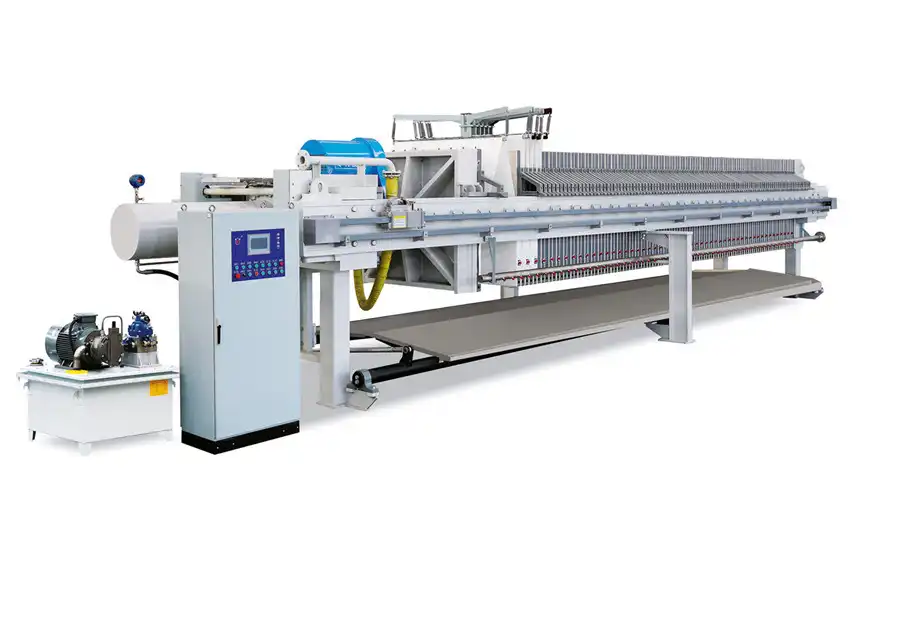
Essential Maintenance Tips to Prolong the Life of Your Press Filter Machine
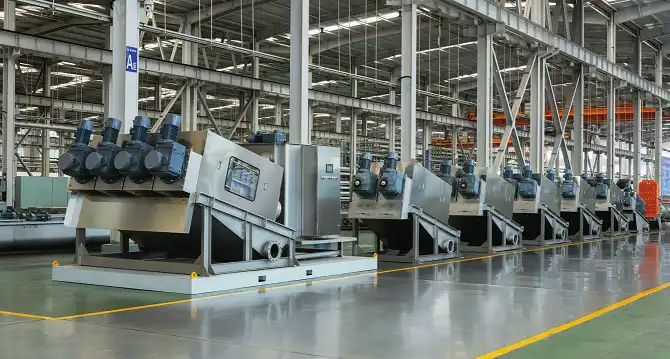
Screw Press Sludge Dewatering Machine for Municipal Wastewater
Why Vietnam Factories Prefer China Membrane Plate Filter Press?
Why Vietnam Wastewater Plants Choose China Multi Disk Screw Press?
How to Optimize Food Processing with Efficient Press Filters?
Where to Buy Industrial Filter Press Cloth: Top Suppliers and Tips