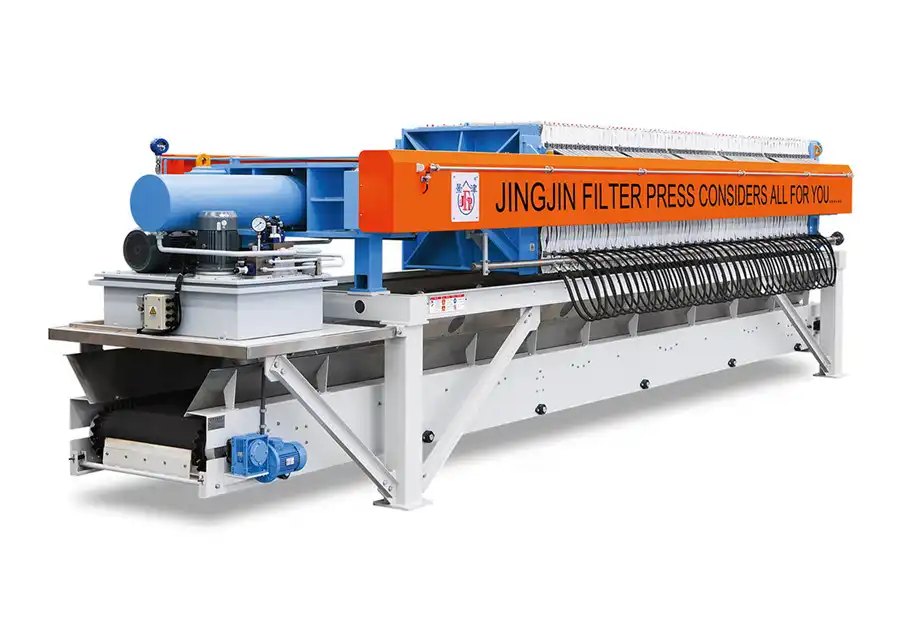
Membrane Plate Filter Press for Chemical Slurry
Understanding Membrane Plate Filter Presses in Chemical Slurry Filtration
- Understanding Membrane Plate Filter Presses in Chemical Slurry Filtration
- Advantages and Applications of Membrane Plate Filter Presses in the Chemical Industry
- How to Choose the Best Membrane Plate Filter Press for Your Chemical Processing Needs?
- Procurement Guide: Buying and Installing Membrane Plate Filter Presses
- Maximizing Filtration Performance and Avoiding Common Pitfalls
- Conclusion
- FAQ
- Partner with a Trusted Membrane Plate Filter Press Manufacturer
- References
The membrane plate filter press helps chemical industries cope with increased disposal costs and stricter environmental laws. Each filter plate features a flexible diaphragm for secondary squeezing, which greatly minimizes cake moisture. It compresses filter cakes after initial filtration to produce 10-20% drier solids than conventional chamber presses, lowering transport costs, improving process efficiency, and simplifying regulatory compliance for pigments, resins, pharmaceutical intermediates, and wastewater sludge plants.
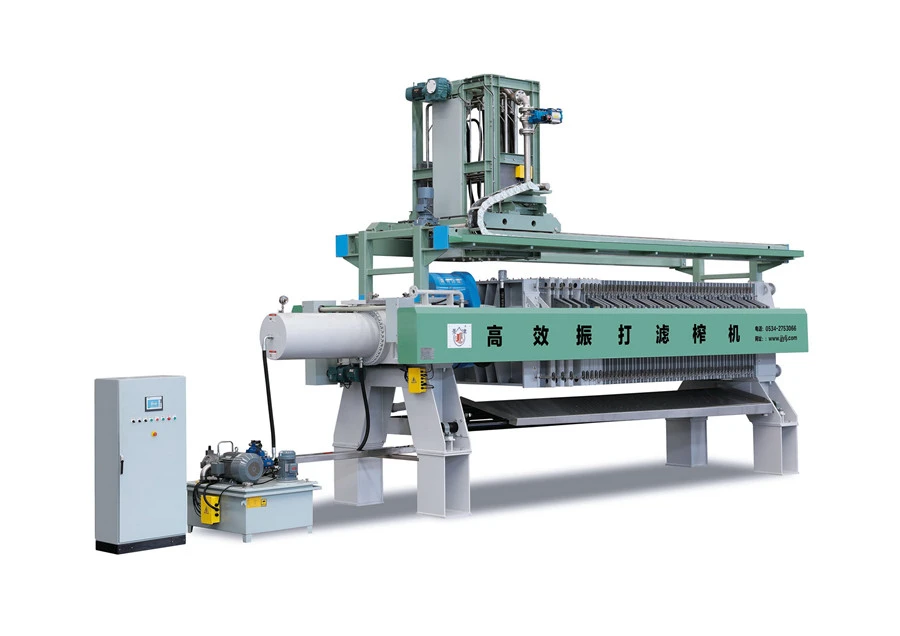
Understanding Membrane Plate Filter Presses in Chemical Slurry Filtration
The equipment used in chemical processing must dewater corrosive slurries consistently. We've seen membrane technologies improve batch filtering.
How Membrane Plates Differ from Traditional Filter Presses
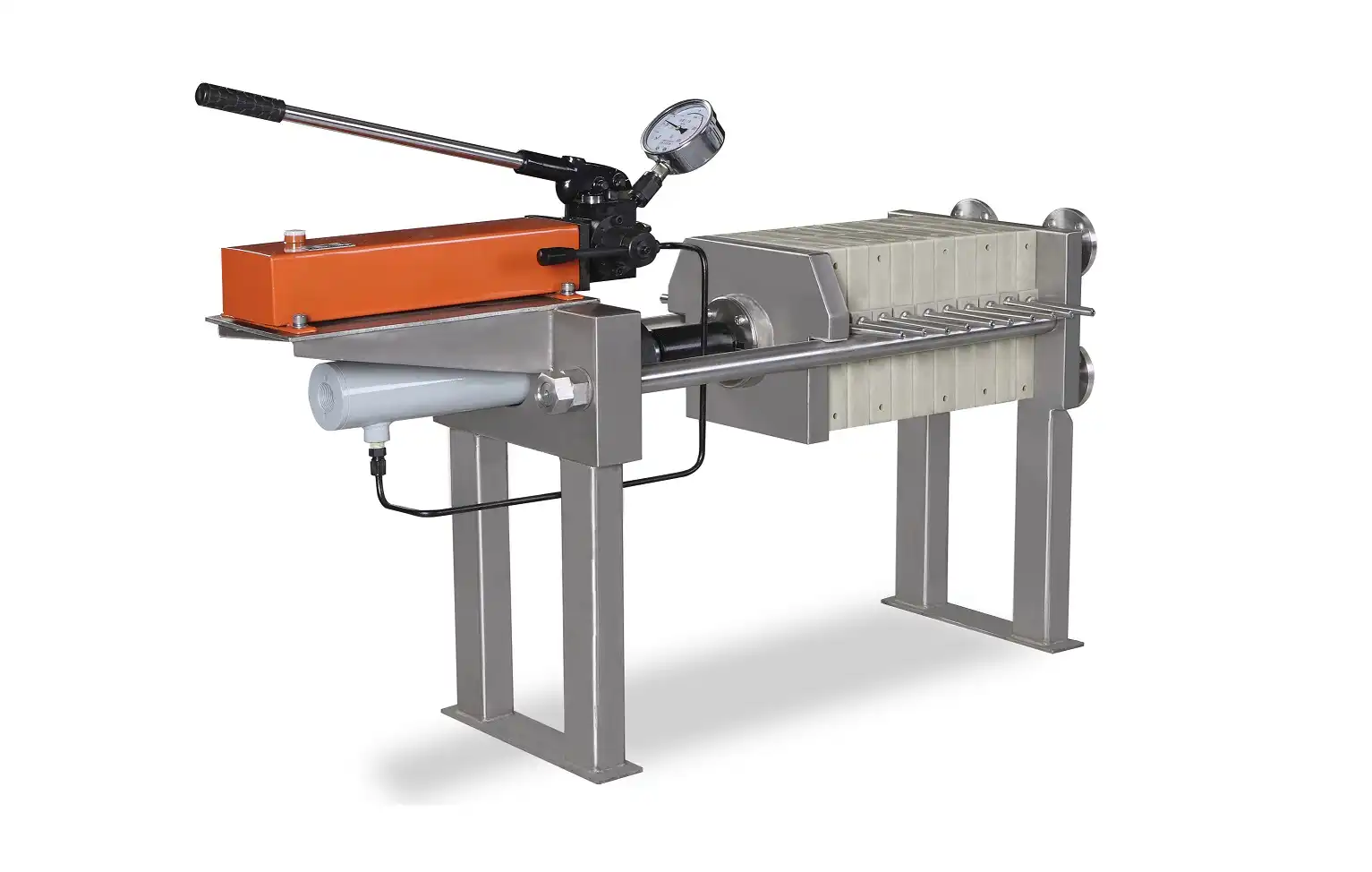
Standard recessed chamber presses compress solids into filter chambers only with feed pump pressure. When chambers are full, resistance increases, reducing filtering effectiveness. One side of the membrane plates has an elastic diaphragm made of reinforced polypropylene or thermoplastic elastomer. These membranes are inflated by compressed air or pressurized water after the filtering cycle, lowering chamber volume and removing interstitial moisture that pump pressure cannot.
Working Principle: The Two-Phase Filtration Process
A standard filtering procedure begins. Pump-pressured slurry enters, solids build against filter cloths, and filtrate drains. When chambers fill and filtrate flow decreases, the squeeze phase begins. At 6–30 bar, inflation medium enters behind each membrane, deforming the flexible diaphragm inward. Mechanical compression removes moisture from the cake matrix, drying it better than pressure filtering. The squeeze cycle takes 5-15 minutes, reducing processing time by 20-50% over extended pressure filtering.
Materials and Construction for Chemical Resistance
Chemical slurry applications subject the equipment to intense pH, organic solvents, and heat. Process-specific materials are used in membrane plates for these environments. Polypropylene is resistant to acids, alkalis, and many organic compounds and works well up to 70-80°C. Specialized EPDM grades or PVDF construction are needed for temperatures above 100°C. CNC machining of sealing surfaces is necessary to maintain ±0.1mm tolerances, as poor flatness during high-pressure squeeze phases poses safety risks.
Operating Parameters for Chemical Processing Environments
Purchasing managers assessing membrane plate filter press systems require explicit specs. Typical filling filtration pressures are 8–16 bar, with squeezing pressures exceeding 25 bar in demanding applications. Chamber capacities range from 50 litres every cycle in pilot-scale equipment to 2,000+ per plate pack in industrial systems. Standard PP membranes can handle most ambient-to-moderate operations, although some chemical syntheses can reach 120°C with specialized fabrication. Thin, readily filtered slurries take 30 minutes to cycle, but viscous, fine-particle suspensions take 90–120 minutes, including squeezing and discharge.
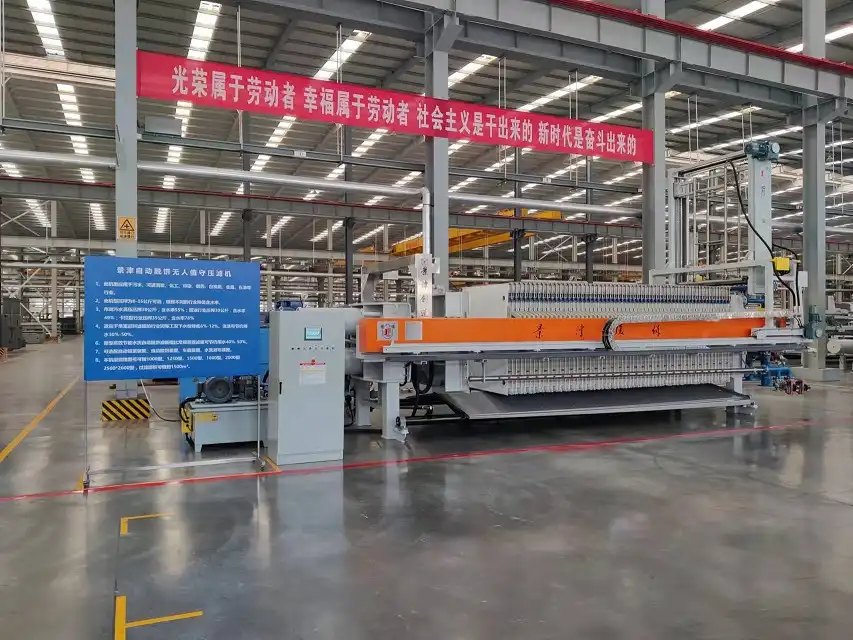
Advantages and Applications of Membrane Plate Filter Presses in the Chemical Industry
Chemical companies replace chamber presses with membrane technology after calculating operational math. Performance gains across several dimensions affect profitability and regulatory status.
Primary Performance Benefits Over Chamber Presses
Membrane technology's benefits warrant investment. Membrane squeezing reliably reduces cake moisture by 5-15% compared to chamber presses on comparable slurries. Lighter cakes waste less landfill space, cost less to transport, and use less heat energy to dry. Eliminating the wasteful tapering phase, where flow decreases, but pressure persists, speeds cycle completion. The membrane packs density in minutes, unlike consolidation chamber presses. Feed pumps function at appropriate flow rates during chamber filling and shut off while the membrane system compresses cake with decreased energy input.
Technical Comparison with Other Press Types
Learn about equipment options to assist procurement teams in deciding. Chamber presses are simple and inexpensive, but they leave filter cakes wet, especially with chemical processing slurries. Recessed plate presses provide strong throughput but lack final compression for dryness. Plate-and-frame designs are flexible but require laborious fabric handling and slower cycles. Membrane plate methods cost 30-50% more than chamber presses, but disposal costs and cycle time reductions can pay for themselves in 18-24 months in high-volume chemical applications.
Chemical Industry Applications and Case Studies
Several chemical processing industries benefit from membrane filtration. Titanium dioxide, iron oxides, and organic colourant pigment factories achieve low moisture for powder flowability and packing. Retrofitting membrane plates lowered filter cake moisture from 68% to 52%, saving a European pigment production 22% in spray-drying energy. Before washing, fine chemical producers synthesize pharmaceutical intermediates by pre-compressing cakes with the squeeze function. This consistency reduces channelling when wash solvents bypass the cake by preferred routes, enhancing mother liquor elimination and product purity. Municipal wastewater plants that process biological sludge minimize disposal tonnage. Membrane press installation reduced yearly sludge trucking expenses by $180,000 for a mid-sized U.S. treatment facility processing 1,200 cubic meters daily while satisfying stricter land application moisture limitations
Maintenance Strategies for Long-Term Reliability
Regular preventative maintenance extends equipment life. Membrane plates are the main consumables, lasting 2,000–10,000 cycles depending on chemical exposure and pressure. Replacing membranes instead of welding decreases operational costs since replacement takes 15-20 minutes per plate versus plate disposal. Regular oil analysis and seal inspection are needed for hydraulic systems because hydraulic leaks cause a mess and lower the closure force, weakening the filtering. Chemical assault damages filter fabric more quickly than abrasion in many applications; therefore, filtrate clarity and flow resistance determine replacement rather than scheduling. Quarterly calibration checks prevent PLC controllers and pressure sensors from drifting, affecting cake quality.
How to Choose the Best Membrane Plate Filter Press for Your Chemical Processing Needs?
Filtration equipment selection requires matching technical parameters to operational needs and predicting production situations. Long-term flexibility and present requirements are balanced in the decision framework.
Key Selection Criteria and Performance Metrics
Several specifications drive selection. Multiply batch slurry volume by the usual solids concentration and factor in the desired processing frequency to get the chamber volume for filtration. Target cake dryness determines membrane pressure: 50% moisture requires 8-10 bar squeezing pressure, whereas 40% requires 15-20 bar reinforced plate systems. Manual presses require operator presence for cloth cleaning and cake discharge, whereas fully automated systems with cloth washing devices and cake vibration discharge run with less monitoring. Gaskets, diaphragms, and wetted metal components must be stainless steel for halogenated solvents and strong oxidizers.
Matching Equipment to Plant Scale
Small batch chemical companies producing 500-2,000 kg daily choose small membrane presses with 20-40 plates and 200-800 litre chambers. These installations support specialty chemical manufacturing's product variety in little floor area. Modular designs allow plate pack expansion as production rises, preventing premature equipment replacement in mid-scale 5-15 tonne daily operations. Large industrial installations at base chemical plants with continuous production use many parallel press lines instead of one gigantic machine for maintenance and campaign manufacture of diverse goods.
Customization Options and System Integration
Modern membrane presses are very customizable. Pneumatic membrane systems employ compressed air as the inflating medium, facilitating installation when a pressurized water supply is difficult. However, water is preferable for squeezing pressures over 10 bar for safety reasons. While the plate is opening, automated cloth cleaning systems spray filtrate or clean water over cloths, increasing their lifespan and maintaining filtration rates. Avoid manual handling with integrated cake discharge conveyors that carry materials to packing or downstream drying equipment. Mixed pack layouts alternate membrane and recessed plates, allowing adaptation of chamber presses with hydraulic closure systems for increased squeeze.
Cost Analysis and Energy Consumption
Ownership costs far more than the purchase price. Membrane plate filter press costs $80,000–$500,000, depending on size, materials, and automation, more than chamber presses, but justified by operating savings. Calculate energy consumption for feed pump operation, hydraulic system power demand, and squeeze medium generation. The average 1,000-litre membrane press uses 15-25 kWh every cycle, including systems. For facilities with large sludge or waste streams, lowering cake moisture from 60% to 45% reduces disposal weight by 27% and saves $50,000–$200,000 annually.
Reputable Manufacturers and Supply Chain Considerations
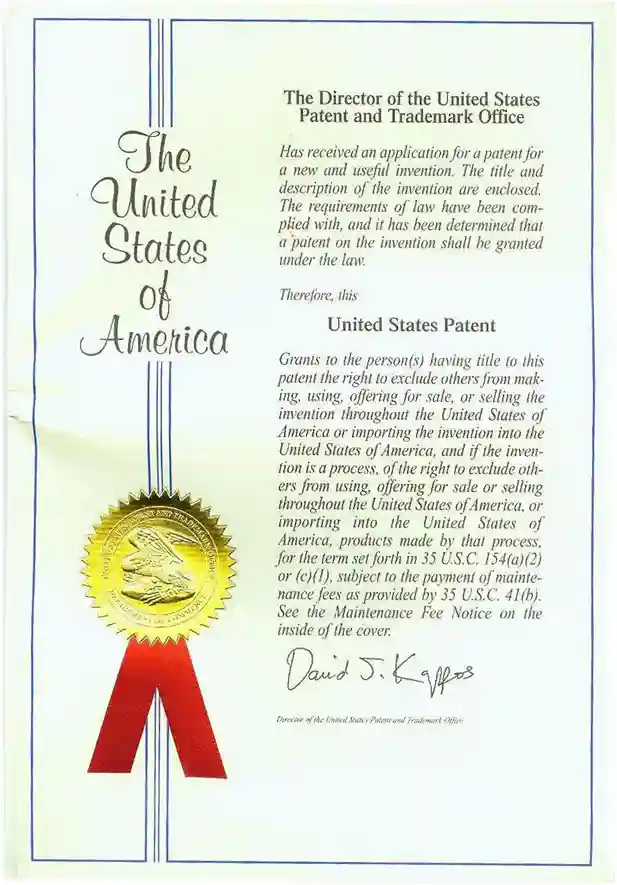
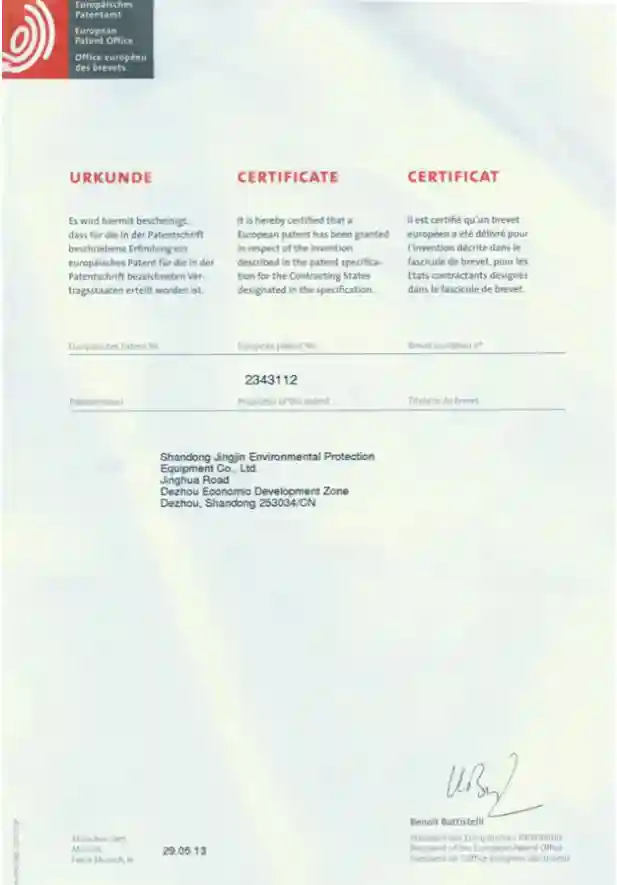
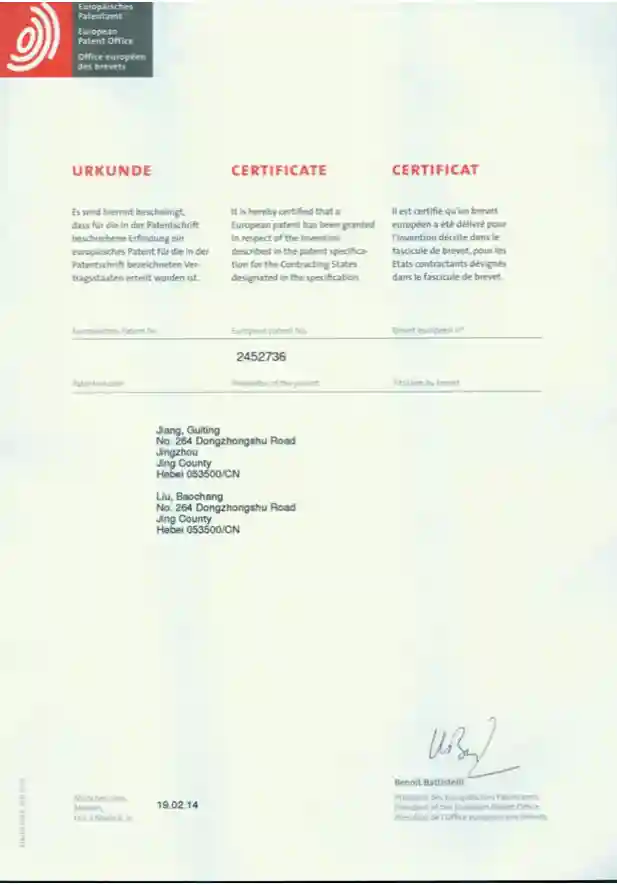
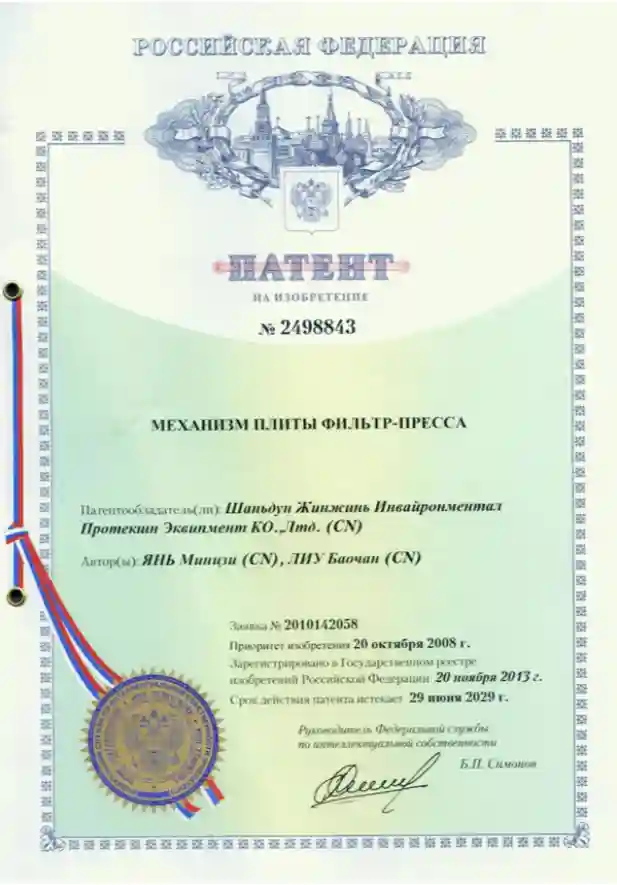
Global membrane press manufacturers have chemical application experience. Jingjin Equipment Inc., founded in 1988, has over 136 patents and serves clients in 123 countries, providing international chemical industries with engineering depth and service. European manufacturers offer high-end, customized pharmaceutical equipment. Procurement teams should consider equipment specs, spare parts availability, technical support responsiveness, and the manufacturer's chemical processing knowledge. Buying from authorized providers assures commissioning support and warranty coverage, whereas third-party channels may be cheaper but complicate servicing.
Procurement Guide: Buying and Installing Membrane Plate Filter Presses
Navigating the procurement process demands attention to commercial terms, logistics complexity, and post-installation support structures that sustain long-term performance.
Market Availability and Pricing Factors
Membrane press pricing reflects configuration complexity and material specifications. Entry-level units with manual operation and polypropylene construction start around $60,000 for 20-30 plate capacity. Mid-range automated systems with PLC controls and cloth washing devices range from $150,000 to $300,000 for 50-80 plate installations. Premium configurations featuring PVDF construction, full automation, and integrated cake handling systems exceed $500,000. Lead times vary from 8-12 weeks for standard models to 16-24 weeks for highly customized chemical-duty units requiring specialized materials testing and third-party certifications. Rush orders may reduce lead time by 20-30% with corresponding premium charges of 10-15%.
Direct Buying Versus Distributor Channels
Purchasing directly from manufacturers like Jingjin Equipment offers advantages for large installations and complex applications. Direct engagement provides access to engineering teams who optimize system design for specific slurries, ensuring proper plate count, membrane pressure ratings, and material selection. Factory acceptance testing allows witnessing equipment operation before shipment. Authorized distributors add value for smaller installations through local inventory, faster delivery, and regional service networks. Their margin increases equipment cost by 15-25% but simplifies logistics and provides local language support. Third-party resellers occasionally offer attractive pricing on surplus or used equipment, yet buyers sacrifice warranty coverage and technical support—acceptable for experienced maintenance teams but risky for first-time membrane press users.
Installation Best Practices and Service Agreements
Proper installation establishes the foundation for reliable operation. Membrane presses require substantial floor space—allow 1.5-2 times the closed length for plate opening and maintenance access. Foundation specifications must support concentrated loads; a 60-plate press weighs 8,000-12,000 kg with uneven weight distribution, demanding engineered concrete pads. Electrical supply needs include 480V three-phase power for hydraulic pumps and control systems. Compressed air or process water supply for membrane inflation requires dedicated lines with filtration and pressure regulation. Comprehensive service agreements covering annual preventive maintenance, emergency response, and membrane replacement programs cost 4-8% of equipment value annually but significantly extend equipment life and maintain performance consistency.
International Logistics and Import Considerations
Cross-border procurement introduces complexity requiring careful planning. Membrane presses ship as heavy, oversized freight—a 60-plate system occupies 30-40 cubic meters and weighs 10+ metric tons, demanding specialized trucking and potentially ocean freight consolidation. Export packaging must protect machined sealing surfaces and membrane plates from transport damage while meeting ISPM-15 wood treatment standards. Import duties vary by country—the U.S. Harmonized Tariff Schedule classifies filter presses under heading 8421.29, typically attracting 2.5-4% duty rates, though free trade agreements may reduce or eliminate charges. Customs clearance requires technical documentation, including material certifications, electrical compliance declarations, and sometimes import licenses for pressure vessels. Experienced freight forwarders specializing in industrial equipment simplify this process substantially, justifying their fees through faster clearance and reduced documentation errors.
Maximizing Filtration Performance and Avoiding Common Pitfalls
Operating membrane presses effectively requires understanding common failure modes and implementing performance optimization protocols that extend equipment life while maintaining product quality.
Troubleshooting Common Operational Issues
Membrane deformation or bulging during inflation signals excessive squeeze pressure or membrane degradation. Reduce inflation pressure incrementally while monitoring cake dryness—accept slightly higher moisture content rather than risk membrane rupture, which creates costly downtime and potential safety incidents. Cake sticking within chambers after plate opening indicates inadequate mould release characteristics; adjust filtrate recirculation timing or consider filter cloth surface treatments that promote cake drop. Leakage during filtration or squeezing typically stems from cloth misalignment, worn gaskets, or insufficient hydraulic closing pressure. Systematic inspection during each cycle identifies developing problems before they cause production delays—train operators to recognize early warning signs like dampness around plate edges or gradual closing pressure increases.
Performance Optimization Techniques
Several adjustments fine-tune membrane plate filter press operation for optimal results. Pressure calibration should follow a structured protocol—begin with lower squeeze pressures (6-8 bar) and increase gradually while measuring cake moisture until reaching the target specification with an adequate safety margin. Excessive squeeze pressure wastes energy and accelerates membrane wear without meaningful dryness improvement. Cleaning routines significantly impact membrane longevity and filtration consistency. After each cycle, briefly inflate membranes while plates remain closed, then open and allow cloths to ventilate—this prevents bacterial growth in wastewater applications and removes residual crystals in chemical processing. Weekly high-pressure water washing removes accumulated fines and restores flow resistance to baseline values. Filtrate recycling during the initial feed phase—routing turbid first filtrate back to the feed tank until clarity improves—reduces product losses and speeds subsequent cake washing in chemical synthesis applications.
Long-Term Value and Sustainability Outcomes
Membrane technology delivers environmental and economic benefits that extend beyond immediate processing improvements. Reduced cake moisture means less landfill volume and lower methane generation from organic waste—a mid-sized wastewater facility cutting sludge moisture from 75% to 60% diverts approximately 1,500 metric tons annually from landfills. Chemical plants using membrane presses recover process solvents more completely during cake washing and squeezing, reducing raw material consumption and hazardous waste generation. Energy analysis over equipment lifespans typically shows membrane presses consuming 15-20% less total energy per ton of dry solids produced compared to chamber presses, despite higher instantaneous power draw during squeezing—the shorter cycle times more than compensate. These sustainability metrics increasingly influence procurement decisions as chemical companies face stakeholder pressure and regulatory incentives favouring resource-efficient technologies.
Conclusion
Membrane plate filter press technology addresses the core challenges chemical processors face—excessive moisture content, long cycle times, and rising disposal costs. The secondary squeezing mechanism delivers consistently drier filter cakes while shortening processing duration, generating operational savings that justify the premium investment. Proper equipment selection requires matching technical specifications to slurry characteristics and production volumes while considering automation levels and material compatibility. Working with established manufacturers ensures access to engineering expertise and global support networks essential for complex chemical applications. When specified correctly and maintained diligently, membrane systems provide decades of reliable service, improving process economics while meeting tightening environmental standards.
FAQ
Q1: What is the optimal squeezing medium, water or air?
Water serves as the preferred inflation medium for high-pressure applications exceeding 8 bar because it remains incompressible and poses minimal safety risk. Compressed air functions adequately for lower-pressure systems but creates hazards if membrane rupture occurs during squeeze cycles—sudden decompression can propel equipment components dangerously. Chemical plants processing flammable solvents universally specify water inflation to eliminate any ignition risk.
Q2: How long do membrane plates typically last?
Service life depends heavily on the chemical environment and cycle frequency. High-quality elastomer membranes last 2,000-10,000 cycles under normal conditions. Aggressive chemicals or temperatures approaching material limits shorten lifespan to 1,500-3,000 cycles, while benign slurries at moderate temperatures extend service beyond 10,000 cycles. Replaceable membrane designs reduce operating costs substantially compared to welded constructions, requiring complete plate replacement when membranes fail.
Q3: Can existing chamber presses be retrofitted with membrane plates?
Many installations allow mixed pack configurations, alternating membrane and recessed plates within the same filter press. Successful retrofits require adequate hydraulic closing pressure—membrane operation demands roughly 30% higher closing force than chamber filtration alone—and accommodation for squeeze medium piping. Engineering assessment determines feasibility based on frame strength, hydraulic capacity, and available connection points.
Q4: How does membrane squeezing shorten cycle time?
The squeeze phase completes cake compression far more rapidly than relying on feed pumps to pack solids incrementally as flow resistance increases. Membrane inflation physically reduces chamber volume in 5-15 minutes, accomplishing dewatering that would otherwise require 30-60 minutes of continued pump operation at diminishing returns. Total cycle time often drops 20-50% compared to chamber presses processing identical slurries.
Partner with a Trusted Membrane Plate Filter Press Manufacturer
Jingjin Equipment Inc. brings over three decades of filtration engineering expertise to chemical processors worldwide. Our membrane plate filter press systems combine patented technology with robust construction, delivering the reliability and performance your operations demand. We manufacture complete filtration solutions—from filter plates and cloths to fully automated press systems—backed by technical support teams serving clients across 123 countries. Whether you're upgrading existing chamber presses or designing new solid-liquid separation capacity, our engineering staff works closely with your team to optimize system specifications for your specific slurry characteristics. Contact our application engineers at [email protected] to discuss your chemical filtration requirements and receive a detailed technical proposal tailored to your production environment. Discover why leading chemical manufacturers worldwide choose Jingjin as their membrane plate filter press supplier for critical dewatering applications.
References
1. Perry, R.H., Green, D.W., and Maloney, J.O. (2008). Perry's Chemical Engineers' Handbook, 8th Edition. McGraw-Hill Professional, Sections 18-19: Solid-Liquid Separation Equipment.
2. Svarovsky, L. (2001). Solid-Liquid Separation, 4th Edition. Butterworth-Heinemann, Chapters 9-11: Pressure Filtration Technologies and Membrane Applications.
3. Wakeman, R.J. and Tarleton, E.S. (2005). Solid/Liquid Separation: Principles of Industrial Filtration. Elsevier Advanced Technology, Chapter 7: Filter Press Design and Operation.
4. American Filtration and Separations Society (2019). Technical Manual: Advances in Membrane Filter Press Technology for Chemical Processing. AFS Engineering Publication Series, Volume 43.
5. Cheremisinoff, N.P. (1998). Liquid Filtration, 2nd Edition. Butterworth-Heinemann, Chapter 5: Membrane Plate Filter Press Systems in Chemical Manufacturing.
6. Water Environment Federation (2021). Industrial Wastewater Management, Treatment, and Disposal, 4th Edition. McGraw-Hill, Section 12: Advanced Dewatering Technologies and Membrane Filtration Systems.
jingjin
Founded in 1988, Jingjin specializes in filter presses and liquid-solid separation solutions, serving over 130 countries worldwide, and is a standard-setter in China's filter press industry.
Get the Filter Press guide
Enter Your Email for Technical assistance for the Filter Press.

Recommended Blog
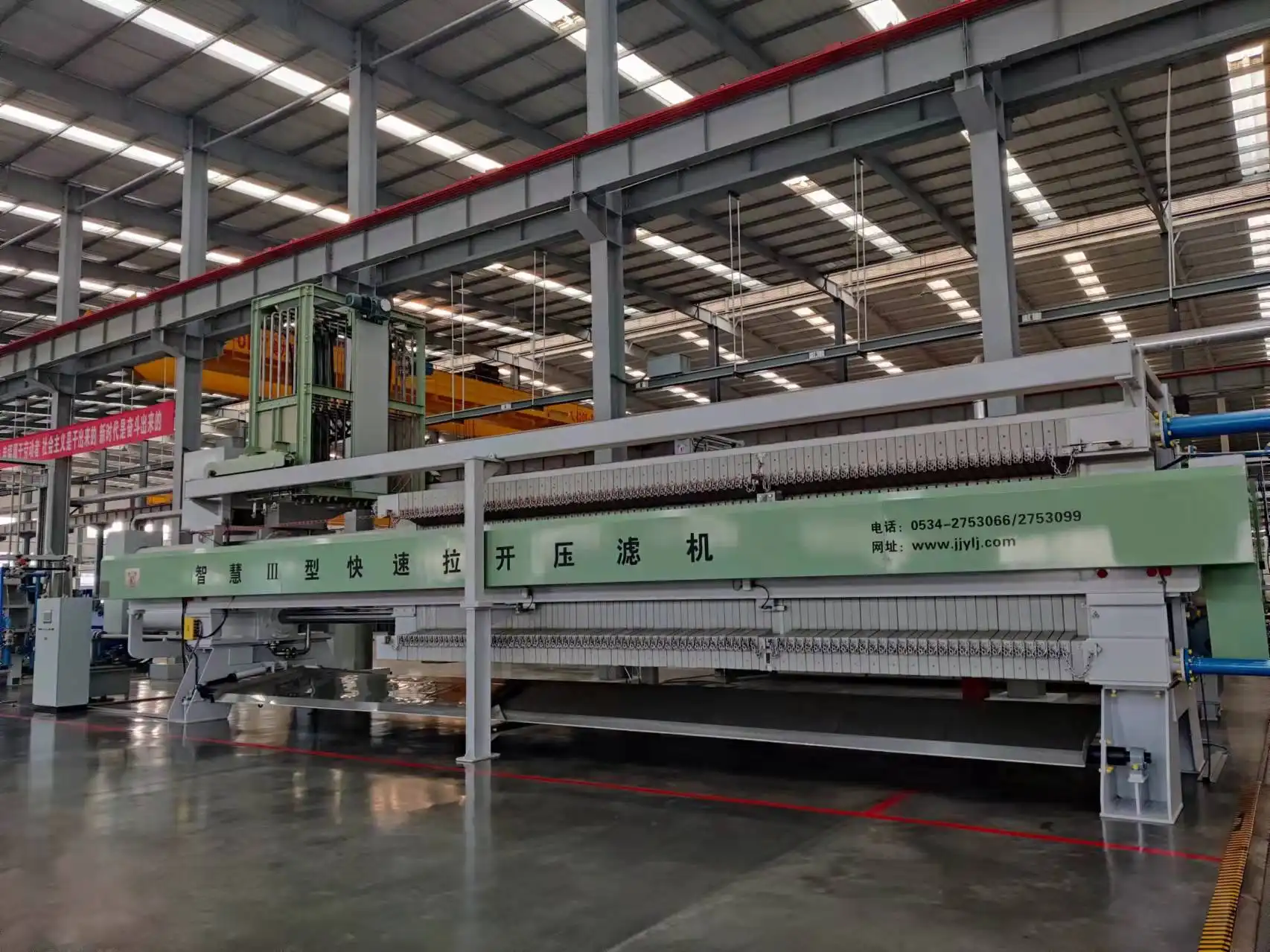
Affordable Filter Press Machines for the Chemical Industry: What to Look For
Customized Multi Disk Screw Press Solutions for Specific Sludge Processing Needs
How to Choose the Best Feed Pump for Filter Press in Water Treatment
How Jingjin Filter Press Enhances Wastewater Treatment and Sludge Dewatering
Maintenance Tips for Dewatering Press Machines to Maximize Lifespan