How Filter Press Technology Handles Complex Industrial Wastewater Streams
Understanding Filter Press Technology in Wastewater Treatment
- Understanding Filter Press Technology in Wastewater Treatment
- Selecting the Right Filter Press Solution for Industrial Wastewater Treatment
- Comprehensive Filter Press Wastewater Treatment Process Explained
- Procurement Guide and Strategic Considerations for Industrial Clients
- Conclusion
- FAQ
- Partner with Jingjin for Advanced Filter Press Solutions
- References
Industrial sites are under more and more pressure to handle garbage lines that are getting more complicated while also meeting strict environmental standards and keeping costs down. A filter press in wastewater treatment is a highly effective mechanical solid-liquid separator that uses high-pressure filtration to remove water from sludge and industrial slurry by forcing liquid through filter media while keeping solids in a compact "filter cake."
Understanding Filter Press Technology in Wastewater Treatment
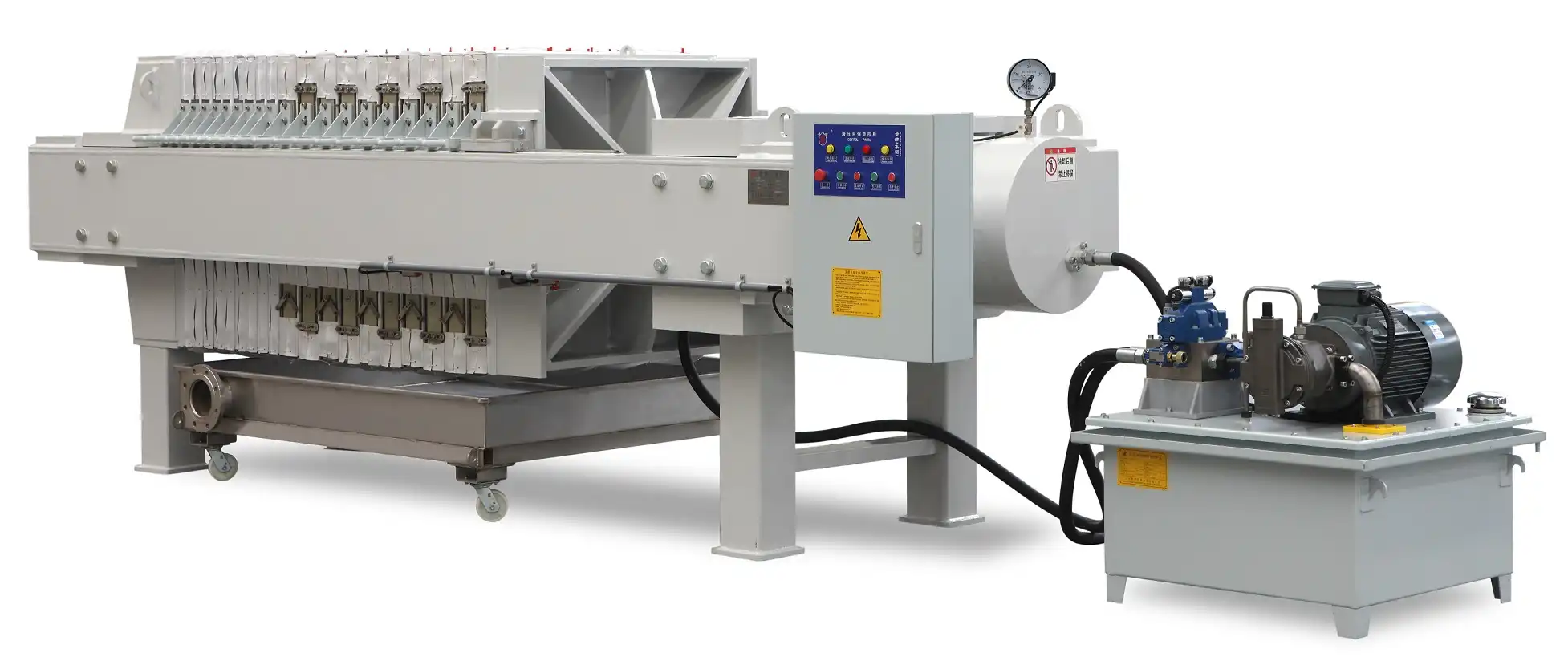
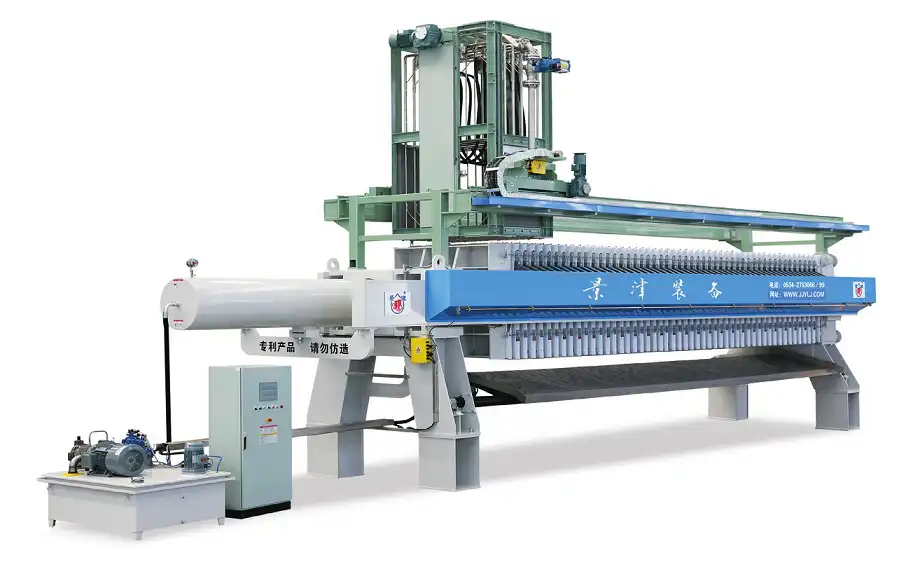
Filter presses pressure-filter particulates from liquids using filter plates, cloths, and hydraulic systems. Pumping treated sludge into tunnels between filter cloth-lined plates is the main principle. As hydraulic pressure rises—usually 6–20 bar—liquid flows through the fabric and solids pile up in the chambers, creating thick cakes with 25%–75% solids content, depending on the material.
Core Components and System Architecture
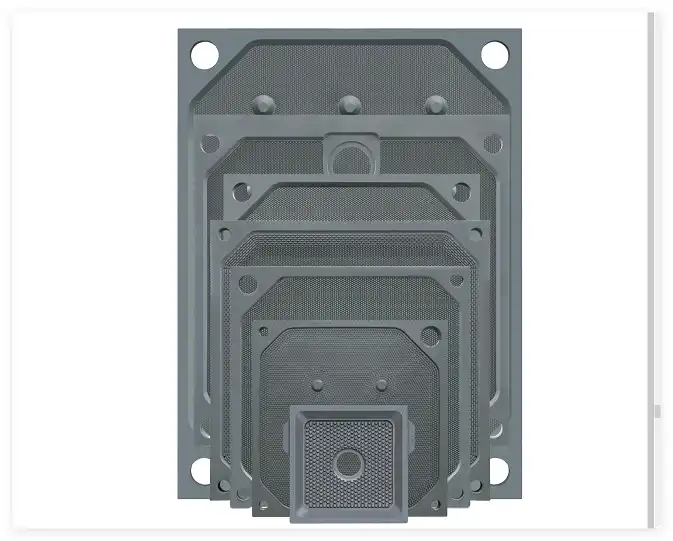
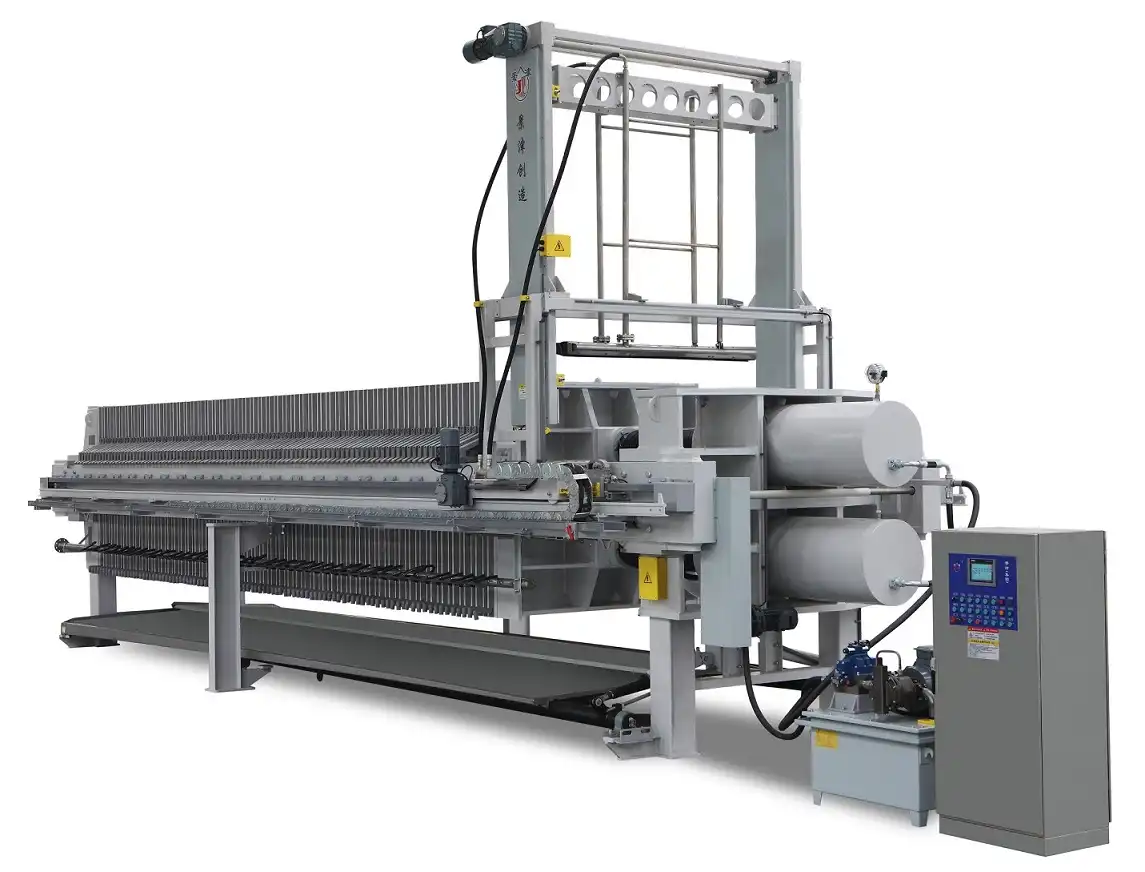
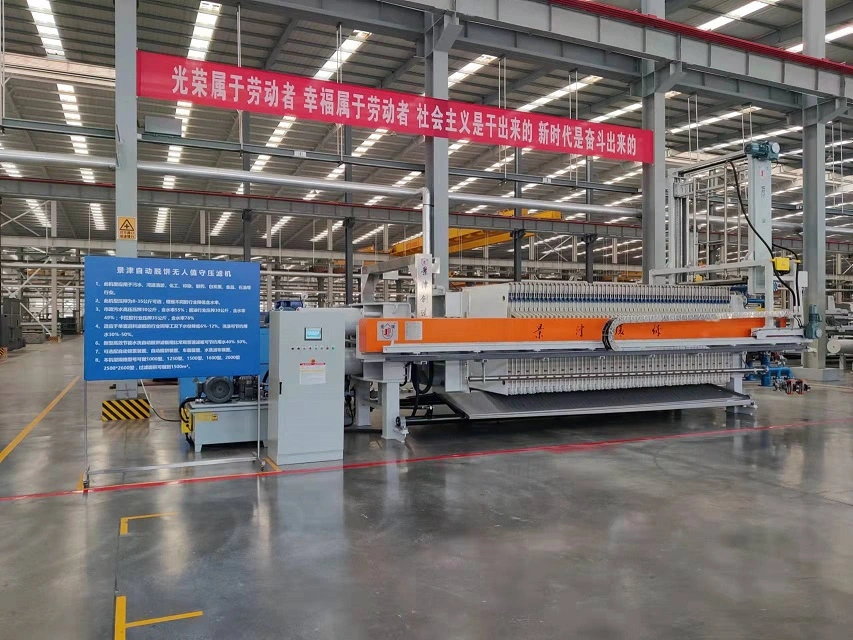
Modern industrial systems include several crucial aspects that work together to offer dependable, separate performance. Filter rooms use high-density reinforced polyethylene or other non-rusting materials. Drainage holes on these plates make it easy to remove fluids while holding the filter cloth. Important throwaway part: cloth. Polyester or PTFE-coated textiles are employed depending on how effectively they retain particles and work with chemicals.
Using the correct force, hydraulic-close systems seal the plate stack during the high-pressure filter cycle. Advanced systems use PLCs to move plates, release cakes, and wash cloths. The procedures are more consistent and labor-efficient. Filtration areas in industrial settings typically range from 10 m² for minor testing to over 500 m² for large mines and cities.
Types and Configuration Options
Press designs vary by operation and sludge. Recessed chamber presses make easy-to-release cakes because they are simple and dependable. After filtration, membrane filter presses apply extra pressure using inflated membranes. This reduces end moisture, which is good for biological sludge and compressible materials. Plate and frame designs are versatile for applications that need frequent fabric changes or varied waste kinds.
The size of the facility, personnel availability, and job volume determine whether to utilize manual, semi-automated, or completely automated methods. Manual arrangements are good for small organizations that process items occasionally. Fully automated systems with automatic plate shifters and bespoke cycles are suitable for daily processors.
Comparative Advantages in Industrial Applications
Pressure filtration using a filter press in wastewater treatment dries cakes and manages complicated waste streams better than centrifuges, vacuum filters, and belt presses. While centrifuges are ideal for continuous processing, they don't like abrasive materials and generate liquid cakes. Belt presses require equal input and pretreatment; hence, they can't be utilized in chemical manufacturing when waste is mixed. A vacuum screen can only process so many solids and uses more energy per unit.
These technological foundations allow procurement specialists to compare filtering choices based on their functioning aspects, waste characteristics, and performance targets rather than capital costs.
Selecting the Right Filter Press Solution for Industrial Wastewater Treatment
Consider flow, sludge characteristics, cake dryness, and space while choosing a system. You must also consider startup and operating expenditures. Systematic review ensures that the chosen equipment fits short-term working demands and long-term strategic goals.
Critical Selection Criteria
Throughput demands determine size variables by summing daily solid loads and available working hours. One-shift facilities need larger filtering surfaces to handle the same solids. How many cycles may be done in a day and how much filtering space is needed depend on the batch cycle duration, sludge filterability, and cake dryness.
Sludge particle size distribution, compressibility, and chemical composition determine plate materials, fabric options, and membrane technology's value. A standard chamber press may obtain 15% to 25% moisture from metal polishing or mining inorganic sludge. However, wastewater treatment plant biological sludge must be compressed via membranes to obtain 65% to 75% moisture. In hazardous or solvent-rich waste streams, chemical compatibility testing prevents items from breaking down prematurely.
The placement of equipment depends on floor space, overhead cake conveyor ceiling height, and feed and filter return pipe locations. Vertical plate stacking or multi-story installations may work better in small spaces, while longer horizontal designs that are easier to maintain can be employed in large spaces.
Financial and Strategic Considerations
The total cost of ownership analysis includes the original investment, installation, consumables, energy, labor, and maintenance during the equipment's expected 15–20-year life cycle. Manual methods are cheaper to set up but need more labor. Fully automated systems have lower operational expenses but cost more to set up and are more difficult.
The length of the project and your flexibility determine whether to buy or rent. Turnkey contracts that cover design, supply, installation, and testing make buying easier for companies without engineers, but typically cost more. Modular systems allow businesses to expand without making large expenditures.
Supplier Capabilities and Support Infrastructure
Leading worldwide providers deliver unique wastewater capabilities to industry. Companies with several fixed bases in specific sectors can provide tried-and-true designs and operational knowledge to reduce commissioning issues and improve performance. Evaluation of suppliers' technical help, replacement parts, and service network coverage ensures long-term operating reliability. It follows the first equipment purchase.
Knowing the trade-offs between conventional tools and unique solutions helps balance cost and company demands. Standard designs provide faster lead times and known performance. However, custom-engineered systems address waste kinds or interface issues that make off-the-shelf solutions impracticable.
Comprehensive Filter Press Wastewater Treatment Process Explained
The operating cycle includes feeding sludge, filtering under pressure, making a cake, and releasing the cake. The length of the cycle depends on the concentration of the feed and the state of the filter cloth. Understanding this cycle and how it fits into the overall operations of a treatment plant is important for controlling and improving the process.
Operational Cycle Stages
To start the cycle, hydraulic pressure is used to close the plate stack and make rooms that are completely sealed. Conditioned sludge is pumped into the tanks at a low starting pressure. It fills up the space available while drain holes let air and the first filtrate escape. As the tanks fill up and solids start to build up on the cloth surfaces, operators slowly raise the feed pressure to keep flow rates steady, since cake thickness makes it harder for fluids to pass through.
During the filtration phase, which can last anywhere from 20 to 90 minutes based on the type of sludge, workers keep an eye on the pressure and release flow rates to make sure the cake forms properly. When the filtrate flow slows down at the highest pressure, it means that cake formation is done. Then, membrane systems blow up internal bladders to apply the final squeezing pressure for another 10 to 30 minutes. This squeezes out any remaining liquid from the cake structure that can be compressed.
To start the discharge process, the system is depressurised, and the hydraulic ram is pulled back to separate the plates. Plate changers that are automated move through the stack and open chambers one at a time to drop cakes onto conveyor belts or collection hoppers. Cloth washing machines use high-pressure water to get rid of any solids that are still there. This keeps buildup from happening, which would make later rounds less effective. From closing to finishing, the whole process usually takes between 90 minutes and 4 hours, but this depends on the size of the system and the type of sludge.
Integration with Treatment Plant Operations
Upstream preparation for the filter press in wastewater treatment, such as adjusting the pH, chemical conditioning with polymer flocculants, and equalisation, makes sure that the feed properties stay the same, which improves press performance. When flocculation is done right, strong flocs are formed that quickly lose water and come off of cloth surfaces smoothly. This directly improves cake dryness and cycle efficiency. Automated chemical dosing systems adapt to changes in flow and material content, keeping the conditioning steady even when the influent conditions change.
The cleaning process is finished when the filtrate and cake are moved downstream. Filtrate usually goes back to the treatment plant's main part to be processed again, or it goes straight out if the quality meets the standards of the permit. How to get rid of or reuse a cake depends on the amount of contaminants in it and the rules in your area. Common ways are to spread it on land, burn it, or put it in a dump. When cakes are properly dewatered, they cost a lot less to ship and, in cases where they have to be thrown away, they directly lower running costs.
Regulatory Compliance and Environmental Benefits
By making sludge drier and lowering the amount that needs to be thrown away, these systems make it easier to follow strict environmental rules, which is in line with efforts to create a circular economy. Many places have minimum cake solids content requirements for landfills to accept materials. Materials that don't meet these requirements need to be processed more or pay fines. Getting the goal dryness by choosing the right tools and using them correctly keeps these problems from happening and lowers the damage that moving and getting rid of waste does to the environment.
Water recycling helps Zero Liquid Discharge methods, which are being required more and more in areas with limited water or at facilities that handle dangerous materials. Utilising high-clarity filtrate for process recovery lowers the amount of freshwater needed and the amount of wastewater that needs to be dumped, which is good for both the environment and the economy. The solid cakes that are made often meet the requirements for useful reuse, such as making cement, reclaiming land, or getting energy back by burning them. This keeps the waste out of landfills and helps with sustainable resource management.
Procurement Guide and Strategic Considerations for Industrial Clients
When buying systems, industrial clients need to carefully think about the size of their building, the type of sludge they have, and their income. They can choose to buy, rent, or sign a turnkey contract. By making a thorough procurement strategy, you can be sure that the option you choose will offer long-term value that is in line with your business goals.
Facilities should start by writing down the current situation, such as how much trash is being made, how much it costs to get rid of, and any problems that are happening with the current cleaning methods. This information makes the business case for investment and gives us a way to measure how well the system works after it's been installed. By hiring experienced process engineers to do treatability studies on real garbage streams, there is no more doubt about the right size of equipment or how well it will work, so there is less chance of over- or under-estimating capacity.
For long-term system performance and cost control, it's important to find legitimate replacement parts and make service deals. At first, counterfeit or mismatched parts may seem like a good deal, but they often fail early, cause unplanned downtime, and create potentially dangerous working conditions. Authorised parts that come with warranties from the maker make sure that the parts fit correctly, work with other materials, and work reliably. Service agreements that cover things like preventative repair, emergency response, and training for operators increase machinery uptime and make it last longer.
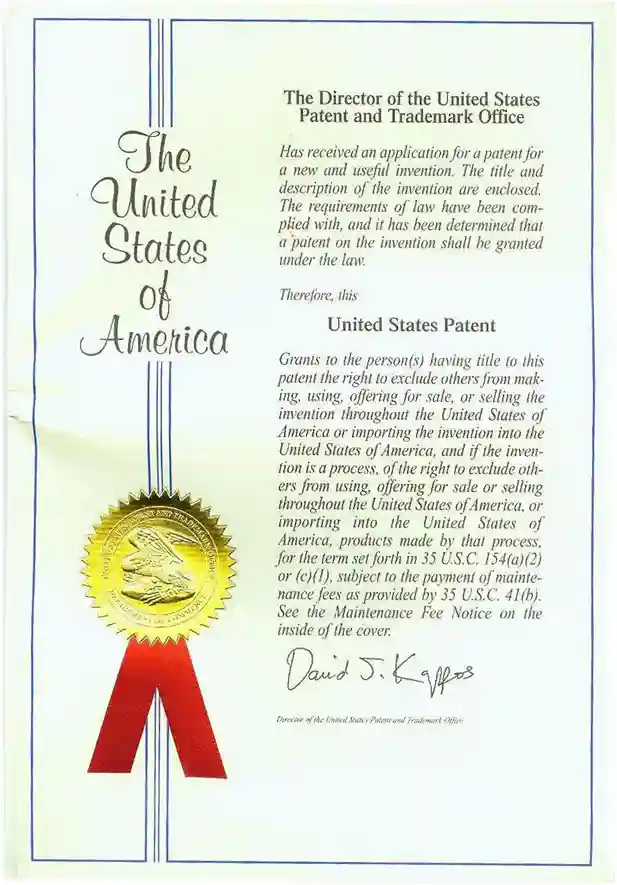
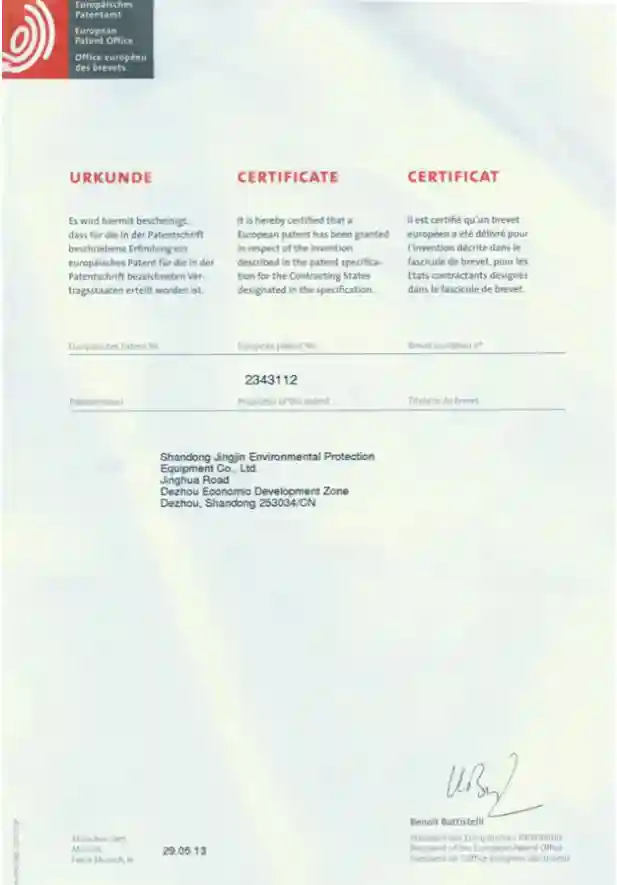
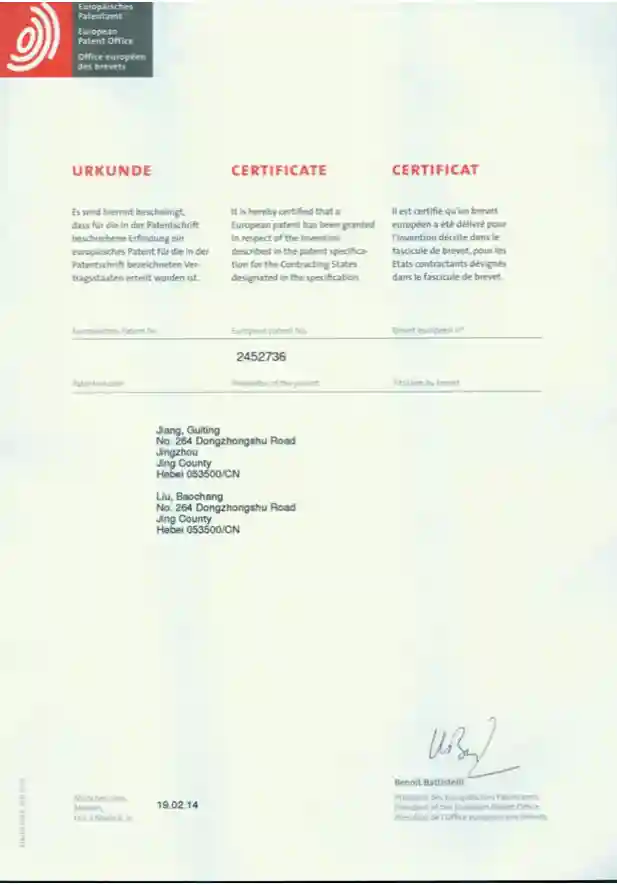
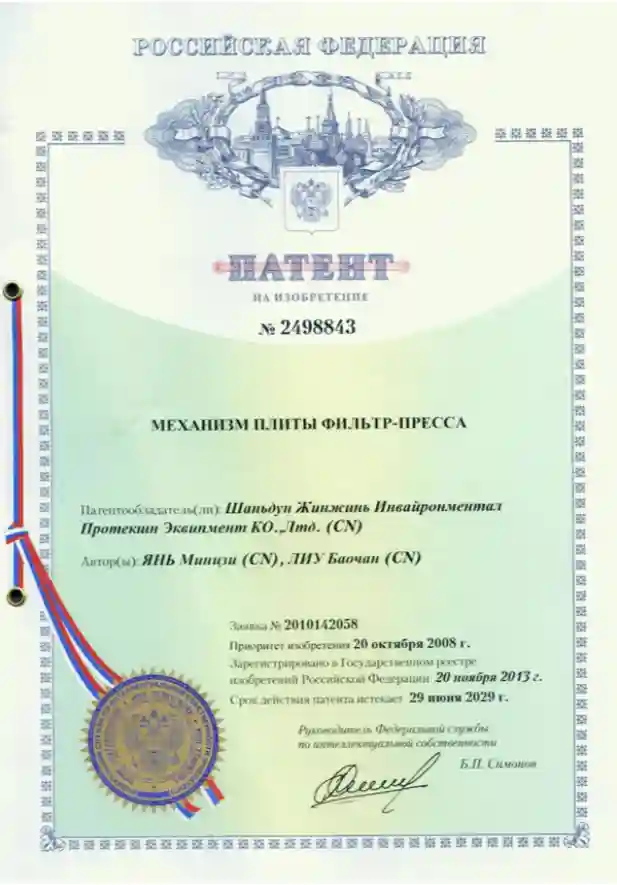
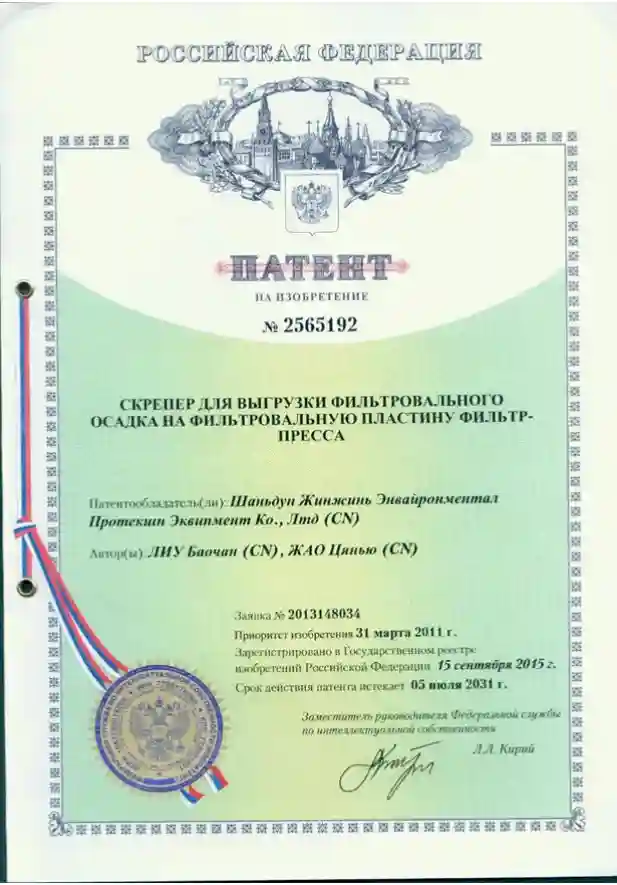
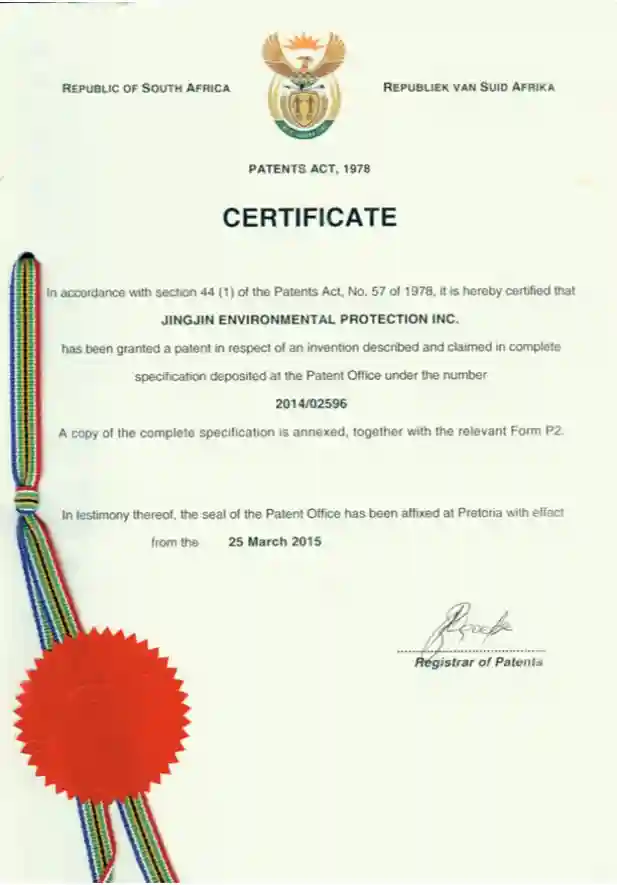
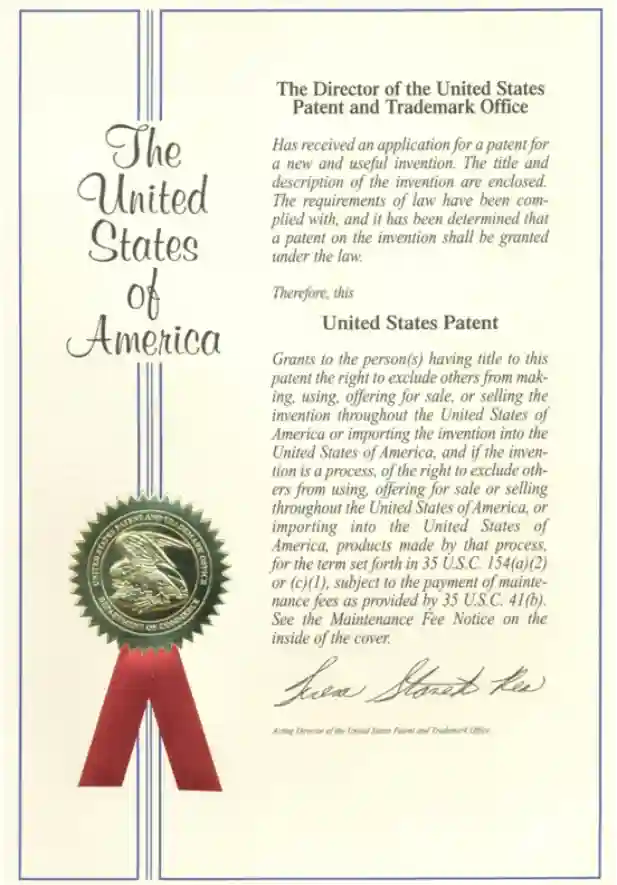
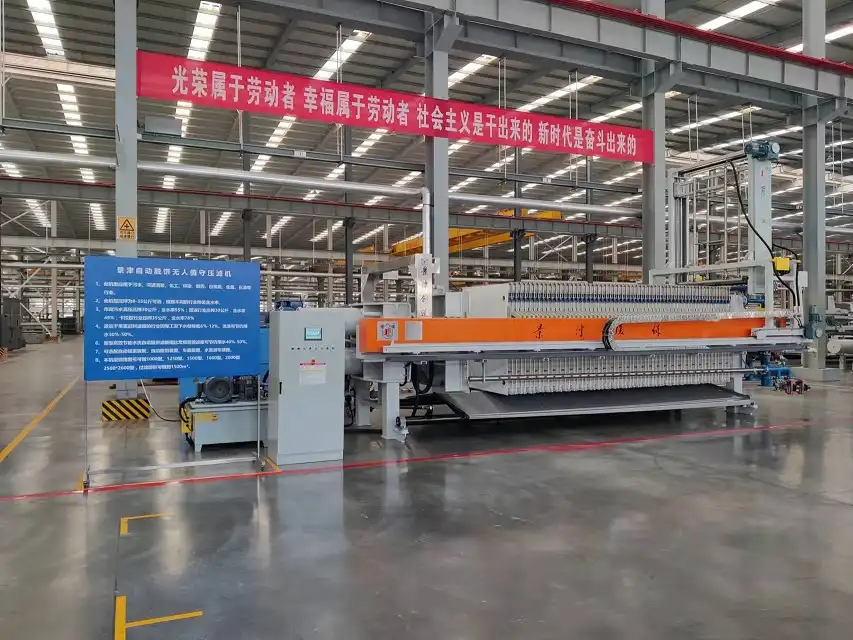
Jingjin Equipment Inc. has been solving industrial solid-liquid separation problems for more than 30 years, and their installations in 123 countries show that they can be trusted in tough situations. Our product line includes small manual systems for smaller businesses as well as fully automatic high-capacity systems that handle hundreds of cubic meters of material every day. We offer creative solutions that deal with the unique problems that come up with handling complex industrial waste streams. These include more than 136 patents for advanced plate designs, membrane technologies, and control systems.
Because we can make things, we can offer full systems for filter press in wastewater treatment that include plates, cloths, hydraulic parts, and control packages. This makes sure that everything works together smoothly and that there is only one source of responsibility. This all-around method makes buying easier and ensures long-term help for replacement parts and consumables. Technical teams work directly with clients to improve operational processes, fix performance issues, and make chemical conditioning programs work better. This helps with constant growth throughout the lifespan of the equipment.
Conclusion
Pressure filtration technology has been used successfully in many industrial settings where sludge dewatering and liquid clarification are needed. By knowing the operational principles, maintenance needs, and selection criteria, you can make smart purchasing choices that combine the need for capital investment with the need for long-term operational efficiency. Modern automatic systems get rid of the problems with labour and regularity that used to stop people from using them, and they also dry cakes better than other technologies.
Using these systems as part of complete cleaning plans helps the environment, lowers the cost of trash management, and makes it possible for long-term water reuse projects. As rules keep getting stricter and the cost of disposal goes up, businesses that invest in strong dewatering infrastructure will have practical and competitive benefits.
FAQ
Q1: What determines final moisture content in dewatered sludge?
Cake dryness is affected by many things, such as the type of sludge (inorganic or biological), how well the chemicals work, how much pressure is applied, and how the membranes are squeezed. Inorganic sludges from metal cleaning or mines usually have 15% to 25% moisture, but biological sludges have 55% to 75% moisture because their structure is very flexible and they have a lot of trapped water in them.
Q2: How do I properly size equipment for my facility?
The daily solid loads, which are given in kilos or pounds, the working hours that are available each day, and the cycle length that is wanted based on how well the sludge filters are used are used to figure out the size. Engineers figure out the right chamber volume and filter area to make sure the cake forms all the way without going over the size limit. Pilot tests with real trash streams give accurate information for final specs and get rid of any performance doubts.
Q3: Can systems operate fully automatically without operators?
Plate moving, discharge, cloth washing, and cycle scheduling are all fully automated in modern setups, which are run by PLC systems. However, most facilities have an operator watching over the release cycles. This is especially important when handling sticky biological sludges that sometimes need to be handled by hand. With remote tracking, you can keep an eye on things from a control room instead of having to be on-site all the time.
Q4: What causes leakage between plates during operation?
Leaks often happen because of dried cake debris on the sealing surfaces, not enough hydraulic closing pressure, or plates that have become twisted from heat stress. Most leaks can be avoided by regularly cleaning the sealing edges before closing. Making sure there is the right amount of hydraulic pressure during closing and keeping the temperature stable by controlling the feed heating will extend the life of the plate and keep the seal's integrity.
Partner with Jingjin for Advanced Filter Press Solutions
A company called Jingjin Equipment Inc. can help process engineers and procurement managers who are looking for a dependable filter press in wastewater treatment supplier. Our expert team works directly with clients to look at the specifics of their trash, suggest the best configurations, and offer ongoing support to make sure the operations run smoothly for a long time. We provide full services that include everything from designing the system to installing it, commissioning it, and maintaining it throughout its lifetime. Our services are backed by decades of industry leadership and world experience.
Jingjin has a wide range of products, such as new filter plates made to exact specifications, special filter cloths for chemical compatibility and particle retention, and original hydraulic parts that guarantee reliable performance. Our global service network responds quickly to technical questions and requests for parts, which helps keep operations running smoothly and reduces downtime. Get in touch with our applications engineering team at [email protected] to talk about your wastewater treatment problems and find out how our tried-and-true solutions can help you save money, be more efficient, and follow the rules.
References
1. Chen, G., Yue, P.L., and Mujumdar, A.S. "Sludge Dewatering and Drying." Drying Technology, vol. 20, no. 4-5, 2002, pp. 883-916.
2. Mahmoud, A., Olivier, J., Vaxelaire, J., and Hoadley, A.F.A. "Electrical Field: A Historical Review of Its Application and Contributions in Wastewater Sludge Dewatering." Water Research, vol. 44, no. 8, 2010, pp. 2381-2407.
3. Metcalf & Eddy, Inc., Tchobanoglous, G., Burton, F.L., and Stensel, H.D. Wastewater Engineering: Treatment and Reuse. 4th ed., McGraw-Hill, 2003.
4. Saveyn, H., De Meester, S., Pauwels, G., and Van der Meeren, P. "Bench- and Pilot-Scale Sludge Dewatering Trials: Achieving Optimal Conditioning." Water Science and Technology, vol. 54, no. 5, 2006, pp. 193-200.
5. U.S. Environmental Protection Agency. Biosolids Technology Fact Sheet: Use of Pressure Filtration Devices for Biosolids Dewatering. EPA 832-F-01-014, 2001.
6. Wakeman, R.J. and Tarleton, E.S. Solid/Liquid Separation: Principles of Industrial Filtration. Elsevier Advanced Technology, 2005.
jingjin
Founded in 1988, Jingjin specializes in filter presses and liquid-solid separation solutions, serving over 130 countries worldwide, and is a standard-setter in China's filter press industry.
Get the Filter Press guide
Enter Your Email for Technical assistance for the Filter Press.
Recommended Blog

Top Benefits of Using a Filter Press in Industrial Wastewater Filtration
China Filter Press Procurement Strategy for International Buyers

What Is a Filter Press Feed Pump Used For? Understanding Its Essential Role