Wastewater Filter Press vs. Centrifuge: Which Fits Your Plant?
Understanding Wastewater Dewatering Technologies
- Understanding Wastewater Dewatering Technologies
- Key Comparison Metrics: Filter Press vs. Centrifuge
- Which Technology Suits Your Plant? A Demand Matching Approach
- Maintenance, Troubleshooting, and Lifecycle Considerations
- Procurement Guide: Making the Right Purchase Decision
- Conclusion
- FAQ
- Partner with Jingjin for Your Dewatering Solutions
- References
When deciding between a wastewater filter press and a centrifuge, your choice fundamentally depends on your plant's operational priorities and sludge characteristics. A filter press excels at producing exceptionally dry cakes—often achieving 30% to 60% solids content—making it ideal for plants seeking maximum volume reduction and lower disposal costs. Centrifuges, on the other hand, provide continuous, high-throughput processing suited for operations prioritizing speed and automation over ultimate cake dryness. Both technologies serve essential roles in modern wastewater treatment, yet understanding your specific sludge composition, operational scale, and long-term cost structure determines which system truly fits your facility's needs.
Understanding Wastewater Dewatering Technologies
Dewatering technologies separate the sludge's liquid from its solid parts. This lowers its volume, making it easier to move, handle, and get rid of. The two main methods, mechanical compression and rotational separation, work in very different ways that determine how well they work and what kinds of tasks they can be used for.
How Filter Presses Achieve Solid-Liquid Separation
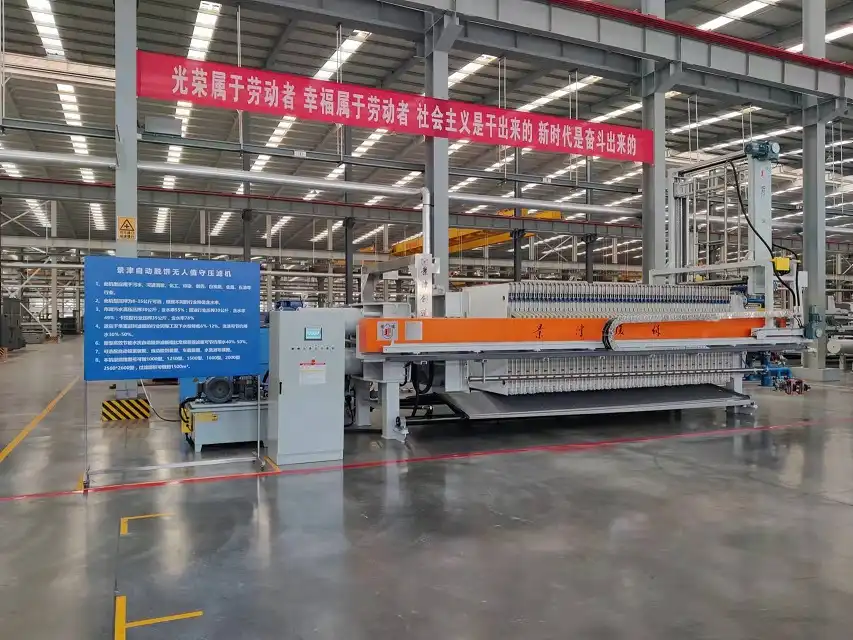
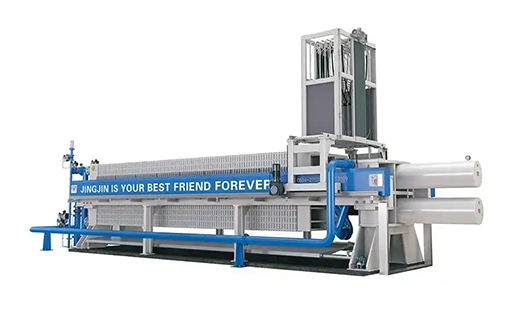
Several tanks situated back from the filter plates receive conditioned sludge to power a wastewater filter press. Hydraulic rams force sludge against filter cloths that hold particles in but allow water to drain through, delivering up to 25 MPa of closing pressure. Modern membrane squeeze systems inflate diaphragms within chambers to remove leftover water and dry the cake to 30%–60%, depending on the sludge. Plate shifters, cloth washing systems, and programmable logic controllers have simplified the batch process and made it usable in many industrial settings.
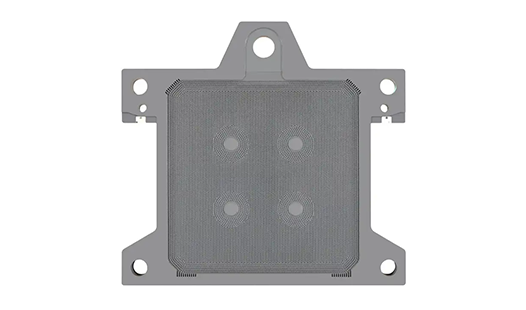
Wastewater filter presses employ chemical-resistant reinforced high-density polypropylene plates that function effectively at pH ranges 1–14. They can handle acidic electroplating waste and alkaline mining slurries. Filtration areas vary from 1 m² for testing to 1,000 m² for handling hundreds of tonnes of dry solids daily.
Centrifuge Principles and Operational Dynamics
Decanter and disc stack centrifuges generate thousands of times more centrifugal force than gravity. These pressures swiftly separate materials by density. A screw conveyor moves particles that fall to outlet holes as decanters spin a flat bowl swiftly. Many tasks may be completed without user intervention with this continuous-feed architecture. Centrifuges are suitable for enterprises that change sludge streams or operate 24/7 without pauses.
Centrifuges produce wetter cakes with 15%–25% solids than filter presses. This requires greater waste disposal, which costs more. They need more complicated repairs because bearings, seals, and dynamic balancing need additional attention to avoid catastrophic failure. Bowl sizes, spinning rates, and sludge kinds utilise varied amounts of energy. Per tonne of dry solids, centrifuges need more power than filter presses.
Key Comparison Metrics: Filter Press vs. Centrifuge
When deciding between these technologies, you need to look at a lot of different performance factors that have a direct effect on business efficiency and lifetime costs. We looked at the most important comparison measures to help you make your decision.
Dewatering Efficiency and Cake Dryness
Cake dryness increases waste and disposal costs, making it the most significant success indicator. In this size range, filter presses always outperform centrifuges. A wastewater filter press might have 30% to 60% solids, depending on the sludge and treatment. Biological municipal sludge has 25%–35% solids, whereas inorganic mining slurries contain the most. Using membrane squeeze systems and air-blowing technologies may further reduce moisture content, reducing waste and burning.
High-performance centrifuges with proper polymer dosing may create cakes with 30% solids. For locations with vast volumes of sludge, cleaner cakes imply fewer truckloads, reduced tipping fees, and a decreased environmental impact, which affects disposal costs.
Operational Costs and Energy Consumption
The ways technology consumes energy vary greatly. Filter presses consume less power during hydraulic compression and plate moving. Handling one tonne of dry solids uses 10 to 25 kWh. Centrifuges typically utilise 25 to 50 kWh per tonne of sludge; however, this might vary by model, capacity, and kind.
Labour affects total operating expenses. Modern automated filter presses eliminate handwork, but workers must still check the cake discharge and wash the cloths. Centrifuges can operate practically constantly without human assistance, but they require stricter maintenance routines to monitor for vibrations, lubricate bearings, and examine seals. To calculate total cost of ownership, facilities must incorporate energy, labour, consumables like filter cloths and polymer flocculants, and maintenance breaks. Plant size and operating hours affect these expenses.
Footprint, Capacity, and Installation Flexibility
Plant layout depends on size and integration difficulty. Although filter presses don't take up much floor area, they require room to open the plates and empty the cake, particularly when operated manually or partly mechanically. Facilities with limited space benefit from centrifuges' thinner vertical profile. They may require substantial supports for vibrations and dynamic loads.
Capacity flexibility makes filter presses ideal for batch operations since plates may progressively increase filtering area. Centrifuges are suitable for continuous sludge processing. They don't allow capacity changes as easily. Plants with seasonal or production-related flow fluctuations may respond to shifting demand by operating partial cycles when volume is low.
Which Technology Suits Your Plant? A Demand Matching Approach
To find the right dewatering technology for your building using a wastewater filter press, you need to look at the characteristics of the sludge, your business priorities, and your long-term strategy goals. There are specific problems that one technology is better at solving than the other in different fields and uses.
Municipal and Industrial Wastewater Treatment Facilities
Municipal wastewater treatment facilities struggle to dewater biological sludge from activated sludge or anaerobic digestion. The organic and microbiological nature of biological sludge makes it easier to crush and retain water, making cakes difficult to dry. A wastewater treatment sludge filter press using membrane squeeze technology may fix these issues. This makes cakes dry enough to compost, dry at high temperatures, or burn, lowering dumping costs and meeting regulatory requirements.
Industrial wastewater treatment facilities that create food, pharmaceuticals, or chemicals commonly deal with sludges of various constituents and pollution levels. Polypropylene or PVDF filter presses can withstand severe chemicals. Adjust plate configurations for solids concentrations and batch sizes. While centrifuges are preferable for continual operation, the wetter cake may need more drying or greater disposal expenses.
Mining, Mineral Processing, and Tailings Management
Mining firms require big, rugged drainage systems for slurries and tailings. These harsh circumstances are ideal for filter presses, which produce dry cakes that can be stacked and reuse water. This eliminates wet tailings dam environmental issues. Jingjin's filtering systems function in mines on six continents. They can handle abrasive particles because of heavy-duty hydraulic stations, strengthened plates, and automated cloth cleaning.
Reusing process water in inorganic slurries with cake dryness > 50% reduces freshwater and operating expenses for mining businesses. Centrifuges may help miners separate tiny particles into groups. But filter presses are still the best option to remove water since they recover more solids and leave less water.
Chemical, Pharmaceutical, and Fine Chemical Manufacturing
Chemical and pharmaceutical factories that process colours, paints, resins, and active medicinal compounds must separate and recover a lot of product without contamination. Filter presses can manufacture consistent cakes, properly handle hazardous chemicals, and change products regularly; therefore, these businesses favour them. Closed-system designs comply with rigorous safety and regulatory criteria by protecting workers and the environment.
When dealing with acidic or caustic sludges, rust-resistant construction and specific materials and coatings may extend equipment life and improve performance. Centrifuges function well for continuous large-volume chemical operations, but sticky sludges make cake release difficult. Leading manufacturers allow you to customise solutions for your process chemistry and operational procedures.
Construction, Tunneling, and Aggregate Processing
Construction, tunnelling, and sand or aggregate processing generate massive volumes of slurry and wastewater that must be dewatered on-site. Mobile or containerised filter press systems may be put up in distant regions to treat mud and silt without building new infrastructure. These solutions are more environmentally friendly, simpler to reuse water, and comply with construction site discharge laws.
Centrifuges are utilised in large-scale construction projects, but they're hard to maintain and sensitive to feed changes, making them unsuitable for temporary or rugged outdoor situations. Designing filter presses for construction applications prioritises durability, mobility, and simplicity of use to satisfy project-based objectives.
Maintenance, Troubleshooting, and Lifecycle Considerations
Maintaining the performance of dewatering equipment over many decades of use requires proactive maintenance, quick troubleshooting, and dependable support from the supplier. Total cost of ownership estimates and buying choices are based on knowing how much upkeep is needed and how things usually break down.
Routine Maintenance and Common Issues in Filter Presses
A wastewater filter press needs regular care for a few important parts. Filter cloths are the main item that needs to be replaced. They usually last between 1,500 and 3,000 cycles, based on how rough the sludge is and how often they are washed. Operators should keep an eye on the clarity of the filtrate; sudden rises in turbidity mean that the cloth is blinding or tearing and needs to be replaced. Seals, pipes, and the performance of the pump must be checked on a regular basis in hydraulic systems. It is very important to keep the closing pressure at the right level to avoid plate leaks.
Leaks between plates are one of the most common problems during operation. Lack of hydraulic pressure, sealing surfaces that are dirty or broken, wrinkled cloths, or plates that are twisted from heat shock are some of the things that can cause this. Most leakage issues can be fixed by regularly power-washing the edges of plates that seal and making sure that the closing pressure stays the same. Membrane squeeze systems are more complicated because the diaphragm and inflation valves need to be checked on a regular basis. However, the big increase in cake dryness is worth the extra work.
Jingjin's modular design philosophy makes it easier to replace spare parts. Standardized parts and detailed documentation also speed up the recovery time after downtime. Our global service network offers quick expert help, so problems with operations can be fixed quickly no matter where the installation is located.
Centrifuge Preventive Maintenance and Failure Prevention
Centrifuges have more complex mechanical systems with moving parts that are under a lot of stress and need regular maintenance to keep them working well, unlike filter press manufacturers' equipment, which has fewer moving components. Bearing and seal inspections done at the manufacturer-recommended intervals stop catastrophic failures before they happen, and vibration monitoring systems let you know right away if there is an imbalance or wear. Bowl balance has to be kept within very small ranges of error, because even small changes can speed up component wear and even cause the structure to fail.
To make sure that the flocculation and solids capture work perfectly, the polymer dosing systems that are an important part of centrifuges need to be calibrated and maintained. When scroll conveyors are worn or broken, they don't release solids as efficiently, which causes waste and problems with operations. When it comes to maintenance, centrifuges are more difficult to fix than filter presses because they need specialized training and diagnostic tools to keep working at their best.
When buying a centrifuge, the dependability of the supplier and the help provided after the sale become very important. Access to factory-trained techs, real spare parts, and online diagnostic tools reduces unexpected downtime and increases the lifespan of equipment, protecting the large capital investment that centrifuges represent.
Procurement Guide: Making the Right Purchase Decision
Procurement that works well weighs up initial capital costs against long-term practical economics, supplier skills, and strategy alignment with plant goals. We suggest an organized review method that takes into account the following factors.
Cost Analysis: Capital, Operating, and Total Cost of Ownership
Filter presses usually require less money to buy up front than centrifuges of the same capacity, especially for smaller installations. Facilities that are careful with their budgets like this lower entry barrier, but a full cost study must take into account the costs of running the equipment over its lifetime. Costs of work, consumables like filter cloths and flocculants, energy use, and upkeep are all parts of the total cost of ownership.
Centrifuges need more money up front, but they may save you money in the long run if you use them for continuous high-volume tasks and their higher output more than makes up for their higher energy and maintenance costs. For plants that deal with a lot of sludge, disposal costs, which are based on how dry the cake is, often determine the lifetime economics. To find the most cost-effective solution, facilities should model the total cost of different realistic scenarios, taking into account the types of sludge they have, how often they need to dispose of it, and their operating hours.
Supplier Evaluation: Certifications, Customization, and Support
Choosing a supplier with a good reputation and a track record of success in your industry will protect your investment and ensure long-term operational success. When choosing a maker, look at their quality certifications, like ISO 9001, their pressure vessel certifications, like CE or ASME, and how much experience they have in the product you need. Customization is very important because off-the-shelf options don't always perfectly meet the needs of a specific business.
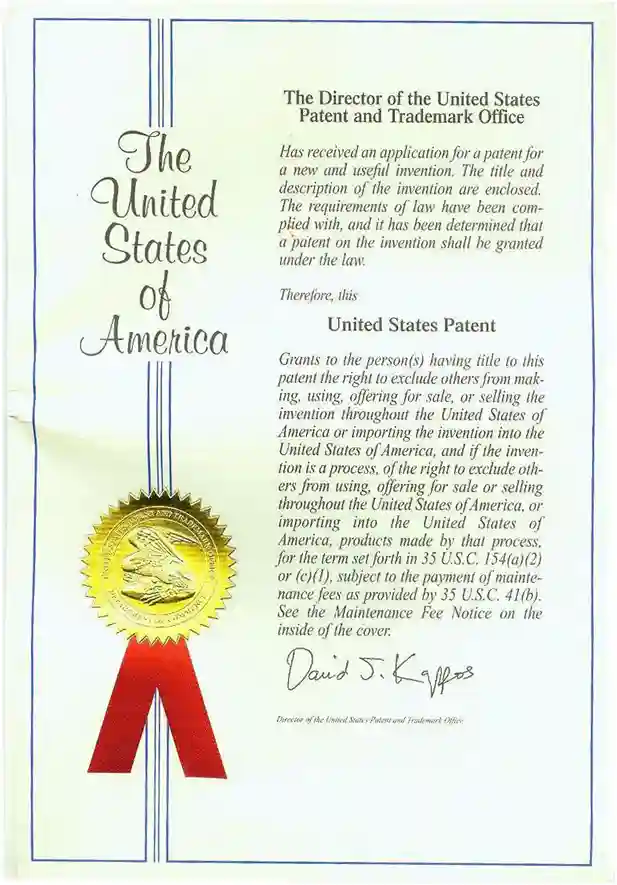
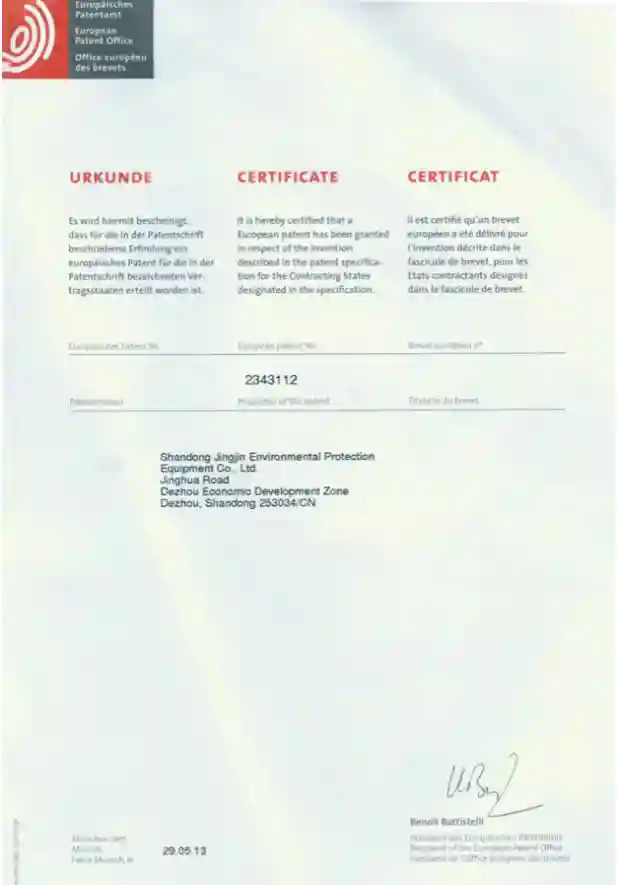
Since its founding in 1988, Jingjin Equipment Inc. has grown to become one of the biggest companies in the world that makes filter presses. It has over 136 patents and can make a lot of them. Our full ecosystem includes filter plates, cloths, and engineering services. We offer turnkey solutions that have been tested and proven to work in harsh industrial settings for decades. Check the warranty terms, availability of spare parts, responsiveness of technical support, and installation or commissioning services of potential suppliers. These are all very important factors that have a big impact on operational continuity and the total ownership experience.
Strategic Considerations: Scalability, Automation, and Future-Proofing
Modern dewatering systems use technology and digital tracking more and more, which makes them more efficient and less reliant on human work. Traditional machines are turned into smart assets that are connected to control systems across the whole plant with programmable logic controllers, remote tracking interfaces, and predictive repair algorithms. When buying new equipment, you should think about how well it will work with your current infrastructure and whether it will be possible to add more capacity in the future without having to spend a lot of money again.
Filter presses can be made bigger by adding more plates, but centrifuges need to have the whole unit replaced to make it bigger. Technologies that allow for gradual expansion are helpful for plants that are expecting to grow or that don't know how much demand will be in the future. There are different levels of automation, from cycles that are operated by hand to ones that run completely on their own. The level of automation should match your facility's technical skills and available labor to make sure that it works well and is fully utilized.
Conclusion
Ultimately, the choice between a wastewater filter press and a centrifuge depends on the operational priorities, sludge characteristics, and long-term strategic goals of your plant. Filter presses are great for places that want to reduce the cost of waste while still getting good results because they dry cakes faster, require less capital, and have been used reliably in many different industries. Centrifuges work best in situations with high turnover that don't care about how dry the cake is at the end. Procurement managers and engineers can safely choose equipment that maximizes plant efficiency, meets regulatory requirements, and provides long-term value over decades of operation by carefully examining performance measures, maintenance needs, and total cost of ownership.
FAQ
1. How can I further reduce moisture content in the filter cake?
Implementing a membrane squeezing system along with an air-blowing cycle drives down residual moisture significantly compared to standard chamber plates. These high-tech features raise the cost of the equipment but save a lot of money on disposal costs when dealing with large sludge streams.
2. What causes leakage between plates in a wastewater filter press?
Leaks usually happen when there isn't enough hydraulic clamping pressure, when filter cloths are wrinkled or not installed properly, or when solids build up on the plate closing surfaces. Most leakage problems can be fixed by cleaning regularly, checking the pressure, and putting the cloth on correctly.
3. How often should filter cloths be replaced?
Depending on how rough the sludge is and how often the cloths are washed, they can last anywhere from 1,500 to 3,000 cycles in a normal wastewater application. By keeping an eye on the clarity of the filtrate and the wetness of the cake, you can tell when the cloths need to be replaced before their performance starts to suffer.
Partner with Jingjin for Your Dewatering Solutions
Jingjin Equipment Inc. has been in the filtration business for more than 35 years and has helped businesses in 123 countries. Our wastewater filter press systems use patented technology, construction that doesn't rust, and automated operation to make sure the cake is dry and reliable in mining, municipal, chemical, and construction settings. As a top maker of filter presses, we offer full customization, global supply of spare parts, and quick technical support to make sure your dewatering operations are as efficient and legal as possible. Talk to our technical team at [email protected] about the properties of your sludge and your operational needs. They can show you how Jingjin's advanced filtration solutions can lower your disposal costs, boost plant throughput, and help you manage wastewater in a way that is sustainable for decades to come.
References
1. Water Environment Federation. (2019). Design of Municipal Wastewater Treatment Plants: WEF Manual of Practice No. 8. McGraw-Hill Education.
2. Sutherland, K. (2008). Filters and Filtration Handbook (5th ed.). Elsevier Science & Technology.
3. Cheremisinoff, N. P. (2001). Handbook of Water and Wastewater Treatment Technologies. Butterworth-Heinemann.
4. Mukherjee, S., & Kumar, S. (2018). Wastewater Treatment: Advanced Processes and Technologies. CRC Press.
5. American Water Works Association. (2016). Water Treatment Plant Design (5th ed.). McGraw-Hill Education.
6. Eckenfelder, W. W., & Grau, P. (2020). Activated Sludge Process Design and Control: Theory and Practice (2nd ed.). CRC Press.
jingjin
Founded in 1988, Jingjin specializes in filter presses and liquid-solid separation solutions, serving over 130 countries worldwide, and is a standard-setter in China's filter press industry.
Get the Filter Press guide
Enter Your Email for Technical assistance for the Filter Press.
Recommended Blog
Understanding Jingjin Filter Press Parts and Accessories: What You Need to Know
Customized Multi Disk Screw Press Solutions for Specific Sludge Processing Needs
China Filter Press Equipment Pricing for Industrial Buyers
Top 5 High Capacity Press Filters for Efficient Sludge Dewatering
Screw Dewatering Machine Cost from China for Asia Importers