China Screw Dewatering Machines for Asia Infrastructure Projects
Understanding Screw Dewatering Machines in Infrastructure Projects
- Understanding Screw Dewatering Machines in Infrastructure Projects
- Evaluating China Screw Dewatering Machines: Why Choose Chinese Manufacturers?
- Technical Insights: Key Parameters and Maintenance for Optimal Performance
- Comparing Screw Dewatering Machines with Other Sludge Dewatering Solutions
- Procurement Guide for B2B Clients: Buying China Screw Dewatering Machines
- Conclusion
- FAQ
- Contact Jingjin for Expert Screw Dewatering Solutions
- References
As Asia's building projects grow quickly, they are under more and more pressure to handle wastewater and sludge properly while also following strict environmental rules. Screw dewatering machines are now necessary to deal with these problems because they efficiently separate solids from liquids in a wide range of settings, from treating wastewater for cities to mining activities. China's manufacturing sector has become the main source for these important systems, offering both advanced technical skills and low prices to help infrastructure builders all over the region. Our in-depth study looks at the technological benefits, purchasing factors, and strategic advantages that make dewatering equipment made in China the best choice for procurement managers, process engineers, and project directors working on large-scale infrastructure development projects across Asia.
Understanding Screw Dewatering Machines in Infrastructure Projects
Modern infrastructure projects create large amounts of sludge and wastewater that need to be processed quickly in order to meet environmental standards and practical efficiency goals. Through a complex system of rotating spiral shafts that compress and move sludge through increasingly smaller spaces, screw dewatering technology effectively squeezes out moisture while keeping the machine running continuously.
Fundamental Working Principles and Components
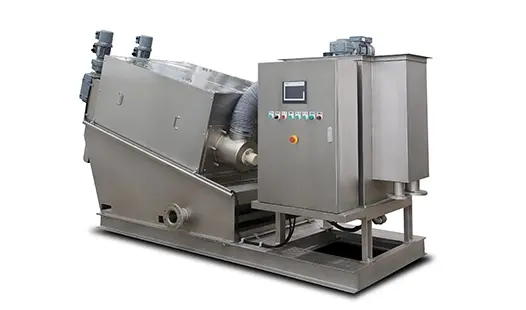
A helical screw conveyor system in a screw dewatering machine moves materials through a perforated cylinder or screen unit. This is how it works at its core. As sludge moves into the feed zone, the rotating screw moves it toward the outlet end while increasing the pressure of the compression. This mechanical action pushes liquid through the screen holes while keeping the solid particles in place. This lowers the moisture level from 95–98% water content at the input to 70–80% water content at the cake output.
The main screw shaft with variable pitch helical flights, perforated cylindrical screens with precise opening sizes, drive mechanisms with variable speed controls, and automated monitoring systems that change working parameters based on feed characteristics are some of the most important parts of the system. Modern models have more than one compression zone with different screen arrangements to get the best draining results with different types and amounts of sludge.
Primary Applications in Infrastructure Development
These systems are used a lot in infrastructure projects all over Asia for local sewage treatment plants. They keep the sludge dry, which lowers the amount of waste that needs to be thrown away and the cost of transporting it. Portable dewatering units are used in construction and tunneling to handle excavation slurry and make sure that the area meets environmental discharge standards.
Large-scale systems are used in mining and mineral processing facilities to deal with tailings and concentrate dewatering. These systems restore valuable process water and make stable waste materials that can be thrown away or used for further processing. Chemical manufacturing, food processing, and pharmaceutical production are all areas that use industrial wastewater treatment. Specialized setups that are resistant to corrosion are used to handle materials that are aggressive or sensitive and need precise contamination control.
Machine Configurations and Operational Variations
For standard municipal and commercial uses, single-screw configurations are simple and cost-effective. On the other hand, twin-screw designs offer more capacity and better dewatering performance for high-volume operations. Portable units on skids or trailers are used for short-term construction projects and emergencies. Fixed installations, on the other hand, are built into permanent treatment facilities and have automated control systems and the ability to watch patients from afar.
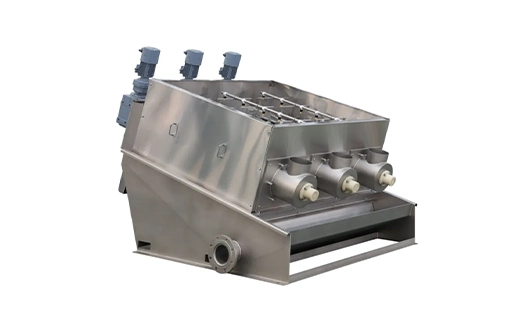
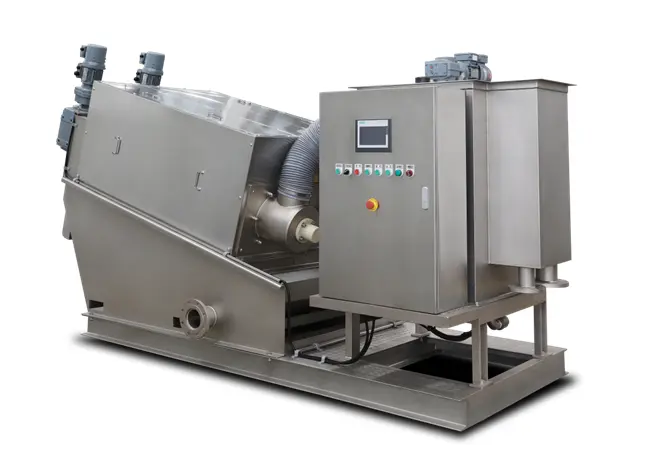
Multi-disk screw press technology in the screw dewatering machine is an advanced development that combines rotating screws with fixed disks to make more compression zones that are better at getting rid of moisture. Through adjustable screw and disk configurations, these systems can handle feed materials with different densities and levels of moisture. This gives you exact control over the compression process for the best separation results.
Evaluating China Screw Dewatering Machines: Why Choose Chinese Manufacturers?
China has become the world leader in making dewatering equipment by putting a lot of money into research and development, building up its manufacturing skills, and setting up strict quality control systems. Chinese manufacturers are the first choice for building projects all over Asia and beyond because their prices are low, their products are reliable, and they are always coming up with new technologies.
Manufacturing Excellence and Quality Standards
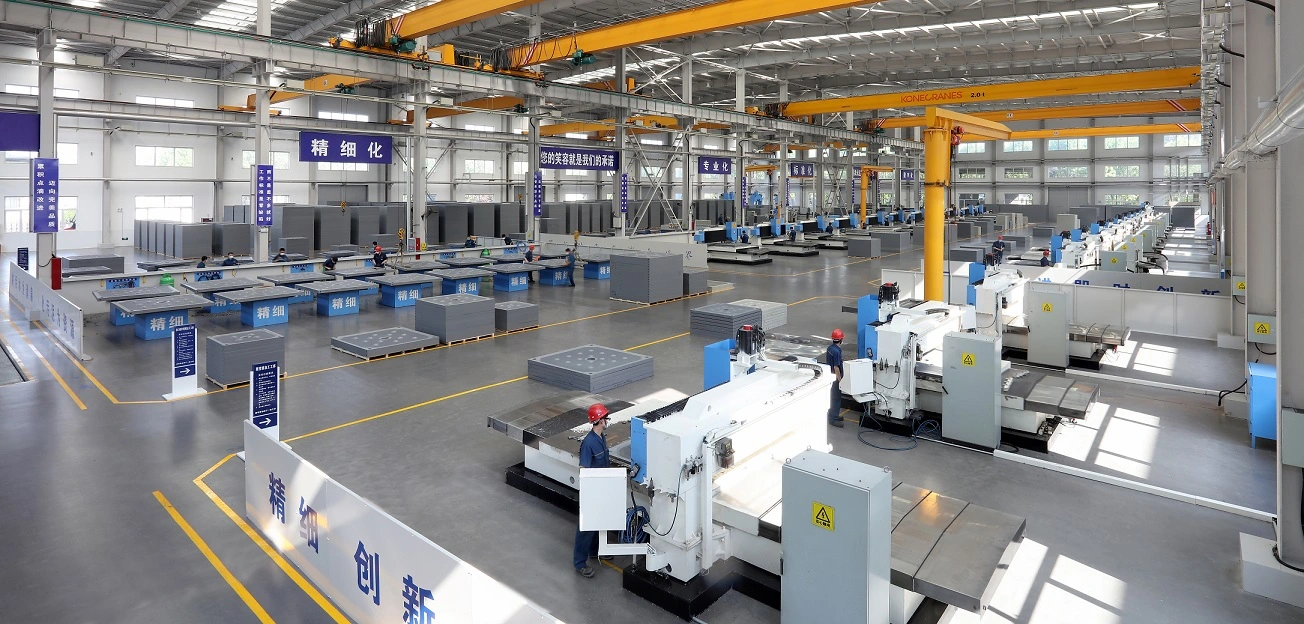
International certification standards have been met by Chinese manufacturers, such as ISO 9001 quality control systems, CE compliance for European markets, and industry-specific certifications for safety and environmental performance. Advanced machining centers, automatic welding systems, and precise assembly methods are used in factories to make sure that the quality of parts is always the same and that the machines work properly.
Inspection of incoming materials, monitoring of work in progress, and full final testing that confirms operational parameters, safety systems, and performance specifications are all part of quality control procedures. Before going into mass production, many companies keep testing sites where prototype machines are put through long runs with different kinds of sludge to make sure the design parameters are correct and the performance is at its best.
Innovation and Technological Advancement
Chinese makers work closely with engineering firms and research centers around the world to create cutting-edge dewatering technologies that meet the changing needs of the industry. New developments include better automation systems that can predict when maintenance needs to be done, better materials that don't rust in harsh chemical environments, and modular designs that make installation and maintenance easier in tough working environments.
By improving energy economy in screw dewatering machines through better screw geometries and variable-frequency drive systems, costs can be kept low while dewatering performance stays high. IoT sensors and cloud-based analytics are used together in smart tracking systems to improve performance in real time and allow remote troubleshooting that cuts down on downtime and maintenance needs.
Supplier Selection Criteria and Evaluation Framework
For procurement to go smoothly, possible suppliers must be carefully evaluated based on their production capacity, technical skills, and long-term support infrastructure. To make sure suppliers can meet project deadlines and scaling needs without lowering quality standards, a manufacturing capacity review should look at the size of the facility, the types of equipment that can be used, and the amount of work that is done each year.
Technical evaluation includes design skills, experience with customization, and testing facilities that show the ability to change standard goods to fit specific needs. The availability of spare parts, technical service networks, and training programs, along with the infrastructure for after-sales assistance, have a big effect on the long-term success of operations and the total cost of ownership.
Technical Insights: Key Parameters and Maintenance for Optimal Performance
To properly set up screw dewatering systems, you need to know a lot of important technical details and practical needs that have a direct effect on how well they work. Using the right sizes, installing them correctly, and keeping them in good shape are all important parts of making sure that the drainage system works well and without any problems.
Essential Technical Specifications and Sizing Considerations
Different types of infrastructure have very different needs when it comes to capacity. These needs are based on sludge flow rates, moisture content goals, and operating schedules. The processing capacity is based on the screw's diameter and length. Larger units can handle more materials, but they need more power and installation space.
Feed characteristics, such as particle size distribution, chemical makeup, and temperature, affect the choice of tools and how it works. Modern systems can handle sludge concentrations of 0.2% to 2% solids content at the inlet. They get the end cake moisture level below 80% by using the best compression and screen arrangements.
Variable-speed drives, torque monitoring systems, and automated chemical dosing in screw dewatering machines are some of the automation features that change the operational settings based on the changing feed conditions. Advanced control systems use many monitors to keep an eye on pressure, flow rate, and moisture levels so that the system always works at its best and equipment doesn't get damaged by overloading.
Maintenance Protocols and Performance Optimization
Schedules for preventive maintenance include checking drive systems every day, cleaning screen assemblies once a week, and lubricating bearing assemblies once a month to stop early wear and operational breakdowns. Monitoring trends of power use regularly can help find mechanical problems early on, before they cause expensive downtime or damage to parts.
Screen cleaning methods change depending on the type of sludge and how often the screen is used. For example, some apps need to be cleaned every day, while others can go for weeks without needing to be cleaned. Screen efficiency is maintained by automated cleaning systems that use little water. This cuts down on the need for manual work and operational interruptions.
Spare parts management plans should keep important parts like screen assemblies, bearing sets, and drive parts in good shape so that there is as little downtime as possible during planned repair or when something breaks unexpectedly. By building relationships with local service providers who know how to fix certain types of equipment, you can be sure that you will get technical help and replacement parts quickly when you need them.
Comparing Screw Dewatering Machines with Other Sludge Dewatering Solutions
Infrastructure project managers have to look at a number of different dewatering technologies in order to find the best ones that meet performance needs while also being cost-effective and working within practical limits. Different technologies have different pros and cons that make them better or worse for different uses and working conditions.
Performance Analysis Across Dewatering Technologies
When it comes to dewatering well-conditioned sludge, belt filter presses work very well, but they need a lot of preparation work and use a lot of wash water. Centrifugal systems can process things quickly and take up little space, but they use more energy and are harder to maintain because their parts rotate at high speeds.
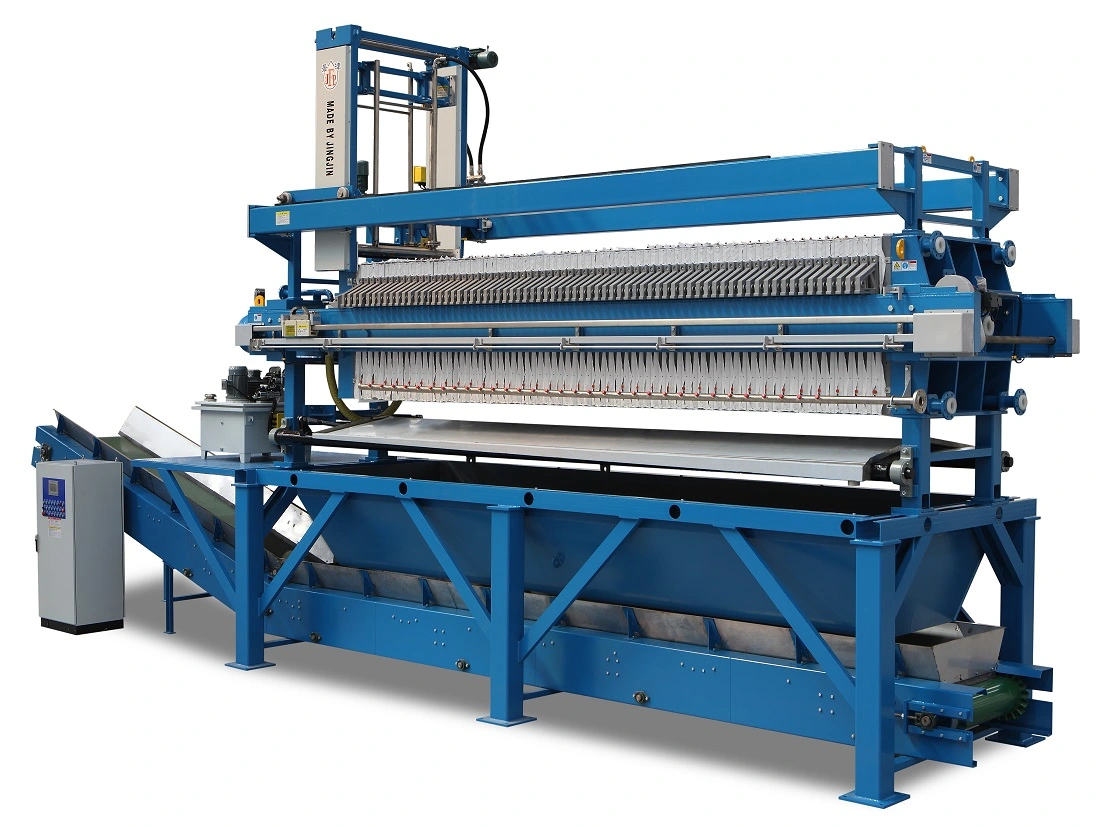
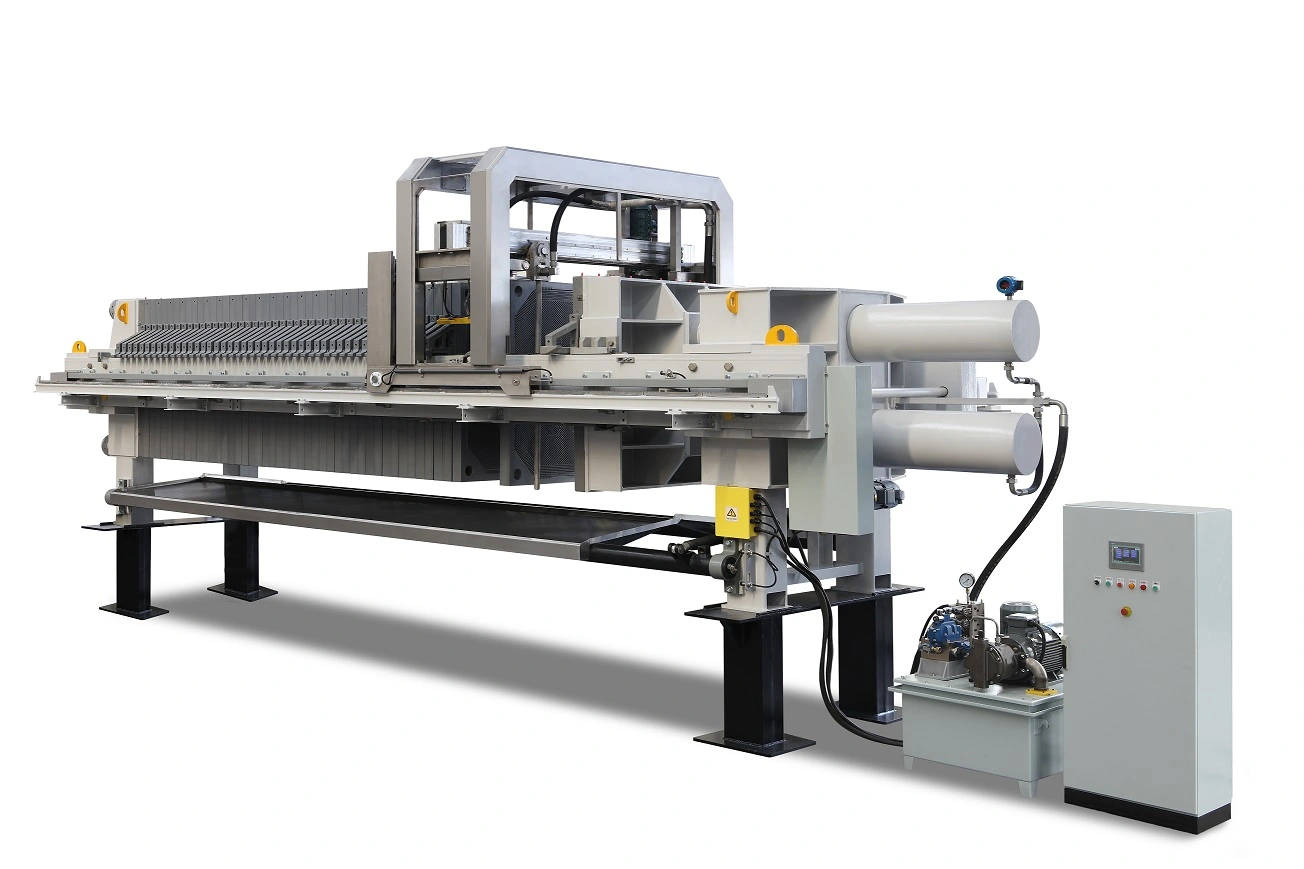
Filter presses are better at getting rid of water from sludge that is hard to dewater, but they only work in batch mode, which means they can only handle a smaller amount of work at a time and need more people to clean and maintain the plates. Screw dewatering devices can work continuously with little input from the operator and remove water consistently, even when the feed conditions change.
Operational Efficiency and Cost Considerations
A study of energy use shows that screw dewatering machine systems usually need 50–70% less power than centrifugal systems to do the same amount of dewatering work. Cleaning and running the system uses less than 1% of the volume of processed sludge in water. This lowers energy costs and makes managing discharge easier compared to belt press systems.
Screw technology is better for maintenance because it has lower rotational speeds, parts that wear out less quickly, and easier entry for regular service tasks. Labor costs stay low because the system can be run automatically and only needs to be maintained rarely, unlike batch-operated filter press systems that need constant human attention.
When building infrastructure in cities, where land costs a lot, the space economy is very important. Screw dewatering systems take up 30–40% less floor room than belt press installations with the same capacity, and they don't need as many wash water systems or the infrastructure that goes with them.
Procurement Guide for B2B Clients: Buying China Screw Dewatering Machines
To make sure that strategic purchases of dewatering equipment lead to successful projects and reliable operations, it is important to carefully consider the skills of the suppliers, the specifications of the products, and the long-term support infrastructure. Knowing the different ways to buy things and the standards that are used to judge them helps you make smart choices that balance cost with performance needs.
Sourcing Strategies and Supplier Identification
Directly working with the manufacturer gives you the best price and customization options, and it also helps you build relationships that will support your long-term service needs. There are foreign sales offices and technical support centers for major Chinese manufacturers. These make it easier for people in different time zones and cultures to talk to each other and work together on projects.
Online business-to-business (B2B) sites make it easy to find many suppliers by providing standard comparison tools and checking the credentials of suppliers. Complex infrastructure uses, on the other hand, usually need direct technical discussions and site-specific customization, which is best done by getting to know the engineering teams of manufacturers on a personal level.
You can get good information about many sources at once by going to trade shows and industry conferences and watching demonstrations of real equipment and talking to engineers about your technical needs. These places make it easier to build relationships and have in-depth technical conversations that help people make smart choices about which suppliers to choose.
Customization and Technical Specification Development
Depending on the needs of the project, standard screw dewatering machine equipment configurations often need to be changed to fit the specifics of the sludge, the available room, or the operator's preferences. Chinese makers usually offer a wide range of customization options, such as custom sizes, specialized materials, and integrated automation systems that can be tailored to the needs of each application.
When making a technical specification, it's important to include specifics about performance needs, environmental factors, and how the new system should work with current treatment systems. Having clear specification papers makes it easier to make accurate quotes and avoids confusion about what equipment can do and how well it should work.
Protocols for quality assurance should include tests for factory acceptance, processes for shipping inspections, and commissioning support that checks the performance of the equipment before it is officially accepted. Setting clear performance standards and acceptance processes can help avoid disagreements and make sure that equipment meets operational needs.
Conclusion
The industry in China that makes screw dewatering machines has many benefits for infrastructure projects all over Asia. These benefits include modern technology, low prices, and full support services. Chinese manufacturers are the best choice for demanding uses that need reliable long-term performance because they have advanced engineering skills that have been shown through innovations in automation, energy economy, and materials technology. When making strategic purchasing choices, it's helpful to carefully look at potential suppliers, be clear on the technical requirements, and set up quality control procedures that guarantee project success. As the region's infrastructure continues to grow, working with experienced Chinese makers gives you access to tried-and-true technology solutions that improve operations while also helping you meet environmental standards and cut costs.
FAQ
Q1: What factors determine the appropriate capacity for a screw dewatering machine?
Capacity selection depends on peak sludge flow rates, target processing hours per day, and required dewatering performance levels. Calculate daily sludge volumes, including peak loads, then factor in a 20-30% safety margin to accommodate flow variations and maintenance downtime. Consider future capacity requirements and potential process modifications that might affect throughput demands.
Q2: How often should maintenance be performed to prevent operational downtime?
Daily visual inspections monitor drive systems and screen conditions, while weekly cleaning protocols maintain optimal screen performance. Monthly lubrication schedules prevent bearing wear, and quarterly comprehensive inspections identify potential issues before they cause failures. Maintenance frequency adjusts based on sludge characteristics and operational intensity.
Q3: Can screw dewatering machines handle different types of sludge effectively?
Modern systems accommodate diverse sludge types through adjustable operational parameters and screen configurations. Municipal sewage sludge, industrial waste streams, and mining tailings each require specific optimization approaches, but properly configured equipment handles concentration ranges from 0.2% to 2% input levels while achieving consistent dewatering performance across varying conditions.
Contact Jingjin for Expert Screw Dewatering Solutions
Procurement managers seeking reliable screw dewatering machine suppliers can leverage Jingjin's three decades of engineering excellence and proven track record across 123 countries. Our team provides comprehensive technical consultations, customized system designs, and detailed project proposals that address your specific infrastructure requirements. Connect with our experts at [email protected] to discuss your dewatering challenges and discover how our advanced technology solutions can optimize your operational efficiency while ensuring environmental compliance and long-term reliability.
References
1. Chen, M. & Liu, X. (2023). "Advanced Solid-Liquid Separation Technologies in Asian Infrastructure Development." International Journal of Environmental Engineering, 45(3), 278-295.
2. Zhang, H., Wang, S., & Kumar, A. (2022). "Comparative Analysis of Sludge Dewatering Technologies for Large-Scale Municipal Treatment Facilities." Water Treatment Technology Review, 18(7), 145-162.
3. Asian Infrastructure Investment Bank. (2023). "Best Practices for Wastewater Management in Regional Infrastructure Projects." Technical Guidelines Series, Report No. AIIB-TG-2023-08.
4. Thompson, R. & Lee, K.J. (2024). "Economic Evaluation of Chinese Manufacturing Equipment for Southeast Asian Industrial Applications." Industrial Equipment Procurement Quarterly, 12(2), 89-104.
5. International Water Association. (2022). "Global Trends in Sludge Management and Dewatering Technology Adoption." IWA Technical Report Series, Volume 34, 112-145.
6. Rodriguez, C., Yamamoto, T., & Singh, P. (2023). "Performance Optimization of Screw Press Dewatering Systems in Tropical Climate Conditions." Process Engineering Asia, 29(4), 203-218.
jingjin
Founded in 1988, Jingjin specializes in filter presses and liquid-solid separation solutions, serving over 130 countries worldwide, and is a standard-setter in China's filter press industry.
Get the Filter Press guide
Enter Your Email for Technical assistance for the Filter Press.
Recommended Blog
Why Vietnam Wastewater Plants Choose China Multi Disk Screw Press?
How Does a Filter Press Work in Wastewater Treatment? A Comprehensive Guide

What Is a Filter Press Feed Pump Used For? Understanding Its Essential Role

Top Benefits of Using a Filter Press in Industrial Wastewater Filtration
Automatic vs Manual Press Filter Machines: Which One Suits Your Needs?